beginners
Fossil Hunting vs. Metal Detecting: Which Should You Try?
By Edward Chen · Updated 31 July 2026
Fossil hunting and metal detecting are the two most popular outdoor collecting hobbies in the UK and US. They share a surface structure, both involve systematic searching of specific environments, both produce physical finds, and both have active communities built around identification and discussion. The differences are substantial: the knowledge, environments, regulations, and rewards are distinct enough that which one you prefer tends to reveal something about your underlying interests.
Most collectors who try both end up with a preference. Some do both, which is more common than it might seem, many productive geological environments also contain historical artefacts.
The fundamental difference in what you're searching for
Metal detecting targets the residue of human activity: coins, buckles, jewellery, military artefacts, agricultural implements. Finding something significant in metal detecting means finding something made by people, often something that connects to a specific historical event, person, or period. The reward is historical as much as material.
Fossil hunting targets the residue of ancient life: invertebrate shells, vertebrate bones, plant material, trace fossils. Finding something significant means finding an organism from millions of years ago, often something that tells you about an ancient ecosystem. The reward is scientific and natural historical.
Neither is inherently better. Which interests you more is a direct indicator of which hobby you'll pursue long-term.
Startup costs
Both hobbies are accessible at the lower end of the cost spectrum. A basic metal detector from Garrett or Minelab costs $150–$400 for a functional beginner model. Fossil hunting's equivalent, a hand lens, crack hammer, chisels, and safety glasses, runs $50–$100. The floor is lower for fossil hunting, but neither hobby requires a major investment to start.
At the upper end, metal detectors with multi-frequency capability, target discrimination, and depth performance run $600–$2,000. Professional-grade fossil preparation equipment (air scribes, binocular microscopes) runs similar amounts. In both cases, the advanced equipment is not necessary to enjoy the hobby, it's a function of how seriously you pursue it.
Legal framework in the UK
The two hobbies have different legal structures in the UK, and metal detecting is the more regulated of the two.
Under the Treasure Act 1996, any find in England, Wales, and Northern Ireland that is more than 300 years old and made of gold or silver (or more than 10 associated base metal objects) must be reported to the coroner within 14 days of discovery. Failure to report is a criminal offence. Reported Treasure finds are assessed. If a museum wants to acquire the find, the detector is compensated at market value. If no museum wants it, the finder keeps it.
Fossil collecting from foreshore and most private land (with landowner permission) has no equivalent mandatory reporting requirement. Significant vertebrate finds are subject to voluntary reporting requests from museums, but there is no legal compulsion on the collector unless the site has specific statutory protections.
In Scotland, Scots law has a broader definition of national finds (the Treasure Trove and Bona Vacantia principle applies to all antiquities of potential cultural significance, not just precious metals). Metal detecting on any Scottish land technically requires prior approval.
Legal framework in the US
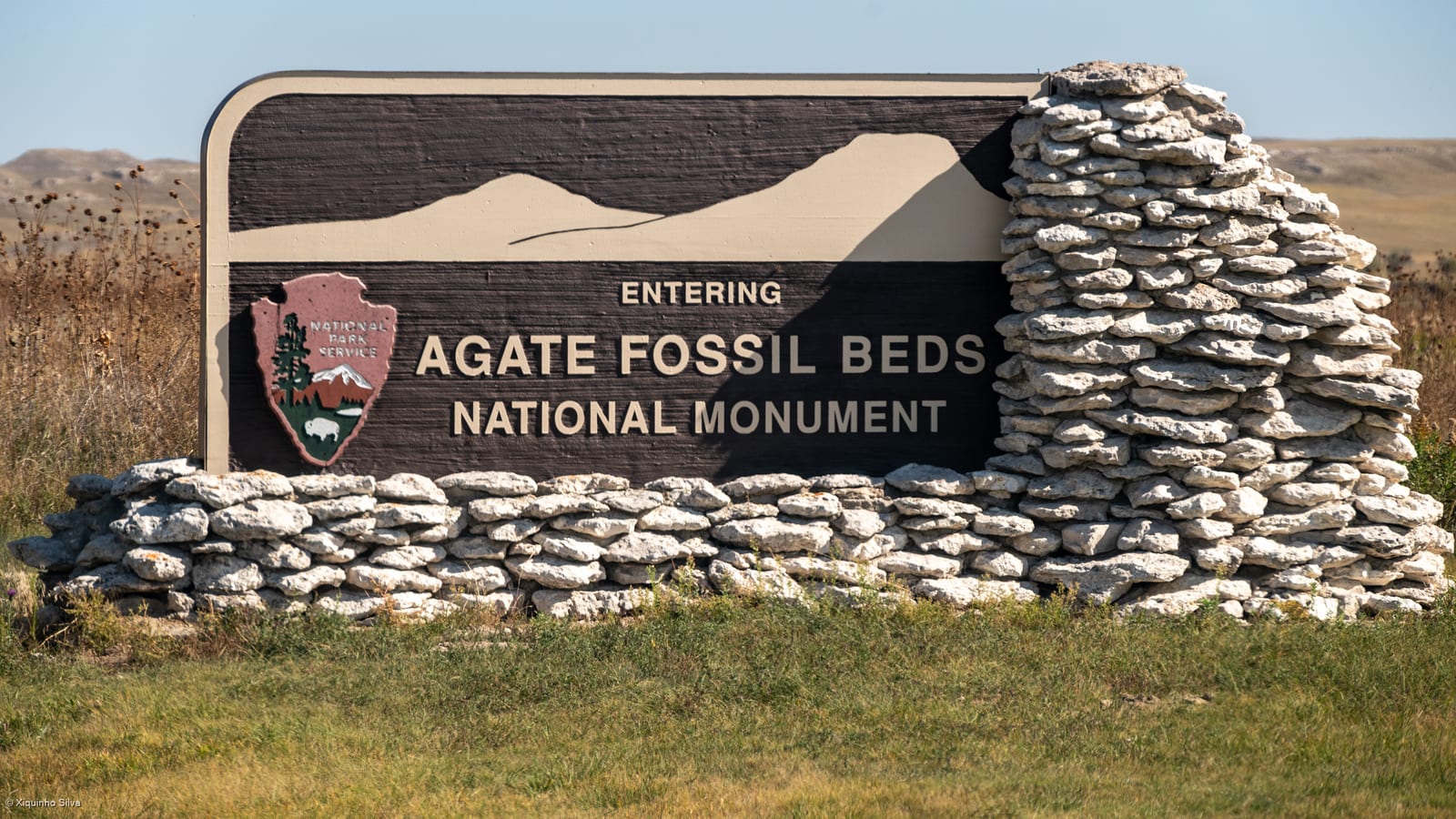
In the US, metal detecting on federal land (BLM, National Forests) is generally permitted for personal use of common items, with the same broad restrictions as fossil collecting. On National Park land, both metal detecting and fossil collecting are prohibited. The Archaeological Resources Protection Act (ARPA) of 1979 prohibits disturbing or removing any archaeological material more than 100 years old from federal land, which covers a wide range of historical artefacts and is more restrictive than the casual fossil collection rules.
State regulations vary for both activities. Both communities advise checking the specific rules for each parcel of land before any collecting begins.
Environmental and social profile
Metal detecting produces finds that are often associated with specific private farmland, particularly in the UK where the density of historical use is highest. Most productive detecting involves negotiating access with farmers, a process similar to accessing private fossil collecting sites. The detecting community in the UK has established a voluntary Code of Responsible Detecting that covers permissions, find reporting, and site restoration.
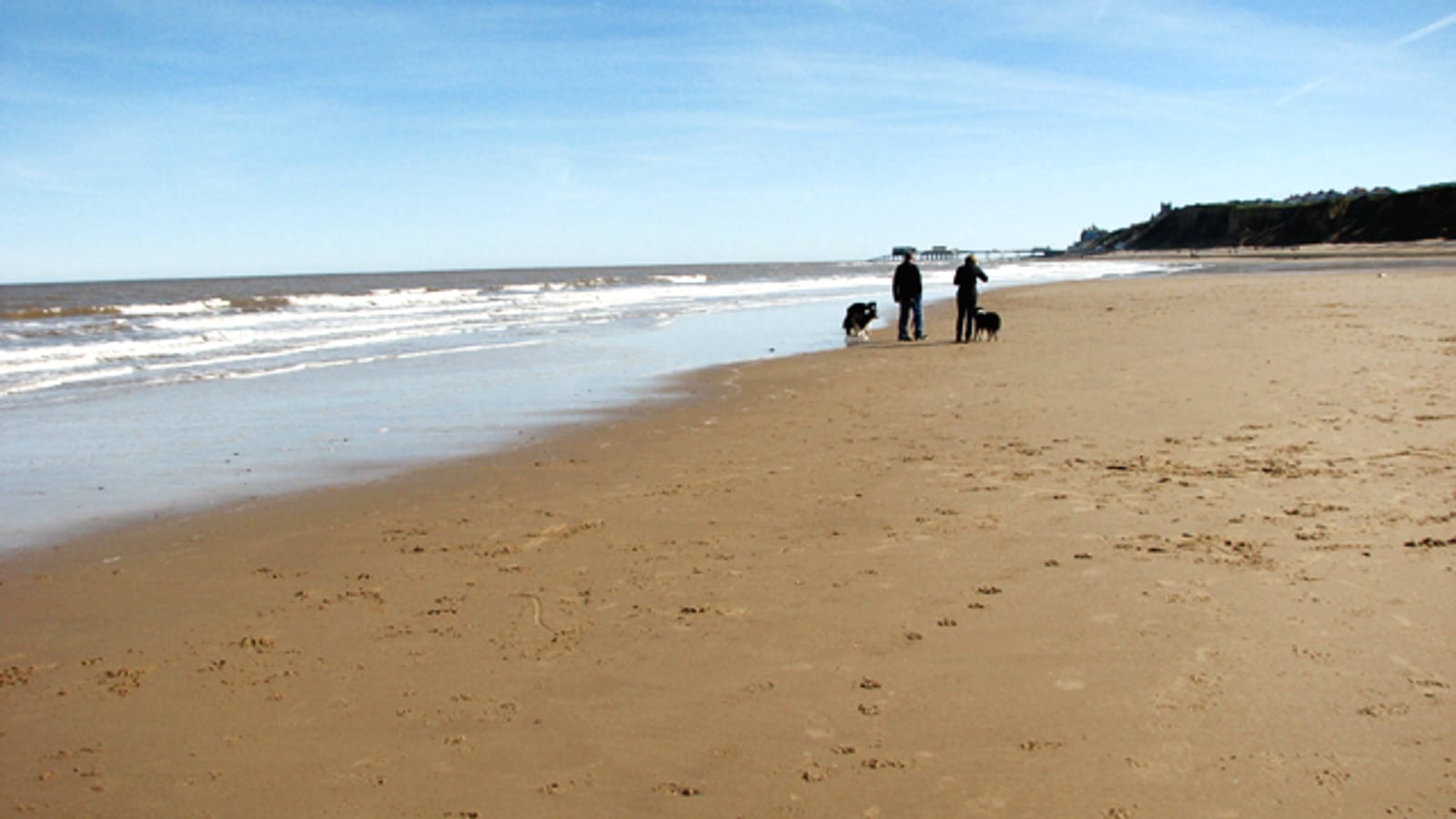
Fossil collecting is more often focused on natural exposures, beach foreshore, quarries, stream banks, where public access is available. The erosion-based model of foreshore collecting means that the same natural processes that created the site continue to replenish it. Responsible surface collecting from a beach foreshore does not permanently deplete the site in the way that excavating an artefact from a known archaeological deposit might.
Which one suits you
If history, human stories, and the connection between objects and specific people or periods interests you: metal detecting. If natural history, deep time, geology, and the reconstruction of ancient ecosystems interests you: fossil hunting. If you want maximum guaranteed finds per hour of effort at accessible sites: fossil hunting on productive beach foreshore edges ahead. If you want the strongest UK community infrastructure with established find reporting protocols: metal detecting has the larger organized community in the UK.
Many collectors discover that the two hobbies complement each other, geological maps used for fossil site identification are also useful for understanding the medieval land use that metal detecting explores. Several UK fossil collectors also detect, and the habit of systematic searching transfers directly.
Where to go next
For fossil hunting specifically, the beginners guide on GFH covers the basic kit and the best starter sites in the UK and US. The guides section lists the regional fossil hunting guides covering the UK's most productive areas.
Frequently asked questions
- Is fossil hunting better than metal detecting?
- It depends on your interests. Metal detecting targets historical artefacts — coins, jewellery, and military finds — connecting finds to specific human stories. Fossil hunting targets ancient life — invertebrates, bones, and plants — connecting finds to geological deep time. Fossil hunting has a lower startup cost ($50–$100 for hand lens, hammer, and safety glasses versus $150–$400 for a functional beginner metal detector), and at productive beach sites typically produces more finds per hour of searching.
- Do you need a licence to metal detect in the UK?
- In England, Wales, and Northern Ireland, no licence is required, but finds covered by the Treasure Act 1996 — objects more than 300 years old made of gold or silver, or more than 10 associated base metal objects — must be reported to the local coroner within 14 days. Failure to report is a criminal offence. In Scotland, Scots law's Treasure Trove and Bona Vacantia principle applies to all antiquities of cultural significance, and metal detecting technically requires prior approval. Fossil collecting from the foreshore has no equivalent mandatory reporting requirement.
- Can you do both fossil hunting and metal detecting?
- Yes, and many collectors do both. Geological maps used for identifying fossil-bearing formations are also useful for understanding medieval land use patterns relevant to metal detecting. The habit of systematic searching transfers directly between the two hobbies. Some productive geological environments — particularly coastal areas and river valleys — also contain historical artefacts.