Beginner's Guide
Fossil Hunting for Beginners: A Practical Guide
Fossil hunting requires no experience and minimal equipment. The key decisions are choosing the right site for your location, understanding what you are allowed to do there, and knowing what to look for. This guide covers all three.
0 fossil sites
Choosing your first site
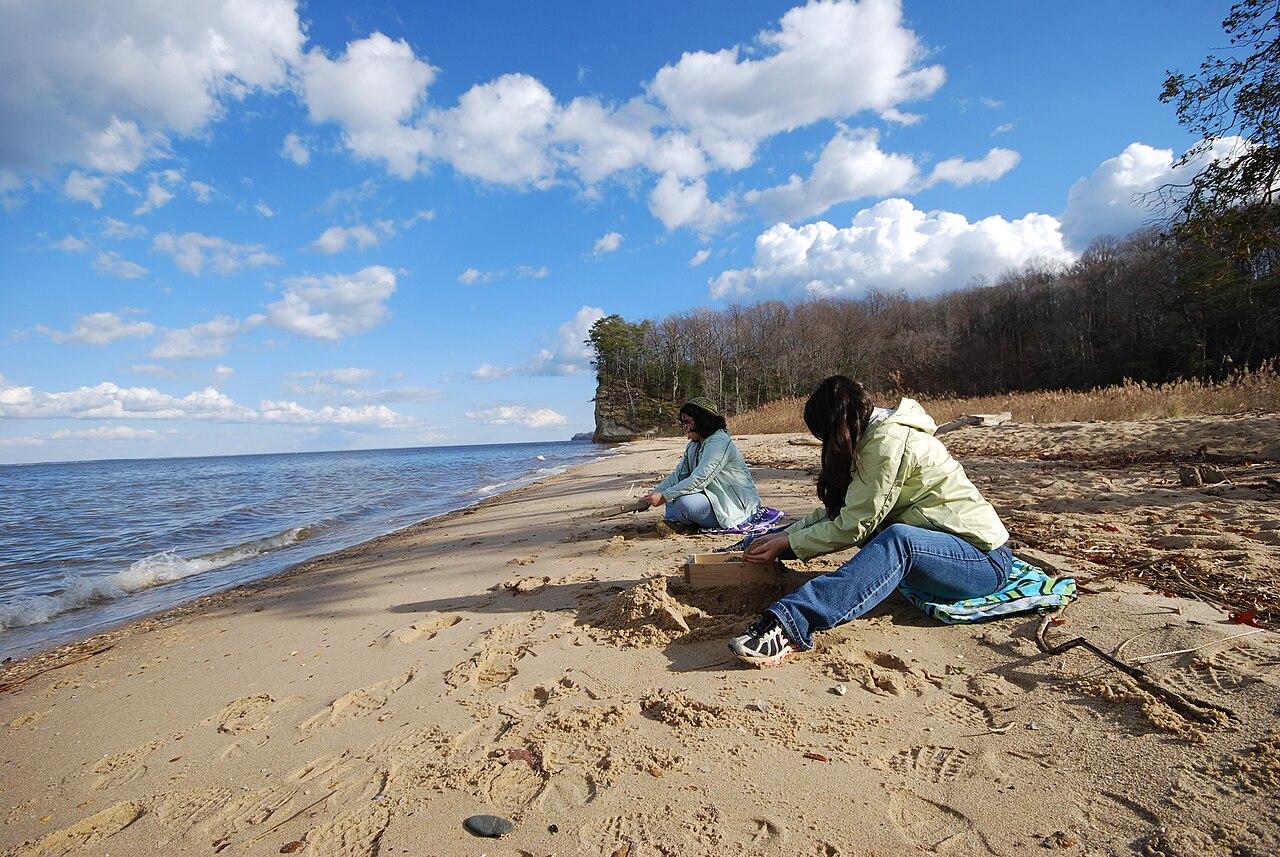
The three main types of public fossil site are free beach sites, pay-to-dig quarries, and permit-required river or state land sites. For a first trip, a free beach site is the simplest option. No booking is required, no money changes hands, and the technique is straightforward: you walk slowly and look at what is on the ground. The UK Jurassic Coast in Dorset and the US Atlantic coast are the two most productive free beach zones for beginners. The Dorset Jurassic Coast guide covers the main sites in detail, including tide windows and what each beach produces. For the US coast, the Florida fossil hunting guide covers public beaches where shark teeth can be collected without any permit. Pay-to-dig quarries are a reliable alternative when weather makes beach visits impractical: you pay an entry fee, the site provides tools if needed, and everything you find is yours to keep. Permit-required sites, such as certain Bureau of Land Management land in the western US, involve more paperwork and are better suited to a second or third trip once you have the basics down.
Before visiting any site, check its access type using the site's official page or a current field guide. The key question is whether surface collecting is permitted. At most UK beach sites below the foreshore high-tide mark, it is. At US state parks and national parks, rules vary and are usually posted at the trailhead or on the park's website. If you are planning a family trip, the family-friendly sites guide lists eight locations that allow children to find and keep fossils without permits, with terrain notes for each one so you can match the site to your group's ability. For the practical field habits that experienced collectors apply on every trip, 10 fossil hunting tips for beginners covers how to read a site, when to arrive, and the habits that make the difference between a productive trip and an empty bag.
What to bring
For most beginner sites, a short kit list is sufficient. Avoid bringing a geological hammer on your first visit. Cliff faces at UK coastal sites are legally protected at most locations, hammering is prohibited at Sites of Special Scientific Interest, and the foreshore scree consistently produces better-quality material than anything you could chip from the rock above. Surface scanning is more productive and leaves the site intact for the next visitor.
Hand lens (10x)
A 10x magnifying loupe lets you see suture lines on ammonites, enamel texture on shark teeth, and fine surface detail that is invisible to the naked eye and turns a nondescript fragment into something identifiable.
Mesh bag or bucket
A mesh bag lets sand and water drain away from beach finds during the walk back, which keeps specimens cleaner and reduces the weight you carry across the foreshore.
Tissue paper or newspaper wrap
Wrap each significant find individually before placing it in your bag. Freshly collected fossils from clay-bearing foreshore scree are sometimes softer than they appear and will crack if they knock against each other in transit.
Waterproof boots
Most productive foreshore sites involve wet rock, tidal pools, or muddy clay runoff from the cliffs. Ankle-height waterproof boots with a grip sole are more practical than wellies for scrambling over uneven shingle and rocky ledges.
Tide table (UK beaches)
At UK coastal sites, arriving as the tide falls gives you the maximum time on the exposed foreshore before the water returns. Tide tables for any UK location are free from the National Tidal and Sea Level Facility or via the BBC Weather site.
Water and sun protection
Open foreshore and quarry sites offer little shade. A half-day on an exposed beach, particularly in Florida or at a US pay-to-dig site in summer, involves significant UV exposure. Carry more water than you think you need.
What you are likely to find
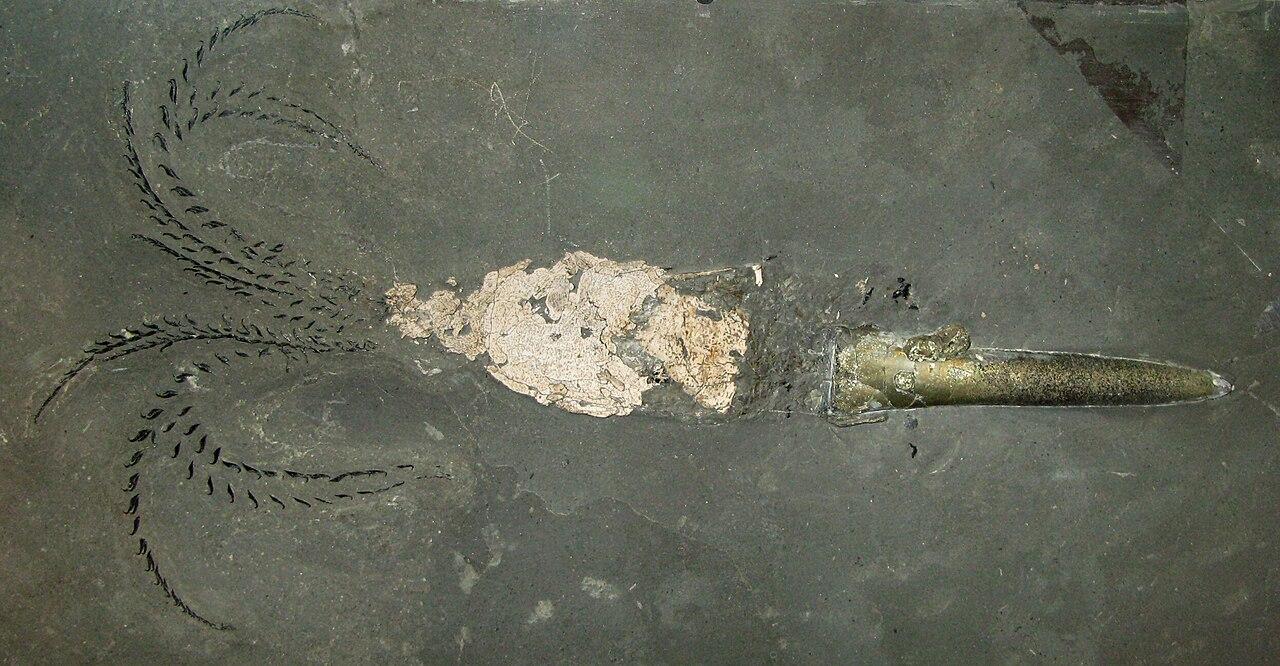
The most common first finds vary by region. On UK Jurassic Coast beaches in Dorset and Yorkshire, ammonites and belemnites are the staple finds. Ammonites are coiled cephalopod shells, usually grey or brown, and range from thumbnail-sized to dinner-plate-sized depending on which clay bed produced them. Belemnites are the cigar-shaped internal guards of squid-like animals, smooth and cylindrical, easy to identify once you know the shape. The guide to where to find ammonites covers the specific beds and UK beaches that produce them most consistently. On the US Atlantic coast, shark teeth are the primary surface find. Venice Beach in Florida and Calvert Cliffs in Maryland both expose Miocene marine sediments that erode dark, triangular teeth in quantity. The guide to where to find shark teeth explains how to distinguish teeth by species and which beaches produce the largest sizes. In the limestone outcrops of Ohio and the wider Midwest, trilobites and brachiopods are the likely finds. These come from Ordovician seabed sediments roughly 450 million years old. Trilobites are less common than brachiopods but distinctive, and the guide to where to find trilobites covers the sites and techniques that produce them most reliably.
Most finds at any site will be fragments. A complete ammonite with the full coil preserved and no matrix covering the surface is less common than a half-ammonite or a fragment showing just a few whorls. A complete trilobite with all segments articulated is rare enough that experienced collectors photograph them before picking them up. This is normal, and fragment finds are scientifically and personally valid. The expectation calibration matters because new collectors sometimes assume everything they see at a productive site will be complete and museum-quality. A morning of careful searching at a good beach site typically produces several recognisable fragments, one or two partial specimens, and occasionally a more complete find. That is a productive trip by any standard.
Rules and what you can keep
In the UK, surface collecting from foreshore scree is generally permitted at public beach sites. The foreshore below the high-tide mark is typically owned by the Crown Estate and is accessible to the public. Removing material from cliff faces is a different matter. Sites of Special Scientific Interest, which include most productive Jurassic Coast locations, prohibit hammering or any disturbance of the rock face. The practical result is that the scree at the base of the cliff is fair game; the cliff itself is not. If you find a significant vertebrate fossil, particularly a fish skull, a marine reptile bone, or anything with a clear spine or limb structure, the responsible course is to record its location and report it to the local heritage coast centre before removing it. For most invertebrate finds, ammonites, belemnites, brachiopods, and plant material, no reporting is required and you can take them home.
In the US, the rules depend on land ownership and fossil type. On public beaches in Florida, no permit is required for surface collecting, and there are no restrictions on keeping common marine fossils including shark teeth. Federal land managed by the Bureau of Land Management allows collection of reasonable quantities of common invertebrate and plant fossils without a permit, but vertebrate fossil collection requires a permit and is generally restricted to researchers. State park rules vary: some parks explicitly permit collecting from designated areas, others prohibit it entirely. Pay-to-dig sites, including many quarry operations in the midwestern and eastern US, include the right to keep everything you find as part of the admission fee. When in doubt, check the specific site's current rules before collecting anything.
How to identify what you found
Several free resources exist for identification after a trip. The Fossil Forum is an online community where members identify photographs submitted by collectors at any experience level; responses from experienced collectors typically arrive within a day and often include the species name, geological period, and formation. FossilEra's education section provides species identification guides with labelled photographs organised by geological period — a useful cross-reference when field guides don't cover your specific specimen. The Natural History Museum in London operates an online identification service and holds occasional identification days where visitors can bring specimens in person. Local geological societies run identification evenings in most UK counties and some US states. For visitors to the Isle of Wight, Dinosaur Isle Museum in Sandown offers in-person identification for finds from the island's Cretaceous beds. More generally, the fossil type browser on this site covers the major groups with photographs and distinguishing characteristics, and works as a starting point for narrowing down what you have before seeking an expert opinion.
Frequently asked questions
- Do I need a permit to go fossil hunting?
- It depends on where you go. In the UK, surface collecting from the foreshore at public beaches such as Charmouth and Whitby requires no permit. Hammering cliff faces at Sites of Special Scientific Interest is prohibited, but picking up loose material from the beach is legal and free. In the US, rules vary considerably by land type. Florida's public beaches require no permit for surface collecting. Federal land managed by the Bureau of Land Management restricts vertebrate fossil collecting to permit holders only, though common invertebrate and plant fossils may be collected in small quantities. Pay-to-dig sites in both countries include the right to keep everything you find as part of the entry fee.
- What is the best fossil hunting site for beginners in the UK?
- Charmouth in Dorset is the clearest first choice for a beginner in the UK. The Charmouth Heritage Coast Centre provides free fossil identification, the foreshore scree regularly yields ammonites and belemnites without any tools, and the collecting rules are well-explained on site. Arriving as the tide is falling gives you the most time on the exposed foreshore. Whitby in North Yorkshire is a close second: the alum shale scree below the East Cliff produces ammonites reliably, and the town has good facilities for a day trip.
- What is the best fossil hunting site for beginners in the US?
- Venice Beach in Florida is the most accessible first site for US beginners. Shark teeth wash ashore from Miocene phosphate deposits offshore, no permit is required, the beach is public and free, and children can fill a small bag in an hour of careful looking in the surf zone. Calvert Cliffs State Park in Maryland is a strong second option: Miocene marine sediments erode shark teeth, whale vertebrae, and ray crushing plates onto the beach, and collecting from the scree below the cliffs is permitted. Caesar Creek State Park in Ohio is the best option for anyone interested in Ordovician invertebrates rather than shark teeth.
- What tools do I need for fossil hunting?
- For most beginner sites, you need very little. A 10x hand lens for examining finds, a mesh bag or bucket, tissue paper to wrap specimens, and waterproof boots cover the essentials. At UK beach sites, you also need a current tide table, which is free from the local harbour authority or weather services online. Do not bring a geological hammer to a first site. Cliff faces at UK coastal sites are legally protected at most locations, and hammering is unnecessary because the foreshore scree contains better-quality material than anything you could extract from the rock above. At Ohio limestone sites, a soft brush to clear sediment from rock surfaces is more useful than any kind of hammer.
- How do I know if what I found is actually a fossil?
- Fossils typically have a more complex structure than surrounding rock. Ammonites have a coiled form with visible ribs or suture lines. Shark teeth are triangular with a smooth enamel surface, usually dark brown or grey from mineral replacement. Brachiopod shells have bilateral symmetry and a ribbed or smooth surface that stands out from plain pebbles. Belemnites are cylindrical and pointed, resembling a bullet. When in doubt, take your find to a local museum identification day or post a clear photograph to The Fossil Forum online community. The Natural History Museum in London also offers a postal identification service. Most genuine fossils from the sites listed in this guide are recognisable with a hand lens and a basic reference image.
- How do I find a fossil collecting club near me?
- In the US, the American Federation of Mineralogical Societies (AFMS) maintains a directory of affiliated clubs organised by state, covering fossil, mineral, and gem clubs across the country. Most clubs hold regular field trips and identification meetings open to non-members. In the UK, the Geological Society of London lists affiliated geological societies by county. Earth Science Week, organised each October by the American Geosciences Institute, is a good entry point for finding local events and club open days across North America.
Recommended resources
- The Fossil Forum — The largest online fossil identification community; post a photo of an unidentified find and experienced collectors will identify it.
- FossilEra Education — Species identification guides with labelled photographs organised by geological period and taxon.
- American Federation of Mineralogical Societies (AFMS) — Directory of affiliated fossil and mineral clubs across the US, organised by state — the most efficient way to find a collecting club near you.
- Earth Science Week (American Geosciences Institute) — Annual October event with resources, activities, and links to local geoscience events and club open days across North America.