value
How Much Does a Fossil Cost to Buy?
By Edward Chen · Updated 31 July 2026
Fossils span a price range that covers more orders of magnitude than almost any other collectible category. A shark tooth from Florida sells for $1–$3. A megalodon tooth over five inches in excellent condition sells for $500–$5,000. A complete T. rex skull sold for $31.8 million at Christie's in 2020. Within that range, the prices for most commonly traded fossil types are fairly stable and predictable once you understand what drives them.
Buying fossils requires knowing which quality factors matter for each type, where restoration is common and should be disclosed, and which markets offer reliable pricing.
Common fossils: $1–$100
The most widely traded fossil types, common shark teeth, small ammonites, trilobite fragments, crinoid ossicles, and generic invertebrate material, trade in the $1–$100 range depending on size, preservation, and whether the specimen has been cleaned and displayed.
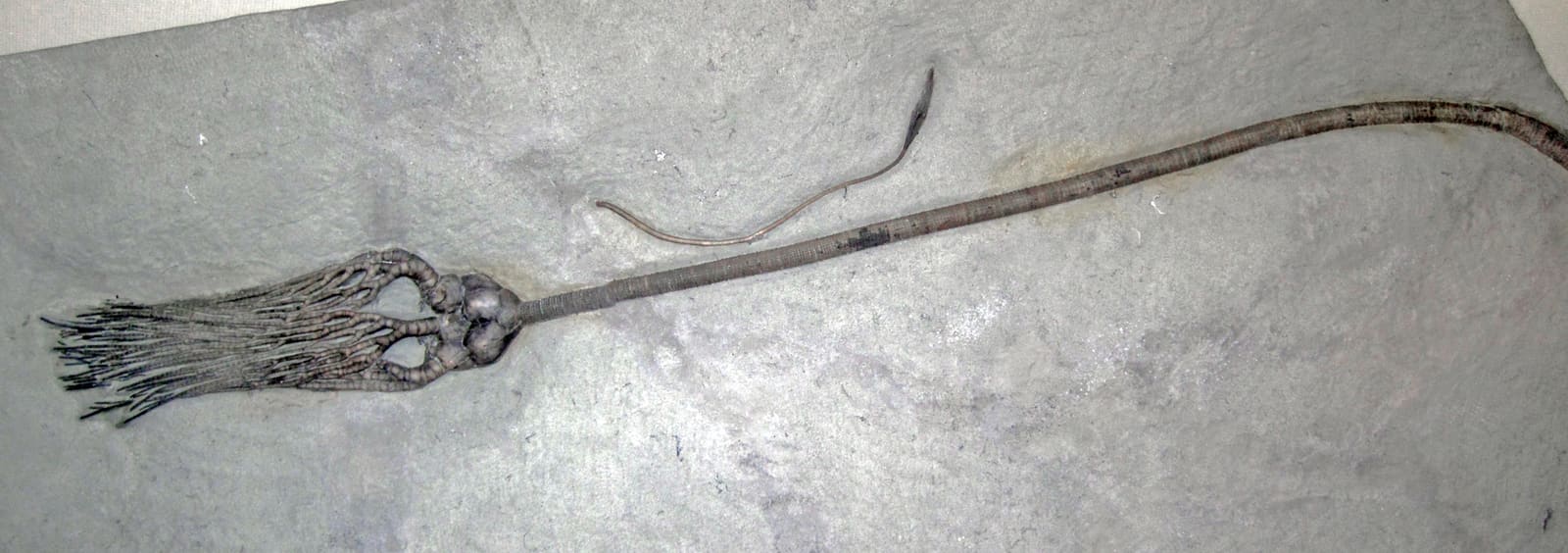
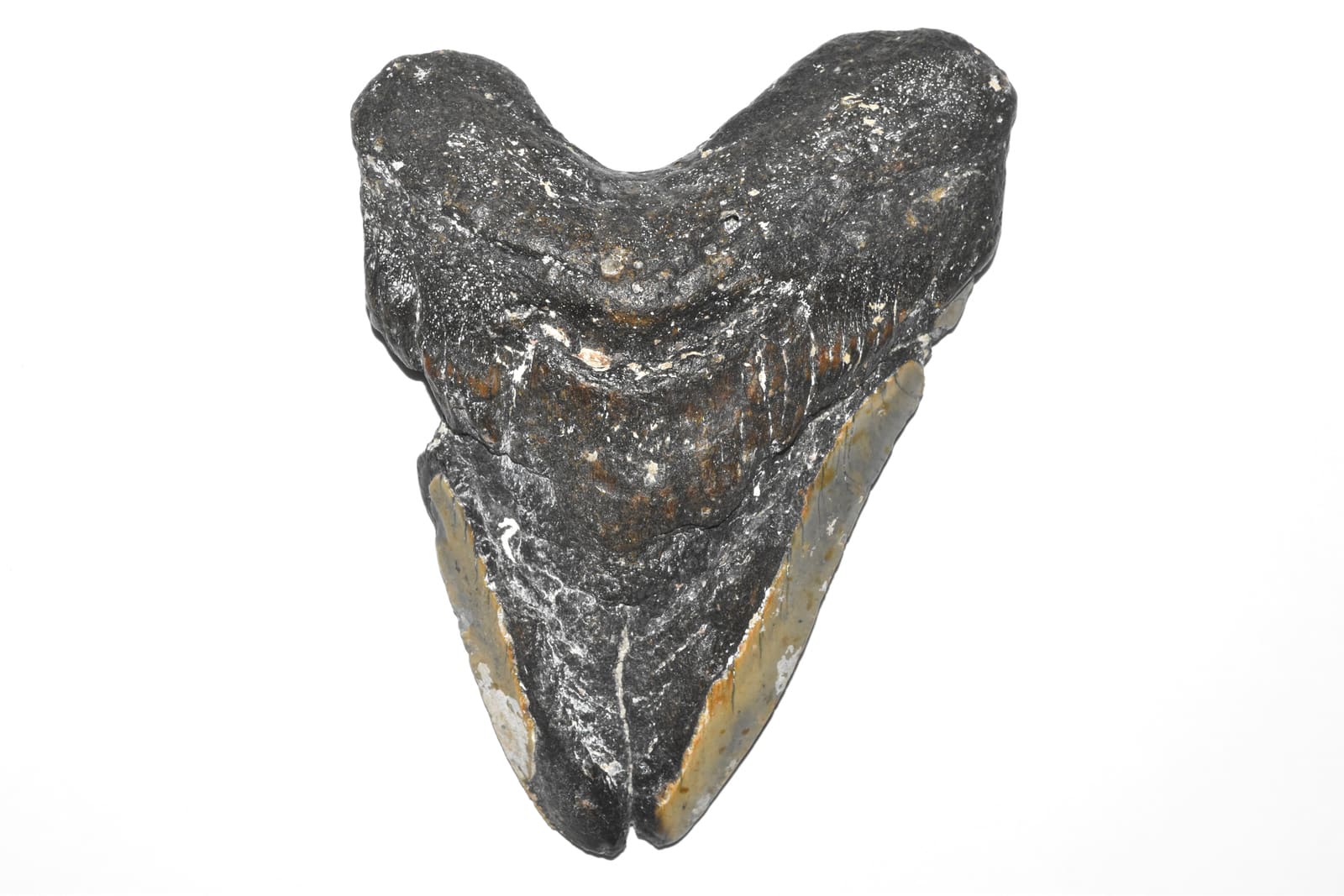
Carcharocles megalodon teeth at the smaller end (under 3 inches): $5–$30. Smaller modern shark teeth (Carcharodon, Isurus): $1–$15. Ammonites from Morocco (common polished Cleoniceras or Desmoceras): $10–$60 depending on diameter. Trilobites (Elrathia kingii from Utah, the most commonly traded North American trilobite): $5–$25 complete. Green River fish (Knightia, the smallest species): $15–$50 framed.
This material is widely available on eBay, at fossil shows, and from online dealers. Prices are competitive and relatively stable. The main risks at this price level are misidentified species (a common issue with shark teeth, where dozens of species look similar) and undisclosed restoration on Moroccan invertebrates. See how to tell if a fossil is fake for the hand-lens and UV-light checks that catch most of it before you pay.
Mid-range fossils: $100–$1,000
This range covers larger or more complete examples of common types, less common species, and material that requires significant preparation.
Large megalodon teeth (4–5 inches, good condition): $100–$500. Exceptional examples with full root, intact serrations, and excellent enamel: up to $1,000. Complete Moroccan trilobites with detailed preparation showing appendages or eyes: $200–$800. Mosasaur vertebrae or teeth: $100–$400. Green River fish at the larger end (Diplomystus, Priscacara, framed): $150–$500. Partial dinosaur bone sections: $100–$500 depending on species identification and preservation.
At this price level, knowing the seller matters significantly. Established dealers with verifiable return policies, transparent restoration disclosure, and clear provenance statements are worth paying a modest premium over unknown eBay sellers.
Premium fossils: $1,000–$50,000
This market covers scientifically significant or aesthetically exceptional specimens: complete mosasaur skulls, complete dinosaur skeletons of smaller species, exceptional Moroccan trilobites with rare morphologies, amber with significant inclusions, and large complete megalodon teeth.
A complete Platecarpus mosasaur skull from Kansas (Cretaceous): $10,000–$50,000 depending on size and completeness. Walliserops trifurcatus (the rare trident trilobite from Morocco): $3,000–$15,000 for genuine, well-prepared examples. Excellent large megalodon teeth over 6 inches: $1,000–$5,000+. Complete fish slabs from the Green River Formation: $500–$5,000 depending on species and size.
This market operates primarily through specialist dealers, Tucson fossil shows, and auction houses. Heritage Auctions has a dedicated natural history division with historical sale results publicly available, which provides reliable pricing reference.
Auction-level specimens: $50,000+
Complete dinosaur skeletons, particularly North American species from commercially productive formations, have been selling at major auction for years. Stan, a T. rex, sold for $31.8 million. Sue, the most complete T. rex, sold for $7.6 million in 1997 (a very different market). Smaller but significant specimens, complete Edmontosaurus skeletons, Triceratops skulls, sell for $100,000–$5 million at natural history auctions held by Christie's, Sotheby's, and Bonhams.
These sales are controversial in the scientific community because material that sells commercially is often unavailable for scientific study. Several high-profile auction sales have motivated lobbying for stricter export controls in the countries of origin.
What drives price: the key factors
Completeness. A 60% complete skeleton is not worth 60% of the price of a 100% complete one, the gap is much larger, because incompleteness is both scientifically and aesthetically limiting.
Preparation quality. A professionally prepared specimen with matrix cleanly removed and delicate structures intact can be worth 5–10× the equivalent unprepped specimen. Preparation by known, reputable preparators adds verifiable value.
Restoration disclosure. Restored fossils, where missing sections have been filled or reconstructed, should be clearly disclosed. Undisclosed restoration is the most common source of buyer dissatisfaction at all price levels and is considered unethical practice in the established dealer community.
Provenance. A specimen with a documented collection history, named locality, formation, and collection date is more credible and more valuable than anonymous material.
Where to buy
eBay is the largest volume marketplace but requires careful vetting of sellers, check feedback history, return policy, and whether restoration is disclosed. Established dealers at the Tucson Gem and Mineral Show (February annually) are among the most reputable trading sources. Heritage Auctions' natural history sales are reliably documented. Buying from established specialist dealers, even at a modest premium, reduces the risk of misidentification or undisclosed restoration.
Where to go next
If you want to find your own specimens rather than buy them, the GFH guides cover the most accessible public fossil sites across the UK, US, and Europe. The Florida guide covers shark tooth sites where megalodon material is realistically accessible to recreational collectors.
Frequently asked questions
- How much do fossils cost to buy?
- Prices span an enormous range. Common shark teeth sell for $1–$30; small ammonites from Morocco for $10–$60; complete common trilobites (Elrathia kingii from Utah) for $5–$25. At the mid-range, megalodon teeth over five inches in excellent condition sell for $500–$5,000. At the auction level, significant dinosaur specimens reach millions — the T. rex known as Stan sold for $31.8 million at Christie's in 2020.
- Where is the best place to buy fossils?
- The Tucson Gem and Mineral Show, held annually each February in Tucson, Arizona, is the world's largest fossil trading event and offers the widest selection from established dealers with verifiable return policies. Heritage Auctions runs documented natural history sales with provenance records. eBay is the largest volume marketplace for common specimens but requires careful vetting — check seller feedback history and whether any restoration is disclosed before purchasing.
- What makes a fossil more valuable?
- Four main factors drive value: completeness (a 60% complete skeleton is not worth 60% of a complete one — the gap is much larger), preparation quality (professionally prepared specimens can be worth 5–10× an equivalent unprepped example), restoration disclosure (undisclosed infill or reconstruction significantly reduces value and is considered unethical practice in the established dealer community), and provenance (a named locality, collection date, and documented ownership history adds credibility and market value).