Country
Fossil hunting in Mongolia
The Mongolian Gobi Desert is one of the world's premier Late Cretaceous dinosaur regions. The Flaming Cliffs of Bayanzag yielded the first dinosaur eggs ever identified in 1923, and Gobi outcrops continue to produce world-class Velociraptor, Protoceratops, and Oviraptor specimens.
All vertebrate fossils in Mongolia are state property, and export is illegal. Enforcement is serious, and it followed several international prosecutions for trafficked specimens. Never buy a fossil from a local vendor. Doing so risks prosecution and it funds the removal of scientifically important material.
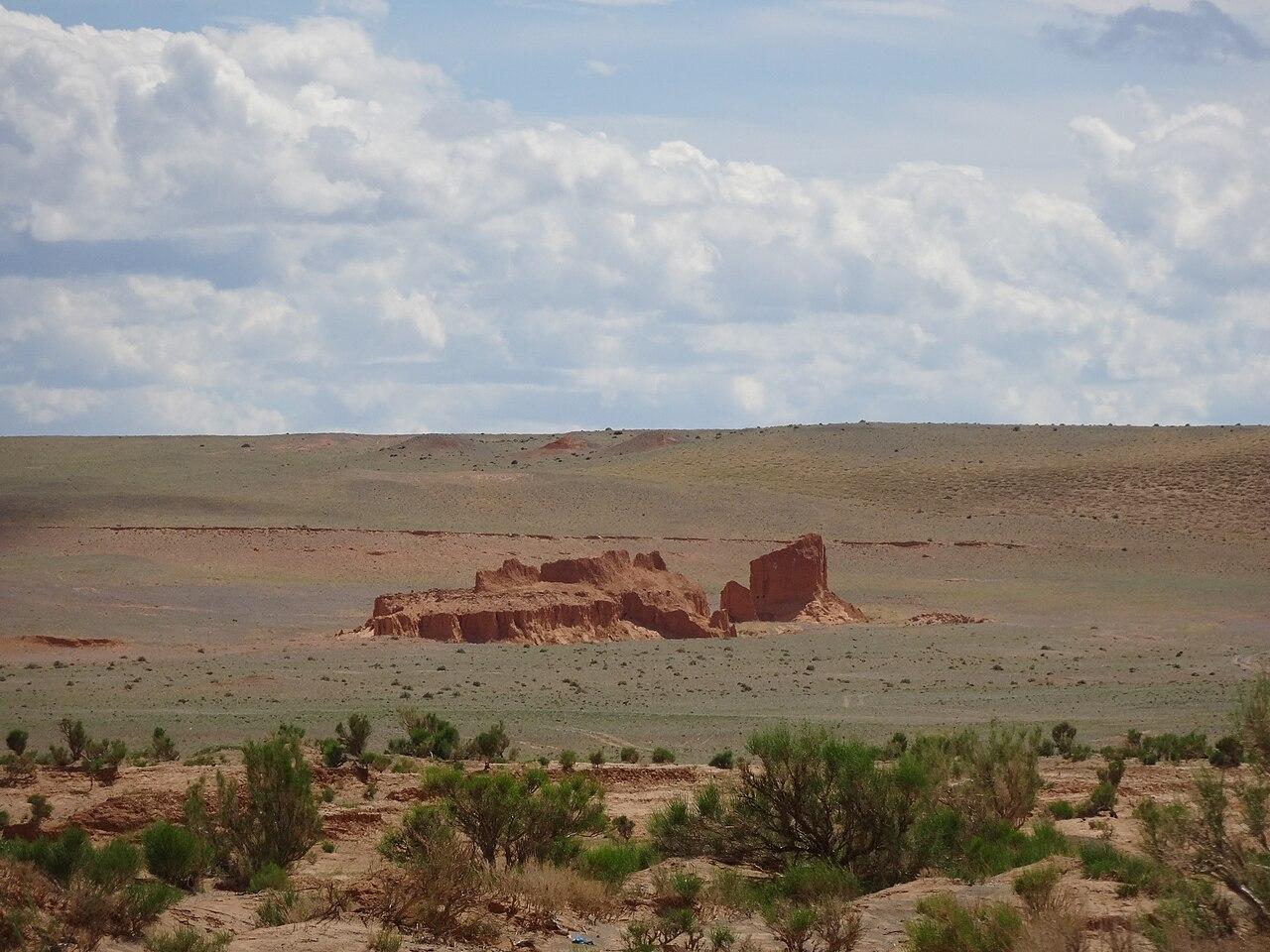
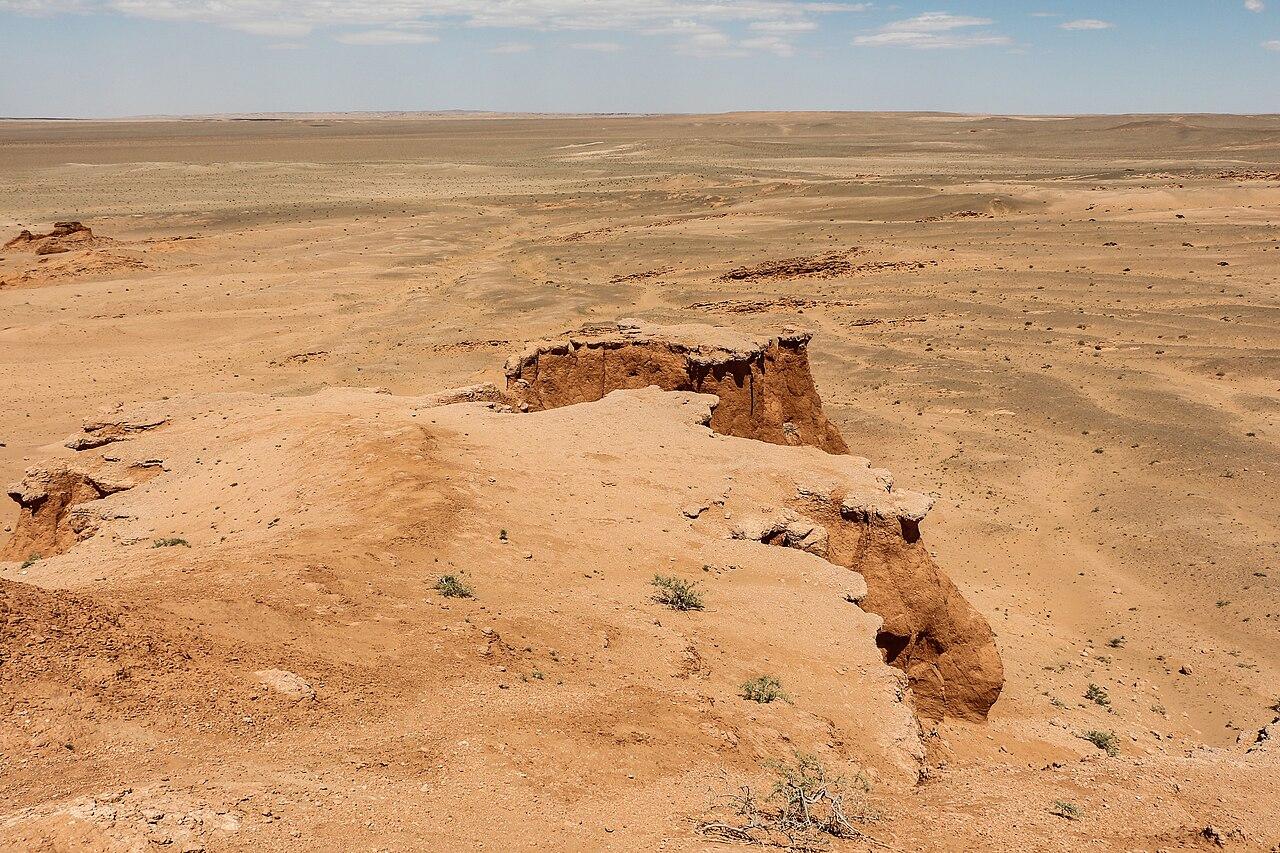
Bayanzag is the site most visitors come for. The name is Mongolian for a place abundant in saxaul shrubs, and the cliffs sit about 100 kilometers northwest of Dalanzadgad. Roy Chapman Andrews of the American Museum of Natural History gave them the nickname Flaming Cliffs. His 1923 expedition identified the first dinosaur eggs recognized as such, and the cliffs still produce internationally studied Late Cretaceous material.
Travel needs planning. Most visitors join a multi-day Gobi tour from Ulaanbaatar with a driver and a guide in a four-wheel-drive vehicle. Navigation depends on GPS and local knowledge, because there are few marked roads. Spring and autumn are the most comfortable seasons.
1 fossil site
Updated 26 September 2026
Where to see the Gobi dinosaur beds
- Bayanzag (Flaming Cliffs) — A band of orange-red Djadochta Formation sandstone about 100 kilometers northwest of Dalanzadgad, dated to roughly 75 to 71 million years ago. Access to walk the cliffs is free, but every fossil is state property and must stay in place. (American Museum of Natural History)
Frequently asked questions
- Can you collect fossils in Mongolia?
- No. All vertebrate fossils are state property and export is illegal. Enforcement is active and has led to international prosecutions. You can walk the cliffs at Bayanzag and photograph what you find, but everything stays where it lies.
- Why are the Flaming Cliffs famous?
- Roy Chapman Andrews led an American Museum of Natural History expedition there in 1923 that identified the first dinosaur eggs recognized as such. The site has since produced articulated Late Cretaceous skeletons that are studied worldwide.
- How do you visit the Gobi fossil sites?
- Most visitors join a multi-day tour from Ulaanbaatar with a driver and guide in a four-wheel-drive vehicle. Marked roads are few, so navigation depends on GPS and local knowledge. Spring and autumn are the most comfortable seasons.