Morocco Fossil Hunting Guide
8 Best Fossil Hunting Sites in Morocco
Morocco supplies more of the world's fossil trade than any other country, and almost none of it comes from sites you can simply walk onto. The productive localities are working quarries, mines and spoil heaps where a local guide, a mining family or the quarry operator controls entry, so a Moroccan fossil trip is arranged in Erfoud, Alnif, Zagora or Agdz before it happens in the field. What that buys is access to Devonian trilobites preserved in three dimensions, orthocerid limestone cut by the tonne, Ordovician soft tissue from the Fezouata Lagerstätte, and Spinosaurus teeth from the Kem Kem beds.
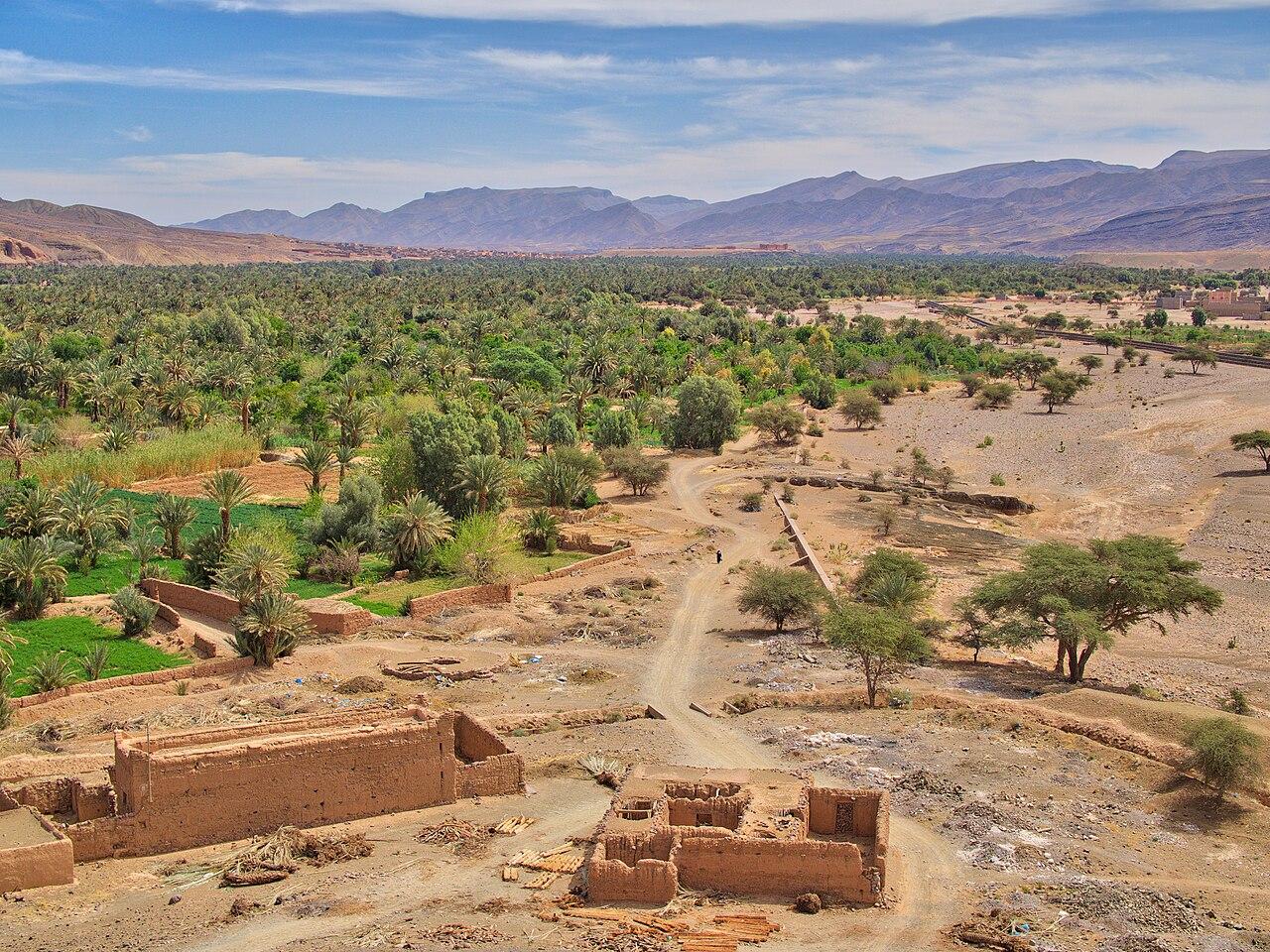
8 fossil sites
Updated 4 November 2026
What makes Morocco productive
The Anti-Atlas exposes an almost continuous Palaeozoic marine section, and each part of it produces a different fossil trade. In the Early Ordovician, Morocco lay at a high southern latitude on the Gondwana margin in cold to temperate water. The Fezouata Formation near Zagora, 478 to 468 million years old, accumulated on a shallow to moderate shelf where low-oxygen bottom conditions stopped scavenging and decay, which is why soft tissue survives there at all. The Draa Valley beds near Agdz, 460 to 450 million years old, were laid down at roughly 50 to 60 degrees south, and the enrolled calymeniid trilobites they produce are characteristic of that cold high-latitude province rather than of warm-water faunas further north. By the Devonian the region had moved into the tropical belt on the margin of the Rheic Ocean. The Erfoud Formation black limestones, 393 to 370 million years old, record a stratified water column where oxygenated surface water never mixed with the sea floor, so pelagic nautiloid and ammonoid shells rained down onto anaerobic mud and were buried before they could rot.
The trilobite sites work on a different mechanism. At Jbel Isoumour, the El Otfal Formation marls and argillaceous limestones hold calcareous nodules that formed early in the sediment's history, before compaction could flatten anything inside them, which is the direct reason the site yields fully rounded uncompressed trilobites while many other Devonian localities give only flat impressions. The younger sites move onto land and into the open ocean. The Kem Kem Group near Taouz, 100 to 93 million years old, is a fluvial and deltaic plain that drained north into a shallow sea, and the Ziz Gorge limestones, 86 to 72 million years old, formed on a carbonate mud sea floor under the Tethys. The Ouled Abdoun phosphates at Khouribga, 65 to 40 million years old, formed where a highly productive tropical sea dropped organic matter faster than it could oxidize, and the same nutrient-rich water supported the shark populations whose teeth now pack the beds. Access follows the economics: these are commercial operations, only Ziz Gorge in this list is free, and the guided-only label on the others is load-bearing rather than cautious.
- 1
Erfoud Main Orthoceras Factory Quarry Fossil Hunting Guide
Morocco
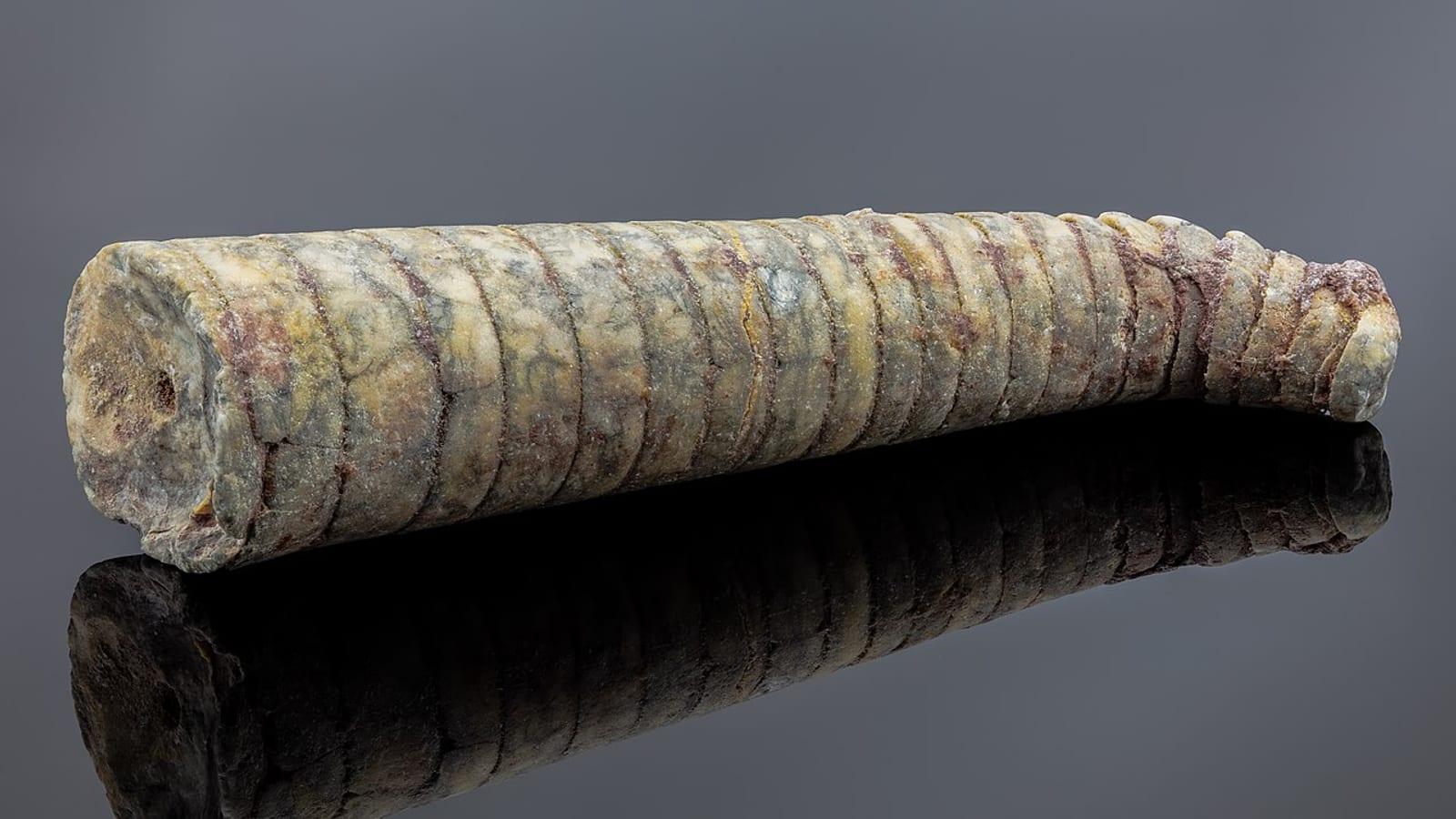
Pay to digOrthoceridsGoniatitesBrachiopodsThe quarries east of Erfoud supply the fossil-stone workshops the town is built on, and this is the largest of them, about 14 km east-southeast of the town center. Multi-bench faces cut black limestone of the Devonian Erfoud Formation, 390 to 370 million years old, packed with straight-shelled orthocerids, goniatites and brachiopods. The quarry floor and the fresh waste piles beside active faces are the collecting ground, and up to 5 kg is a reasonable personal quantity. This is a working industrial operation, so arrange a guide in Erfoud rather than turning up alone: the guide introduces you to the operators, finds the current productive areas and handles access, for roughly 300 to 600 MAD per half-day including transport. Best for a first Moroccan fossil trip, because pale calcite shells against dark matrix are easy for a beginner to recognize.
Read the full guide → - 2
Jbel Isoumour Trilobite Mine Alnif Fossil Hunting Guide
Morocco
Guided toursJbel IsoumourPsychopygeDrotops armatusJbel Isoumour is the Devonian trilobite site that rewrote what paleontologists knew about trilobite spines. The El Otfal Formation here, 407 to 393 million years old, produces Psychopyge with long curved spines off the head shield, the large phacopid Drotops armatus at 10 to 15 cm, Hollardops mesocristata, and the needle-spined Koneprusia, many of them preserved in three dimensions inside calcareous nodules. Access is guided only and there is no independent public route: the desert tracks branch repeatedly without signage, a 4WD is required, and a full-day excursion from Alnif runs about 500 to 800 MAD. You can work the mining waste piles for loose material and buy specimens at various stages of preparation directly from the families who have cut these trenches for sixty years. Best for experienced collectors, because field-collected specimens need professional airscribe preparation before the full morphology appears.
Read the full guide → - 3
Fezouata Biota Locality Zagora Fossil Hunting Guide
Morocco
Guided toursanomalocarididsTrilobitesEchinodermsThe Fezouata Formation near Zagora preserves Early Ordovician soft tissue, 478 to 468 million years old, which is why it ranks among the most studied fossil assemblages anywhere. Anomalocaridids, including Aegirocassis, show that this Cambrian predator group survived well into the Ordovician, some of them apparently adapted for filter feeding, alongside trilobites, echinoderms, brachiopods and worm tubes. The primary scientific sections sit under a research agreement between the University of Lausanne and Moroccan institutions and are not open to independent collecting, and soft-bodied Fezouata material carries extra protection under Moroccan heritage law. What a visitor can do is reach accessible outcrops by 4WD with a Zagora guide, 15 to 40 km from town for roughly 400 to 700 MAD, collect surface trilobite and brachiopod fragments, and buy prepared specimens in the town's fossil shops. Confirm your guide has worked the Fezouata section specifically, because the geological detail is most of what you are paying for.
Read the full guide → - 4
Kem Kem Dinosaur Fossil Beds Taouz Fossil Hunting Guide
Morocco
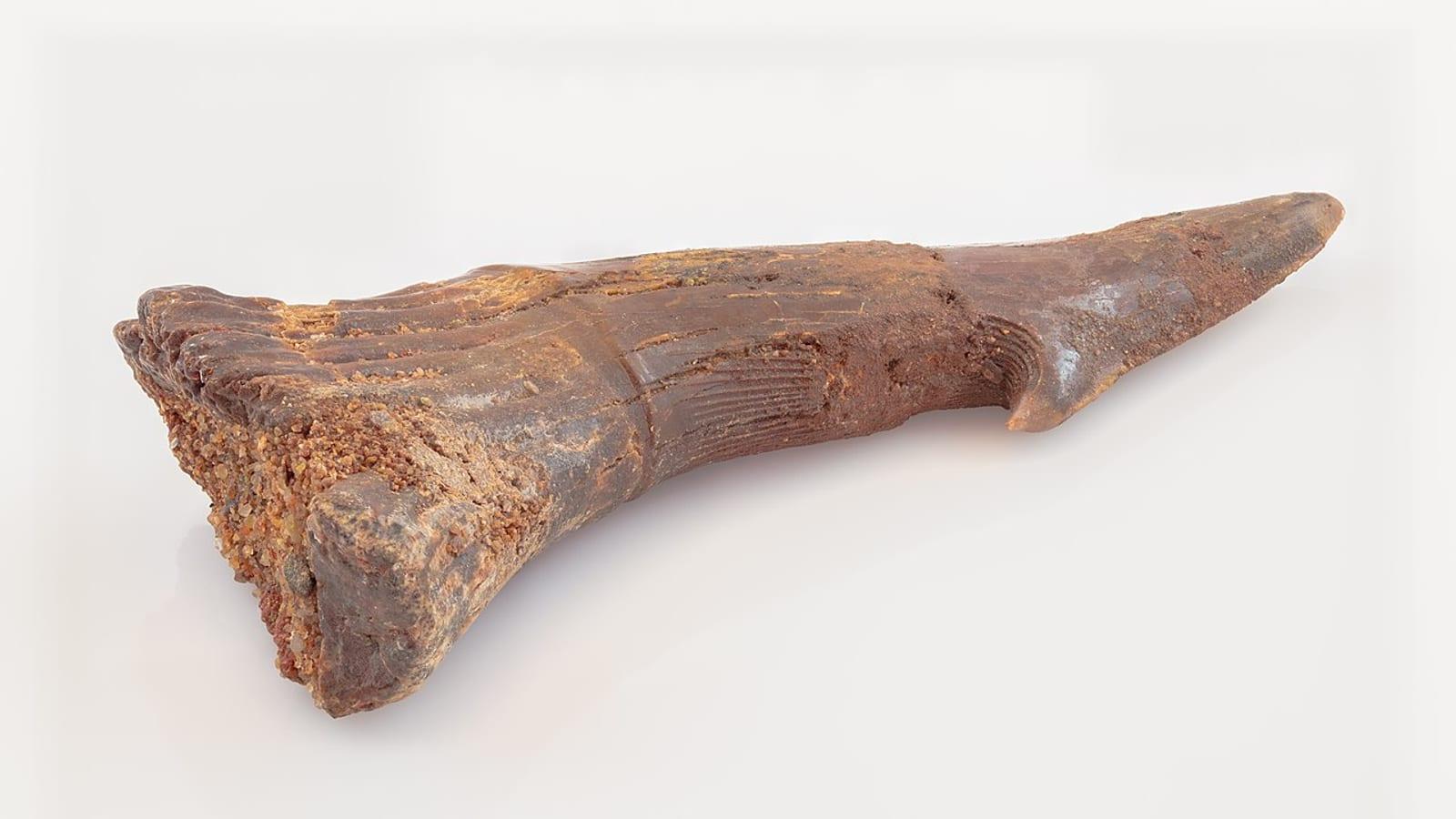
Viewing onlySpinosaurus aegyptiacusCarcharodontosaurus saharicusFish fossilsThe Kem Kem beds near Taouz hold one of the most predator-dense dinosaur faunas described from the Cretaceous. Red and orange sandstones of the Kem Kem Group, 100 to 93 million years old, have produced Spinosaurus aegyptiacus teeth in their thousands, Carcharodontosaurus saharicus teeth that exceed 10 cm in larger individuals, crocodyliform teeth and osteoderms, and scales of the giant coelacanth Mawsonia. We class this as a viewing site because it is not a managed reserve or park: access is negotiated directly with the local quarry workers and guide operators, typically 300 to 600 MAD for a half-day from Taouz, and the final approach needs a 4WD on unmarked piste. Kem Kem vertebrate material is the most sensitive export category in the country and the trade is under active international scrutiny, so keep receipts and check the current rules before you travel. A large share of commercial Kem Kem material has been restored with plaster, painted or composited from several specimens, and a 365 nm UV flashlight reveals most of it, so inspect anything you buy.
Read the full guide → - 5
Hamar Laghdad Orthoceras Quarry Erfoud Fossil Hunting Guide
Morocco
Pay to digOrthocerasGoniatitesBrachiopodsHamar Laghdad is the easiest of the Erfoud quarries to find, 8 km east of town on the N13 with a 500 meter access track off the highway. The same black Erfoud Formation limestone, dated here at 393 to 382 million years old, yields orthocerid shells from a few centimeters to over a meter aligned along bedding planes, goniatites 2 to 8 cm across, and terebratulid and spiriferid brachiopods. The quarry works Monday to Saturday from roughly 8:00 am to 5:00 pm, and visiting Tuesday to Thursday avoids the Friday midday pause. A guide arranged through an Erfoud fossil shop costs about 300 to 500 MAD per half-day and handles the informal access fees, and the workshop at the entrance sells prepared and polished pieces from tabletop slabs upward. Best for beginners who want quantity, with up to 5 kg of loose quarry material a reasonable personal take.
Read the full guide → - 6
Draa Valley Ordovician Trilobite Site Agdz Fossil Hunting Guide
Morocco
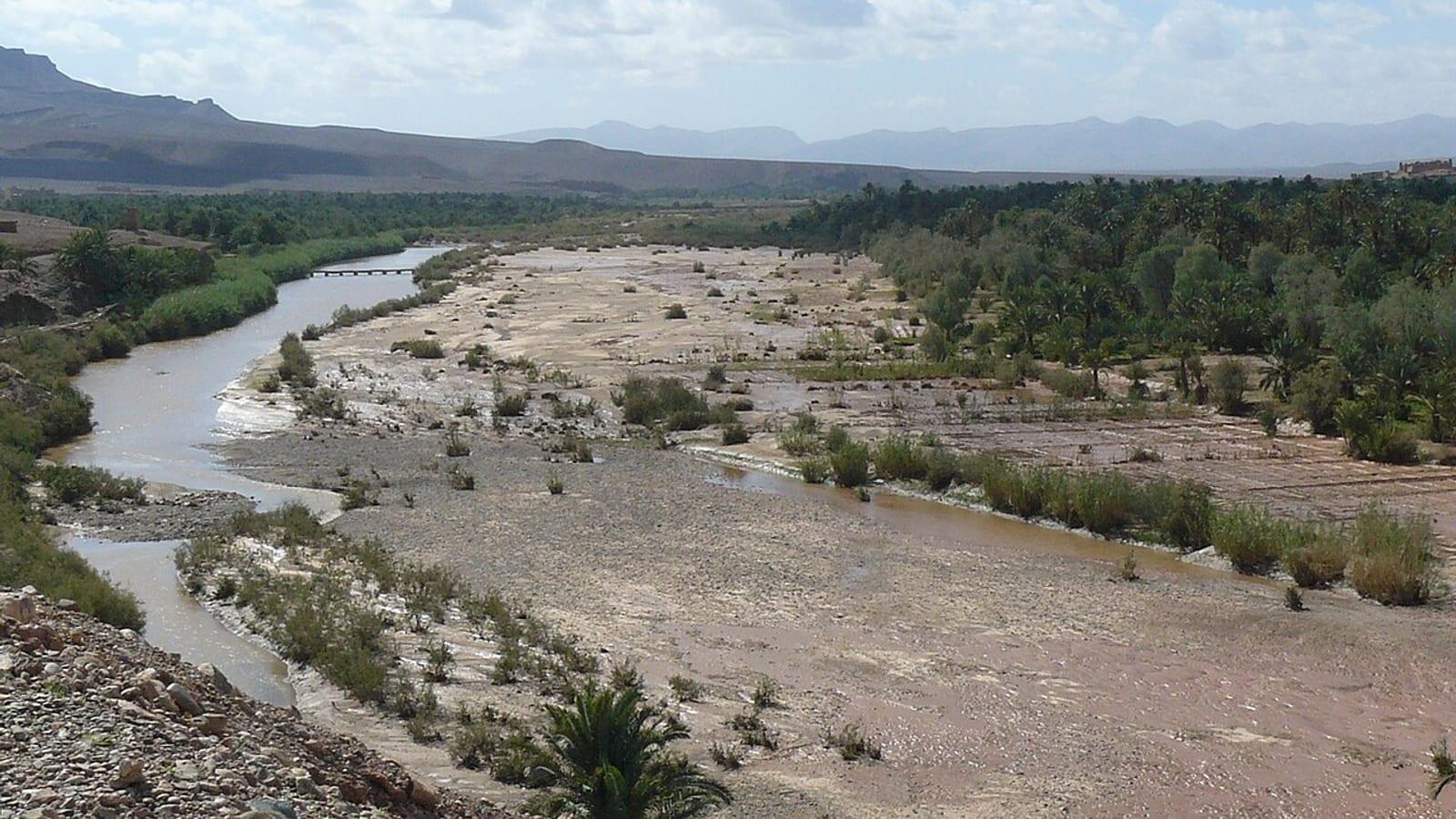
Guided toursGiant trilobitesBrachiopodsGraptolite fragmentsThe Ordovician outcrops around Agdz produce the large enrolled trilobites that Morocco is known for in the trade. Flexicalymene reaches 8 to 12 cm and is commonly preserved curled into a defensive ball, while asaphid forms run flatter and up to 15 cm, with orthid brachiopods, graptolite fragments and cystoid plates through the same beds, 460 to 450 million years old. Morocco sat at roughly 50 to 60 degrees south at the time, so this is a cold-water Gondwanan margin fauna rather than a tropical one. Access is guided only, because the productive zones shift as quarry work advances, and half-day excursions with 4WD transport run about 350 to 650 MAD per person. Agdz itself is the most comfortable base of any site in this guide, one hour south of Ouarzazate on the paved N9, with fuel, cafes and fossil shops on the main road.
Read the full guide → - 7
Khouribga Phosphate Shark Tooth Site Fossil Hunting Guide
Morocco
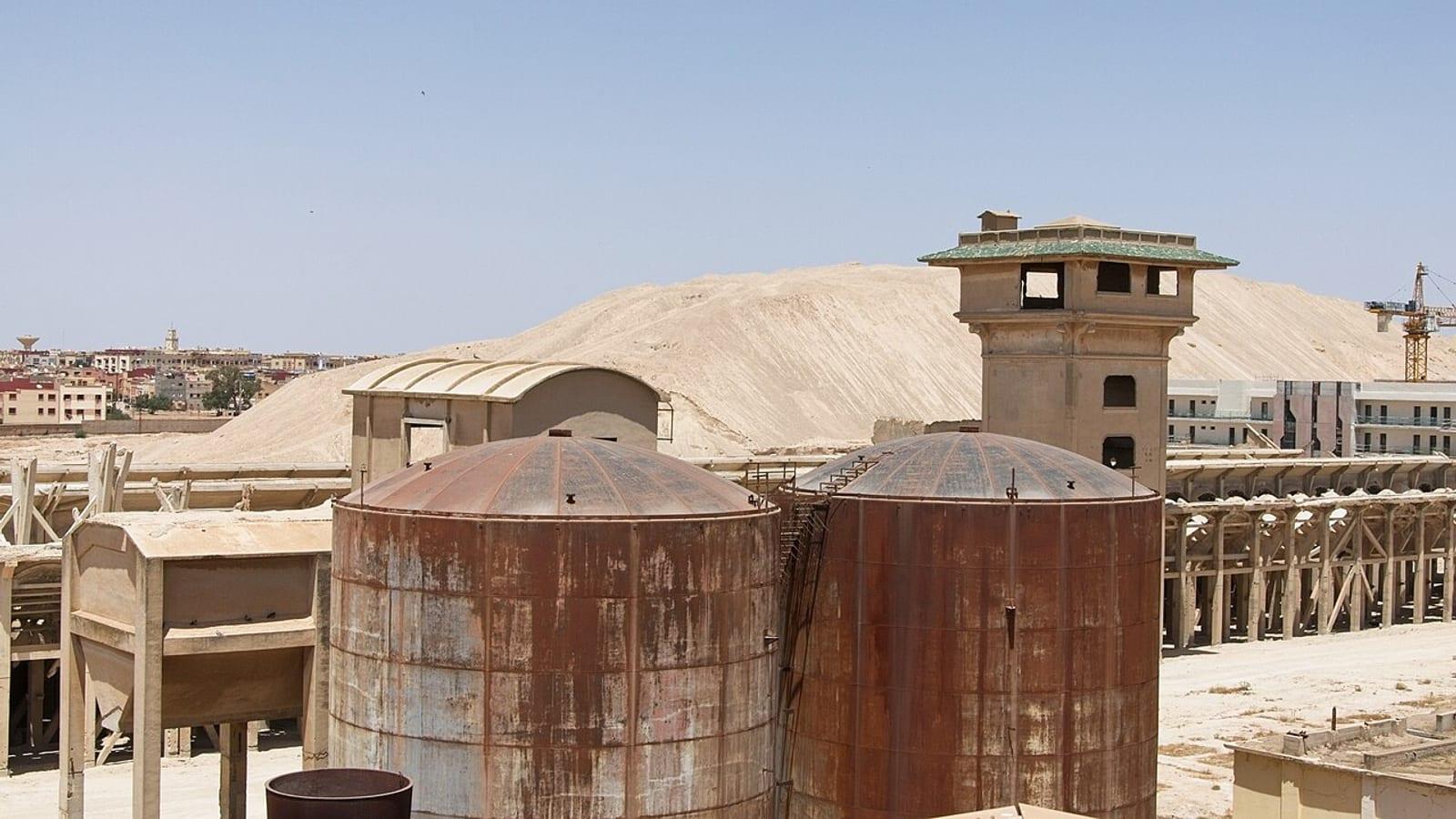
Guided toursShark teethMosasaur teethFish remainsKhouribga sits on the Ouled Abdoun Basin, one of the largest phosphate deposits on Earth, and its Paleocene to Eocene beds run 65 to 40 million years old. Shark teeth are why the site is known internationally, above all Otodus obliquus, a direct ancestor of Otodus megalodon, whose teeth reach 7 to 10 cm with distinct lateral cusplets. Mosasaur teeth, ray dental plates and abundant fish vertebrae come from the same horizons, and phosphate replacement gives all of it a grey-black color. Active OCP mining areas are industrial zones that need formal permission, so visitor collecting happens on inactive spoil heaps and legacy exposures with a local guide, at roughly 300 to 600 MAD for a half-day arranged through the city's fossil dealers. Khouribga has an ONCF train service from Casablanca, which makes it the most reachable major Moroccan fossil locality for anyone travelling without a car.
Read the full guide → - 8
Ziz Gorge Echinoid Site Errachidia Fossil Hunting Guide
Morocco
Free collectingMicraster echinoidsirregular echinoidsBivalvesZiz Gorge is the only free-access site in this guide. The Ziz River cut through Late Cretaceous limestone south of Errachidia, 86 to 72 million years old, and the N13 runs through the canyon, so you can stop at the established pull-outs and work the erosion debris on the floor. Micraster echinoids are the signature find, heart-shaped burrowing sea urchins 3 to 8 cm long that weather out of the pale limestone in relief, alongside inoceramid bivalves, rudist fragments, small shark teeth and fish vertebrae. Collecting loose specimens from the canyon floor is generally practiced without restriction and there is no entry fee, though an Errachidia guide at 300 to 500 MAD per half-day will put you on the better sections. Keep well clear of the cliff base wherever there are signs of recent rock fall, stay well off a highway carrying fast traffic, and go in the morning when low light rakes across the western-facing walls.
Read the full guide →
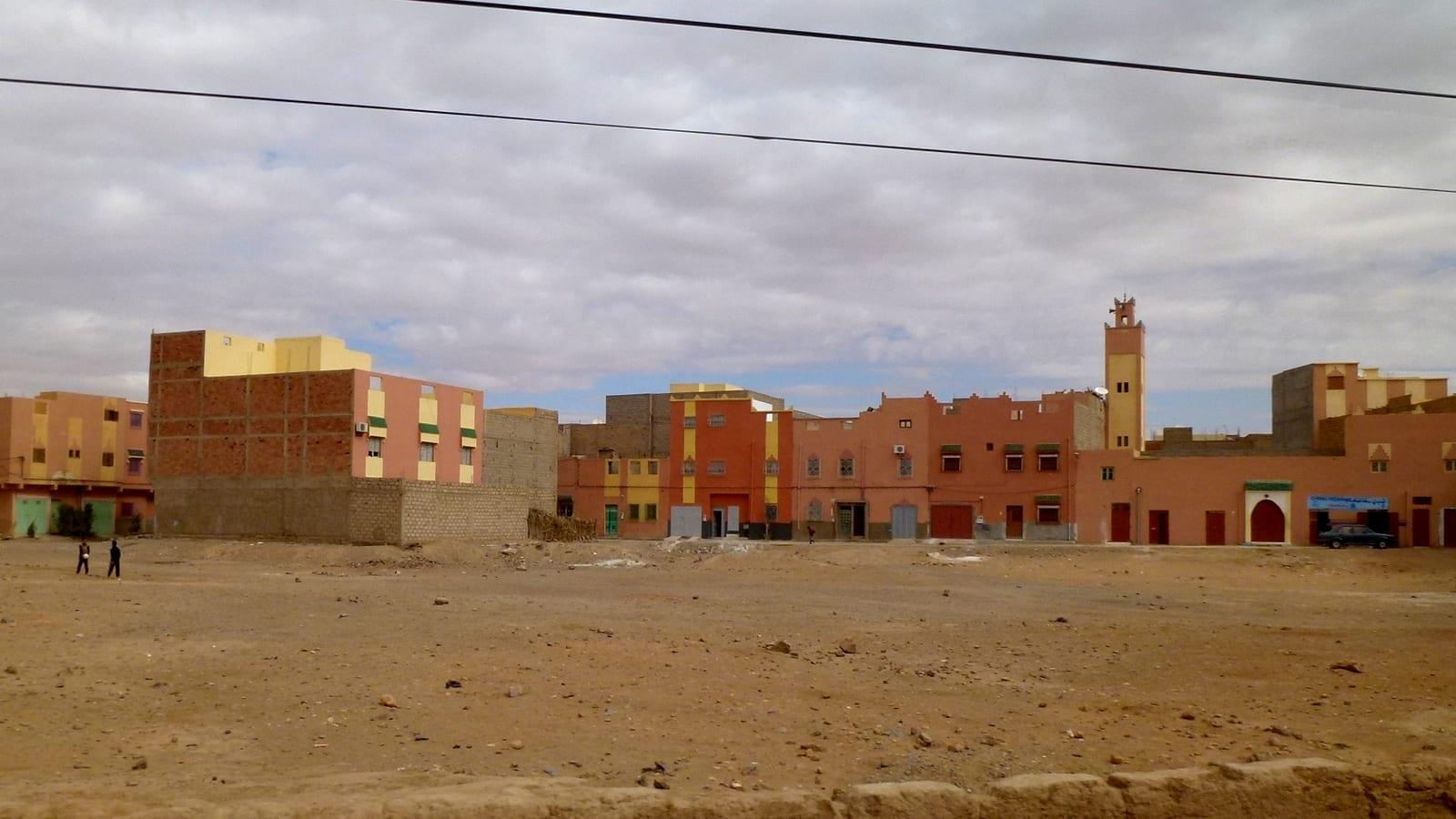
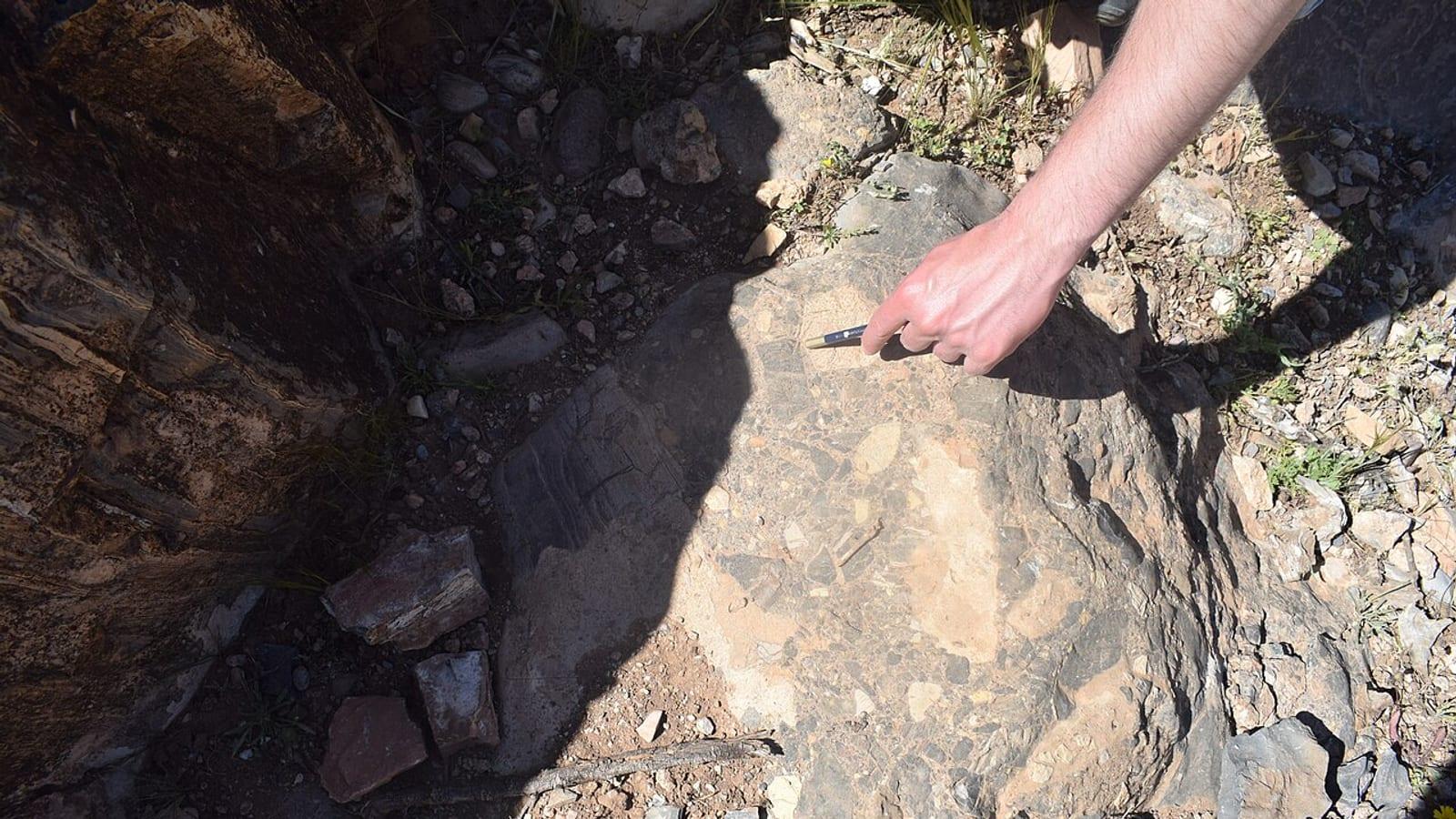
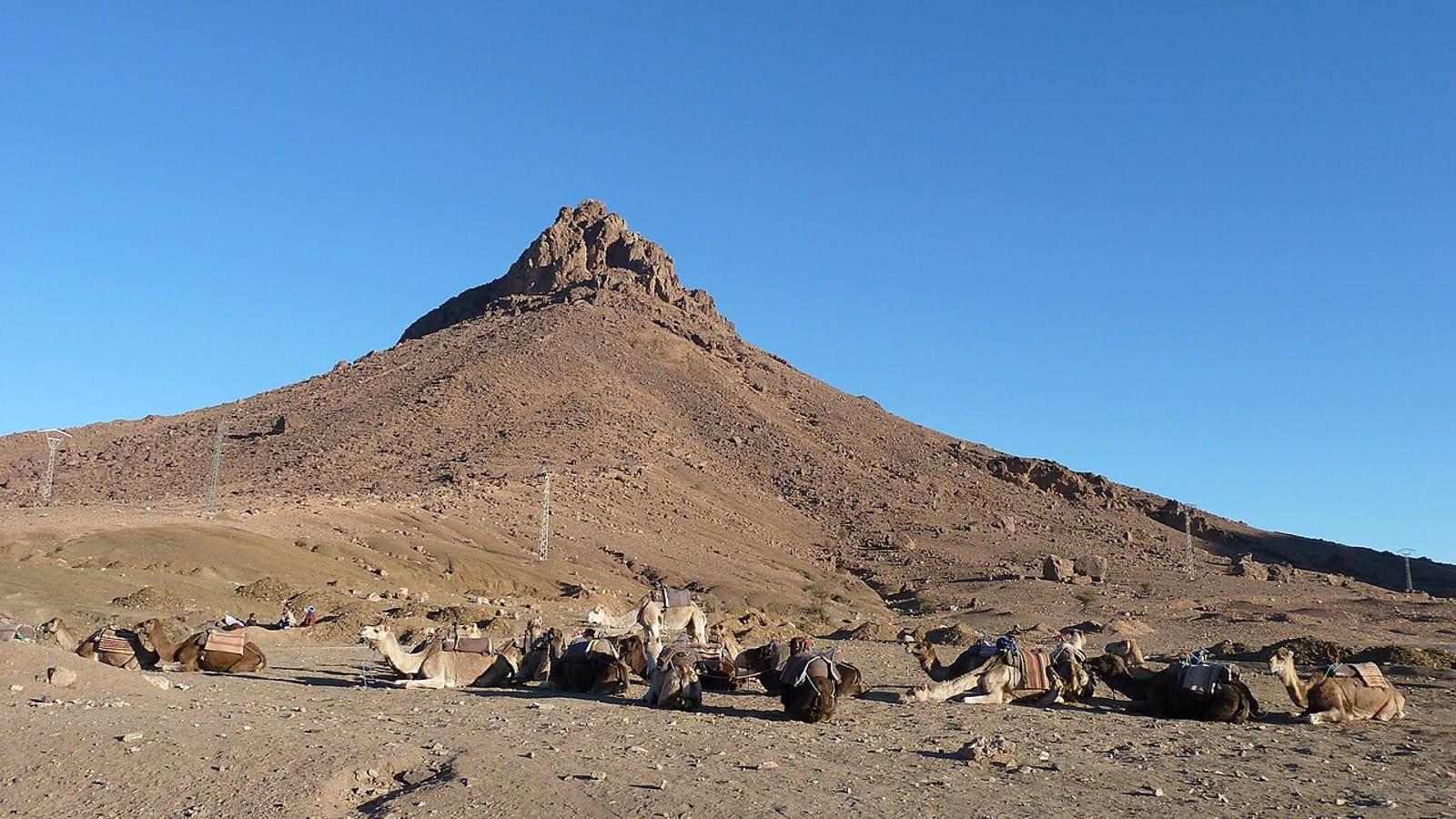
Planning your visit
When to visit
October through April, with little room for argument. Summer heat at the exposed escarpment of Jbel Isoumour frequently passes 42 degrees Celsius by mid-morning, the Draa Valley regularly exceeds 40, and the dark limestone floors of the Erfoud quarries absorb and radiate the midday sun. If you must visit Hamar Laghdad between June and August, arrive by 7:30 am and leave by 11:00 am. Khouribga sits at around 900 meters with hot summers of 35 to 40 degrees and cool winters, so spring and autumn suit it best. Light matters as much as temperature: low-angle morning or late-afternoon sun picks surface fossils out of rock faces in the Draa Valley and Ziz Gorge, where midday glare washes the detail out entirely. The Erfoud and Hamar Laghdad quarries work Monday to Saturday, and Tuesday to Thursday avoids the Friday midday pause.
What to bring
Water first: 2 to 3 litres per person for a half-day quarry visit, and at least 3 litres for a full day at Jbel Isoumour or in the Kem Kem beds, none of which have a water supply. Add long sleeves, a wide hat and high-SPF sunscreen in any season, and boots with ankle support for loose scree, uneven quarry benches and sharp limestone edges. A geology hammer, cold chisel and safety glasses let you work matrix, and newspaper or foam protects brittle material on the drive back, which matters for Ziz Gorge echinoid tests in particular. A 10x hand lens earns its place in the Fezouata shales and the Draa Valley beds. Two items are specific to single sites: a dust mask for windy days on the Khouribga phosphate spoil heaps, and a 365 nm UV flashlight for inspecting Kem Kem purchases for restoration. Every transaction at every one of these sites is cash in Moroccan dirhams, and the nearest ATM to the Erfoud quarries is in Erfoud itself.
Rules and access
Morocco regulates fossils through its mining law rather than through a park system. Article 116 of the 2015 Mining Code (Law 33-13) requires a permit to collect and trade fossils, minerals and meteorites, a 2019 implementing decree sets out the procedures, and the framework was revised again in 2025. There is no fixed tourist allowance for taking fossils out of the country. Enforcement is uneven and small purchases from licensed dealers are commonly carried out without incident, but that is practice rather than an entitlement, so keep a receipt and a written description of each specimen and its origin, and confirm the current position with the Moroccan ministry responsible for mines before you travel. Two site-specific rules sit on top of that. The primary scientific sections of the Fezouata Formation are managed under a research agreement between the University of Lausanne and Moroccan institutions and are closed to independent collecting, and soft-bodied Fezouata material carries additional protection under Moroccan heritage law. Kem Kem vertebrate material is the most sensitive export category in the country, and commercial-scale removal of dinosaur bone requires coordination with Moroccan authorities.
Getting there
Four towns serve these eight sites. Erfoud is the base for both orthoceras quarries, with Hamar Laghdad 8 km east on the N13 and the main factory quarry about 14 km east-southeast by desert track. Alnif is the base for Jbel Isoumour, 25 to 30 km northwest of town, and the drive to the active trenches takes 45 to 60 minutes by 4WD. Zagora, roughly 165 km south of Ouarzazate on the N9 and R108, serves the Fezouata outcrops, which sit 15 to 40 km out across the desert plateau. Agdz is closer in, 68 kilometers south of Ouarzazate on a paved road and about an hour's drive, with the Ordovician outcrops 10 to 30 km from the town center. Taouz, for the Kem Kem beds, is about 100 km southeast of Erfoud via Rissani on the N13 and P3454. Ziz Gorge needs no base at all, since the N13 enters the canyon about 10 km south of Errachidia. Khouribga is the outlier in both geography and transport: 120 km southeast of Casablanca on the A7 and N11, and the only site in this guide with a direct ONCF train service.
This guide is a selection, not the whole catalogue. Browse the complete index of Moroccan fossil sites for every locality we document, including the ones that did not make this list.
Frequently asked questions
- Can tourists collect fossils in Morocco?
- Morocco sets no fixed tourist allowance on fossils taken out of the country, but the legal framework is not permissive either. Article 116 of the 2015 Mining Code (Law 33-13) requires a permit to collect and trade fossils, minerals and meteorites. A 2019 implementing decree sets out the procedures, and the framework was revised again in 2025. Enforcement is uneven, and small purchases from licensed dealers are commonly carried out without incident, but that is practice rather than an entitlement. Keep a receipt and a written description of each specimen and its origin, and check the current rules with the Moroccan ministry responsible for mines before you travel. Kem Kem vertebrate material is the most sensitive category of all, because scientifically valuable specimens leave the country routinely and the trade is under active international scrutiny.
- Do you need a guide to visit Moroccan fossil sites?
- For seven of the eight sites here, yes, and the reason is practical as much as legal. Jbel Isoumour, Fezouata, the Draa Valley outcrops and Khouribga have no independent public access route: the tracks branch without signage, productive zones move as the quarry work advances, and entry is controlled by the mining families, quarry operators or dealers who work the ground. The Erfoud quarries and Hamar Laghdad are active industrial operations where the operators expect an introduction from a guide they know. Kem Kem is not a managed reserve at all, and access is negotiated directly with local quarry workers. Ziz Gorge is the exception, because the N13 highway runs straight through the canyon. Half-day guide fees across these sites run roughly 300 to 800 MAD, usually including 4WD transport, and are paid in cash in dirhams.
- Where do Moroccan trilobites actually come from?
- Three of the sites in this guide, from two different periods. The Devonian spiny trilobites that collectors prize come from the El Otfal Formation at Jbel Isoumour near Alnif, 407 to 393 million years old, where Psychopyge, Drotops armatus, Hollardops mesocristata and Koneprusia occur in three-dimensional preservation inside calcareous nodules. The Ordovician material is different and older: the Draa Valley beds near Agdz, 460 to 450 million years old, produce enrolled Flexicalymene and larger flat asaphids from a cold high-latitude Gondwanan fauna. The Fezouata Formation near Zagora, 478 to 468 million years old, yields trilobites as flattened impressions in fine shale and siltstone, with pyritized and partially mineralized forms in specific horizons. Several genera first described from Jbel Isoumour have no close relatives anywhere else in the fossil record.
- Are Moroccan fossils restored or faked?
- A great deal of Moroccan commercial material has work done to it, and this is the single most useful thing to understand before you buy. A large share of Kem Kem material has been reconstructed with plaster, painted, or composited from multiple specimens, and a small 365 nm UV flashlight will reveal most fluorescent restorations. The trilobite trade carries the same risk from the other direction: spines on Koneprusia and Psychopyge break easily during both extraction and preparation, which is exactly why restored and part-sculpted specimens circulate. Buying directly from miners at the trench, where you can see the stage of preparation, gives you more information than buying a finished piece. Keep receipts in any case, both for customs and for your own record of origin.
- When is the best time of year to visit?
- October through April. Summer in southeastern Morocco is the limiting factor rather than rain: temperatures at the exposed Jbel Isoumour escarpment frequently pass 42 degrees Celsius by mid-morning, the Draa Valley regularly exceeds 40, and the dark limestone quarry floors around Erfoud absorb and radiate heat. If you do visit Hamar Laghdad between June and August, plan to arrive by 7:30 am and leave the site by 11:00 am. Khouribga sits at around 900 meters with a semi-arid continental climate, so spring and autumn are its most comfortable windows. Low-angle morning or late-afternoon light also finds surface fossils far better than midday glare, which washes out the fine detail on rock faces at the Draa Valley outcrops and in Ziz Gorge.
- Which Moroccan site suits a first visit?
- Erfoud, and specifically the Hamar Laghdad quarry 8 km east of town on the N13. It is the easiest of these sites to reach, the fossil content is dense enough that a beginner comes away with material, and the pale calcite orthocerids against black limestone are unmistakable even to an untrained eye. Erfoud itself has hotels, restaurants, fossil shops and the nearest ATM, and both quarries in this guide are a short drive from the town center. Ziz Gorge pairs well with it as a free, no-guide stop on the N13 between Errachidia and Erfoud, where Micraster echinoids weather out of the canyon walls in relief. Leave Jbel Isoumour, Fezouata and Kem Kem for a second trip, when you know what you are looking at and what a prepared specimen should cost.
Recommended resources
- Moroccan ministry responsible for mines (mem.gov.ma) · The ministry whose remit covers the 2015 Mining Code and its fossil provisions. This is where to confirm the current permit and export position before you travel, rather than relying on dealer practice.
- University of Lausanne: the Fezouata Biota · The research programme that holds the formal agreement with Moroccan institutions for scientific collecting at the primary Fezouata sections, and the best starting point on what the Lagerstätte preserves.
- Trilobites.info: Morocco · Long-running reference on the Moroccan trilobite localities and genera, covering the Devonian sites around Alnif and the Ordovician material from the south.