State
Fossil sites in Connecticut
Connecticut's fossil record is about footprints rather than shells. The Hartford Basin preserves Early Jurassic rift-valley sediment. The tracks that dinosaurs left in its lake muds are among the best preserved in North America.
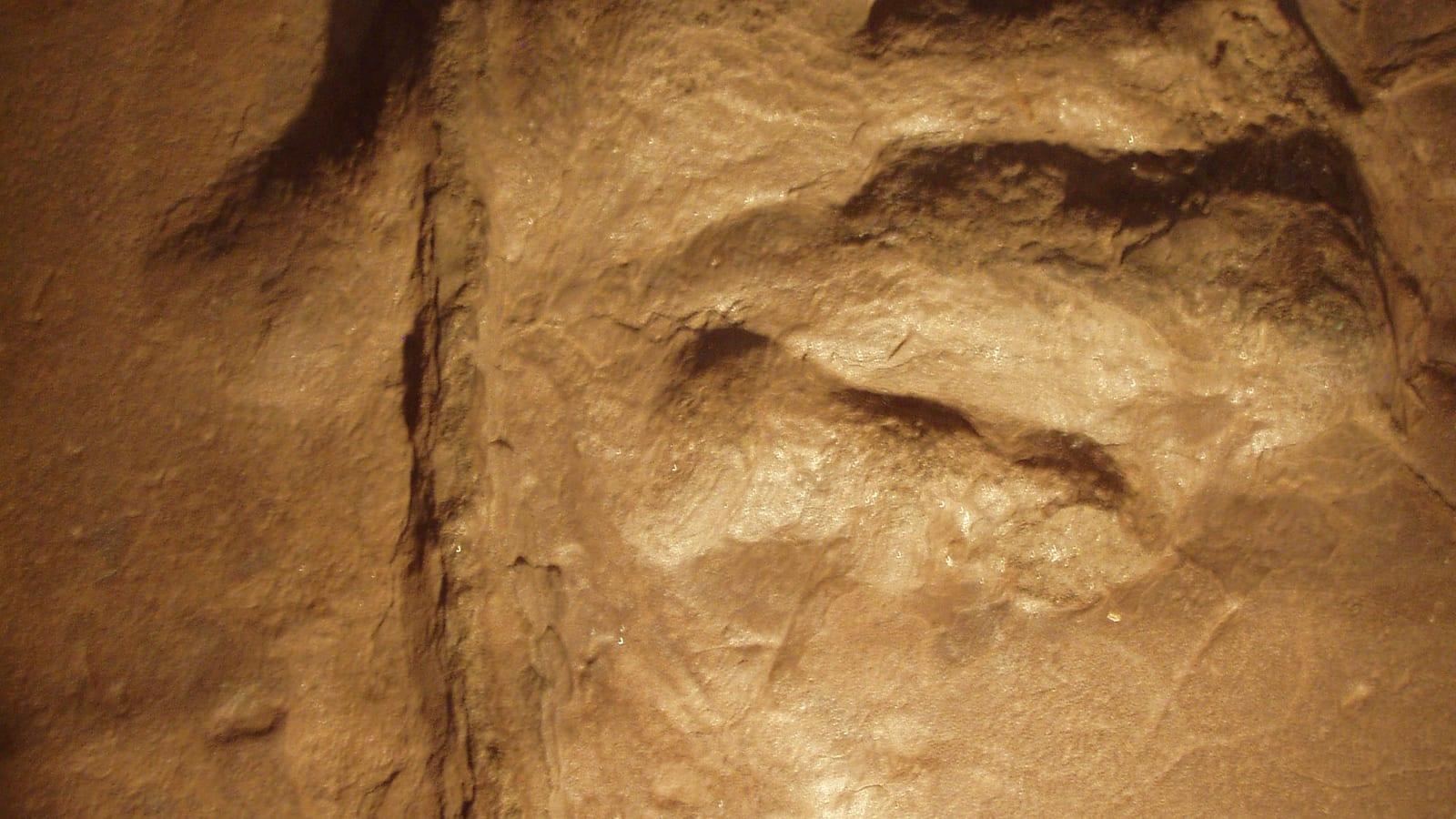
Dinosaur State Park at Rocky Hill holds the main track surface. Construction crews uncovered it in 1966, and the state protected the site within months. About 500 tracks now sit under a geodesic dome. Roughly 1,500 more were reburied on site, which is a standard way to protect a track surface from weather. A large theropod made them around 200 million years ago.
This is a viewing site, and the distinction matters before you plan a visit. You cannot collect at Dinosaur State Park, because it is a State Park and a National Natural Landmark. The park does run a casting area where visitors make a plaster copy of a real track to take home. The casting area does not operate year-round, so check the season first.
The same Jurassic story continues north up the Connecticut Valley into Massachusetts. The Portland Formation takes its name from the brownstone quarries around Portland, which collectors worked heavily in the nineteenth century.
1 fossil site
Updated 25 November 2025
Part of our national guide to the best places to fossil hunt in the United States.
Frequently asked questions
- Can you collect fossils in Connecticut?
- Not at Dinosaur State Park. The track surface is protected as a State Park and a National Natural Landmark, so it is a viewing site only. The casting area lets you take home a plaster copy of a real track instead.
- What made the tracks at Dinosaur State Park?
- A large theropod dinosaur made them in Early Jurassic lake mud about 200 million years ago. The tracks carry a name of their own because no skeleton has been matched to them. Track names describe the footprint, not the animal.
- How many dinosaur tracks are at Rocky Hill?
- Crews found roughly 1,500 tracks in 1966. About 500 are on display under the dome. The rest were reburied on site, because an exposed track surface weathers away quickly once it is uncovered.