State
Fossil sites in West Virginia
West Virginia sits across two geological worlds. The Ridge and Valley province in the east exposes folded Paleozoic marine rock. The Appalachian Plateau in the west holds the Carboniferous coal measures the state is known for.
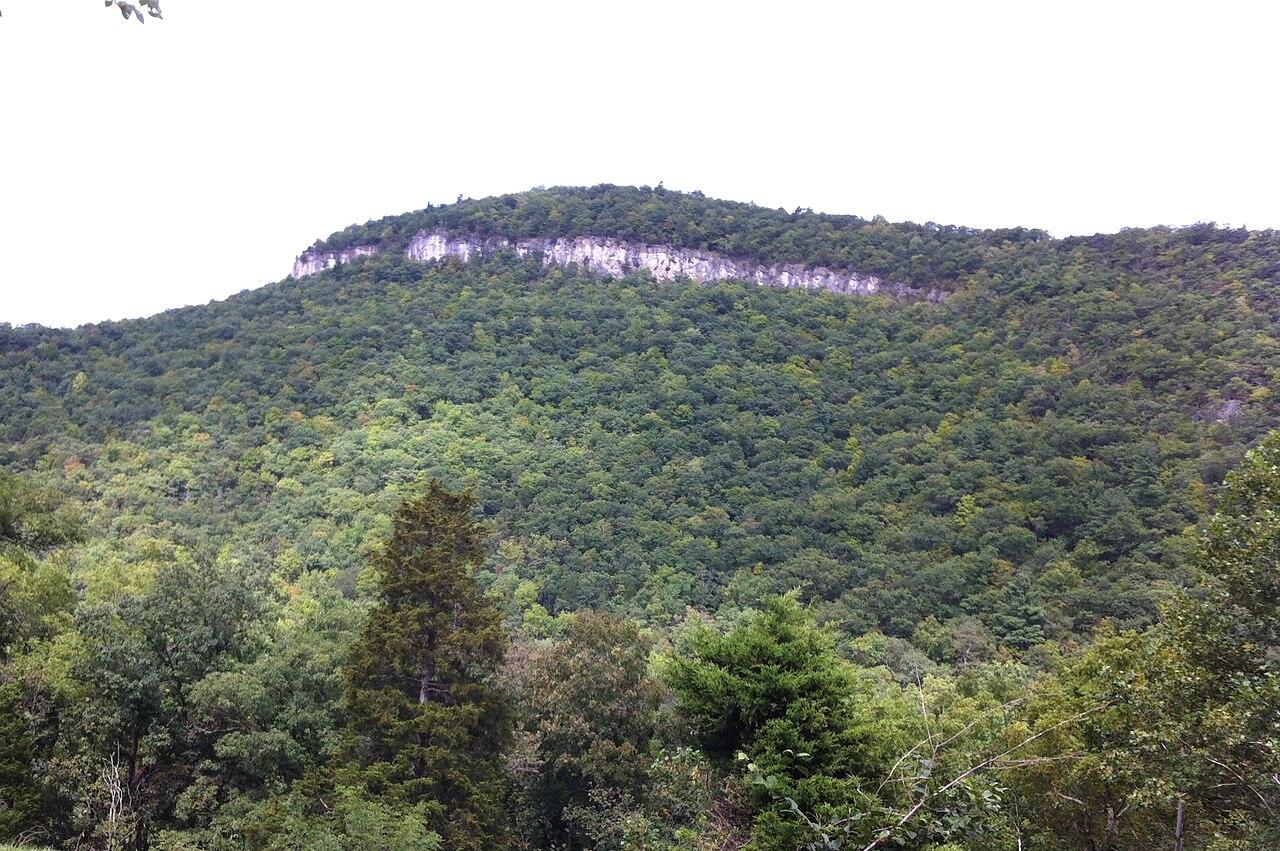
Lost River near Wardensville is the documented locality, and it sits in the eastern province. The river cuts into the Helderberg Group, a Lower Devonian marine limestone laid down between about 419 and 393 million years ago. The unit carries brachiopods, corals, and crinoid stems. Stream cuts expose fresh rock, and loose material collects in the bed and the bank where the water has already done the work.
The state fossil is a reminder of how much else lies here. West Virginia designated the giant ground sloth in 2008. Thomas Jefferson described the animal in 1797 from bones found in a saltpeter cave in Greenbrier County, and its scientific name honors him. Cave deposits across the state still hold Pleistocene vertebrate material.
The West Virginia Geological and Economic Survey maps the units and is the first place to check. Coal-measure plant fossils in the west are abundant, but most sit on active or reclaimed mine land where access is restricted.
1 fossil site
Updated 26 July 2026
Part of our national guide to the best places to fossil hunt in the United States.
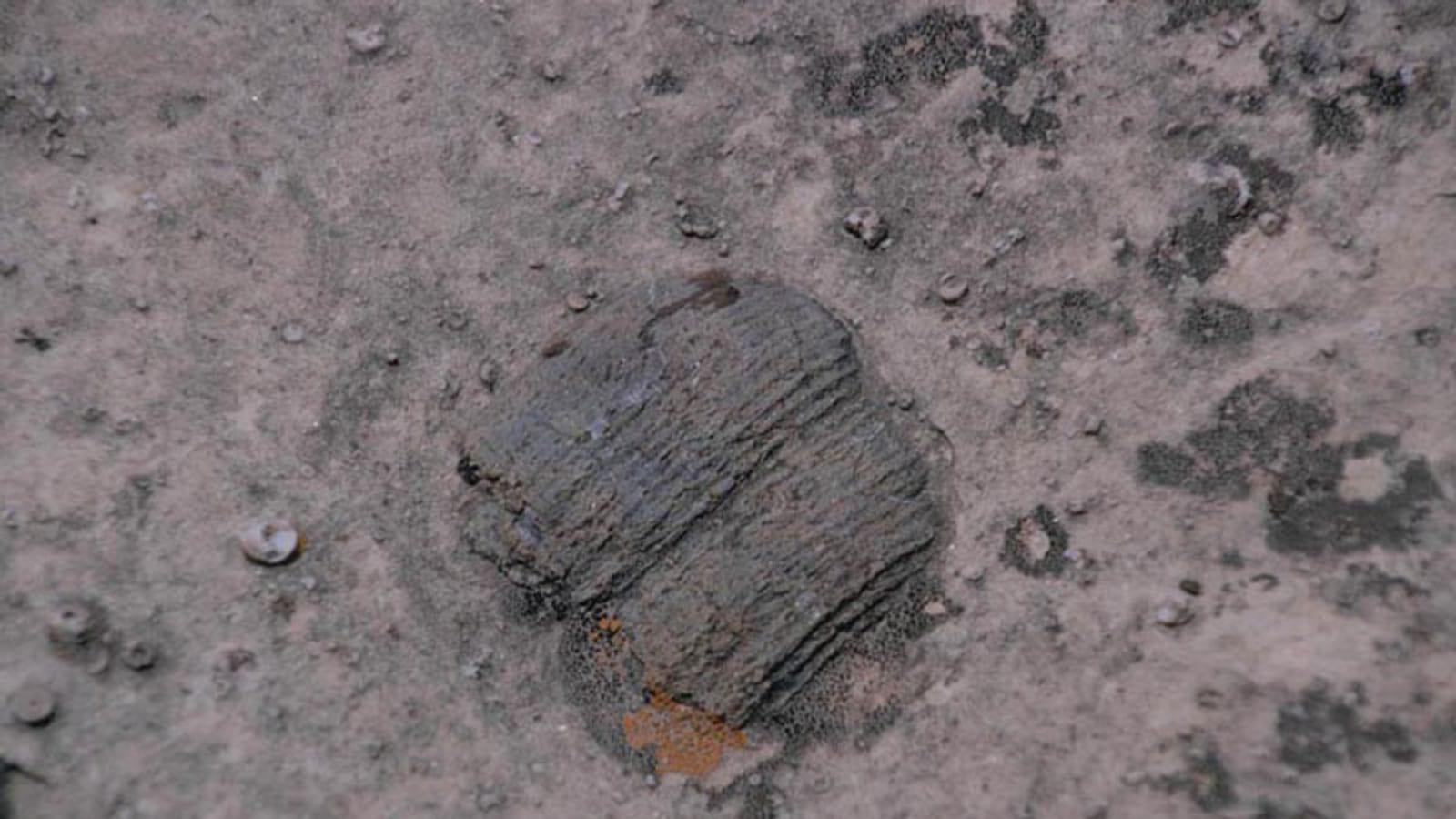
Lost River Fossil Hunting Guide
West Virginia, United States
Trilobites, Brachiopods, Corals, Crinoids
Frequently asked questions
- What fossils are found in West Virginia?
- Devonian marine invertebrates come from the Ridge and Valley province in the east, including brachiopods, corals, and crinoid stems. The Appalachian Plateau in the west holds Carboniferous coal-measure plants. Caves hold Pleistocene vertebrate material.
- What is West Virginia's state fossil?
- The giant ground sloth, designated in 2008. Thomas Jefferson described the animal in 1797 from bones found in a saltpeter cave in Greenbrier County. Its scientific name honors him.
- Can you collect fossils in West Virginia?
- Stream beds on public land generally allow collection of loose common invertebrates, but confirm ownership before you go. Coal-measure plant sites usually sit on mine land and need permission. State parks do not allow collecting.