locations
Can You Find Dinosaur Fossils in Your State?
By Edward Chen · Published 14 May 2026
Dinosaur fossils are found in roughly 35 US states, but public access to collecting sites with dinosaur material is limited to a much smaller number. The primary dinosaur-bearing formations, the Morrison Formation (Jurassic), the Hell Creek Formation (Cretaceous), and the Judith River Formation (Cretaceous), are concentrated in the Rocky Mountain and Great Plains states. If you live in the eastern US or Midwest, the geology beneath your feet is the wrong age or the wrong environment to have ever preserved dinosaurs.
The honest answer for most states east of the Mississippi: no accessible dinosaur fossils.
States with genuine public access to dinosaur sites
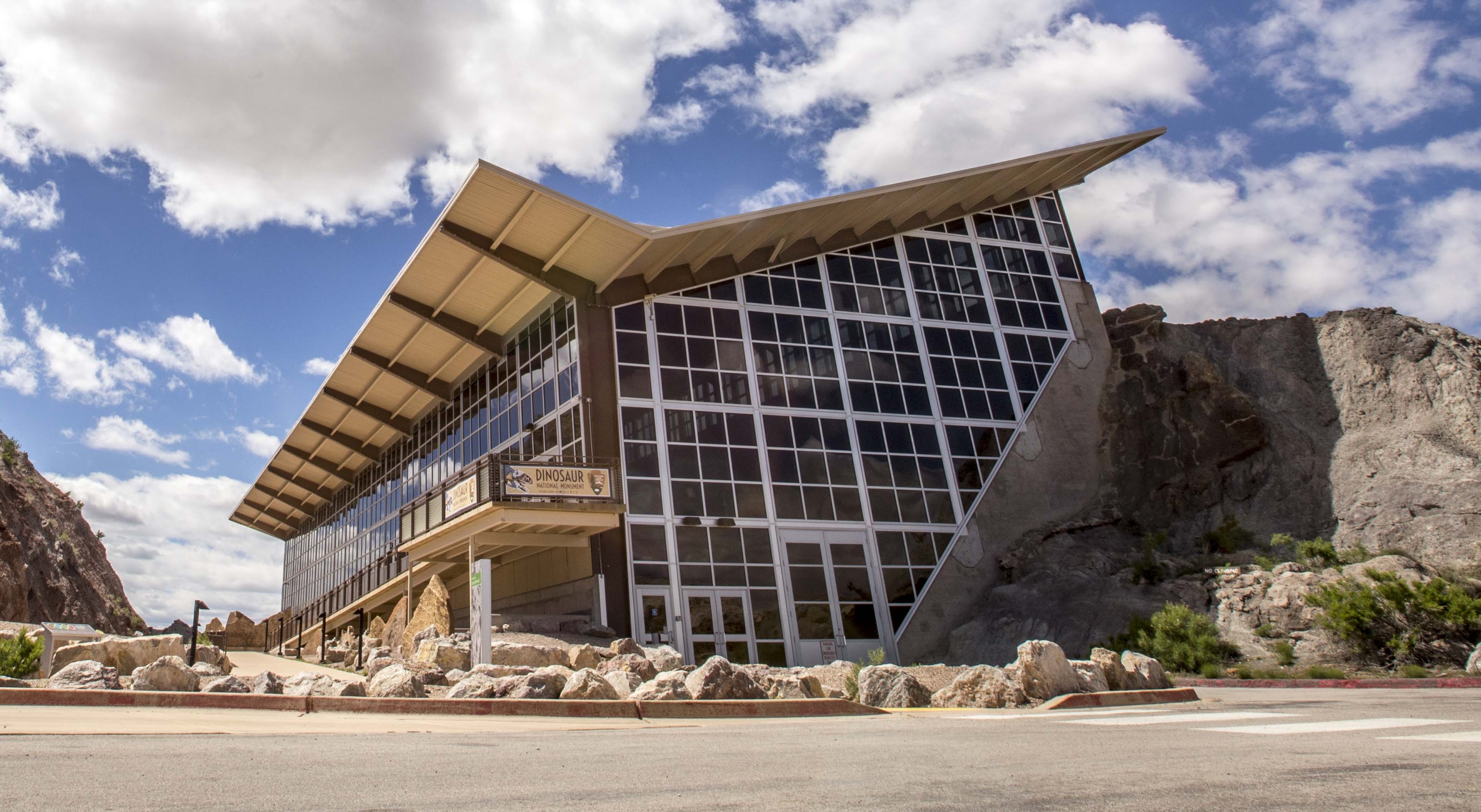
Wyoming and Montana have the most accessible combination of dinosaur geology and public land. The Morrison Formation outcrops across eastern Wyoming, where BLM land provides surface access, though collecting vertebrate fossils (which dinosaur bones are) requires a permit, and the odds of a surface find of anything significant are low. Dinosaur National Monument at the Utah-Colorado border has an exposed quarry face with over 1,500 dinosaur bones visible in situ, but no collecting is permitted in the monument.
The Carter County area of eastern Montana, particularly around Ekalaka, has private ranch operations that run public dig programs, paying visitors who find dinosaur material and work alongside trained paleontologists. These programs typically run $150–$500 per day and occasionally produce significant specimens. This is the most realistic route for a member of the public to legally excavate dinosaur material.
Utah has the Hanksville-Burpee Quarry, a publicly accessible site on BLM land in Wayne County where volunteers participate in supervised excavation. The site produces sauropod material from the Morrison Formation. No permit is required for volunteering, though registration is needed. The Cleveland-Lloyd Dinosaur Quarry south of Price, Utah is a designated BLM visitor site with dinosaur bones visible in situ.
States where dinosaurs are documented but not collector-accessible
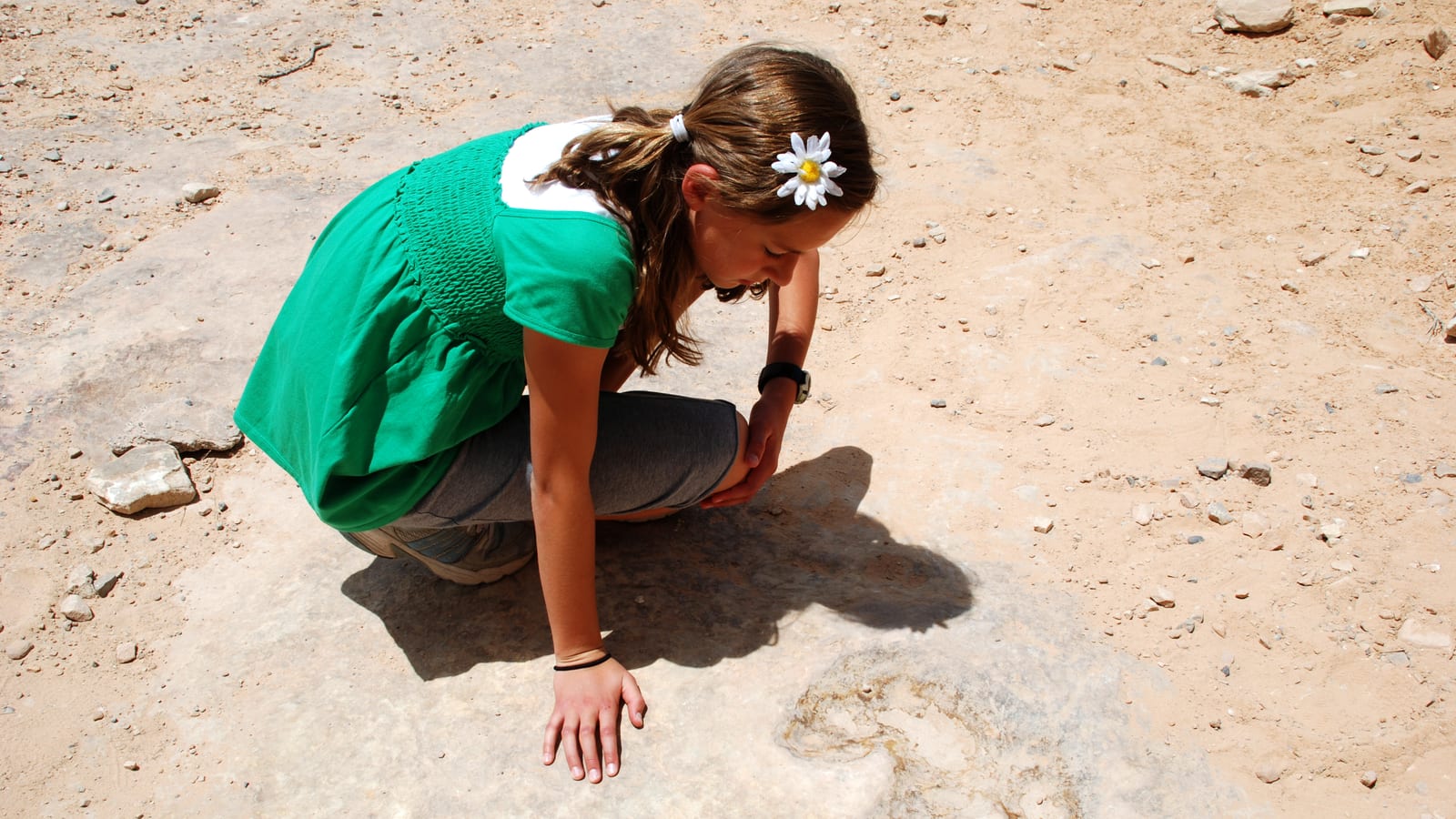
South Dakota's Badlands produce significant Cretaceous material including mosasaurs, pterosaurs, and occasional dinosaur fragments. Much of this land is National Park (no collecting) or private ranch. Commercial operators run permitted dig programs. Kansas's Niobrara Chalk contains marine reptiles (mosasaurs, plesiosaurs) and pterosaurs, technically not dinosaurs, but Mesozoic reptile material that requires the same permits for vertebrate collection.
Texas has extensive Cretaceous exposures in the western part of the state and Triassic geology in the Panhandle area that produces early archosaurs and prosauropods. Most productive sites are on private land or within state parks where collecting is prohibited. Big Bend National Park has significant dinosaur fossil documentation but no public collecting.
States with no accessible dinosaur material
Florida, Ohio, Illinois, Pennsylvania, New York, and most of the eastern US have geology that is either Paleozoic marine (producing invertebrates, not dinosaurs), Quaternary sediment (too recent), or Precambrian basement (too old). The Appalachian mountain chain exposes ancient metamorphic and sedimentary rock. None of it contains dinosaurs.
If you live in these states, the invertebrate and marine vertebrate material available at local sites, shark teeth in Florida, Ordovician trilobites in Ohio, Devonian fish in New York, is equally scientifically interesting and substantially more accessible.
What a permit actually involves
For collectors serious about accessing dinosaur material on public land, BLM permits for non-commercial paleontological research require institutional affiliation, a university, natural history museum, or recognized research organization. Individual hobbyists cannot obtain them independently. The practical route for a member of the public is to join a permitted excavation as a volunteer, which is how many public dig programs are structured. Institutions including the Denver Museum of Nature and Science and Montana State University run annual volunteer excavation programs that accept members of the public with no prior experience.
The UK equivalent
On the Isle of Wight, dinosaur remains erode from the Wessex and Vectis Formations (Early Cretaceous) at Compton Bay and Yaverland. The Isle of Wight has the highest density of dinosaur finds per square mile of any site in Europe, and surface collecting from loose cliff debris is legal. The Isle of Wight fossil hunting guide covers access, timing, and what to look for.
Where to go next
For the most productive public sites in states where recreational collecting is genuinely possible, the GFH guides cover Ohio (Ordovician invertebrates) and Florida (shark teeth and Miocene vertebrates) in detail. The pay-to-dig fossil parks guide includes several sites with Cretaceous material in South Dakota and Montana where participants keep their finds. For the full state-by-state picture beyond dinosaurs, Best Places to Fossil Hunt in the United States is the parent guide to this one, it covers the accessible sites for every major fossil type across the US.
Frequently asked questions
- Which US states have the best dinosaur fossil sites?
- Wyoming, Montana, and Utah have the most accessible dinosaur geology and public land. The Morrison Formation (Late Jurassic, ~150–155 million years ago) outcrops across eastern Wyoming and Utah; the Hell Creek Formation (Late Cretaceous) is extensively exposed in eastern Montana. States east of the Mississippi River generally have geology that is either the wrong age or the wrong depositional environment to have preserved dinosaurs.
- Can members of the public dig for dinosaur fossils?
- Yes, through organized programs. Carter County, Montana has private ranch operations running public dinosaur dig programs for approximately $150–$500 per day, working alongside trained palaeontologists. The Hanksville-Burpee Quarry in Wayne County, Utah accepts volunteers for supervised excavation of Morrison Formation sauropod material on BLM land with no permit required — registration in advance is needed. Institutions including the Denver Museum of Nature and Science and Montana State University also run annual volunteer programs.
- Do you need a permit to collect dinosaur fossils on public land?
- Yes. Vertebrate fossils — including dinosaur bones — on US federal land (BLM, National Forest, or National Parks) require a permit and institutional affiliation (a university or natural history museum). Individual hobbyists cannot obtain these permits independently. The practical route for a member of the public is to join a university or museum volunteer excavation, or visit a privately operated dig program on private land where participants keep their finds.