Pay-to-Dig
Pay-to-Dig Fossil Parks and Quarries
Pay-to-dig fossil parks and quarries remove the permit paperwork from the equation. You pay a site fee, the operator holds the collection permit, and you keep everything you find. The sites in this list span Germany's Jurassic limestone quarries, Ohio's Ordovician parks, the Green River Formation fish beds in Wyoming, and several other countries and geological periods.
51 fossil sites
How the pay-to-dig model works
Most fossil collecting on public land in the US and Australia requires navigating permit systems that differ by state, land type, and fossil category. Pay-to-dig sites sidestep this by operating on private land or under a single commercial permit. The fee you pay covers your right to collect for the day, and the operator has already dealt with whatever state or national paperwork applies. This makes pay-to-dig the most straightforward entry point for collectors who want to take fossils home without researching local laws.
The quality of the experience varies considerably. The best sites prepare material for visitors, have staff who can identify finds, and concentrate exposure areas to give beginners a realistic chance of success. Commercial operations in Germany's Altmühltal are the benchmark: small fees, well-maintained quarry faces, and on-site expertise from operators who have been running the same site for decades. US sites range from purpose-built fossil parks run by counties (Trammel Fossil Park in Ohio, free to enter) to commercial quarry operations where you work alongside trained preparators. Each site listing in this guide notes what to expect and what you are likely to find.
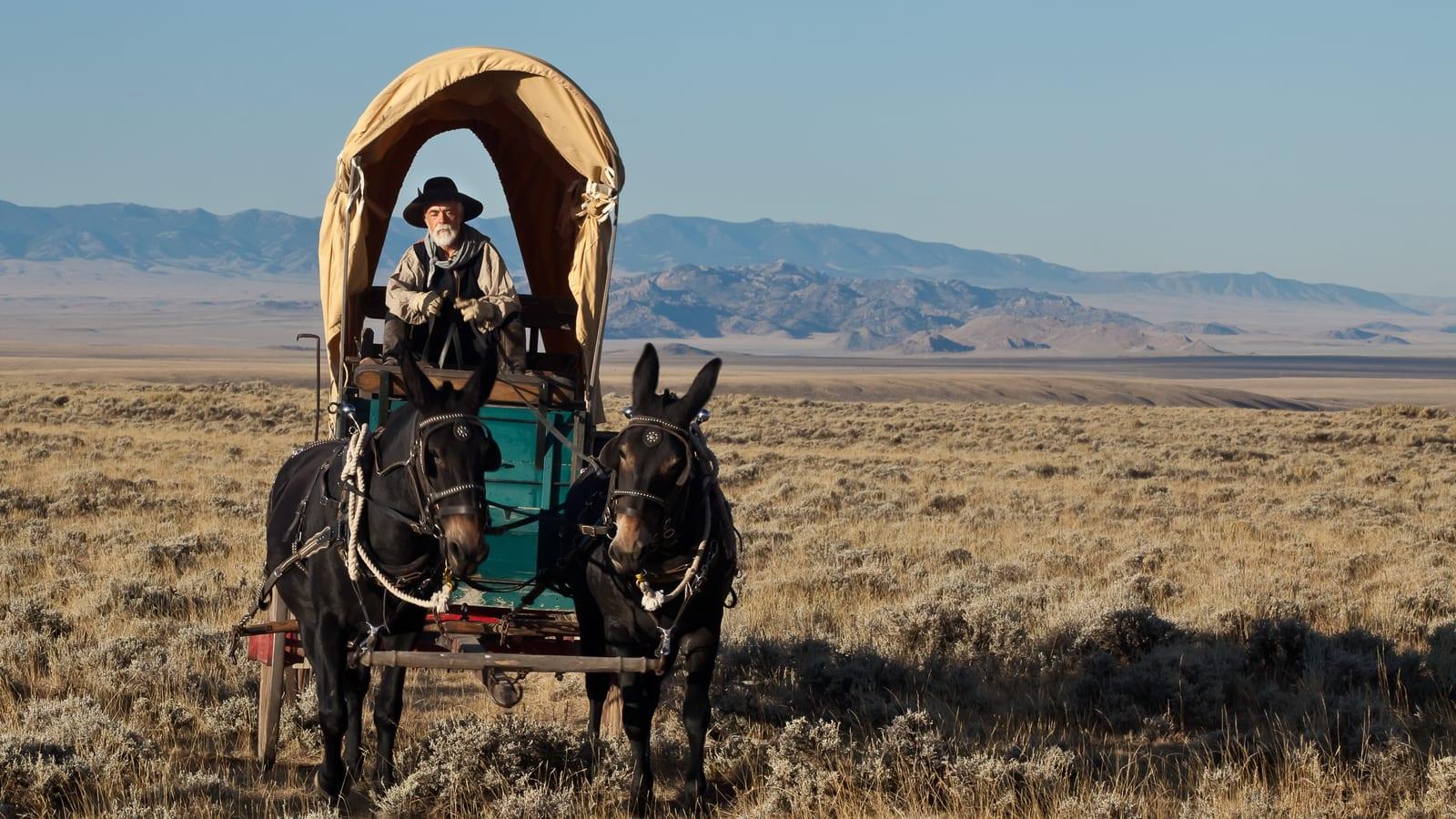
American Fossil Quarry Fossil Hunting Guide
Wyoming, United States
Fish Fossils, Plant Fossils, Insect Fossils
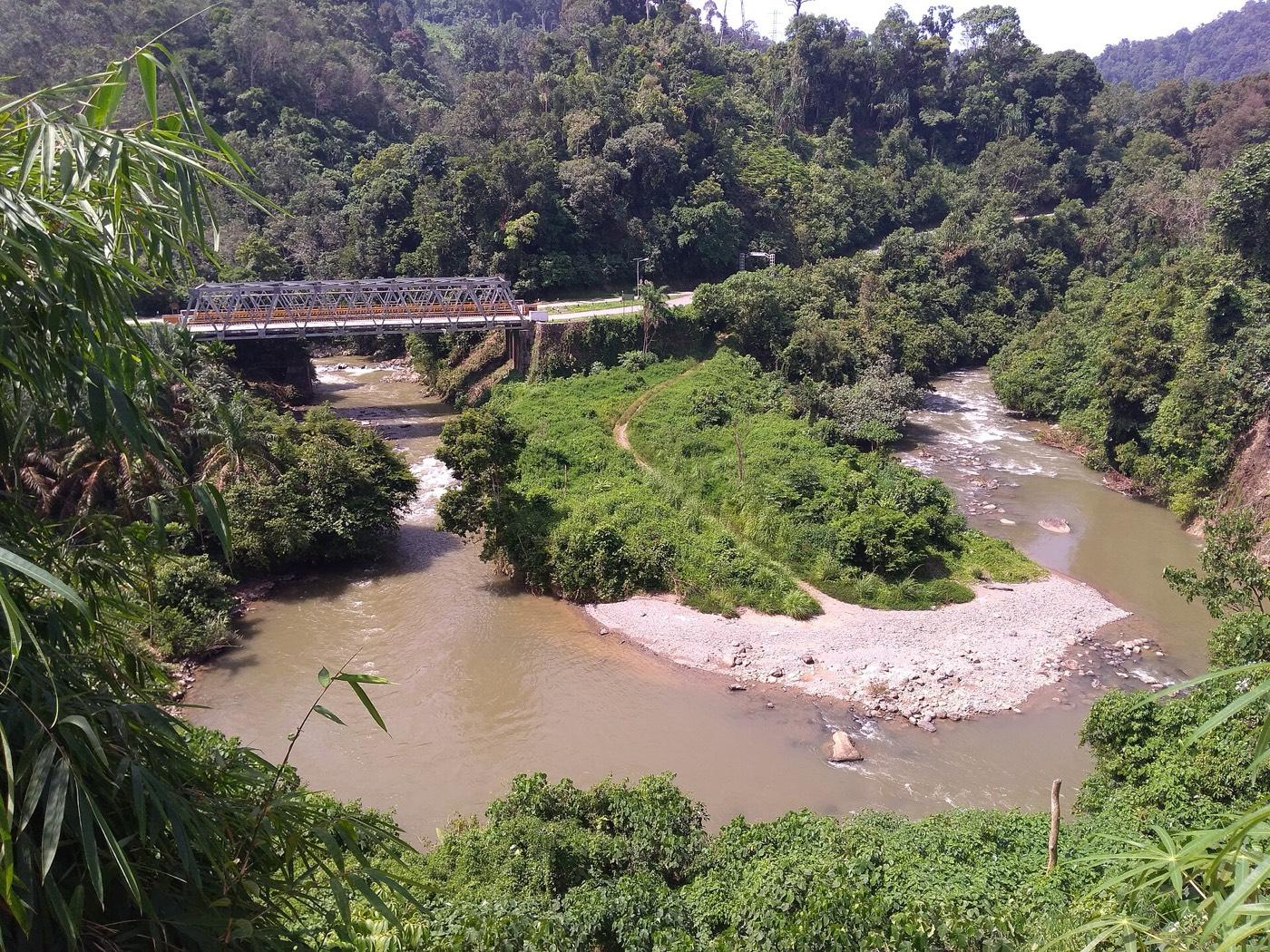
Batang Merangin River Fossil Route Fossil Hunting Guide
Jambi, Sumatra, Indonesia
Plants, Petrified wood, Brachiopods, Crinoids
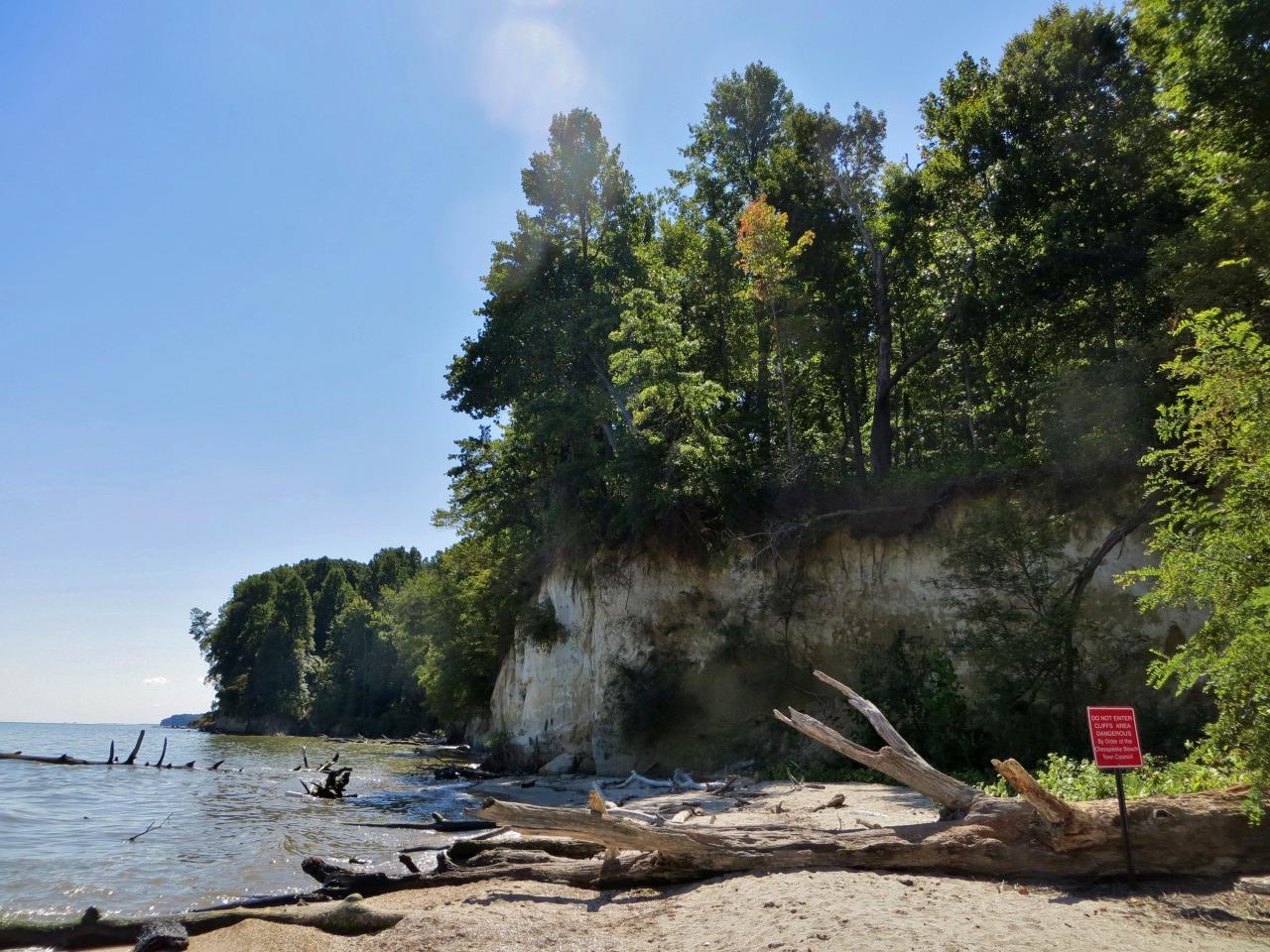
Bay Front Park (Brownie's Beach) Fossil Hunting Guide
Maryland, United States
Shark Teeth, Ray dental plates, Marine shells, Whale bone fragments
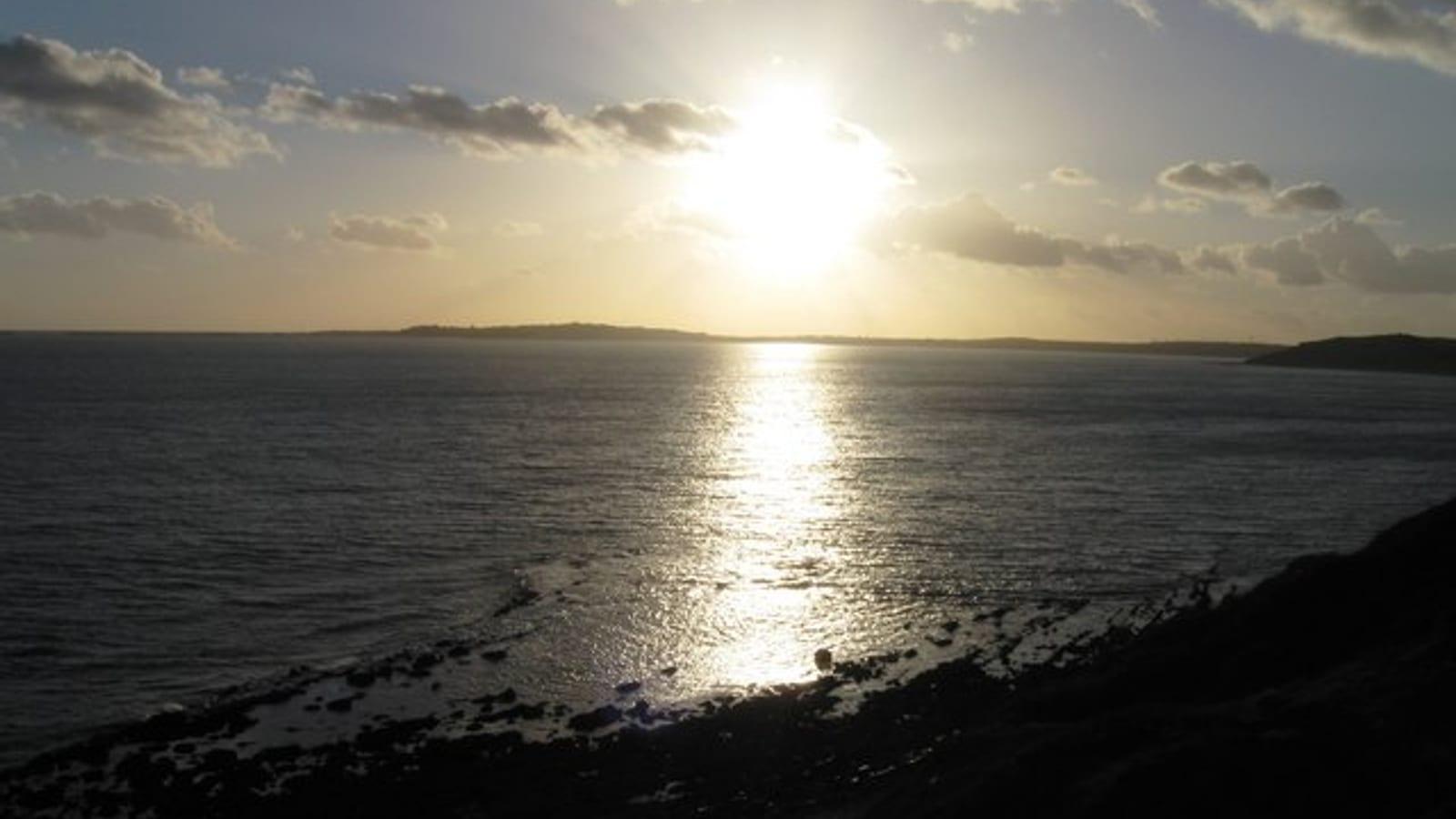
Black Head Osmington Fossil Hunting Guide
near Weymouth
Ammonites, Belemnites, Bivalves, Marine reptile fragments
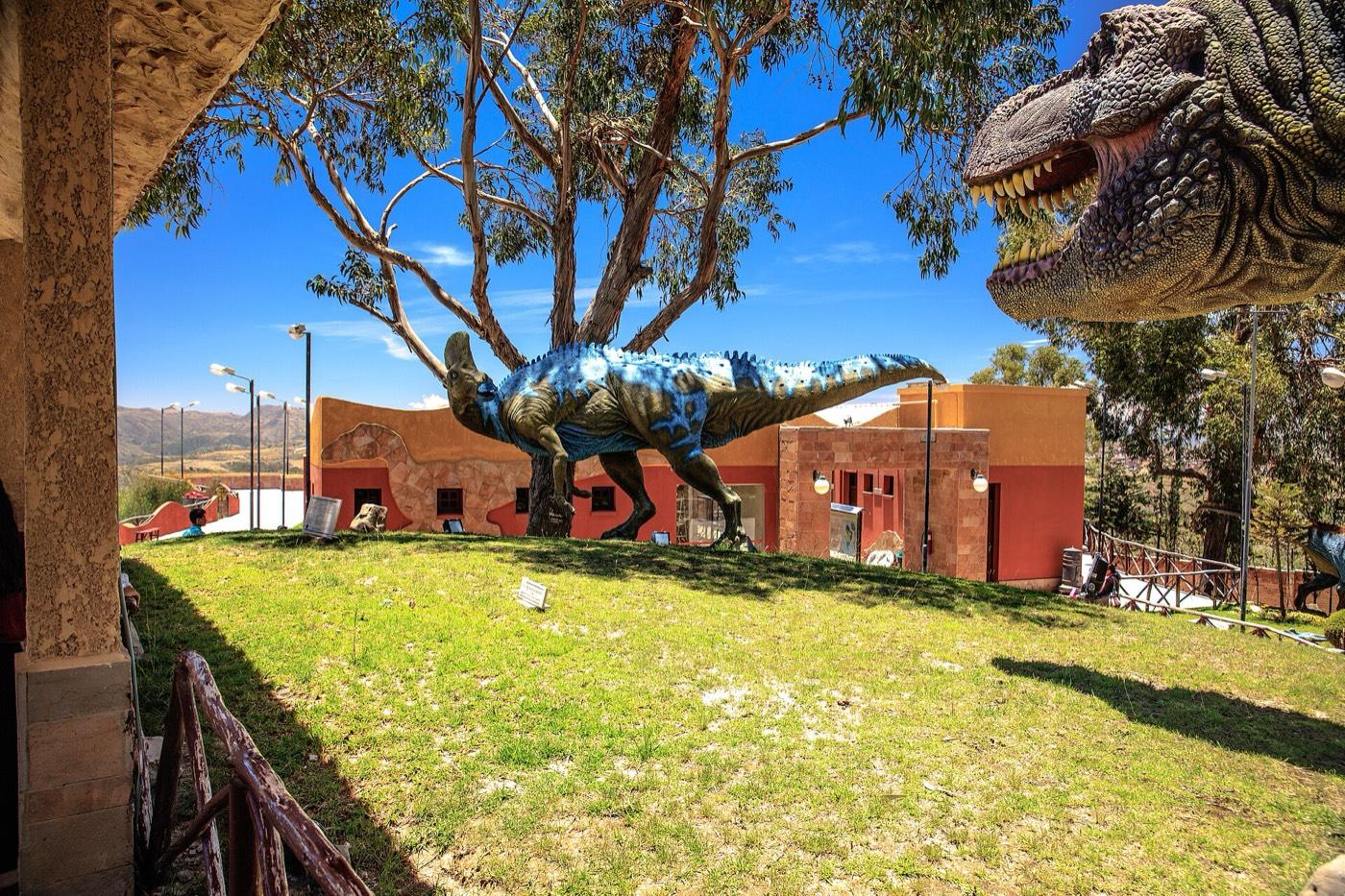
Cal Orck'o and Parque Cretácico Fossil Hunting Guide
Chuquisaca, Bolivia
Trace fossils, Dinosaur tracks, Stromatolites
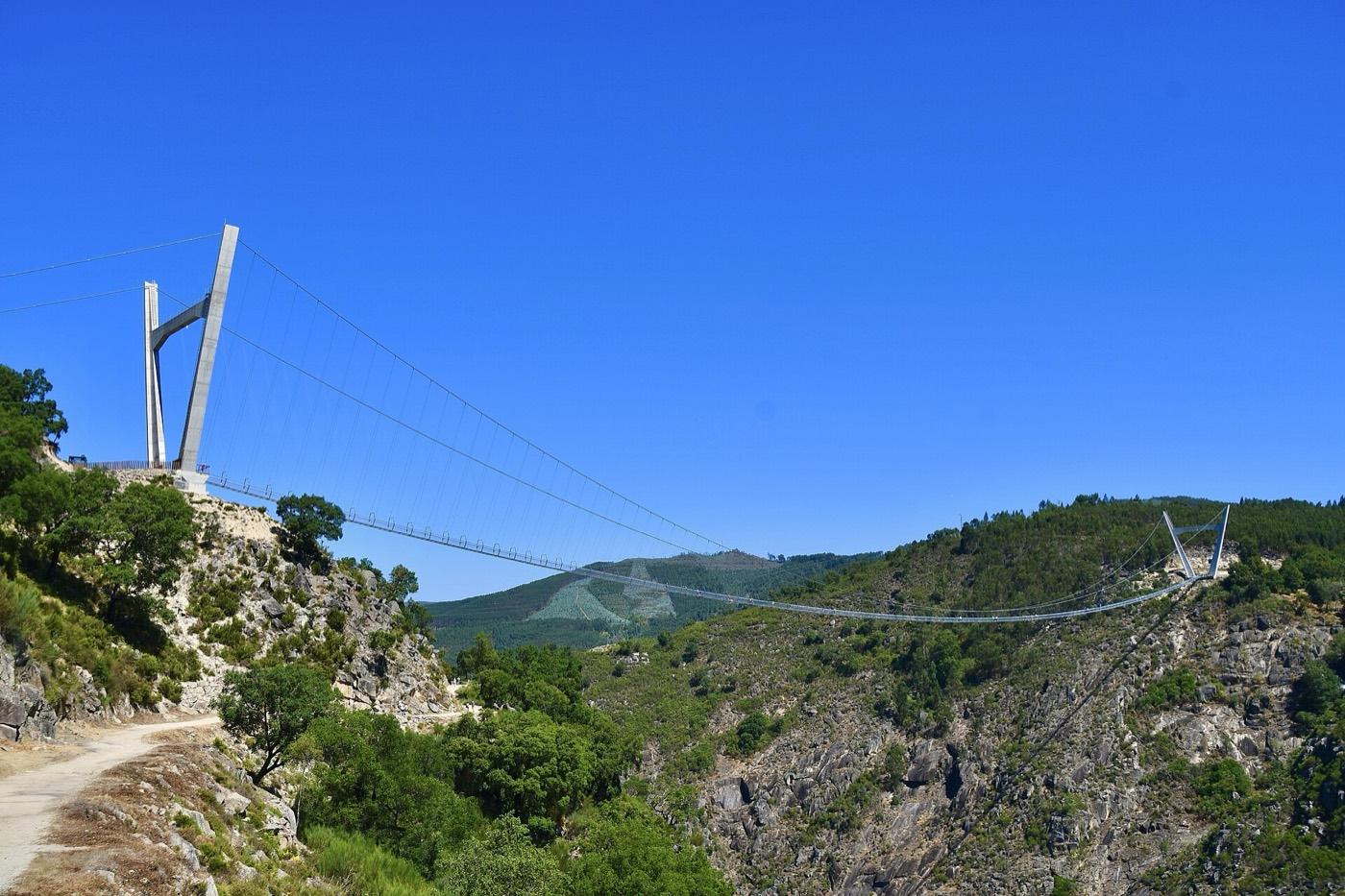
Canelas Quarry and Arouca Geopark Fossil Hunting Guide
Arouca, Aveiro District, Portugal
Trilobites, Brachiopods, Bivalves, Echinoderms
Coon Creek Science Center Fossil Dig Guide
Tennessee, United States
Crabs, Bivalves, Gastropods, Ammonites
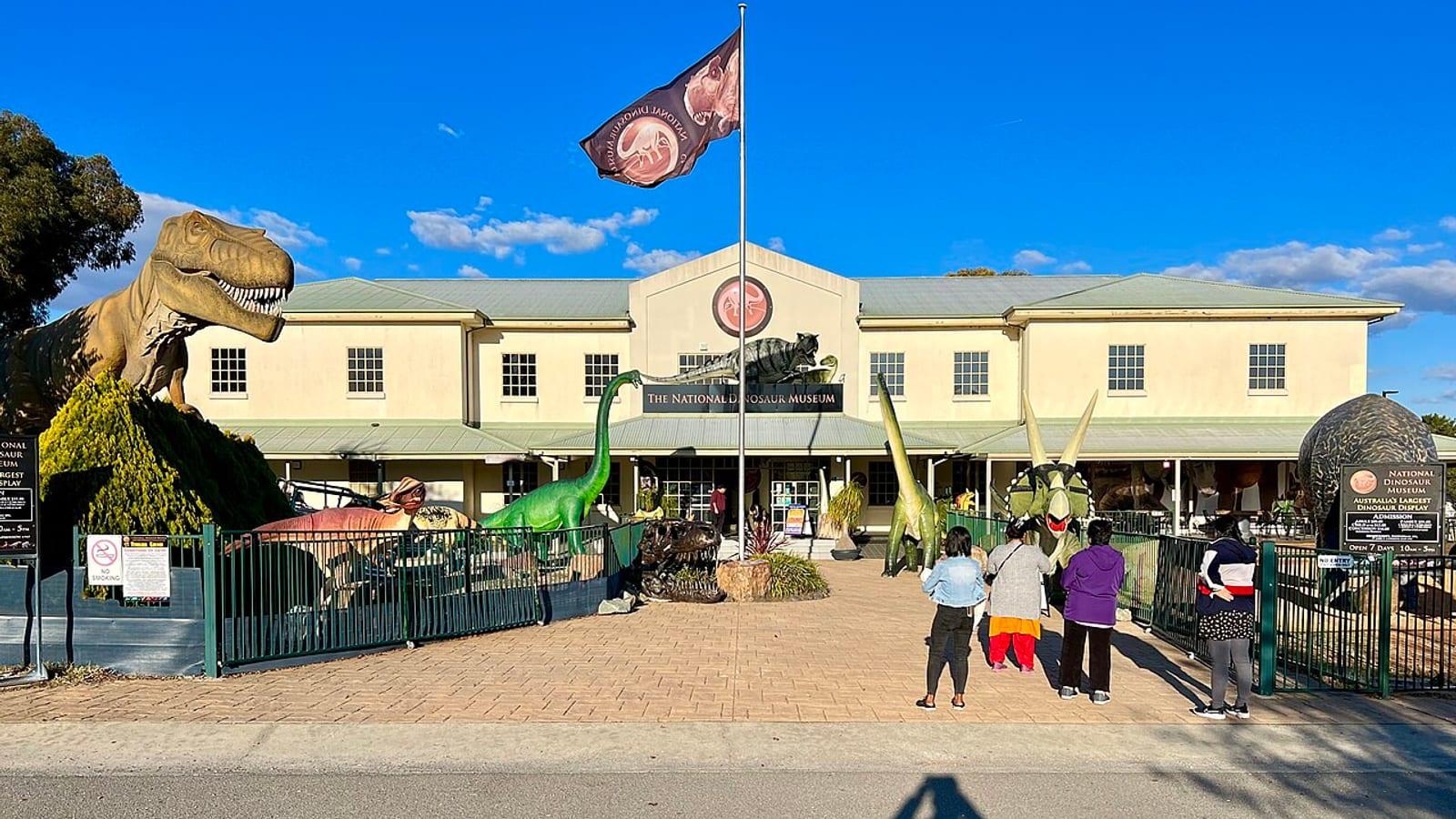
Dinosaur Museum Altmuehltal Fossil Park Fossil Hunting Guide
93326 Denkendorf
Ammonites, Crinoid fragments
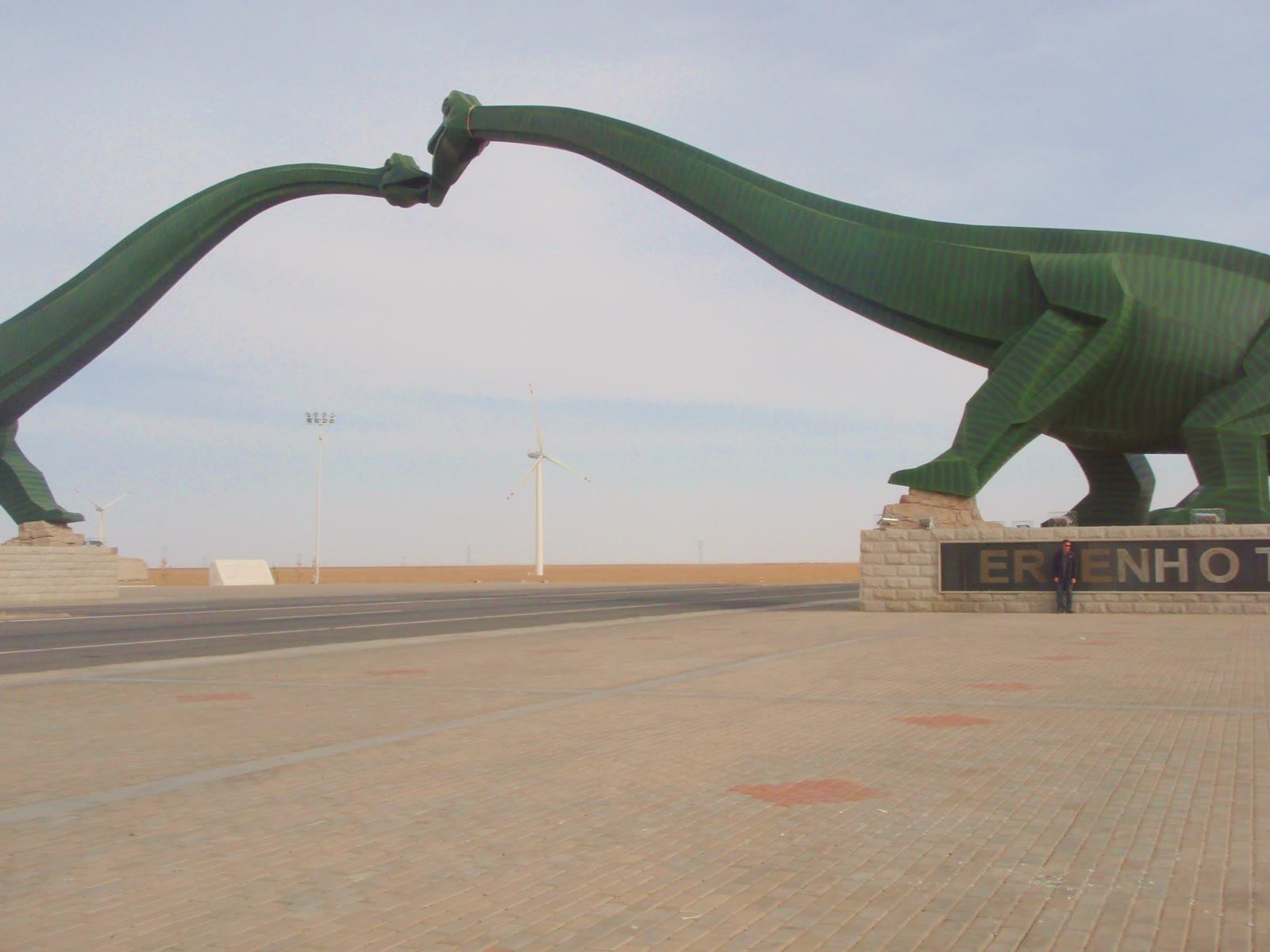
Erenhot Dinosaur Geopark Fossil Hunting Guide
Inner Mongolia, China
Dinosaurs, Theropods, Hadrosaurs, Sauropods
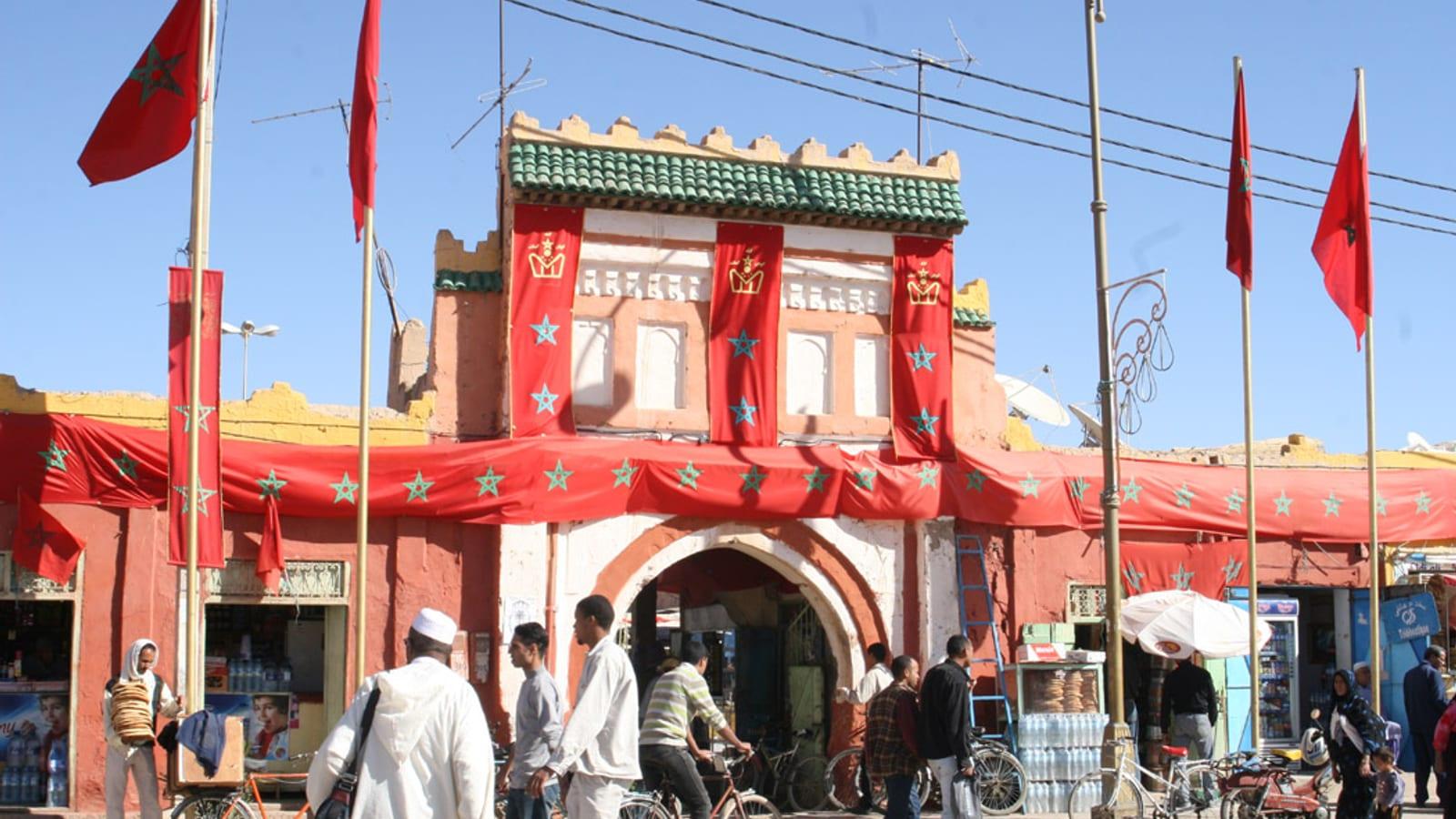
Erfoud Main Orthoceras Factory Quarry Fossil Hunting Guide
Morocco
Orthocerids, Goniatites, Brachiopods, trilobite fragments
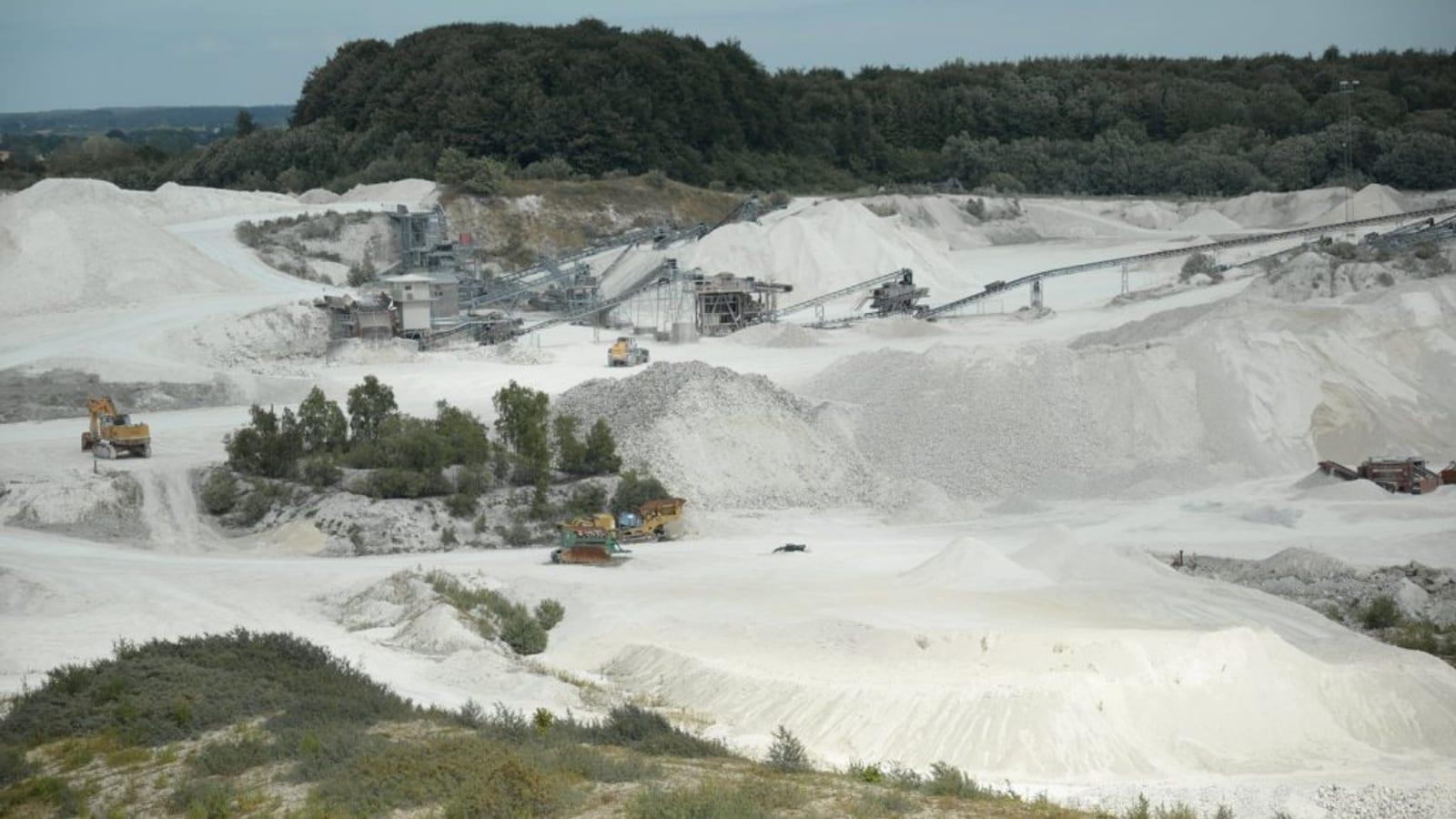
Faxe Quarry South Area Fossil Hunting Guide
Denmark
Corals, Crabs, Bryozoans, Bivalves
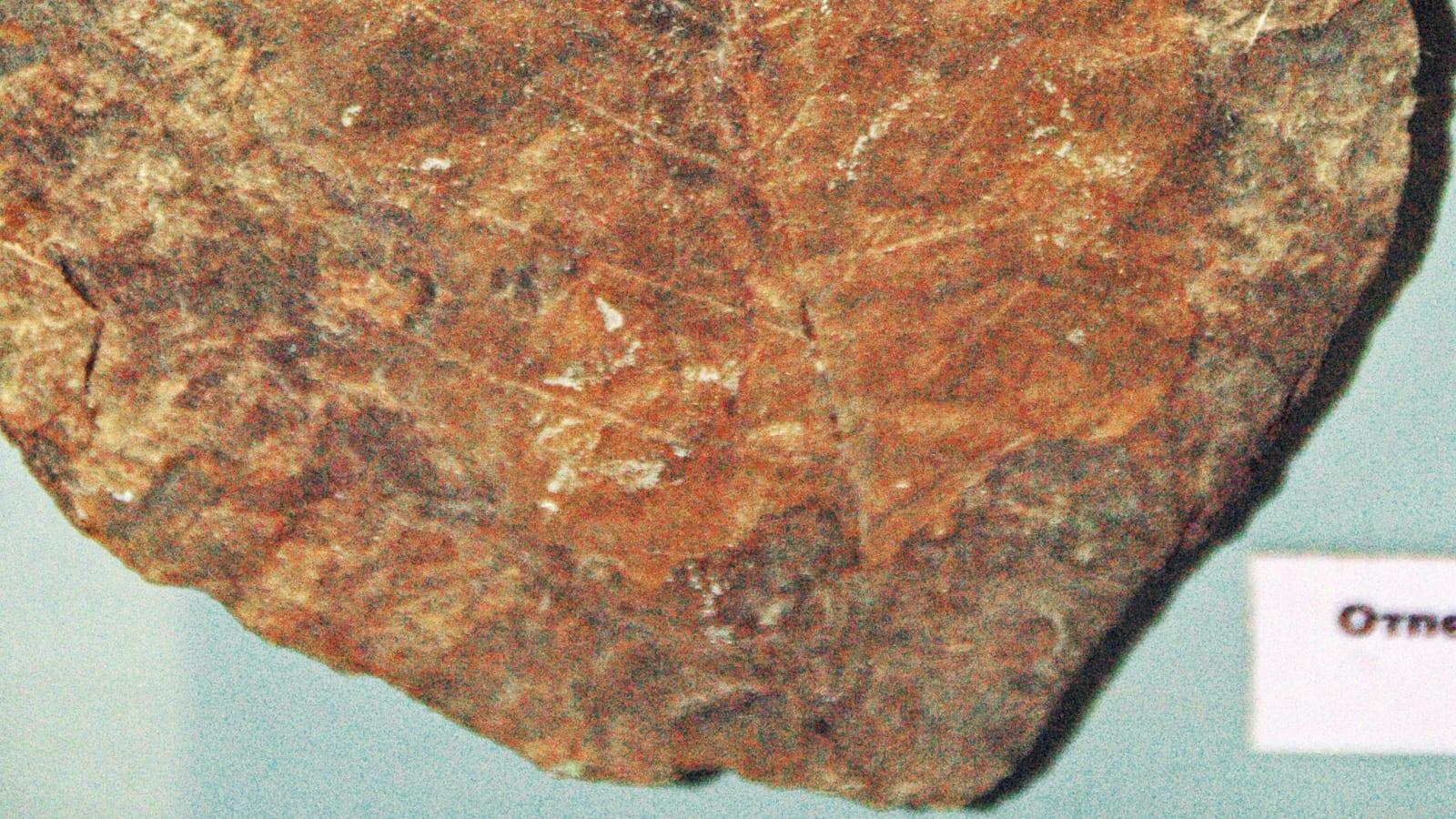
Florissant Fossil Quarry Fossil Hunting Guide
Colorado, United States
Plants, Insects, Fish, Petrified Wood
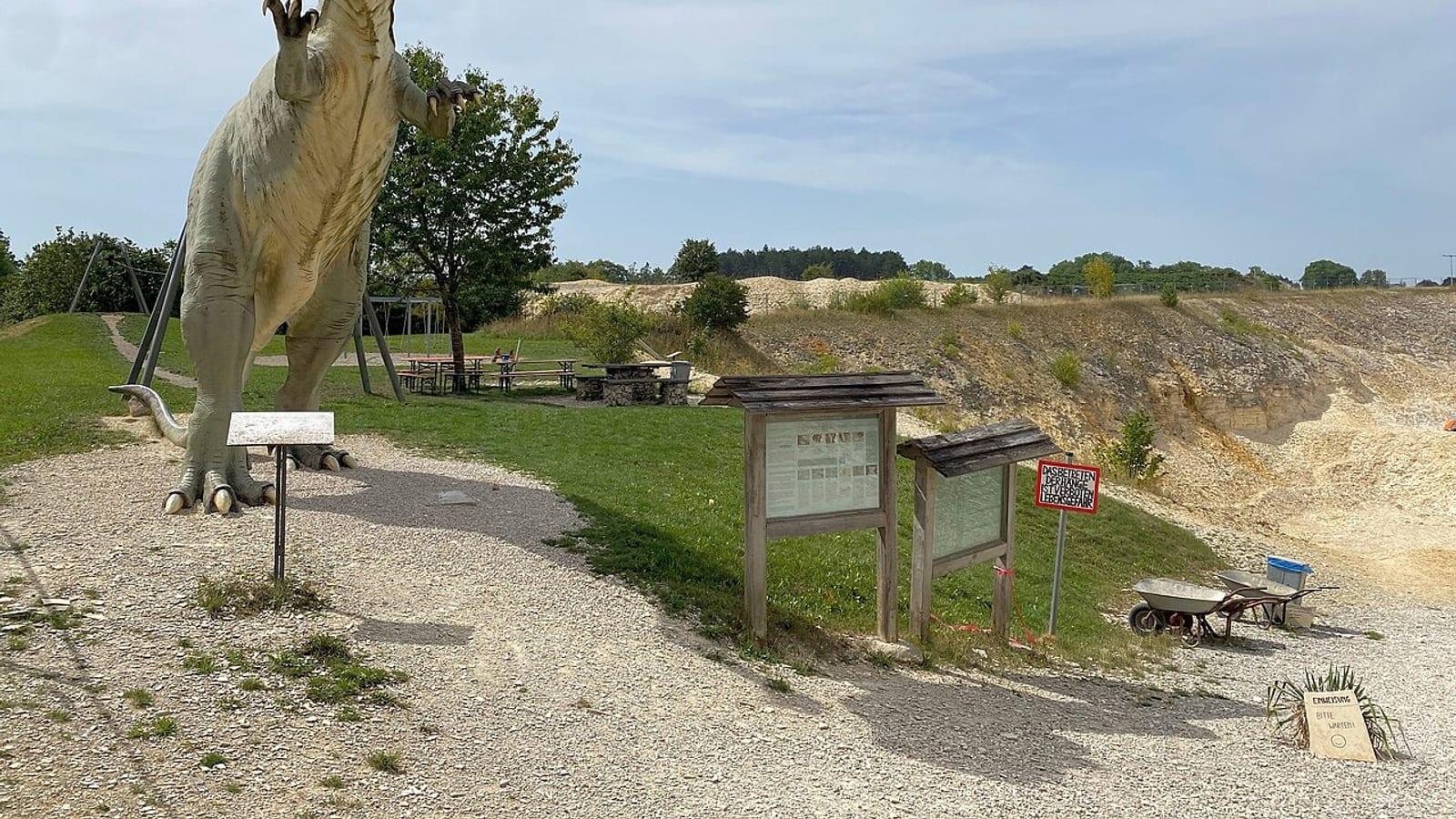
Fossiliensteinbruch Blumenberg Eichstatt Fossil Hunting Guide
Germany
Ammonites, Fish fossils, Shrimp, Crinoids and belemnites
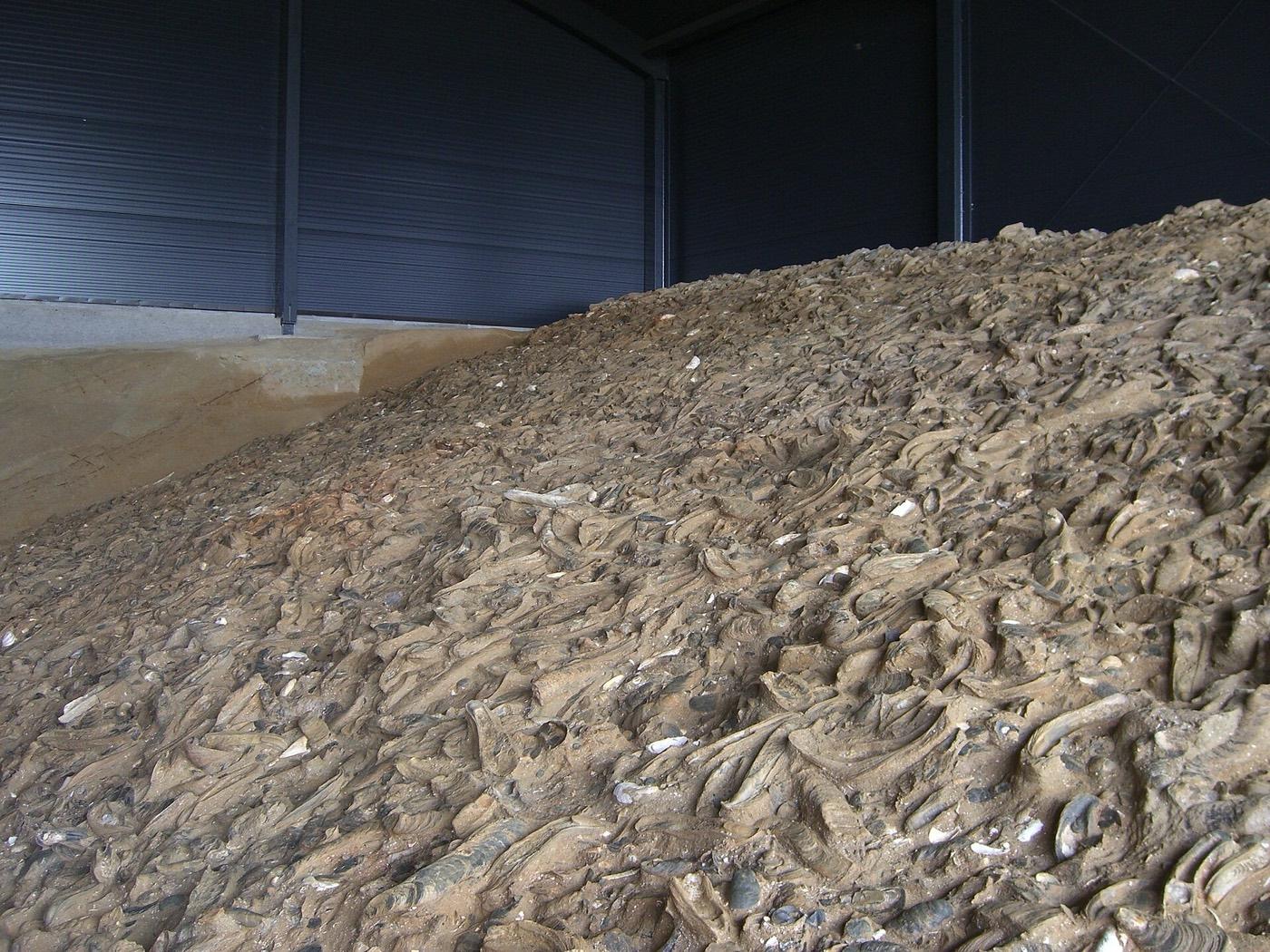
Fossilienwelt Weinviertel Fossil Hunting Guide
Lower Austria, Austria
Bivalves, Gastropods, Shark teeth, Corals
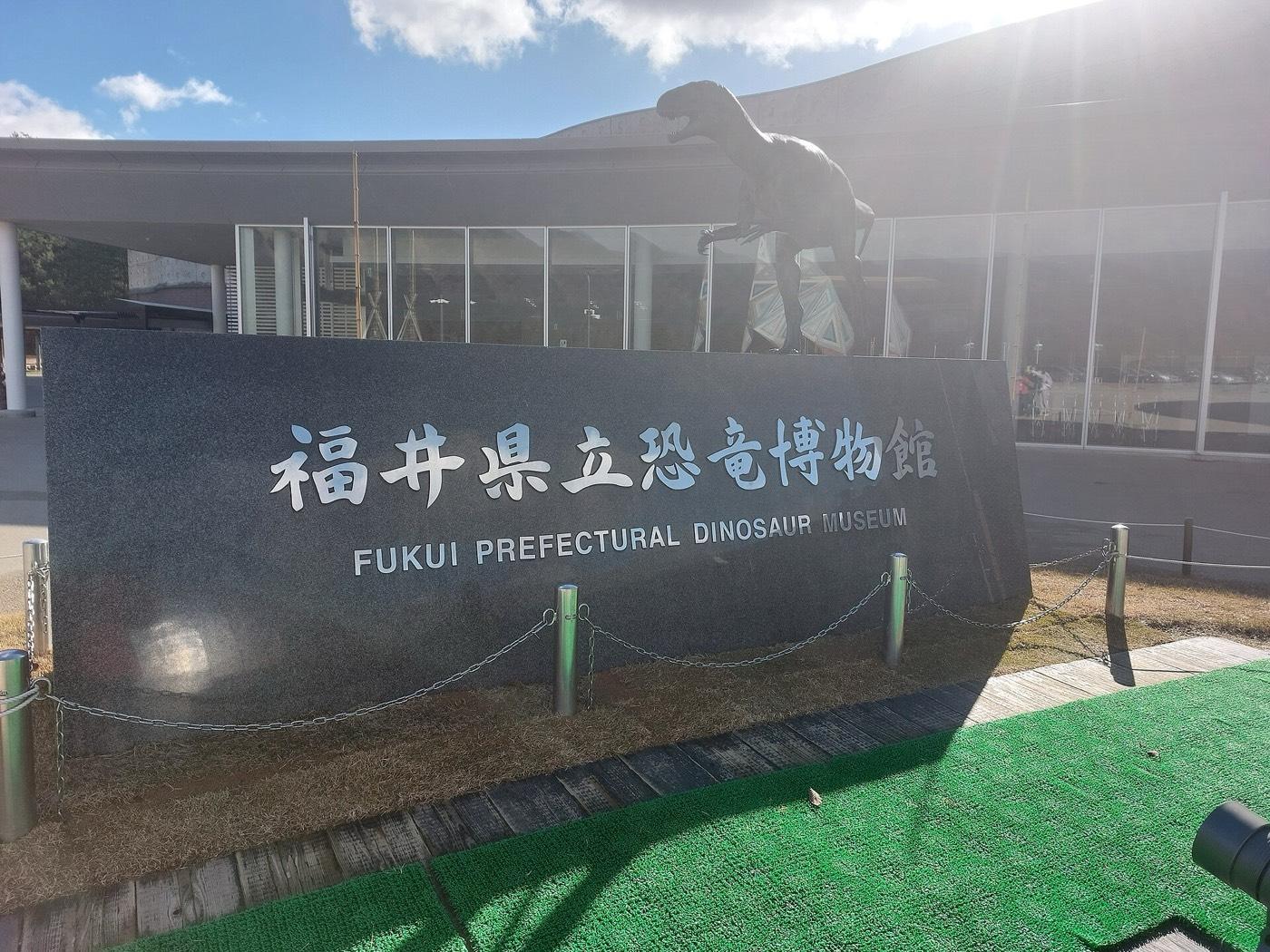
Fukui Prefectural Dinosaur Museum and Katsuyama Dig Fossil Hunting Guide
Fukui Prefecture, Japan
Dinosaurs, Plants, Fish, Turtles
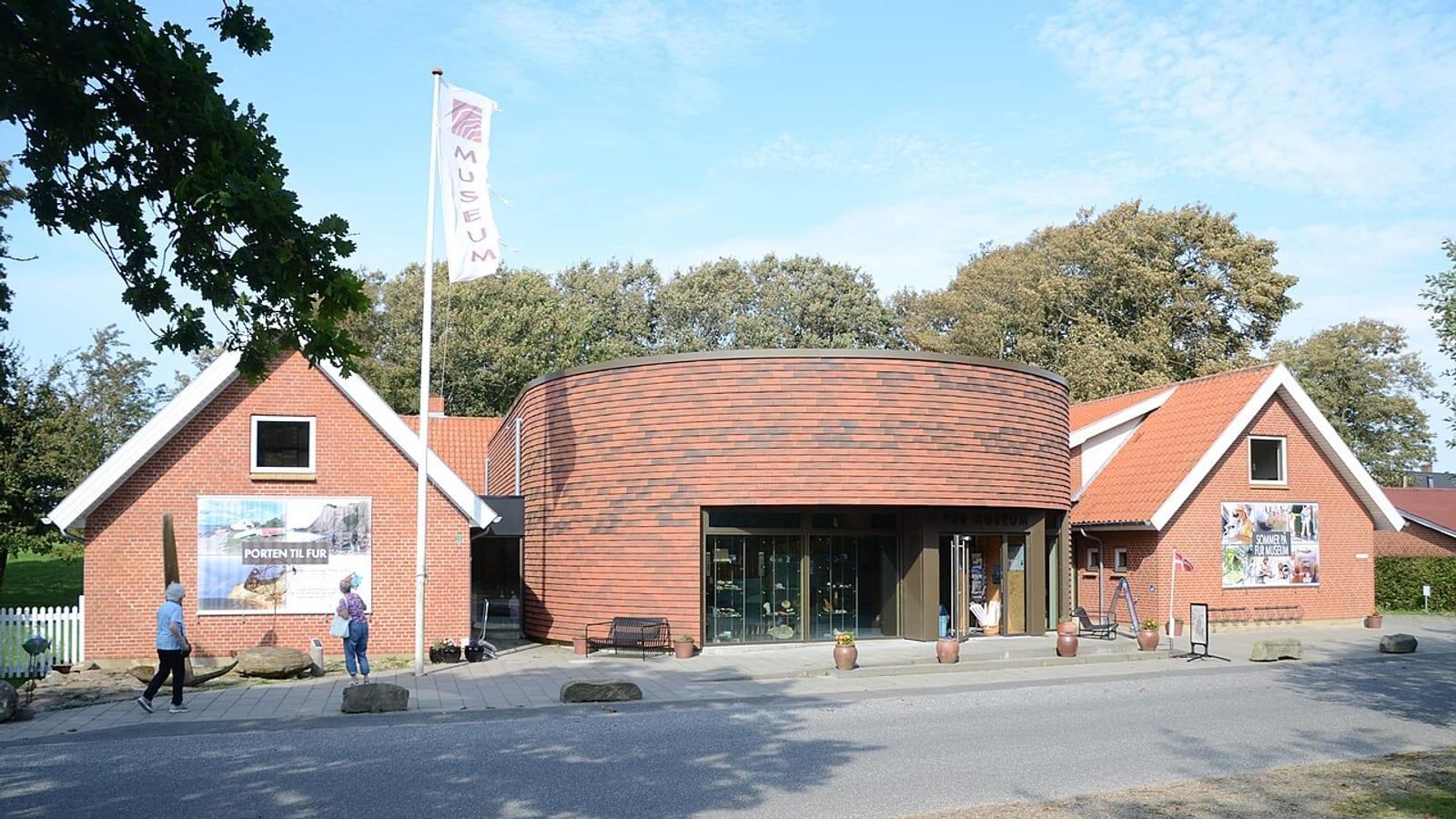
Fur Museum Dig Eocene Fish Insect Fossils Fossil Hunting Guide
7884 Fur
Fish, Insects, Plant fossils
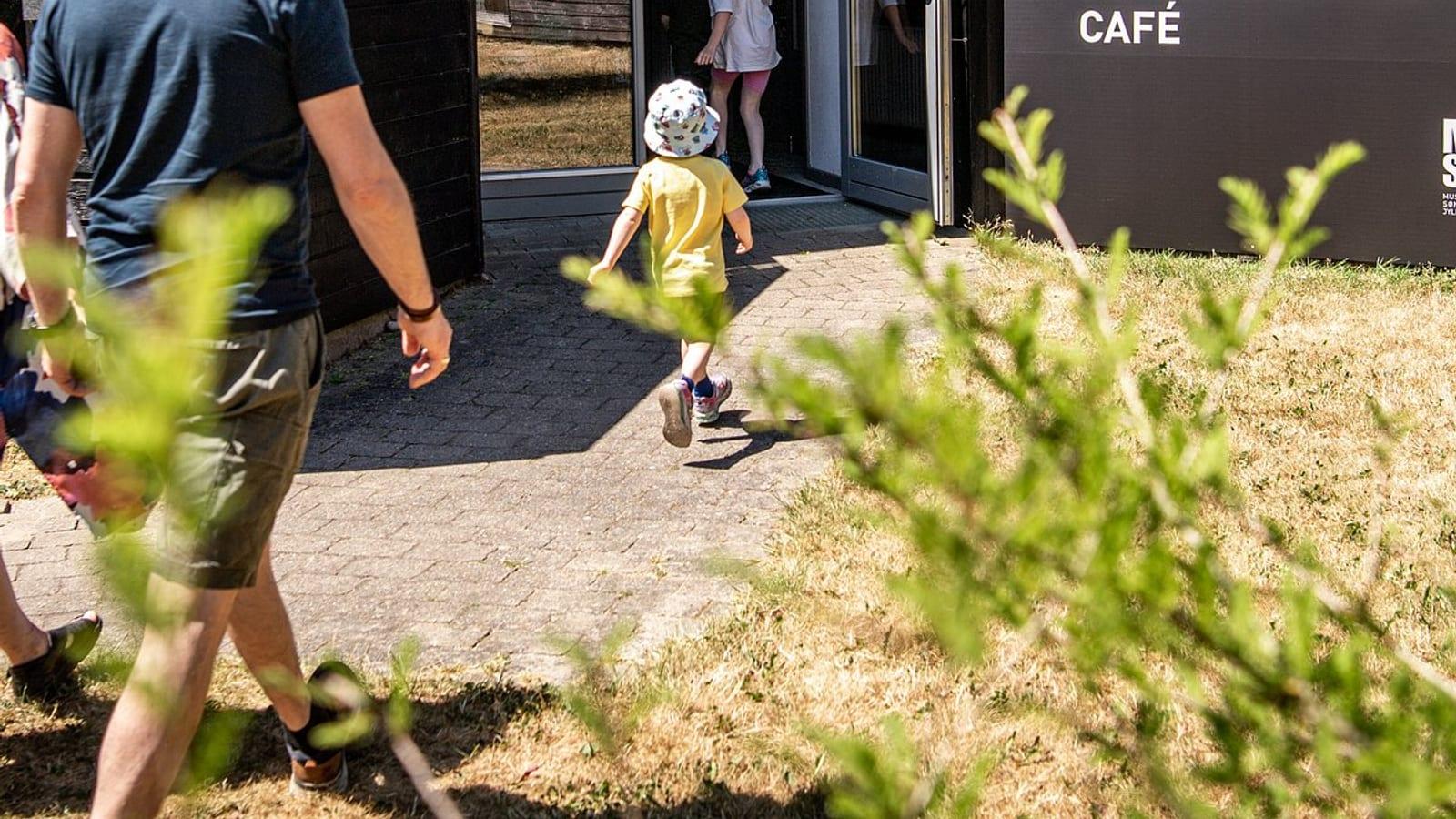
Gram Clay Pit Fossil Hunting Guide
Denmark
Shark Teeth, Megalodon
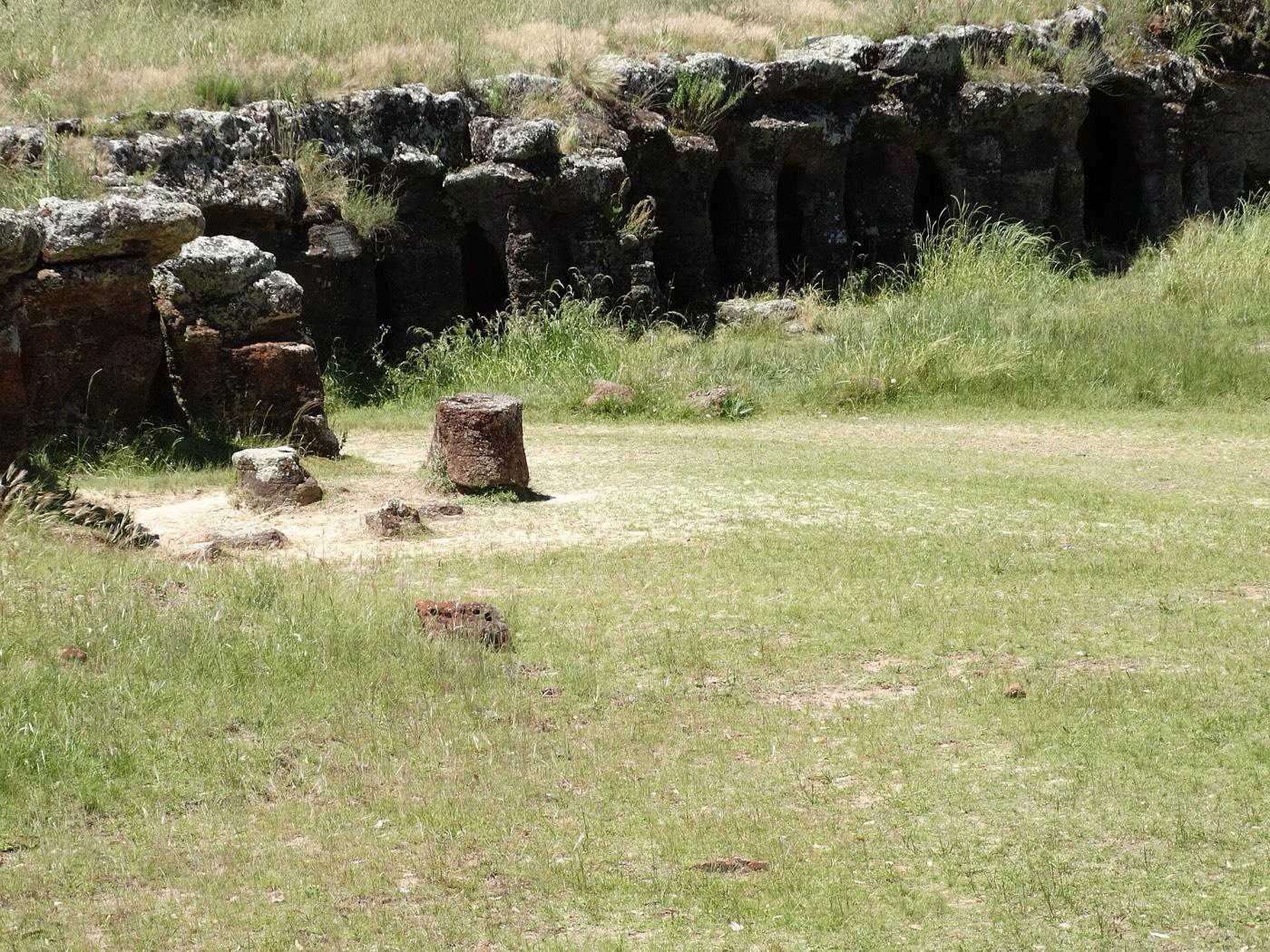
Grutas del Palacio Geopark Fossil Hunting Guide
Flores, Uruguay
Dinosaur eggs, Trace fossils, Insect nests
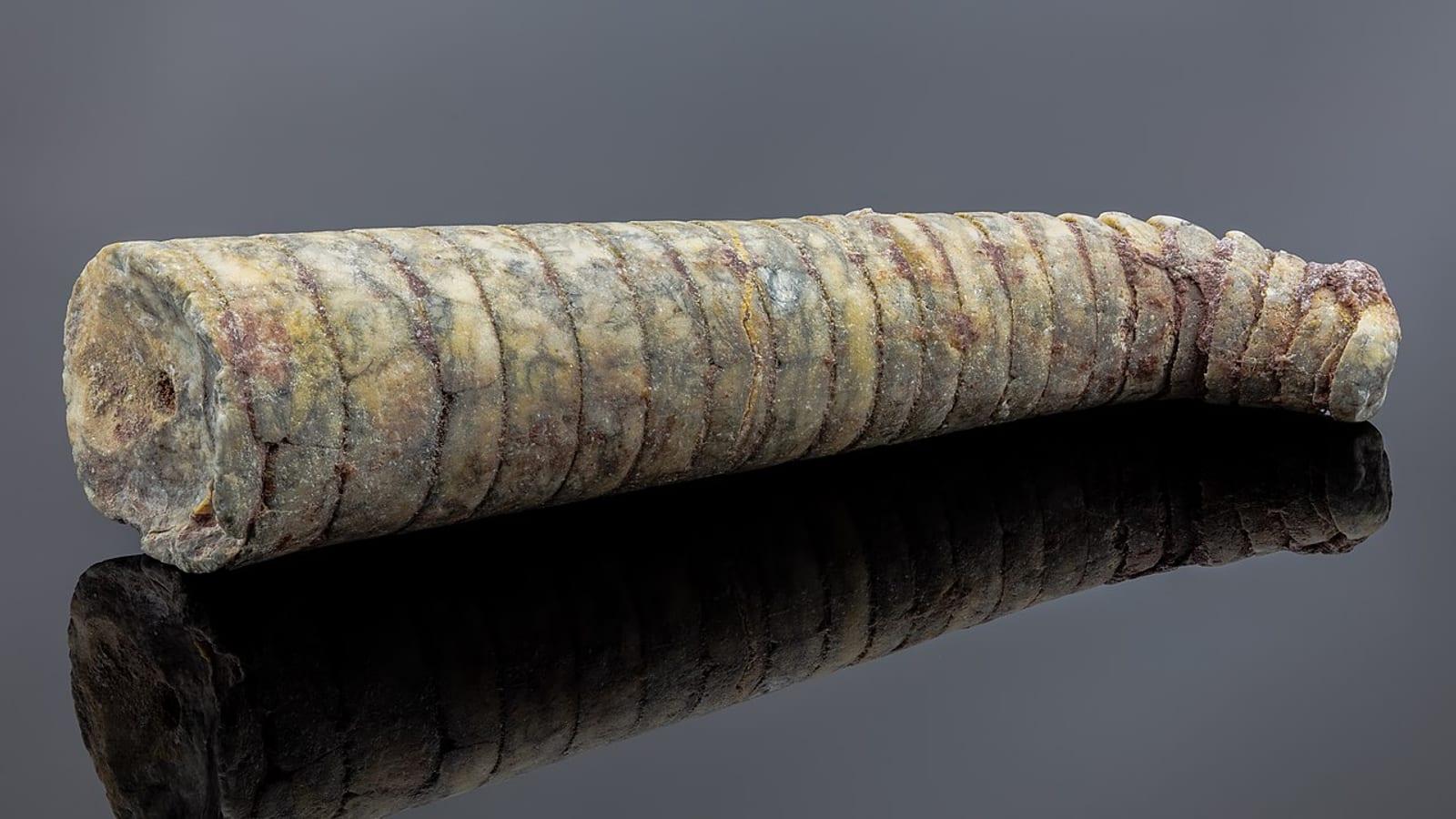
Hamar Laghdad Orthoceras Quarry Erfoud Fossil Hunting Guide
Morocco
Orthoceras, Goniatites, Brachiopods, trilobite fragments
Herrenberg Mine Bundenbach Underground Fossil Hunting Guide
55568 Bundenbach
Devonian marine fossils, Crinoids
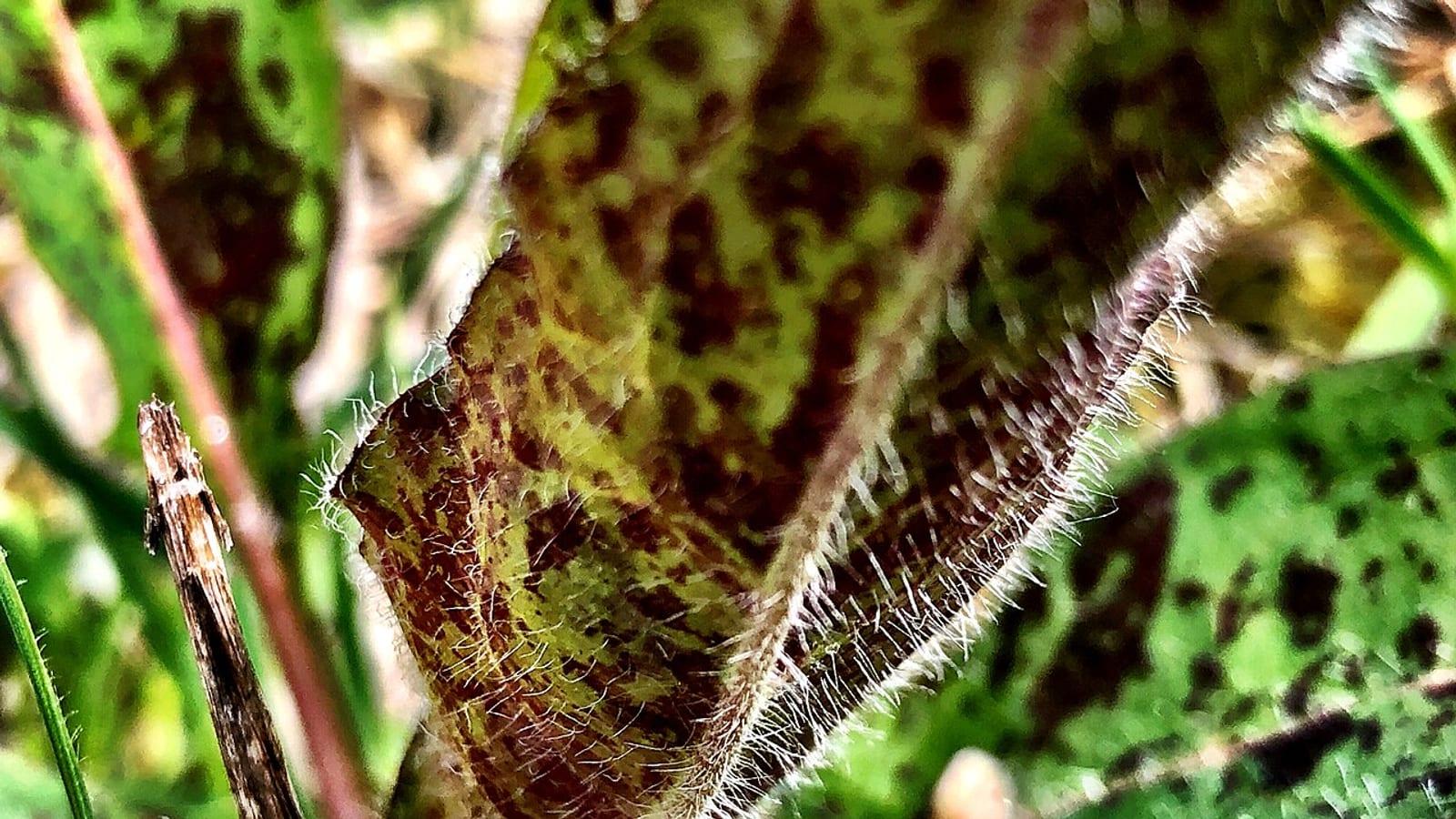
Hobbysteinbruch Solnhofen Fossil Hunting Guide
91807 Solnhofen
Ammonites, Fish fossils, Shrimp, Crinoids
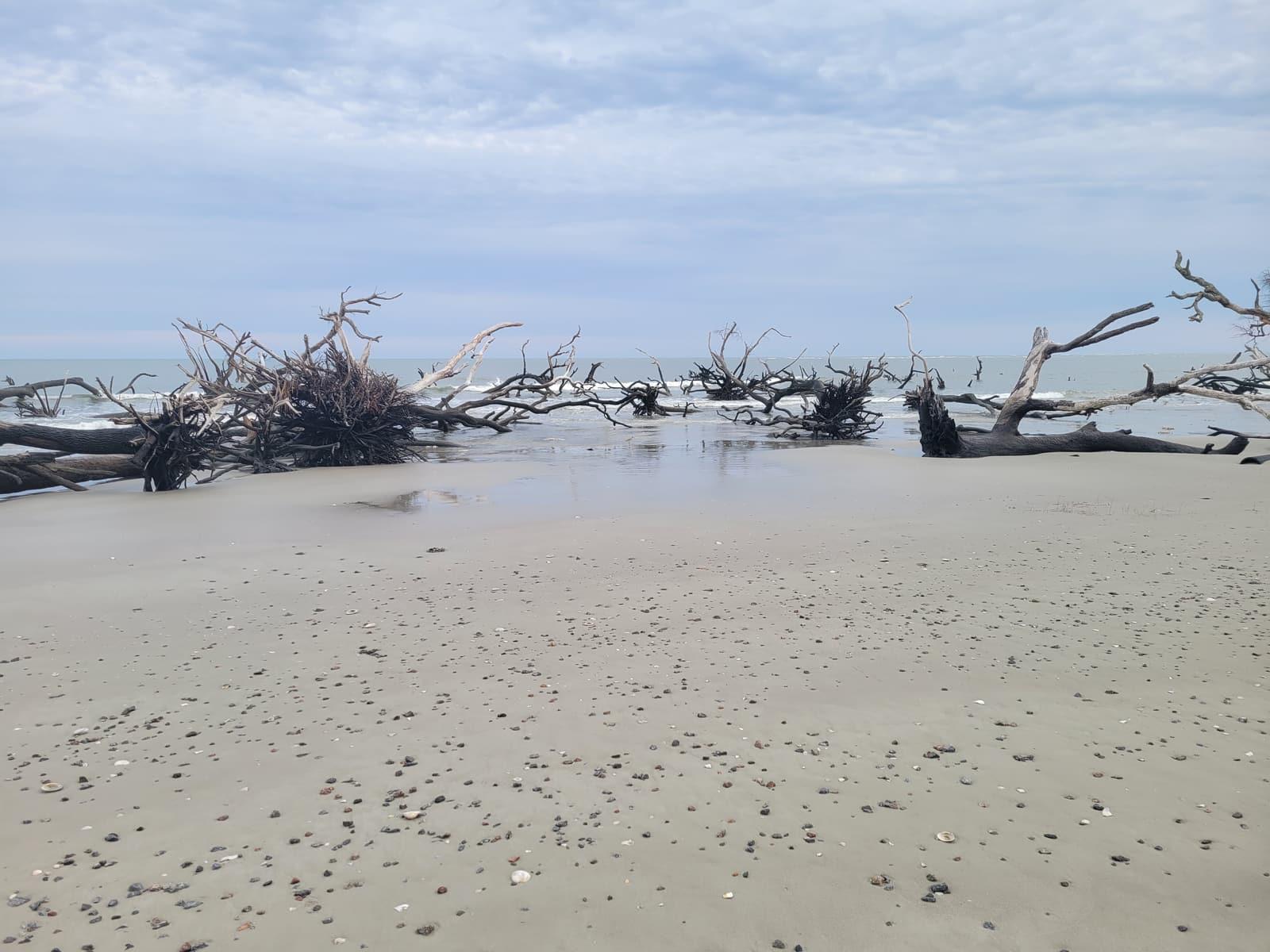
Hunting Island State Park Fossil Guide
South Carolina, United States
Shark Teeth, Megalodon teeth, Fossil bone, Marine shells
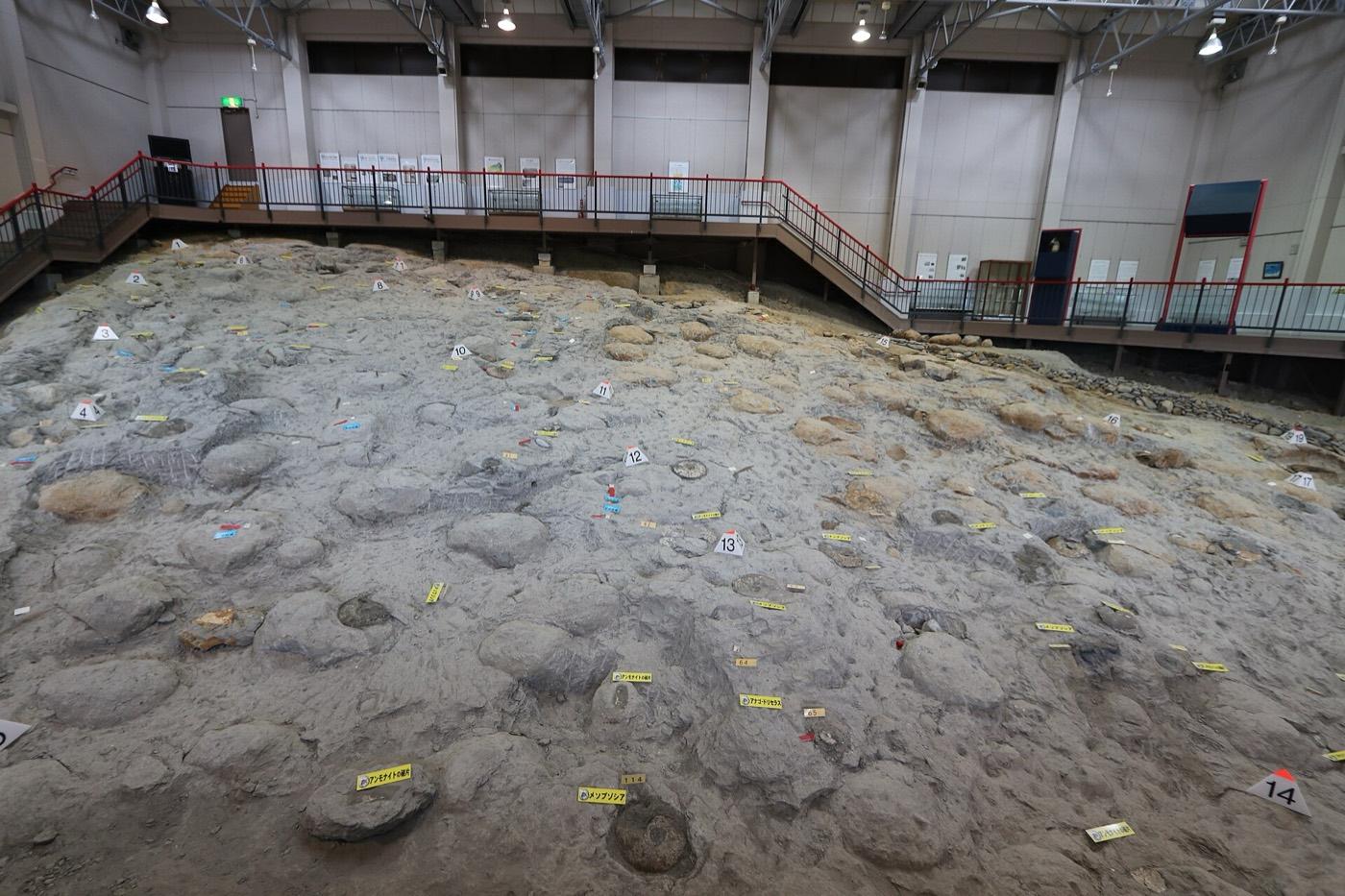
Iwaki City Ammonite Center Fossil Hunting Guide
Fukushima Prefecture, Japan
Ammonites, Bivalves, Shark teeth, Plants
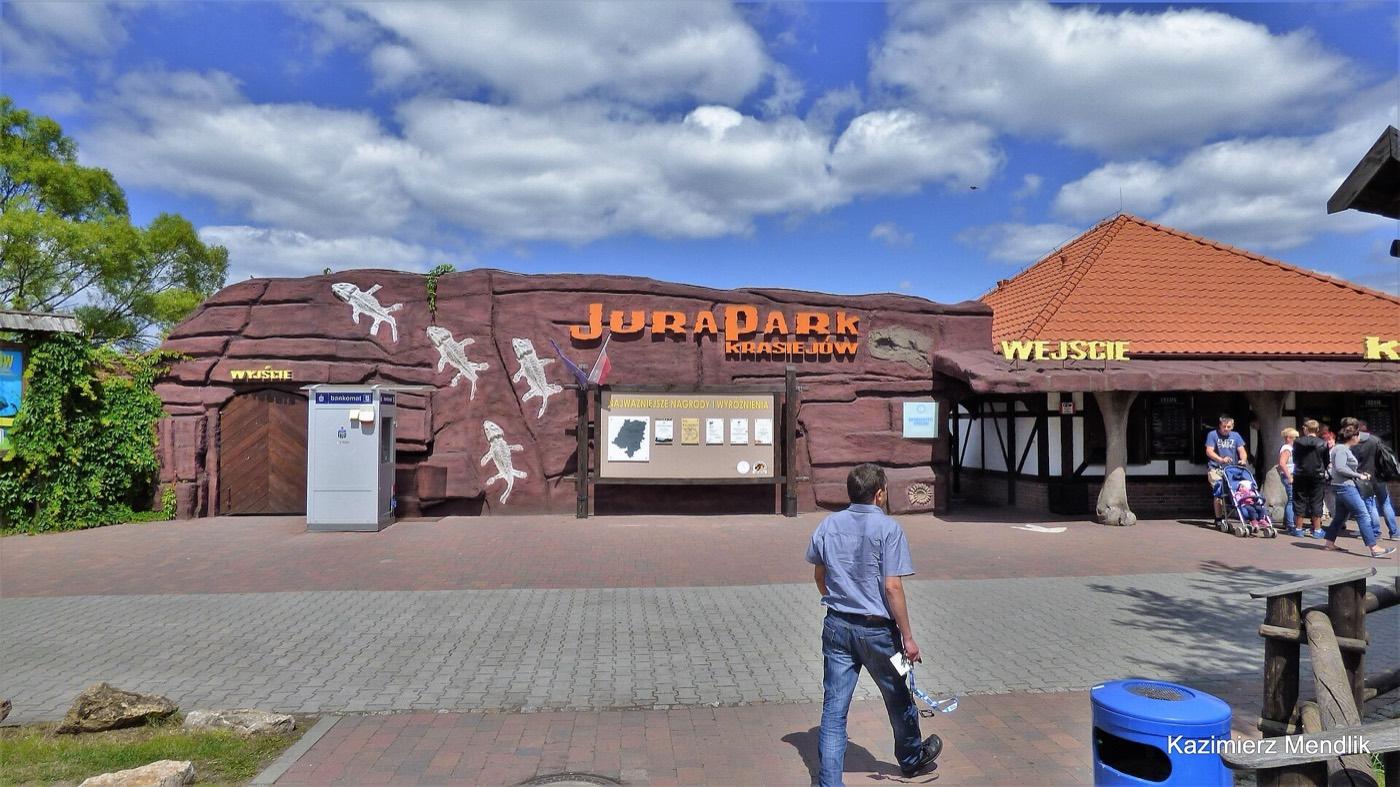
JuraPark Krasiejów Fossil Hunting Guide
Opole Voivodeship, Poland
Amphibians, Reptiles, Dinosauriformes, Bivalves
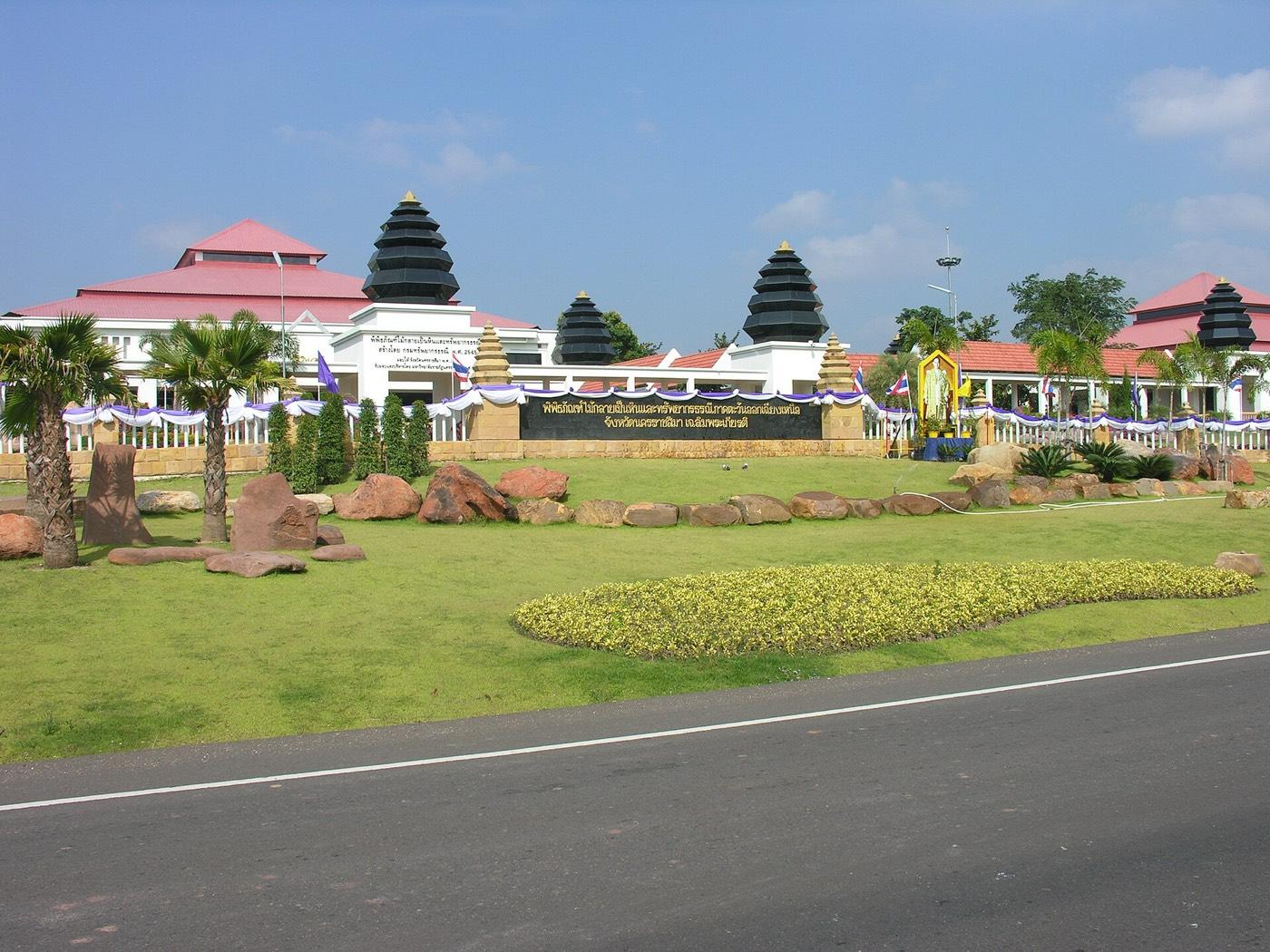
Khorat Fossil Museum and Petrified Wood Fossil Hunting Guide
Nakhon Ratchasima, Thailand
Petrified wood, Mammals, Dinosaurs, Plants
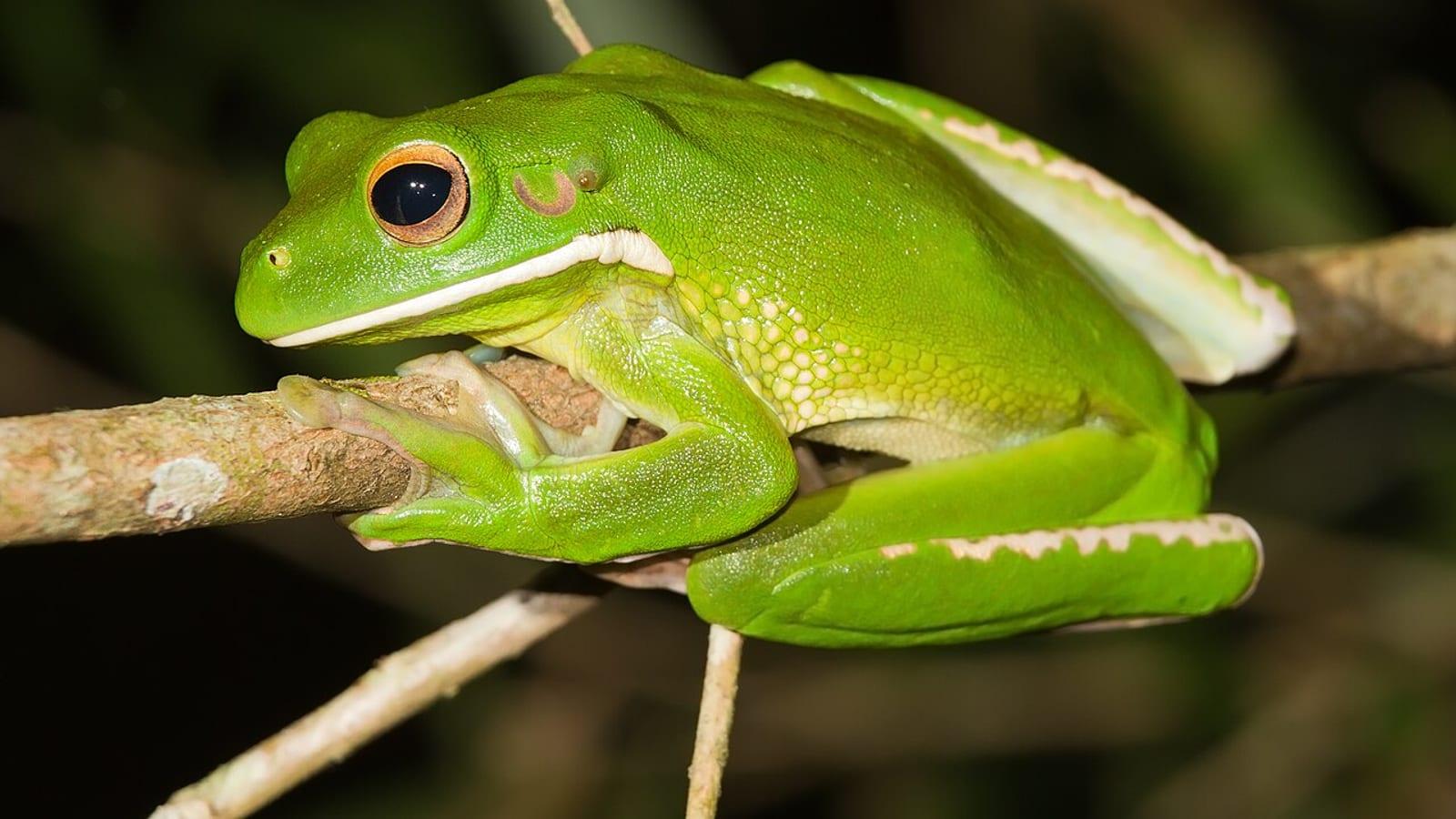
Kronosaurus Korner Queensland Fossil Museum Fossil Hunting Guide
Richmond
Eromanga Sea, Kronosaurus queenslandicus, Muttaburrasaurus langdoni, Plesiosaurs
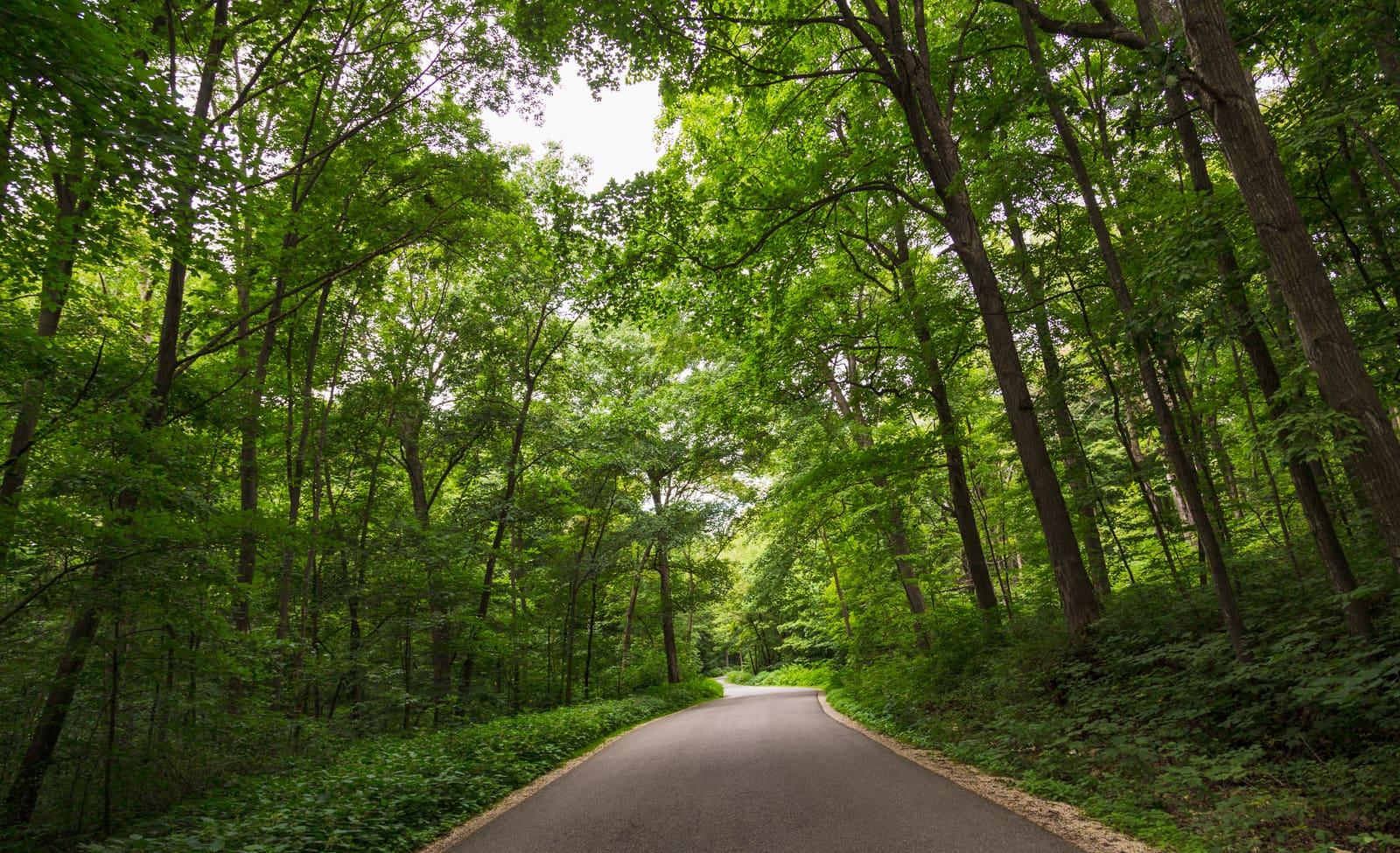
Lanesboro Karst Country (Forestville/Mystery Cave) Fossil Guide
Minnesota, United States
Brachiopods, Cephalopods, Gastropods, Trilobites
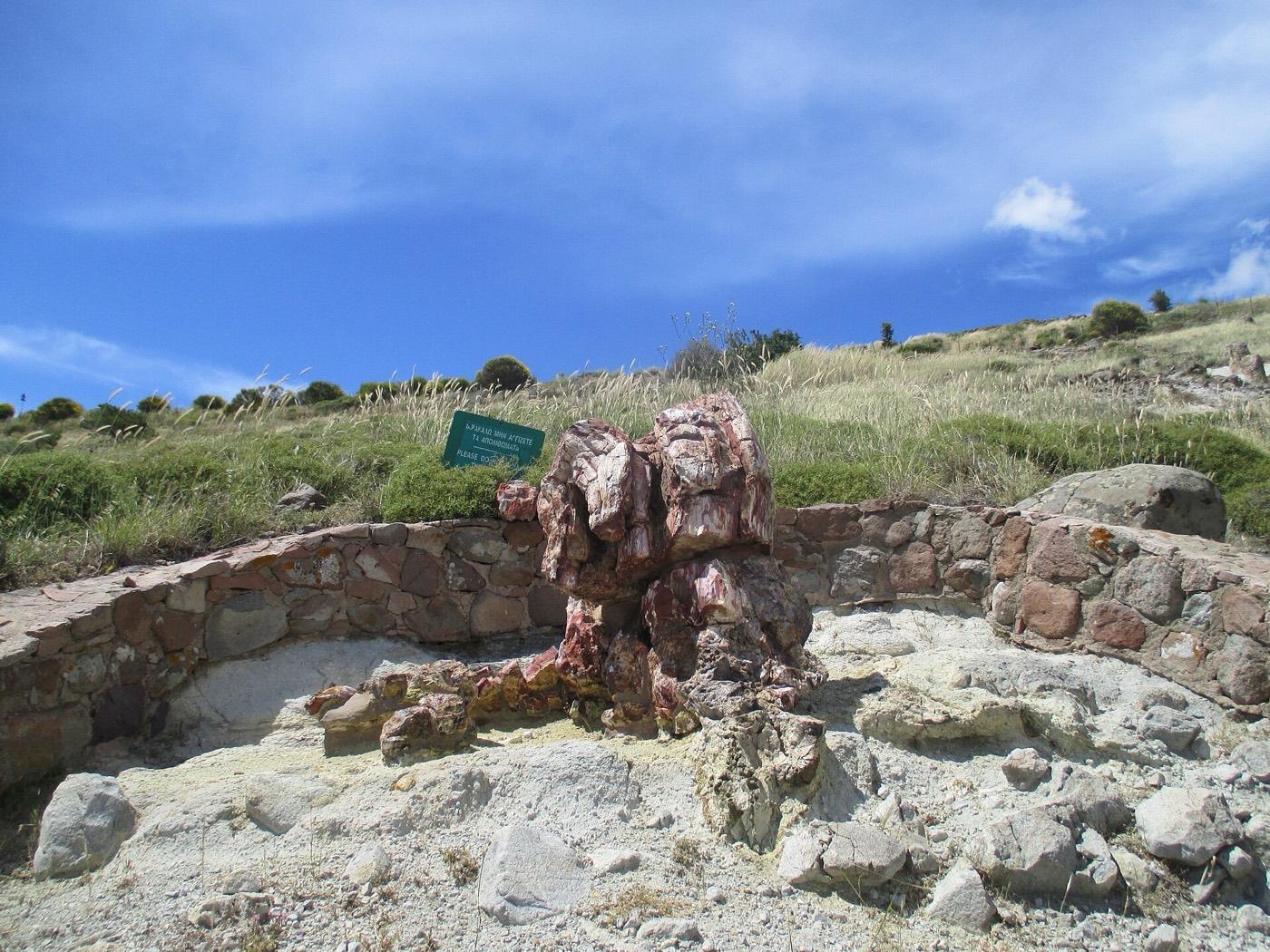
Lesvos Petrified Forest Fossil Hunting Guide
Lesvos, North Aegean, Greece
Petrified wood, Plants, Leaves
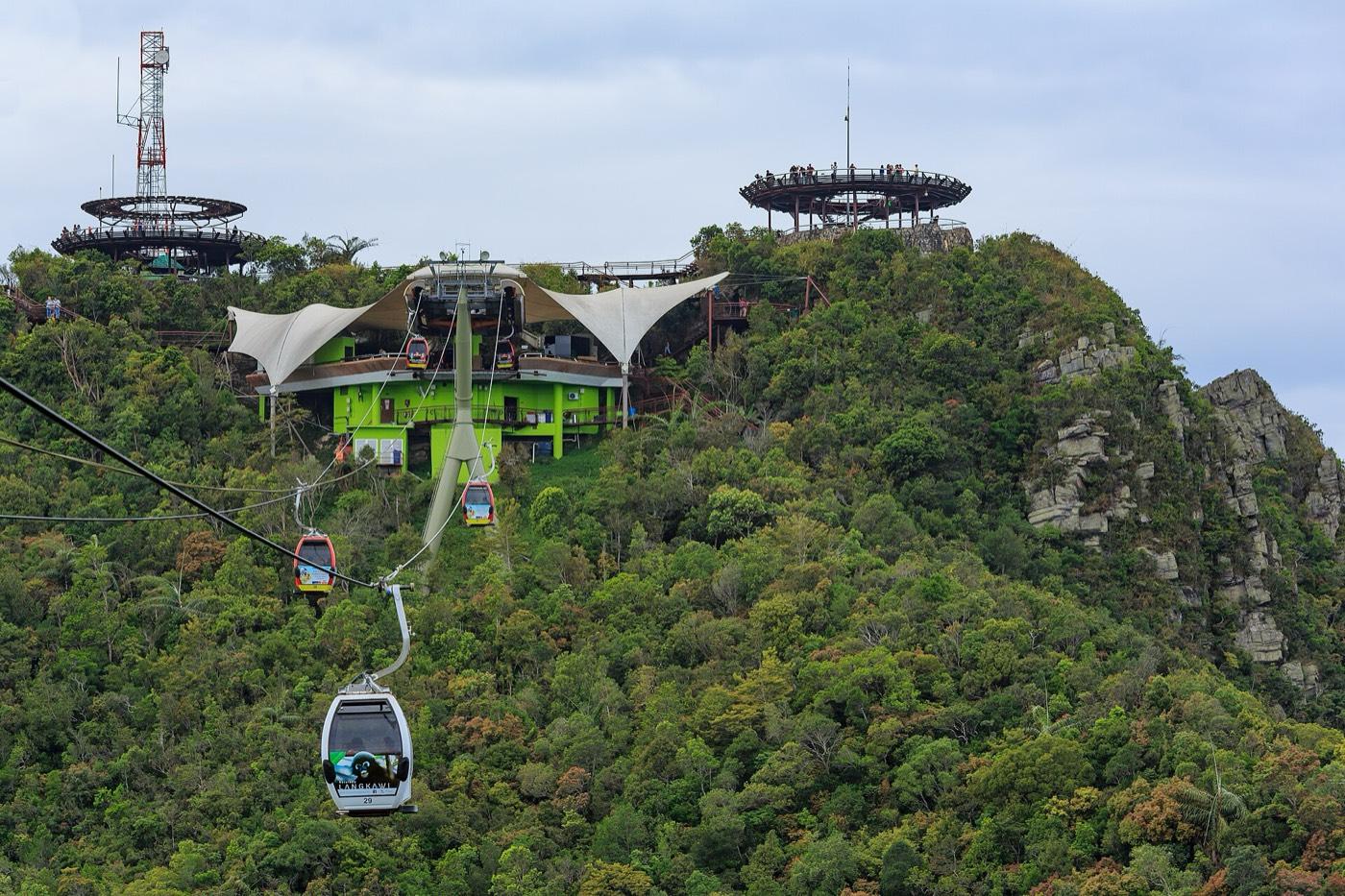
Machinchang Cambrian Geoforest Park Fossil Hunting Guide
Langkawi, Kedah, Malaysia
Trilobites, Trace fossils, Brachiopods
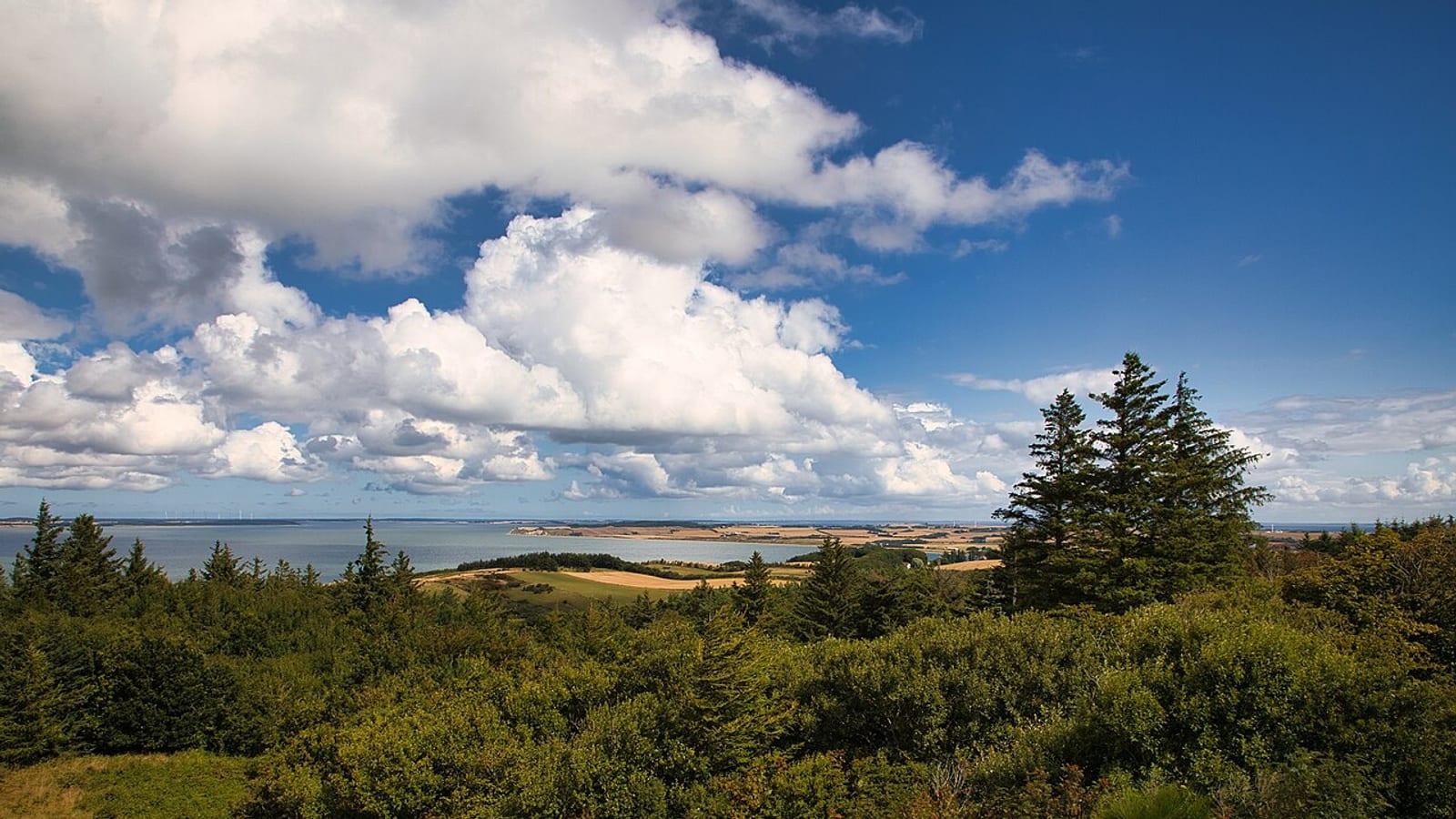
Mors Island Moler Museum Eocene Fossil Digging Fossil Hunting Guide
7900 Nykobing Mors
Fish, Insects, Plant fossils
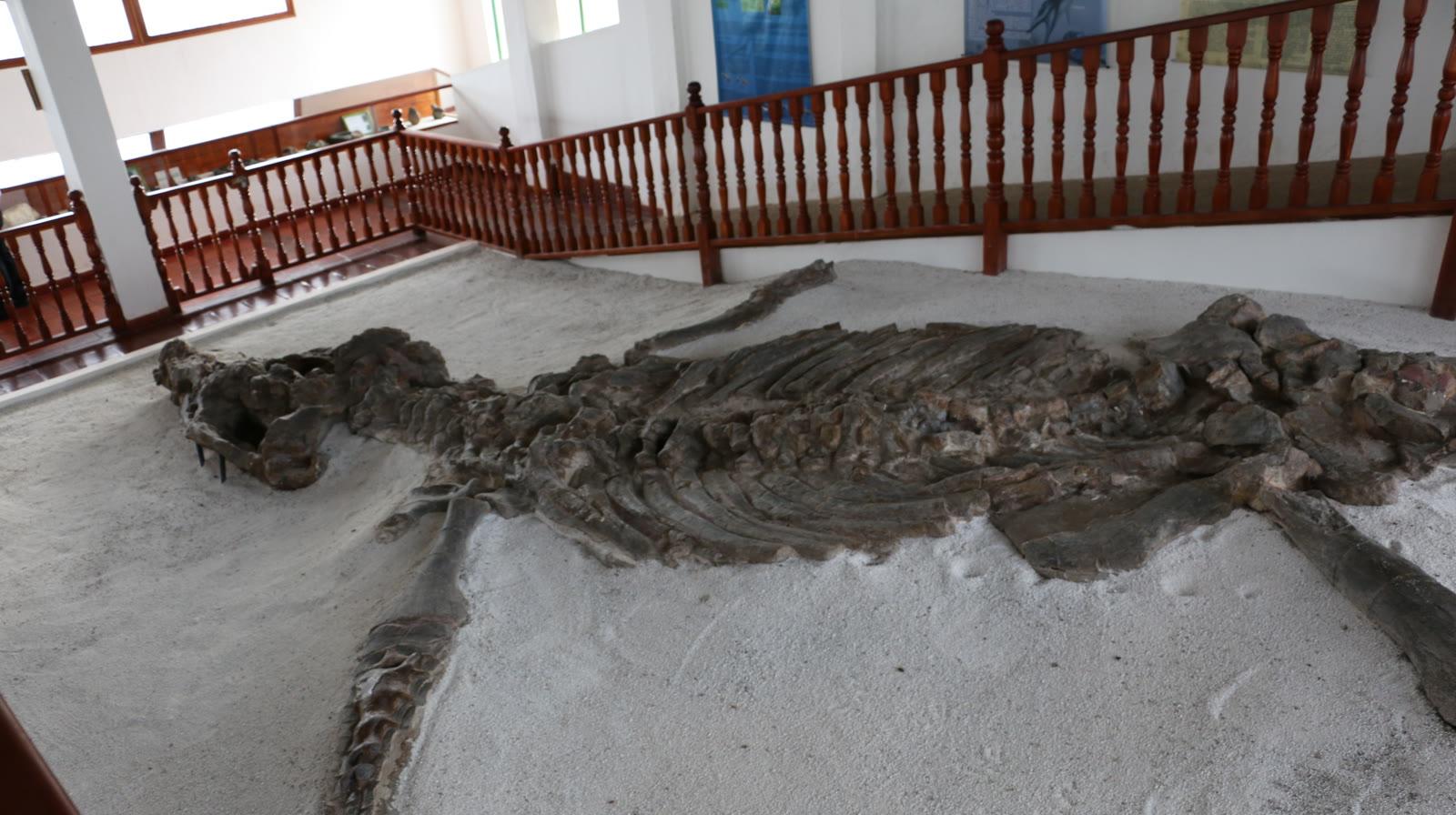
Museo El Fósil, Monquirá Fossil Hunting Guide
Boyacá, Colombia
Marine reptiles, Ammonites, Bivalves
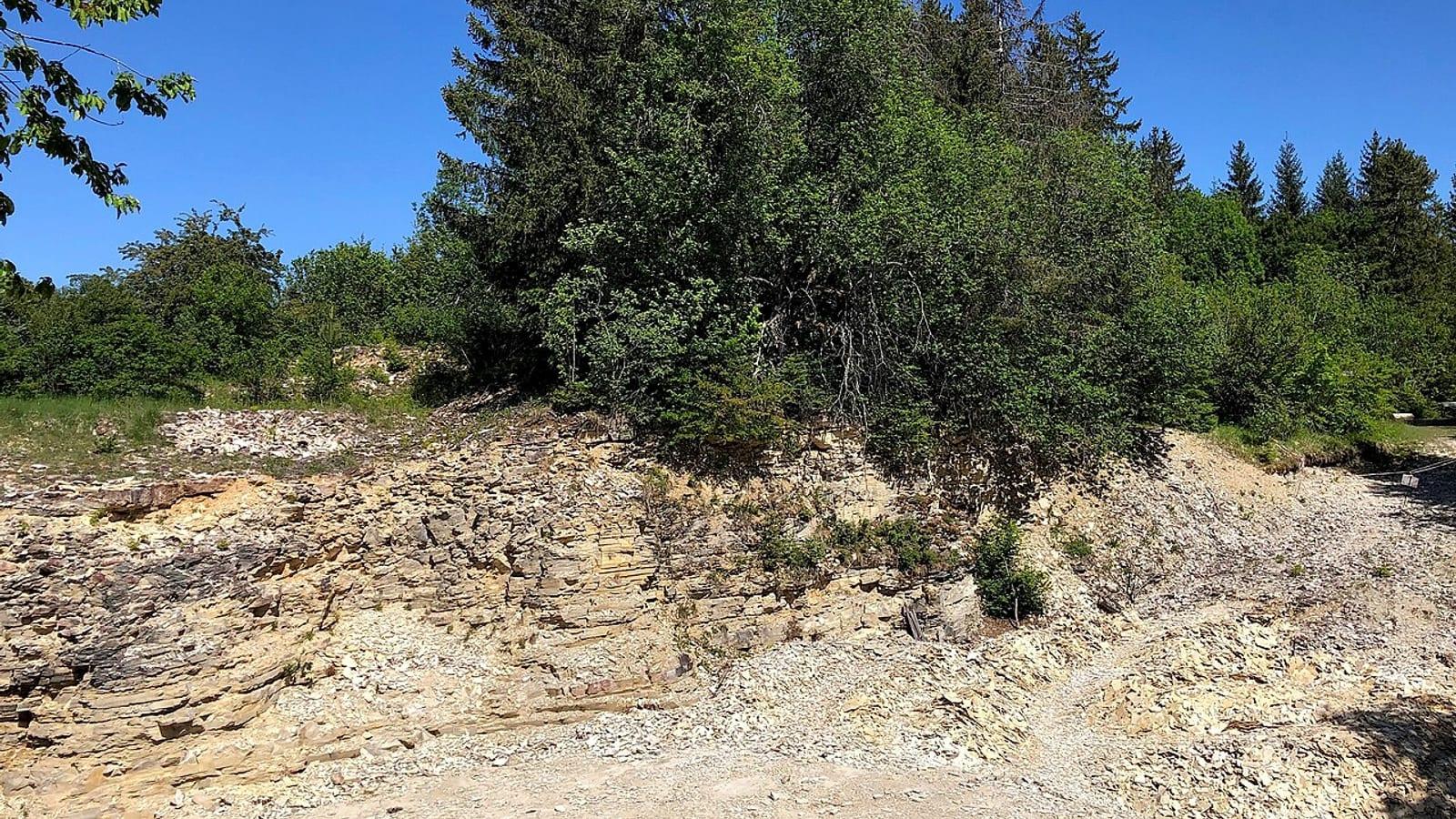
Nusplingen Plattenkalk Museum Fossil Klopfplatz Fossil Hunting Guide
72362 Nusplingen
angel sharks, pterosaurs
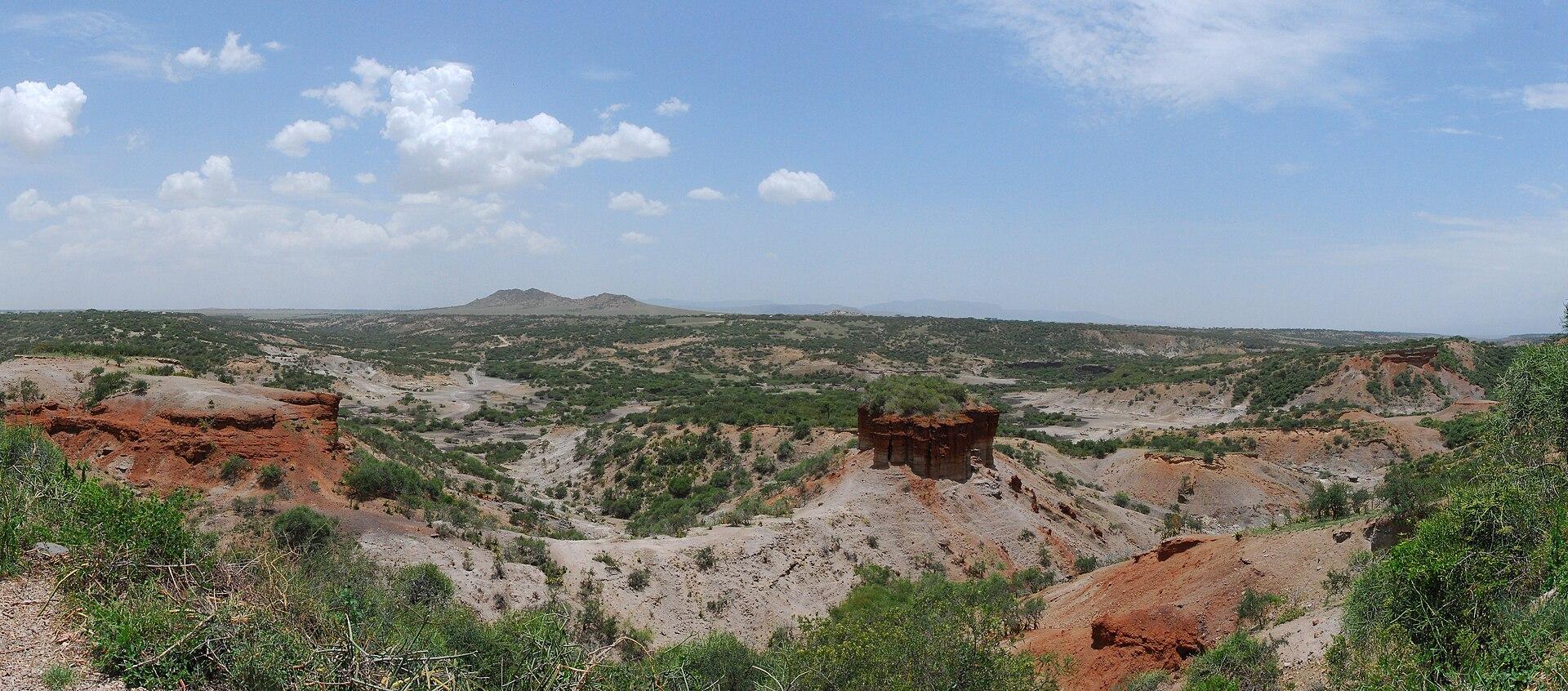
Olduvai Gorge, Ngorongoro Fossil Hunting Guide
Ngorongoro Conservation Area, Arusha Region, Tanzania
Hominins, Mammals, Stone tools, Birds
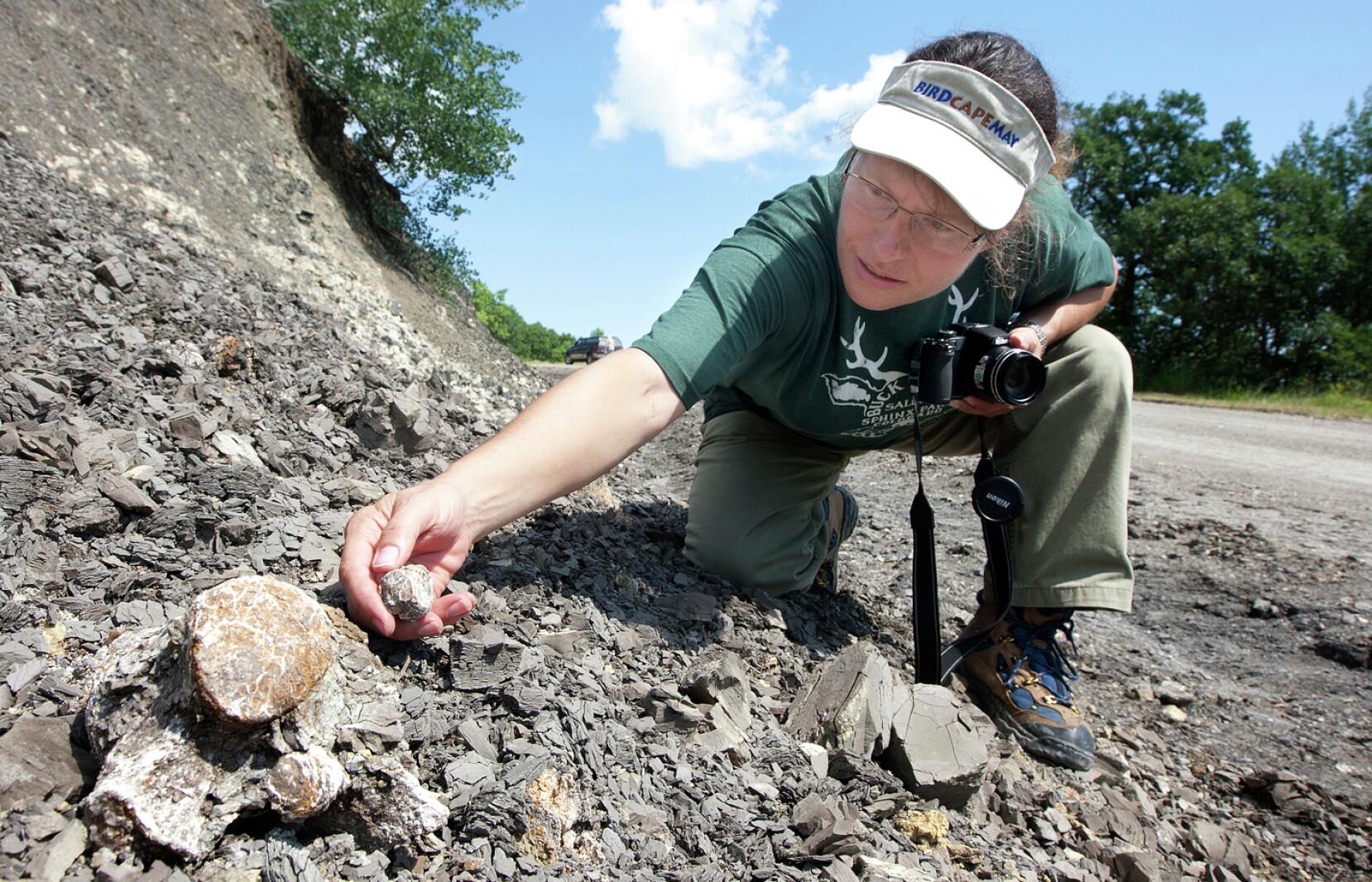
Pembina Gorge Public Fossil Dig Guide
North Dakota, United States
Mosasaurs, Sea turtles, Xiphactinus, Hesperornis
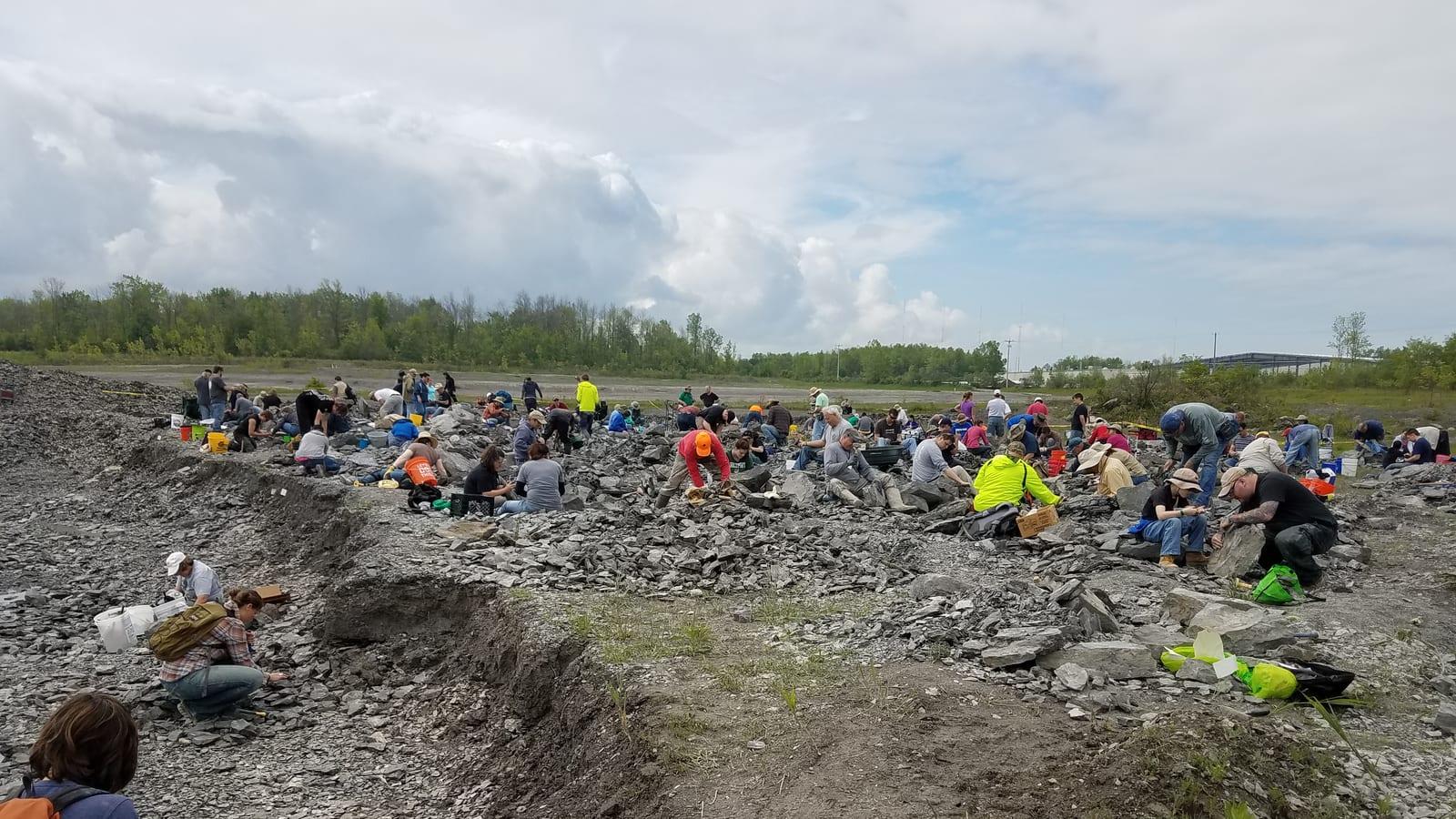
Penn Dixie Fossil Park & Nature Reserve Fossil Hunting Guide
New York, United States
Trilobites, Brachiopods, Crinoids, Bryozoans
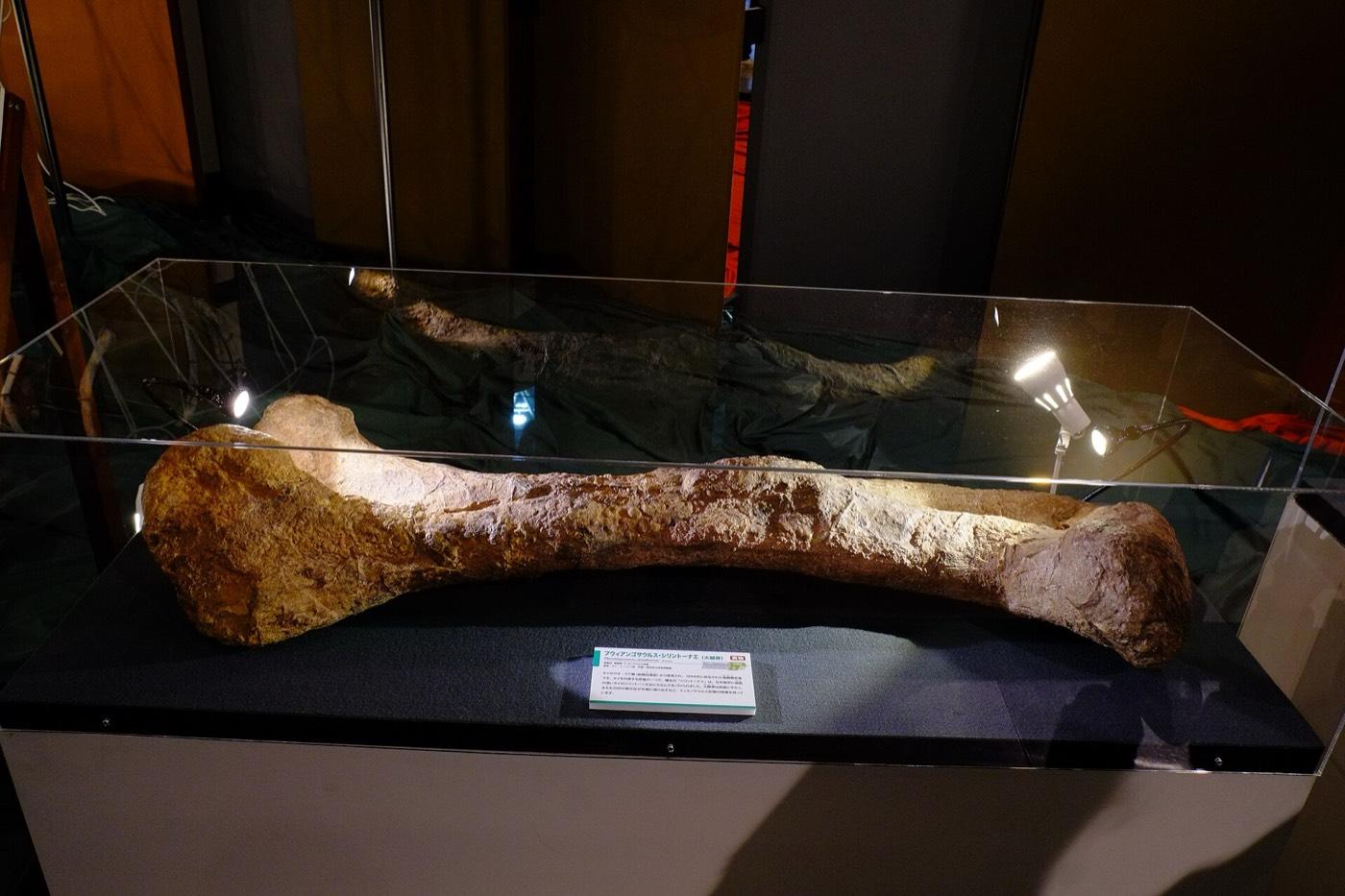
Phu Kum Khao and the Sirindhorn Museum Fossil Hunting Guide
Kalasin, Thailand
Dinosaurs, Sauropods, Theropods, Crocodilians
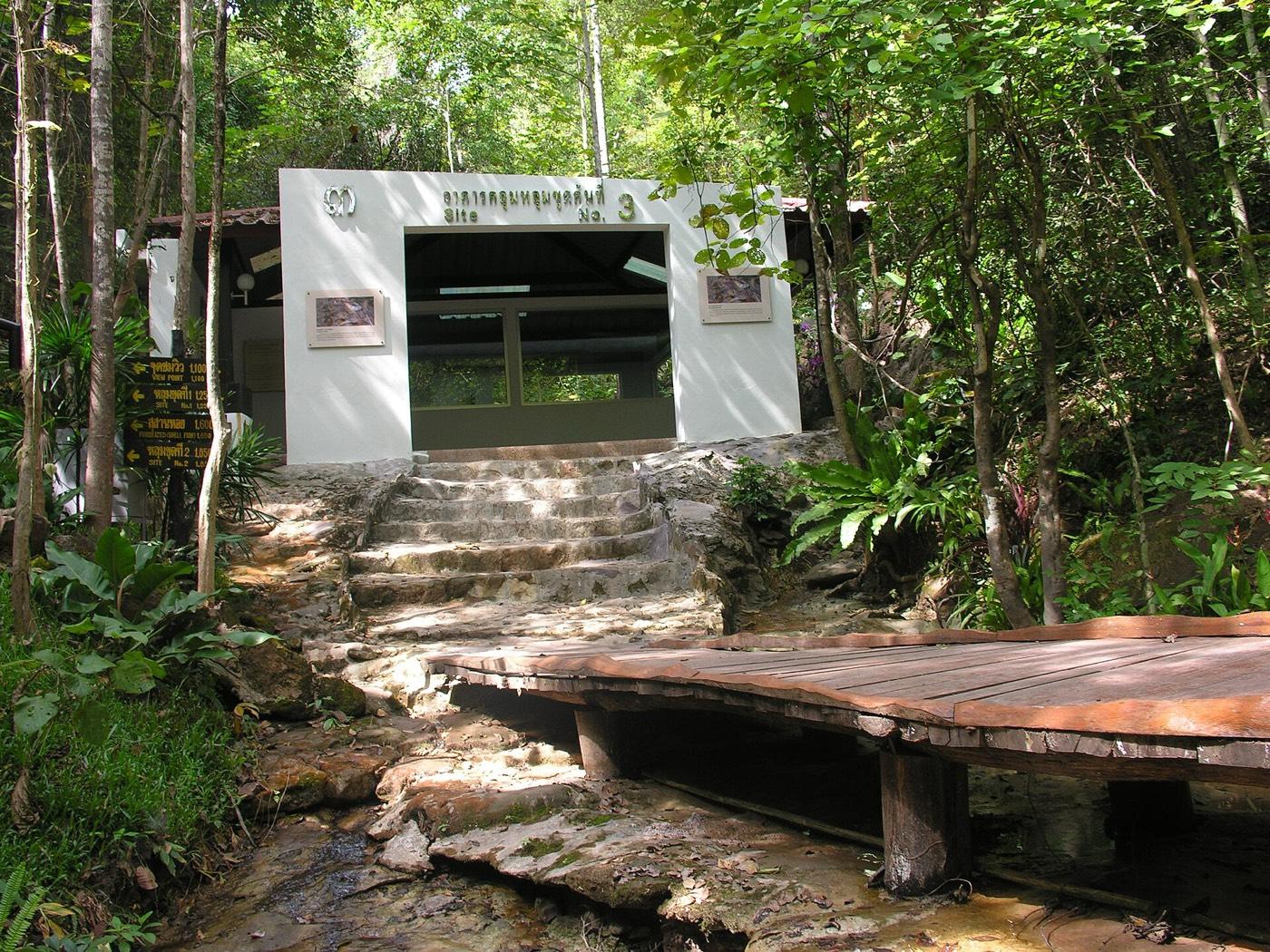
Phu Wiang Dinosaur Park Fossil Hunting Guide
Khon Kaen, Thailand
Dinosaurs, Sauropods, Theropods, Trace fossils
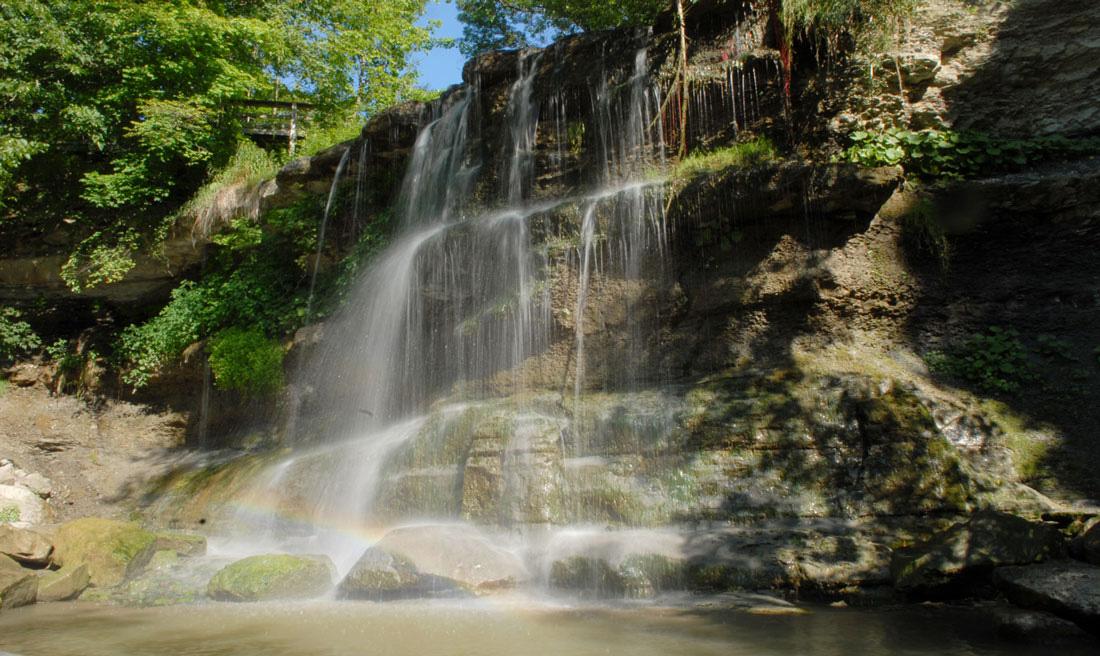
Rock Glen Conservation Area Fossil Guide
Ontario, Canada
Brachiopods, Horn corals, Crinoids, Phacops trilobites
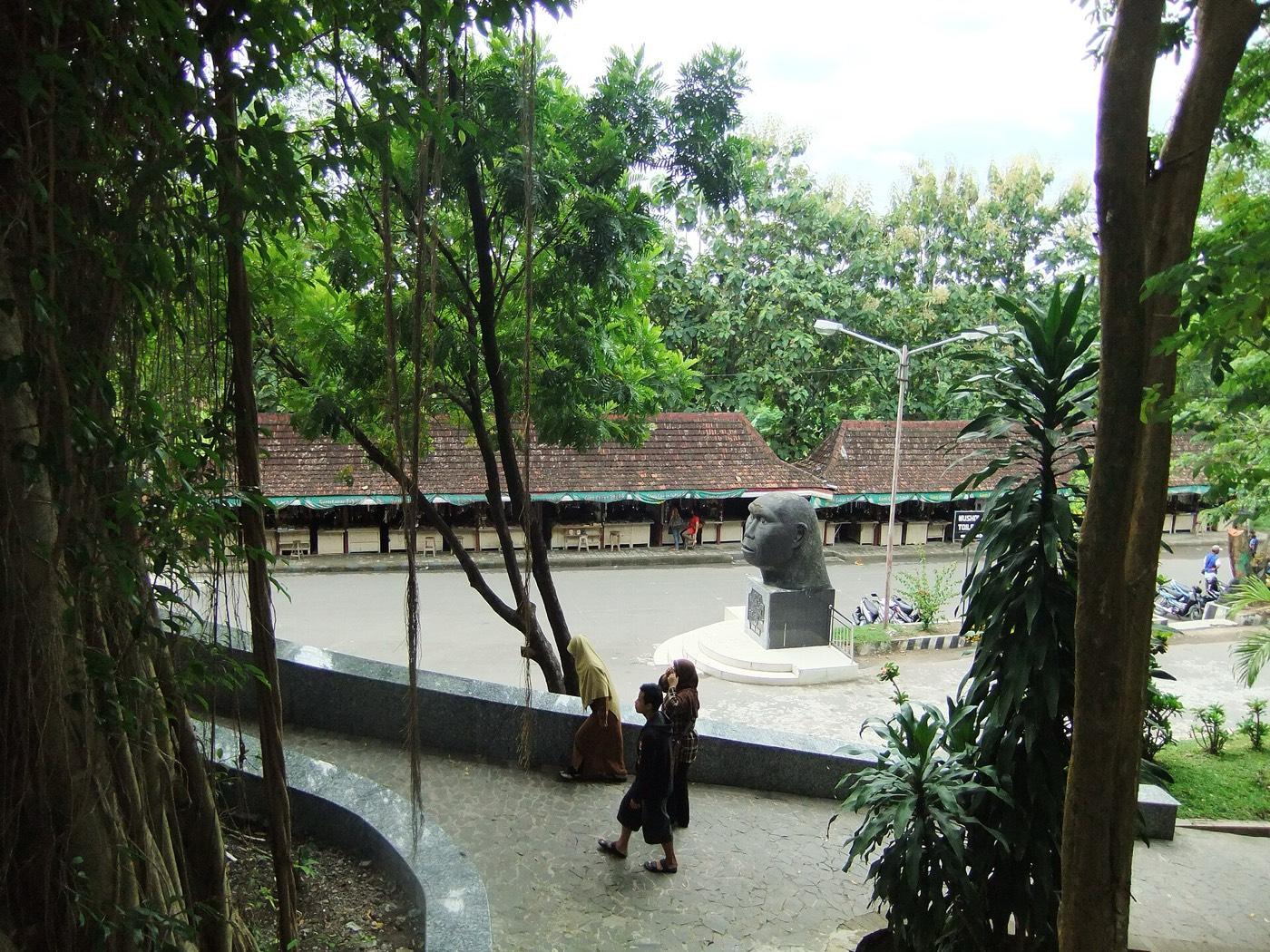
Sangiran Early Man Site Fossil Hunting Guide
Central Java, Indonesia
Hominins, Mammals, Molluscs, Stone tools
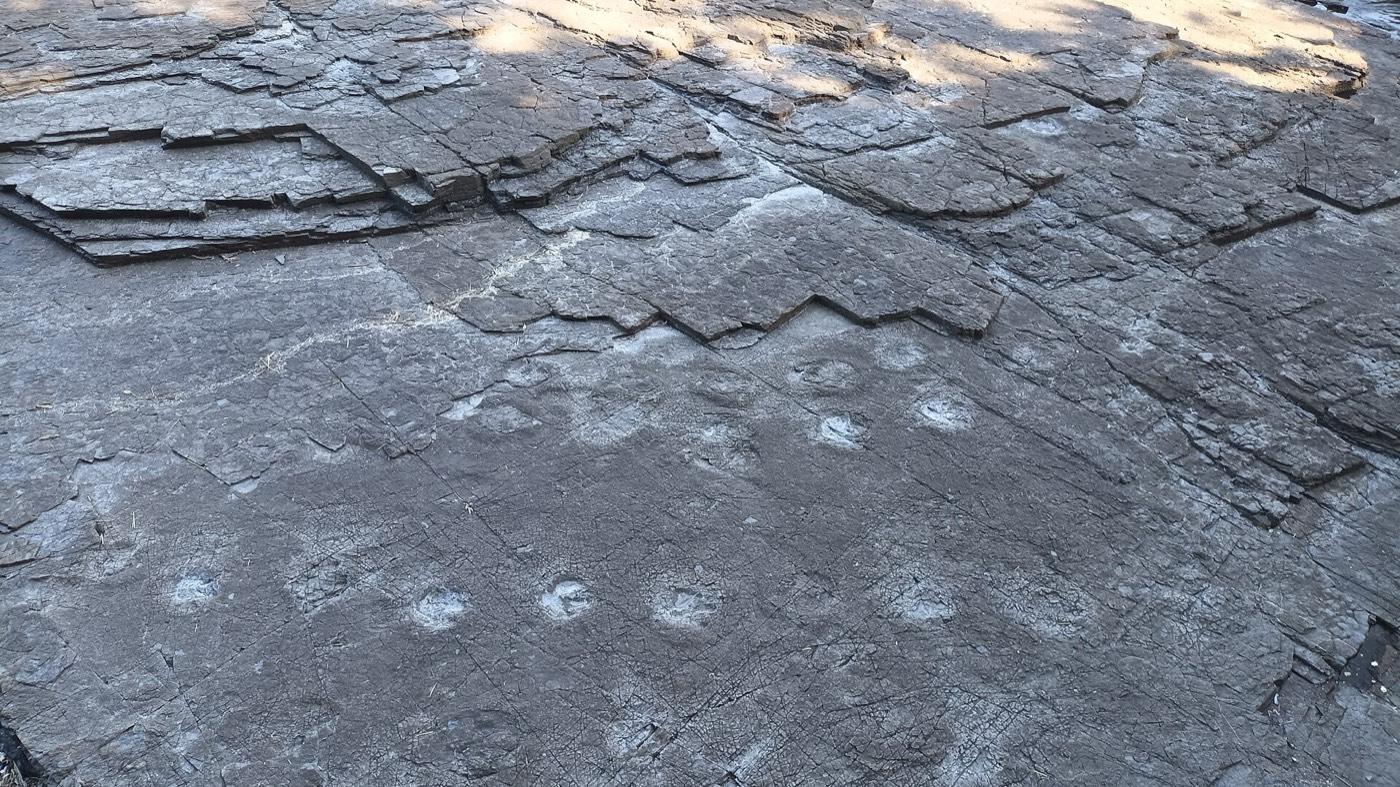
Sangjogam County Park Dinosaur Trackway Fossil Hunting Guide
South Gyeongsang, South Korea
Trace fossils, Dinosaur tracks, Bird tracks
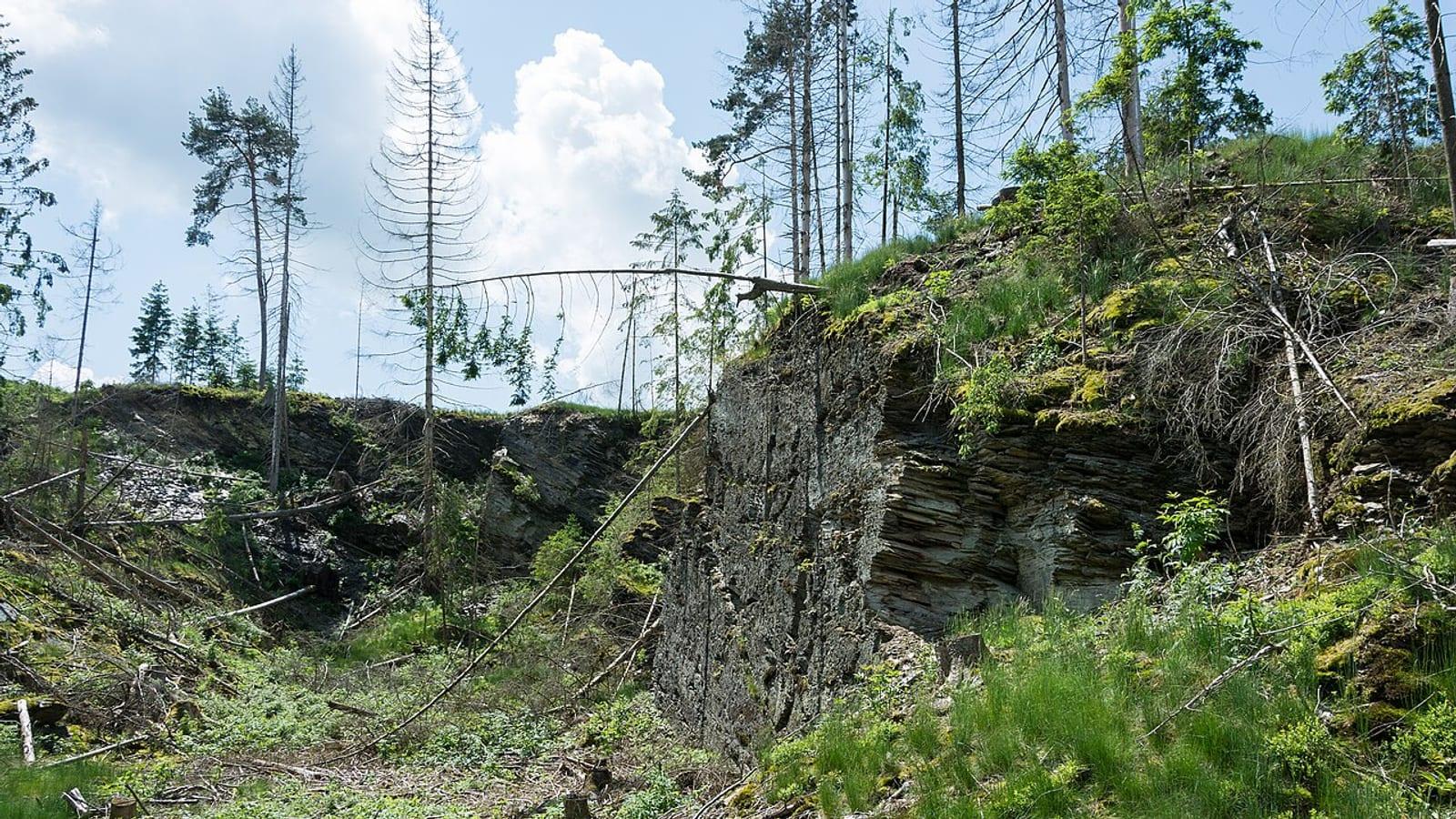
Schieferbruch Kromer Ohmden Posidonia Shale Fossil Hunting Guide
73099 Ohmden
Ammonites, Belemnites, Bivalves, Crinoid fragments
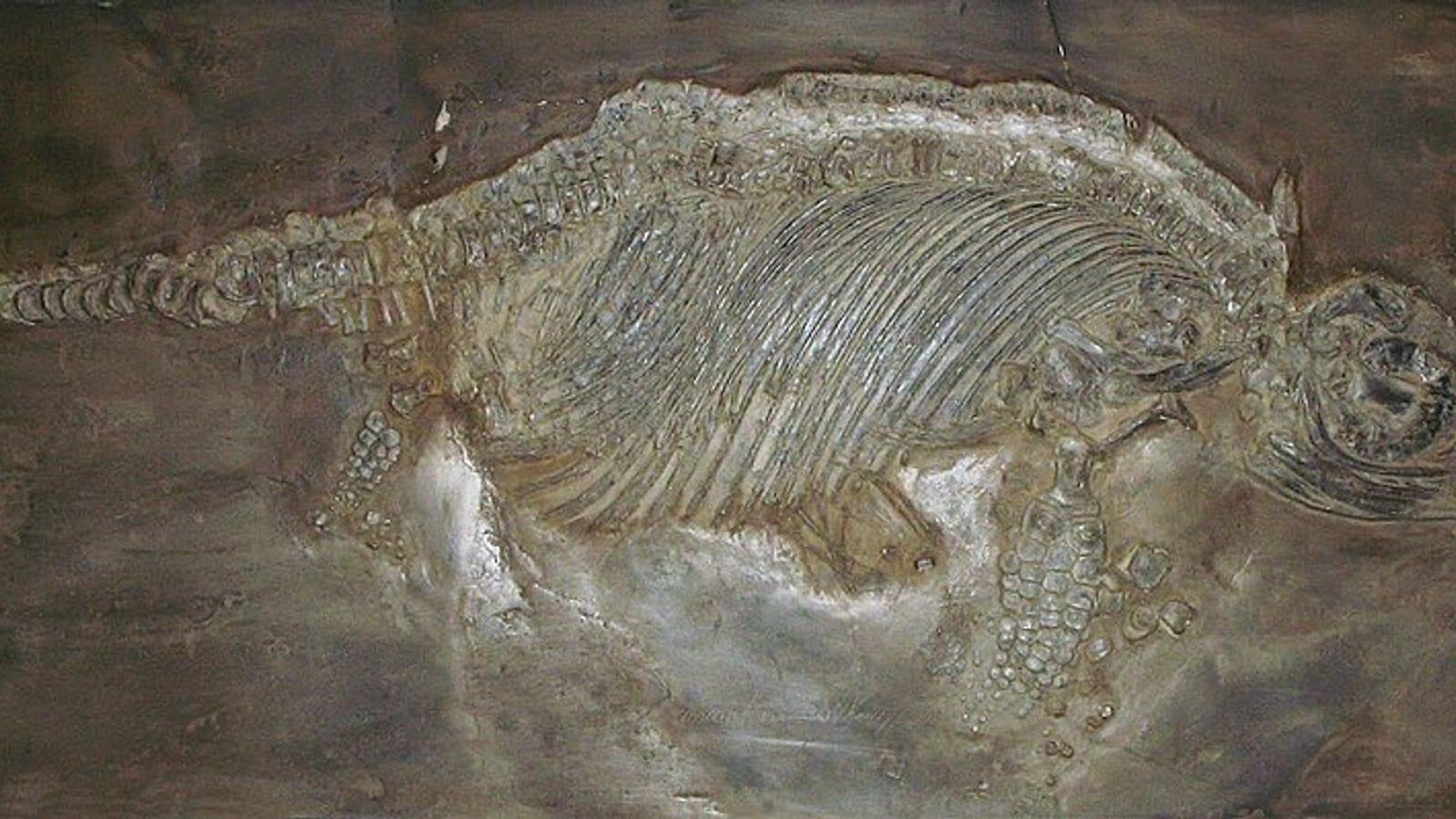
Schiefererlebnis Dormettingen Fossil Klopfplatz Fossil Hunting Guide
72358 Dormettingen
Ammonites
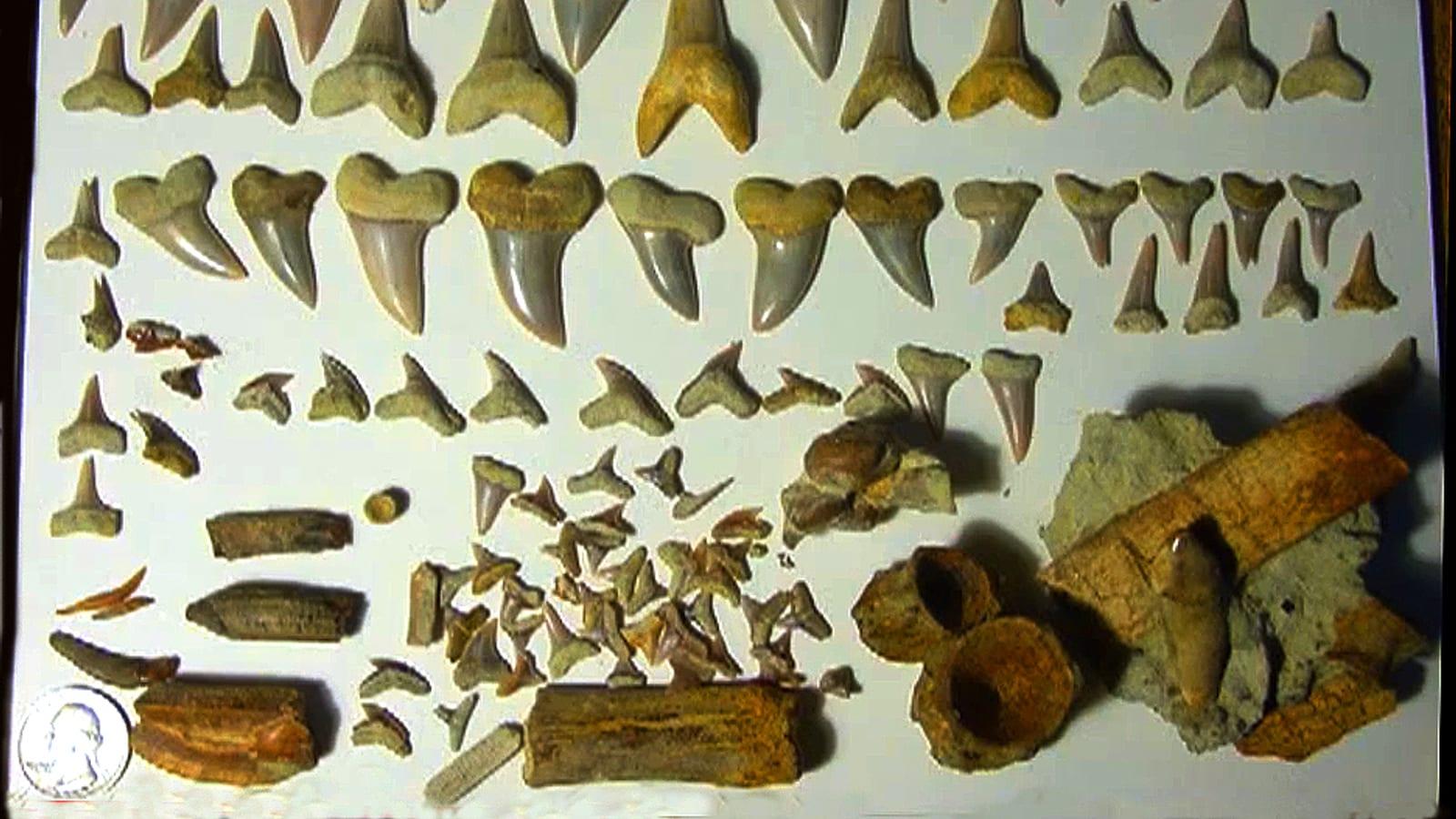
Shark Tooth Hill Fossil Hunting Guide
California, United States
Shark Teeth, Whale Vertebrae, Dolphin Skulls, Ray Dental Plates
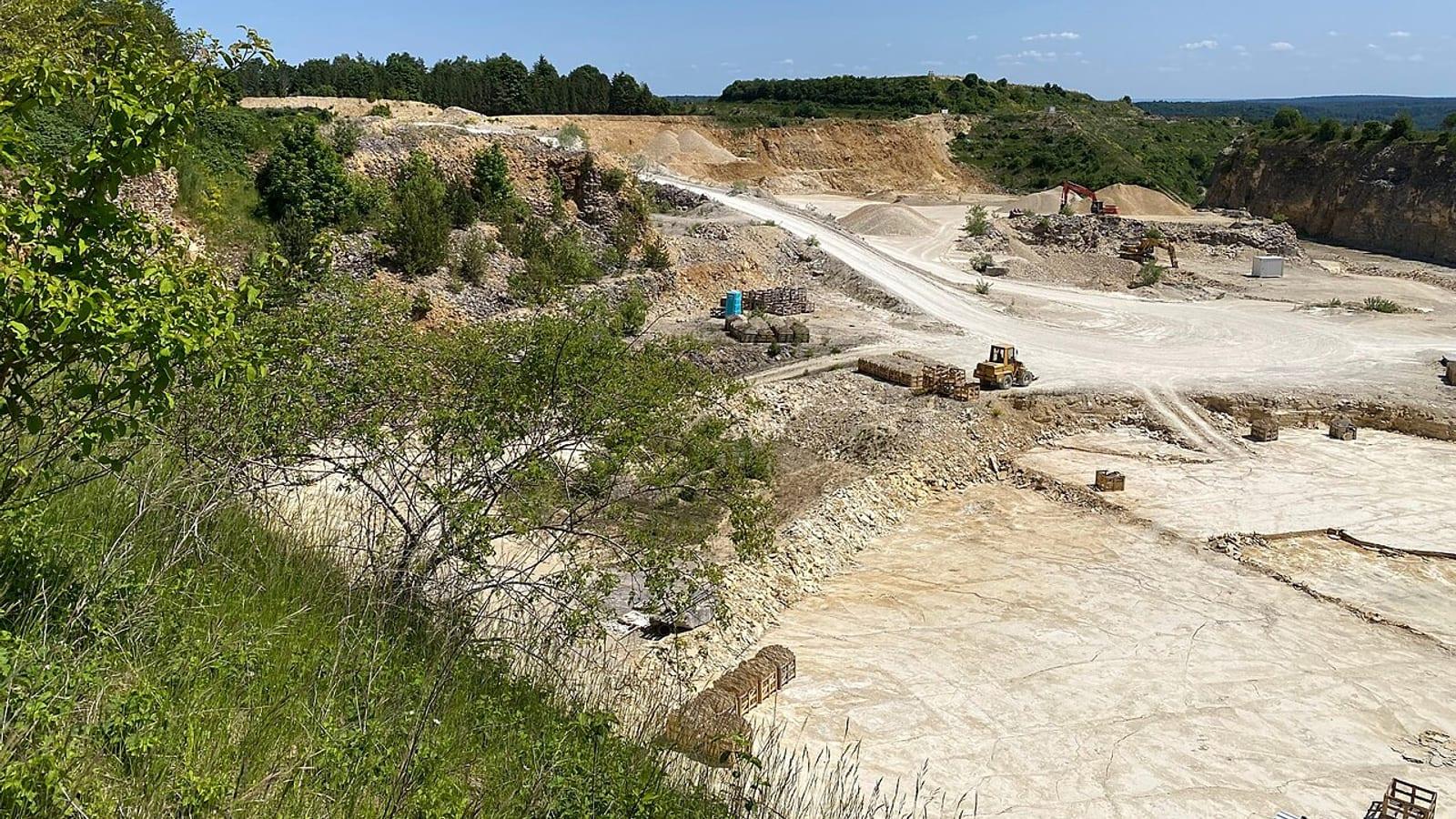
Steinbruch Schernfeld Jurassic Fossil Quarry Fossil Hunting Guide
Germany
N/A

Stonerose Interpretive Center Fossil Hunting Guide
Washington, United States
Fossil Leaves, Insects, Fish
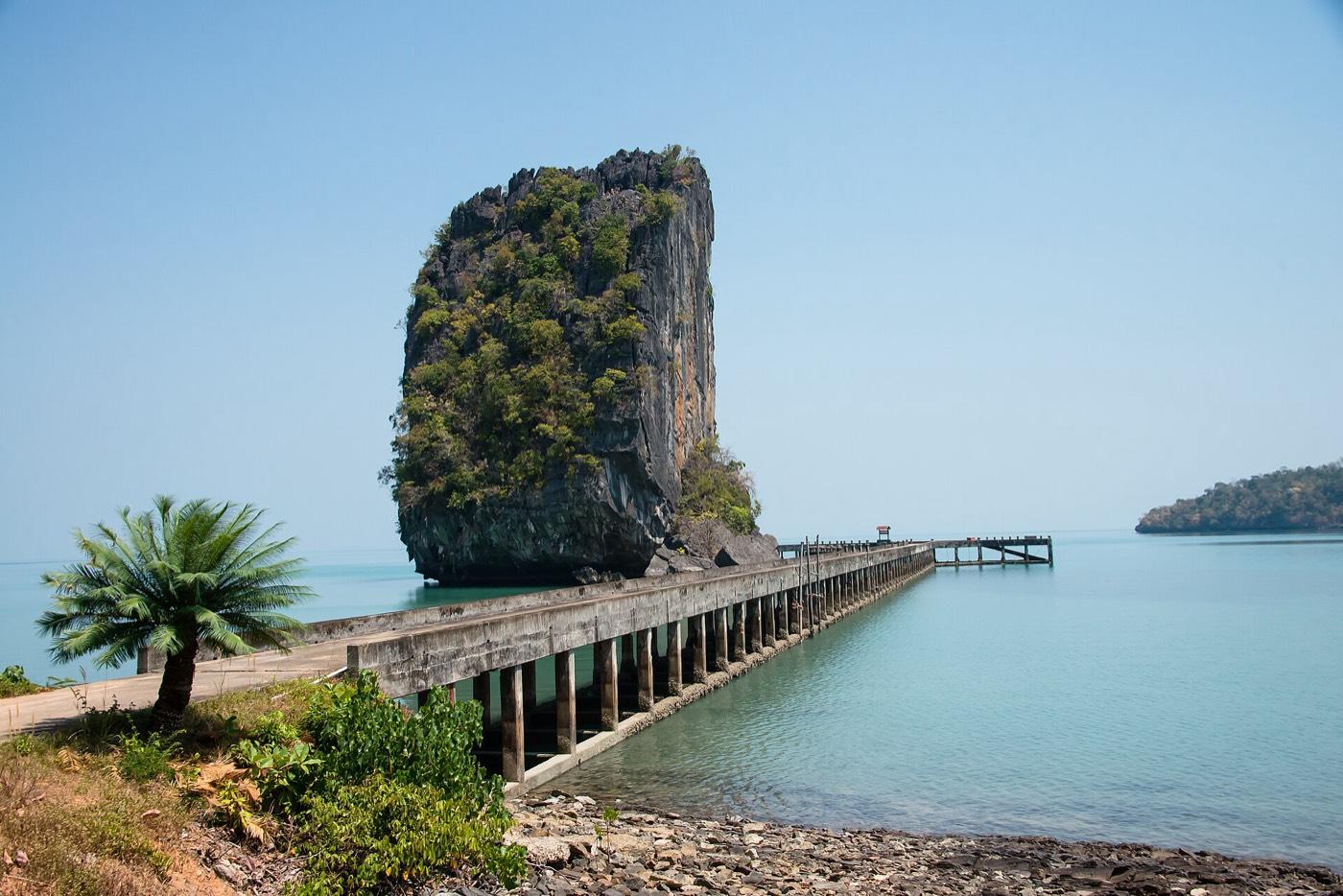
Tarutao Trilobite Site, Satun Geopark Fossil Hunting Guide
Satun, Thailand
Trilobites, Brachiopods, Stromatolites, Nautiloids
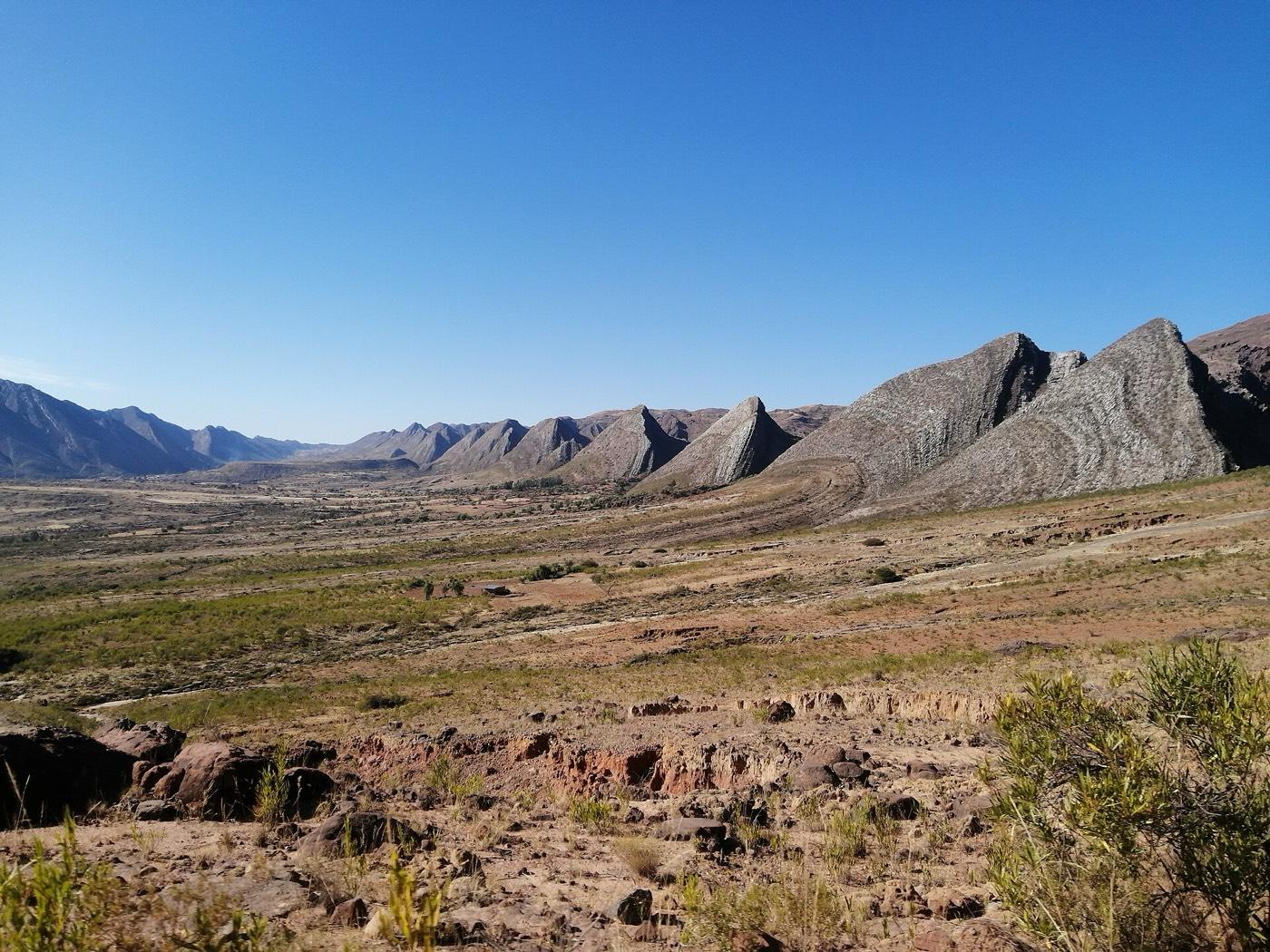
Torotoro National Park Fossil Hunting Guide
Potosí, Bolivia
Trace fossils, Dinosaur tracks, Swim traces
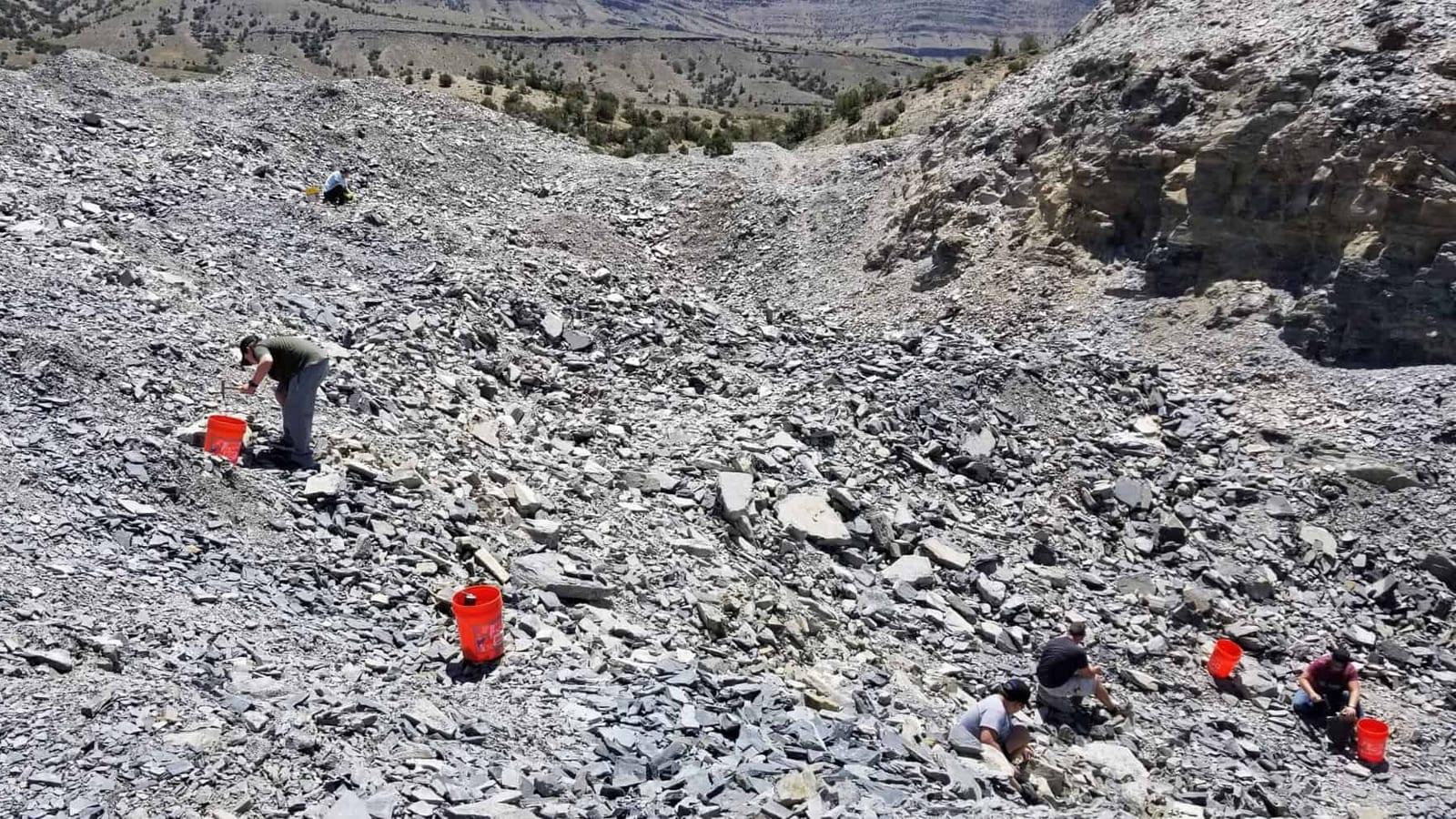
U-Dig Fossils Fossil Hunting Guide
Utah, United States
Trilobites, Brachiopods
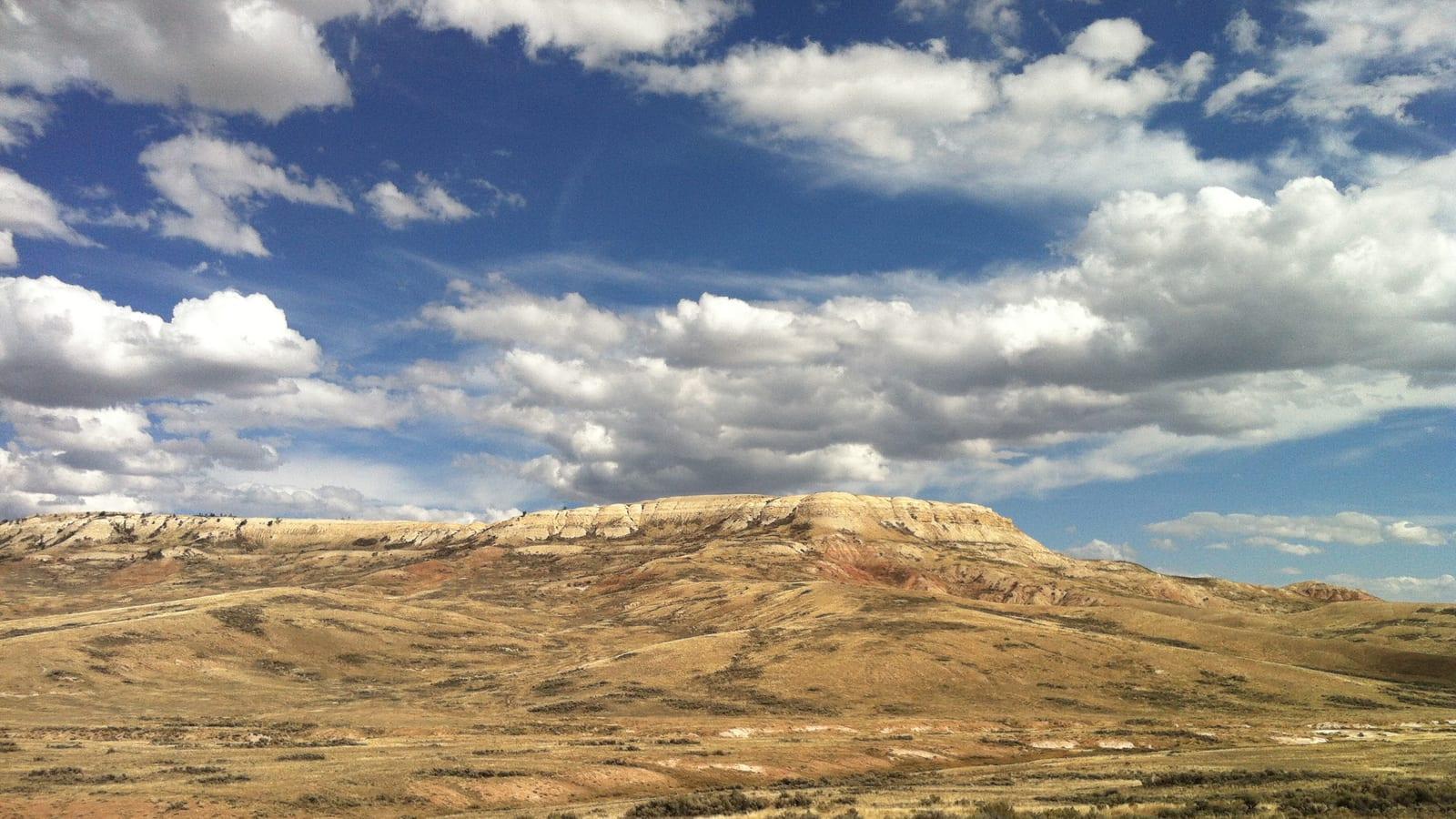
Ulrich's Fossil Gallery Fossil Hunting Guide
Wyoming, United States
Fish, Plants, Insects

Wheeler High School Fossil Beds Fossil Hunting Guide
Oregon, United States
Fossil Leaves, Fish, Insects
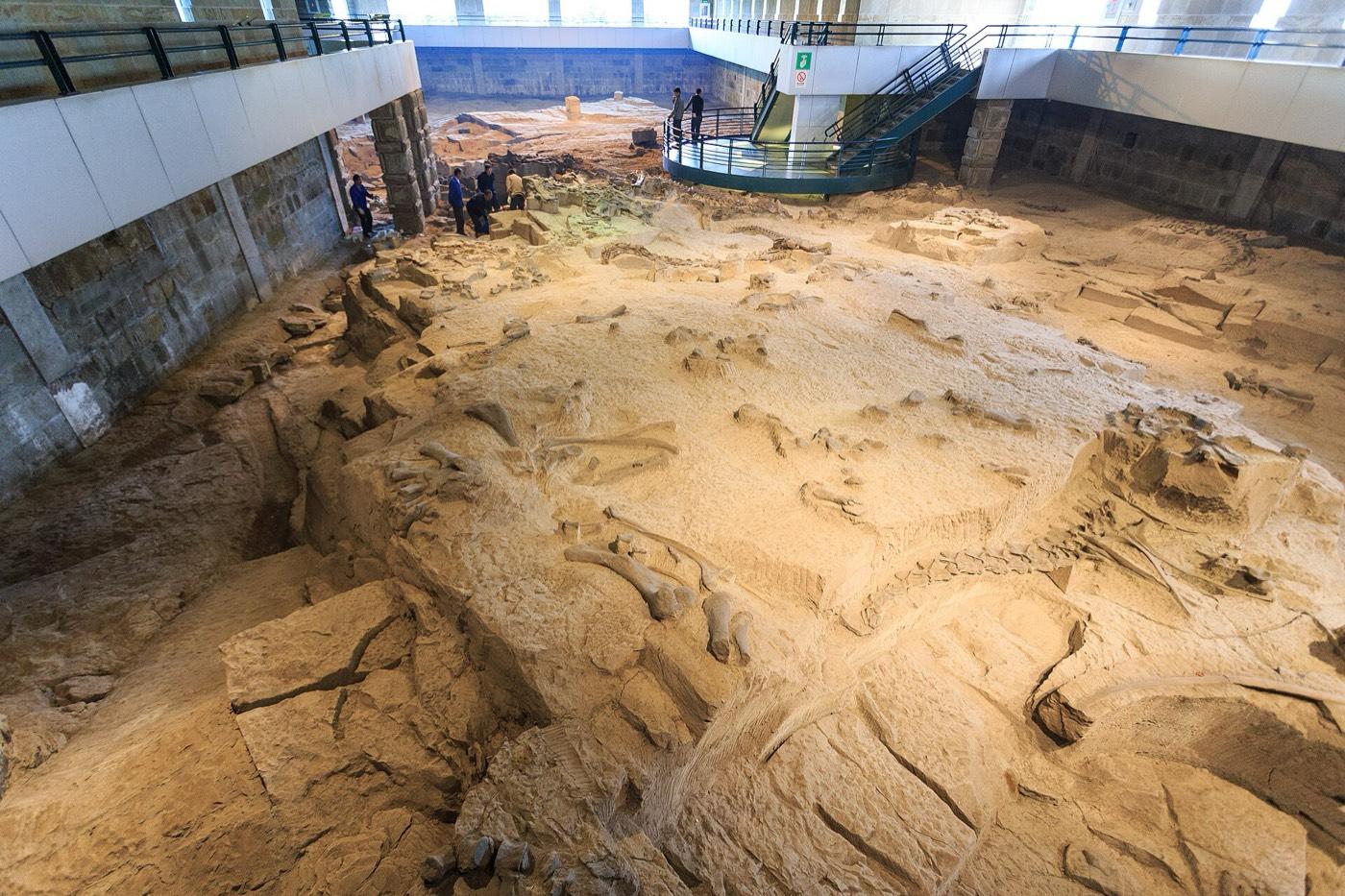
Zigong Dinosaur Museum, Dashanpu Fossil Hunting Guide
Sichuan, China
Dinosaurs, Sauropods, Stegosaurs, Fish
Frequently asked questions
- What is a pay-to-dig fossil park?
- A pay-to-dig fossil park is a site — usually a working or former quarry — where you pay an admission or day fee and are allowed to search for fossils and keep what you find. The landowner or operator holds any permits required by state or national law, so you can collect without navigating the permit process yourself. Most sites provide basic tools or allow you to bring your own, and staff are usually available to help identify finds. The model is common in Germany's Altmühltal limestone quarries, several US states including Ohio, Colorado, Utah, and Wyoming, and parts of Australia.
- What fossils can I find at pay-to-dig sites?
- It depends entirely on the site's geology. German Jurassic limestone quarries produce fish, ammonites, crinoids, and occasionally Archaeopteryx-bearing strata. US sites span a wide range: Ohio's quarry parks produce Ordovician trilobites and brachiopods; U-Dig in Utah yields Cambrian trilobites; the Green River Formation sites near Kemmerer, Wyoming, produce complete Eocene fish. In the US, operators like Fossil Safari run permitted guided digs at Cretaceous sites where participants keep everything they find. Each site listing in this guide includes the fossil types documented there.
- How much does it cost to visit a fossil park?
- Fees vary significantly. US county and city fossil parks (Trammel Fossil Park in Ohio, Fossil Park Sylvania) are often free or charge a nominal vehicle entry fee. Commercial quarry operations in Germany and the US typically charge between 10 and 30 euros or dollars for a half-day or full-day session, sometimes with tools included. Australian commercial dig operations are more expensive, often 50 to 150 Australian dollars, because access is more limited and the geology is more complex to work. Guided tour sites at the premium end (Schamhaupten, Bavaria) may charge more.
- Do I need any experience to visit a pay-to-dig site?
- No. Pay-to-dig sites are specifically designed for visitors with no prior fossil hunting experience. The fee model includes access to guidance from on-site staff who can show you where to look and what you are finding. Most sites have structured areas where material has been pre-prepared or concentrated to give beginners a reasonable chance of finding something. Bringing a hand lens, a small brush, and newspaper or tissue paper to wrap finds is enough preparation for most visits.
- Can I take fossils home from pay-to-dig sites?
- Yes — keeping finds is the point of the pay-to-dig model. The operator's permit covers personal collection at the site, so you leave with whatever you find. The main exception applies to scientifically significant specimens: most reputable sites ask you to flag unusual or complete vertebrate finds to on-site staff before packing them, and some have a right-of-first-refusal arrangement for exceptional specimens. In Germany, Archaeopteryx and other scientific-grade finds from Solnhofen-area quarries are protected under Bavarian Natural Heritage Law regardless of the collection context.
Recommended resources
- Fossil Safari — US guided fossil dig operator at Cretaceous sites in South Dakota and Montana; participants keep all finds and no prior experience is required.