value
Can You Make a Career Out of Fossil Hunting?
By Edward Chen · Updated 31 July 2026
There are four career paths where fossil hunting is a professional activity: academic paleontology, museum preparation work, commercial fossil dealing, and fossil tourism. Each requires a different combination of qualifications, skills, and risk tolerance. None of them are easy routes to financial stability, and only one, commercial dealing, has significant income upside for people without a relevant academic degree.
The idea that fossil hunting alone constitutes a career is a misconception. What makes a career is what you do with the fossils after you find them.
Academic paleontology
Academic paleontologists find, study, and publish research on fossil material. They teach, advise graduate students, write grant applications, and manage research programs. The field work, the actual fossil hunting, is one component of the role, not the entirety of it.
A career in academic paleontology requires a PhD in geoscience, paleontology, or biology. In the US, paleontology PhD programs at institutions including the University of Kansas, Yale, Harvard, and the University of Chicago produce the majority of professional academic paleontologists. The job market is highly competitive: there are typically more PhD graduates each year than there are permanent academic positions available. The median salary for a university paleontologist in the US is approximately $65,000–$90,000 depending on institution and rank.
The fieldwork involved in academic paleontology can be extensive, multi-week field seasons in Wyoming, Montana, Morocco, or China are common for active researchers. But the field seasons are in service of research programs with specific scientific questions, not recreational discovery. The answer to "can I get paid to find fossils?" in this context is yes, but only if you're also doing the research, teaching, and publication that constitutes the full job.
Museum fossil preparators
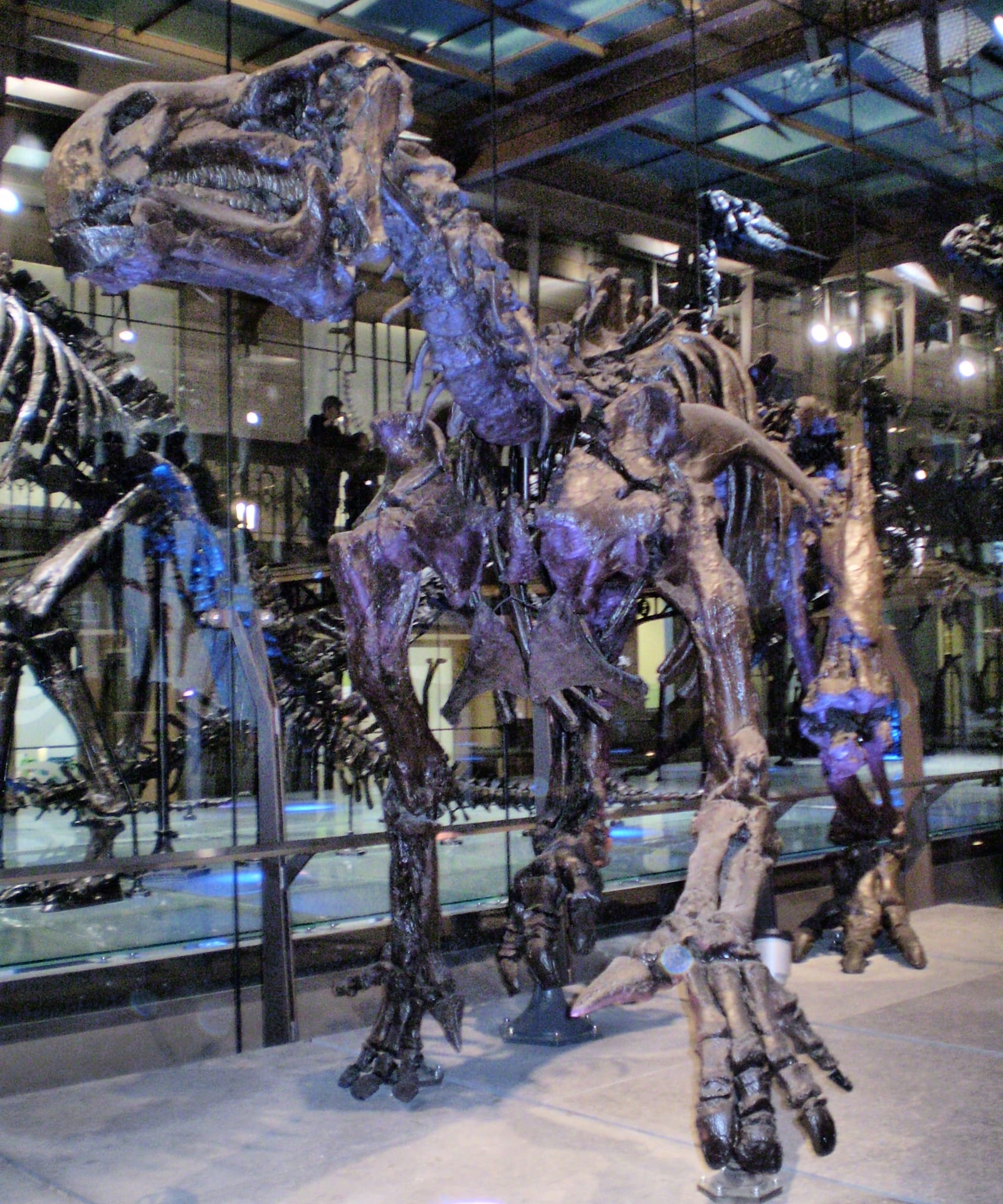
Museum fossil preparators clean, repair, mount, and conserve fossil specimens. This is highly skilled technical work that combines knowledge of fossil anatomy, rock mechanics, and conservation chemistry. Professional preparators at major natural history museums, the Smithsonian, the American Museum of Natural History, the Natural History Museum London, are among the best technical fossil workers in the world.
Entry-level preparator positions typically require a degree in geology, palaeontology, or a related field, plus demonstrable preparation experience (usually gained through volunteering at museum prep labs). The work is often contract-based rather than permanent at smaller institutions. Salaries for preparators in the US range from approximately $35,000 to $60,000 depending on institution and experience.
Some preparators work freelance, taking on contracted preparation work from commercial dealers and private collectors as well as institutions. This requires establishing a reputation in the field, which typically means starting with volunteer or intern work at a museum or commercial operation.
Commercial fossil dealing
Commercial fossil dealers buy rough material, have it prepared, and sell it to collectors, museums, and institutions. The most successful commercial operations in the US, Black Hills Institute of Geological Research in Hill City, South Dakota. Trilobite Enterprises. Various Tucson-based dealers, are substantial businesses with multiple employees and significant annual turnover.
The income upside in commercial dealing is the largest of any fossil career, but so is the risk. The market is volatile, high-value specimens are capital-intensive to acquire and hold, and the regulatory environment for vertebrate fossils (which constitute most of the high-value commercial market) requires careful attention to provenance documentation. Commercial dealers who work primarily in invertebrates and common plant material face lower regulatory risk but also lower margins.
Most successful commercial dealers began as collectors who developed expertise in a specific formation or fossil type, then established market relationships through fossil shows, particularly the Tucson Gem and Mineral Show, held annually in February. Building a commercial fossil business from scratch without that existing expertise and market presence is very difficult.
Fossil tourism and guided experiences
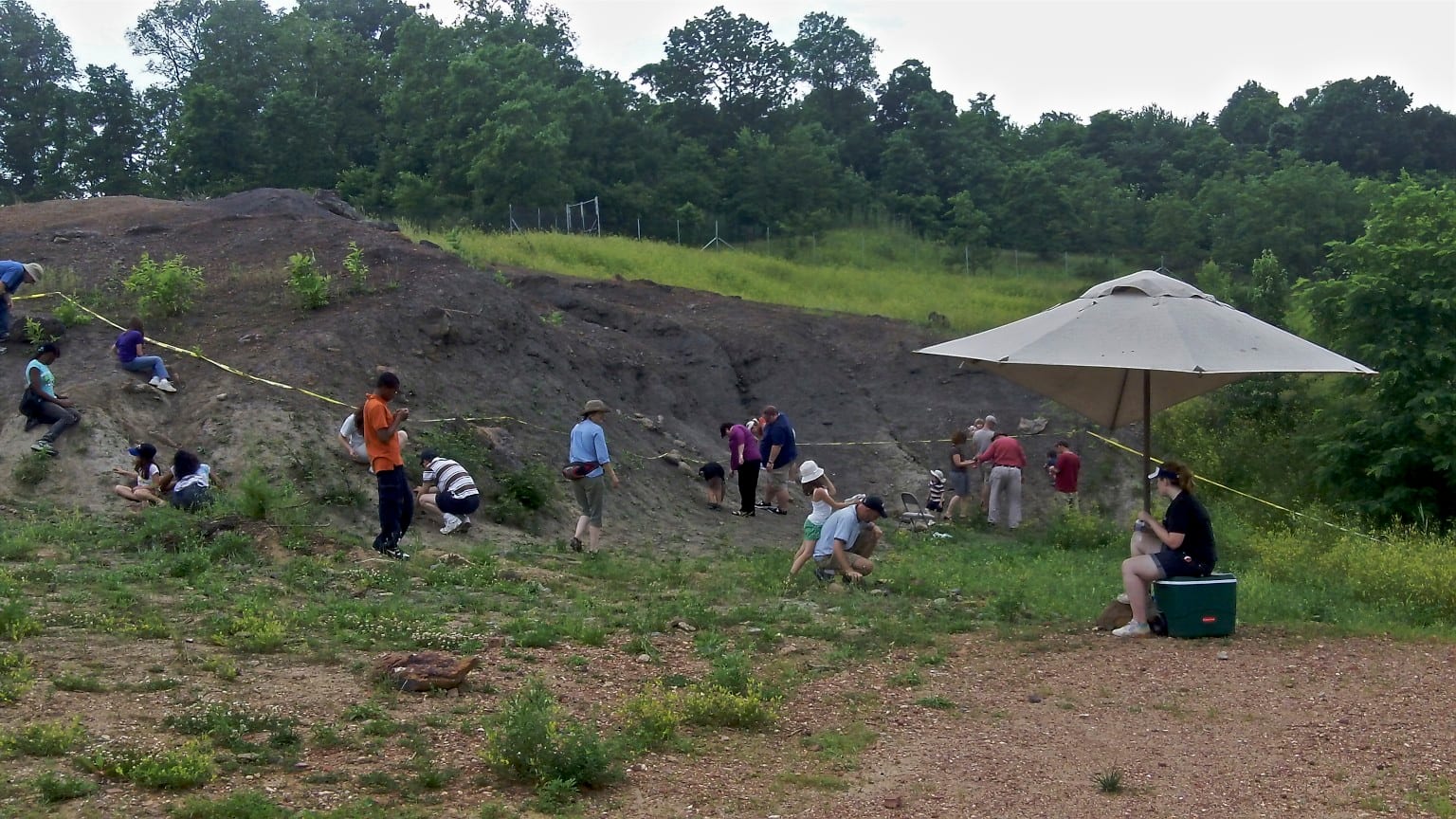
Guided fossil walks, pay-to-dig operations, and fossil hunting tour companies represent the tourism end of the industry. Lyme Regis Fossil Walks in Dorset, for example, charges per-person rates for half-day guided walks on the Jurassic foreshore. Similar operations exist at Whitby in Yorkshire, at Florida shark tooth sites, and at US western dig programs. These are small businesses with seasonal revenue and limited scalability, but they are legitimate businesses operated by professional geologists and experienced collectors.
Running a fossil tourism operation requires the combination of geological knowledge, guiding skills, business management, and, in the UK, a relevant licence or qualification for guiding members of the public on heritage sites. Income is highly seasonal at coastal sites and dependent on local marketing and repeat visitor relationships.
The realistic assessment
A career involving fossil hunting is achievable through any of these paths, but the word "career" means different things in each. Academic paleontology is a stable profession with clear qualifications and an established pathway. Museum preparation is a skilled trade with limited positions. Commercial dealing is an entrepreneurial path with high variance. Fossil tourism is a viable small business in specific locations.
What none of these paths involve is simply going to beaches and quarries, collecting fossils, and earning money from that activity alone. The income comes from what you add to the fossils, research, preparation, curation, or education.
Where to go next
If you're at the start of the hobby and interested in building skills toward any of these paths, the beginners guide on GFH covers the basics of fossil identification and site selection. For the types of specimens that commercial preparators work with, the pay-to-dig fossil parks guide shows the range of material accessible at commercial sites in the US and Europe.
Frequently asked questions
- Can you make a career out of fossil hunting?
- Yes, through four main paths: academic palaeontology (requires a PhD; median US salary approximately $65,000–$90,000), museum fossil preparation (skilled technical trade; approximately $35,000–$60,000), commercial fossil dealing (entrepreneurial, high-variance income), and fossil tourism — guided walks and pay-to-dig operations. None of these involve fossil finding alone; the income comes from the research, preparation, curation, or education that follows.
- How do you become a professional palaeontologist?
- Academic palaeontologists follow a university pathway: undergraduate degree in geology or biology, then a PhD from a research institution. In the US, PhD programs at the University of Kansas, Yale, and the University of Chicago are among those that produce professional palaeontologists. The job market for permanent academic positions is highly competitive — there are typically more PhD graduates each year than available posts.
- How much do fossil preparators earn?
- Museum fossil preparators — who clean, repair, and mount specimens — earn approximately $35,000–$60,000 per year in the US, depending on institution and experience. Entry-level positions typically require a geology or palaeontology degree and demonstrable preparation experience, usually gained through volunteering at museum prep labs. Some preparators work freelance, taking contracts from commercial dealers and private collectors.