beginners
Can You Take a Fossil Hunting Class?
By Edward Chen · Published 14 May 2026
Structured fossil hunting instruction is available at several levels, from one-day guided foreshore walks run by professional geologists to multi-week university field courses open to non-students. The quality and depth of instruction varies considerably between formats. A guided walk at a productive coastal site teaches you what to look for and how to identify it. A university field course covers the underlying stratigraphy and taphonomy that explains why fossils are distributed the way they are.
Which format is worth pursuing depends on what you want to take away from it.
Guided fossil walks
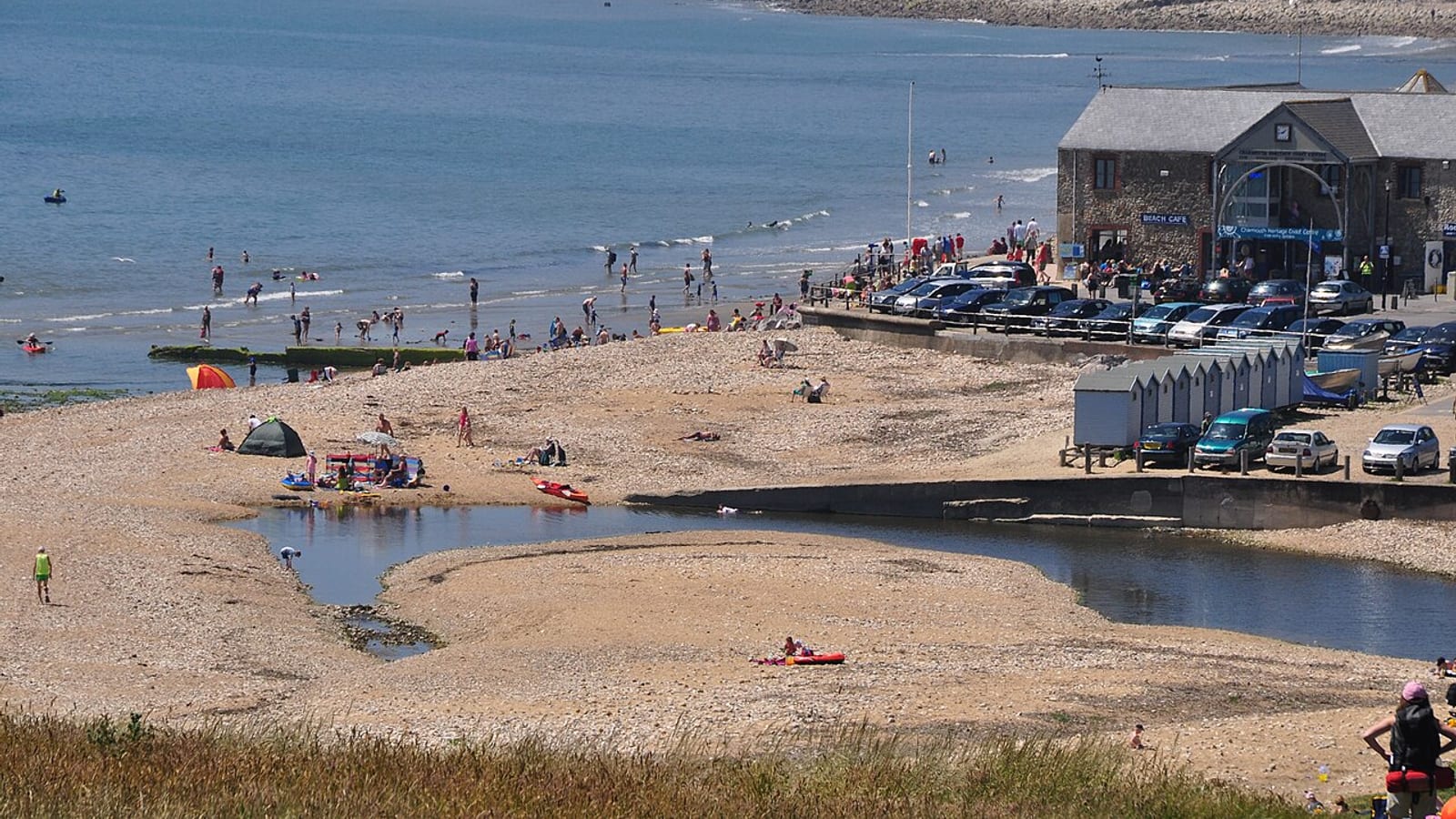
Professional guided fossil walks are the most accessible form of instruction. In the UK, Lyme Regis Fossil Walks runs half-day and full-day guided sessions on the Charmouth foreshore with a qualified geologist, covering the Jurassic stratigraphy of the site, identification of the most common species, and basic collection and preservation technique. Sessions typically accommodate 10–15 people and include children. The Charmouth Heritage Coast Centre runs similar sessions linked to the Heritage Coast visitor programme.
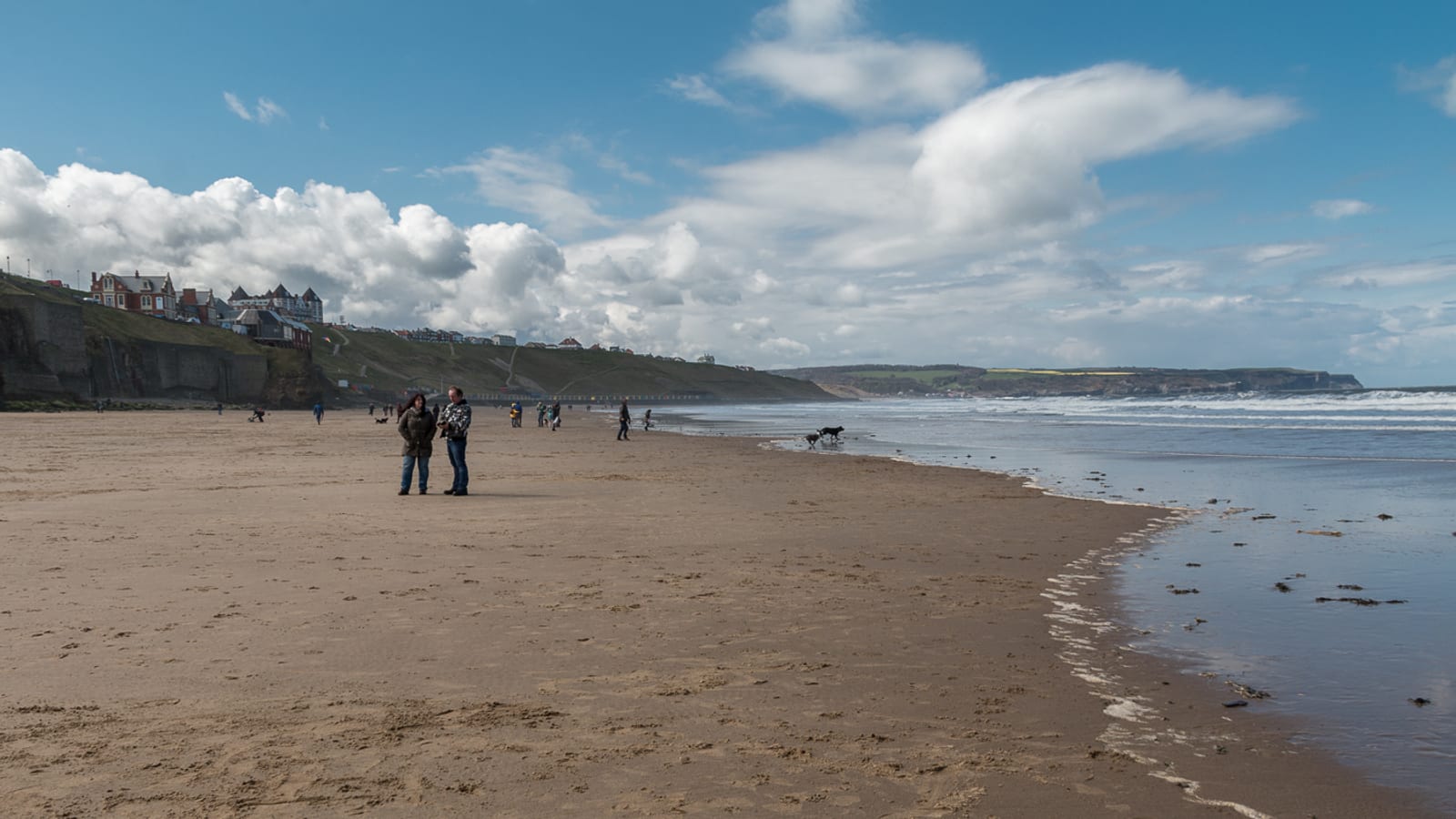
In Yorkshire, Whitby Museum runs occasional guided geological walks along the coast between Whitby and Robin Hood's Bay. Several independent guides operating from Robin Hood's Bay offer fossil walks that can be booked directly.
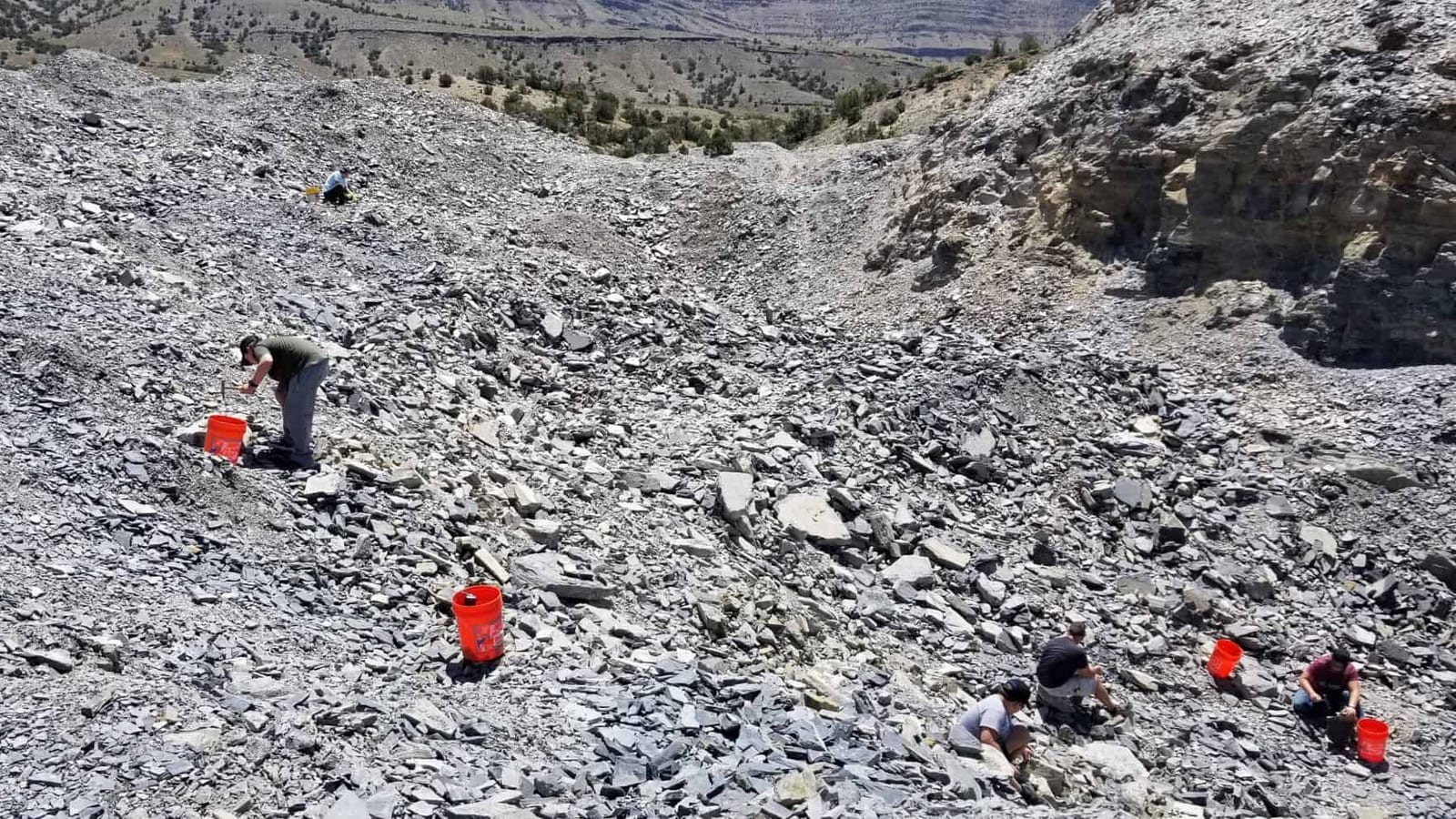
In the US, guided fossil walks are less common as a commercial offering at beach sites, partly because many productive US sites are inland quarry locations where the geology requires different instruction. Pay-to-dig sites provide a partial substitute: Fossil Safari in South Dakota and Montana runs guided Cretaceous excavation experiences with instruction from qualified staff, and U-Dig Fossils in Utah has staff who explain the Cambrian Wheeler Formation to visitors on site.
Museum and heritage education programs
Natural history museums frequently run fossil identification days and short courses. The Natural History Museum in London runs adult education courses through its science outreach programme, covering topics from fossil identification to stratigraphic interpretation. Many regional natural history museums, the Whitby Museum, the Dorset County Museum in Dorchester, Dinosaur Isle on the Isle of Wight, run sessions tied to their collections and the local geology.
In the US, the Smithsonian National Museum of Natural History and state natural history museums (the Cleveland Museum of Natural History in Ohio, the Florida Museum of Natural History in Gainesville) run educational programs aimed at adult learners and school groups. The American Museum of Natural History in New York has fossil excavation programs that occasionally include public participation.
Museum programs are generally tied to the museum's own collection and the regional geology it represents, which makes them particularly useful for collectors already working local sites.
Pay-to-dig sites as structured learning
Pay-to-dig operations are not formally educational, but many function as practical instruction sessions. The Green River Formation fish quarries near Kemmerer, Wyoming have been operating for decades. The staff know the formation thoroughly and routinely explain to visitors what they're splitting out and why. German Jurassic limestone quarries in the Altmühltal, where visitors pay to split limestone looking for fish, ammonites, and rare arthropods, similarly provide on-the-ground explanation from operators who have worked the formation for years.
The advantage of learning at a pay-to-dig site is that the instruction is site-specific and immediately applied, you learn to identify a Solnhofen fish while looking at one, not from a photograph in a lecture. The limitation is that the instruction doesn't transfer as directly to different geological settings.
University and academic field courses
Several UK universities run fossil hunting field courses that are open to non-students, typically through their continuing education or lifelong learning departments. These cover the geology and palaeontology of a specific region, the Jurassic Coast, the Yorkshire coast, the Welsh fossil sites, and combine lectures with field visits led by geologists.
The Geologists' Association, based in London, runs a programme of field meetings across the UK that are open to non-members as well as members. These are led by geologists and palaeontologists with expertise in specific formations and provide a level of geological instruction that exceeds what any guided tourist walk offers. Membership in the Geologists' Association costs approximately £50 per year for adults and provides access to the full field meeting programme.
In the US, the Paleontological Research Institution in Ithaca, New York runs public education programs in palaeontology that include field components. The Denver Museum of Nature and Science and several western US universities run annual field programs with public participation options.
Online instruction
The Fossil Forum (thefossilforum.com) has detailed tutorial threads on identification, preparation technique, and geological interpretation written by experienced collectors. iDigBio runs free webinars on fossil identification for the general public. YouTube channels operated by professional paleontologists, including several associated with major US universities, cover geological concepts and field technique in depth.
Online instruction is best used as a supplement to field experience rather than a substitute. Identifying fossils from photographs is a learnable skill, but it doesn't transfer directly to field recognition until you've handled real specimens in context.
Where to go next
The beginners guide on GFH covers what you need to know before your first solo visit to a fossil site. The Dorset guide has contact information for Lyme Regis Fossil Walks in its Recommended Resources section.
Frequently asked questions
- Where can I take a fossil hunting class?
- In the UK, Lyme Regis Fossil Walks runs half-day and full-day guided sessions on the Charmouth foreshore with a qualified geologist. The Geologists' Association runs field meetings across the UK led by specialist geologists; membership costs approximately £50 per year and field meetings are open to non-members. In the US, pay-to-dig sites such as Fossil Safari (South Dakota and Montana) and U-Dig Fossils (Utah) provide on-site guided instruction as part of the dig experience.
- Is there a fossil hunting course for beginners?
- Yes. Natural history museums including Whitby Museum, Dorset County Museum, and Dinosaur Isle on the Isle of Wight run beginner-focused sessions tied to local geology. The Natural History Museum in London offers adult education courses through its science outreach programme covering fossil identification and geological interpretation. Online, The Fossil Forum (thefossilforum.com) has detailed tutorial threads on identification and preparation written by experienced collectors.
- Can you learn fossil hunting online?
- Partly. The Fossil Forum has extensive tutorial threads on identification, preparation technique, and geological interpretation. iDigBio runs free public webinars on fossil identification. YouTube channels operated by professional palaeontologists cover geological concepts and field technique in depth. Online instruction is most effective as a supplement to field experience — identifying fossils from photographs teaches you the skill, but it doesn't replace handling real specimens in context.