Dorset Jurassic Coast Fossil Hunting Guide
7 Best Fossil Hunting Sites in Dorset on the Jurassic Coast
Dorset's Jurassic Coast runs from Studland Bay in the east to the Devon border in the west, exposing strata from the Triassic through the Cretaceous in an almost unbroken sequence. The eastern Dorset section — from Charmouth to Portland — holds the most accessible and productive fossil sites in England. Collecting from loose foreshore material is free at most beaches; the key is timing visits around low tides and winter storms that expose fresh cliff falls.
7 fossil sites
Updated 2 August 2026
What makes Dorset's coast so productive
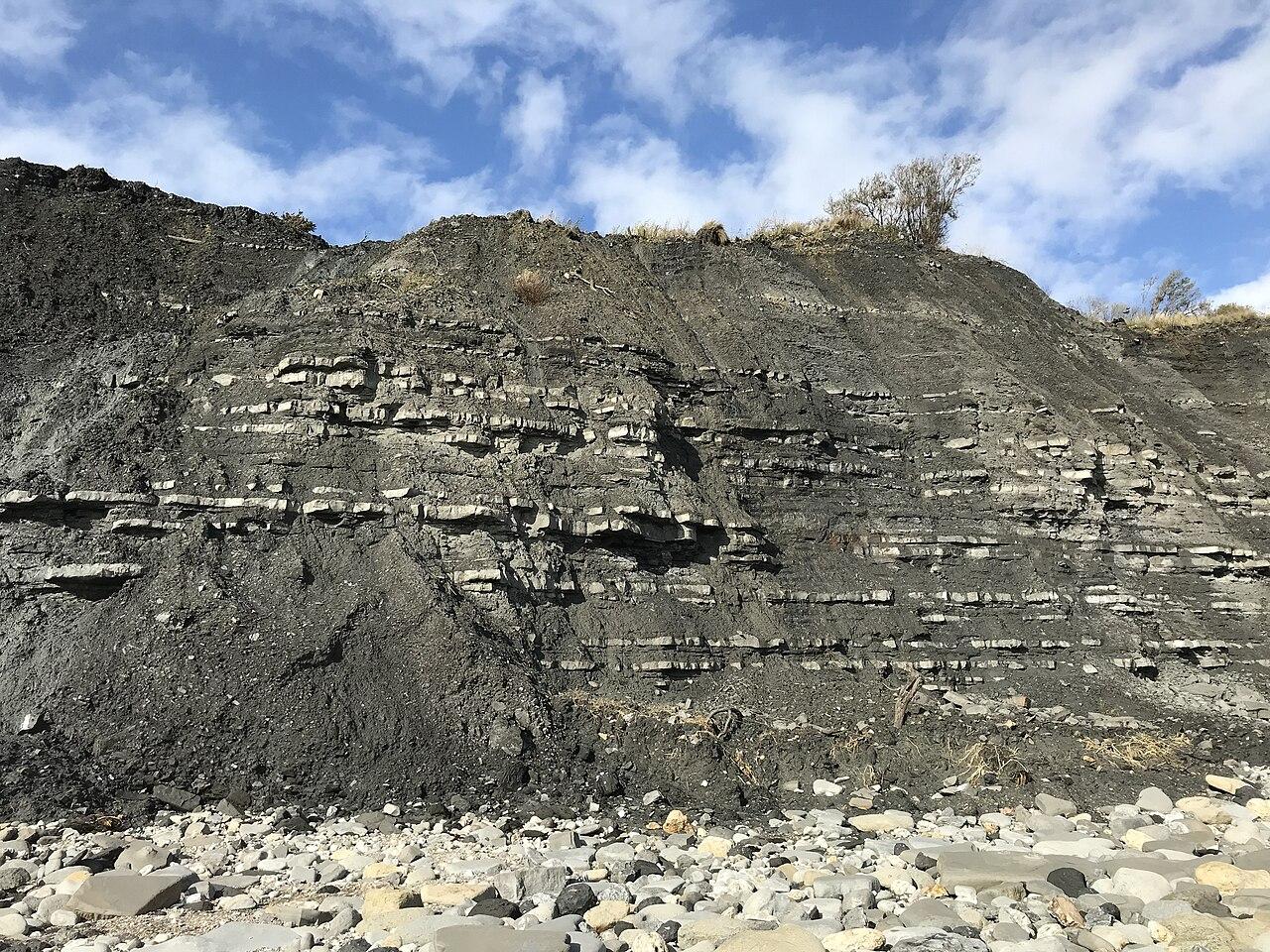
The Jurassic Coast UNESCO World Heritage Site received its designation in 2001 in recognition of the continuous geological exposure from the Triassic (250 million years ago) through the Cretaceous (66 million years ago). The Dorset section covers the Jurassic portion of this sequence — the Blue Lias, Charmouth Mudstone, Fuller's Earth, Oxford Clay, Corallian, Kimmeridge Clay, Portland Stone, and Purbeck Limestone — each representing a different ancient environment with a different fossil fauna.
The cliffs erode at different rates depending on the rock type and wave exposure. Charmouth's soft shale retreats several metres per year, making it the most reliable source of fresh material. Kimmeridge's alternating hard limestone and soft shale produces a stepped cliff that sheds blocks regularly. The Portland limestone cliffs erode slowly, but when blocks do fall, they split cleanly and produce well-preserved invertebrate material. The most productive collecting on any site follows significant winter storms that undercut the cliff base.
- 1
Charmouth Beach Fossil Hunting Guide
Charmouth
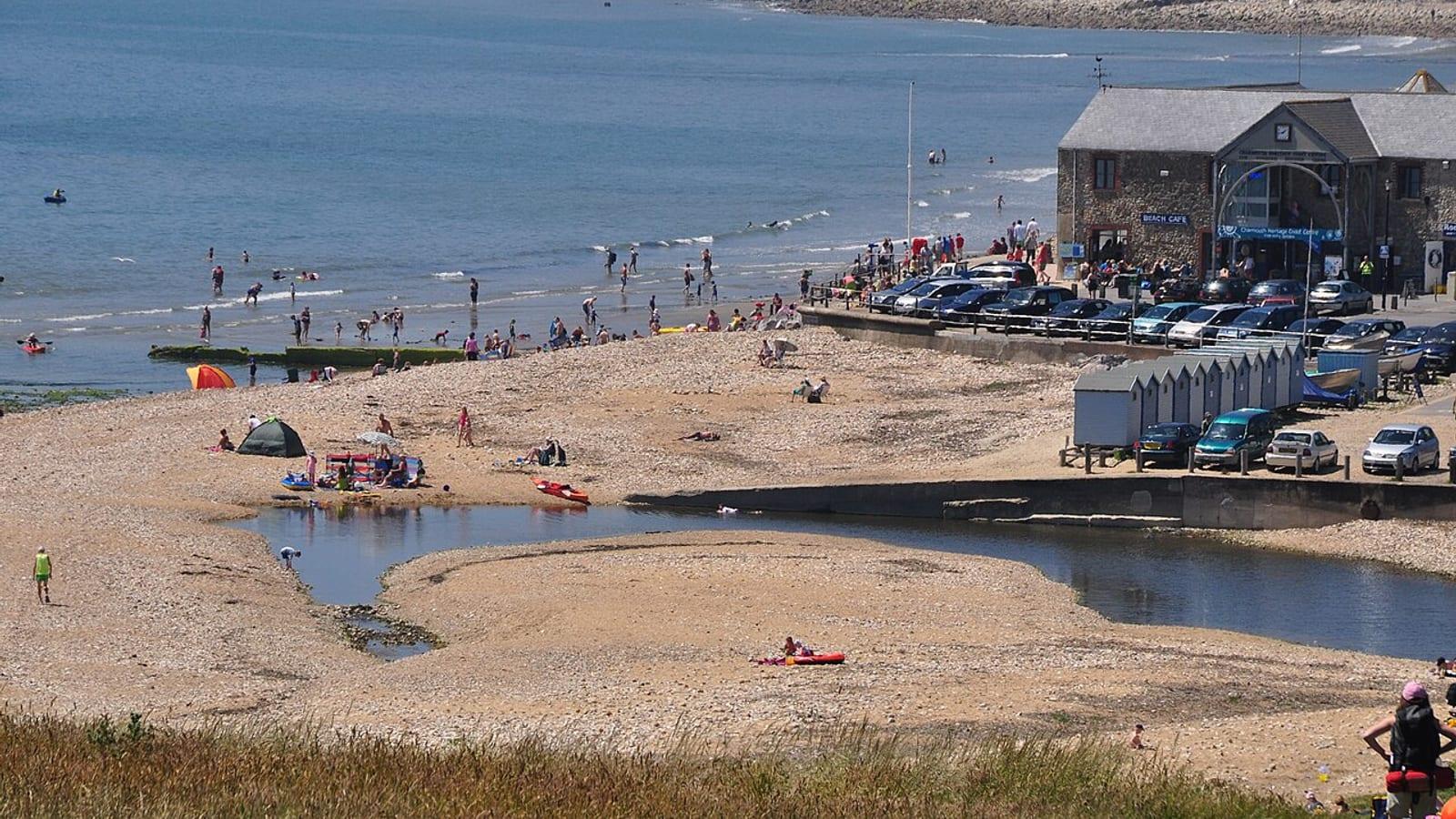
Free collectingAmmonitesBelemnitesBivalvesCharmouth is the easiest and most beginner-friendly fossil hunting beach on the Jurassic Coast. The Black Ven Mudstone Formation erodes rapidly after winter storms, releasing ammonites, belemnites, fish scales, and occasional ichthyosaur and plesiosaur fragments onto the foreshore. The Charmouth Heritage Coast Centre provides free identification and collecting advice year-round. No permit is required for surface collection below the high-tide mark.
Read the full guide → - 2
Kimmeridge Bay Fossil Hunting Guide
Wareham
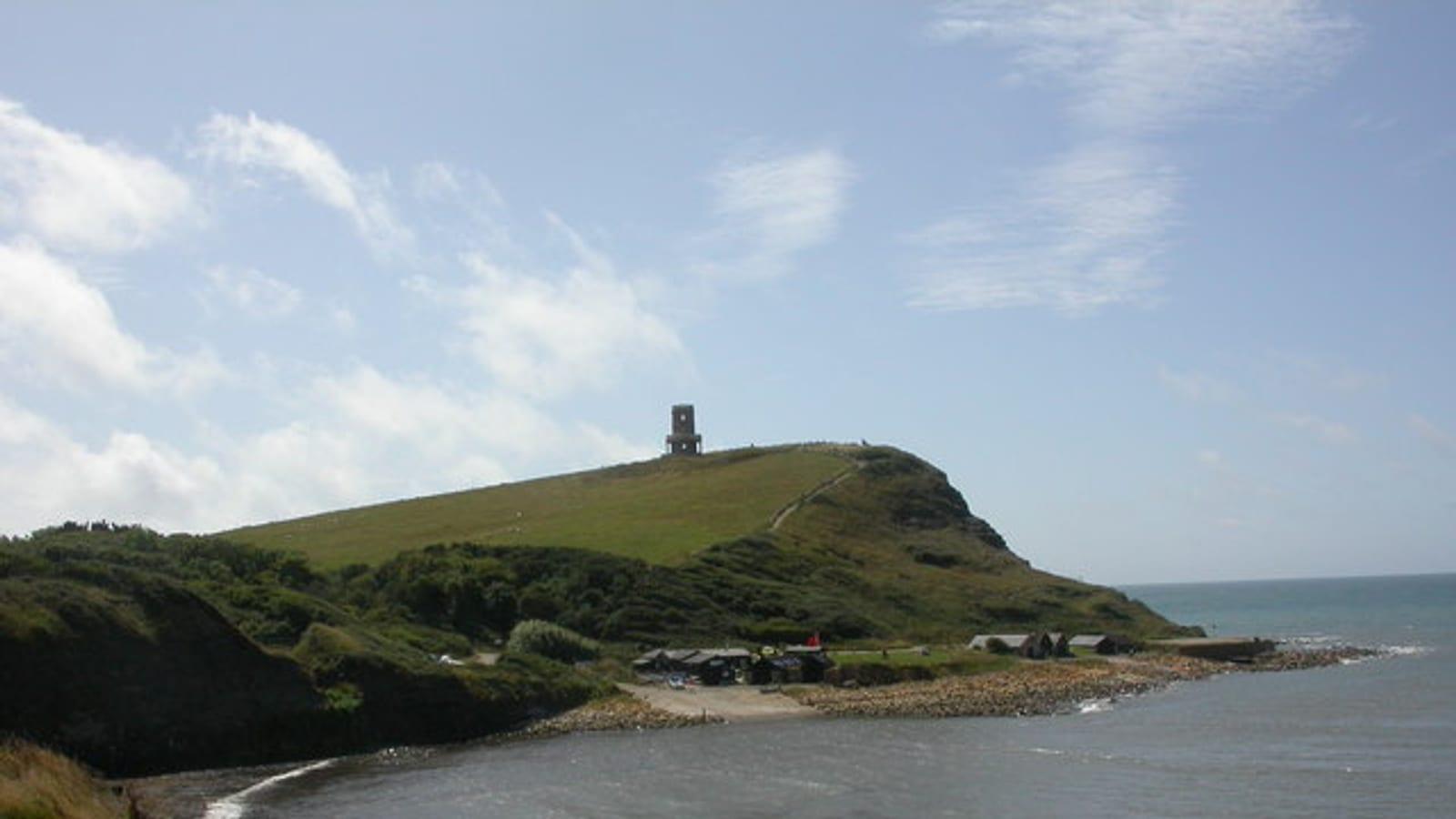
Free collectingAmmonitesBelemnitesBivalvesKimmeridge Bay cuts through the type section of the Kimmeridgian Stage — the geological time unit named after this bay — and exposes alternating limestone ledges and dark shale that produce the most varied fauna on the Dorset coast. Ammonites, fish remains, marine reptile fragments, and pyrite nodules all occur within a single low-tide excursion. The site is an SSSI but foreshore surface collecting is permitted; the bay is part of the Purbeck Marine Wildlife Reserve managed by the Dorset Wildlife Trust.
Read the full guide → - 3
Seatown and Golden Cap Fossil Hunting Guide
England, United Kingdom
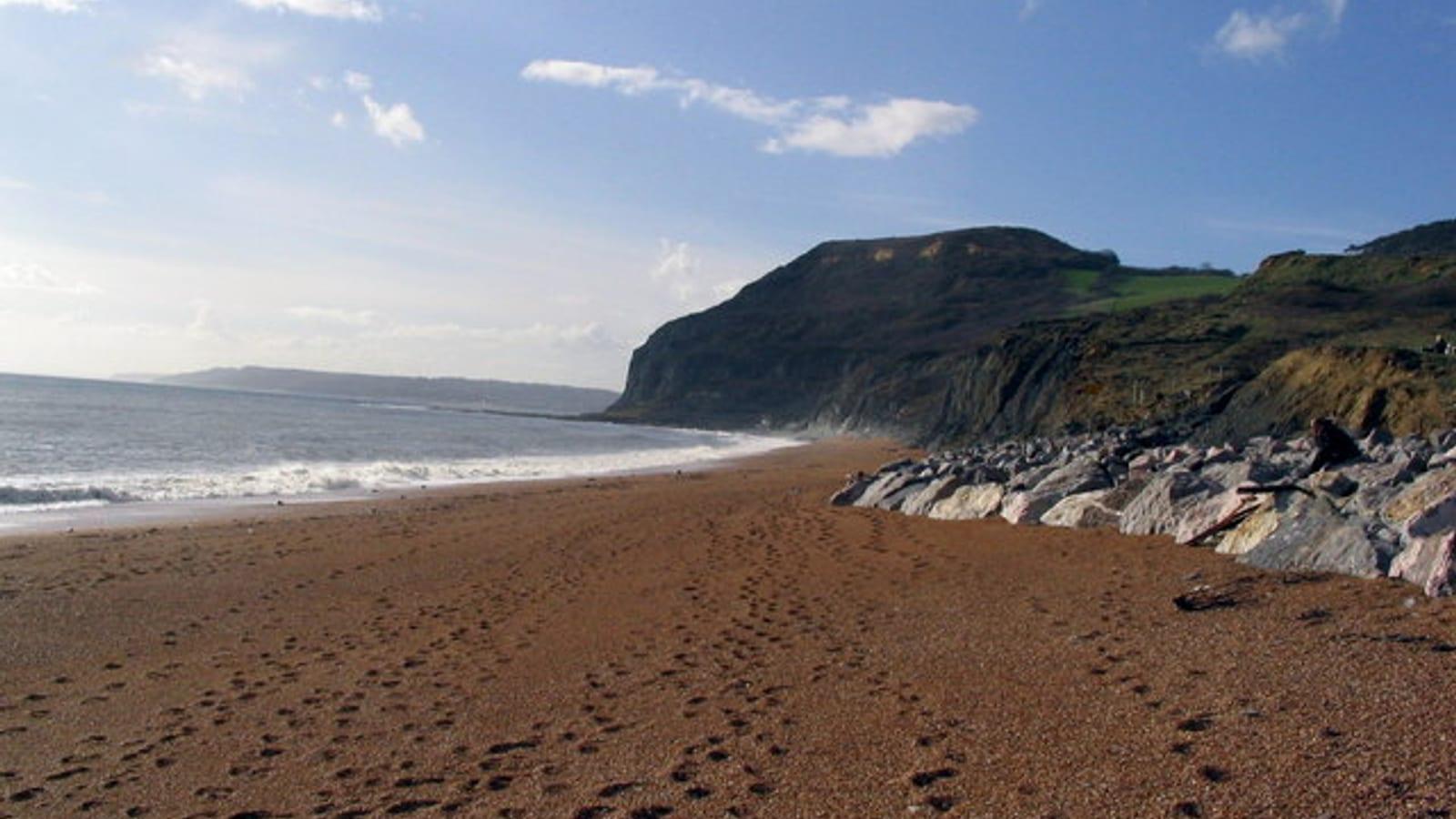
Free collectingAmmonitesAndrogynocerasAmaltheusSeatown beneath Golden Cap is one of the most beautiful collecting sites on the Jurassic Coast. The Blue Lias and Charmouth Mudstone formations produce ammonites — particularly large Amaltheus — alongside belemnites and bivalves. The adjacent cliffs of Golden Cap (the highest point on England's south coast) expose slightly different Toarcian horizons and are worth checking after cliff falls. The beach is accessed via a short walk from Seatown hamlet.
Read the full guide → - 4
Black Head Osmington Fossil Hunting Guide
near Weymouth
Pay to digAmmonitesBelemnitesBivalvesBlack Head near Osmington Mills exposes the Corallian Group — a sequence of limestone and shale deposited on a shallow sea floor during the Oxfordian — producing a different fauna from the Liassic sites further west. Corals, sponges, bivalves, and occasional ammonites occur in the limestone ledges. The site is reached via a cliff path from Osmington Mills and is only accessible around low tide.
Read the full guide → - 5
Find Fossils at Tidmoor Point Fossil Hunting Guide
England, United Kingdom
Permit requiredPyritised and limonitised ammonitesBelemnitesCrustaceansTidmoor Point on the Fleet lagoon near Chesil Beach exposes the Oxford Clay in a sheltered tidal location. The grey-blue clay produces pyritised ammonites, crushed but often iridescent, alongside belemnites, crustacean fragments, and occasional marine reptile remains. The Fleet is a protected lagoon, so tread carefully on the shoreline vegetation; the collecting area is the narrow foreshore strip at low water.
Read the full guide → - 6
Dinosaur Footprints at Worth Matravers, Dorset: Dinosaur Trackways
England, United Kingdom
Viewing onlynot permittedSauropod footprintsTheropod tracksThe sauropod dinosaur trackway at Worth Matravers is one of the largest in Europe, with over 130 individual footprints preserved in Purbeck Limestone. The tracks are in-situ on a wave-cut platform that is exposed at low tide and represent a titanosauriform sauropod walking across a Late Jurassic mudflat. No collecting is permitted — the footprints are a protected geological monument — but viewing is free and the site is extraordinary.
Read the full guide → - 7
Isle of Portland: Dinosaur Trackways
United Kingdom
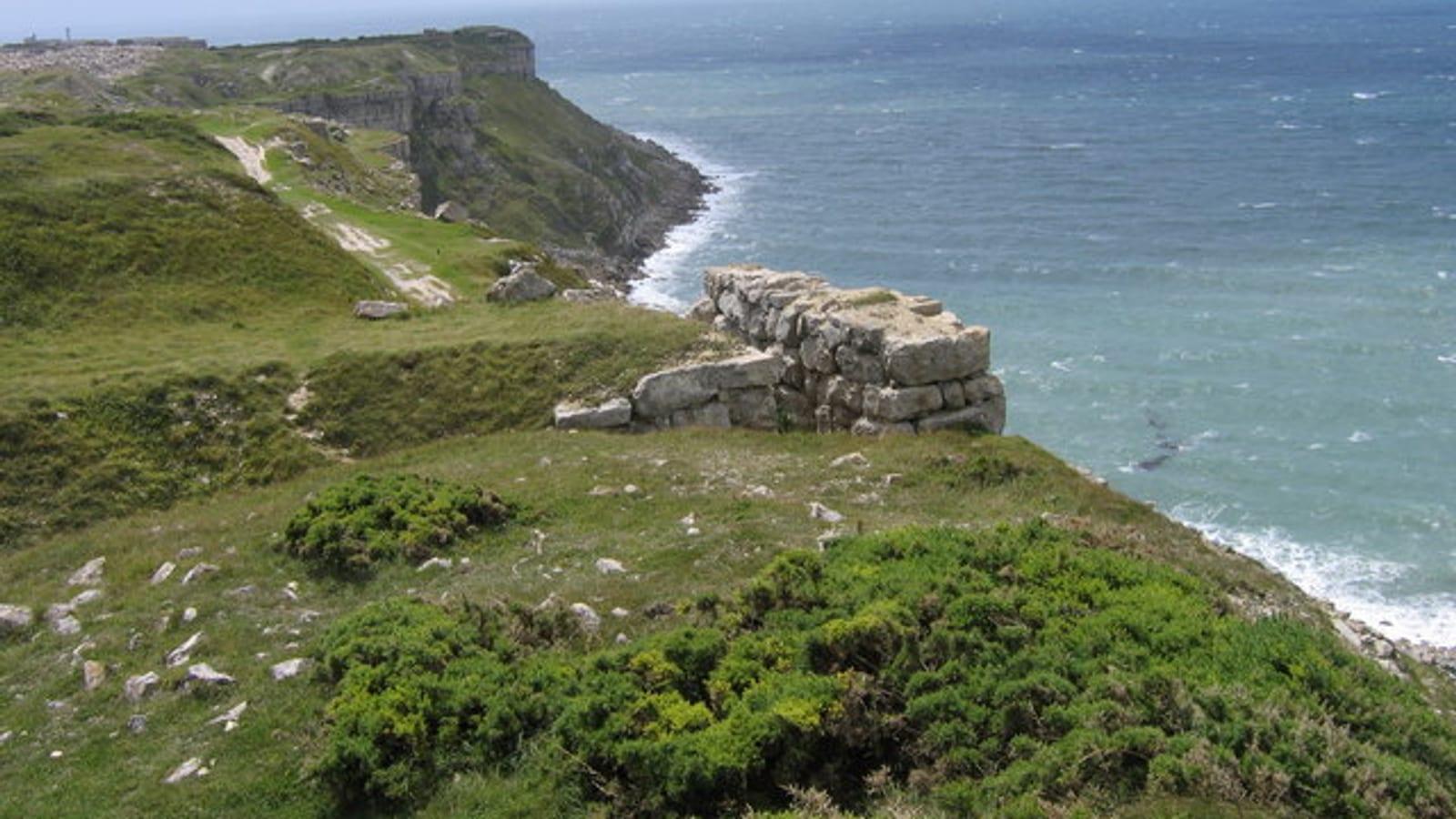
Free collectingAmmonitesBivalvesDinosaur footprintsThe Isle of Portland is a limestone peninsula built almost entirely from the Portland Stone Formation — the same rock used in St Paul's Cathedral and the United Nations headquarters. The intertidal ledges around the island produce bivalves, gastropods, ammonites, and plant fossils from the Portlandian Stage. The working quarry at Tout Quarry also has fossil-bearing faces occasionally accessible on guided visits.
Read the full guide →
Frequently asked questions
- What fossils can you find on the Jurassic Coast in Dorset?
- The Jurassic Coast in Dorset produces ammonites (the most common find, ranging from thumbnail-sized to over 60 cm diameter), belemnites, bivalves, brachiopods, crinoids, and echinoids. Marine reptile remains — ichthyosaur and plesiosaur vertebrae, teeth, and occasional partial skeletons — erode from the cliffs at Charmouth, Kimmeridge, and along the Blue Lias coast. Dinosaur bones and teeth occur in Purbeck and Wealden horizons at sites like Worbarrow Bay, and dinosaur trackways are preserved at Worth Matravers.
- Is fossil collecting allowed on the Jurassic Coast?
- Surface collecting of loose fossils from the foreshore below the mean high-tide mark is generally allowed at most Jurassic Coast beaches in Dorset. Several sites are SSSIs, where the restriction is against hammering the cliff face or removing fossils from bedrock — loose material on the beach can be collected. Sites managed by the National Trust or Natural England may have additional restrictions posted on signage. Significant vertebrate fossils should be reported to the Natural History Museum or local heritage coast centres.
- Which Dorset beach is best for beginners?
- Charmouth is consistently recommended as the best Dorset beach for beginners. The cliffs erode quickly, delivering fresh material to the foreshore regularly. The Charmouth Heritage Coast Centre is staffed by expert volunteers who provide free identification and guidance, and the beach is safe and accessible. For visitors who prefer expert guidance, Lyme Regis Fossil Walks runs professional guided fossil walks along the Charmouth foreshore with a qualified geologist. Kimmeridge Bay is the best site for experienced collectors seeking variety, but the tidal regime and SSSI rules require more preparation.
- When is the best time to go fossil hunting on the Jurassic Coast?
- Winter is the most productive season on the Jurassic Coast. Storm waves undercut the soft shale cliffs between October and March, triggering cliff falls that release fresh material onto the foreshore. Visiting within a few days of a significant storm at low tide gives you the best chance of finding undisturbed specimens. Spring tides expose wider areas of the foreshore at sites like Kimmeridge and Worth Matravers. Summer collecting is possible but the beaches are busy and the fresh material from winter storms has largely been picked through by then.
- Do I need any tools for fossil hunting on Dorset beaches?
- A hand lens (10x magnification) is useful for identifying fragment details in the field. Sturdy gloves protect your hands when handling freshly fallen shale blocks. A bag or small rucksack with newspaper or bubble wrap lets you carry specimens home safely. A hammer is not necessary for productive collecting at most Dorset sites and is not permitted at SSSI foreshore locations where it could damage in-situ material. The most consistent finds come from searching the strand line and turning loose shale fragments by hand rather than breaking rock.
- How do I get to Charmouth and is there parking?
- Charmouth is on the A35 between Bridport and Lyme Regis in west Dorset. From the A35, follow the signs into the village and take Lower Sea Lane to the seafront. The main car park at the bottom of Lower Sea Lane is operated by Charmouth Parish Council and charges a fee from spring through autumn; it holds approximately 200 vehicles. A second smaller car park sits adjacent to the Charmouth Heritage Coast Centre, which is directly on the foreshore. The beach is a short walk from both car parks.
Recommended resources
- Lyme Regis Fossil Walks — Professional guided fossil walks on the Charmouth foreshore with a qualified geologist; suitable for all ages and experience levels.
- Dorset Wildlife Trust — Manages the Purbeck Marine Wildlife Reserve at Kimmeridge — the authority on access rules and seasonal restrictions within the reserve.
- Charmouth Fossil Shop — Sells fossil collecting tools, sieves, and identification guides at Charmouth; staff can advise on current foreshore conditions.