gear
How to Preserve Fossils You Find
By Edward Chen · Updated 31 July 2026
The most common way to damage a fossil is during or immediately after collection. Rushing to clean it, wrapping it without padding, or washing clay-rich specimens before they have dried thoroughly can cause irreversible damage. The field and transport stage is when a find is most vulnerable, particularly bone material and pyritized specimens from marine clay.
The good news: getting it right doesn't require specialist equipment. Tissue paper, a small brush, and patience cover most situations.
In the field: wrap before you move it
Wrap every specimen before it goes in your bag. Tissue paper is better than cloth or newspaper, cloth fibres can embed in delicate surfaces, and newspaper ink can transfer to light-coloured specimens. For fragile specimens with fine detail (ammonite suture lines, trilobite segments), wrap individually and cushion against pressure from other finds. Multiple finds loose in a bag will abrade each other.
For anything that feels structurally fragile, bone, crumbly matrix, fine spines, don't try to clean it in the field. Leave matrix in place and remove it at home with more control. A partially consolidated specimen is less at risk than one that has been crumbled trying to clean off clay in the car park.
Note the site, formation, and date on the wrapping or a label tucked inside. This information is irreplaceable once the specimen is home and mixed with others.
At home: clean slowly
For hard rock specimens (limestone, sandstone, hard shale), cleaning with water and a soft brush is safe once the specimen has dried for at least 24 hours after field collection. A worn toothbrush, wooden cocktail sticks, and dental picks are the primary tools for removing stubborn matrix. Work under good light and magnification if available.
For clay-rich specimens collected from coastal mudstones or fresh Jurassic clays, drying before cleaning is essential. Clay that is still wet is compressed against the fossil surface. Cleaning while wet drags the clay across the surface and scratches it. Let it dry fully, then brush dry before any water contact.
Never use metal tools on fine surface detail until you know the material is hard enough. A wooden pick removes clay from ammonite sutures without risk. A metal dental pick on soft pyrite will leave scratches.
Consolidation for fragile specimens
If a specimen is crumbling or has visible cracks, consolidation before cleaning keeps it together. Paraloid B-72, a conservation-grade acrylic resin widely used by museums, is dissolved in acetone to a 5–10% solution and applied by brush or dropped into cracks. It dries clear, is reversible with acetone, and does not discolour over time. It is available from conservation suppliers and some fossil dealers.
Avoid PVA (polyvinyl acetate white glue) and household super glues. PVA yellows over time, shrinks as it cures (potentially cracking the specimen), and is difficult to reverse. Super glue bonds quickly but is not reversible and can cause heat damage to delicate material.
Specimens that need professional help
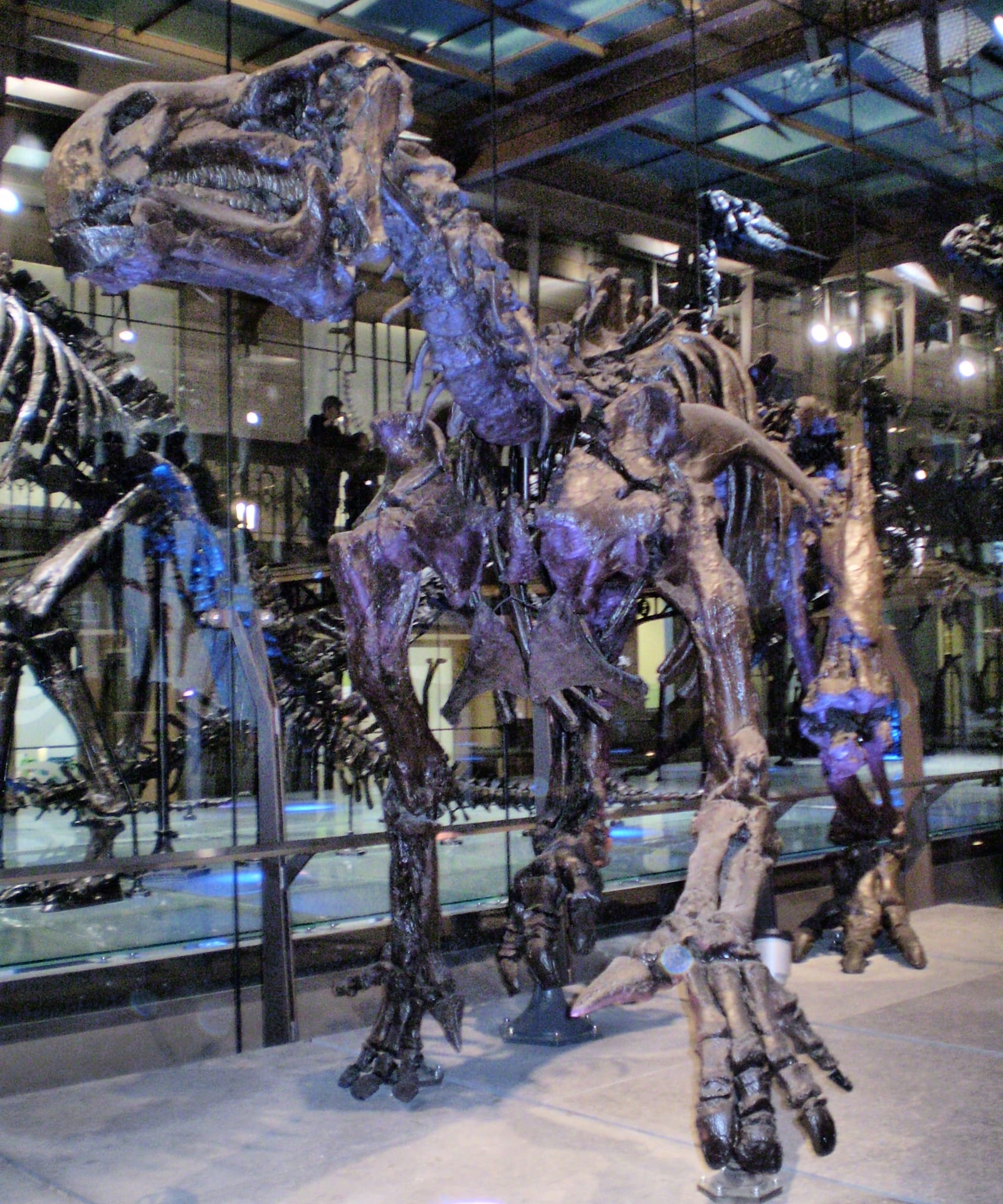
Bone and tooth material, particularly anything with three-dimensional structure or connected elements, warrants professional assessment before you attempt cleaning. Many natural history museums offer identification and advice sessions. A specimen that looks complete in matrix may have structural problems not visible from outside, attempting to remove matrix without understanding the internal structure can destroy a significant find.
Pyritized fossils, those with a metallic golden sheen from iron pyrite replacement, require specific handling. Pyrite can oxidize in humid air, producing sulphuric acid that destroys the specimen from within. Store pyritized fossils in sealed containers with silica gel desiccant, and avoid temperature fluctuations. If white powder or yellow crust appears on a pyritized specimen, this is pyrite disease, seek conservation advice quickly.
Long-term storage
Once cleaned and stable, store specimens in conditions that prevent temperature fluctuation and control humidity. A consistent room temperature (15–20°C) and moderate humidity (40–55% relative humidity) work for most material. Avoid attics, garages, and windowsills, seasonal temperature swings stress mineralised material over years. Wooden drawers lined with foam or cotton batting are the standard museum solution. Archive-quality foam trays from conservation suppliers are the collector equivalent.
Label every specimen in the collection, not just the ones you think are significant. A label with site, date, and formation takes 30 seconds to write and makes every specimen in your collection permanently identifiable.
Where to go next
The beginners guide on GFH covers the basic kit to bring on a fossil hunting trip, including field wrapping materials. For the sites most likely to produce specimens worth preserving carefully, including pyritized ammonites on the Yorkshire coast, see the Yorkshire Coast fossil hunting guide.
Frequently asked questions
- How do you preserve fossils you find in the field?
- Wrap every specimen in tissue paper before it goes in your bag — tissue paper prevents abrasion and does not embed fibres in delicate surfaces the way cloth does. For fragile or crumbling material, leave matrix in place and remove it at home with more control. Note the site, formation, and date on the wrapping or a tucked-in label at the time of collection — this information is irreplaceable once specimens are mixed with others at home.
- How do you clean fossils at home?
- For hard rock specimens (limestone or sandstone matrix), clean with water and a soft brush — a worn toothbrush, wooden cocktail sticks, and dental picks cover most situations. Always let clay-rich specimens from Jurassic or Cretaceous mudstones dry fully before applying water; cleaning wet clay drags it across the surface and scratches it. Use wooden tools rather than metal on fine surface detail until you know the specimen is hard enough — a wooden pick removes clay from ammonite sutures without scratching soft material.
- What glue should I use to repair a fossil?
- Use Paraloid B-72 — a conservation-grade acrylic resin widely used by museums — dissolved in acetone to a 5–10% solution. It dries clear, does not discolour over time, and is reversible with acetone. Avoid PVA (polyvinyl acetate) white glue, which yellows and shrinks as it cures (potentially cracking the specimen) and is difficult to reverse. Avoid household super glue, which bonds quickly but is not reversible and can cause heat damage to delicate material.