Yorkshire Coast Fossil Hunting Guide
8 Best Fossil Hunting Sites on the Yorkshire Coast
The Yorkshire coast runs for 45 miles from Saltburn in the north to Flamborough Head in the south, and almost all of it sits on Jurassic and Cretaceous bedrock exposed by wave erosion. Whitby is the most famous starting point, but the quieter bays to north and south often produce better results with less competition. Collecting from loose beach material is free and legal at most foreshore sites.
8 fossil sites
Updated 1 August 2026
Geology of the Yorkshire coast
The Yorkshire coast exposes a nearly continuous section through the Lower and Middle Jurassic from Boulby in the north to Cayton Bay in the south. The key unit for most collectors is the Whitby Mudstone Formation — a dark, organic-rich shale deposited in an anoxic seabed environment around 180 million years ago during the Toarcian stage. The low-oxygen conditions that preserved so much organic carbon also prevented scavenging, which is why complete ammonite specimens weather out with both phragmocone and body chamber intact.
North of Whitby, the Cleveland Ironstone Formation — slightly older and iron-rich — produces a different ammonite fauna and excellent plant fossils. South of Whitby, younger Callovian and Oxfordian sediments of the Corallian Group crop out at Cayton Bay, bringing a new set of taxa. The Speeton Cliffs add a rare Lower Cretaceous exposure — the only one on this coast — before the Jurassic resumes at Filey Brigg.
- 1
Whitby Yorkshire Fossil Hunting Guide
United Kingdom
Free collectingAmmonitesBelemnitesDinosaur FootprintsWhitby's alum shale foreshore is the most famous fossil hunting beach in northern England. The Lower Jurassic cliffs produce ammonites — particularly Dactylioceras and Hildoceras — alongside belemnites, bivalves, and fragments of ichthyosaur bone. The beach below the East Cliff steps is the most accessible starting point; experienced collectors also work the boulderfield south of the pier.
Read the full guide → - 2
Saltwick Bay Fossil Hunting Guide
United Kingdom
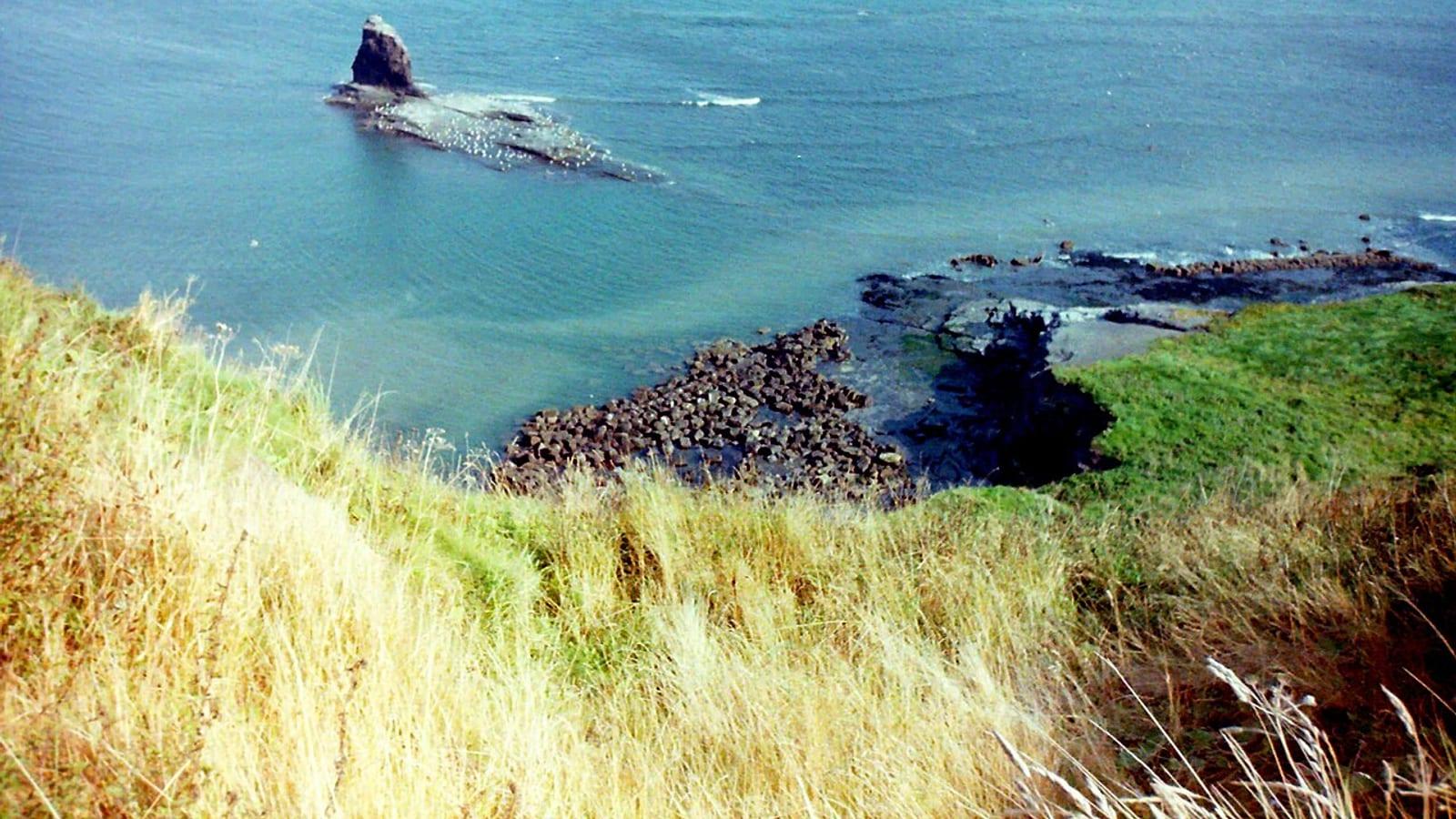
Free collectingAmmonitesBelemnitesDinosaur footprintsSaltwick Bay, 2 kilometres southeast of Whitby, is the serious collector's alternative to the town beach. The cliffs here expose slightly different horizons within the Whitby Mudstone Formation, and jet — the fossilised wood that drove Whitby's Victorian jewellery industry — erodes out with the ammonites. Access is steep but short; time your visit around mid to low tide.
Read the full guide → - 3
Boggle Hole Fossil Hunting Guide
near Whitby
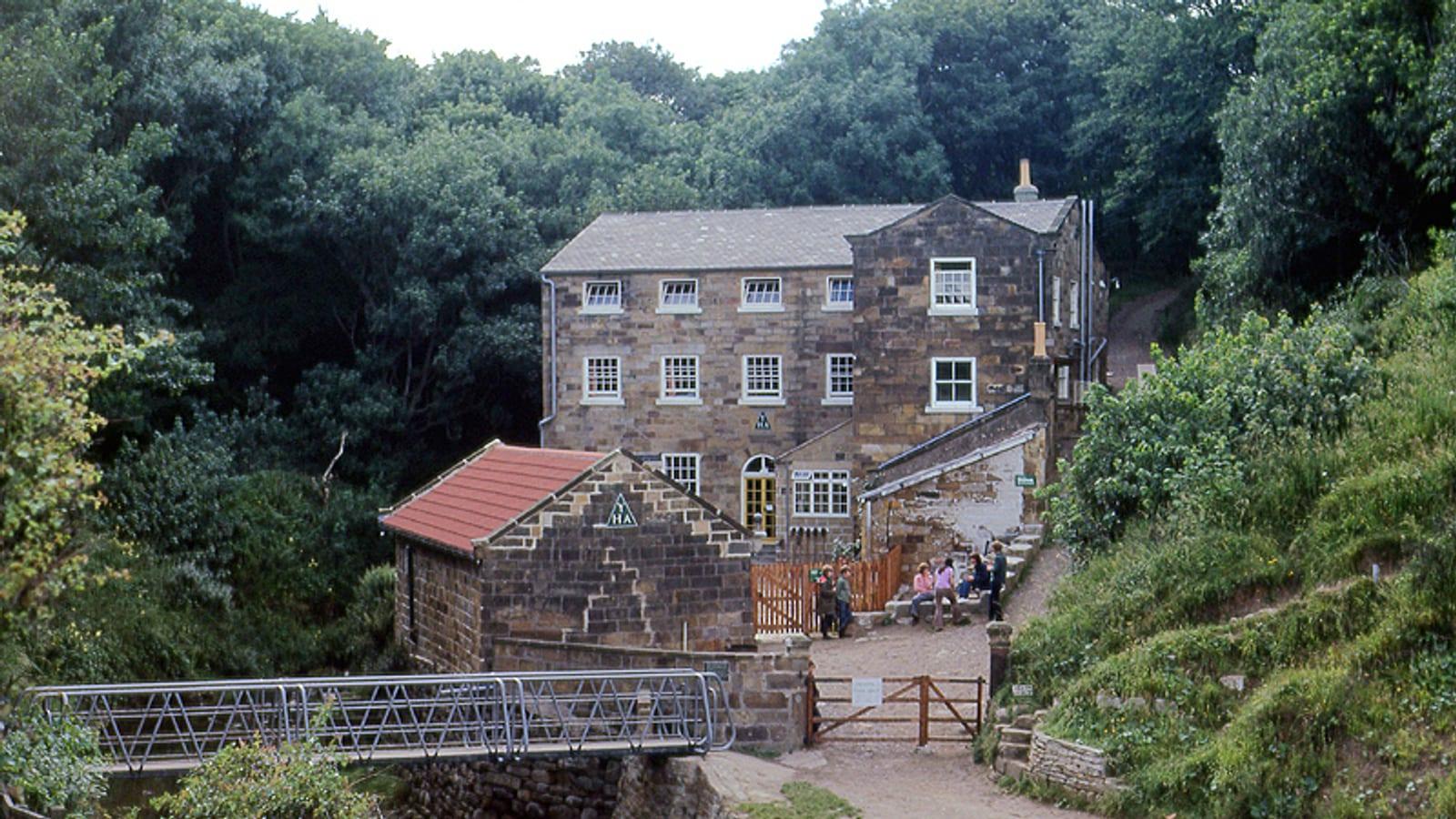
Free collectingTrace fossilsAmmonitesBivalvesBoggle Hole at Robin Hood's Bay sits within one of the most visited stretches of the Yorkshire coast. The rock platform at low tide exposes beautifully preserved ammonites weathering out of the shale in their original orientation. The whole bay from Ravenscar south to the village is productive; the northern end offers quieter collecting away from the beach café crowds.
Read the full guide → - 4
Runswick Bay Yorkshire Fossil Hunting Guide
United Kingdom
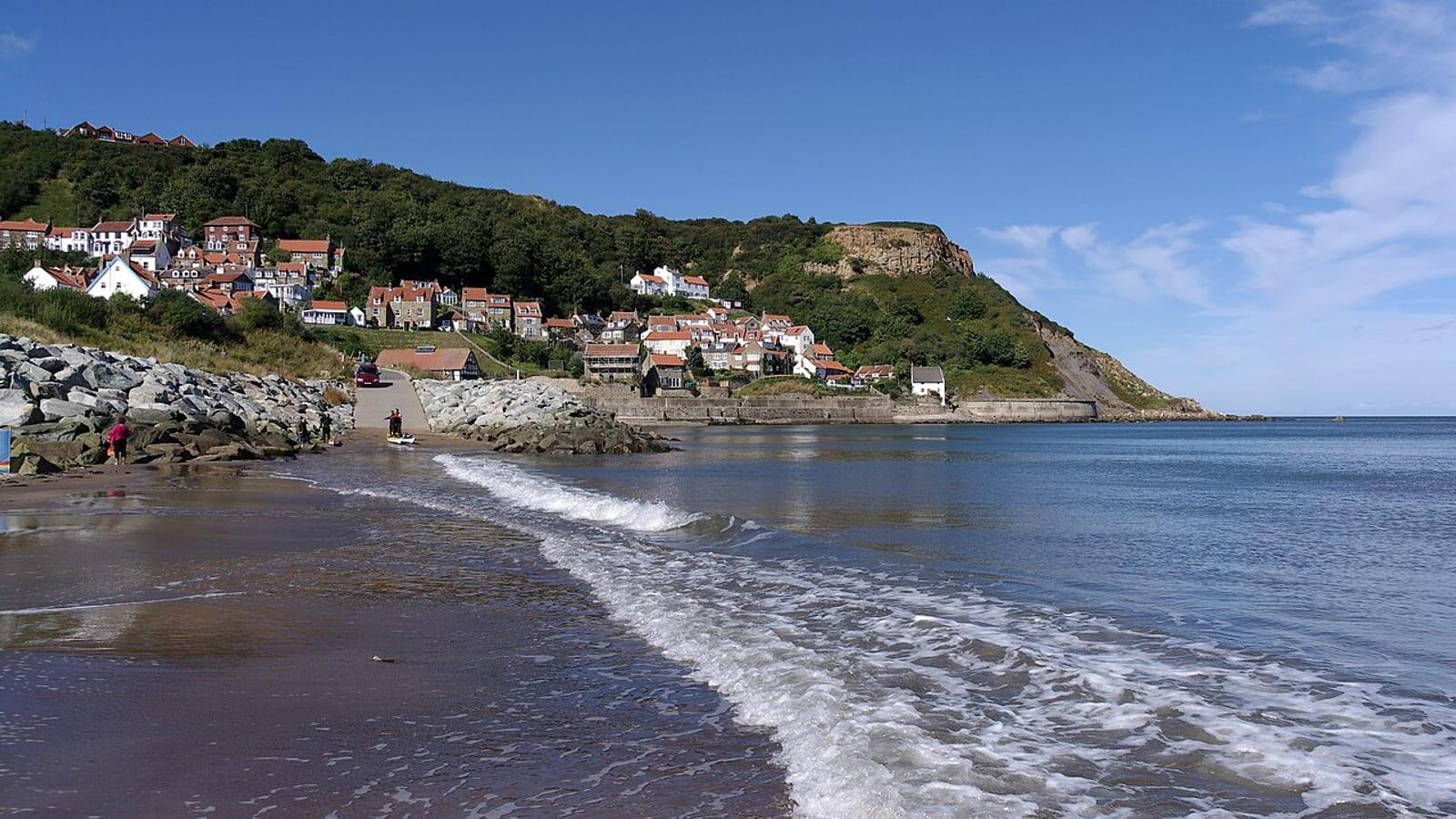
Free collectingAmmonitesJetBivalvesRunswick Bay is a sheltered north-facing bay where softer shale erodes quickly after storms, exposing fresh ammonite surfaces. The site is less visited than Whitby and Robin Hood's Bay, making it a reliable choice when those beaches are crowded. Jet fragments are also found here, and occasional plant fossils appear in the darker, more carbonaceous shale bands.
Read the full guide → - 5
Staithes Yorkshire Guide Fossil Hunting Guide
United Kingdom
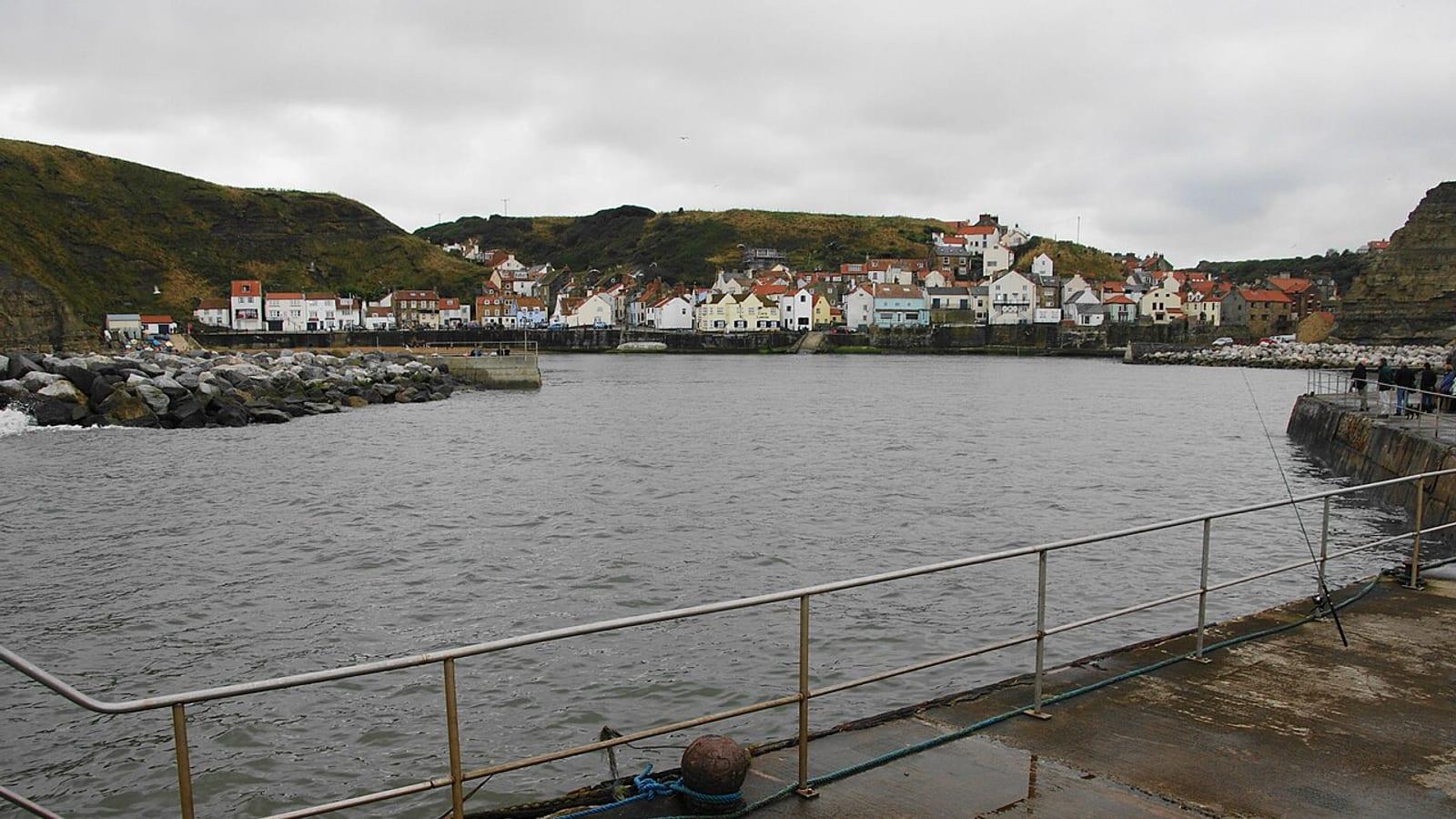
Free collectingAmmonitesBivalves and brachiopodsTrace fossilsStaithes is a working fishing village whose foreshore exposes Cleveland Ironstone Formation — slightly older than the Whitby beds — producing different ammonite genera alongside plant fossils, bivalves, and the occasional shark tooth. The site is tidal and requires care; the boulderfield to the north of the harbour is the most productive zone.
Read the full guide → - 6
Cayton Bay Yorkshire Fossil Hunting Guide
United Kingdom
Free collectingAmmonitesBivalvesGastropodsCayton Bay south of Scarborough exposes Callovian and Oxfordian strata — younger than most Yorkshire coast sites — producing a different fauna including oysters, belemnites, and occasional ammonites from the Corallian Group. The site is less picked over than Whitby; landslip and cliff instability require that visitors stay on the foreshore and avoid the cliff base.
Read the full guide → - 7
Reighton Sands Yorkshire Fossil Hunting Guide
near Reighton
Free collectingErratic bouldersKimmeridge ClayAmmonitesReighton Sands is known primarily for its glacial erratic boulders — large blocks of Carboniferous and Jurassic rock carried south by the Devensian ice sheet and dropped on the beach. Splitting the erratics reveals corals, crinoids, brachiopods, and bivalves from multiple geological periods in a single session. The adjacent Speeton Cliffs section offers true in-situ Cretaceous collecting.
Read the full guide → - 8
Speeton Cliffs Yorkshire Fossil Hunting Guide
United Kingdom
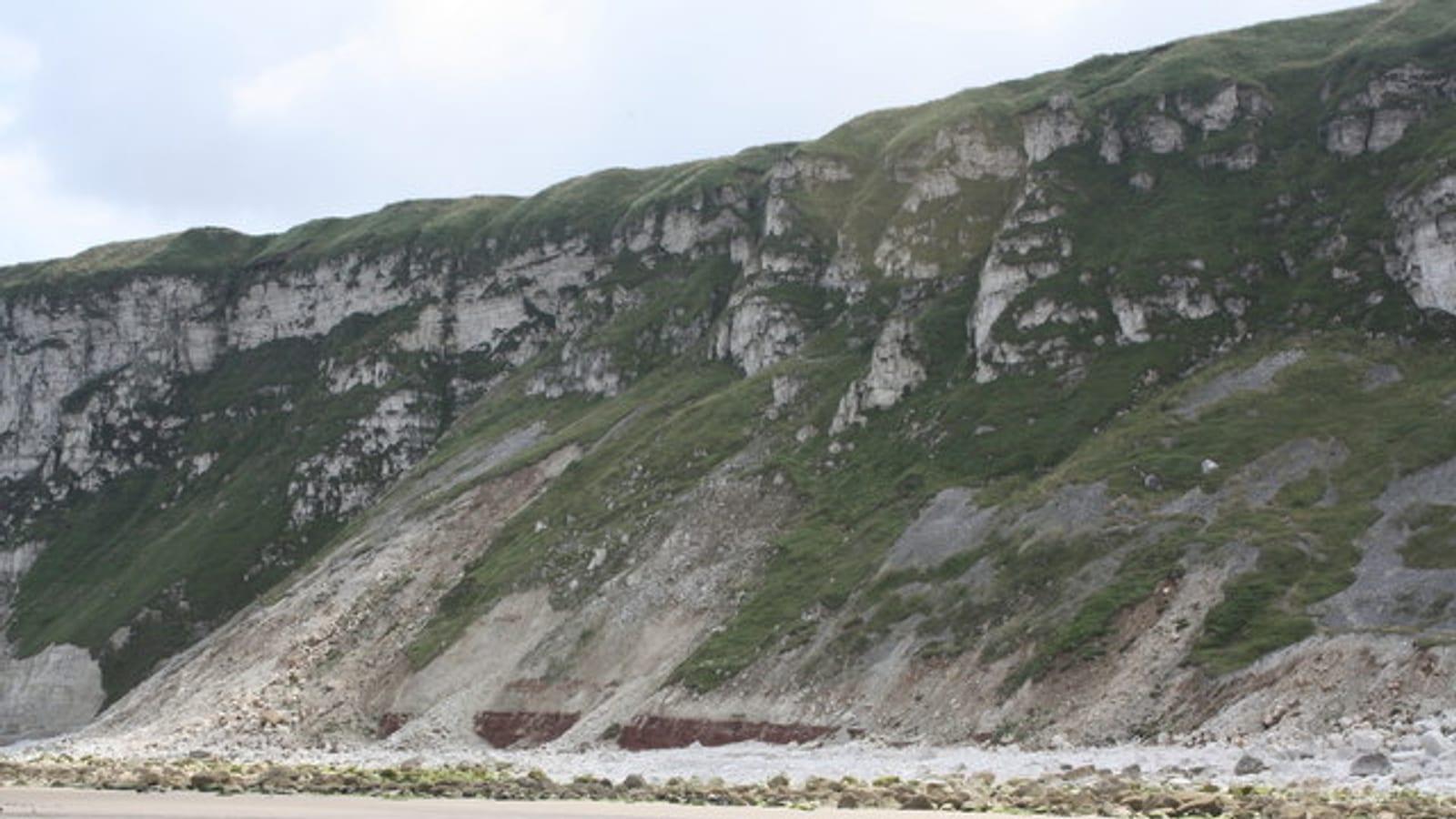
Free collectingAmmonitesBelemnitesThe Speeton ShrimpSpeeton Cliffs south of Filey are the only place on the Yorkshire coast where Lower Cretaceous sediments are exposed. The red and grey Speeton Clay produces ammonites from the Hauterivian and Barremian stages, including large Simbirskites and Aconeceras specimens not found elsewhere on the coast. Landslip is constant and serious — stay well clear of the cliff face and never enter caves or overhangs.
Read the full guide →
Frequently asked questions
- What fossils can you find on the Yorkshire coast?
- The Yorkshire coast between Whitby and Flamborough Head is best known for Jurassic ammonites, belemnites, bivalves, and plant fossils from the Lower and Middle Jurassic Whitby Mudstone and Cleveland Ironstone formations. Jet — a fossilised wood — erodes from the same shale horizons at Whitby, Saltwick Bay, and Runswick Bay. Ichthyosaur and plesiosaur fragments are occasionally found but are uncommon. Reighton Sands glacial erratics add Carboniferous and other Jurassic taxa to the possible finds.
- Is fossil collecting legal on the Yorkshire coast?
- Surface collection of loose fossils from the foreshore below the mean high-tide mark is generally legal in England and Wales under the terms of the Crown Estate's foreshore rights. Several Yorkshire coast sites are designated SSSIs (Sites of Special Scientific Interest), where the SSSI designation protects the bedrock and in-situ fossils — you may collect from loose material on the beach but cannot hammer the cliff face or rock platform. Always check the Natural England SSSI notifications for specific sites.
- When is the best time to fossil hunt on the Yorkshire coast?
- Winter and early spring (December through March) are the most productive months. Winter storms expose fresh rock surfaces, and reduced tourist numbers mean popular beaches like Whitby are quiet. Low spring tides expose the rock platforms at Whitby, Robin Hood's Bay, and Runswick Bay. Always check the tide tables — several sites are inaccessible at high tide and potentially dangerous if the tide turns while you are on the rock platform.
- What is the best fossil hunting beach in Yorkshire?
- Robin Hood's Bay, specifically the foreshore at Boggle Hole and the rock platform running south from the village, is the most consistently productive site on the Yorkshire coast for ammonite quality and variety. Whitby town beach is the most accessible and best suited to first-time visitors, with the East Cliff steps providing easy access to the foreshore. Saltwick Bay is the best option for serious collectors willing to carry gear over the cliff path, as it is less picked over than Whitby and the cliffs here produce jet alongside the ammonites. All three are worth visiting if you have more than a day on the coast.
- Are there guided fossil hunting tours in Yorkshire?
- Yes. Whitby Museum runs occasional fossil hunting events, and the Whitby Naturalists' Club organises guided foreshore walks with geological commentary. Several independent guides based in the Whitby area offer private and small-group fossil hunting tours tailored to tide times and current beach conditions. The Rotunda Museum in Scarborough runs geology events that include foreshore visits. The Yorkshire Geological Society also runs regular field trips to Yorkshire coast sites and publishes detailed geological field notes for each site's current Jurassic exposures. Booking ahead is recommended for guided tours, particularly in summer, as places are limited by group-size restrictions on tidal sites.
- What tools do I need for fossil hunting on the Yorkshire coast?
- A hand lens (10x magnification) helps you examine fine shell and suture details on ammonites. Sturdy waterproof footwear is necessary on the rock platforms at Whitby and Robin Hood's Bay, which are slippery with algae at low tide. A small day pack with newspaper or bubble wrap lets you carry specimens safely. A geological hammer and chisel are useful at sites like Reighton Sands where splitting glacial erratics is the main collecting method, but hammering the cliff face or the rock platform at SSSI sites is not permitted. At most foreshore sites, careful searching of loose shale fragments by hand is more productive than breaking rock.
Recommended resources
- Yorkshire Geological Society — Runs field trips to Yorkshire coast sites; publishes bed-by-bed geological field notes for the Jurassic exposures at Whitby, Robin Hood's Bay, and adjacent sites.
- Whitby Museum — Displays the region's best fossil collection and runs occasional identification events for local finds.
- Yorkshire Wildlife Trust — Manages coastal nature reserves on the Yorkshire coast — check their site for seasonal access notices before visiting sections that adjoin their reserves.
- Ammonite.co.uk — Yorkshire-focused ammonite identification resource covering the taxa found at Whitby, Robin Hood's Bay, and adjacent Jurassic coast sites.