legal
Is It Legal to Keep Fossils You Find?
By Edward Chen · Updated 31 July 2026
In most cases, yes: fossils you collect legally from a public beach foreshore in the UK, or from BLM land in the US under casual collection rules, belong to you. The ownership question is determined by where the fossil was found and what type it is, not simply by who picked it up. Getting those two factors wrong is where collectors run into legal problems.
The general position in both countries: common invertebrate fossils from legally accessible sites are yours to keep. Vertebrate fossils from US federal land are the federal government's property regardless of who found them.
UK: the foreshore position
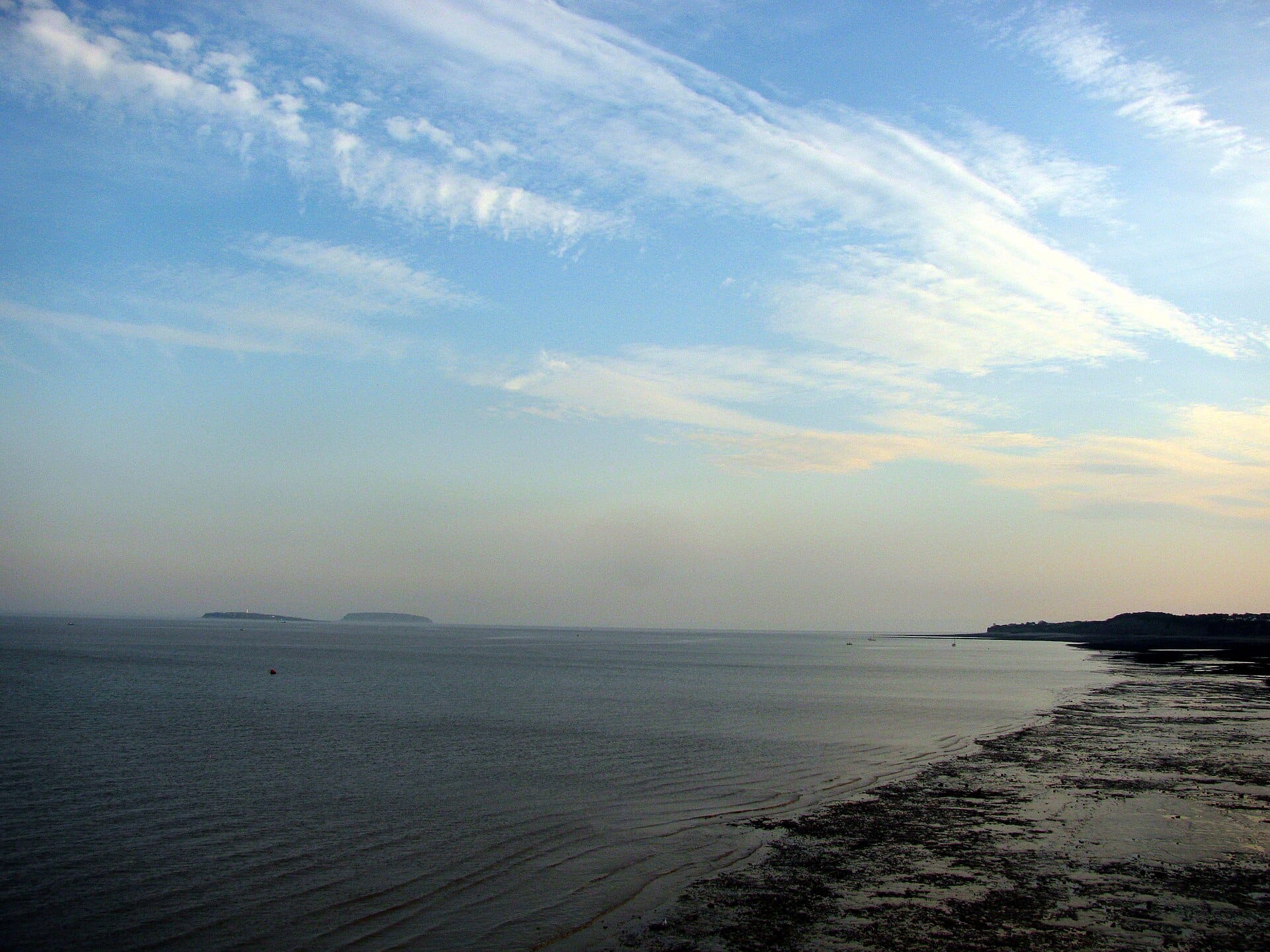
Fossils collected from public foreshore in England, Wales, and Scotland, the strip of beach below the mean high-water mark on Crown Estate coastline, can generally be kept. The Crown Estate does not claim ownership of fossil material collected from its foreshore for personal, non-commercial purposes. The relevant common law principle holds that objects found on the foreshore are the property of the finder if the Crown Estate does not exercise its claim, which it routinely does not for recreational fossil collecting.
The caveat is sites with specific designations:
SSSIs (Sites of Special Scientific Interest): Most accessible UK fossil beaches are within SSSIs. The SSSI designation does not automatically prohibit surface collecting or make collected material the property of Natural England. However, any operation likely to damage the scientific interest of the SSSI, including systematic excavation, removing large volumes of material, or hammering cliff faces, requires prior consent from the statutory nature conservation body. Informed collectors avoid any activity that would trigger this threshold.
National Nature Reserves (NNRs): Some UK fossil sites are within NNRs where the management authority may have additional restrictions on collecting. The Charmouth to Black Ven section of the Dorset coast is within Charmouth Heritage Coast management. Local guidance from the Charmouth Heritage Coast Centre indicates that loose material on the foreshore may be collected in reasonable amounts.
There is no statutory right in the UK for a museum or any authority to claim fossils you've legally collected from public foreshore, unless the specimen is subject to specific heritage protection legislation (which currently applies more narrowly to archaeological and historical material than to palaeontological material in England and Wales).
US: the land type determines ownership
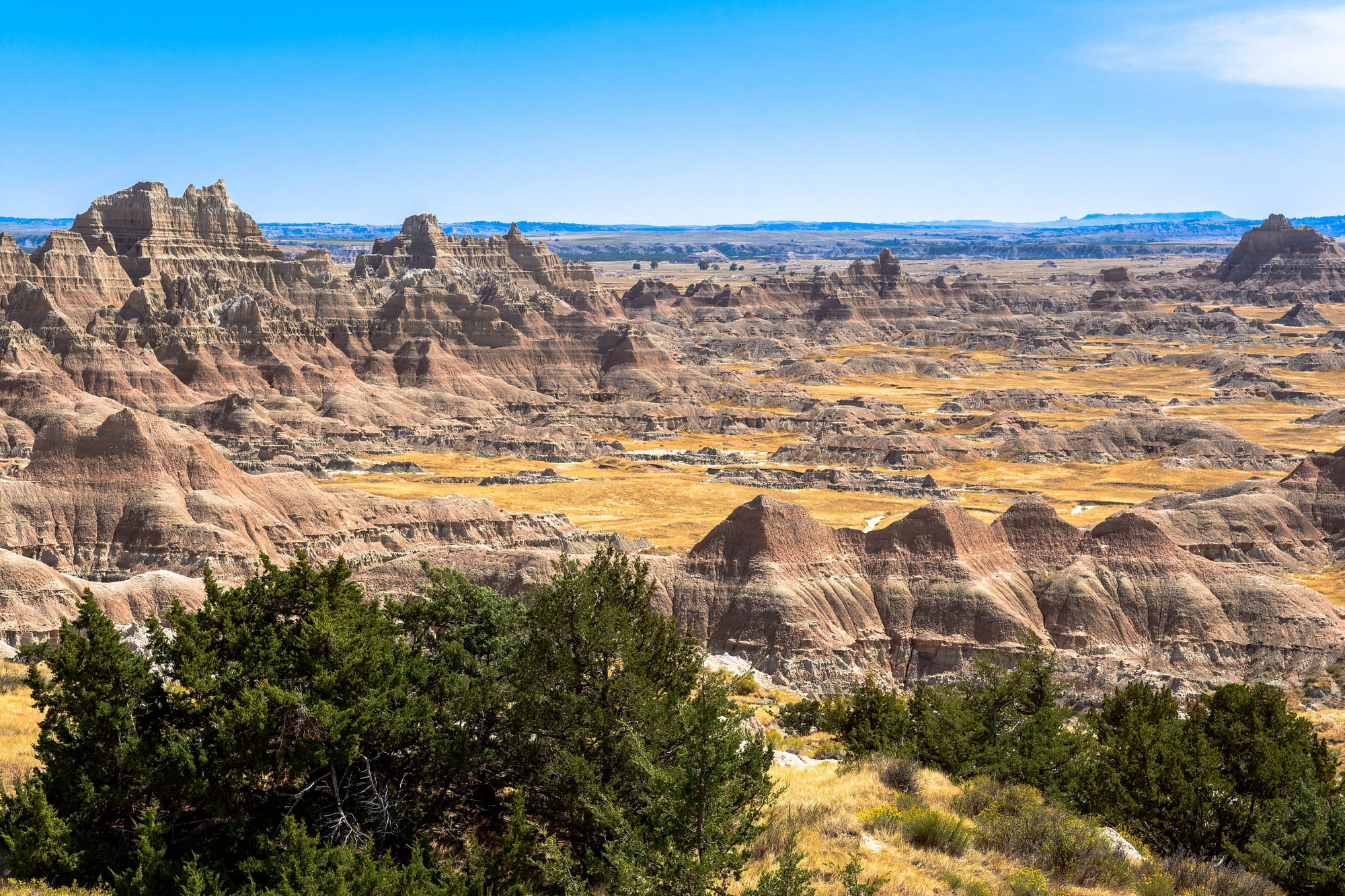
In the US, fossil ownership follows land ownership. Fossils found on private land belong to the surface landowner, or to you, if the landowner has given you collecting permission. Fossils found on federal public lands are federal property.
The key distinction is what type of fossil it is:
Common invertebrate and plant fossils from BLM land: Under the casual collection provision, you can keep reasonable quantities for personal use. These are yours under the casual collection allowance.
Vertebrate fossils from federal land: All vertebrate fossils from federal land, dinosaur bones, fish, marine reptile teeth, mammal teeth, are federal property under the Paleontological Resources Preservation Act of 2009. Keeping one without a permit is a federal offence. If you find a vertebrate fossil on BLM or National Forest land, you must leave it in place and report it to the land management office. This rule applies regardless of how the fossil was exposed (whether it eroded naturally or was uncovered by your activity).
National Park material: No fossils of any type may be collected or removed from National Parks. This includes surface material on beaches within park boundaries.
State land: State-by-state rules vary. Many western states follow similar frameworks to federal land. Some are more permissive. Check with the specific state parks department before collecting on state land.
Australia: a stricter regime
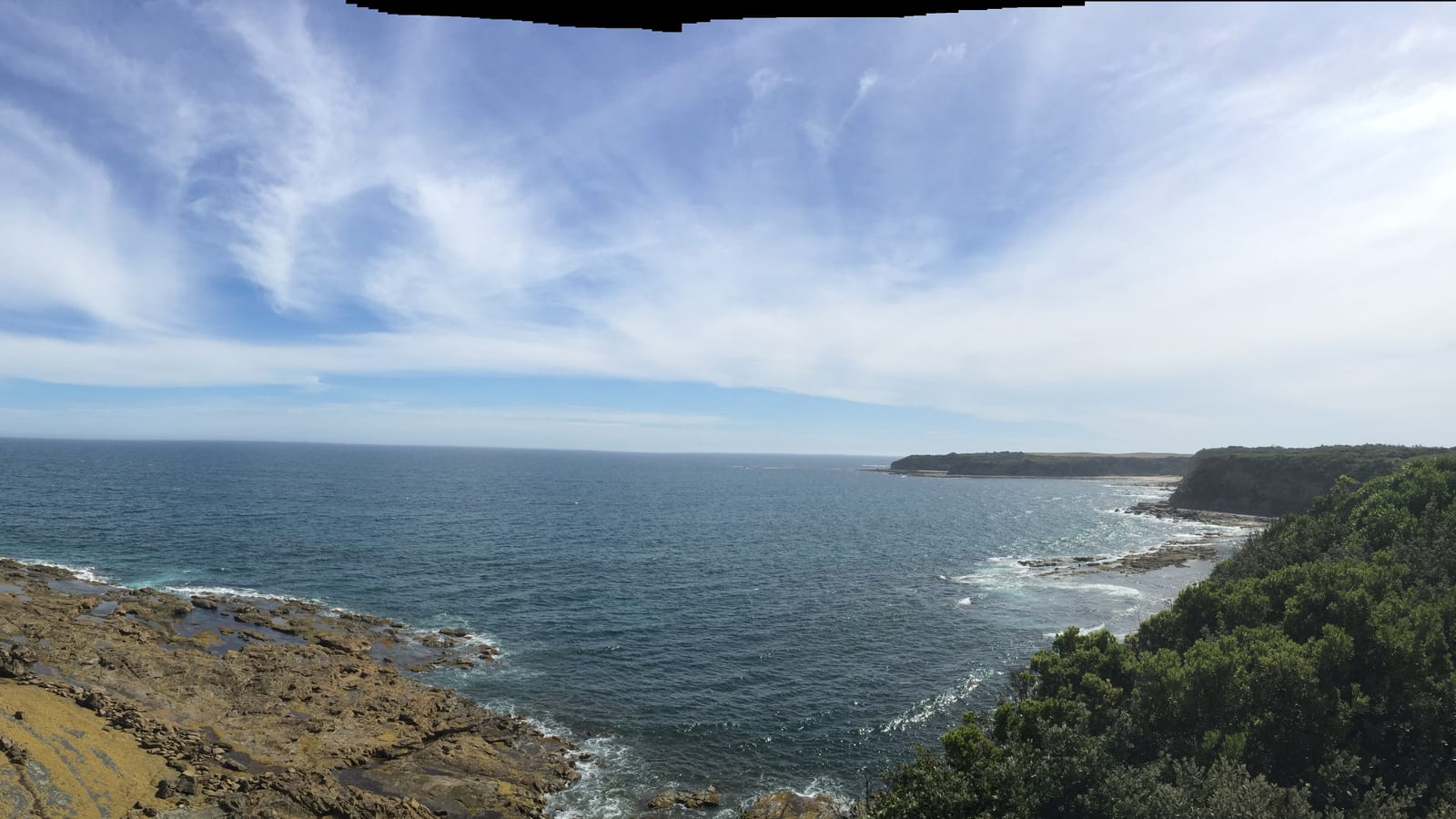
Australian state and territory legislation generally treats significant fossils as public heritage material. Collection without a permit is restricted in most states, particularly for vertebrate material. In Queensland, the Nature Conservation Act 1992 designates certain fossil types as protected. In South Australia, collection on Crown land requires a permit from the Department for Environment and Water.
The practical implication for visitors: surface collecting of marine invertebrates from beach foreshore in states without specific restrictions may be tolerated in practice, but the legal position is less clear-cut than in the UK or on US BLM land. Checking with the relevant state authority before collecting is advisable.
Germany: the Archaeopteryx exception
Germany's state (Land) nature protection laws vary, but Bavaria has specific protections for significant Archaeopteryx material under the Bayerisches Naturschutzgesetz. Any Archaeopteryx specimen from the Solnhofen area is protected regardless of when it was collected and cannot be sold or exported. All other material from Bavarian quarries collected through commercial pay-to-dig operations is the property of the visitor.
Significant finds and voluntary reporting
In the UK, significant finds, particularly complete or articulated vertebrate specimens, are subject to voluntary reporting requests from natural history museums, though not legal compulsion in most cases. The Dinosaur Isle Museum on the Isle of Wight asks visitors to report significant dinosaur material they find on the island's beaches. Whitby Museum similarly requests notification of unusual specimens from the Yorkshire coast. Reporting does not automatically transfer ownership, but it creates a record and often leads to scientific interest that benefits both the finder and the institution.
Where to go next
For site-specific access and legal notes, each GFH regional guide covers the relevant rules for that area. The Yorkshire Coast guide and Dorset guide both include SSSI status and local guidance for major collecting sites.
Frequently asked questions
- Is it legal to keep fossils you find in the UK?
- Generally yes. Fossils collected from public foreshore — the beach below mean high-water mark on Crown Estate coastline — can be kept for personal use. The Crown Estate does not routinely claim recreational surface collecting. Hammering cliff faces or systematic excavation at SSSI-designated sites requires prior consent from Natural England or equivalent bodies, but surface collecting from loose foreshore material does not typically trigger this restriction.
- Is it legal to keep fossils found on BLM land in the US?
- Common invertebrate and plant fossils collected under the BLM casual collection provision can be kept for personal, non-commercial use. Vertebrate fossils — bones, teeth, or claws from any federal land — cannot be kept under any circumstances: they are federal property under the Paleontological Resources Preservation Act of 2009 and must be left in place and reported to the land management office. Keeping vertebrate fossils from federal land is a federal offence.
- Do you have to report fossils you find in the UK?
- No, for common invertebrates collected from public foreshore. If you find an unusual or potentially significant vertebrate specimen — articulated bone, a partial skull, or material that looks like more than isolated elements — contacting your nearest natural history museum is the appropriate step. The Dinosaur Isle Museum on the Isle of Wight and Whitby Museum request voluntary reporting of significant finds from their coastlines. Voluntary reporting does not automatically transfer ownership but creates a scientific record.