gear
What Equipment Do Professional Fossil Hunters Use?
By Edward Chen · Updated 31 July 2026
Professional fossil hunters use two distinct categories of equipment: field collection tools for finding and extracting specimens in the ground, and preparation tools for cleaning and finishing specimens in a workshop. The gap between professional and recreational equipment is widest at the preparation stage. In the field, a professional and a well-equipped amateur often carry similar core tools, the differences are in quality, quantity, and the addition of survey and documentation equipment.
Understanding the professional toolkit is useful for any serious collector, because some professional techniques and tools scale down well for home preparation work.
Field survey equipment
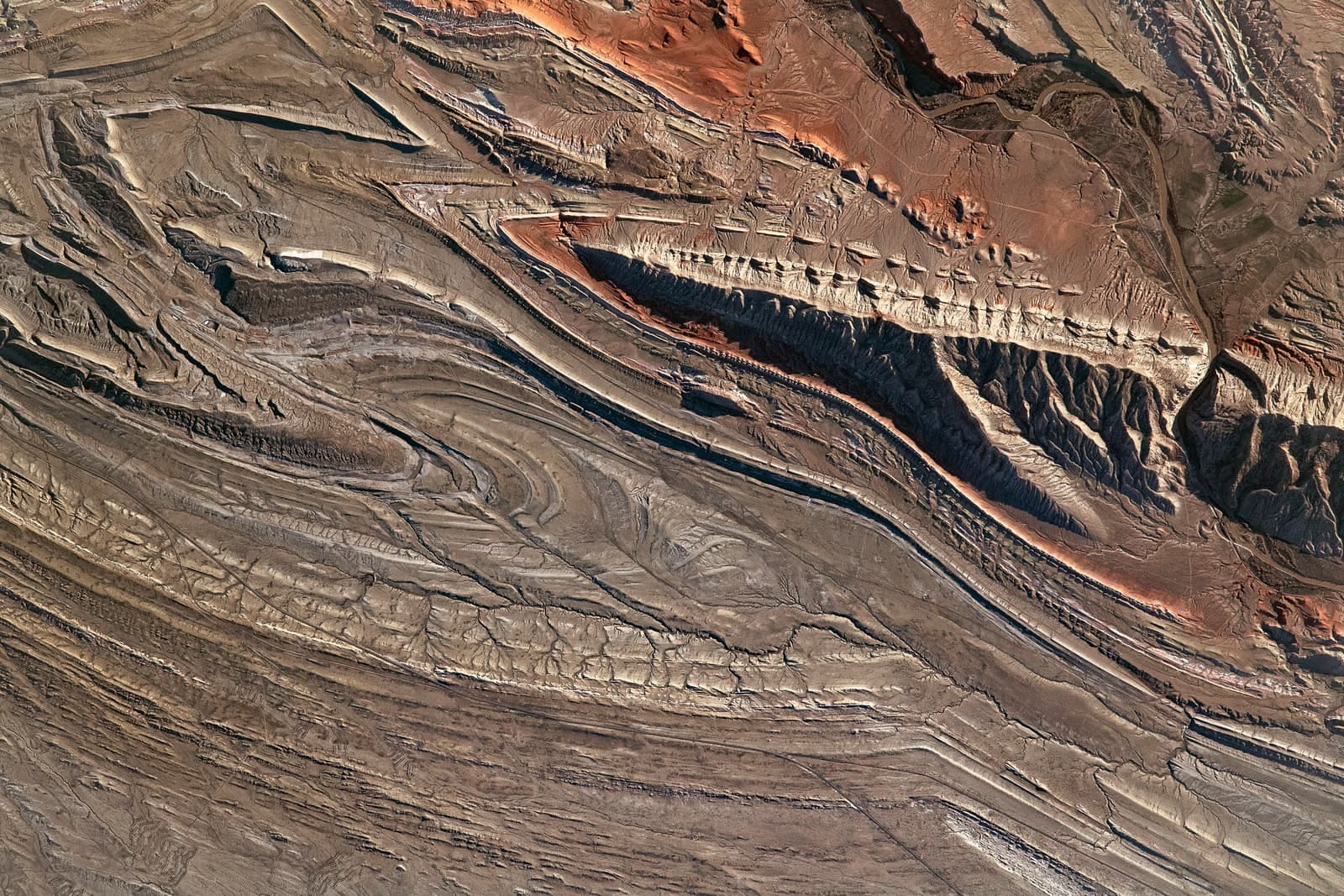
Professional paleontologists working a large formation begin with survey work before any excavation. A total station or differential GPS unit records the precise location of any find to within centimetres, critical for stratigraphic documentation, where the exact position within a formation determines the geological age and context of a specimen. Professional field surveys also use drones to map surface exposures, which allows large areas to be searched systematically before ground teams move in.
For most commercial fossil hunters working productive known localities, survey equipment is minimal. A handheld GPS unit ($100–$300), a geological map, and a notebook are sufficient when the formation is already well-documented.
Field extraction tools
The physical tools for extracting fossils in the field are more similar between professional and recreational use than most people expect. A professional preparator working a dinosaur excavation in Wyoming uses the same crack hammers, cold chisels, and rock picks as a recreational collector at an Ohio quarry park. The difference is scale and precision of use.
What professionals add:
Consolidants in the field. Paraloid B-72 dissolved in acetone is applied directly to fragile bone material during excavation to stabilize it before it's moved. Applying consolidant in the field allows bone to be removed without fragmenting, which would not be possible if the material dried out and became brittle during extraction. Recreational collectors rarely work with material fragile enough to require field consolidation.
Field jackets. Large specimens, dinosaur skulls, articulated skeletons, large vertebrate elements, are too fragile to transport without support. A field jacket is a shell of burlap and plaster (or modern polyurethane foam) applied around the specimen and the surrounding rock matrix. The jacket holds everything in place during transport. This technique was developed by museums in the 19th century and is still standard. A single field jacket for a T. rex skull can weigh hundreds of kilograms and require a crane to move.
Rock saws and pneumatic jackhammers. Large excavation projects remove overburden using mechanical equipment: mini excavators, pneumatic jackhammers, rock saws with diamond blades. This work is done by trained preparators rather than general staff, and the transition from mechanical removal to hand tools happens at whatever safe distance from the specimen is established by the lead paleontologist.
Preparation lab equipment
The prep lab is where professional fossil work most dramatically separates from recreational practice.
Air scribes are pneumatic engraving tools, handheld devices connected to a compressor, with a carbide tip that vibrates at high frequency to remove matrix from a fossil surface without direct pressure. They are the primary tool for removing rock from bone, delicate invertebrate surfaces, and fine structures like insect wings in amber. Professional-grade air scribes (Chicago Pneumatic, PaleoTools) cost $200–$600 and require a compressor providing 90+ PSI. Some experienced amateur preparators invest in this setup for home work.
Binocular microscopes are standard in any professional prep lab. Magnifications from 7× to 45× allow work on millimetre-scale structures, the sutures on small ammonites, the facets of a trilobite eye, the scale pattern on a fossil fish. Entry-level binocular stereo microscopes cost $300–$600. Professional research-grade units run $2,000–$10,000.
Sandblasting cabinets use fine abrasive media to remove weathered surface crust from hard limestone specimens without tools. This technique is effective for Moroccan trilobites and some limestone matrix removal. The cabinet contains the abrasive and protects the operator. A basic unit costs $300–$600.
Vibro-engravers (electric, not pneumatic) are a lower-cost alternative to air scribes for work that doesn't require full pneumatic power. Models from Dremel or specialist suppliers are used by amateur preparators for home work.
Documentation equipment
Professional fossil finds are documented extensively before, during, and after extraction. This includes:
- Photogrammetry (multiple overlapping photographs processed into a 3D model) of specimens in situ
- Stratigraphic section drawings recording the exact layer each specimen came from
- Detailed preparation logs noting where matrix was removed from and what tools were used
- CT scanning (at a university or medical facility) to reveal internal structure before preparation begins
CT scanning is increasingly common for significant vertebrate specimens. It allows the paleontologist to understand internal bone structure, identify unfused growth plates that indicate age, and plan the preparation approach before any physical work begins. The scan data is also preserved regardless of what happens to the physical specimen.
Where to go next
For collectors at the beginning of the process, finding specimens to prepare in the first place, the beginners guide on GFH covers the field kit for first trips. If you're interested in what types of specimens are worth investing in preparation work, the pay-to-dig fossil parks guide covers sites where you take home raw specimens that benefit from at-home preparation.
Frequently asked questions
- What tools do professional fossil hunters use in the field?
- Professional palaeontologists use the same core field tools as serious recreational collectors — crack hammers, cold chisels, and rock picks — plus Paraloid B-72 consolidant applied directly to fragile bone material during excavation. For large vertebrate specimens, plaster or polyurethane foam field jackets are applied around the specimen and surrounding rock to hold everything in place during transport. Large excavation projects also use mechanical equipment (pneumatic jackhammers, rock saws) to remove overburden before precision hand-tool work begins at the specimen level.
- What is a field jacket in palaeontology?
- A field jacket is a protective shell of burlap and plaster — or modern polyurethane foam — applied around a fossil and its surrounding rock matrix before removal from the ground. It holds the specimen in place during transport and prevents fragile material from fragmenting. The technique was developed by natural history museums in the 19th century and remains the standard method for moving large or articulated vertebrate specimens. A field jacket for a T. rex skull can weigh hundreds of kilograms and require a crane to move.
- What equipment do professional fossil preparators use?
- The primary preparation tool in a professional prep lab is an air scribe — a pneumatic engraving tool with a carbide tip that vibrates at high frequency to remove matrix from fossil surfaces without direct pressure. Professional-grade models (Chicago Pneumatic, PaleoTools) cost $200–$600 and require a compressor providing 90+ PSI. Binocular stereo microscopes (7× to 45× magnification) are standard for millimetre-scale work. Some labs also use sandblasting cabinets with fine abrasive media for removing weathered surface crust from hard limestone specimens.