family
What Age Can Kids Start Fossil Hunting?
By Edward Chen · Published 14 May 2026
There is no minimum age for fossil hunting. A toddler can pick up a shark tooth from Venice Beach, Florida, or examine a belemnite on a Dorset beach. The activity scales to the child's ability: younger children benefit from sites where finds are immediate and obvious, older children can handle the patience required for systematic searching and the detail work of splitting rock.
The practical constraints aren't age-based, they are terrain, timing, and realistic expectations about what the visit will produce.
Under 5: the pay-to-dig advantage
Children under five are capable of picking up and responding to fossil finds, but the sustained attention required for foreshore searching is typically beyond them. A beach visit becomes a general beach visit, with fossil hunting as an opportunistic bonus rather than the point.
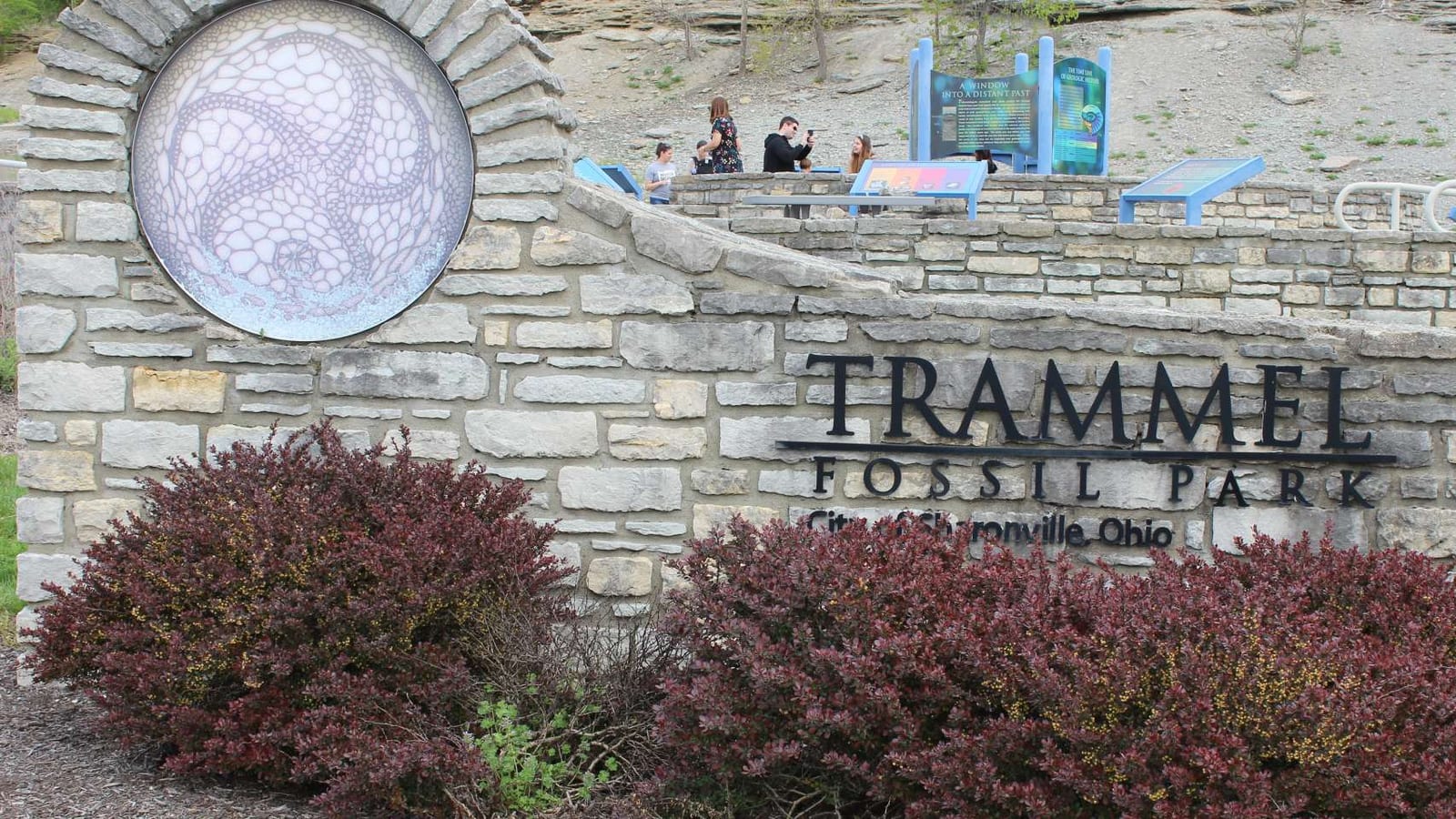
Pay-to-dig sites work better for this age group because the fossiliferous material has been concentrated for visitors. At sites like Trammel Fossil Park in Sylvania, Ohio, a free city park with a designated fossil collecting area, the Ordovician limestone foreshore produces visible trilobites and brachiopods in eroded rock that's already on the surface. The finding is more immediate and the site is simple to navigate. The same is true at many US county fossil parks.
For UK visitors, the Charmouth Heritage Coast Centre in Dorset runs guided fossil walks that include material handled by the guide, finds are shown and discussed in a structured way that works well for young children. The physical site is a gentle beach with no complex terrain.
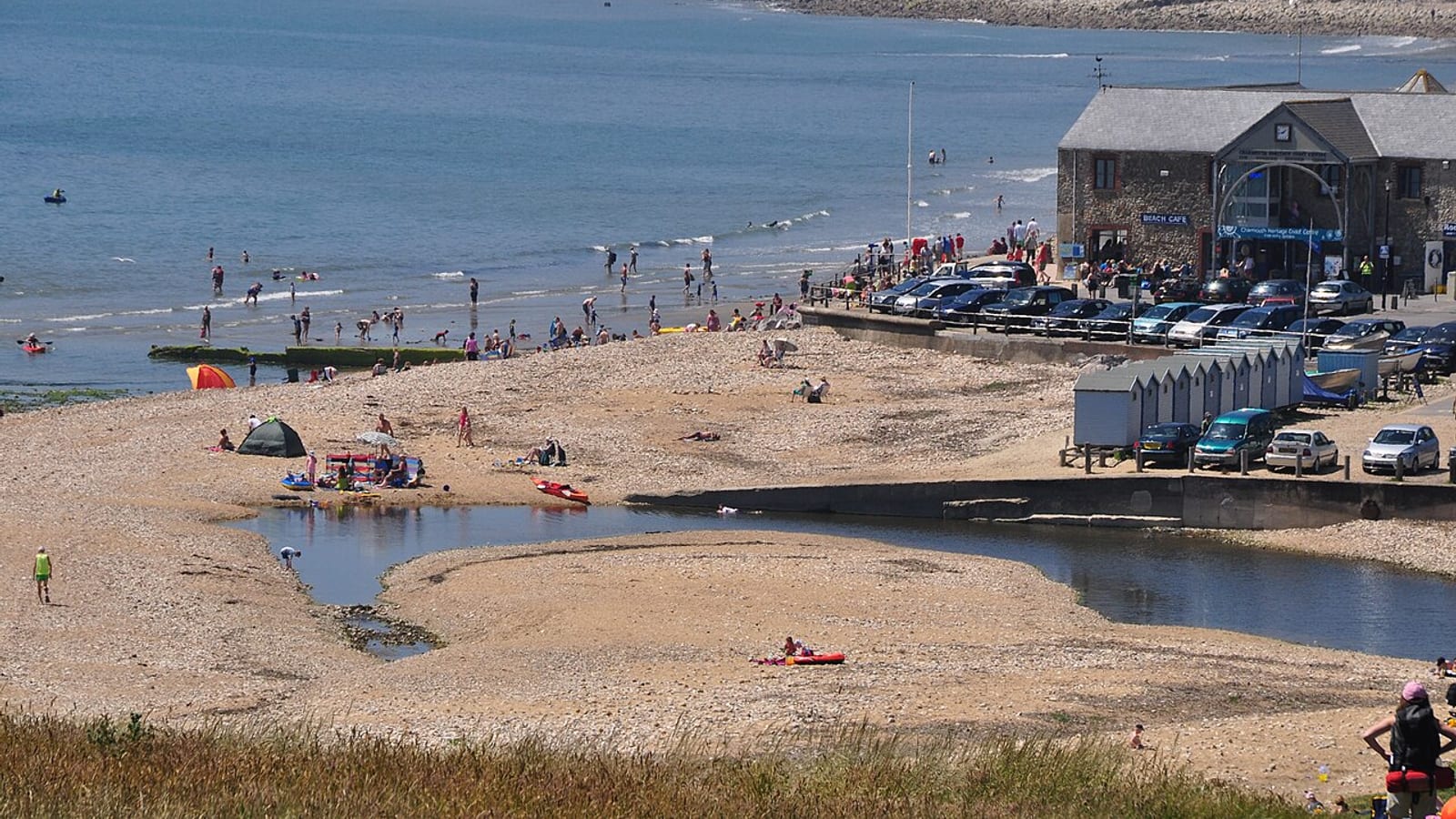
Keep visits short for this age group: 1–2 hours is the realistic maximum before attention and energy drop together.
Ages 6–10: the natural window
This age range is where fossil hunting as a deliberately planned activity pays off most reliably. Children aged 6–10 can:
- Understand a basic explanation of what fossils are and how old they are
- Use a hand lens to examine surface detail
- Participate in systematic searching across a foreshore section
- Distinguish between a rock, a piece of shell, and an actual fossil with guidance
- Handle finds carefully with instruction
- Stay engaged for 2–3 hours at a productive site
The geological setting at sites like Caesar Creek State Park, Ohio, makes the activity intellectually engaging for this age group in a way it isn't for younger children. The trilobites and brachiopods are recognizable as once-living creatures. The scale of time ("450 million years ago, this was a tropical sea") lands differently for a 9-year-old than it does for a 4-year-old.
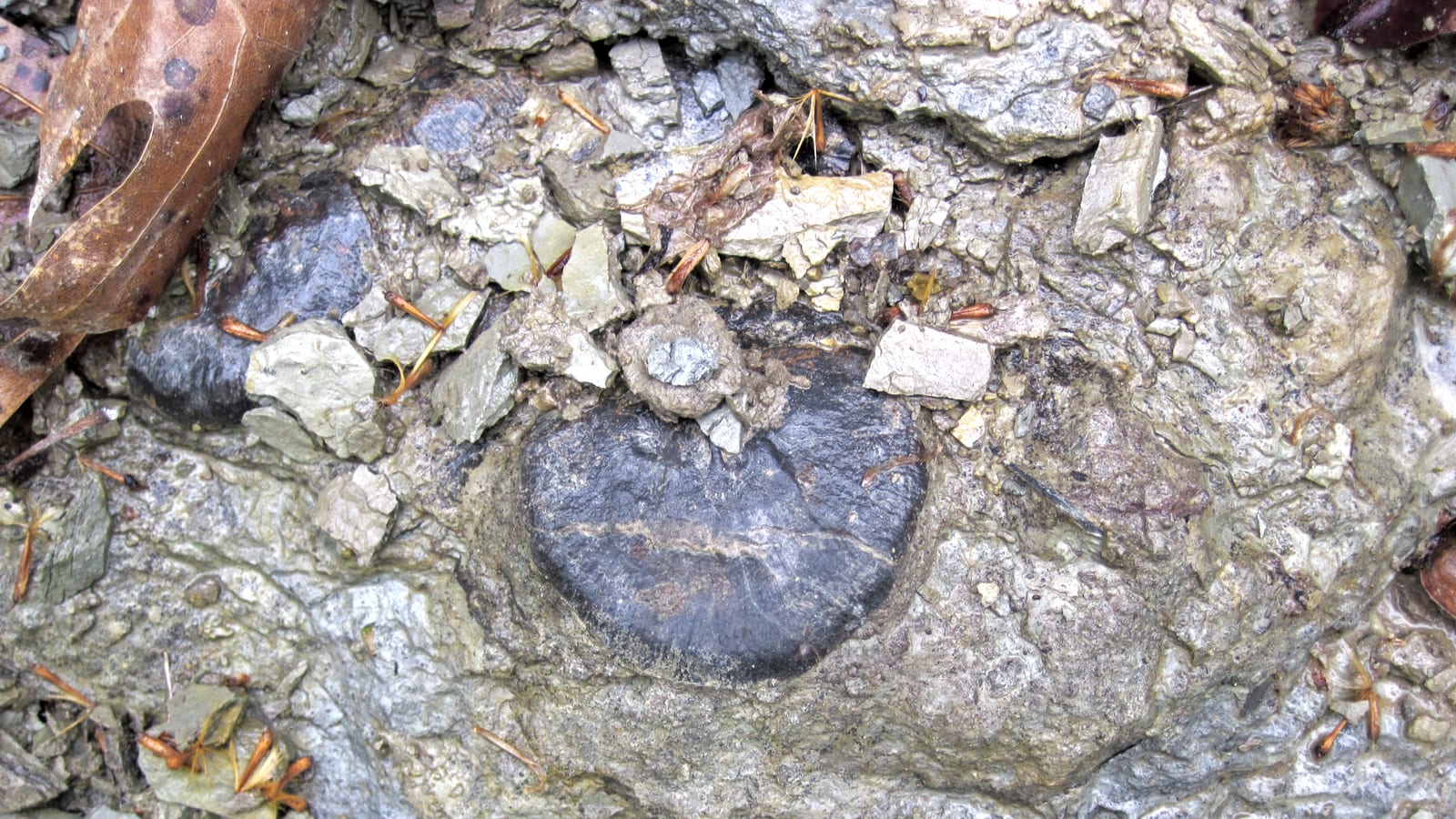
UK Jurassic Coast sites in this season produce ammonites, belemnites, and bivalves accessible to this age group without any specialist equipment. A visit timed to a low spring tide at Charmouth or Robin Hood's Bay gives the family 2–3 productive hours with good odds of finds.
Ages 10 and up: independent participation
Children of 10 and above can function essentially as adult collectors with appropriate supervision and instruction. They can handle geological hammers and cold chisels with safety glasses at appropriate sites, understand the distinction between surface collecting and excavation (and why the latter requires permission), and take on the patience required for more challenging sites.
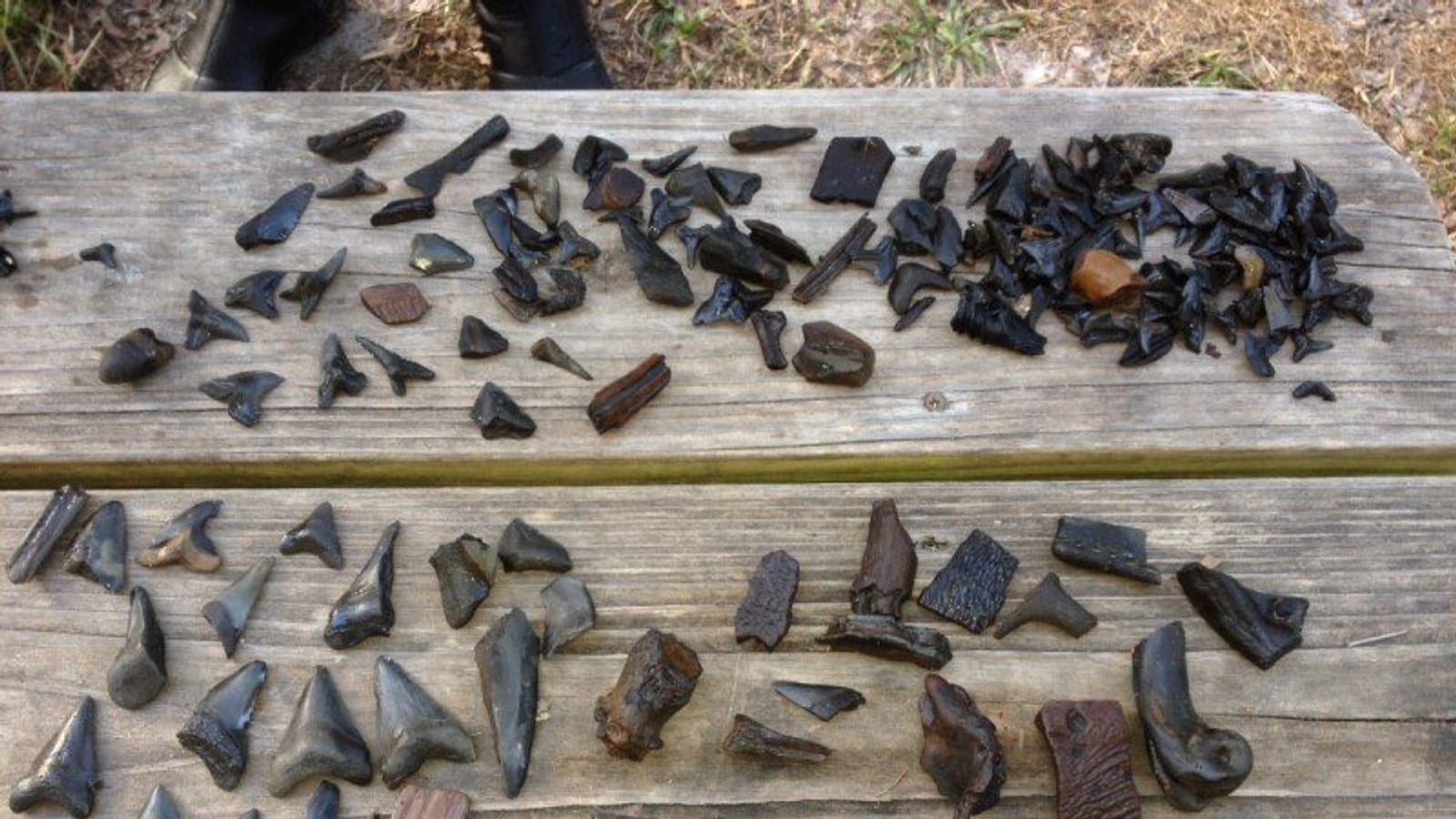
At this age, more demanding sites become feasible: quarry operations in Germany's Altmühltal region where visitors split limestone plates, river wading at Florida's Peace River for shark teeth, and the more remote BLM sites in the western US. The UK sites that require longer coastal walks, Abereiddy Bay in Pembrokeshire, or some of the Isle of Wight dinosaur sites, become practical.
The interest often develops naturally at this age into a reading habit around palaeontology, geological maps, and identification guides, which parents can support with inexpensive field guides specific to the regions the family visits.
What actually limits the age at which it works
The real constraints are:
Terrain. Wet foreshore rock, loose shale slopes, and boulder fields are physically challenging regardless of age. Sites with smooth, relatively level foreshore (Venice Beach, Caesar Creek) work for younger children and those with mobility considerations. Cliff-base collecting at exposed Yorkshire coast sites or Pembrokeshire headlands requires confidence on uneven ground.
Tide timing. Productive low-tide windows in summer may be at 6am or 7am, practical for adults, challenging for families with young children. A neap tide mid-morning is more family-friendly than a spring tide at dawn, even if the spring tide exposes more material.
Weather. UK coastal sites in winter are often the most productive (see the seasonal guide), but a cold, wet November beach visit is not appropriate for young children. Summer is the practical season for families.
Expectations. The single most important preparation is being honest with children about what they're likely to find: fragments and common species on a typical visit, not dinosaurs or megalodon teeth. Sites with near-certain finds (pay-to-dig, fossil parks) are better first experiences than sites that require experience and conditions to be productive.
Where to go next
The fossil hunting with kids guide on GFH lists the eight most family-accessible sites across the UK and US, chosen specifically for terrain, access, and reliability of finds. The beginners guide covers the basic equipment that applies to any first trip, regardless of the collector's age.
Frequently asked questions
- What age can children start fossil hunting?
- There is no minimum age. Children under 5 do best at pay-to-dig or fossil park sites where fossil-bearing material is concentrated and finding is more immediate. Ages 6–10 are the sweet spot for systematic foreshore searching — children in this range can use a hand lens, understand basic geology, and stay engaged for 2–3 hours. Children of 10 and above can handle more demanding terrain, use geological hammers safely with supervision, and participate as near-independent collectors.
- What is the best fossil site for children?
- For UK families, Charmouth in Dorset is the standard recommendation: flat accessible foreshore, the Charmouth Heritage Coast Centre on site for identification help, and Jurassic sediments that reliably produce belemnites and ammonites. In the US, Caesar Creek State Park in Ohio (free entry, Ordovician trilobites and brachiopods on most visits) and Venice Beach in Florida (shark teeth, easy flat beach terrain) are the most reliably productive and family-accessible sites. Both Ohio sites are free to enter and specifically permit collecting.
- Is fossil hunting safe for children?
- Yes, with appropriate supervision and the right site. Smooth, relatively level foreshore sites such as Charmouth, Venice Beach, and Caesar Creek State Park are safe for young children. Rocky foreshore with tidal pools and cliff-base collecting at exposed headland sites require supervision and good footwear for any age. Check tide times before coastal visits and plan to leave the foreshore at least 30 minutes before the tide returns to your collecting area. Keep young children well back from cliff faces at all times.