Family Fossil Hunting Guide
8 Best Fossil Hunting Sites for Kids and Families
Every site in this guide lets children find and keep real fossils without a permit. The eight locations span the UK and US, cover four different fossil types, and range from English Jurassic beaches to Ohio limestone quarry parks. Terrain varies from gentle sand to rocky foreshore, so there is a practical option for most family situations. Each site was chosen because it produces consistent finds for first-time collectors, not just experienced adults.
8 fossil sites
Updated 26 September 2026
Why kids make good fossil hunters
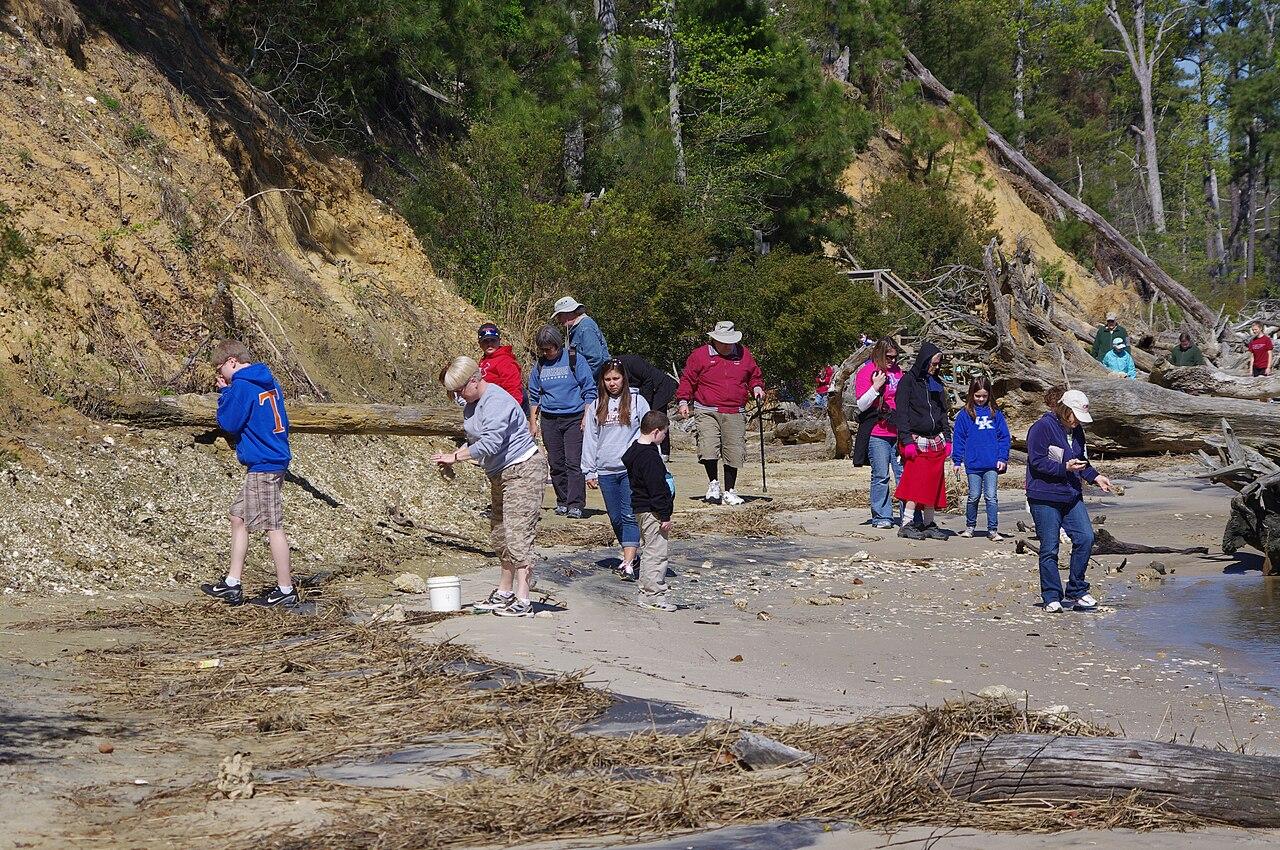
Children have two practical advantages over adults at most fossil sites. They are closer to the ground, which means less bending to examine foreshore scree or limestone surfaces, and they tend to scan slowly and methodically in a way that adults find tedious but that produces results. At beach sites like Charmouth or Venice, the technique is to walk slowly through the swash zone or across the foreshore scree and look for shapes that break the pattern of the surrounding rock or sand. Ammonites have a distinctive coiled outline. Shark teeth are triangular and dark. Brachiopods have symmetrical ribbed shells that stand out from shapeless pebbles. A child who learns what one looks like will find the next one faster than any adult who has not done it before. At rock-surface sites like Caesar Creek, the approach is different: crouch close to the exposed limestone and look for raised outlines or textures that differ from the plain rock surface, since fossils often weather slightly proud of the surrounding matrix.
Practical preparation makes a significant difference to a family visit. At UK beach sites, check the tide table before you go and plan to arrive as the tide is falling so you have the maximum time on the exposed foreshore. UK coastal weather changes quickly, so bring waterproof layers regardless of the forecast. A 10x hand lens is worth carrying for any child old enough to use one, because it turns a small belemnite or shark tooth from a brown fragment into something with visible structure and texture. Wrap finds in tissue paper or place them in separate zip-lock bags to prevent them from knocking together on the way home, since freshly collected fossils from clay are sometimes softer than they look and can crack in transit. Do not chip at cliff faces at any site in this guide. The cliffs at all UK sites are either legally protected or actively dangerous, and the material on the foreshore is consistently better quality than anything that can be extracted from the rock above.
- 1
Charmouth Fossil Hunting Guide
Charmouth
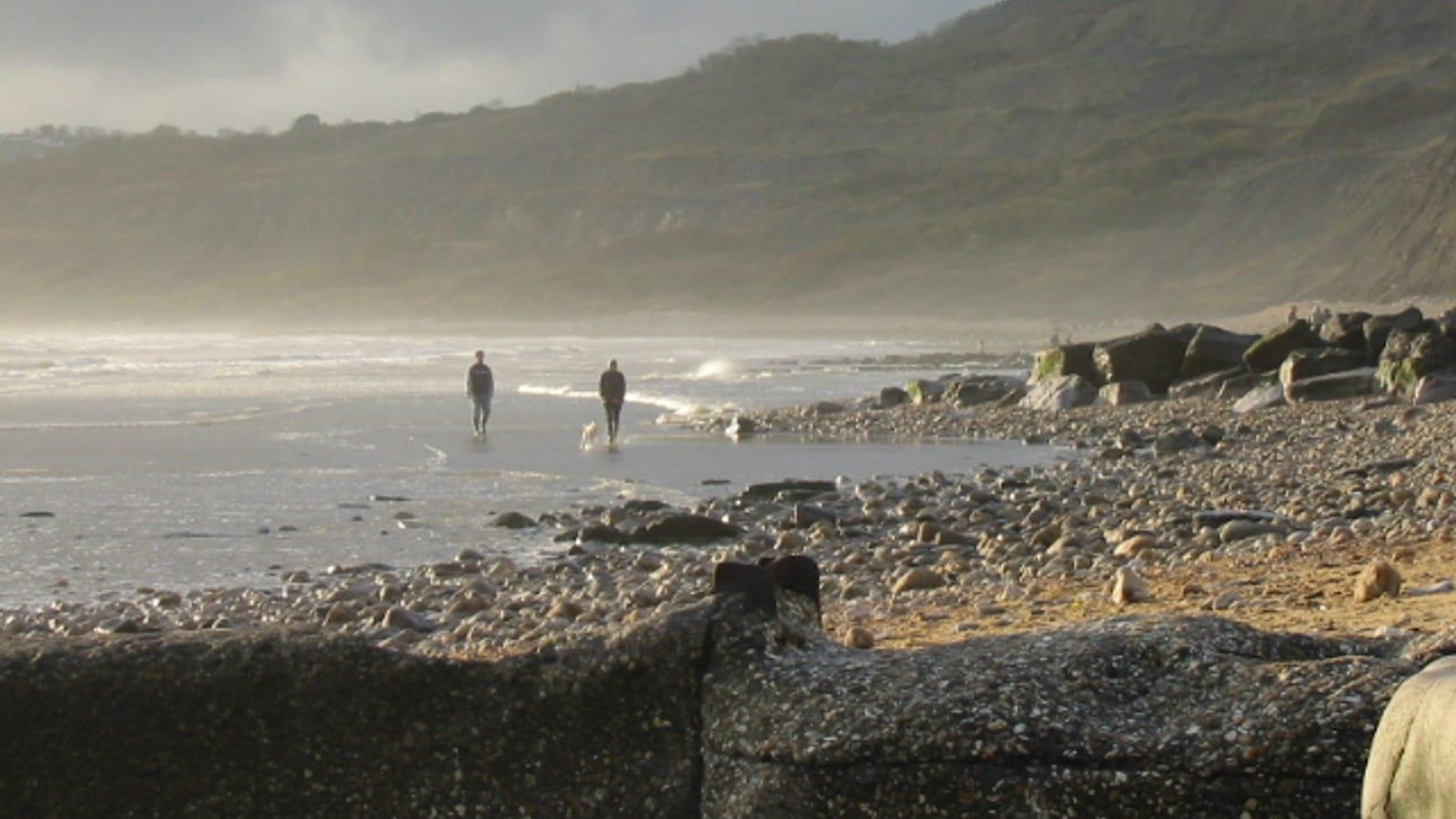
Free collectingAmmonitesBelemnitesBivalvesCharmouth is the most reliable beginner beach for fossil hunting in England. After winter storms, the Blue Lias and Charmouth Mudstone cliffs shed ammonites and belemnites onto the foreshore scree, where children can pick them up without any tools. The Charmouth Heritage Coast Centre offers free fossil identification year-round, which turns a find into a learning moment on the spot. Collecting is free, no permit is required, and you visit at low tide when the foreshore is widest. No hammering is needed or permitted on the cliff face.
Read the full guide → - 2
Whitby Yorkshire Fossil Hunting Guide
United Kingdom
Free collectingAmmonitesBelemnitesDinosaur FootprintsWhitby's foreshore below the East Cliff produces ammonites in the alum shale scree, some of them large enough to fill a dinner plate. The same beds yield Whitby jet, which is fossilised araucarian wood that has been worked into jewellery in the town for centuries, making it easy to explain to children that fossils are not only bones. The walk from the harbour to the productive scree is short and safe on a calm day. The geology here dates to the early Jurassic, approximately 185 million years ago.
Read the full guide → - 3
Kimmeridge Bay Fossil Hunting Guide
Wareham
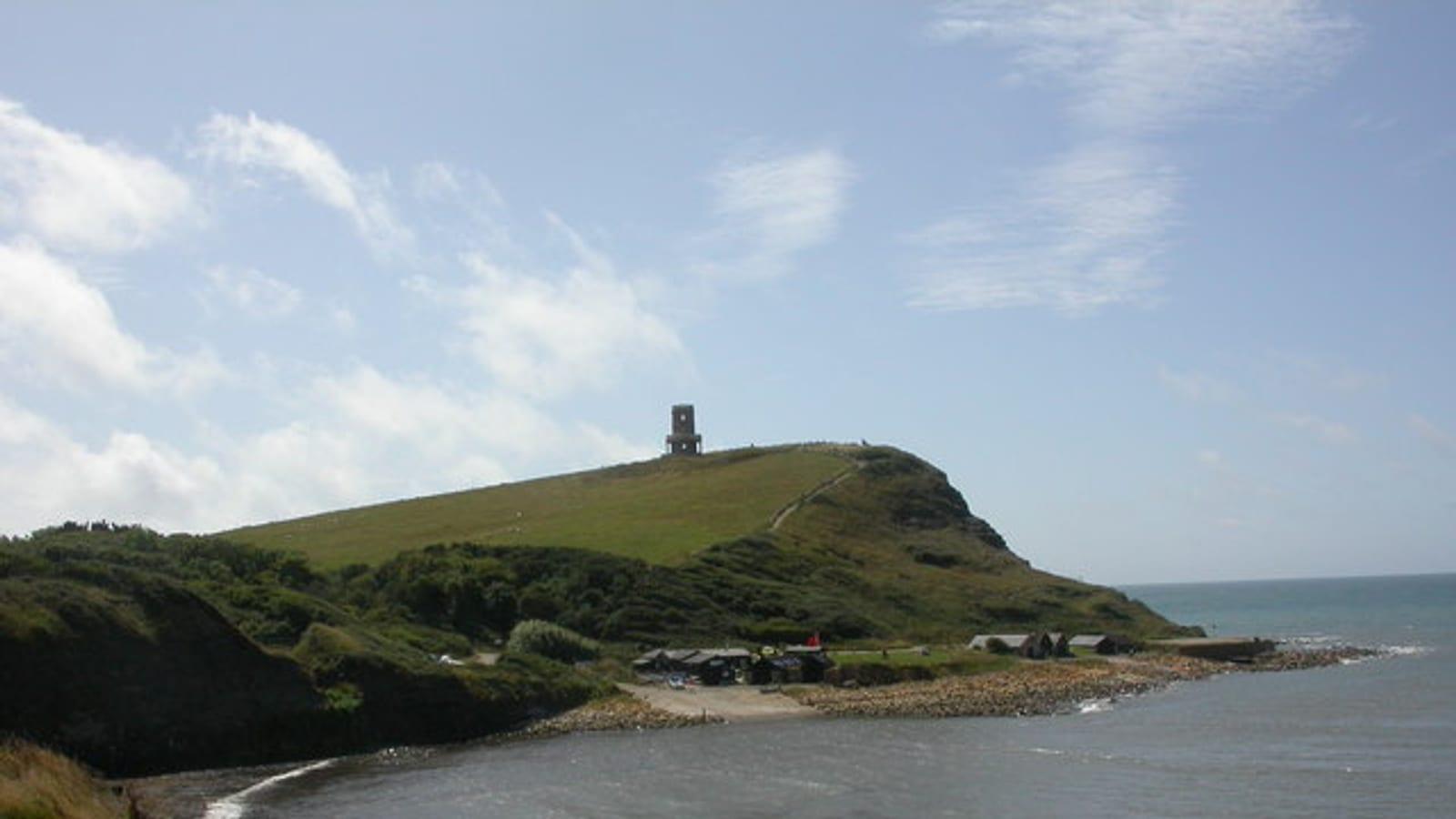
Free collectingAmmonitesBelemnitesBivalvesKimmeridge Bay exposes the type section of the Kimmeridgian Stage, and the foreshore ledges and scree produce ammonites, belemnites, and fish material from the Kimmeridge Clay. The nearby Etches Collection Museum at Kimmeridge displays the extensive fauna from these beds and gives children a clear picture of what they might find before they walk onto the beach. Tides run strongly at Kimmeridge; always check the local tide table before visiting and do not approach the base of the cliffs.
Read the full guide → - 4
West Runton Fossil Hunting Guide
West Runton
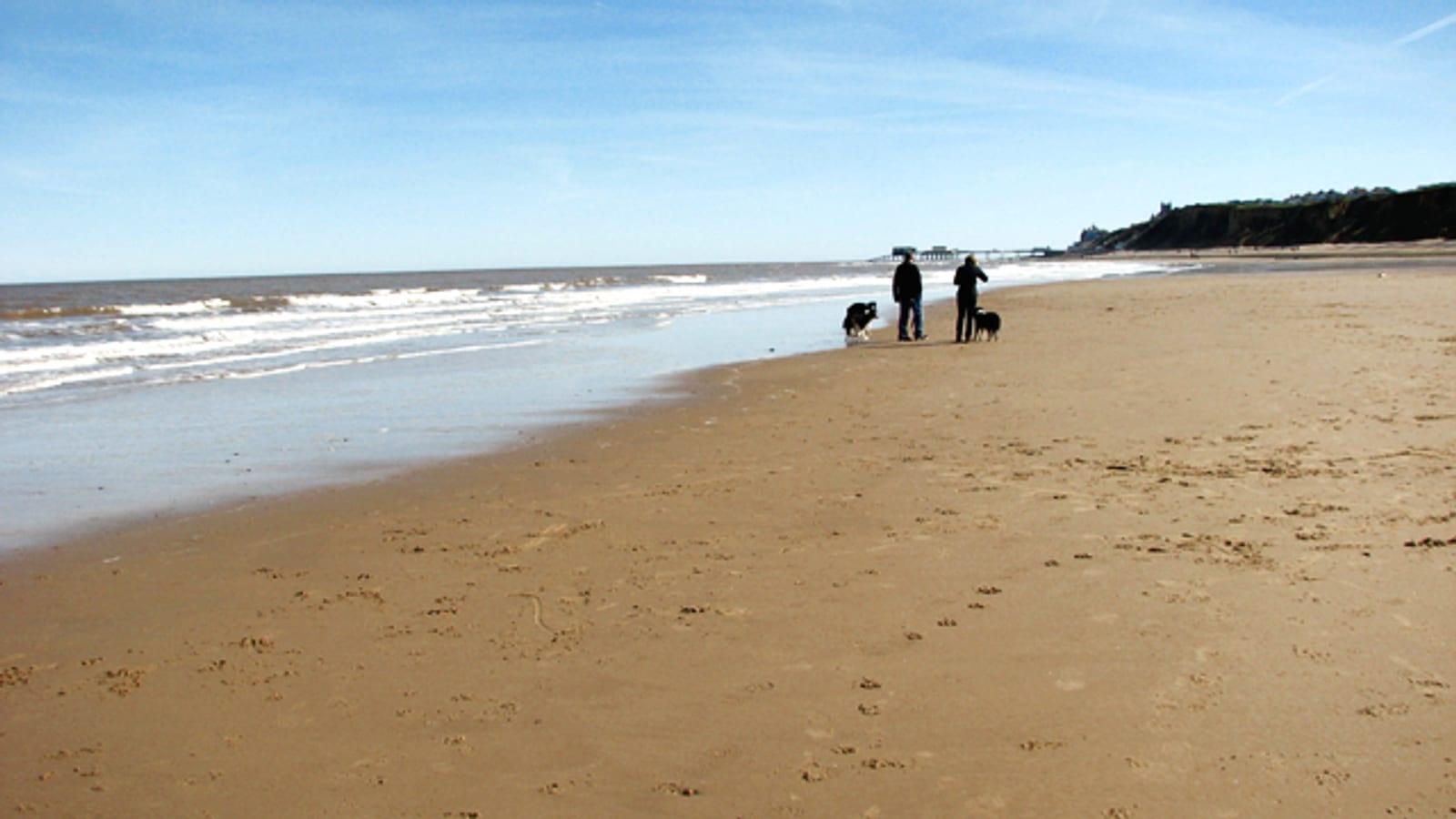
Free collectingMammal remainsFreshwater shellsPlant materialWest Runton's foreshore is unlike any other site in England. The West Runton Freshwater Bed, exposed at low water, is the richest Ice Age mammal site in Britain, and mammoth molars, woolly rhinoceros teeth, and horse bones erode regularly onto the beach. Children are permitted to collect loose material from the foreshore, and the finds are genuinely unusual: Ice Age rather than marine, and far younger geologically than the Jurassic sites on the Dorset coast. This site works best on a falling tide on a calm day in autumn or winter.
Read the full guide → - 5
Venice Beach Fossil Hunting Guide
Florida, United States
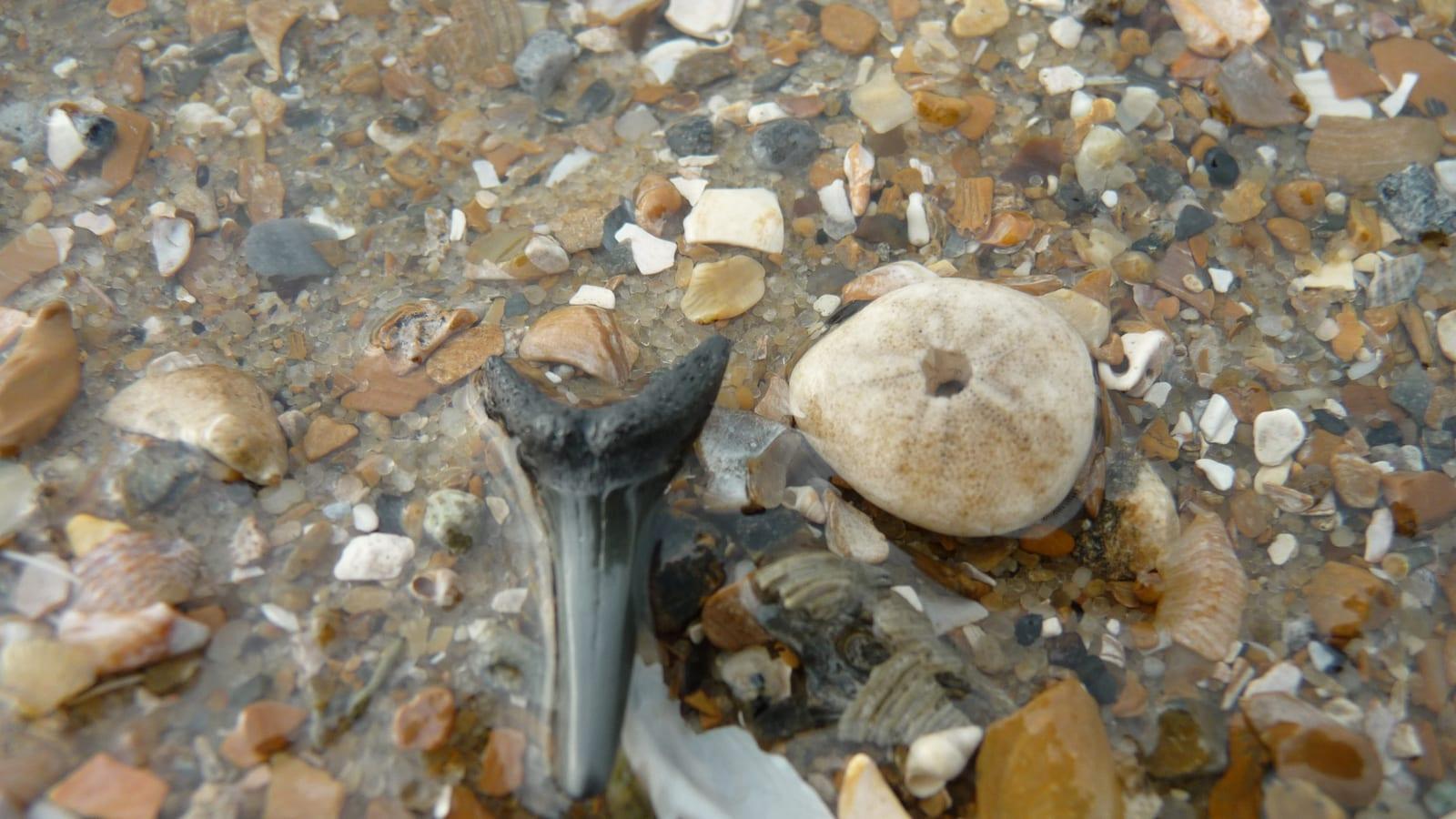
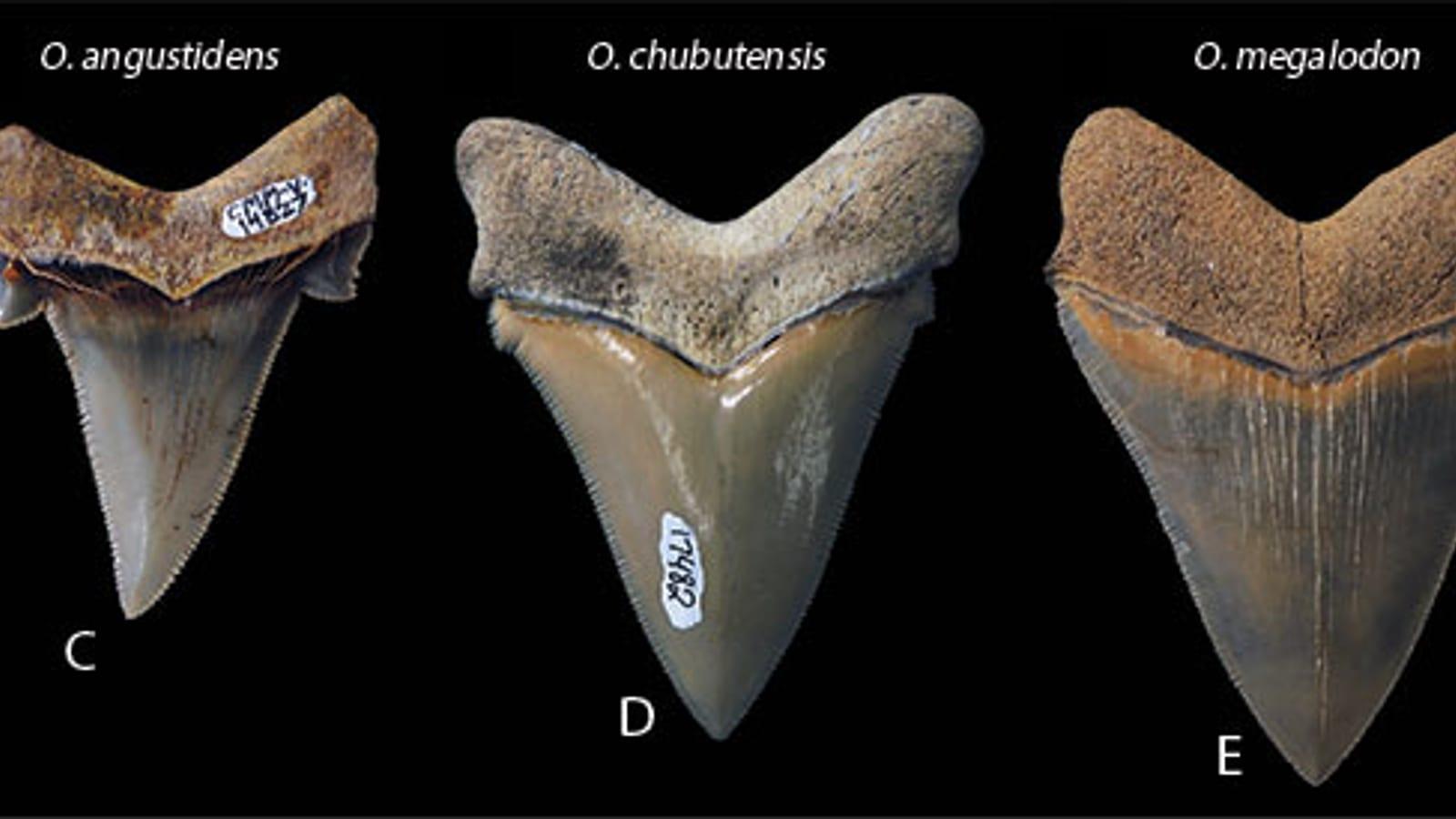
Free collectingShark TeethMegalodonRay TeethVenice Beach in Florida produces more shark teeth per square metre of public beach than almost any other site in the United States. The teeth wash ashore from Miocene phosphate deposits offshore, and after storms the concentrations in the swash zone can be striking. Multiple species are represented, from small carcharhind teeth that fit on a fingernail to occasional megalodon fragments. No permit is needed, no tools are required, and children can wade in the shallow surf and collect by hand. The best conditions follow overnight storms that stir the bottom and move material shoreward.
Read the full guide → - 6
Caesar Creek State Park Fossil Hunting Guide
Ohio, United States
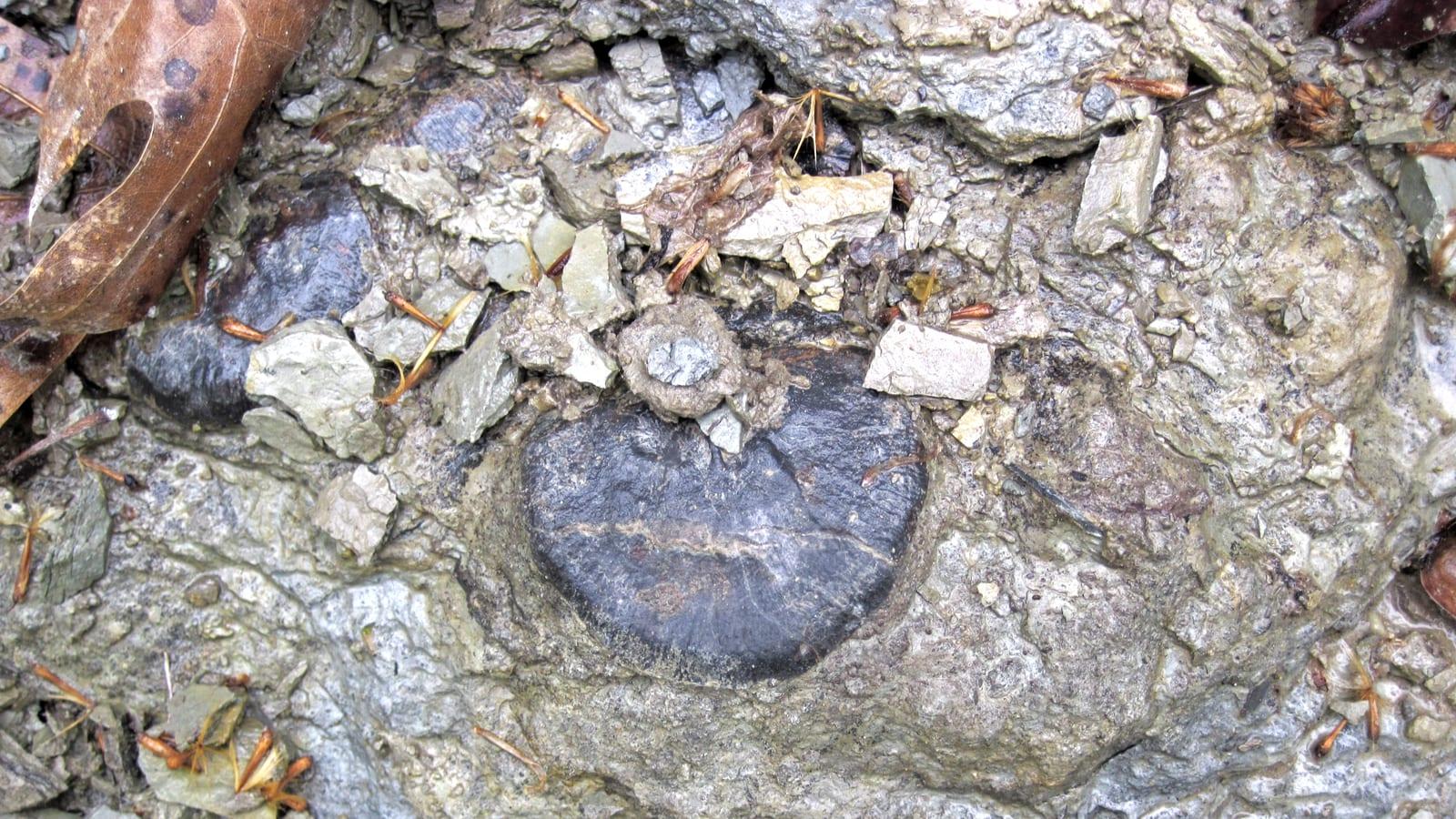
Permit requiredTrilobitesBrachiopodsCrinoidsCaesar Creek's spillway below the Army Corps of Engineers dam is actively managed for public fossil collecting, which makes it unusual among state park sites in the US. The Ordovician limestone exposed below the dam produces trilobites, brachiopods, and bryozoans at the surface, and the best conditions come after the Corps releases water or after significant rainfall scours the rock clean. No permit is required, the site is free to enter, and the exposed limestone slabs are easy to examine without special tools. Children find brachiopods and crinoid segments reliably on most visits.
Read the full guide → - 7
Fossil Park Sylvania Fossil Hunting Guide
Ohio, United States
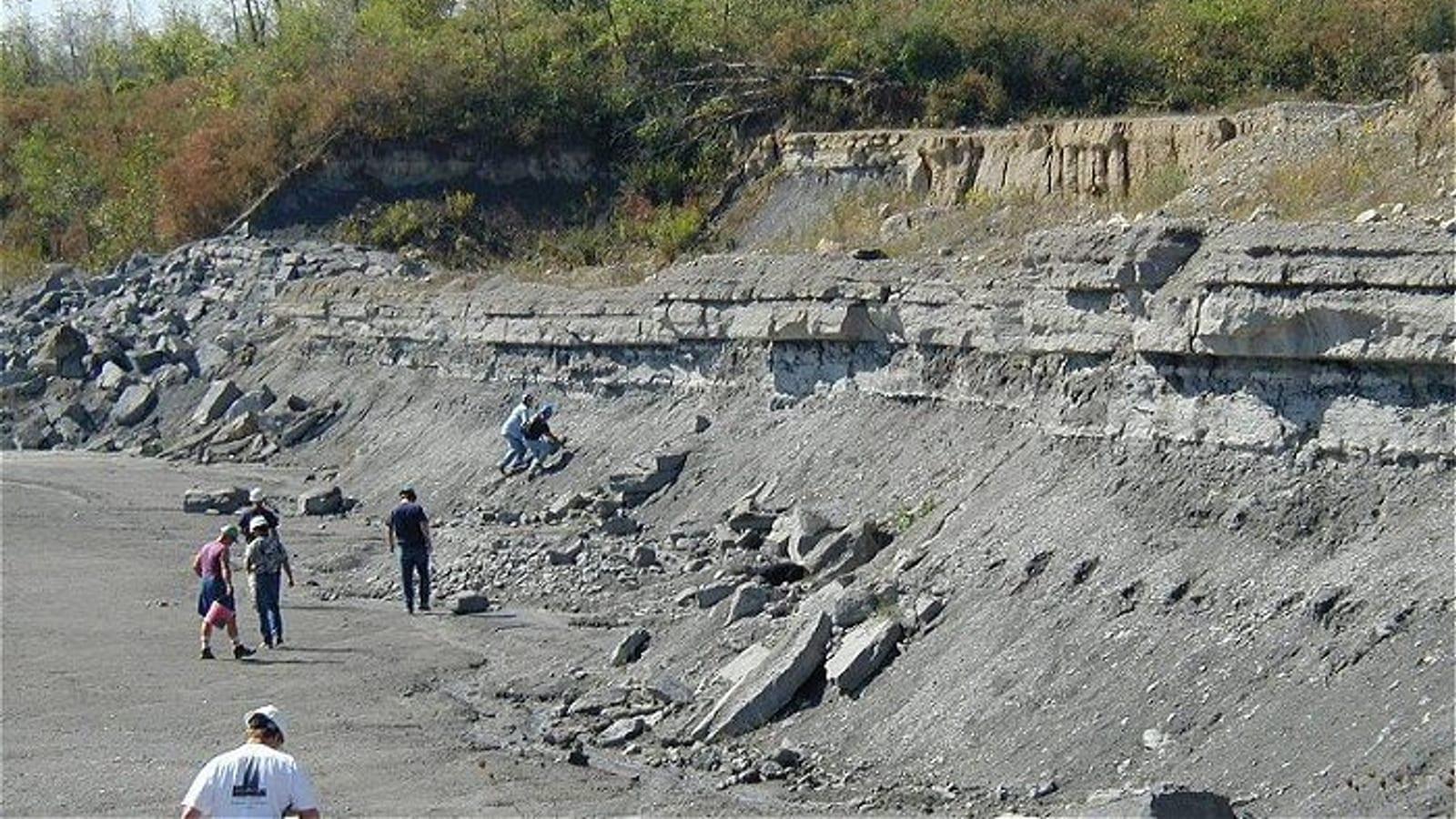
Free collectingTrilobitesBrachiopodsCrinoidsFossil Park in Sylvania is a former limestone quarry that Lucas County converted specifically into a public fossil collecting park. The exposed Devonian reef material here differs from the Ordovician beds further south in Ohio: tabulate corals, stromatoporoids, and brachiopods from a Middle Devonian reef system that formed roughly 375 million years ago. The site is small and the exposures are concentrated, which makes it practical for families with limited time. Interpretive signage identifies the major fossil types, so children can match what they find to a named organism on the board.
Read the full guide → - 8
Calvert Cliffs Fossil Hunting Guide
Maryland, United States
Free collectingShark TeethBivalvesGastropodsCalvert Cliffs State Park in Maryland exposes Miocene marine sediments that have been eroding shark teeth, whale vertebrae, and ray crushing plates onto the beach for decades. The cliffs themselves are protected and may not be touched, but collecting from beach scree is permitted. More than 15 species of shark are represented in the fossil record here, and children regularly find teeth from Carcharhinus, Hemipristis, and other Miocene species. The park charges a day-use fee and the walk from the parking area to the beach is roughly 1.8 miles each way, so plan for a half-day trip.
Read the full guide →
Frequently asked questions
- What age is fossil hunting suitable for?
- Children as young as four or five can participate productively at sites where fossils wash up on the beach, such as Venice Beach in Florida or Charmouth in Dorset, where no tools or physical effort are needed. Sites that require reading a limestone surface carefully, such as Caesar Creek or Fossil Park in Ohio, suit children aged seven and up, who have the patience to scan slowly. Calvert Cliffs in Maryland involves a roughly 3.6-mile round trip walk, which makes it more appropriate for children aged eight or older with good trail stamina. At any age, an adult should supervise closely near cliffs and tidal water.
- Do kids need any equipment to go fossil hunting?
- For beach sites, no specialist equipment is needed at all. A small drawstring bag or zip-lock bags for finds, tissue paper to wrap delicate specimens, and closed-toe shoes are sufficient. A 10x hand lens helps children see surface detail on ammonites and shark teeth and costs under ten dollars. For rock-surface sites like Caesar Creek, a soft brush to dust off limestone slabs is useful. Leave hammers and chisels at home: none of the sites in this guide require them, and several prohibit them.
- Can children keep the fossils they find?
- Yes at all eight sites in this guide. Each site either explicitly permits surface collecting or is managed specifically for public fossil collection. The rule at every site is the same: collect only from loose material on the beach or exposed rock surface, and do not hammer or chip the cliff face or bedrock. At Calvert Cliffs in Maryland, collecting is restricted to beach scree below the cliffs. At Charmouth and Kimmeridge in Dorset, collecting is free and permitted below the high-tide mark. Significant vertebrate fossils found in England should be reported to the local heritage coast centre for recording before being taken home.
- Which is the best fossil hunting site for a first trip with kids?
- For UK families, Charmouth in Dorset is the clearest first choice. The Heritage Coast Centre provides free expert identification on the day, the beach is safe and well-managed, and the foreshore scree reliably produces ammonites and belemnites without any tools. For US families, Venice Beach in Florida is the equivalent: the shark teeth require no digging, the beach is public and free to access, and children can fill a bag in an hour of easy searching in the surf zone. Both sites reward a morning visit timed to start on a falling tide.
- What fossils are kids most likely to find?
- At UK beach sites, ammonites and belemnites are the most consistent finds. Charmouth and Whitby both produce them regularly from foreshore scree, with ammonites ranging from pea-sized to hand-sized depending on conditions. At Venice Beach and Calvert Cliffs, shark teeth are the primary find: small, dark, and numerous after storms. In Ohio, Caesar Creek and Fossil Park produce brachiopods and crinoid segments reliably, with trilobites possible but less common. West Runton is the exception: the most likely finds there are fragments of Ice Age mammal bone and occasional teeth, which are unusual by any measure.