value
What Fossils Are Worth the Most Money?
By Edward Chen · Updated 31 July 2026
The most valuable fossils in the world are complete, scientifically significant vertebrate skeletons sold at major auction. Stan, a T. rex skull, sold for $31.8 million at Christie's in 2020. Sue, the most complete T. rex ever found, was purchased by the Field Museum of Natural History in Chicago for $7.6 million in 1997. These figures are outliers. For most collectors, the question is what their finds are realistically worth on the open market.
Value in fossil collecting is driven by four factors: completeness, rarity, preparation quality, and provenance. A specimen ticks all four boxes only occasionally.
The most valuable accessible fossil types
Megalodon teeth are the most consistently valuable fossils that a recreational collector can realistically find. A complete tooth over five inches with intact serrations and enamel sells for $500–$5,000, depending on the site and condition. Exceptional examples with collector provenance from named localities have sold for more. Venice Beach and Peace River in Florida are the most productive public sites for megalodon material in the US.
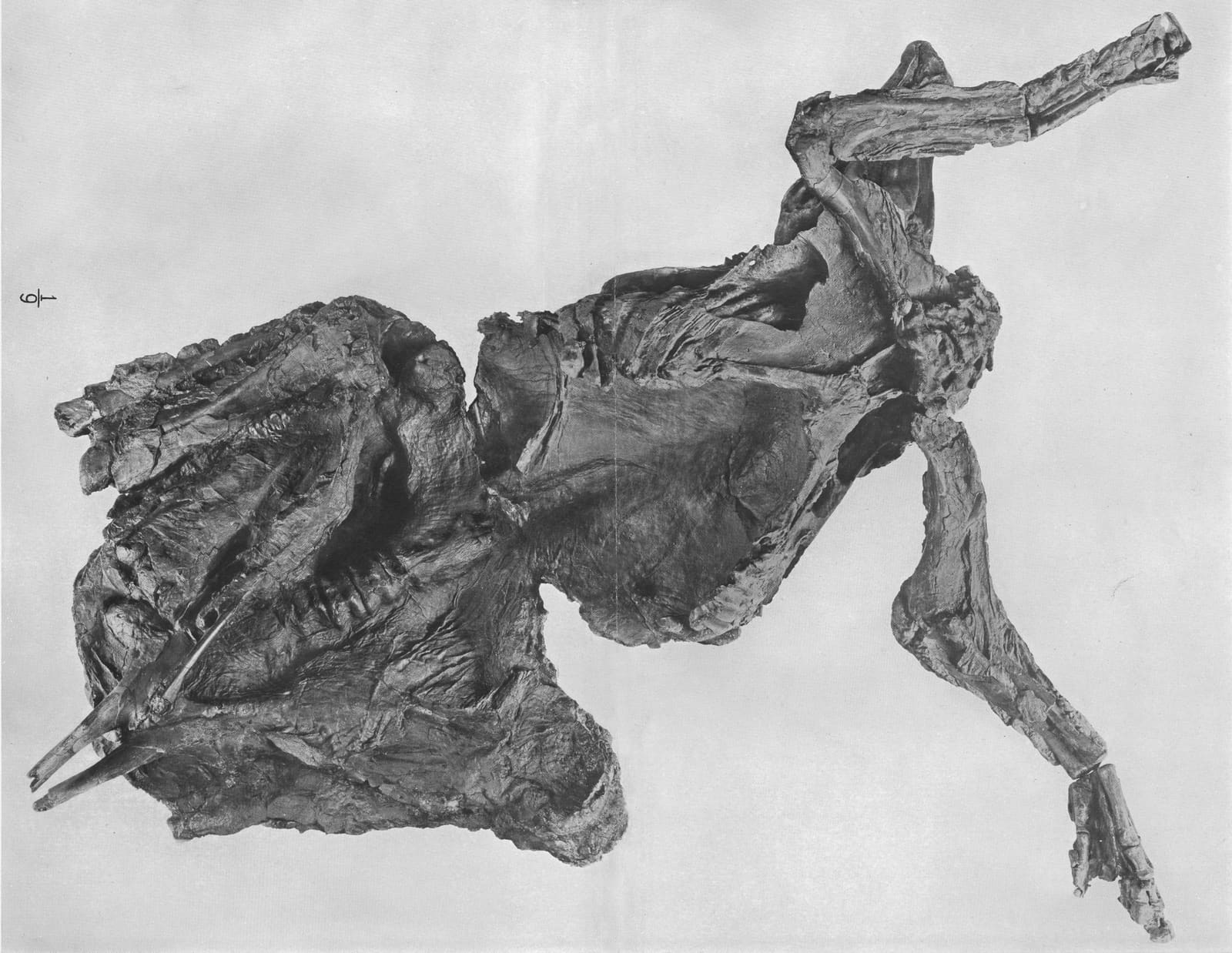
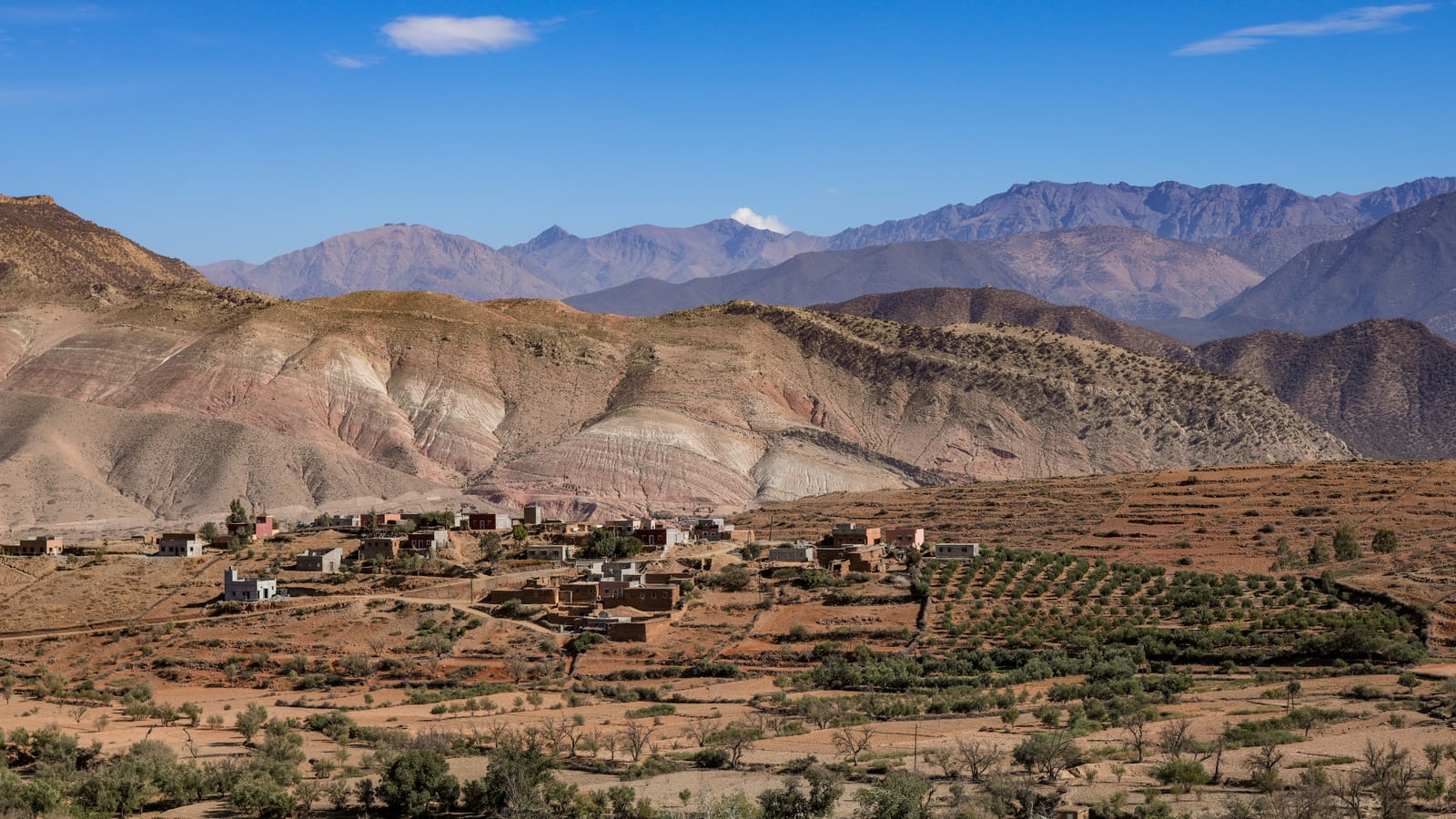
Complete marine reptile specimens, mosasaur skulls, ichthyosaur slabs, command $5,000–$100,000 or more at specialist dealers. Most of this material comes from Morocco (Kem Kem beds) or the UK Jurassic Coast, where preparators have built a trade around commercially prepared specimens.
Trilobites with exceptional preservation, particularly species with eyes or appendages intact, are the top end of invertebrate fossils. A complete Walliserops trifurcatus from Morocco with intact trident appendage retails for $2,000–$10,000. The same species with a common preservation sells for $200–$500.
What makes a specimen worth more
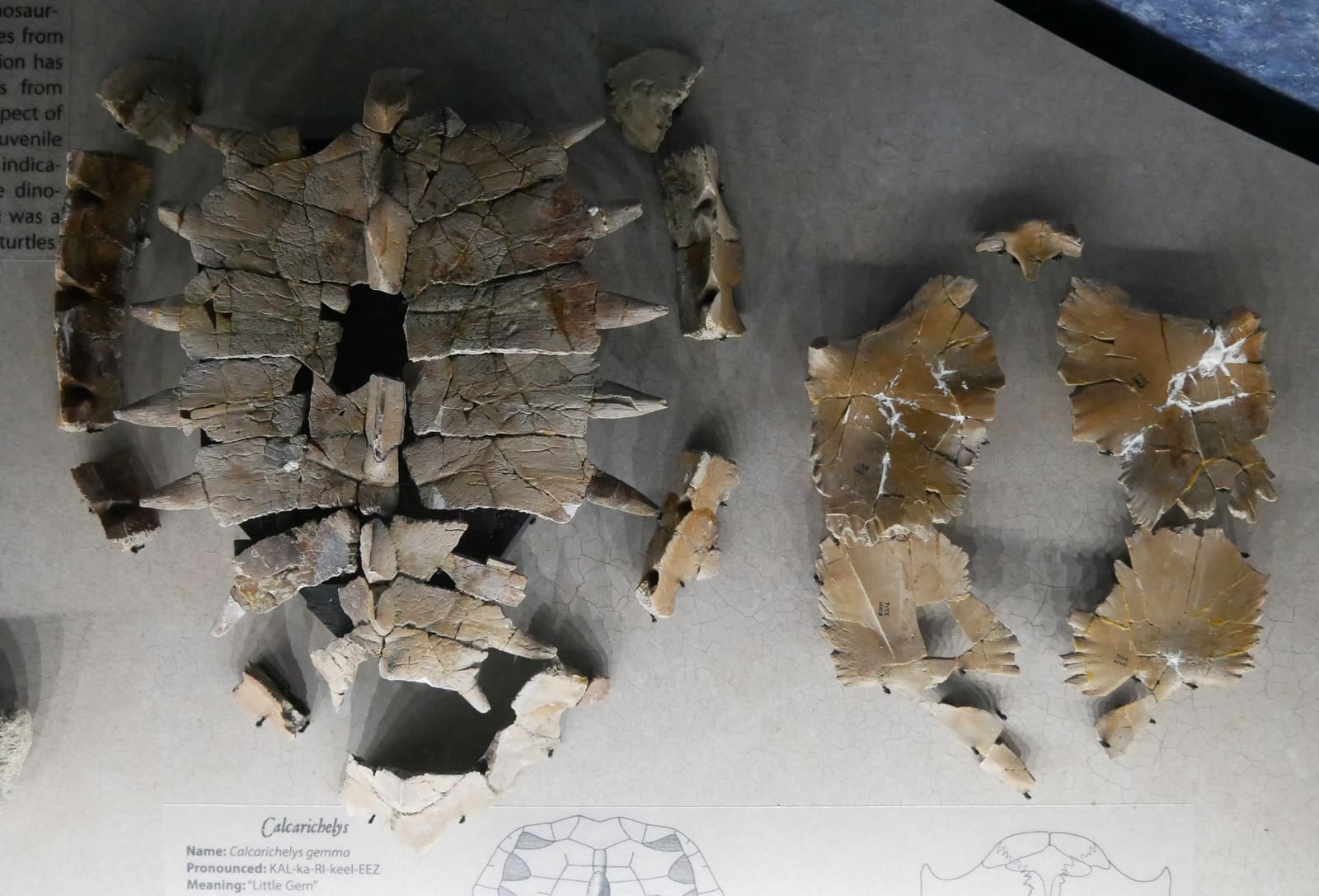
Completeness is the primary value driver. A 60% complete skeleton is not worth 60% of what a 100% complete skeleton is worth, it's worth substantially less, because the missing 40% requires either reconstruction or leaves the specimen scientifically compromised. A complete Elrathia kingii trilobite from Utah, a very common species, sells for $5–$20. A complete specimen of the same species with perfect preservation and visible genal spines sells for $30–$80.
Preparation quality determines whether the anatomical detail that drives value is actually visible. A megalodon tooth covered in matrix matrix is worth far less than a clean, polished example. Professional preparation by experienced fossil preparators can add 3–10× the unprocessed value, which is why preparation is itself a skilled commercial trade.
Where fossils actually sell
The main market channels are:
eBay remains the largest volume marketplace for fossils under $500. Seller ratings and detailed photographs matter significantly. Buyers are rightly cautious about restoration and misidentification.
Heritage Auctions holds dedicated natural history and fossil sales multiple times per year. Their past sale results are publicly searchable and provide the most reliable pricing reference for higher-value specimens.
Specialist dealers, Trilobite Enterprises, Evolution Store, Natural History Direct, buy and sell at fixed prices. Selling to a dealer typically returns 30–50% of retail value, which reflects their preparation costs, overhead, and risk.
Fossil shows, particularly the Tucson Gem and Mineral Show held annually in February, are where significant collector-to-collector and collector-to-dealer transactions occur outside auction.
Amber and exceptional preservation
Amber-preserved insects occupy a separate market from mineralized fossils. Dominican Republic amber from Miocene deposits (roughly 15–20 million years old) containing well-preserved insects, beetles, ants, flies, sells for $50–$500 for common inclusions. Baltic amber from Eocene deposits (roughly 44 million years old) with arthropod inclusions commands similar prices. The outliers are amber pieces with vertebrate material: Burmese amber from Myanmar (approximately 99 million years old, Cretaceous) containing feathers, lizards, or snake material has sold for $5,000–$50,000 at specialist auction. The Burmese amber trade is complicated by ongoing ethical and export concerns that affect market liquidity for new material.
What the fakes problem means for buyers and sellers
A meaningful percentage of fossils sold as authentic online are partially or wholly reconstructed without disclosure, or are outright composites. The Fossil Forum's forgery documentation has catalogued specific species and regions where this problem is endemic, particularly Moroccan trilobites and Chinese fish plates. For sellers, having documented provenance, photographs from the field, site identification, formation notes, increases buyer confidence and justifies higher prices. For buyers, requiring disclosure of restoration percentage before purchase is standard practice among experienced collectors.
Where to go next
If you're looking for the types of sites where higher-value specimens are accessible, the pay-to-dig fossil parks guide covers sites where participants keep everything they find, including some of the most productive shark tooth and trilobite localities in the US. The Florida fossil hunting guide covers Peace River and Bone Valley in detail.
Frequently asked questions
- What is the most valuable fossil ever sold?
- The T. rex skeleton known as Stan sold for $31.8 million at Christie's in 2020, setting the record for the highest price ever paid for a fossil at auction. Sue, the most complete T. rex specimen ever found, sold for $7.6 million to the Field Museum of Natural History in Chicago in 1997. These are extreme outliers at the very top of the market — most commercially traded fossils sell for tens to hundreds of dollars.
- What fossils are worth the most money to collectors?
- Among material accessible to recreational collectors, megalodon teeth over five inches in excellent condition ($500–$5,000) are the most consistently valuable finds. Complete Moroccan trilobites with exceptional preservation, particularly Walliserops trifurcatus with an intact trident appendage, retail for $2,000–$10,000. Marine reptile specimens — mosasaur skulls and ichthyosaur slabs — command $5,000–$100,000 or more from specialist dealers. Completeness and preparation quality are the primary price drivers at every level.
- How do you know if a fossil is valuable?
- The four main value factors are: completeness (a 60% complete skeleton is not worth 60% of a 100% complete one — the discount is much larger), preparation quality (professionally prepared specimens can be 3–10× more valuable than unprocessed equivalents), restoration disclosure (undisclosed infill or reconstruction significantly reduces value and is considered unethical in the established dealer community), and provenance (a documented collection location, date, and formation history adds credibility and market value). Heritage Auctions' publicly searchable historical sale results are the most reliable pricing reference for significant specimens.