Country
Fossil hunting in Hungary
A volcanic ash fall sealed an Early Miocene forest floor in northern Hungary, footprints included. Ipolytarnoc preserves the tracks of dozens of vertebrate species under the tuff, and the buildings that protect them stay open through the winter.
The Lower Miocene beds at Ipolytarnoc hold both marine and terrestrial fossils. Shark teeth come from the marine part, and petrified trees, leaf impressions and the trackways from the land surface. Volcanic tuff covered the footprint-bearing sandstone and preserved it.
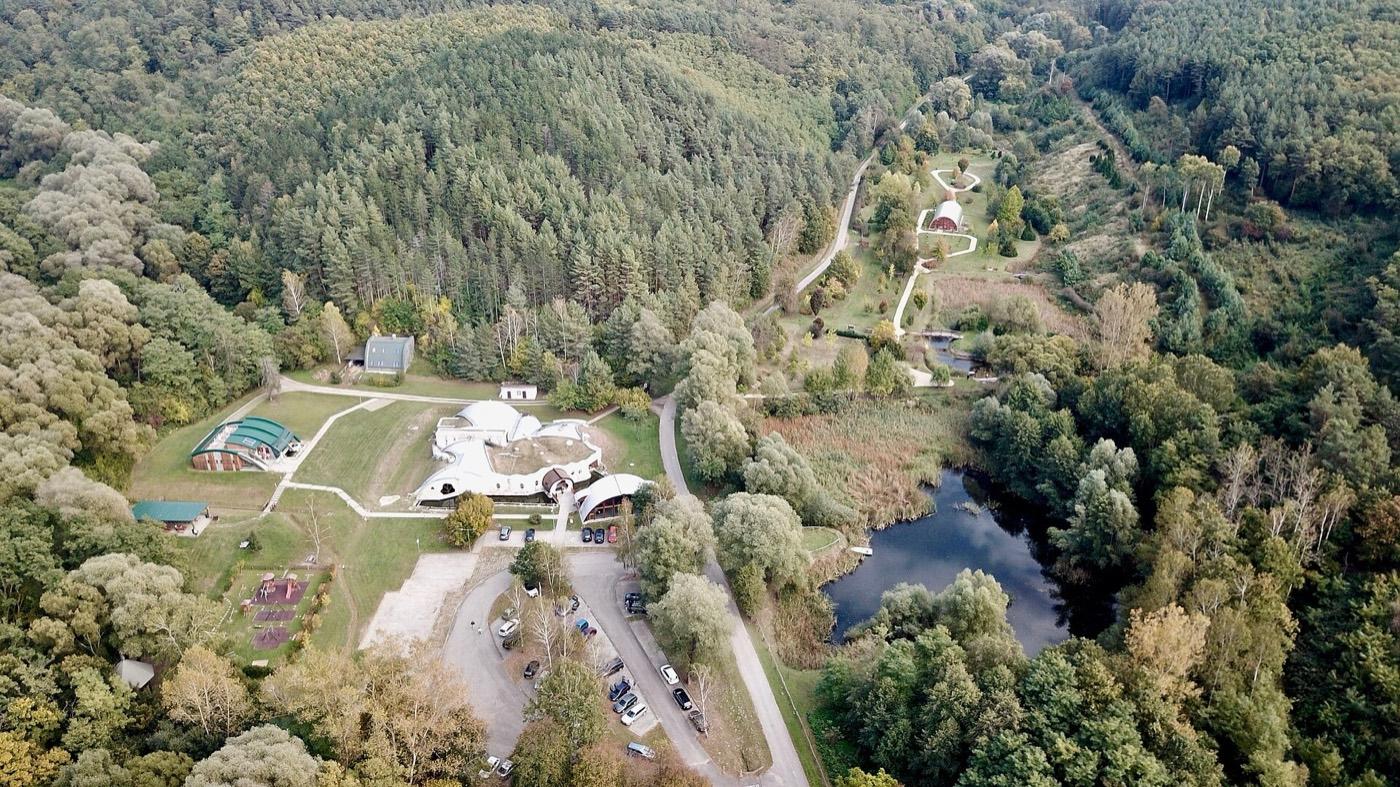
The site is the main gateway of the Novohrad-Nograd UNESCO Global Geopark. Buildings stand over the track layers, and a study path links the exposures. Ipolytarnoc holds a Council of Europe European Diploma for Protected Areas, which few palaeontological sites do.
1 fossil site
Updated 11 September 2026
Frequently asked questions
- What can you see at Ipolytarnoc?
- Vertebrate footprints on a sandstone surface sealed by volcanic tuff, plus petrified trees, leaf impressions and shark teeth. Eleven species were described in 1986 and the park directorate has recognised 35 to 40 more since 2014. Buildings cover the track layers and a study path links the exposures.
- Is Ipolytarnoc open in winter?
- Yes. The fossil site can be visited during the winter break as well as in season.