Ipolytarnóc Fossils Nature Reserve Fossil Hunting Guide
Image: VargaA (CC BY-SA 4.0)
An Early Miocene forest floor sealed under volcanic ash in northern Hungary, preserving the footprints of dozens of vertebrate species along with shark teeth, petrified trees and leaf impressions. Buildings stand over the track layers and the site opens through the winter, and the geological trail with the tracks can be walked only with a guide.
By Edward Chen · Published 11 September 2026
Introduction
Ipolytarnóc is sometimes called the prehistoric Pompeii, and the comparison is earned. A volcanic ash fall buried a living landscape and preserved it, including the ground surface the animals had walked on.
Eleven vertebrate species were described from the footprint-bearing sandstone in 1986, sealed and protected by the tuff that covered it. The Bukk National Park Directorate reports a further 35 to 40 taxa recognised since 2014, so the published count understates the site. Alongside them the site preserves petrified trees, leaf impressions and, from an earlier marine phase, shark teeth.
That combination of marine and terrestrial fossils in one small area is unusual. It is why Ipolytarnóc is considered the prime fossil locality of Hungary and one of the most important Cenozoic trackway sites in Europe.
The site was awarded a Council of Europe European Diploma for Protected Areas, which few palaeontological sites anywhere have been awarded.
Location and Directions
Ipolytarnóc lies in Nógrád County in northern Hungary, on the border with Slovakia, roughly 120 kilometres north-east of Budapest.
GPS: 48.2321°N, 19.6500°E.
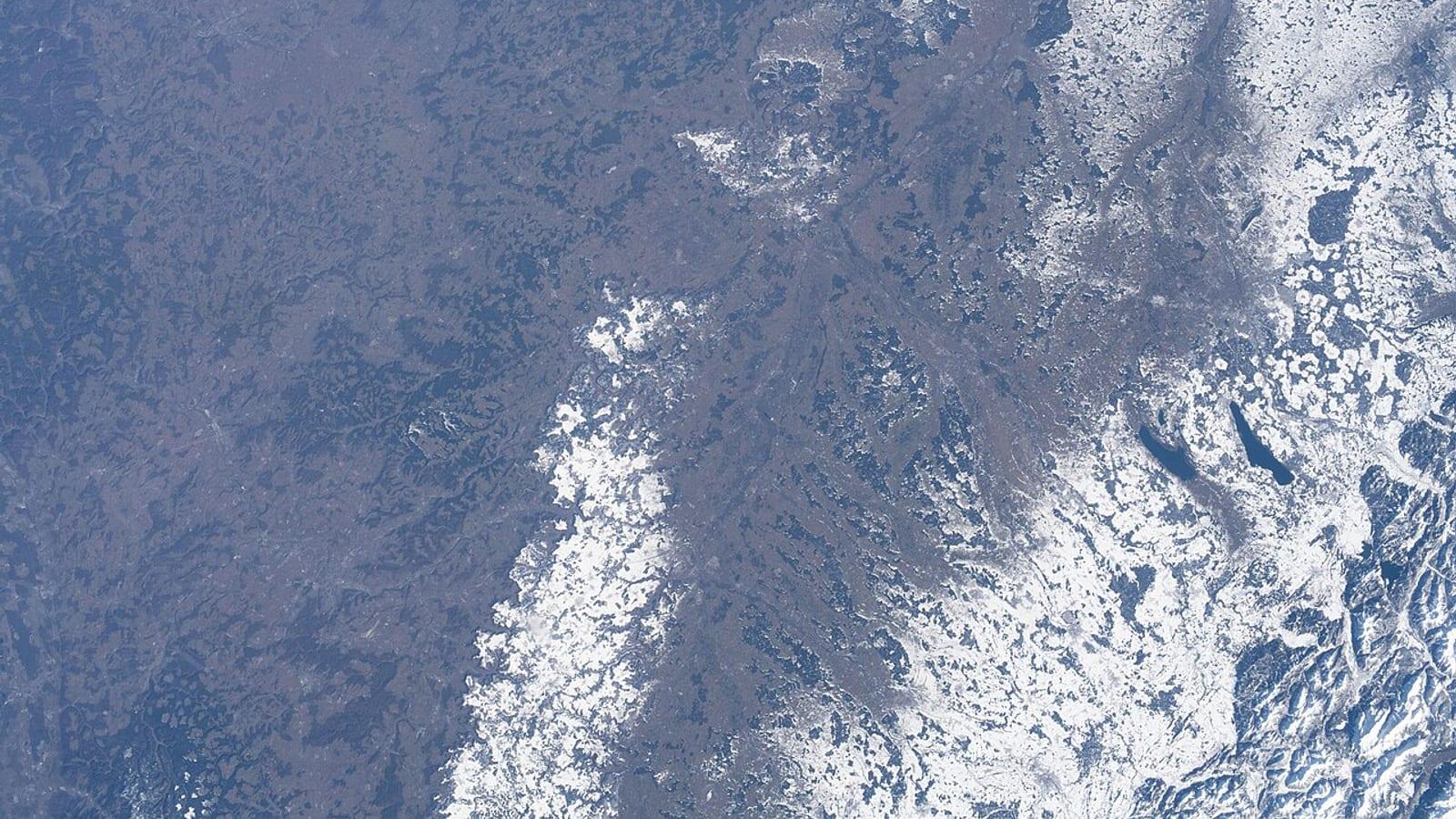
The reserve is the main gateway site of the Novohrad-Nógrád UNESCO Global Geopark, which straddles the Hungarian and Slovak border.
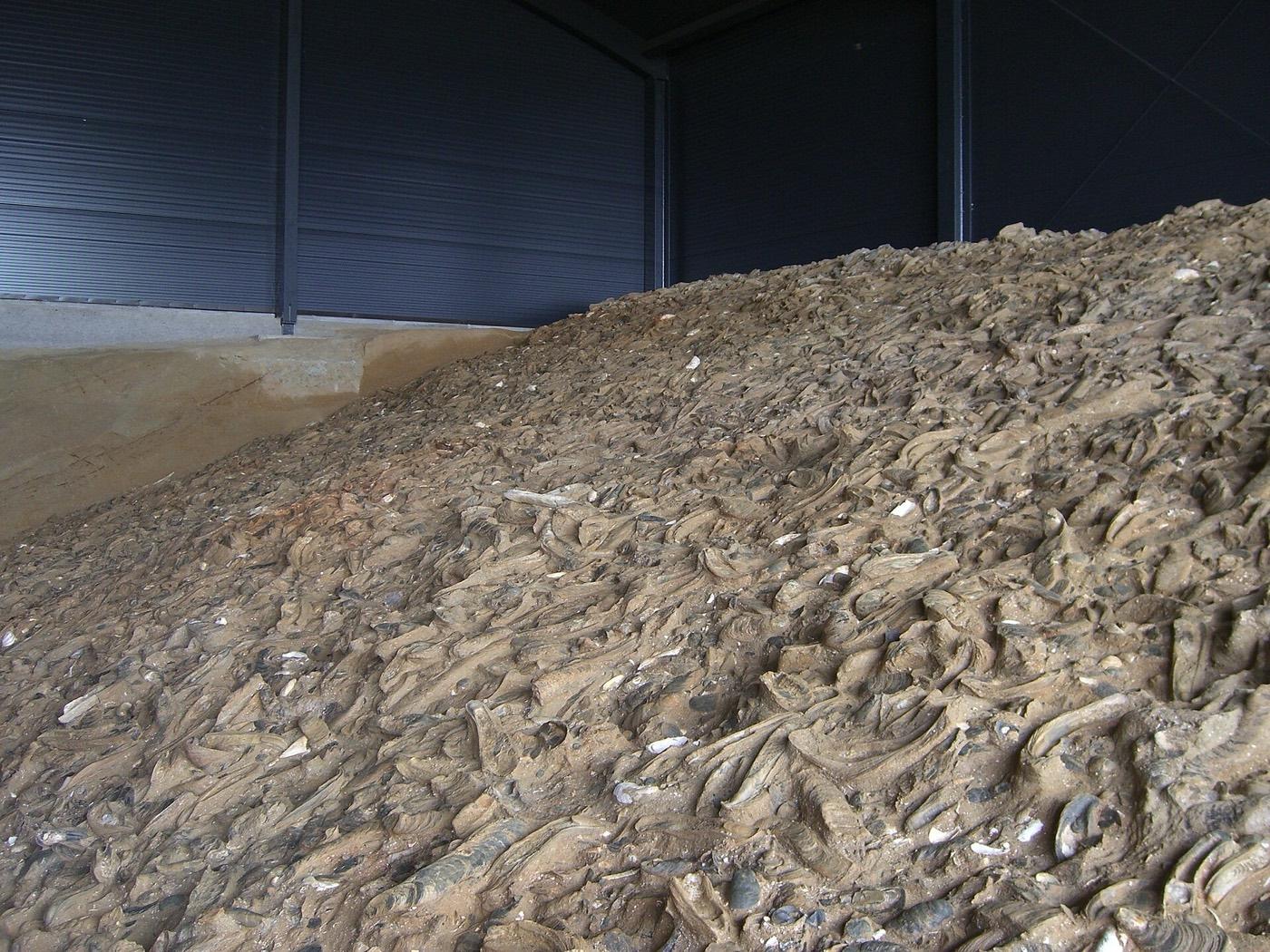
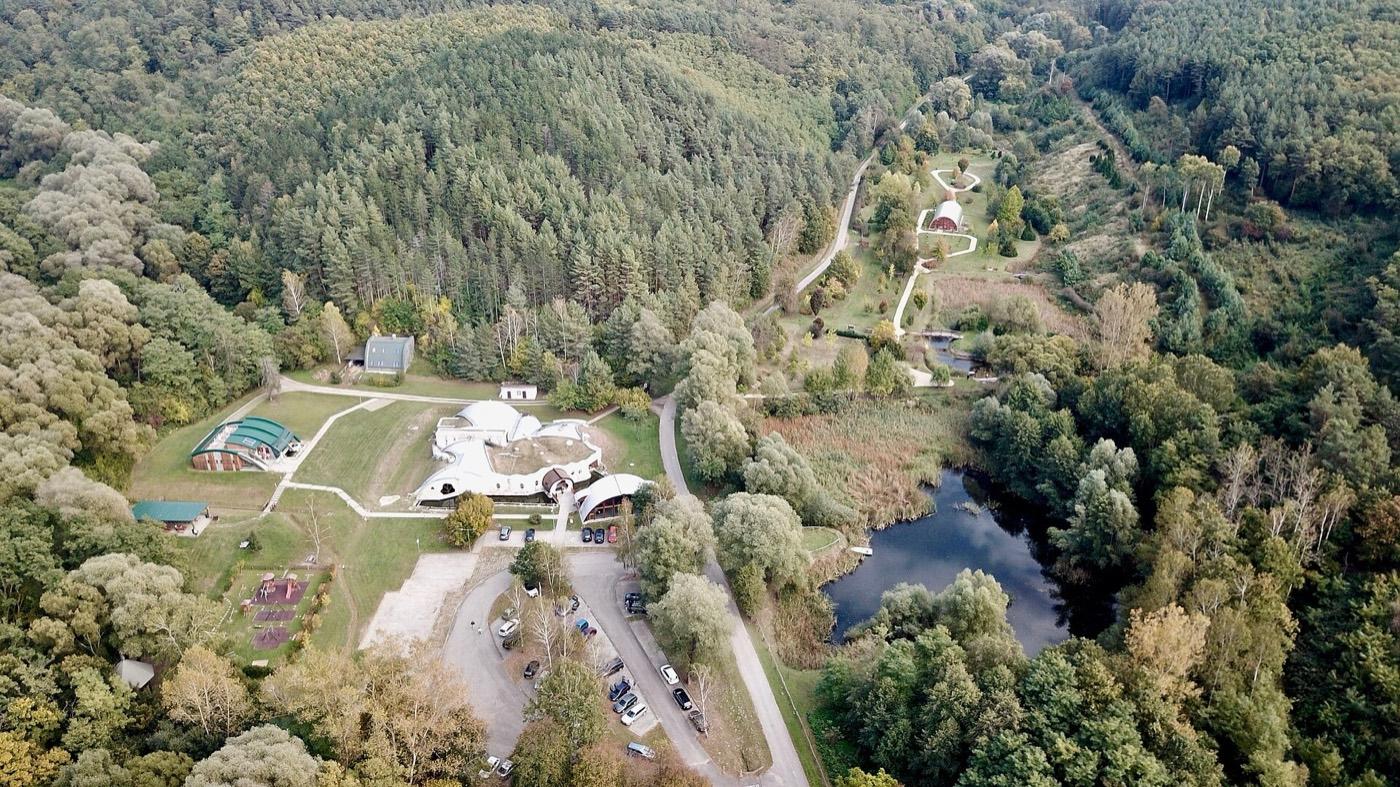
There is a visitor centre, and buildings have been constructed over the track layers so that the surfaces are protected and can still be shown. A study path links the exposures across the reserve.
Admission is charged. The reserve opens Tuesday to Sunday and on public-holiday Mondays, from 9:00 to 16:00, until 17:00 in summer and until 15:00 on winter weekends. On a working Monday it is always closed.
The geological trail can be walked only with a guide. Tours leave the trail gate at half past each hour from 9:30 to 15:30, with an extra 16:30 start in summer. The first tour of the day does not run for fewer than four people.
The site can be visited during the winter break as well as in the main season. That is unusual for an outdoor fossil reserve in central Europe.
The tracks themselves need interpretation to read. They are impressions in sandstone rather than sharp outlines. The visitor buildings include reconstructions and explanatory displays that make the difference between seeing marks in rock and understanding what walked there.
What Fossils You'll Find
Nothing is collectable. This is a protected reserve and an interpretation site.
The trackways are the centrepiece. Eleven vertebrate species are recorded, including large carnivores. A 2022 study revisited the large pentadactyl carnivore footprints using three-dimensional data and revised their ichnotaxonomy, so the science here is still active.
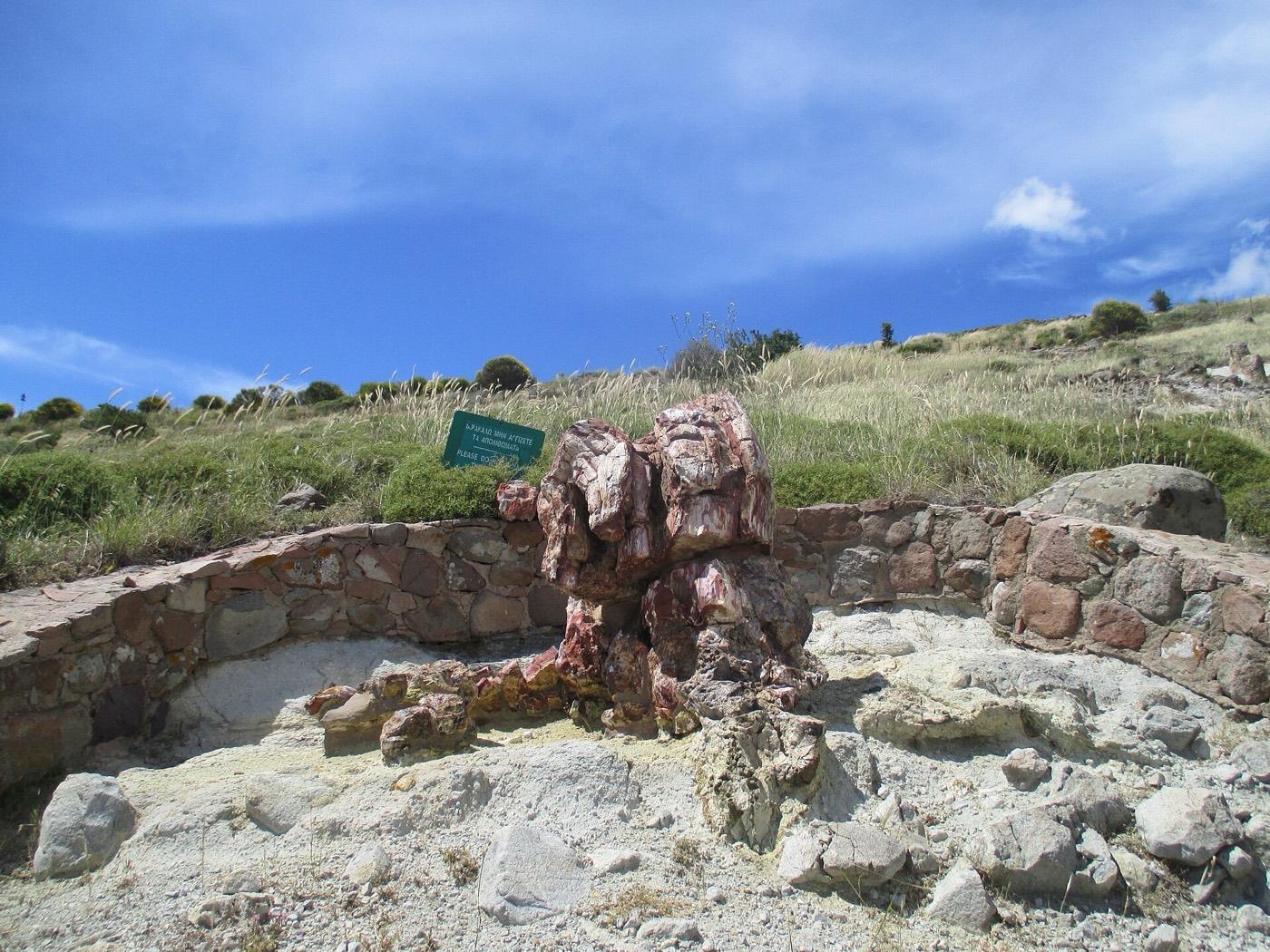
A petrified tree trunk of substantial size is displayed under shelter, and it is the single most photographed object on the site.
Leaf impressions record the vegetation of the buried forest. Shark teeth come from the marine part of the succession, which underlies the terrestrial surface.
The shark teeth are the detail that surprises visitors most. A site known for land-animal footprints also holding sharks sounds contradictory until you see the sequence, where marine beds underlie the terrestrial surface. The area was seabed first and forest floor afterwards.
 Photo: Takkk, CC BY-SA 3.0, via Wikimedia Commons
Geologic History
The rocks are Lower Miocene, roughly 23 to 17 million years ago. The sequence records a shift from marine to terrestrial conditions.
The lower part was deposited in the sea, which is the source of the shark teeth. Above it, the area became land, with a subtropical forest growing on a coastal plain.
Then a volcanic eruption buried the landscape in ash. Rhyolite tuff blanketed the surface, sealing the footprint-bearing sandstone before erosion or trampling removed the tracks.
That sealing event is the whole reason the site exists. Footprints are fragile, and they survive only when they are covered quickly and gently.
Protection here has a long history. The site was first given legal protection in 1944, and the modern reserve grew from that. The European Diploma, awarded by the Council of Europe, is renewed periodically against conservation criteria rather than granted permanently.
 Photo: Darinko, Public domain, via Wikimedia Commons
Collecting Rules and Regulations
Collecting is prohibited. Ipolytarnóc is a protected nature reserve managed by the Bükk National Park Directorate, and everything stays where it is.
Keep to the study path and the marked routes. The track surfaces are inside buildings and are viewed from designated positions.
Hungary protects its natural heritage under national legislation, and the European Diploma status adds an international layer of obligation.
The Novohrad-Nógrád geopark is transboundary, covering territory in both Hungary and Slovakia. It was the second cross-border geopark in the world when it was designated in 2010, after Marble Arch Caves on the Irish border in 2008.
The guided trail tour alone takes about an hour, so allow longer. Visitors who budget an hour tend to see the covered trackway and miss the wider reserve. That is where the petrified trunk and most of the study path sit.
Safety
This is a managed visitor site with buildings, paths and staff, and it presents no unusual hazards.
The study path is outdoors and covers uneven ground with some gradients. Wear suitable footwear.
Paths can be icy in winter and slippery after rain.
The site is close to the Slovak border, so bring identification if you combine the visit with a crossing.
The reserve calls its trail the study path rather than a nature trail, and the distinction is deliberate. Stops are sequenced to build up the story of the site, from the marine beds through the forest floor to the ash that sealed it. So walking it in order makes more sense than wandering.
Sources
https://www.osmaradvanyok.hu/en/visitor-center https://rm.coe.int/40-hungary-ipolytarnoc-protected-area/1680a9c64a https://www.nogradgeopark.eu/en/sights/the-prehistoric-pompeii-999 http://osmaradvanyok.bnpi.hu/index.php?p=study-path