Country
Fossil hunting in Lebanon
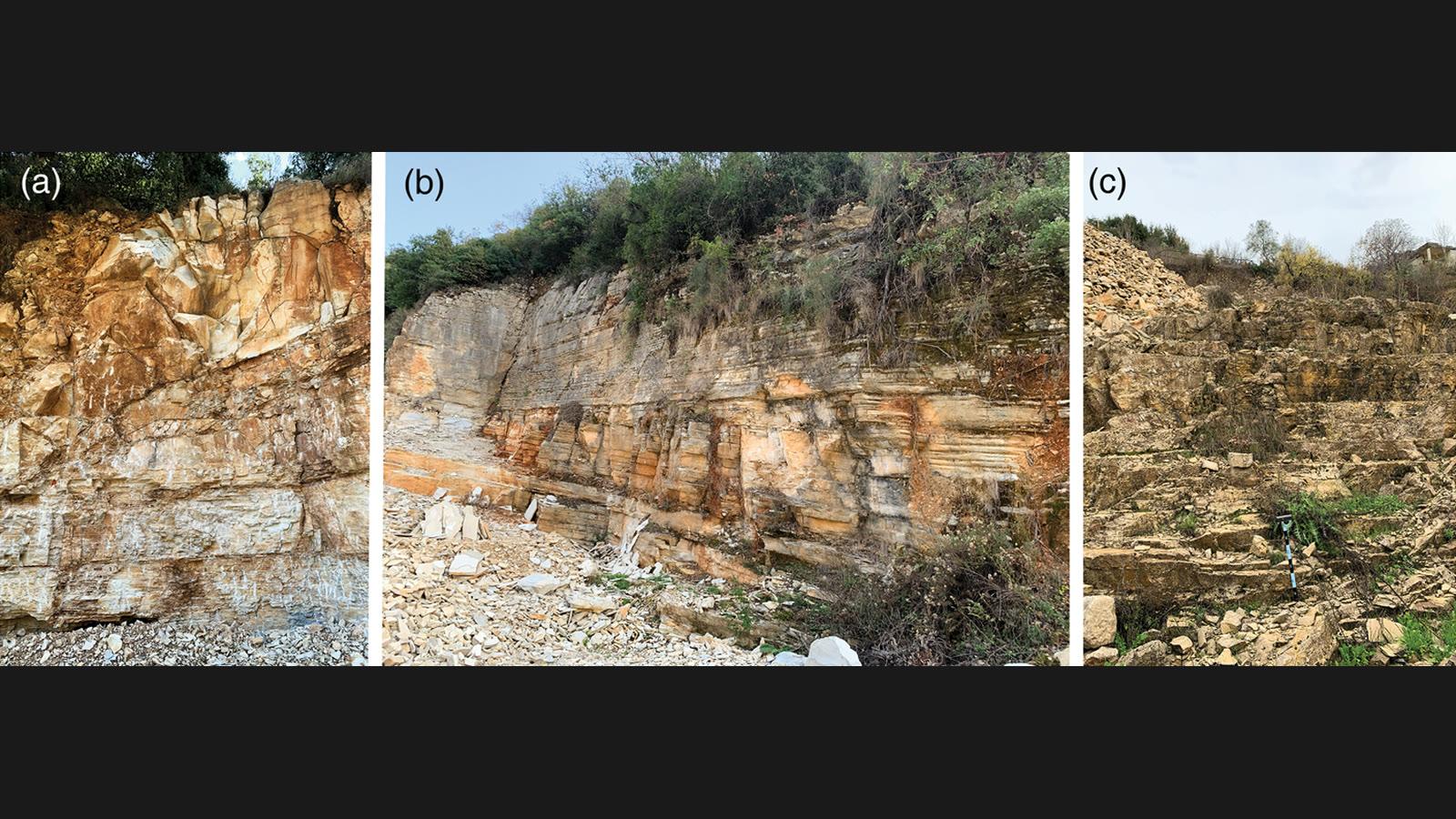
Lebanon holds four Cretaceous fish localities in the Sannine Formation, and the beds at Haqel in the Byblos District are the ones open to visitors. The rock is a Konservat-Lagerstaette, so complete animals survive with soft tissue rather than as scattered bone.
Haqel, Hjoula, Nammoura and Sahel Aalma are the four named localities. A 2024 review in the Journal of the Geological Society treats them together. The fossils have been known for centuries. Cornelis de Bruijn published an illustration of a Haqel fish in 1698, and Blainville made the first scientific study in 1818.
Expo Hakel in Haqel village describes itself as the first natural history museum for marine fossils in Lebanon. Rizkallah Nohra founded it in 1991 in a restored village house, using material from his family's land. The museum runs quarry visits through the year, provides the tools, and walks visitors up to the working face.
Export is unsettled and this site will not pretend otherwise. Lebanese antiquities law starts from Order 166-LR of 1933, which defines antiquities as products of human activity, so a fish fossil falls outside that definition. Law 37 of 2008 covers non-archaeological cultural property, and published sources do not say whether natural specimens sit inside it. Ask Lebanese customs or the Directorate General of Antiquities before carrying material out.
1 fossil site
Updated 12 October 2026
Frequently asked questions
- Can you collect fossils in Lebanon?
- At Haqel you split limestone yourself on a museum-run quarry visit. The quarries are private ground and the museum is the booking route. Expo Hakel publishes no rule on what a visitor may keep, so ask that question when you book and get the answer before you travel.
- What fossils are found in Lebanon?
- Whole articulated Cretaceous fish, shrimp and other crustaceans from the Sannine Formation. Documented taxa include the shrimp Carpopenaeus callirostris and fish such as Diplomystus birdi and Hensodon spinosus. The Lebanese beds have also produced octopus and coelacanth material.