Country
Fossil hunting in Malta
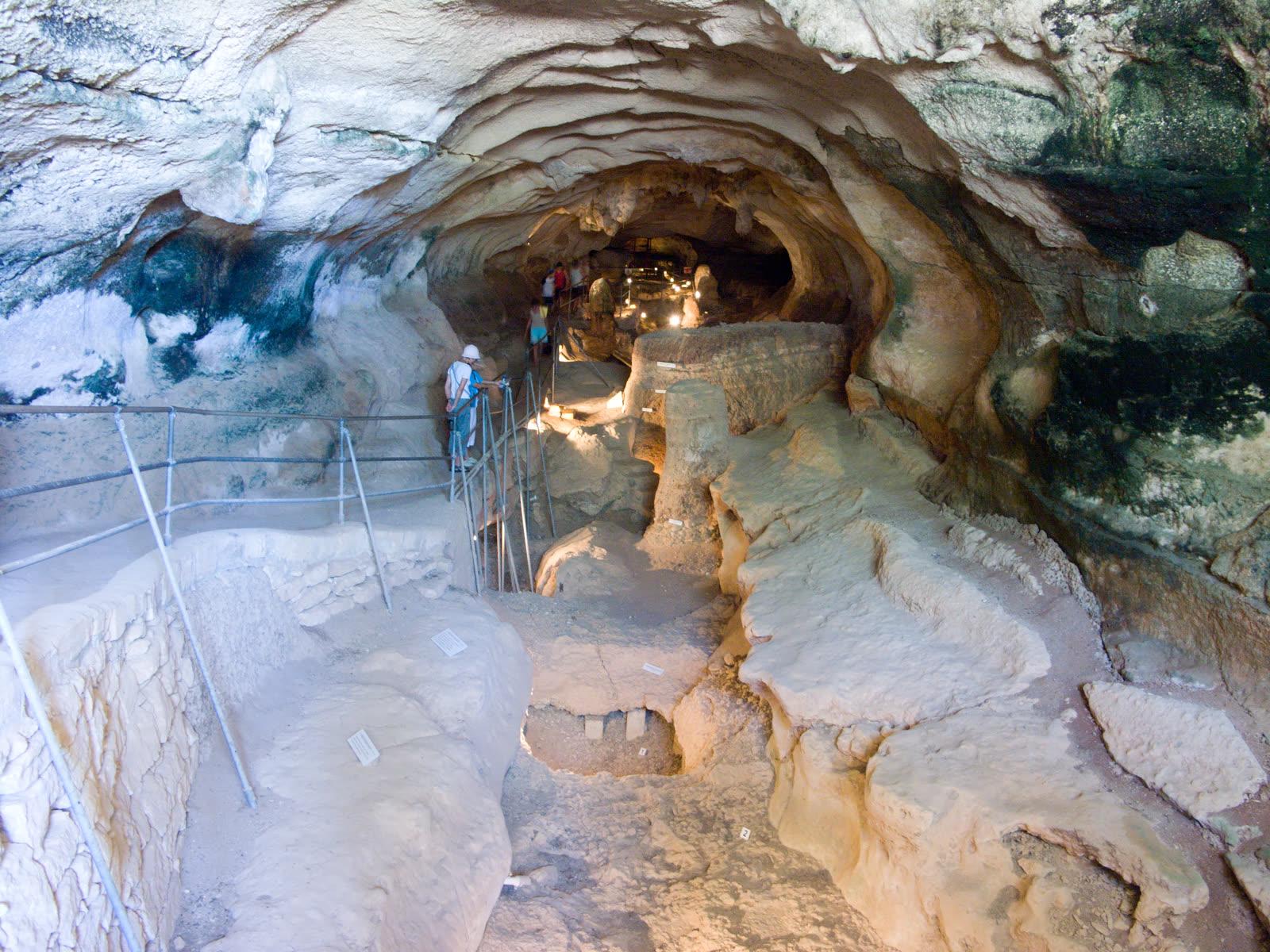
Malta's fossil record is best known for its Ice Age mammals. Ghar Dalam, a 144 meter cave near Birzebbuga, holds layers of bone that record dwarf elephant, hippopotamus, red deer and giant swan. Heritage Malta runs the cave and its museum.
Only the first 50 meters of the cave are open to the public. The deeper passages stay closed because the ceiling is low and the ground is slippery. An endemic woodlouse, Armadillidium ghardalamensis, also lives in the dark zone. Pleistocene bone is still visible in the walls of the open section.
The museum keeps two halls. The Joseph Baldacchino Hall holds a Victorian-style display of bone from the excavations. The George Zammit Maempel Hall explains the site. Complete skeletons of modern animals stand in the old hall for comparison, so read the labels before you take a skeleton for a fossil.
The dating has been revised. Heritage Malta puts the earliest bone deposition at over 160,000 years ago, and the dated layers run from about 167,000 years to recent. An older claim that the cave records half a million years is not supported by the site's own material.
1 fossil site
Updated 1 October 2026
Frequently asked questions
- What fossils can you see at Ghar Dalam?
- Bone from the Maltese Pleistocene: dwarf elephant, hippopotamus, red deer, brown bear, wolf and the giant swan Cygnus falconeri. The museum displays material taken from the cave, and bone remains visible in the walls of the open 50 meter section.
- Can you collect fossils in Malta?
- No. The Cultural Heritage Act, Chapter 445, treats palaeontological sites and deposits as cultural heritage. Article 43 allows palaeontological excavation only by the Superintendent of Cultural Heritage, or with written permission. Anyone who finds something by accident must report it at once.