Precambrian · 4,600 – 538.8 Ma
Precambrian fossil sites
The Precambrian covers the first 4 billion years of Earth's history, from the planet's formation through to the dawn of complex animal life. Most Precambrian fossils are stromatolites, layered mineral structures built by microbial communities in shallow seas. A handful of Ediacaran sites (565–541 Ma) preserve the world's oldest macroscopic multicellular organisms.

Precambrian rocks hold almost no shells, bones, or teeth. Hard skeletons had not yet evolved. What survives instead is impressions, layered mineral crusts, and chemical traces in the rock. Stromatolites make up most of the record. Microbial mats built these domed and columnar structures. They trapped sediment grain by grain in shallow water.
The Ediacaran biota is the exception and the prize. Between roughly 575 and 539 million years ago, soft-bodied organisms settled on quiet sea floors and left casts on the bedding planes. Charnia looks like a fern frond anchored to the sediment. Dickinsonia forms a ribbed oval mat. Researchers still argue about which modern groups, if any, these organisms belong to.
All five Precambrian sites in this guide are viewing sites. None of them permit collecting. Two are reference localities for Ediacaran fossils worldwide: Mistaken Point in Newfoundland and the Ediacara Hills in South Australia. Access to Mistaken Point runs through a guided hike over rough ground. Check the season before you travel, because the reserve closes outside the summer months.
5 fossil sites
Updated 4 August 2026
Life of the period
Three to know from the Precambrian
You will not find all of these yourself. They are the animals and plants that make the period worth reading about.

Ediacaran ovalDickinsonia For decades nobody could say whether this ribbed oval was an animal, a fungus, or a lichen. In 2018 researchers found cholesterol molecules in a specimen from the White Sea. Cholesterol is an animal marker, so it is now widely treated as one of the earliest animals.
Mr Fink (talk), CC BY-SA 3.0

Ediacaran frondCharnia A schoolgirl named Tina Negus spotted this frond in Charnwood Forest and was told fossils could not occur in rock that old. A schoolboy, Roger Mason, reported it again a year later and it entered the literature under his name.
Vladislav Egorov (3D model), Jaagup Metsalu (render), CC BY-SA 4.0

Segmented EdiacaranSpriggina
Named after Reg Sprigg, who found the Ediacara fossils in 1946 during a survey of old mines. Researchers have called it a worm, an arthropod, and a frond lying on its side. No interpretation has settled.
Matteo De Stefano/MUSE, CC BY-SA 3.0
All Precambrian sites
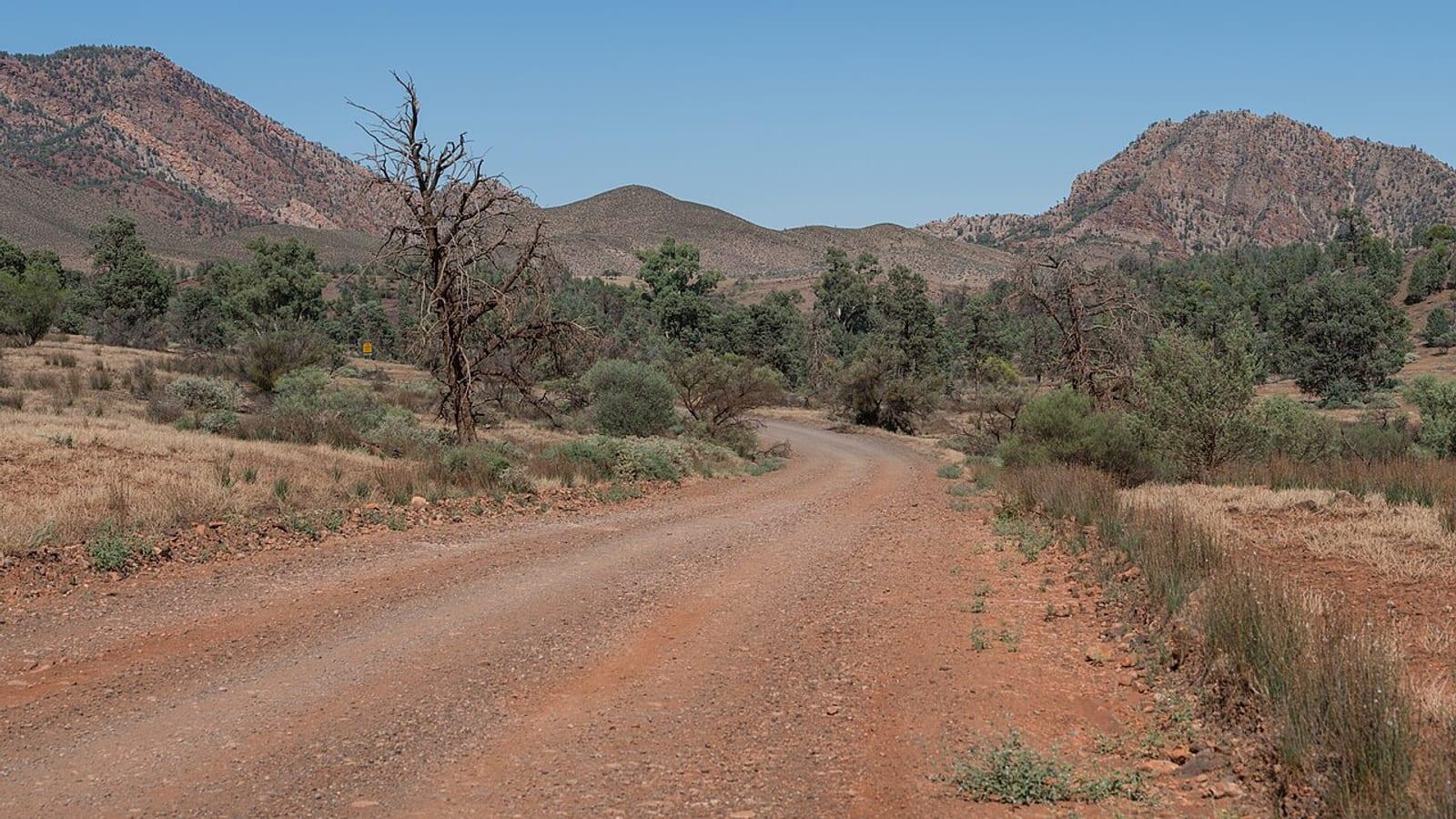
Brachina Gorge Geological Trail Fossil Hunting Guide
Australia
Ediacaran soft-bodied organisms
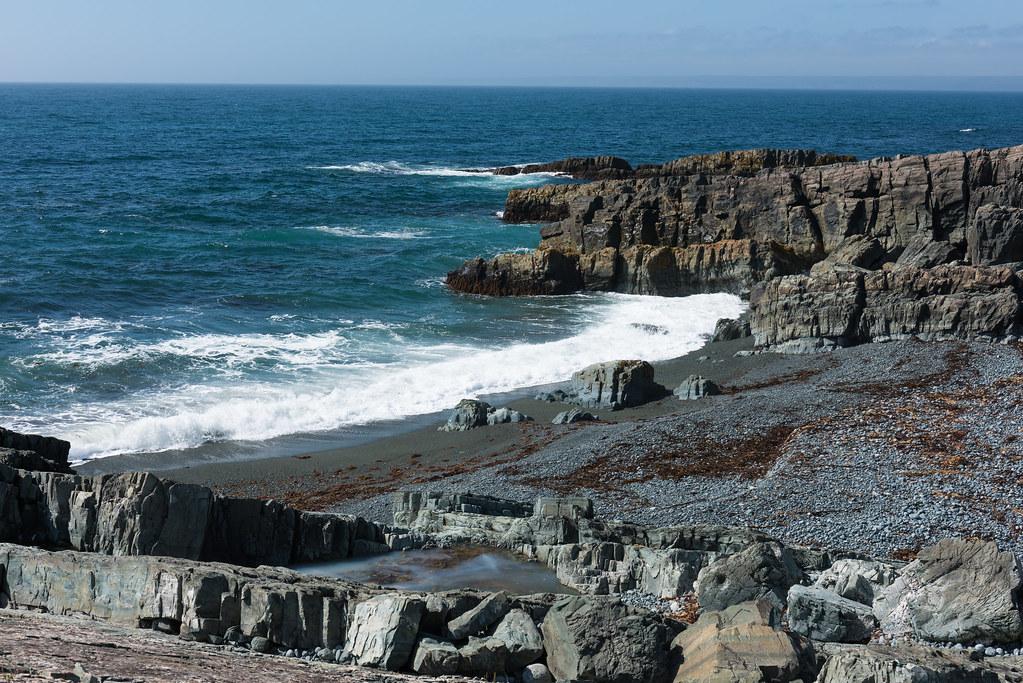
Mistaken Point Ecological Reserve Fossil Hunting Guide
Newfoundland and Labrador, Canada
Fractofusus, Charnia, Charniodiscus, Bradgatia
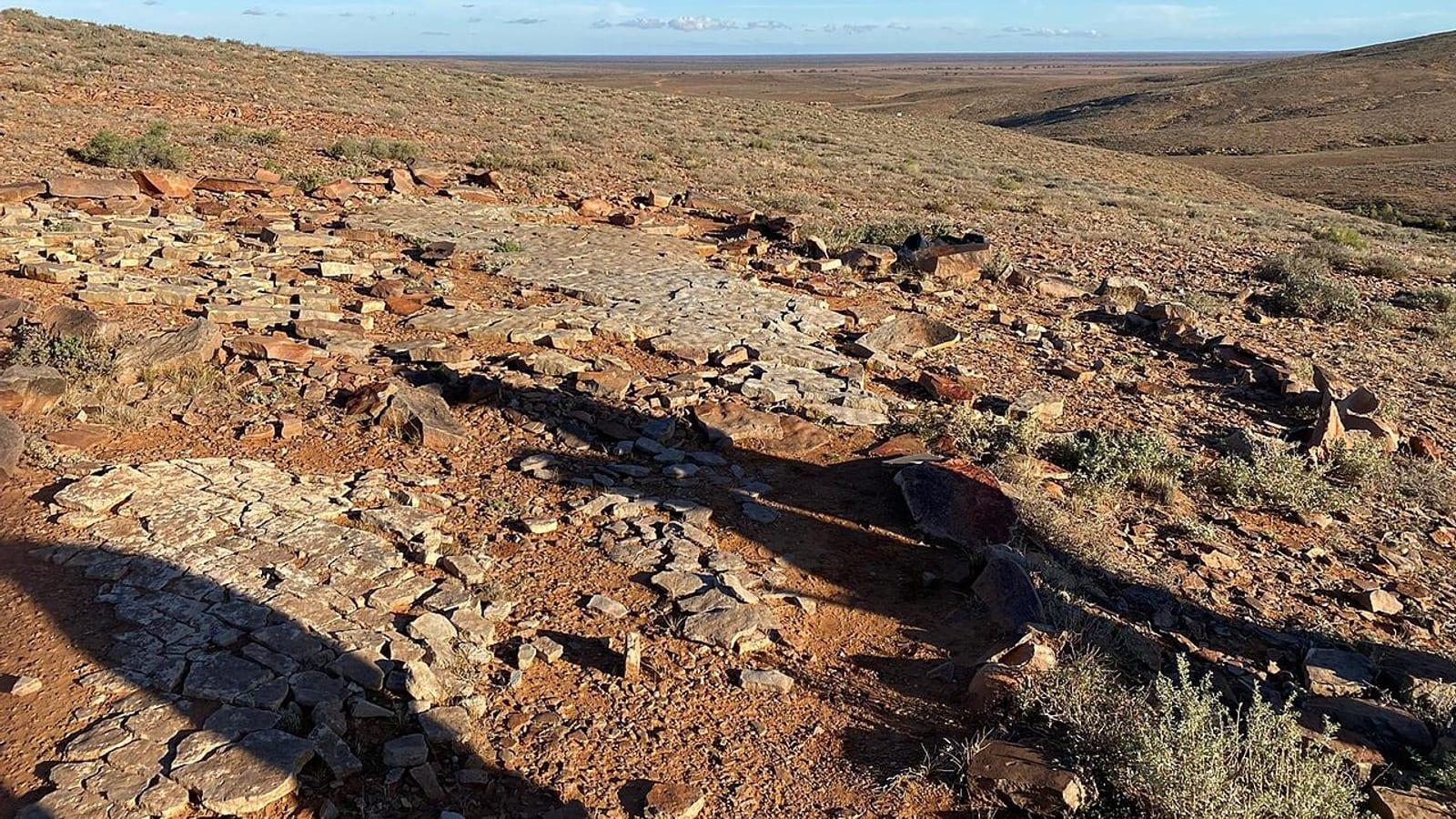
Nilpena Ediacara National Park Fossil Hunting Guide
Parachilna
Ediacaran fossils, Dickinsonia, Spriggina, Ediacara biota
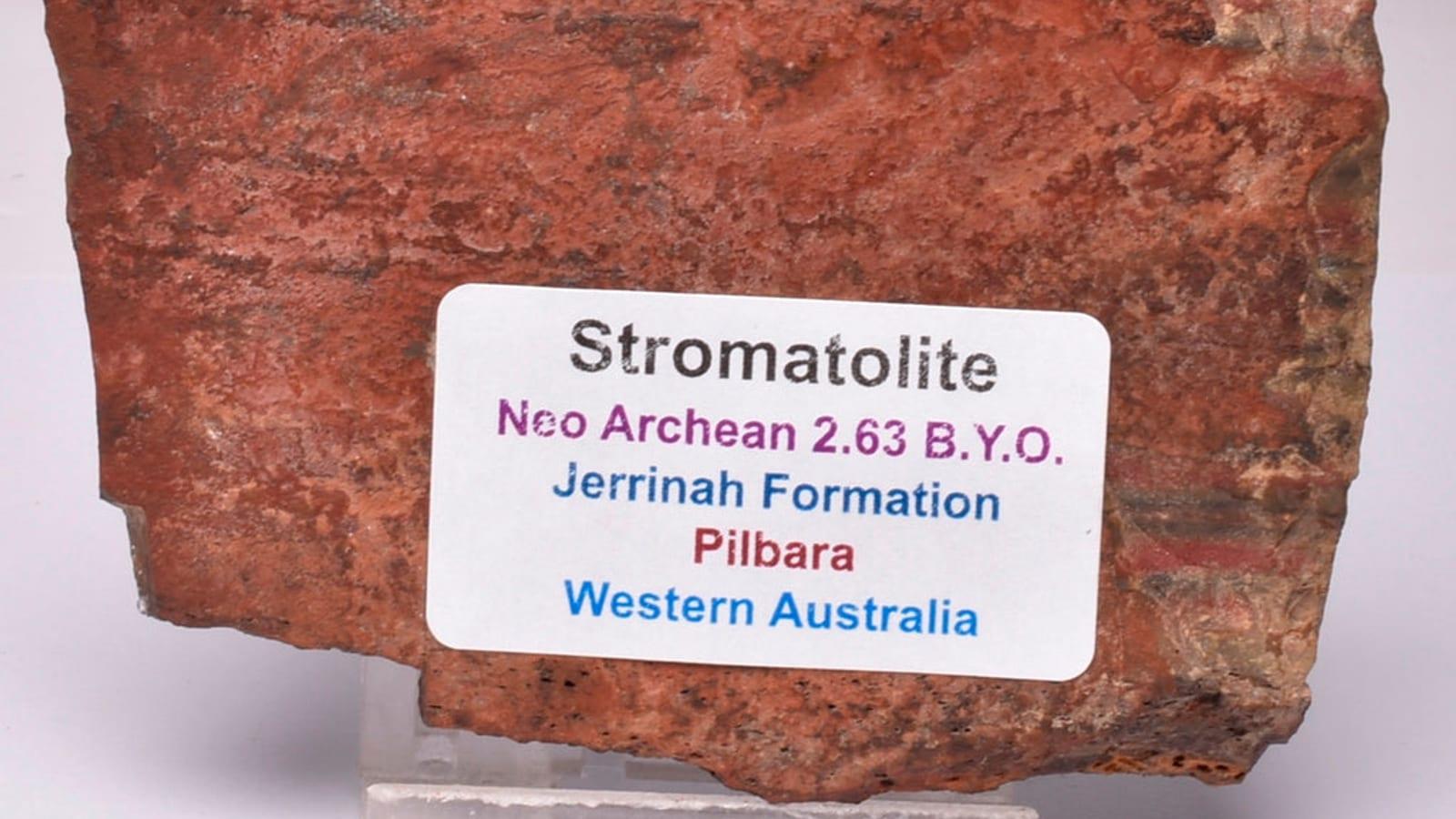
Pilbara Stromatolites Fossil Hunting Guide
Western Australia, Australia
Stromatolites
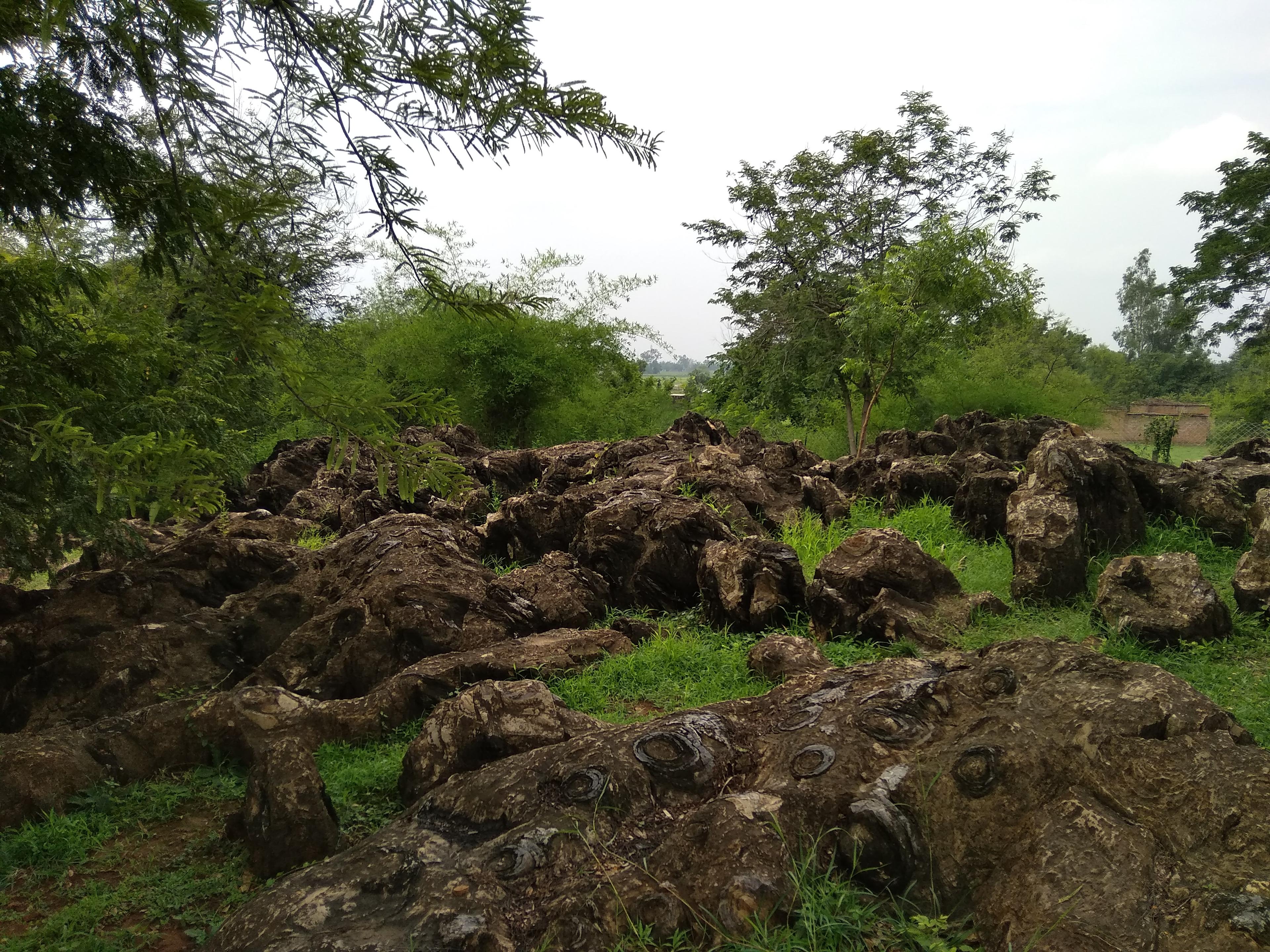
Salkhan Fossils Park: 1.4-Billion-Year-Old Stromatolites
Uttar Pradesh, India
Stromatolites, Microbialites
Frequently asked questions
- Can you collect Precambrian fossils?
- Rarely. Every Precambrian site in this guide is viewing only, and the major Ediacaran localities carry legal protection. Mistaken Point holds World Heritage status. Photograph the surfaces and leave them exactly as you found them.
- What is a stromatolite?
- A stromatolite is a layered structure built by a microbial mat. The mat trapped sediment and grew upward in domes or columns. Cut faces show fine banding. Living examples still grow in a few salty bays, which helps you picture how the fossil ones formed.
- Why are Precambrian fossils so hard to find?
- Two reasons. Organisms had no hard parts to fossilize, so preservation needed unusual conditions. The rocks are also very old, and most have since been buried, heated, or deformed beyond recognition.