State
Fossil sites in Virginia
Virginia's best-known fossils are Miocene. The Chesapeake Group underlies the Coastal Plain, and where the Potomac and the Chesapeake Bay cut into it, the cliffs shed shells and shark teeth onto the beaches below.
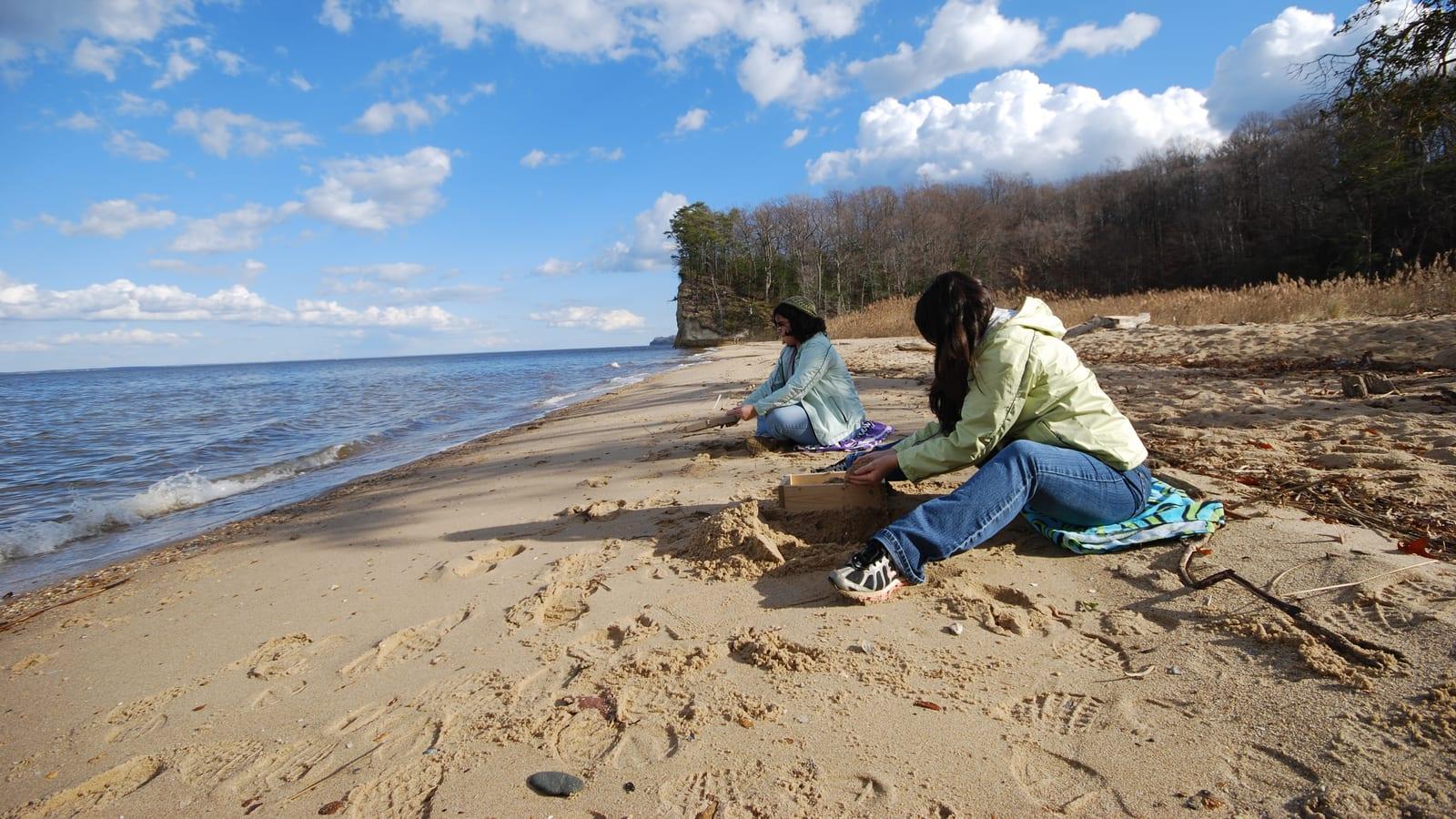
Westmoreland State Park on the Northern Neck is the documented locality. Its Fossil Beach sits at the foot of the Horsehead Cliffs, which rise straight out of the Potomac. The cliffs expose marine sediment between about 18 and 8 million years old. The same arrangement makes the Calvert Cliffs well known on the Maryland side of the river.
The rules here are simple and worth following closely. Collecting loose material from the beach is permitted. Digging into the cliffs is not. The cliffs undercut and collapse without warning, so they are dangerous regardless of what the rules allow. Work the beach at low tide and stay clear of the cliff base.
Virginia adopted a Miocene scallop as its state fossil in 1993. Virginia Energy publishes the state's geological mapping, and the Virginia Institute of Marine Science covers the Chesapeake's marine record.
1 fossil site
Updated 1 August 2026
Part of our national guide to the best places to fossil hunt in the United States.
Frequently asked questions
- Can you collect fossils at Westmoreland State Park?
- You can collect loose material from Fossil Beach. Digging into the Horsehead Cliffs is not permitted. The cliffs undercut and collapse without warning, so stay well clear of the base whatever the rules allow.
- What fossils are found in Virginia?
- Miocene shark teeth, shells, and occasional whale bone come from the Chesapeake Group along the Potomac and the bay. The state fossil is a Miocene scallop, adopted in 1993.
- When is the best time to visit Fossil Beach?
- Low tide exposes the most beach, and storms bring fresh material down from the cliffs. Winter and early spring after a storm are productive. Check the tide table before you travel.
- What should you bring to Fossil Beach?
- A small sieve helps, because most shark teeth here fall between a quarter of an inch and an inch. Work the wet sand at the waterline and the shell banks, where waves have already sorted the heavy material together for you.