Westmoreland State Park Fossil Hunting Guide
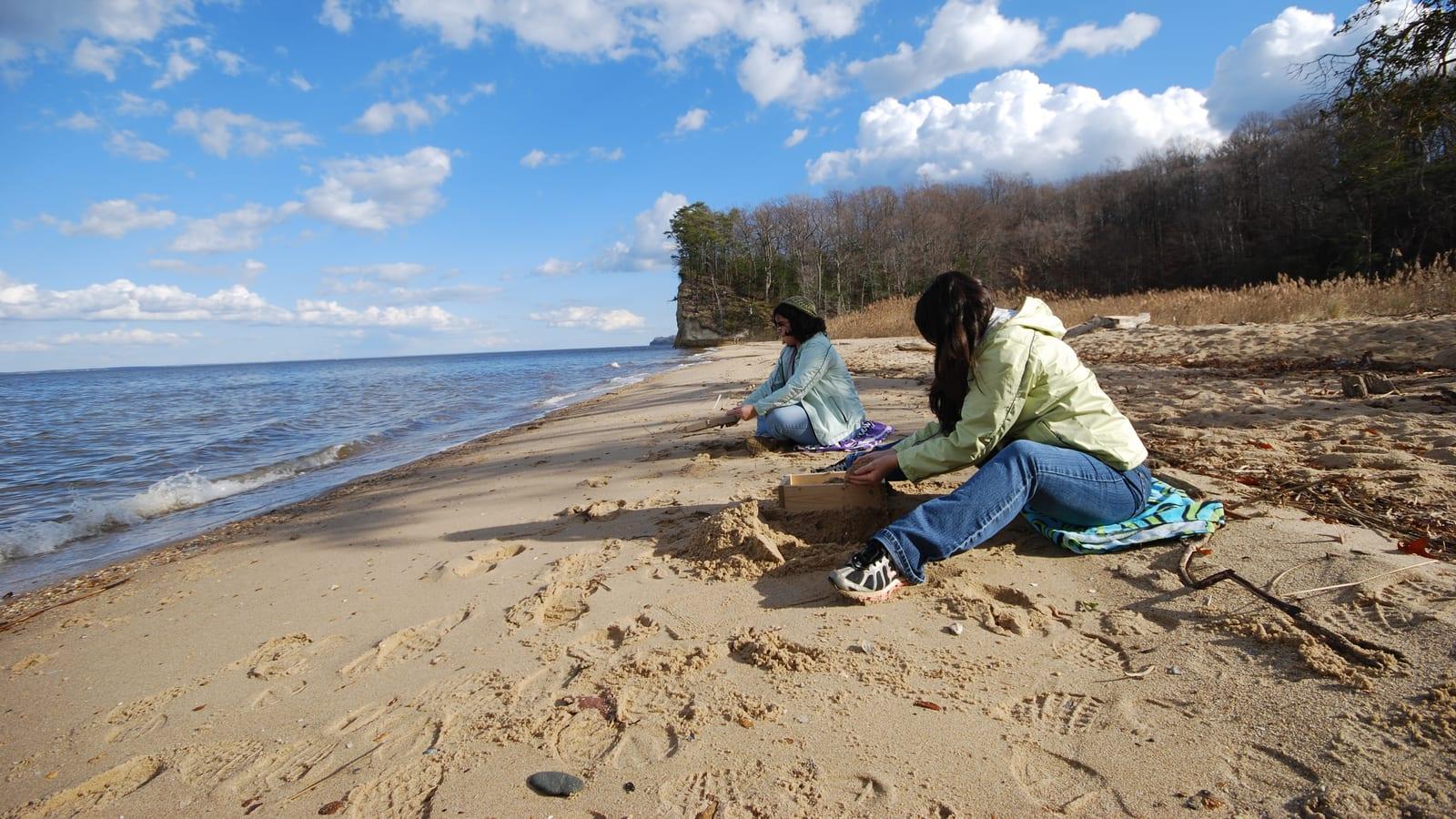
Image: Mrs. Gemstone (CC BY-SA 2.0)
Fossil Beach at Westmoreland State Park sits below the Horsehead Cliffs on the Potomac in Virginia, where Miocene shells, shark teeth, and whale bone erode from the cliff face and wash onto the sand. Collecting loose material on the beach is allowed. The cliffs themselves are off limits.
By Edward Chen · Updated 1 August 2026
Introduction
Westmoreland State Park occupies a stretch of the Potomac shoreline in Westmoreland County, on Virginia's Northern Neck near Montross. Its fossil ground is Fossil Beach, a strip of sand at the foot of the Horsehead Cliffs, which rise directly from the river and expose Miocene marine sediment of the Chesapeake Group.
The arrangement is the same one that makes the Calvert Cliffs across the river famous. The cliffs erode continuously, shedding shells, shark teeth, and occasional whale bone onto the beach below, where wave action cleans and concentrates them. Collecting from that loose beach material is permitted. Interfering with the cliffs is not, and the cliffs are dangerous quite apart from the rules.
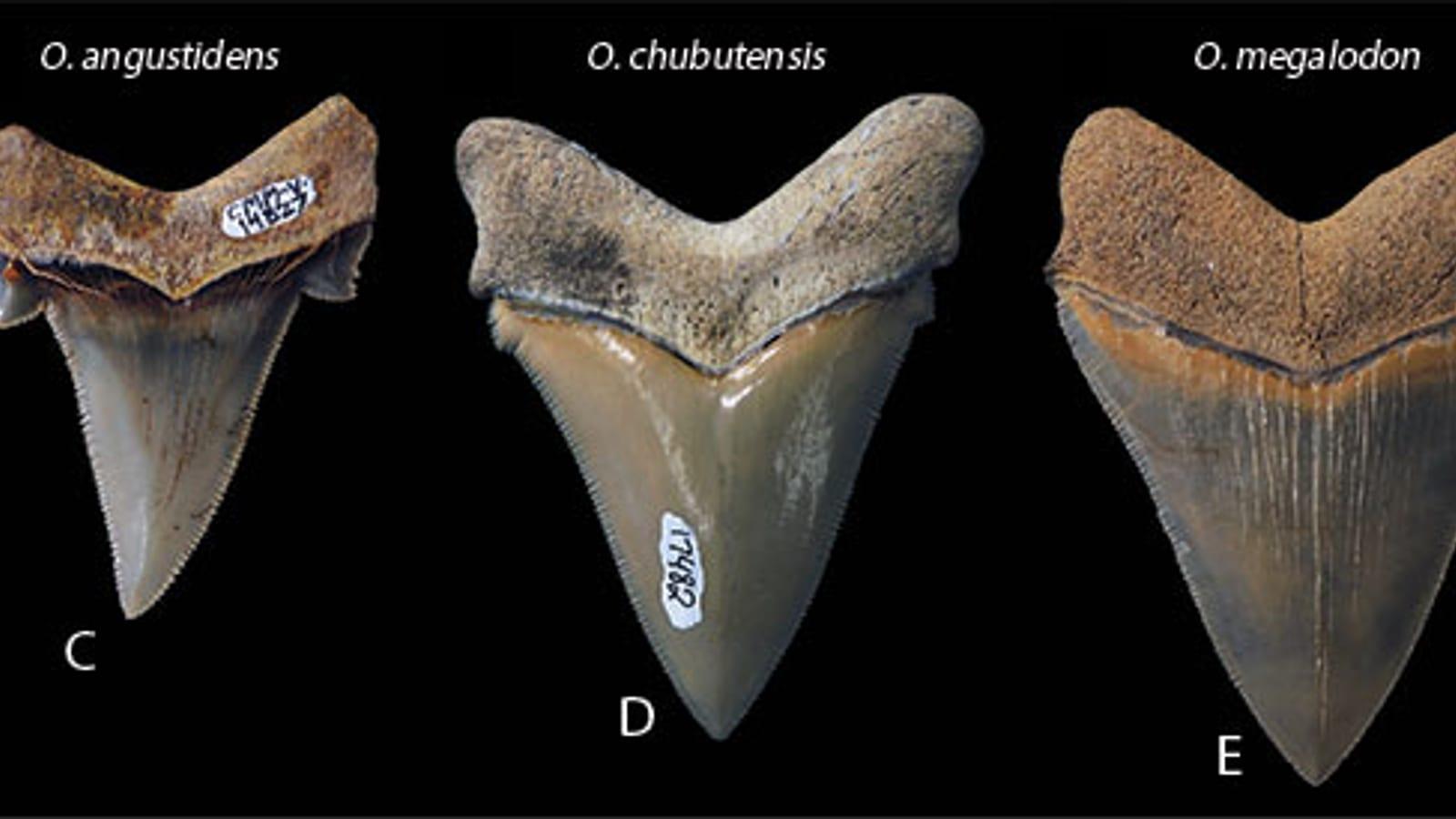
Photo: Smithsonian National Museum of Natural History, CC0, via Smithsonian Open Access
Location and Directions
The park is at 145 Cliff Road, Montross, near 38.169 degrees north, 76.859 degrees west, roughly two hours from both Washington and Richmond. Virginia State Parks charges a vehicle parking fee, so the site is free to collect at but not entirely free to visit.
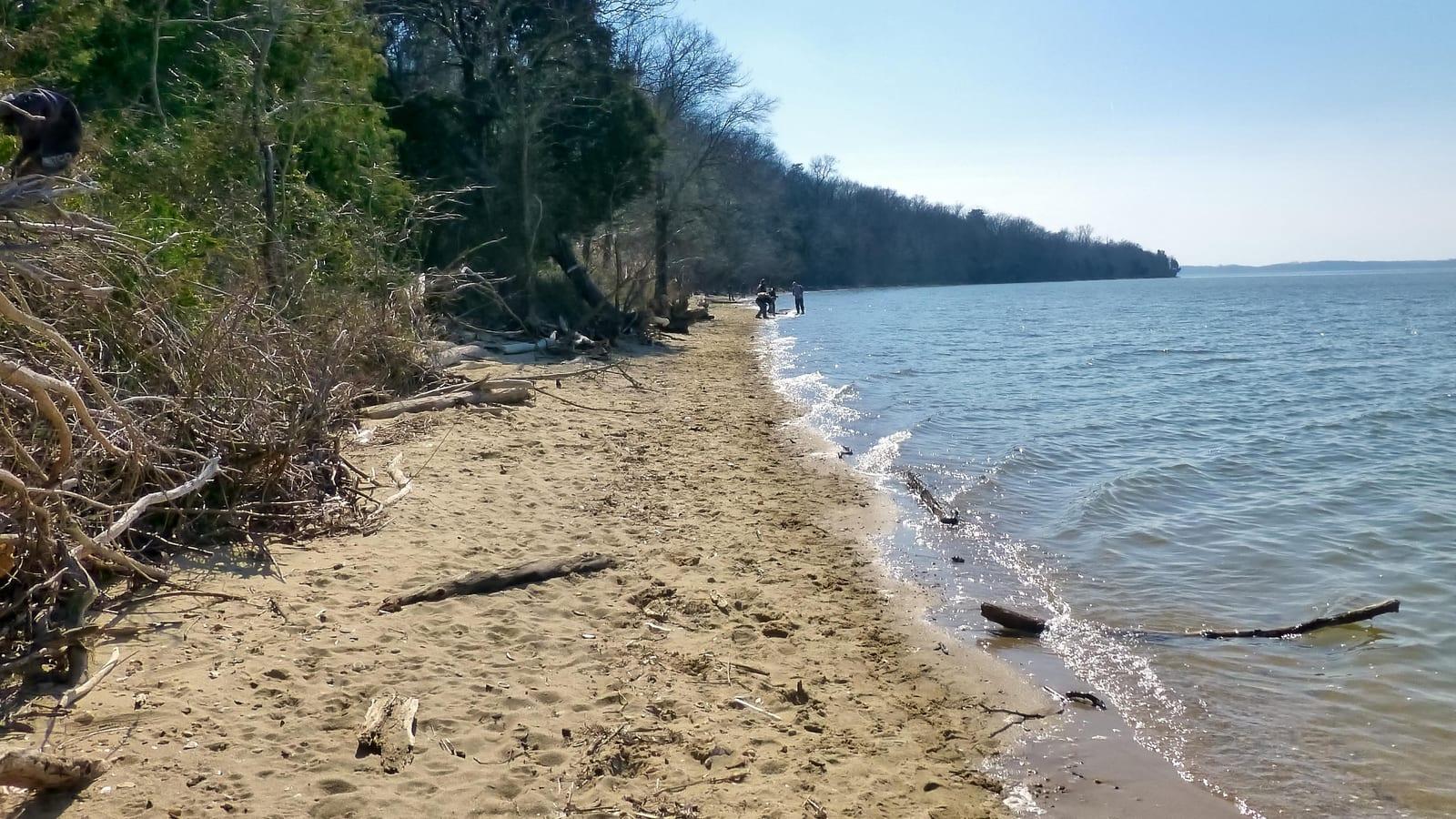
Fossil Beach is a walk, not a car park. The usual route is the Big Meadow Trail, which descends from the park's upland through woodland to the shoreline. It is a proper trail with a real elevation change, so carry water and wear footwear you can walk in and get wet. Do not plan to bring more than you can comfortably carry back up.
Time the visit around low tide. More beach is exposed, the productive wet sand at the water's edge is accessible, and at high water some stretches below the cliffs narrow considerably. A tide table is worth consulting before you set out.
The park has camping, cabins, a pool, a visitor centre, and a boat ramp, so a fossil trip folds easily into a longer stay.
 Photo: Mrs. Gemstone, CC BY-SA 2.0, via Wikimedia Commons
What Fossils You'll Find
The Chesapeake Group here is Miocene, and the assemblage is a shallow-sea one.
Bivalves are the most abundant material, including large scallops and thick-shelled clams and oysters, often whole. Gastropods occur as coiled shells and internal moulds. Ray dental plates turn up and are easy to overlook, looking like ridged pebbles.
Marine mammal material is the uncommon reward. Whale and dolphin bone and teeth erode from these beds, and fragments of vertebra, rib, and ear bone are found on the beach. Anything substantial and articulated is scientifically valuable and should be reported rather than removed.
Work the wet sand at the waterline and the shell banks where waves have already sorted heavy material together. A small sieve helps if you want the smaller teeth. The beach restocks after storms and high water, so a visit following rough weather is consistently better than one after a calm spell.
Geologic History
The Chesapeake Group was deposited during the Miocene, between roughly 18 and 8 million years ago, when sea level was higher and this part of Virginia lay beneath a shallow, productive coastal sea. Cool nutrient-laden water supported enormous populations of molluscs, sharks, and marine mammals, and their remains accumulated in the sand and silt of the sea floor.
Those sediments are the same beds exposed across the Potomac at the Calvert Cliffs in Maryland, which is why the two sites produce such similar material and why the Miocene of the Chesapeake region is so well studied.
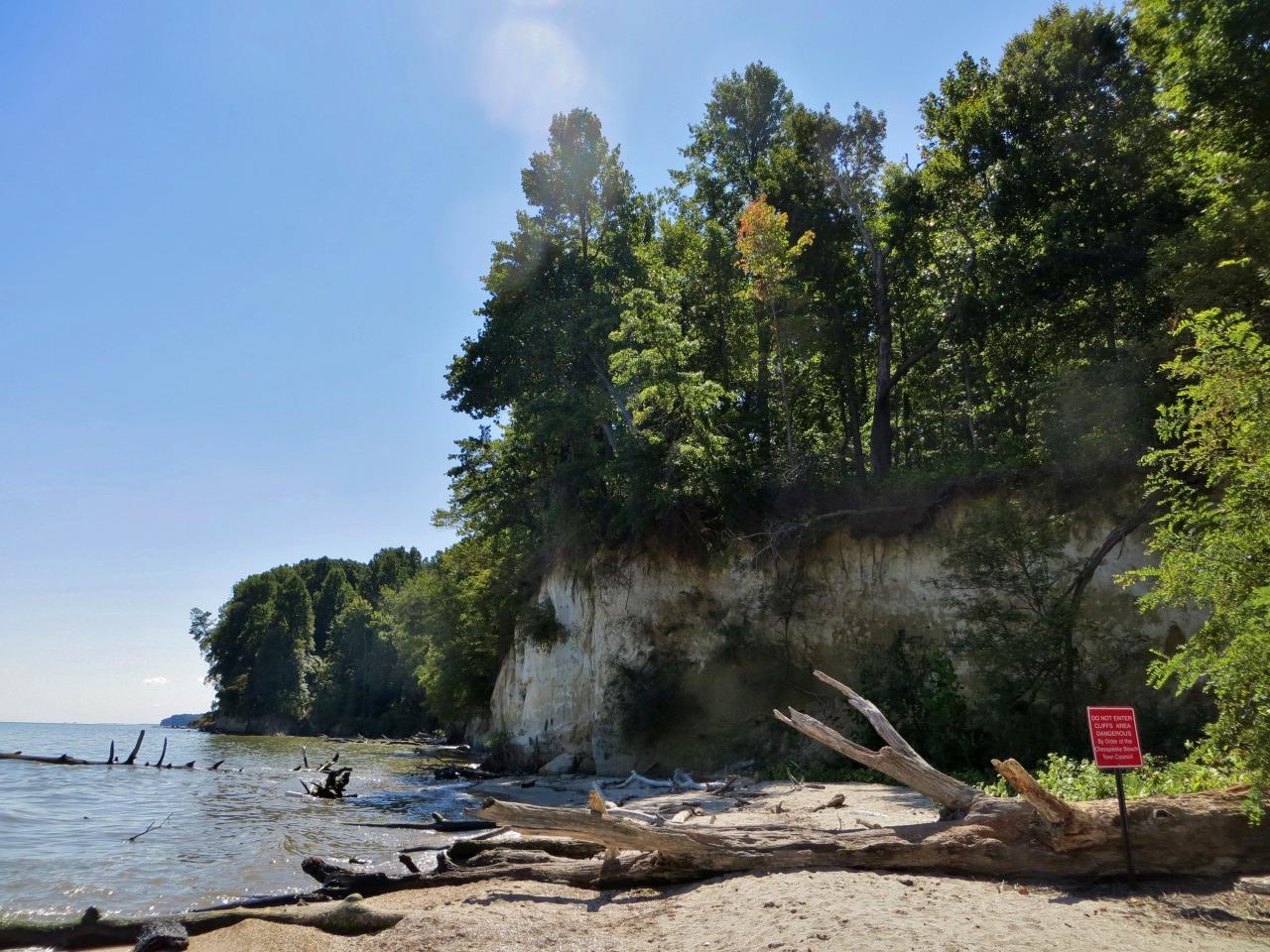
Sea level fell, the deposits became dry land, and the Potomac cut down through them. The Horsehead Cliffs are the result: a river-cut face in soft, poorly consolidated marine sediment. Because that sediment is weak, the cliffs retreat continuously, undercut by the river and collapsing in blocks. Every collapse delivers a fresh supply of fossils to the beach, which is exactly why the site keeps producing and exactly why the cliffs are hazardous.
Photo: Smithsonian National Museum of Natural History, CC0, via Smithsonian Open Access
Collecting Rules and Regulations
Collect loose material on the beach. Surface collecting from the sand and the beach shingle is permitted, and what you pick up is yours.
Do not dig into the cliffs and do not climb them. This is both a park rule and a safety matter. The Horsehead Cliffs are protected, undercutting accelerates their retreat, and they collapse without warning.
Vertebrate fossils deserve care. Isolated shark teeth are ordinary finds. Articulated marine mammal bone is scientifically significant, and the right response is to photograph it, note where it is, and tell park staff rather than dig it out.
Virginia State Parks rules apply throughout, including the parking fee, pet rules, and restrictions on where you may go. Check with the visitor centre if you are unsure which stretches of shoreline are open.
Collect for personal use rather than commercially, and take a reasonable amount.
Safety
The cliffs are the serious hazard and they deserve to be treated as one. The Horsehead Cliffs are soft, actively eroding, and undercut by the river, and they shed blocks with no warning at all. Do not sit, shelter, or work directly at their base, and do not climb them. Keep a distance from the foot of the cliff that would let a falling block miss you. Rain and freeze-thaw both increase the risk, so give them more room after wet weather.
The river is the other factor. The Potomac is tidal here, and a stretch of beach that is walkable at low water can be cut off as the tide rises, leaving you with a choice between the water and the cliff base. Check the tide before you go and keep track of it while you are down there.
The trail back up is a genuine climb, so keep enough water and energy for it and do not overload yourself with shells. Summer brings heat, humidity, biting insects, and ticks in the wooded approach, so use repellent and check yourself afterwards. Snakes occur in the woodland and along the shore. Supervise children closely near both the water and the cliff base.
Sources
https://www.dcr.virginia.gov/state-parks/westmoreland https://www.energy.virginia.gov/geology/ https://www.calvertmarinemuseum.com/ https://www.vims.edu/
Frequently asked questions
- Can you collect fossils at Westmoreland State Park?
- Yes, from the loose material on Fossil Beach. Surface collecting on the beach is permitted. Digging into or climbing the Horsehead Cliffs is not, both because the cliffs are protected and because they collapse.
- How do you get to Fossil Beach?
- On foot from within the park, most directly by the Big Meadow Trail, which descends to the shoreline. It is a walk rather than a drive-up beach, so carry what you need.
- What fossils are found at Westmoreland State Park?
- Miocene material from the Chesapeake Group: shark teeth, scallops and other bivalves, gastropods, ray dental plates, and occasionally whale and dolphin bone or teeth.
.jpg)