value
Can You Make Money Finding Fossils?
By Edward Chen · Updated 31 July 2026
Most fossil hunters will not make money from the hobby. Common finds, shark teeth, ammonite fragments, brachiopods, retail for a few dollars, and preparation and travel costs typically exceed what the specimen is worth. The exceptions are scientifically exceptional or aesthetically superior specimens, which occasionally reach four or five figures at specialist auction.
That said, there is a genuine market for fossils, and a small number of collectors do generate income. The realistic picture depends on what you're finding, where you collected it, and how you plan to sell.
What common fossils actually sell for
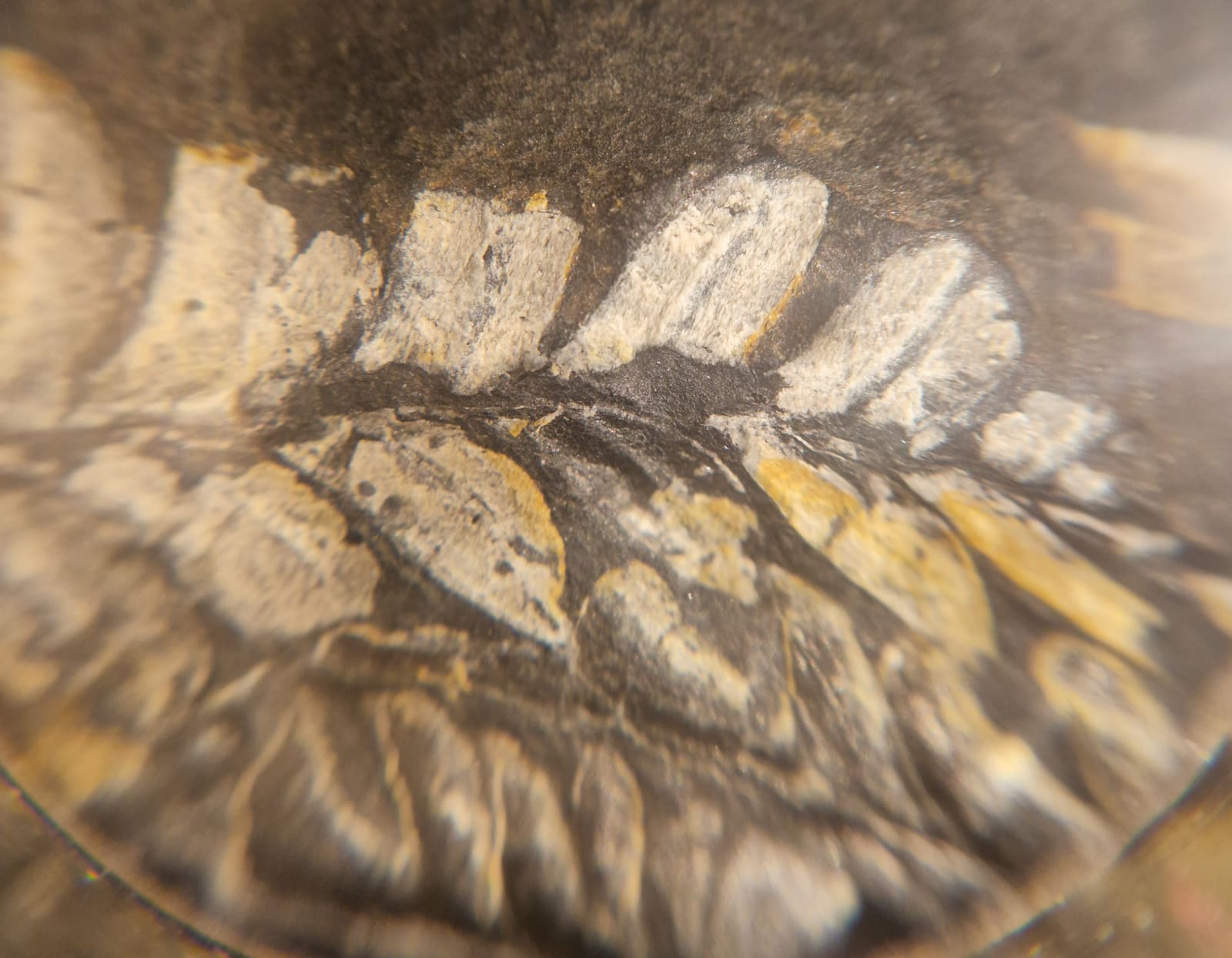
The majority of fossil finds from accessible public sites fall into a predictable price range. Shark teeth from Venice Beach, Florida typically sell for $1–$15 on eBay, depending on size and preservation. Small ammonites from UK beaches go for $5–$30 polished. Unpolished pieces move for less. Ordovician trilobites from Ohio's public quarry parks, which are relatively easy to find, sell for $5–$25 for common species. These are retail figures, if you're selling to a dealer, expect 30–50% of that.
The volume required to generate meaningful income from common material is impractical for a recreational collector. A single day trip often yields fewer specimens worth selling at all.
The fossils with genuine market value
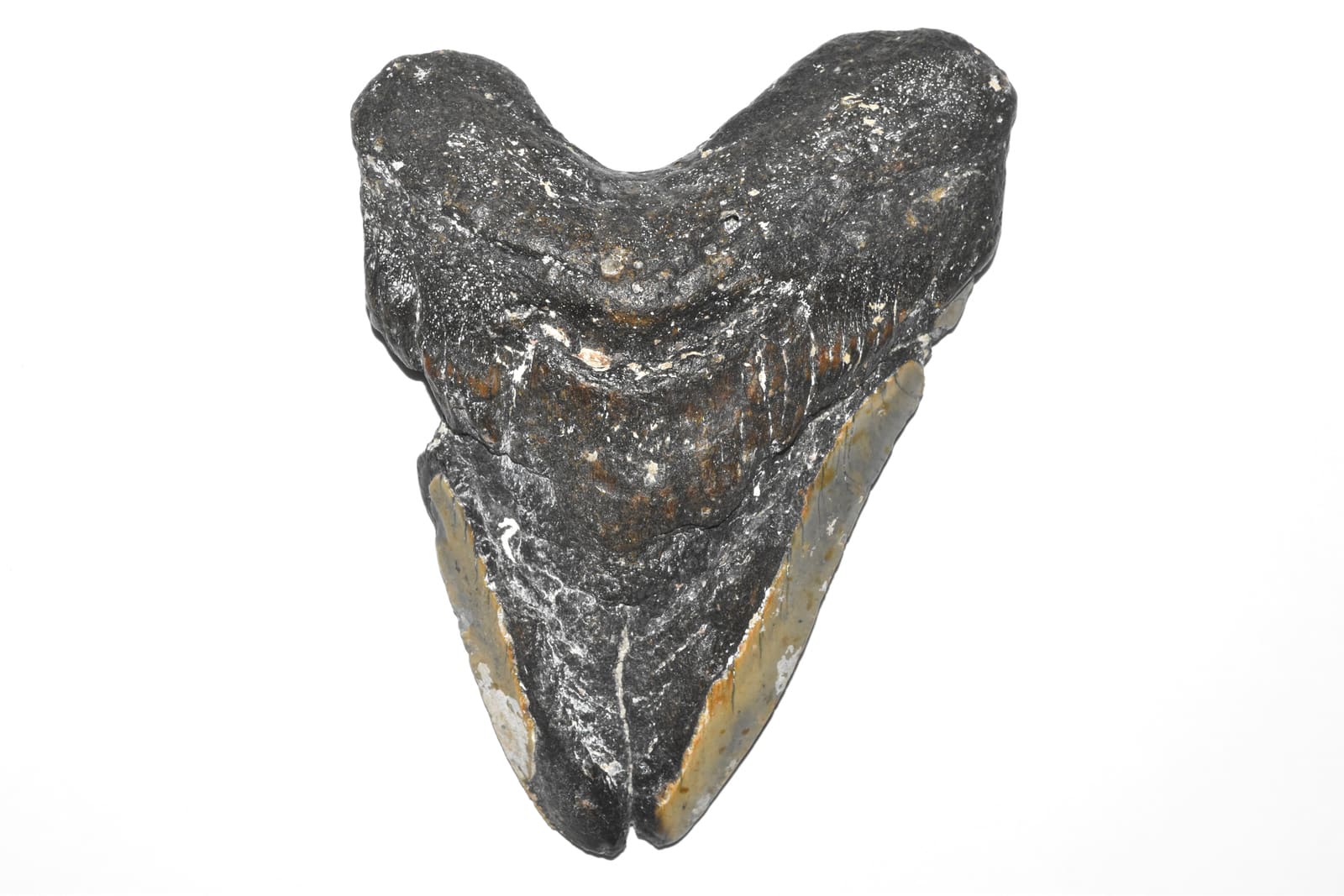
Exceptional specimens command serious prices. A megalodon tooth over five inches in excellent condition can sell for $500–$5,000. Complete, well-preserved fish from the Green River Formation in Wyoming (available through pay-to-dig operations) retail for $150–$800 framed. A complete Moroccan trilobite with all appendages visible can fetch $300–$2,000 from specialist dealers. Dinosaur material is more complex: fragments of non-vertebrate bone can sell legally, but complete or significant vertebrate specimens found on US federal land cannot be sold at all.
The Heritage Auctions paleontology sales and I.M. Chait Gallery handle the upper end of the market. The most significant specimens, complete T. rex skulls, Archaeopteryx slabs, sell for millions, but those are found by professional excavators working permitted sites over years.
Legal limits on selling fossils
What you can legally sell depends on where you collected it. In the US, fossils from private land belong to the landowner and can be sold freely. Common invertebrate fossils casually collected from Bureau of Land Management (BLM) land can be kept for personal use but cannot be sold. Vertebrate fossils from federal land cannot be sold regardless of who found them, this is a federal offence under the Paleontological Resources Preservation Act of 2009.
In the UK, fossils collected from public foreshore (below mean high-water mark) can generally be sold. There is no general prohibition equivalent to US federal land rules, though sites within SSSIs carry additional restrictions.
More consistent ways to earn from the hobby
A more reliable income model for collectors who want to monetize their knowledge is guided tours or identification services. Lyme Regis Fossil Walks in Dorset charges per-person rates for guided foreshore walks. Similar services operate at Yorkshire coast sites and in Florida. Some collectors build income through YouTube documentation, fossil photography, or identification consulting for local museums and estates.
Commercial preparation, the work of cleaning and displaying fossils, is a skilled trade. Professional preparators charge $50–$200 per hour, and a well-prepared Moroccan trilobite that cost $30 rough can retail for $200 finished. The preparation skill, not the collecting, is where consistent income is possible.
The effort-to-income reality
The practical barrier isn't legal, it's economic. A half-day trip to a productive foreshore site costs time, fuel, and effort. The average find has a retail value of $5–$25. Selling online adds listing time, packaging, and PayPal or eBay fees. Net income from a typical recreational collector's haul is minimal, and not worth the effort unless collecting is the primary goal anyway.
The collectors who generate reliable income from fossils treat it as a business from the start: they focus on preparation quality, build relationships with dealers or auction houses, document provenance meticulously, and specialize in one or two fossil types they understand well. Scattered casual collecting does not produce consistent revenue.
Where to go next
For the best sites to find collectible material in the US, see the Ohio fossil hunting guide (free public access, Ordovician invertebrates) and the Florida fossil hunting guide (shark teeth and Miocene vertebrates). For pay-to-dig sites where you keep everything you find, see the pay-to-dig fossil parks guide.
Frequently asked questions
- How much money can you make fossil hunting?
- Most recreational fossil hunters will not make consistent money from the hobby. Common surface-collected fossils — shark teeth, ammonite fragments, brachiopods — typically retail for $1–$30. Exceptional specimens command more: a megalodon tooth over five inches in excellent condition can sell for $500–$5,000. The practical barrier is that travel, time, and selling costs usually exceed the value of a typical day's finds.
- Is it legal to sell fossils you find?
- In the United States, legality depends on where the fossil was collected. Fossils from private land belong to the landowner and can be sold freely. Common invertebrate fossils collected from Bureau of Land Management (BLM) land are for personal use only and cannot be sold. Vertebrate fossils from any federal land cannot be sold at all — this is a federal offence under the Paleontological Resources Preservation Act of 2009. In the UK, fossils collected from public foreshore can generally be sold.
- What fossils are worth the most money?
- Among material accessible to recreational collectors, megalodon teeth over five inches in excellent condition ($500–$5,000), complete Moroccan trilobites with preserved appendages ($300–$2,000), and framed Green River Formation fish from Wyoming ($150–$800) represent the upper end of the market. Scientifically exceptional vertebrate specimens — complete skulls and skeletons — are handled by specialist auction houses such as Heritage Auctions and can reach six figures.