Ohio Fossil Hunting Guide
7 Best Fossil Hunting Sites in Ohio
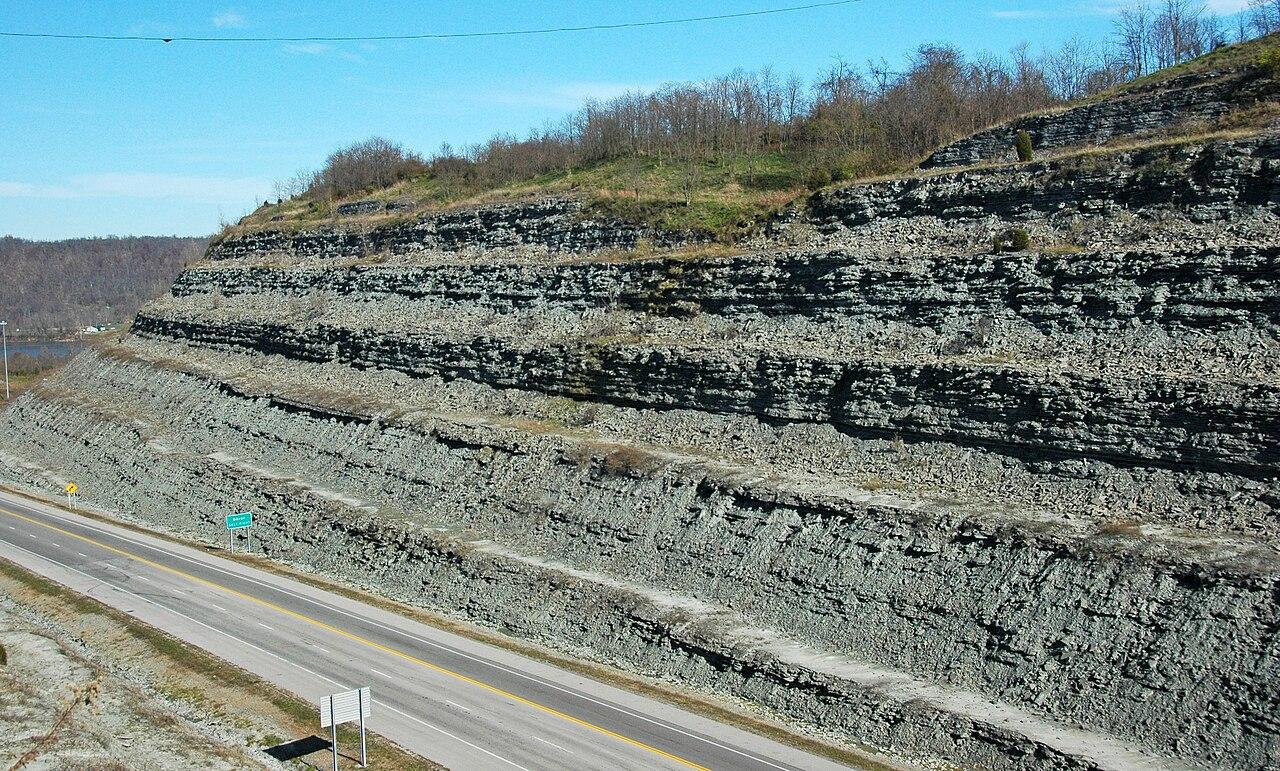
Southwest Ohio sits on a shallow Ordovician seabed that has been tilted toward the surface, giving the region some of the most accessible free fossil collecting in the eastern United States. The limestone outcrops along creek beds and lake shorelines produce trilobites, brachiopods, and crinoids from the Cincinnatian Series — the type section for Late Ordovician stratigraphy in North America. Every site in this guide is free to visit and allows collecting without a permit.
7 fossil sites
Updated 4 August 2026
The Ordovician sea that covered Ohio
Around 450 million years ago, what is now Ohio lay near the equator beneath a warm, shallow sea that extended across most of the North American interior. This Ordovician sea supported dense communities of marine invertebrates: brachiopods that filter-fed from the seafloor, bryozoan colonies that built reef-like mounds, crinoids that anchored themselves to the sediment and extended feathery arms to catch food, and trilobites that scavenged across the muddy bottom. When these organisms died, their shells and skeletons accumulated in lime muds that eventually lithified into the limestone now exposed throughout southwest Ohio.
The Cincinnatian Series — the sequence of limestone and shale deposited during the latest Ordovician in this region — is the global reference standard for Late Ordovician stratigraphy. Geologists worldwide use the Cincinnati area as a benchmark for correlating Ordovician-age rocks because the exposures are so well-preserved, well-studied, and accessible. The fossil fauna from these beds is among the best-documented Ordovician assemblages anywhere, with thousands of described species from over two centuries of systematic collecting.
- 1
Caesar Creek State Park Fossil Hunting Guide
Ohio, United States
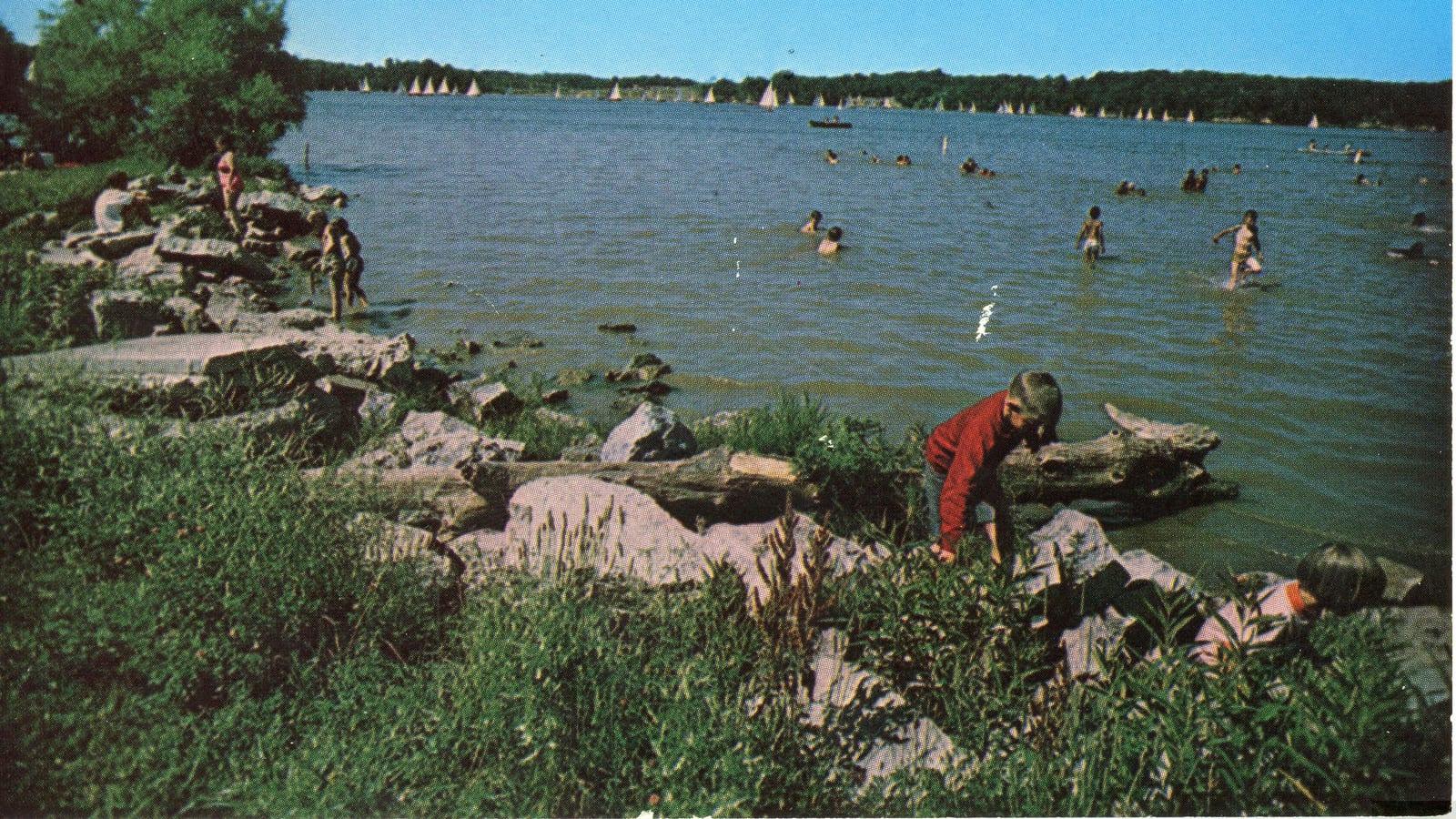
Permit requiredTrilobitesBrachiopodsCrinoidsCaesar Creek is the most productive free fossil collecting site in Ohio. The Army Corps of Engineers manages the spillway area specifically for public fossil collection, and the exposed Ordovician limestone regularly produces trilobites, brachiopods, bryozoans, crinoid segments, and horn corals. The spillway is open year-round; collecting is free and no permit is required. After significant rains, freshly exposed material appears on the rock surfaces below the dam.
Read the full guide → - 2
East Fork State Park Fossil Hunting Guide
Ohio, United States
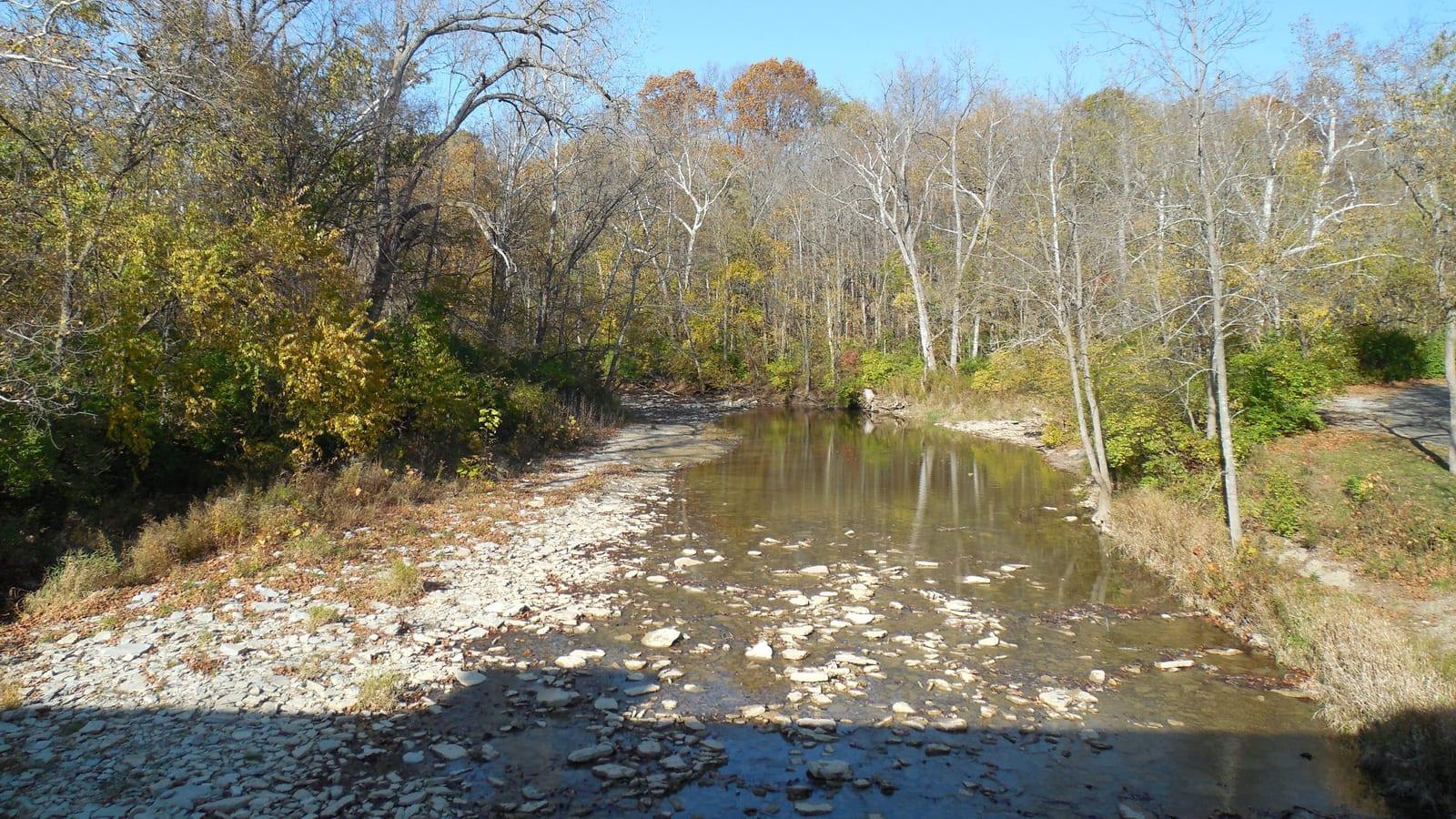
Free collectingTrilobitesBrachiopodsCrinoidsEast Fork State Park near Bethel exposes the same Ordovician limestone sequence as Caesar Creek but with less visitor traffic, making it a productive alternative when Caesar Creek is crowded. The creek beds and exposed shoreline around William H. Harsha Lake yield brachiopods, bryozoans, and crinoid fragments. Access is free, parking is available at multiple lake-access points, and collecting from loose material in the creek beds is permitted.
Read the full guide → - 3
Oakes Quarry Park Fossil Hunting Guide
Ohio, United States
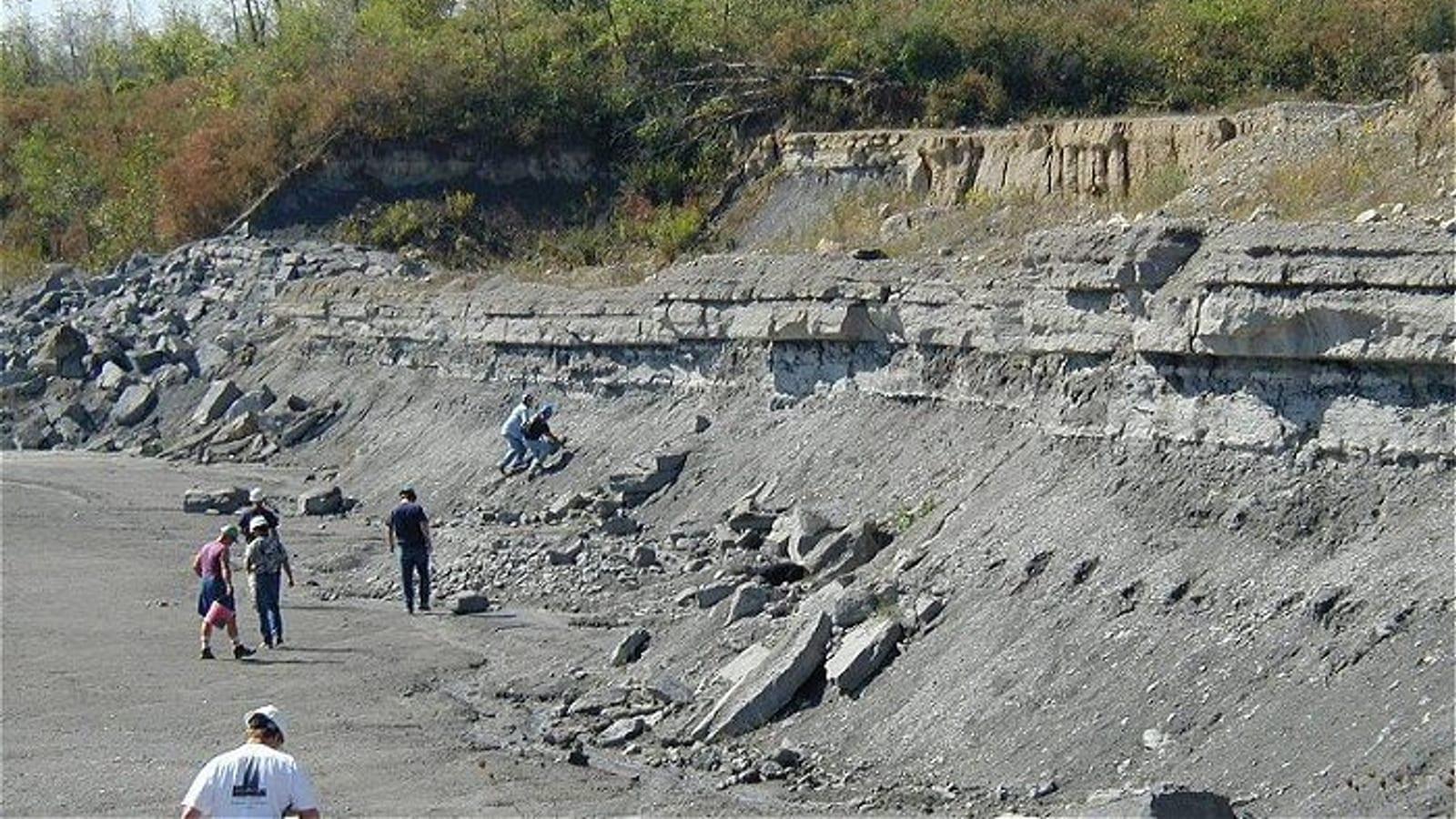
Free collectingBrachiopodsCrinoidsCoralsOakes Quarry Park is a former limestone quarry that the City of Fairborn converted into a fossil collecting park. The exposed Ordovician faces produce trilobites, brachiopods, and crinoids, and the site is specifically managed for public fossil collection — one of the few municipal parks in Ohio with this designation. The site is small but reliable, and the concentrated exposures make it efficient for targeted collecting.
Read the full guide → - 4
Cowan Lake State Park Fossil Hunting Guide
Ohio, United States
Free collectingBrachiopodsBryozoansCoralsCowan Lake State Park provides access to Ordovician limestone outcrops along the lake shoreline and tributary streams. The geology is consistent with the other southwest Ohio sites — primarily brachiopods and bryozoans with occasional trilobite fragments. The park is less well-known as a fossil site than Caesar Creek, which typically means quieter conditions and less-picked-over exposures after storms.
Read the full guide → - 5
Hueston Woods State Park Fossil Hunting Guide
Ohio, United States
Free collectingBrachiopodsBivalvesBryozoansHueston Woods State Park near Oxford sits on Ordovician limestone that outcrops along the creek beds and lake margins. The Big Blue Limestone member here is particularly rich in colonial corals and bryozoans. The park has a nature center with fossil interpretation, and the fossil-bearing outcrops are accessible via hiking trails. Collecting from creek beds is permitted; the nature center staff can direct visitors to productive locations.
Read the full guide → - 6
Trammel Fossil Park Fossil Hunting Guide
Ohio, United States
Free collectingTrilobitesBrachiopodsCrinoidsTrammel Fossil Park in Sharonville is a Hamilton County park specifically set aside for fossil collecting in Ordovician limestone outcrops. The site produces brachiopods, bryozoans, crinoids, and occasional trilobite material from the Cincinnatian Series — the type section for Ordovician stratigraphy in the Midwest. The park is free, easily accessible from Cincinnati, and has interpretive signage identifying the major fossil types.
Read the full guide → - 7
Fossil Park Sylvania Fossil Hunting Guide
Ohio, United States
Free collectingTrilobitesBrachiopodsCrinoidsFossil Park in Sylvania is the only Devonian fossil collecting site in the Ohio guide. Instead of the Ordovician trilobites and brachiopods typical of southwest Ohio, this Lucas County park exposes Middle Devonian coral reef material — tabulate corals, stromatoporoids, and the horn corals that built the ancient reef structures. The site is managed specifically for public fossil education and collecting, with signage explaining the Devonian reef environment.
Read the full guide →
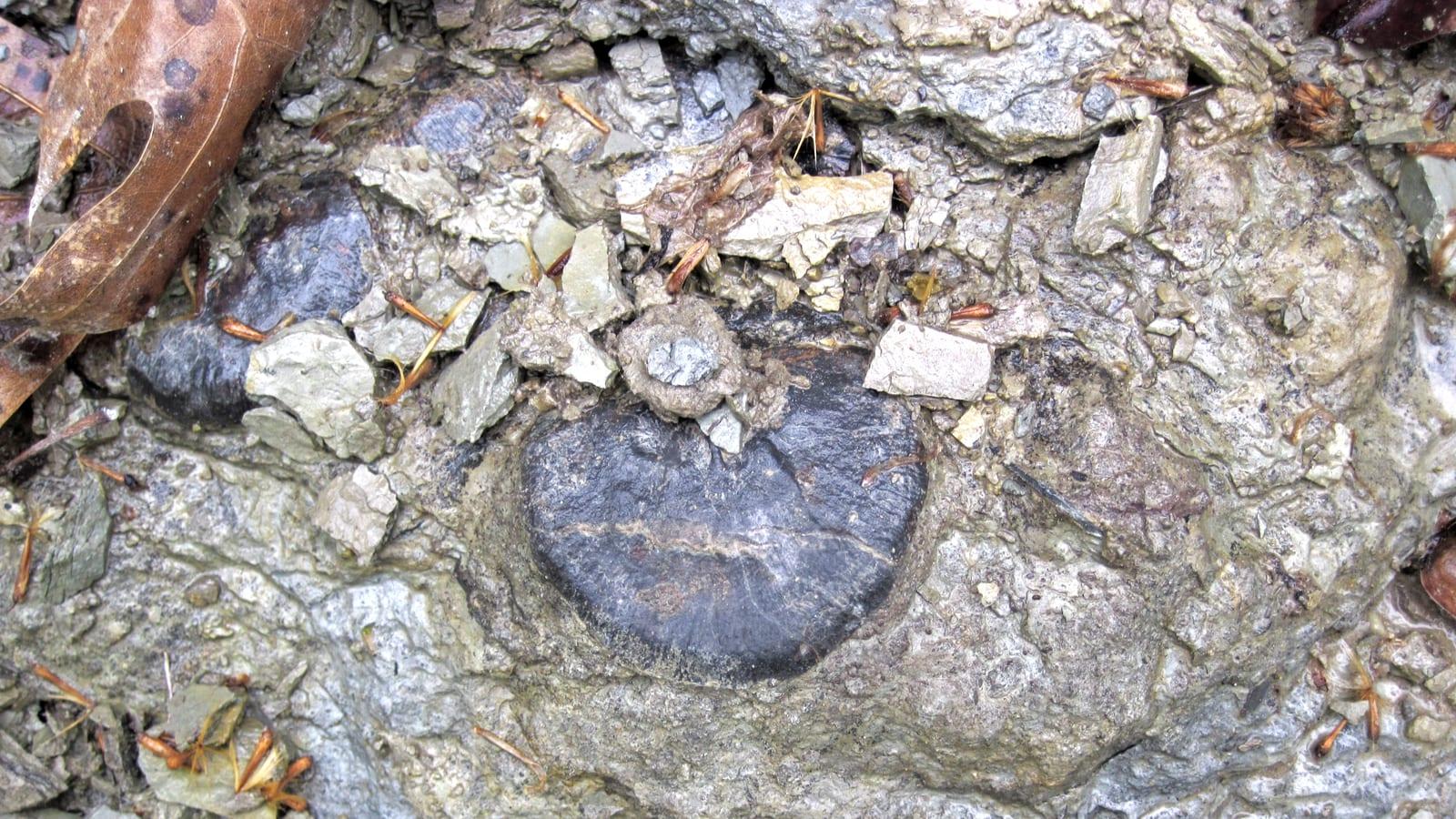
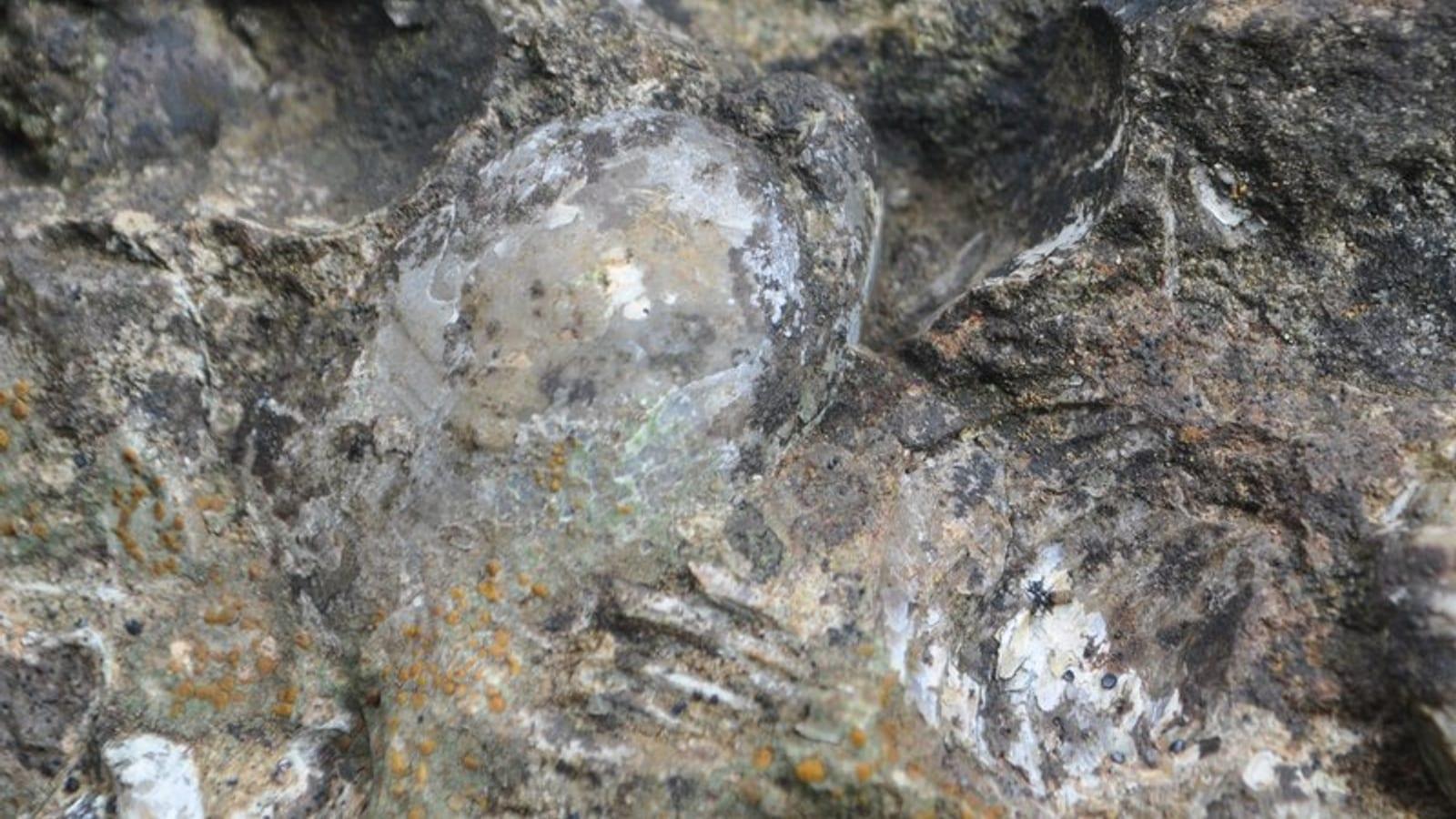
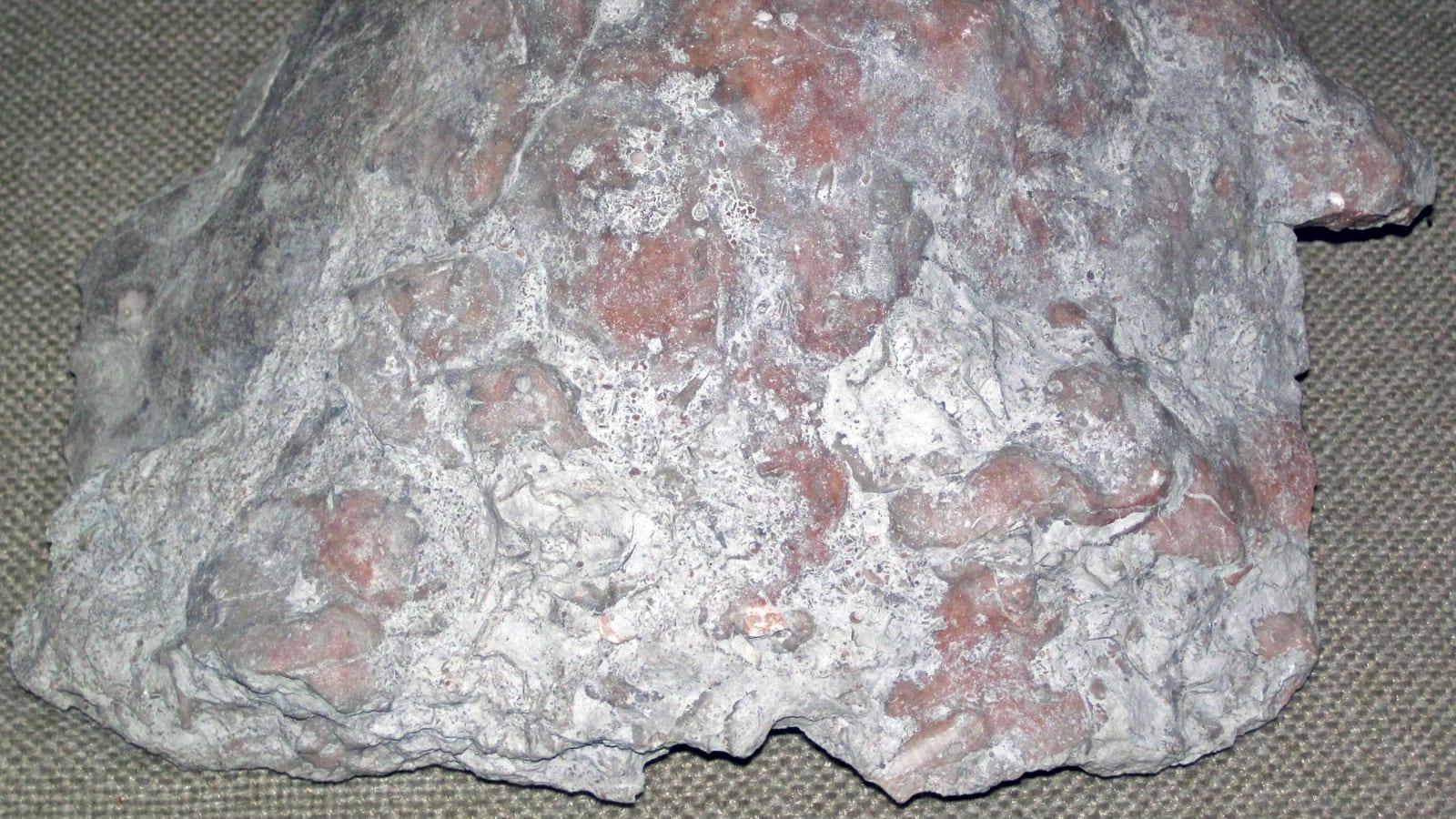
Want every documented location, not just the curated top sites? Browse the full index of Ohio fossil sites for the complete list, including locations beyond this guide. This guide is part of our national roundup of the best places to fossil hunt in the United States.
Frequently asked questions
- What fossils can you find in Ohio?
- Ohio is one of the most accessible states in the US for free fossil collecting. Southwest Ohio sits on Ordovician limestone (approximately 450 million years old) deposited in a shallow tropical sea that covered the region during the Late Ordovician. The most common finds are brachiopods, bryozoans, crinoid segments, and tabulate corals. Trilobites — particularly Isotelus, the state fossil of Ohio — occur at several sites, though complete specimens are uncommon. Fossil Park in Sylvania offers Devonian coral reef material, a different fauna from the same ancient sea at a slightly later time period.
- Is fossil collecting free in Ohio?
- Yes. All seven sites in this guide allow free fossil collecting without permits. Caesar Creek, East Fork, Cowan Lake, and Hueston Woods are state parks that permit surface collecting from loose material in creek beds and shoreline areas. Oakes Quarry Park, Trammel Fossil Park, and Fossil Park are county or city parks specifically managed for public fossil collection. None require advance booking or fees.
- When is the best time to fossil hunt in Ohio?
- Late spring through early fall is the most practical season — trails are accessible, creek levels are manageable, and the longer daylight hours give more collecting time. The best collecting conditions at creek-bed sites come after moderate rain events, which wash sediment off exposed limestone and reveal fresh fossil surfaces. Caesar Creek's spillway is particularly productive after the Army Corps of Engineers releases water, which scours the limestone clean. Avoid visiting during or immediately after heavy rains when water levels are dangerous.
- Are there fossil collecting clubs in Ohio?
- The Dry Dredgers, based in Cincinnati, is the longest-established fossil club for Ohio's Ordovician sites. They have documented Caesar Creek, East Fork, Trammel Fossil Park, and surrounding localities in detail and publish field notes on current collecting conditions. Membership is open to all experience levels. The Ohio Earth Science Education Association supports educators and students interested in Ohio's geology and runs outreach events at sites across the state.
Recommended resources
- The Dry Dredgers — Cincinnati fossil club with the most comprehensive field documentation of Ohio's Ordovician collecting sites; organises club digs at Caesar Creek and surrounding localities.
- FossilGuy.info — Site-by-site field guides for Caesar Creek and other Ohio Ordovician localities, compiled from years of regular visits — useful for identifying productive beds at each site.
- Ohio Earth Science Education Association (OESEA) — Supports earth science education in Ohio; maintains resources covering the state's Ordovician geology and runs outreach events at fossil sites.