value
Can You Really Find Valuable Fossils?
By Edward Chen · Published 14 May 2026
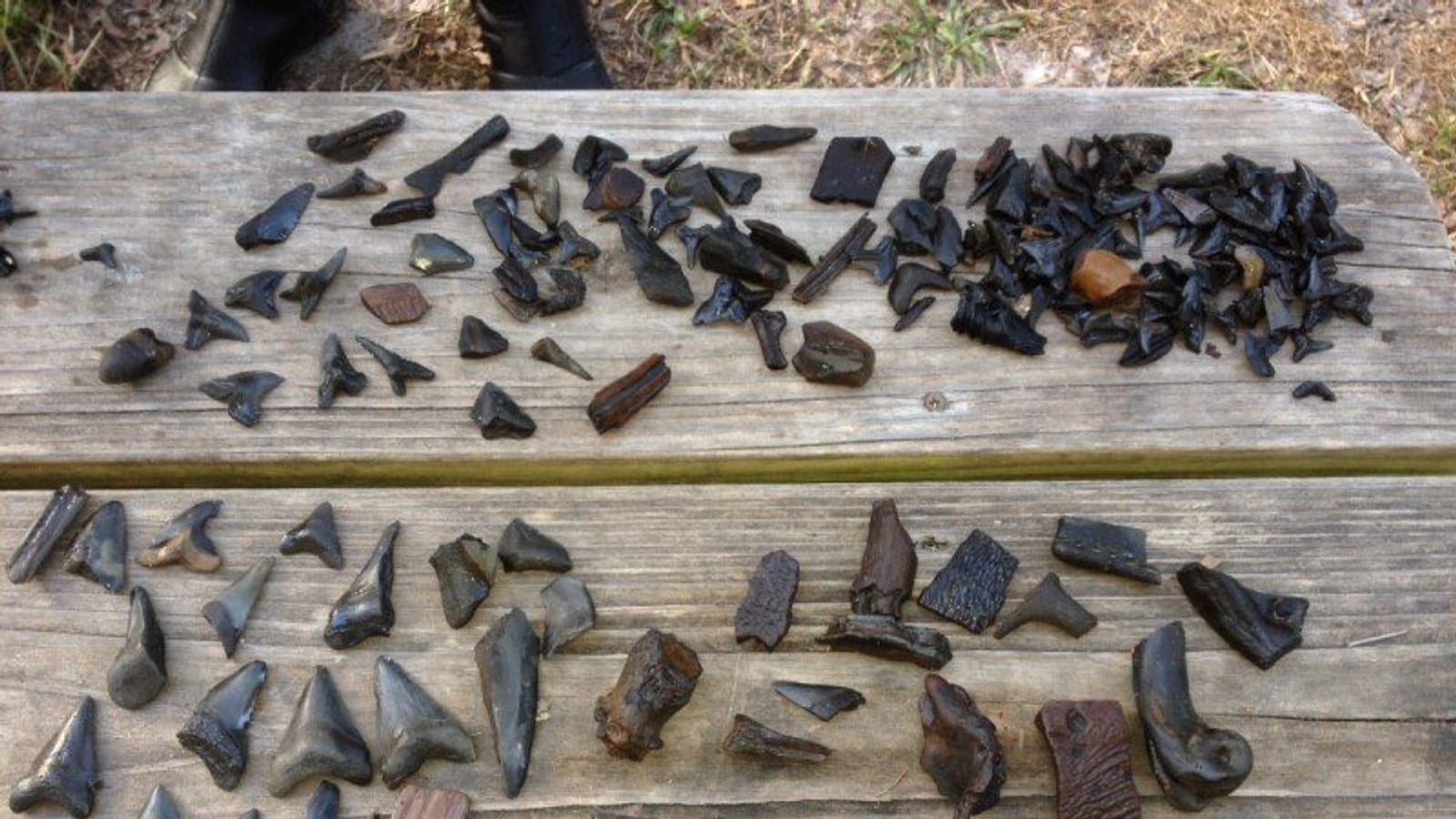
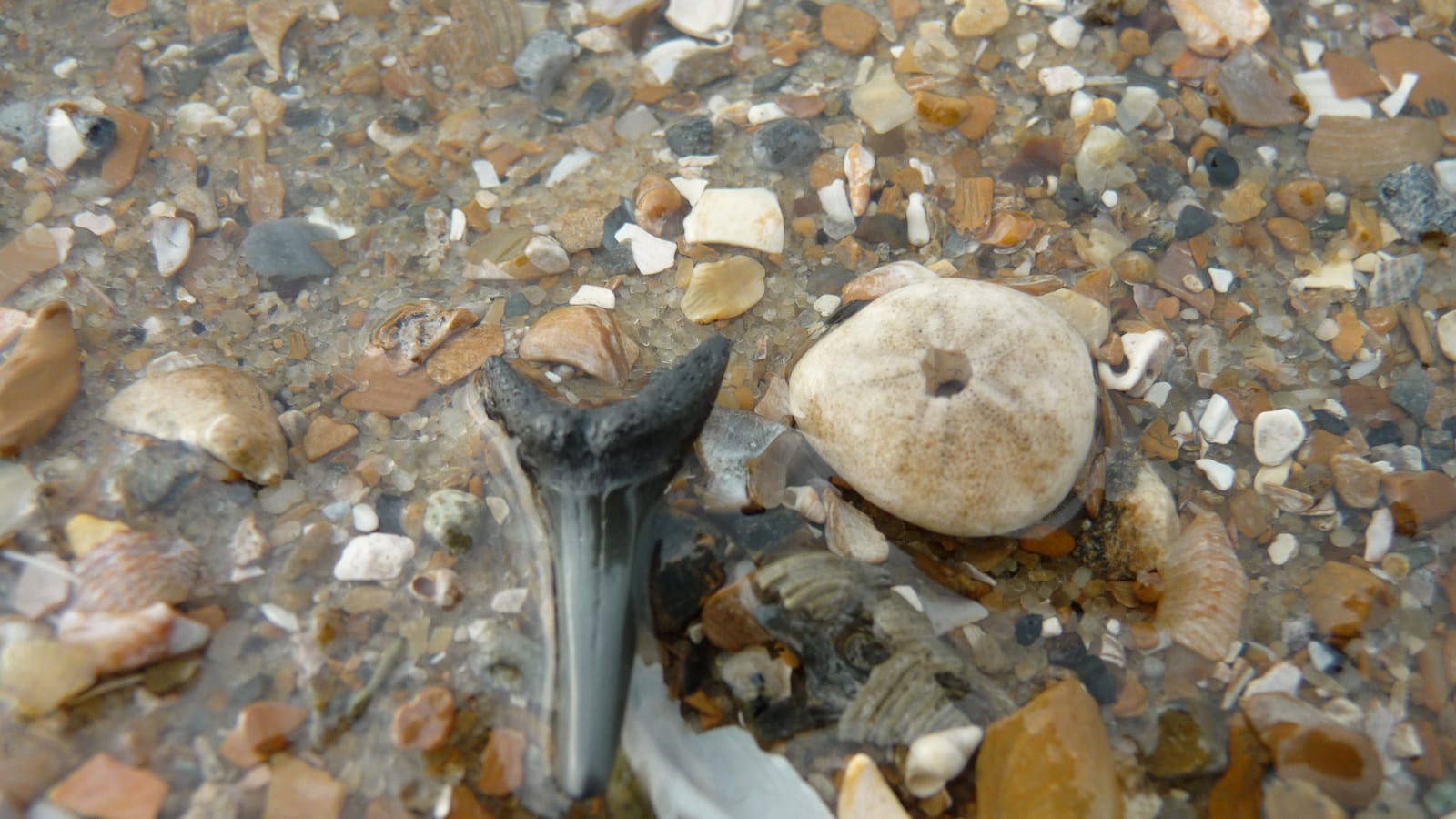
Yes, but the definition of valuable matters. On a good trip to Venice Beach in Florida, a collector routinely finds shark teeth including small megalodon specimens worth $5–$50 each. Rare? Not at that site. Life-changing? No. The idea that recreational fossil hunting reliably produces museum-grade specimens is a myth. The idea that it produces nothing of worth is equally wrong.
The realistic outcome depends almost entirely on which site you visit, what geological formation it exposes, and how much fresh material has eroded since the last collector was there.
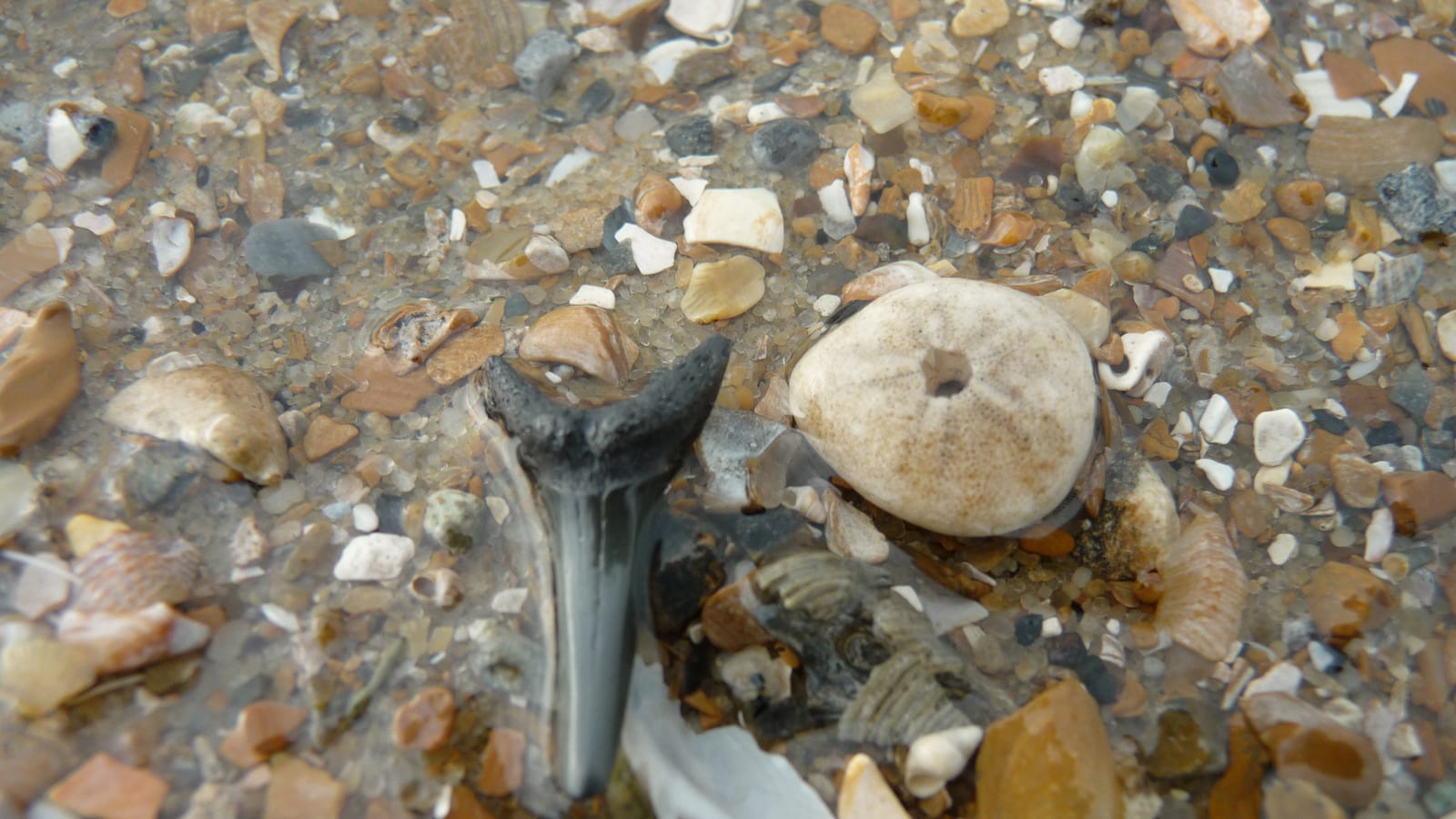
What most collectors find on a typical trip
On a beach foreshore in the UK, Charmouth, Whitby, Robin Hood's Bay, most collectors find shell fragments, loose belemnite guards, and small ammonite pieces. Intact, identifiable ammonites appear on better trips. Complete specimens with suture detail are the exception rather than the rule. The monetary value of a typical UK beach find is $5–$30. Scientifically, common Jurassic ammonites from the Charmouth foreshore are interesting specimens, not rare ones.
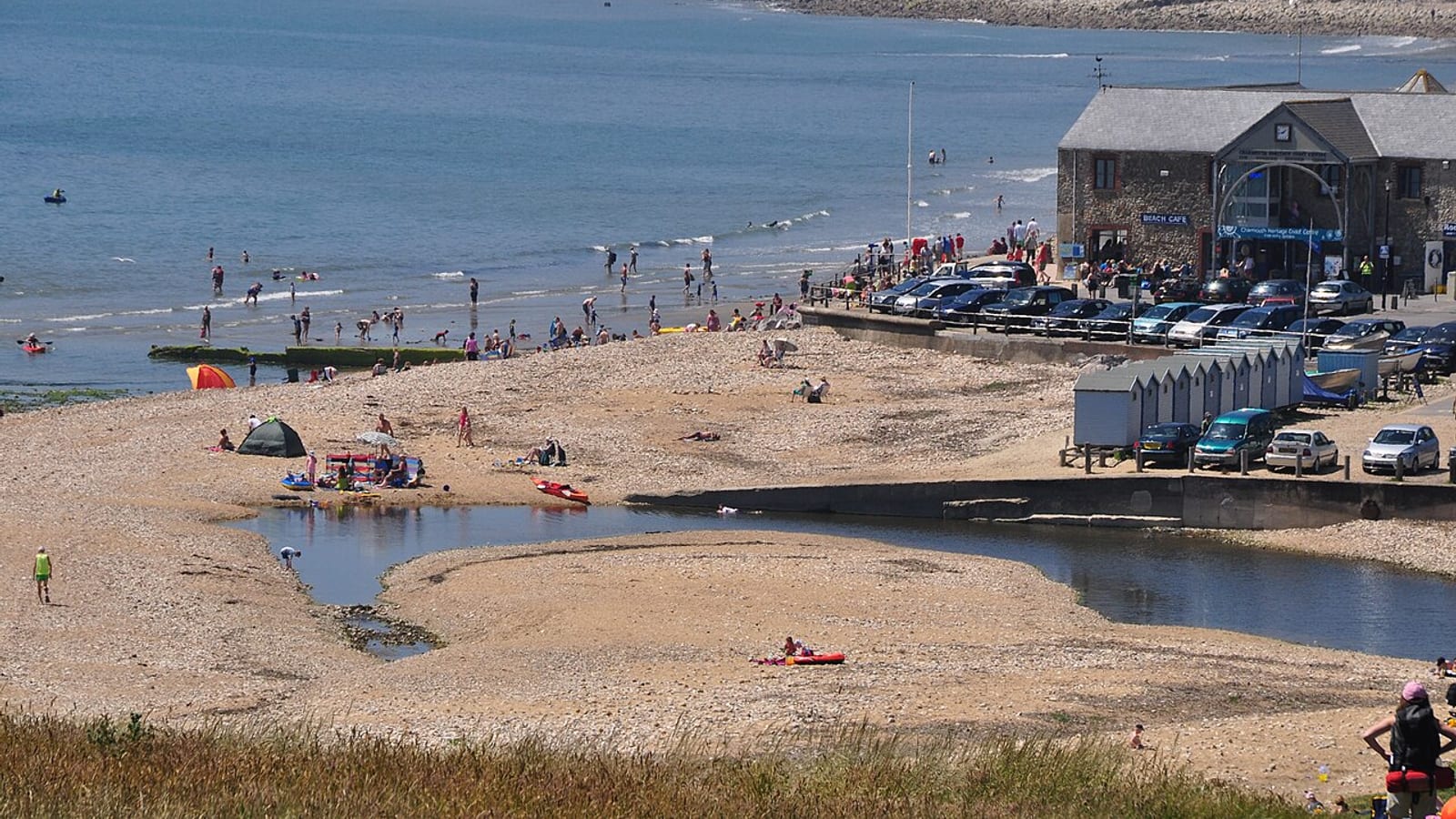
US beach sites vary more by geology. Florida's phosphate-rich coastal sediments make shark teeth genuinely common: Venice Beach regularly produces multiple species per trip, including Carcharocles megalodon at the smaller end of the size range. Ohio's Caesar Creek State Park, a free public site on Ordovician limestone, reliably produces trilobites, brachiopods, and crinoid fragments. Most of this material is common to abundant in the formation, which keeps prices modest.
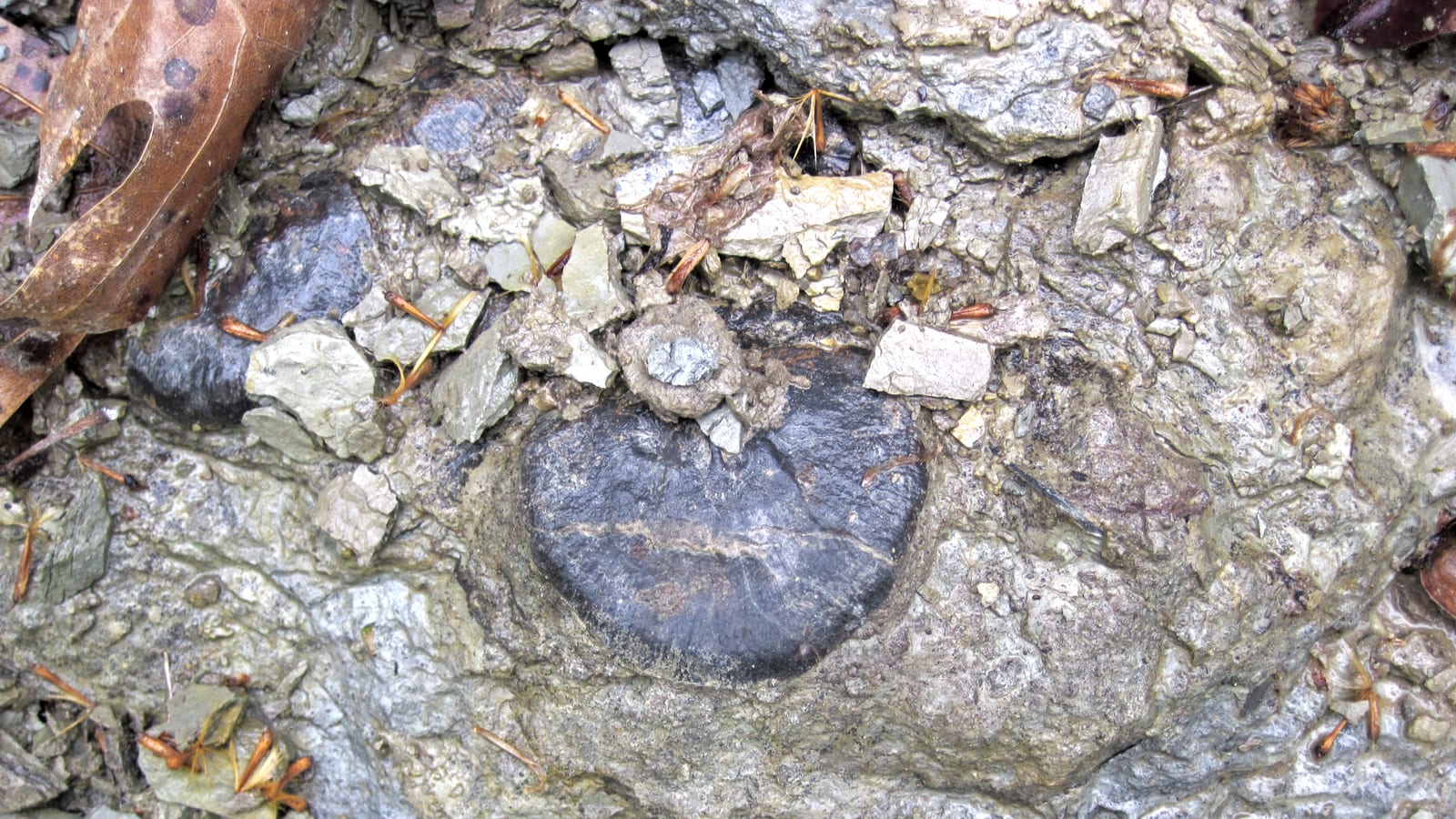
Where your odds of a notable find are highest
Pay-to-dig sites are specifically designed to give visitors a realistic chance of keeping worthwhile specimens. The quarry operators at sites like the Green River Formation fish beds near Kemmerer, Wyoming expose fresh fossiliferous material for visitors, who keep everything they split out. Complete Knightia (a small Eocene fish) are nearly guaranteed. Diplomystus and Priscacara, larger species with better market value, appear regularly. Participants leave with specimens worth $30–$200 on the retail market.
Shark tooth sites in Florida genuinely produce megalodon teeth accessible to recreational collectors. Peace River is a river dive site where collectors work gravel bars in the water. Bone Valley phosphate pits have yielded some of the largest megalodon specimens in the US. A five-inch megalodon tooth in good condition is worth $200–$800, a realistic outcome for an experienced Peace River collector over a full season of regular visits.
The gap between "valuable" and "life-changing"
The fossils that sell for thousands are the exception within the exception. A fossil worth $500 represents a good day. A fossil worth $5,000 represents a career-defining find at most sites. The collectors who consistently access higher-value material are either operating commercially (purchasing legal permits for excavation on private land), running guided dig programs with paying clients, or working professional excavation projects at named localities over years.
For recreational collectors, the value proposition of the hobby is not income, it's the combination of outdoor activity, geological education, and the genuine possibility of finding something complete and identifiable that is genuinely millions of years old. That's achievable at dozens of sites described in GFH's guides, without any expectation of profit.
The condition factor
A potentially valuable find can be worth almost nothing if it's collected incorrectly. Shark teeth are fragile. Breaking one in half during recovery cuts the value by 80% or more. Large fossil bones extracted without consolidant treatment can fracture on the way home. The difference between a $50 find and a $500 find is often not the species but the preservation of that specimen after it left the ground.
Learning basic field technique, how to consolidate, wrap, and transport fragile material, is more important for preserving value than visiting any particular site. The beginners guide on GFH covers the essentials of what to bring and how to handle finds on your first trips. A well-wrapped, intact shark tooth is worth five times more than one with a fractured tip that snapped in the bag on the way home.
Where to go next
For the sites most likely to produce collectible material accessible to the public, the Florida fossil hunting guide covers Peace River and the Venice Beach shark tooth sites in detail. The pay-to-dig fossil parks guide lists sites where participants keep all finds, including the Green River Formation fish beds and Ohio's quarry parks.
Frequently asked questions
- What fossils can an average person find?
- At UK beach sites like Charmouth or Robin Hood's Bay, most visitors find belemnite guards, ammonite fragments, and — on good trips — complete ammonites. At Venice Beach, Florida, small shark teeth including Megalodon are common finds. At Ohio's Caesar Creek State Park, brachiopods and trilobites are routinely found. These are genuinely millions of years old, though not rare scientifically; retail values run $5–$50 for typical specimens.
- What is the best site to find valuable fossils as a hobby collector?
- Venice Beach and Peace River in Florida offer the best odds of finding material with genuine market value — megalodon teeth worth $200–$800 for a five-inch specimen in good condition are a realistic outcome for experienced Peace River collectors over a full season. Pay-to-dig Green River Formation fish quarries in Wyoming near Kemmerer produce Eocene fish ($30–$200) that participants keep. Preservation quality matters as much as species — an intact specimen is worth substantially more than a broken one.
- Is it worth going fossil hunting if you can't sell what you find?
- Yes. The value of recreational fossil hunting is the combination of outdoor fieldwork, geological learning, and finding genuine physical evidence of ancient life. Common Jurassic ammonites from the Charmouth foreshore are scientifically well-known but they are still 195 million years old, and finding one yourself is a different experience from seeing one in a museum. Most experienced collectors keep what they find rather than selling it.