legal
Can You Sell Fossils You Find on Your Property?
By Edward Chen · Updated 31 July 2026
In the United States, fossils found on private land belong to the landowner. If you own the land or have written permission from the owner, you can collect those fossils and sell them freely. This is the key legal distinction that separates the commercial fossil trade from the restrictions that apply on federal and state land. In the UK, the legal position is similar: there is no general prohibition on selling legally collected fossils.
The position changes significantly depending on where the fossils were found, not just who found them.
US private land: straightforward ownership
American property law treats subsurface resources, including fossils, as belonging to the surface landowner unless mineral rights have been separately conveyed. A fossil found on your farm in Kansas, your ranch in Wyoming, or your backyard in Ohio is yours to sell. This is why the commercial fossil trade operates, legally, in the US: most commercial specimens come from private ranches and farms in fossil-rich western states, where landowners either hire professional collectors or lease surface rights for fossil recovery.
The exceptions are Native American trust lands, where tribal sovereignty applies separate governance, and some state-level regulations that may restrict collection even on private property for significant vertebrate finds. Montana, for example, has regulations around removing fossils from land adjacent to archaeological sites.
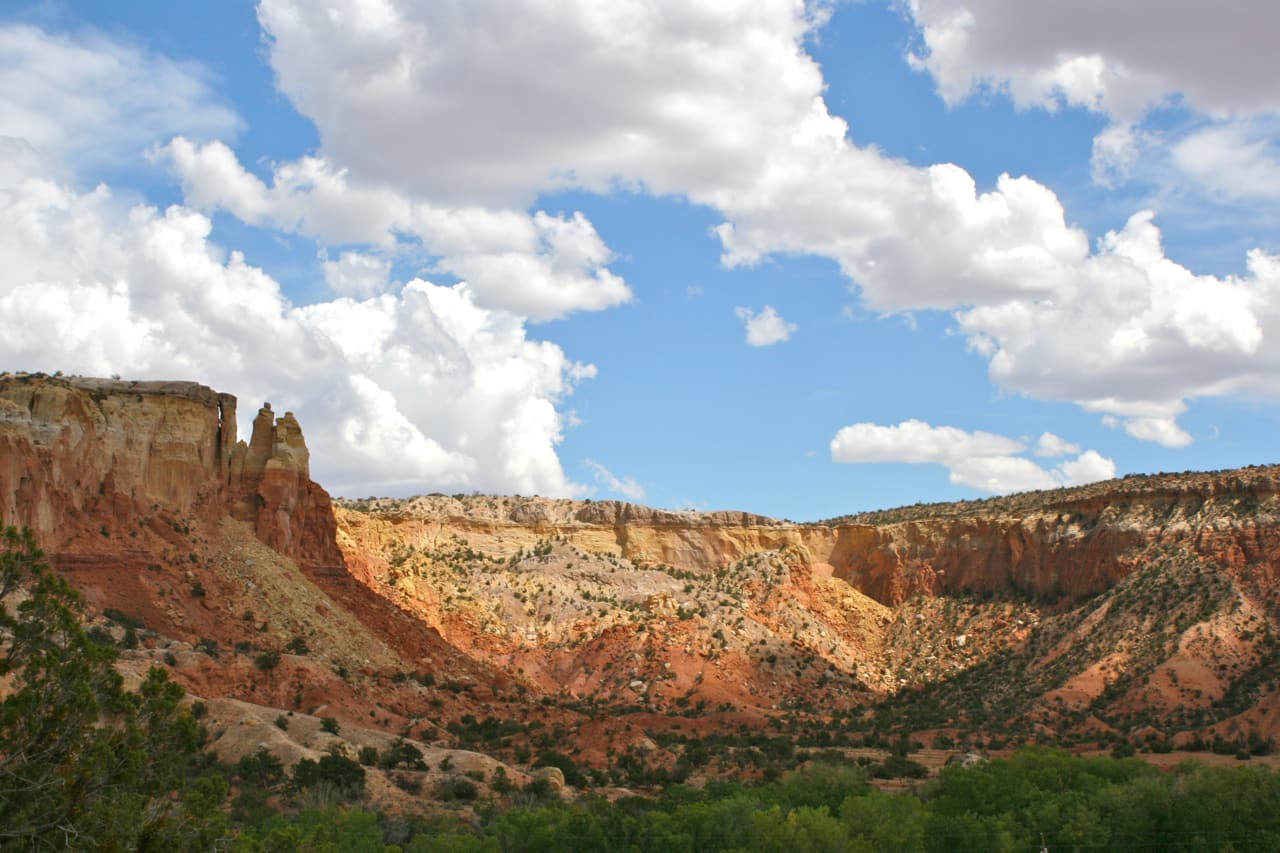
US federal and state land: the sharp boundary
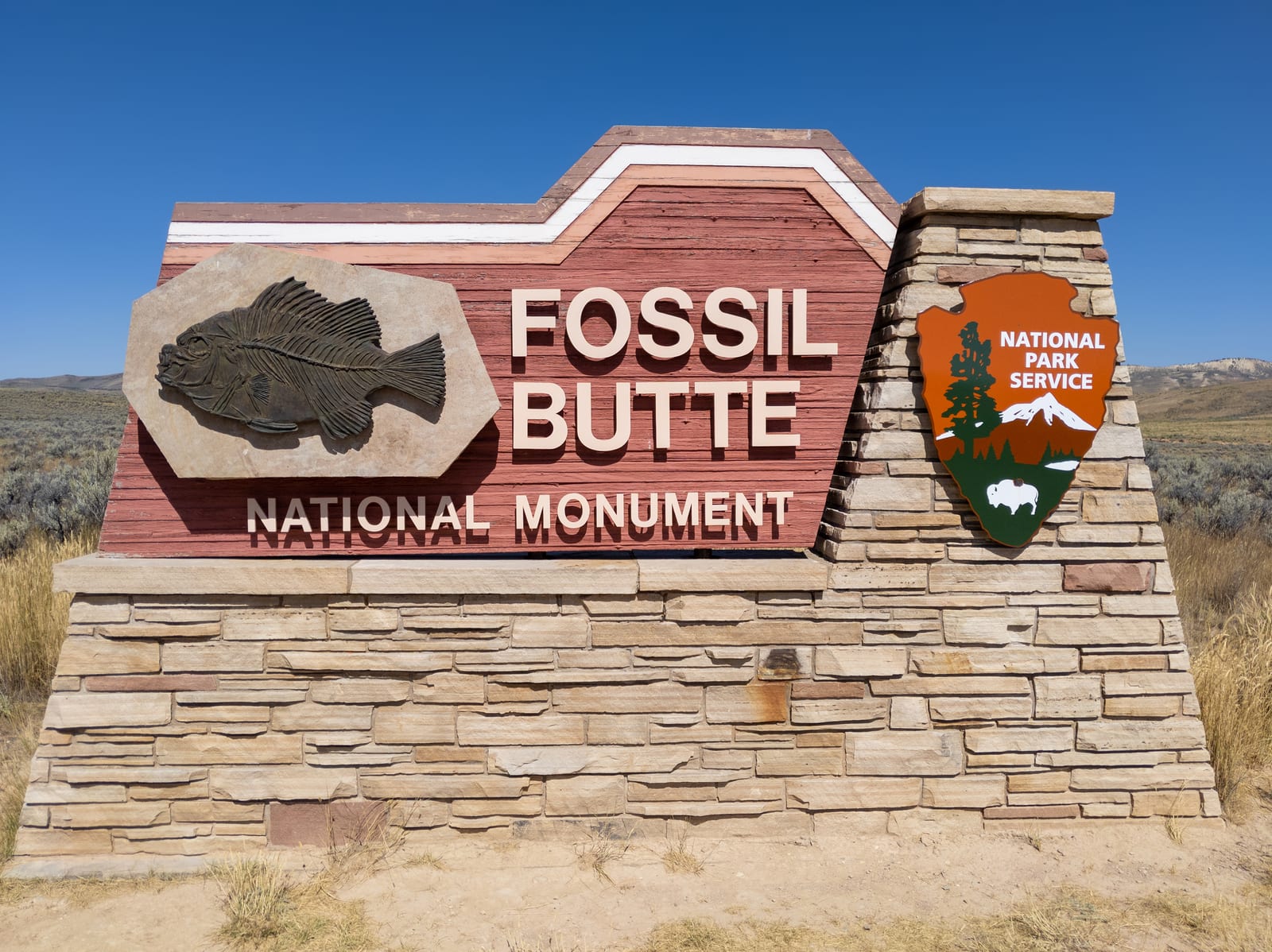
The permissive private land rules do not extend to federal public lands managed by the Bureau of Land Management (BLM), the National Park Service (NPS), or the US Forest Service. Under the Paleontological Resources Preservation Act of 2009, selling vertebrate fossils from federal land is a federal offence, regardless of who collected them or when. Common invertebrate fossils casually collected from BLM land can be kept for personal use but cannot be sold. National Park fossils cannot be collected at all.
This creates a legal trap for collectors who aren't careful about documentation. A megalodon tooth found on a Florida beach near federal property is worth documenting with photographs, GPS coordinates, and a note of the land status at the collection point. Without that documentation, provenance is impossible to establish later.
UK: no general prohibition, but site rules apply
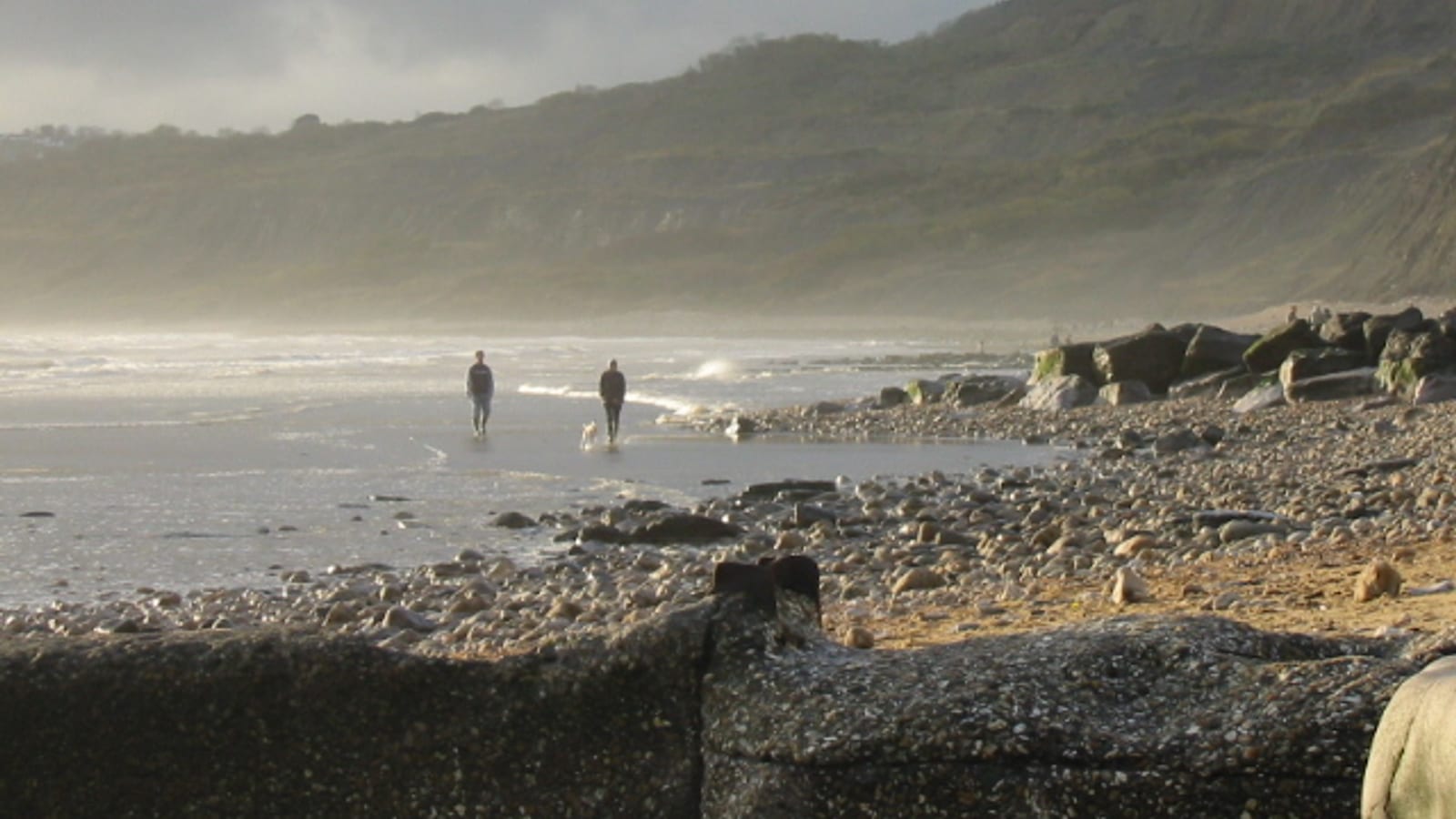
In England, Wales, and Scotland, there is no equivalent to US federal land fossil law. Fossils collected from public foreshore (below mean high-water mark on Crown Estate coastline) can generally be sold. Fossils from private farmland, with the landowner's permission, can be sold. The exceptions are sites designated as Sites of Special Scientific Interest (SSSIs) under the Wildlife and Countryside Act 1981, where collecting restrictions may apply, and Scheduled Ancient Monuments. The Natural England SSSI database identifies protected sites.
Significant vertebrate finds from UK sites, particularly complete dinosaur specimens from the Isle of Wight or marine reptiles from the Jurassic Coast, are not legally prohibited from sale, but the Natural History Museum in London and local museums may request to study them before they leave the country.
What you cannot sell regardless of location
Vertebrate fossils from US federal land head this list. Beyond that, fossils subject to export restrictions in their country of origin are legally complicated to sell internationally: Morocco, China, and several South American countries have export restrictions on significant paleontological material, which affects the legal status of specimens already in circulation.
Archaeopteryx specimens from the Solnhofen area of Bavaria are protected under Bavarian natural heritage law. Any legally significant Archaeopteryx specimen is not saleable by private collectors in Germany regardless of how it was originally found.
Practical selling channels
For legally collected material with clear provenance documentation, eBay remains the largest volume marketplace. The Tucson Gem and Mineral Show (held annually in February) is the largest fossil trading event in the world and the primary venue for collector-to-dealer and collector-to-collector transactions. Heritage Auctions handles higher-value specimens. Dealers will typically offer 30–50% of retail value for material they buy outright.
Where to go next
For accessible public sites where you can legally collect (and keep) common invertebrate fossils under BLM casual collection rules, see the California fossil hunting guide and Ohio fossil hunting guide. For pay-to-dig sites where everything you find is yours by design, see the pay-to-dig fossil parks guide.
Frequently asked questions
- Can you sell fossils found on your own property in the US?
- Yes. Under American property law, fossils found on private land belong to the surface landowner. If you found the fossil on your own property — or on private land with the owner's written permission — you can sell it freely. The restriction applies to federal land: vertebrate fossils from BLM, National Forest, or National Park land cannot be sold under the Paleontological Resources Preservation Act of 2009, regardless of who collected them.
- Where can I sell fossils I have found?
- eBay is the largest volume marketplace for common specimens. The Tucson Gem and Mineral Show, held annually each February in Tucson, Arizona, is the world's largest fossil trading event and the primary venue for collector-to-dealer and collector-to-collector transactions. Heritage Auctions handles higher-value specimens. Dealers typically offer 30–50% of retail value for material they purchase outright.
- Do I need to document where I found a fossil before selling it?
- Yes — provenance documentation is important for both legal and market reasons. For US fossils, documenting where the specimen was collected (including the land ownership type) is essential, since vertebrate fossils from federal land cannot be legally sold. Buyers and auction houses also require provenance information for significant specimens. Photograph the find in situ, note the GPS coordinates, and record the date and land status at the collection point before moving the specimen.