California Fossil Hunting Guide
Best Fossil Hunting Sites in California: 8 Top Locations
California's fossil record spans nearly every major period from the Cambrian forward, from Pleistocene tar pits in central Los Angeles to Cambrian reefs in the Mojave Desert. These are the 8 most accessible fossil hunting sites in the state, covering sites from San Diego to the Bay Area, with access notes and what each one produces.
8 fossil sites
Updated 3 August 2026
Why California has such a diverse fossil record
Most of California's land area is not original North American craton — it is accreted material scraped off the Pacific Plate during subduction over the past 200 million years. Deep-ocean cherts, seamount remnants, and island arc fragments were added to the continent in successive pulses, creating a collage of terranes with radically different rock types and ages. The Franciscan Complex, which forms much of the Coast Ranges, contains Jurassic and Cretaceous oceanic rocks that preserve radiolarians and deep-sea fauna far older than any corresponding continental rocks in California.
Overlying this basement, California's Cenozoic history was shaped by a series of marine transgressions that repeatedly flooded the state's interior basins. The Miocene San Joaquin and Los Angeles basins were shallow seas teeming with sharks, whales, sea cows, dolphins, and molluscs. These deposits are now exposed in the hills around Bakersfield, the Coalinga area, and sections of the Southern California coast. The most recent addition to the fossil record — the Pleistocene tar pits of Los Angeles — preserve the terrestrial megafauna of the last ice age with exceptional completeness, giving California an unusually complete sequence from Cambrian to Pleistocene.
- 1
La Brea Tar Pits Fossil Hunting Guide
California, United States
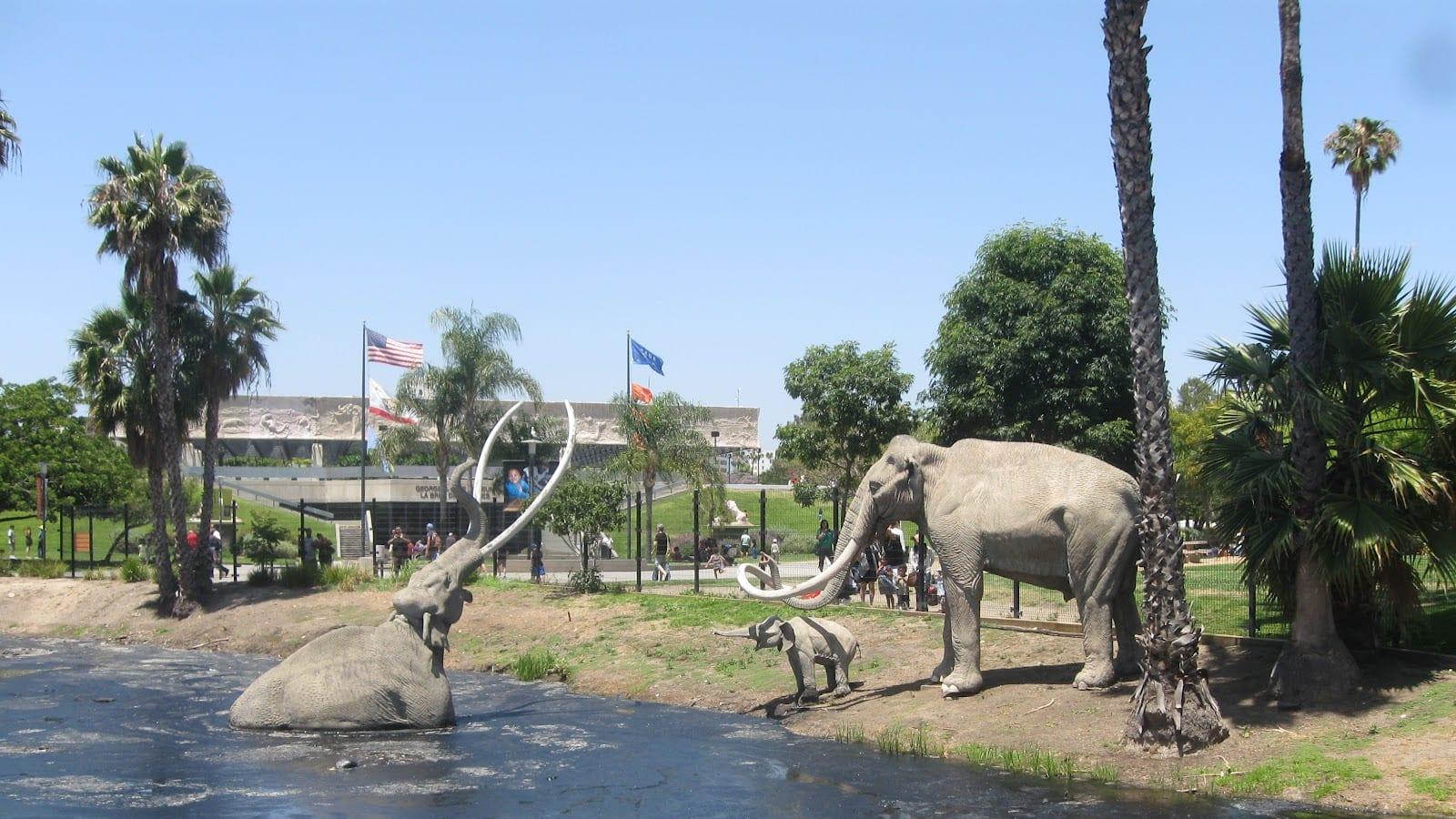
Viewing onlyDire WolfSaber-toothed CatColumbian MammothLa Brea Tar Pits in the Miracle Mile district of Los Angeles is the most productive urban Pleistocene fossil site in the world. Asphalt seeping from the ground trapped animals for over 50,000 years; the excavated fauna includes dire wolves, saber-toothed cats, mastodons, ground sloths, and over 600 species of plants, insects, and birds. The Page Museum displays specimens recovered from the pits, and active excavation in Pit 91 and the adjoining Project 23 continues — visitors can watch paleontologists working during summer months.
Read the full guide → - 2
Shark Tooth Hill Fossil Hunting Guide
California, United States
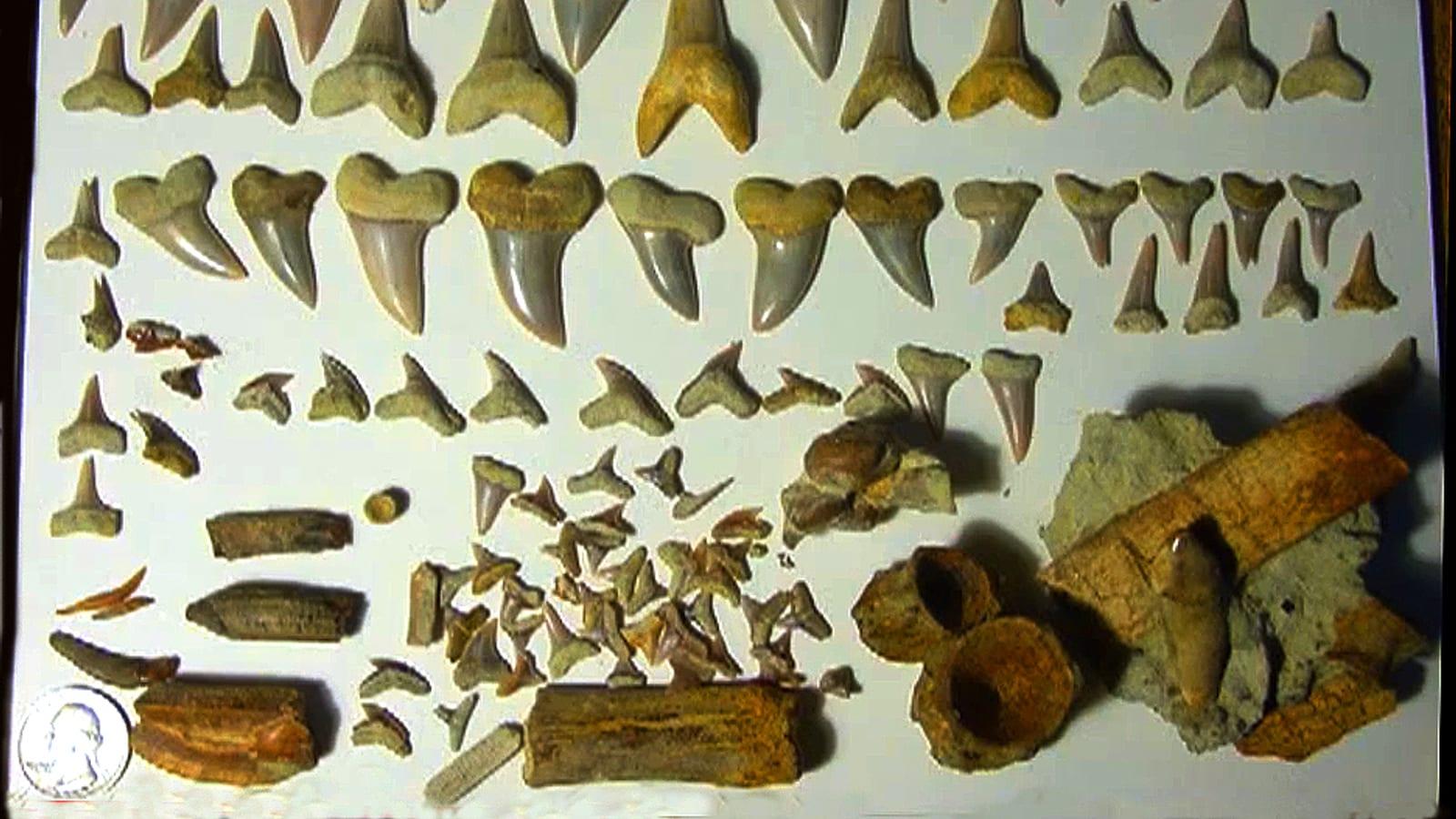
Pay to digShark TeethWhale VertebraeDolphin SkullsShark Tooth Hill near Bakersfield is the type locality for the Round Mountain Silt Member, a Middle Miocene marine deposit that produces the densest concentration of fossil shark teeth in California. Carcharocles megalodon, Cosmopolitodus hastalis, and Isurus planus are among the species documented from the hill. Access is on private land managed by the Buena Vista Museum of Natural History, which organizes supervised collecting digs — participants keep their finds.
Read the full guide → - 3
Cabrillo National Monument Fossil Hunting Guide
California, United States
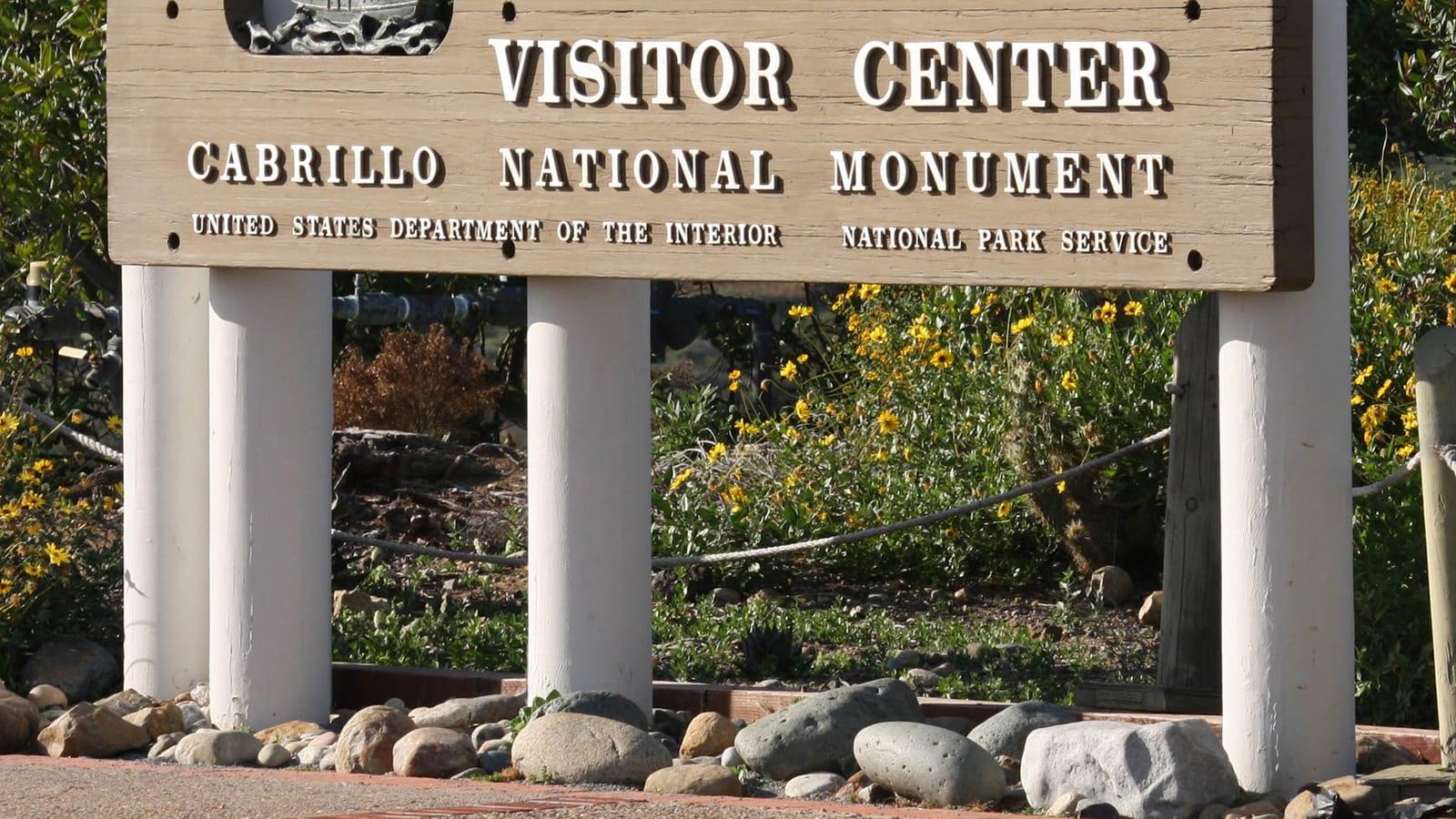
Viewing onlyTrace FossilsInoceramid BivalvesShark TeethCabrillo National Monument at the tip of Point Loma in San Diego protects tide pools and coastal geology that include exposures of the Point Loma Formation, a Late Cretaceous turbidite sequence. Fossil molluscs, trace fossils, and occasional shark teeth occur in the intertidal zone and cliff faces. The monument is a National Park Service unit — collecting fossils is prohibited, but in-situ viewing is exceptional and the interpretive program covers the Cretaceous marine environment in detail.
Read the full guide → - 4
Golden Gate National Recreation Area Fossil Hunting Guide
California, United States
Viewing onlyRadiolariansMarine InvertebratesPlant FossilsThe Golden Gate National Recreation Area encompasses Marin Headlands, the Marin coastline, and sections of the San Francisco Peninsula where Jurassic and Cretaceous radiolarian cherts and graywackes are spectacularly exposed. These rocks represent deep-ocean sediments scraped off the Pacific Plate onto the North American margin during subduction. Fossil radiolarians — microscopic siliceous organisms — are the primary fossils; macrofossils are rare but the geology and setting are unmatched for understanding California's tectonic history.
Read the full guide → - 5
Marine Fossils near Coalinga Fossil Hunting Guide
Fresno County, California, United States
Free collectingSand DollarsBivalvesGastropodsThe hills around Coalinga in Fresno County expose Miocene marine sediments that produce sharks, rays, bony fish, marine mammals, and molluscs from shallow Miocene seas that covered the San Joaquin Valley. The Temblor Formation and overlying units are particularly fossiliferous. Much of the land is privately held but the Fresno County fossil sites near Coalinga are well-documented by the California Academy of Sciences, and guided collecting trips operate seasonally on accessible parcels.
Read the full guide → - 6
Find Fossils at Bolinas Lagoon Fossil Hunting Guide
California, United States
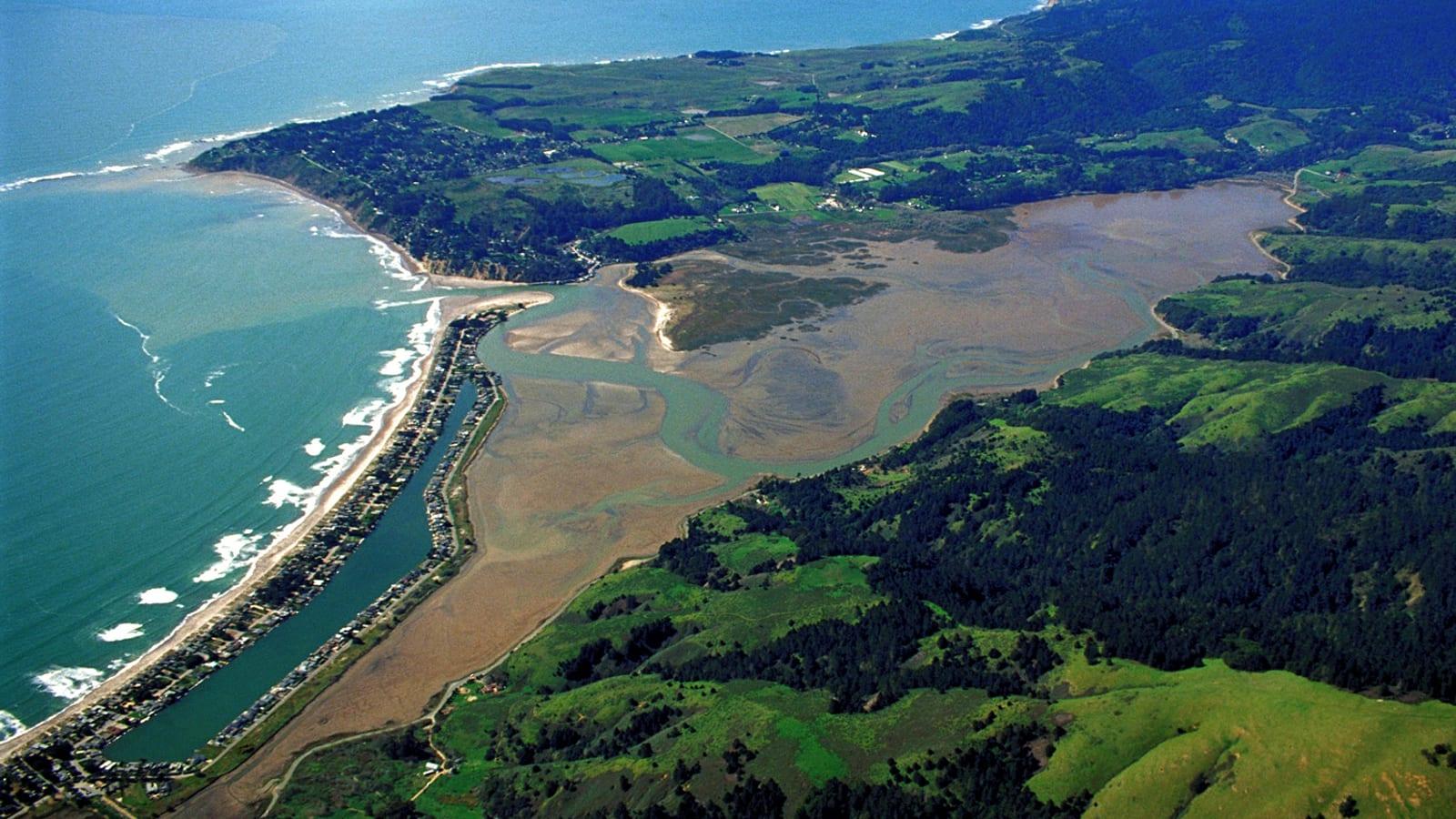
Viewing onlyFish VertebraeMarine Mammal FragmentsDiatomsBolinas Lagoon on the Marin coast north of San Francisco exposes Miocene Monterey Formation shales along the lagoon margins and adjacent road cuts. The Monterey Formation is a siliceous shale deposited during the late Miocene in a semi-enclosed basin, and it produces diatoms, radiolarians, fish vertebrae, and occasional marine mammal fragments. The lagoon itself is a protected National Estuary; collecting is permitted only from road-cut exposures outside the protected zone.
Read the full guide → - 7
Marble Mountain Fossil Beds: Mojave Cambrian Trilobite Guide
California, United States
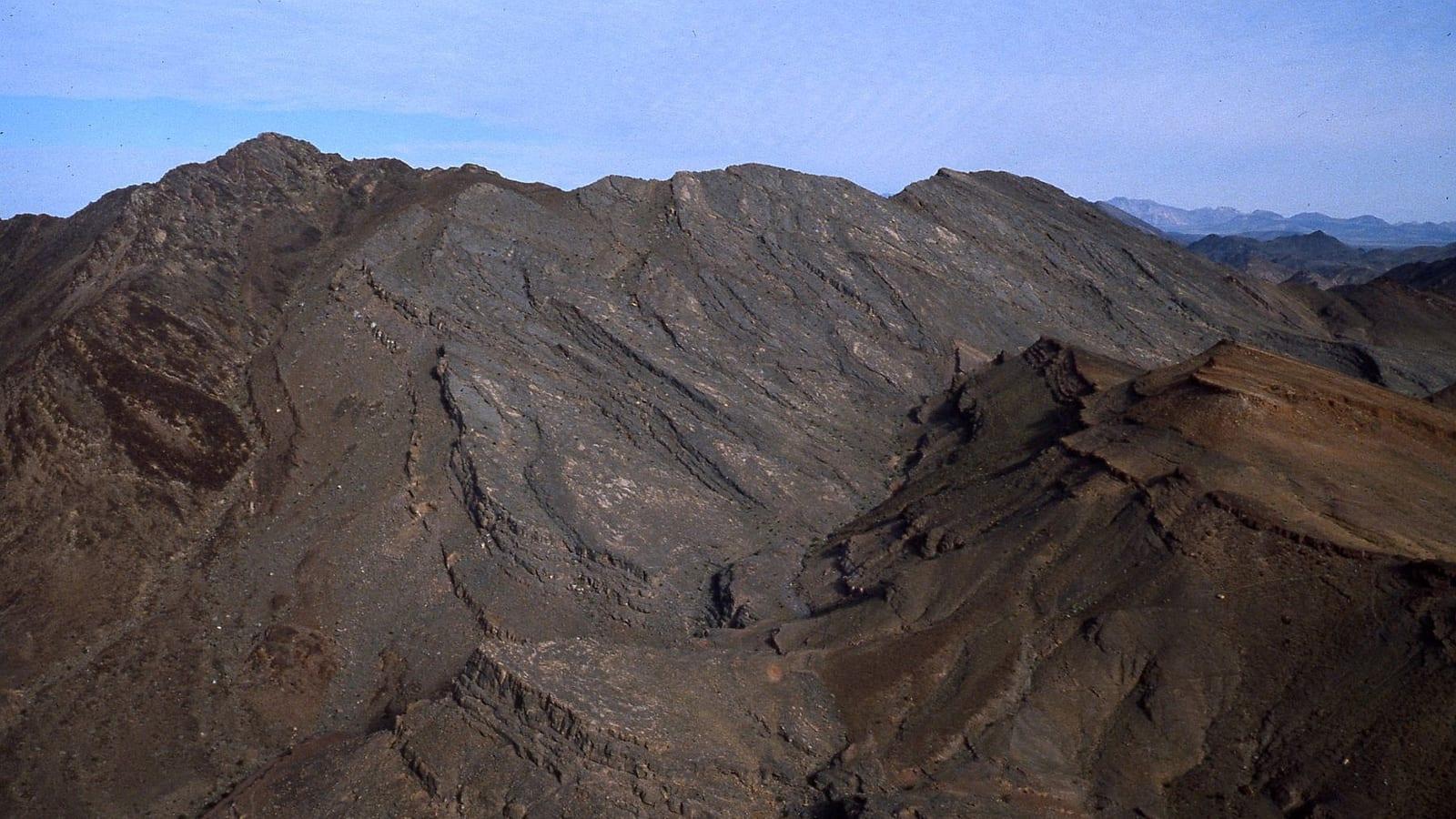
Free collectingTrilobitesBrachiopodsTrace FossilsThe Marble Mountains in San Bernardino County preserve Cambrian archaeocyathid reef structures and archaeocyathid-bearing limestone that represent some of the oldest complex reef-building organisms in the fossil record. The site is within the Mojave National Preserve. Collecting is prohibited within the preserve boundaries, but the Cambrian limestone exposures provide an exceptional in-situ view of Early Cambrian reef ecology that predates any comparable site accessible to the public in California.
Read the full guide → - 8
Find Fossils on Capitola Beach Fossil Hunting Guide
California, United States
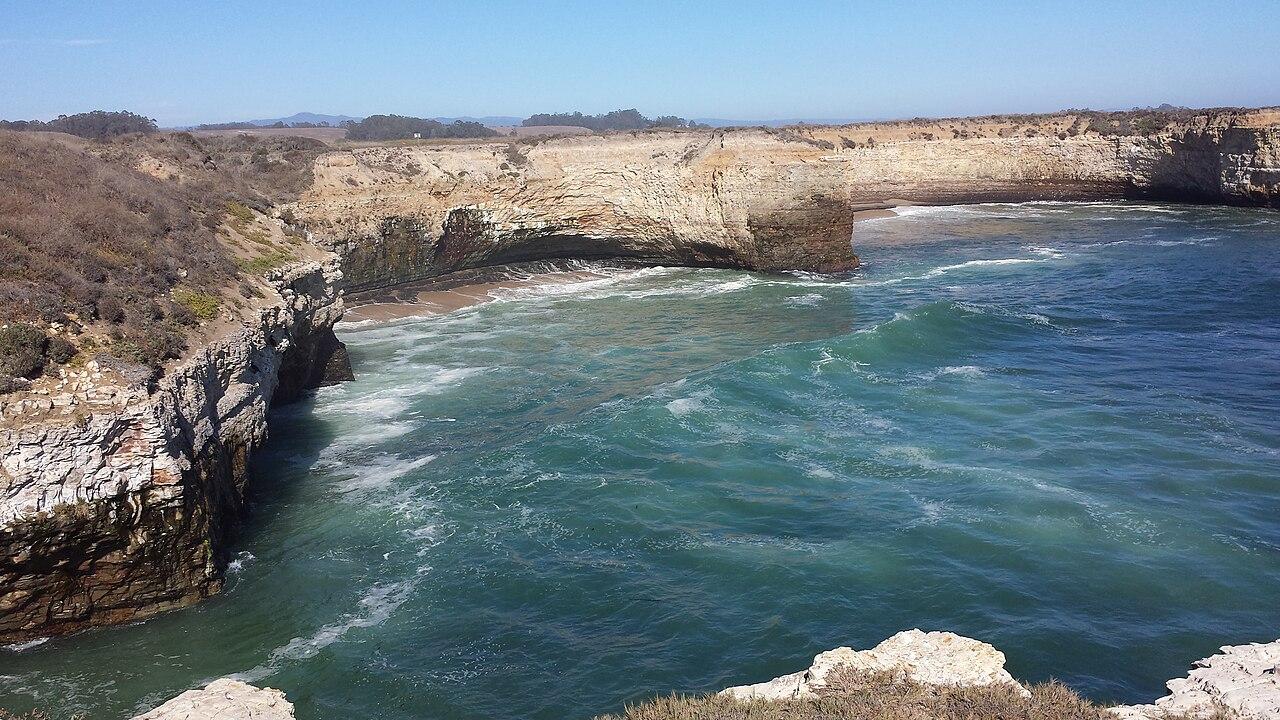
Free collectingShark TeethBivalvesGastropodsCapitola Beach near Santa Cruz exposes the Santa Cruz Mudstone, a Miocene marine unit that produces shark teeth, ray teeth, bony fish material, and occasional marine mammal remains from the wave-cut platform and cliff base. The beach is publicly accessible and no permit is required for surface collecting from loose material. The site is most productive after winter storms when wave action scours the cliff base and platform clean of sand cover.
Read the full guide →
Want every documented location, not just the curated top sites? Browse the full index of California fossil sites for the complete list, including locations beyond this guide. This guide is part of our national roundup of the best places to fossil hunt in the United States.
Frequently asked questions
- What fossils can you find in California?
- California's fossil record spans roughly 500 million years across radically different depositional environments. Pleistocene megafauna — dire wolves, saber-toothed cats, mammoths, ground sloths — are best represented at La Brea Tar Pits. Miocene marine vertebrates including megalodon teeth, dolphin bones, and whale fragments occur at Shark Tooth Hill near Bakersfield and the Coalinga area. Cretaceous marine invertebrates appear at Cabrillo National Monument. Cambrian reef structures are visible at the Marble Mountains. Coastal sites like Capitola Beach and Bolinas Lagoon expose Miocene sediments producing shark teeth and fish material.
- Can you collect fossils in California?
- Collection rules vary by land jurisdiction. On BLM land in California, casual surface collection of reasonable quantities of common invertebrate and plant fossils is allowed without a permit; vertebrate fossils require a permit regardless of land type. National Park Service sites — including Cabrillo National Monument, Golden Gate National Recreation Area, and Mojave National Preserve — prohibit all fossil collection. Private sites like Shark Tooth Hill operate supervised dig programs where participants keep finds. State parks generally prohibit collection. Always check jurisdiction-specific rules before visiting.
- Where is the best place to find shark teeth in California?
- Shark Tooth Hill near Bakersfield is the most productive shark tooth site in California, with Miocene deposits documented to contain dozens of species including megalodon. The site requires booking a supervised dig through the Buena Vista Museum of Natural History. Capitola Beach near Santa Cruz is a free alternative with accessible Miocene shark teeth in the wave-cut platform. The Coalinga area hills also produce Miocene shark material from the Temblor Formation, though most accessible collecting is on organized tours.
- Are there fossil collecting clubs in California?
- The California Federation of Mineralogical Societies (CFMS) is the state-level body representing local mineral and fossil clubs across California. Their website maintains a directory of affiliated clubs organised by region — the most efficient way to find a group active near a specific collecting area. Individual clubs affiliated with CFMS often run club-only field trips to localities that are not publicly accessible on an individual basis.
Recommended resources
- California Federation of Mineralogical Societies (CFMS) — State federation of mineral and fossil clubs; maintains a regional directory of affiliated clubs across California.
- Buena Vista Museum of Natural History — Manages supervised fossil dig programmes at Shark Tooth Hill near Bakersfield; book day sessions through their site.
- BLM California — Federal land management authority for California's public lands; publishes current guidance on recreational fossil collection on BLM land.