identification
What's the Difference Between Fossils and Rocks?
By Edward Chen · Updated 31 July 2026
A fossil is any preserved evidence of a once-living organism. The organism's hard parts, shell, bone, teeth, wood, may be preserved directly by mineralisation. Or the organism's shape may be preserved as a mould or cast in rock. Or its activity (a burrow, a footprint, a feeding trace) may be preserved as a trace fossil without any physical remains of the organism at all. Rock is inorganic, it forms from mineral deposition, crystallisation, cooling lava, or the compaction of sediment particles, none of which involve biological processes.
The defining line is biological organisation. Fossils show structured anatomy. Rocks don't.
What "preserved" means in practice
The word preserved in the fossil definition covers several different chemical processes, each of which produces a different-looking result:
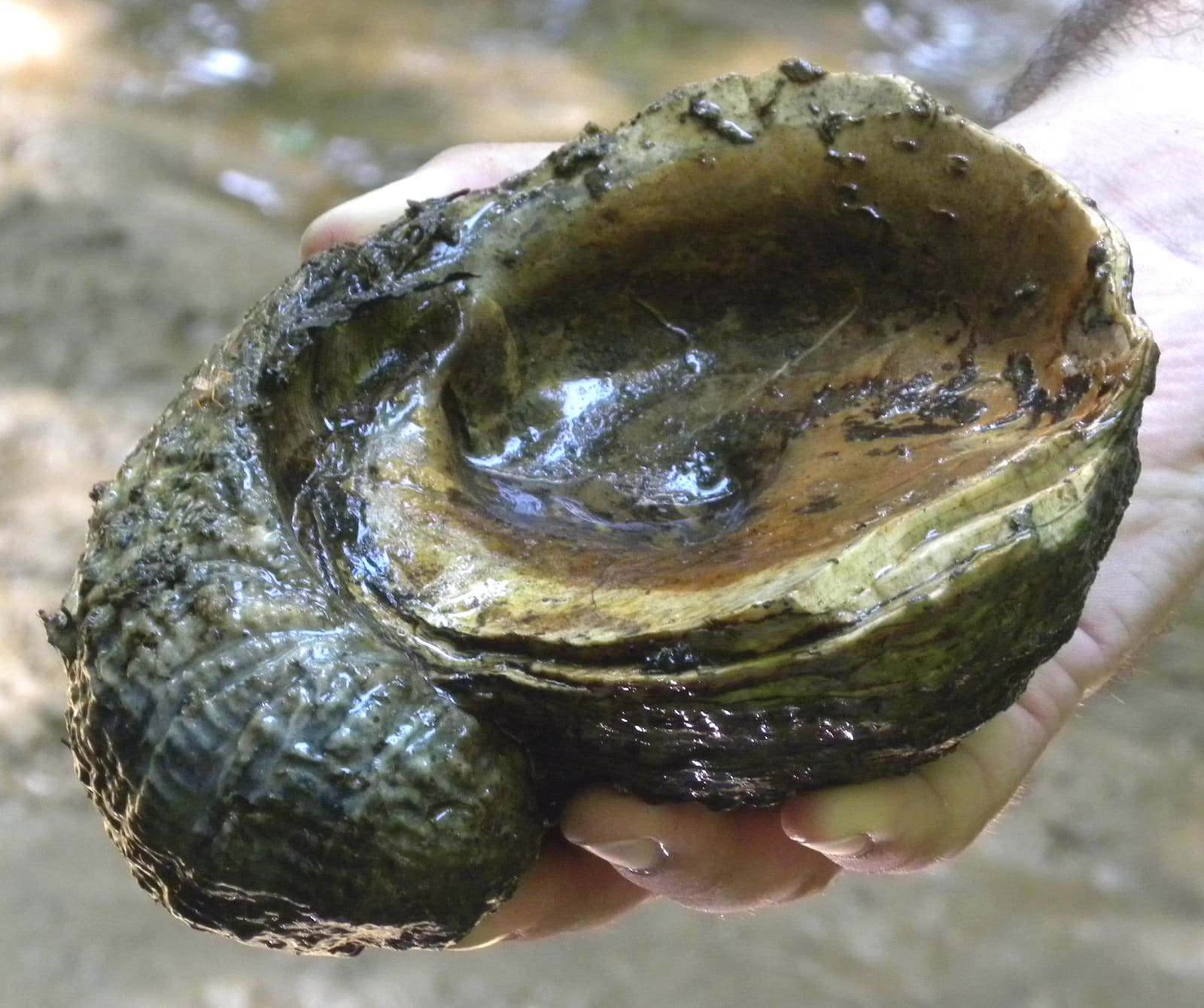
Permineralisation: Mineral-rich groundwater percolates through a porous hard part (bone, shell, wood) and deposits minerals in the pores. The original material and the mineral infill are present together. Most dinosaur bone is permineralised, it looks like bone but is denser than fresh bone because the pores are filled with calcite or silica.
Replacement: The original material is dissolved and replaced completely by a different mineral. Ammonites from some formations are entirely calcite replacing the original aragonite shell. Silicified wood, wood replaced by silica, looks like grey or red stone but shows the wood grain and cell structure of the original tree.
Mould and cast preservation: The organism's hard parts dissolve completely, leaving a void in the surrounding rock in the exact shape of the original. This is a mould fossil, negative space. If that void later fills with mineral material, the resulting object is a cast fossil, a physical replica of the original. Many bivalves from chalk are preserved as moulds or casts.
Compression: Organic material (plant material, soft-bodied organisms, occasionally thin shells) is compressed and flattened between rock layers. The organic carbon may remain as a dark film on the rock surface. Many fossil leaves, ferns, and fish from fine-grained shale are compression fossils.
Amber preservation: Organisms trapped in tree resin are preserved in three dimensions as the resin fossilises into amber. Insects, spiders, feathers, and plant material are preserved this way with extraordinary detail, sometimes cellular structure is visible.
What trace fossils are
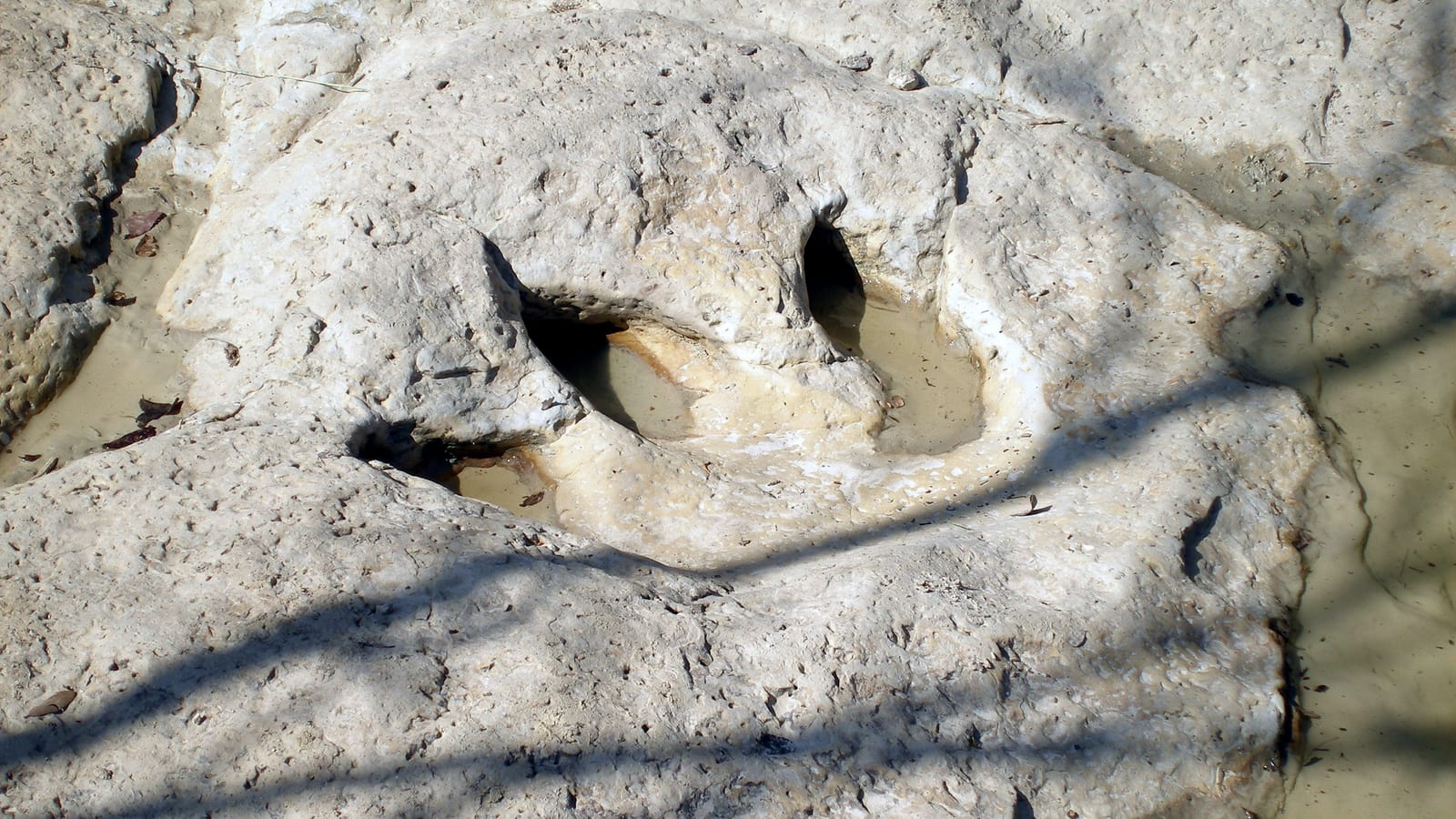
A trace fossil preserves the evidence of an organism's behaviour rather than the organism itself. Footprints, burrows, feeding traces, and faecal material (coprolites) are all trace fossils. They tell paleontologists about the behaviour and physiology of organisms that may not be preserved in body fossils from the same deposit.
Trace fossils are common and often overlooked by beginning collectors. Ripple marks on sandstone surfaces record the action of ancient water currents. Worm burrows in Jurassic clay, Thalassinoides burrow systems in Cretaceous chalk, and Planolites feeding traces in Ordovician limestone are trace fossils that look at first inspection like irregular channels or scrapes in the rock surface.
What rocks and minerals get confused with fossils
Several rock types and mineral formations look superficially like fossils to people who don't know what they're looking for:
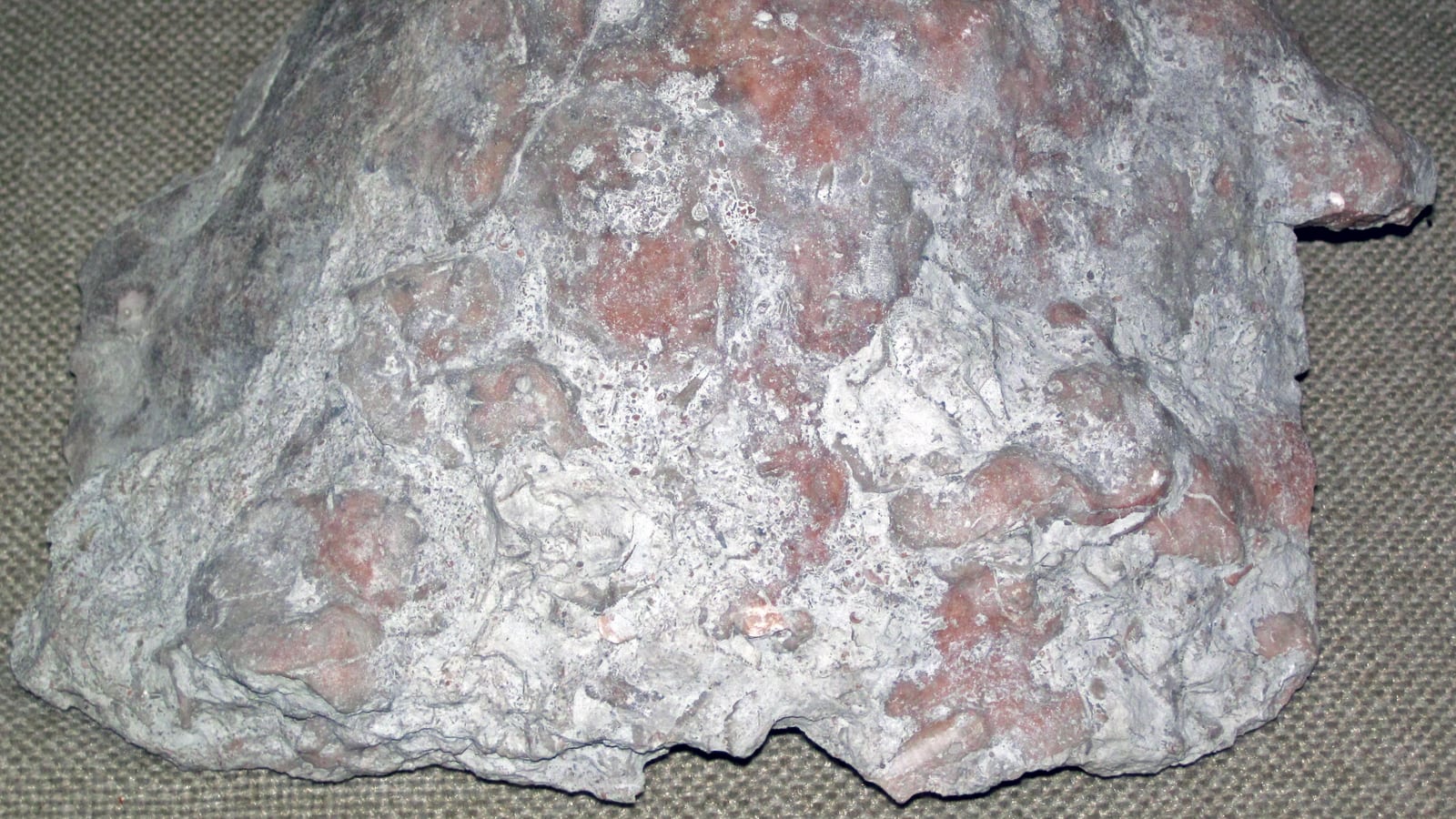
Concretions: Rounded or oval nodules of calcite, pyrite, or ironstone that form around a nucleus in sediment. Common in many formations, including those that produce genuine fossils. When found on the foreshore, they can look like large, smooth, rounded bones or skull fragments. Examining under a lens shows no biological structure on the surface. The interior (if broken) is uniform mineral material without bone texture.
Dendritic manganese: Manganese dioxide forms branching, fern-like patterns on rock surfaces along fractures and bedding planes. The branching pattern looks convincingly plant-like on a quick examination. Close inspection shows the branching is purely two-dimensional (it has no thickness) and shows no internal cellular structure.
Moqui marbles: Ironstone concretions common in Utah's Navajo Sandstone. Spherical, smooth, and dense, they resemble fossilised spheres. They have no biological structure and form by iron precipitation, not biology.
Geodes: Hollow or partially hollow mineral nodules lined with crystals. No biological structure. The crystal interior distinguishes them immediately when broken.
Regular layering in rock: Rhythmic layering in sedimentary rock can look like organic structure from a distance. Examination under a lens shows mineral composition rather than biological pattern.
The practical test
The key question is always: does this show biological organisation that cannot be produced by mineral processes alone? Suture lines on ammonites, cell structure in fossil wood, segmentation in trilobites, pores in bone, these are features that require a biological template to exist. Natural minerals form crystals, nodules, and layers, but not the complex anatomical structures of organisms.
When in doubt, a 10× hand lens and comparison with confirmed specimens from the same formation resolve most cases. The GFH guides include photographs and descriptions of the most common fossil types at each site.
Where to go next
For hands-on guidance on identifying what you find, including photographs of what the most common fossil types look like and how they compare to common non-fossils, the beginners guide on GFH covers identification basics for first-trip collectors. For site-specific fossil lists, the Dorset guide and Yorkshire Coast guide describe what's found at each major UK site.
Frequently asked questions
- What is the difference between a fossil and a rock?
- A fossil is any preserved evidence of a once-living organism: bone, shell, or wood preserved by mineralisation; a mould or cast of an organism's shape in rock; or a trace of biological activity such as a footprint, burrow, or feeding track. Rock is inorganic — formed from mineral deposition, crystallisation, cooling lava, or compacted sediment without biological involvement. The defining difference is biological organisation: fossils show structured anatomy; rocks do not.
- How can you tell if something is a fossil?
- Use a 10× hand lens to look for biological organisation — features that require a living template to exist: suture lines on ammonites, pore texture in bone, radial or concentric patterning in brachiopod shells, or cellular grain in fossil wood. Concretions, flint nodules, dendritic manganese, and iron-stained rock are the most common lookalikes; close examination under a lens shows that all lack biological structure.
- What is a trace fossil?
- A trace fossil preserves evidence of an organism's behaviour rather than the organism itself. Footprints, burrows, feeding traces, and coprolites (fossilised faecal material) are trace fossils. They tell palaeontologists about the behaviour and physiology of organisms that may not be preserved as body fossils in the same deposit. Common examples include Ophiomorpha burrows (preserved shrimp burrows visible at Cabrillo National Monument in San Diego) and worm burrow systems in Jurassic and Cretaceous sediments.