identification
How to Know If You've Found a Real Fossil
By Edward Chen · Updated 31 July 2026
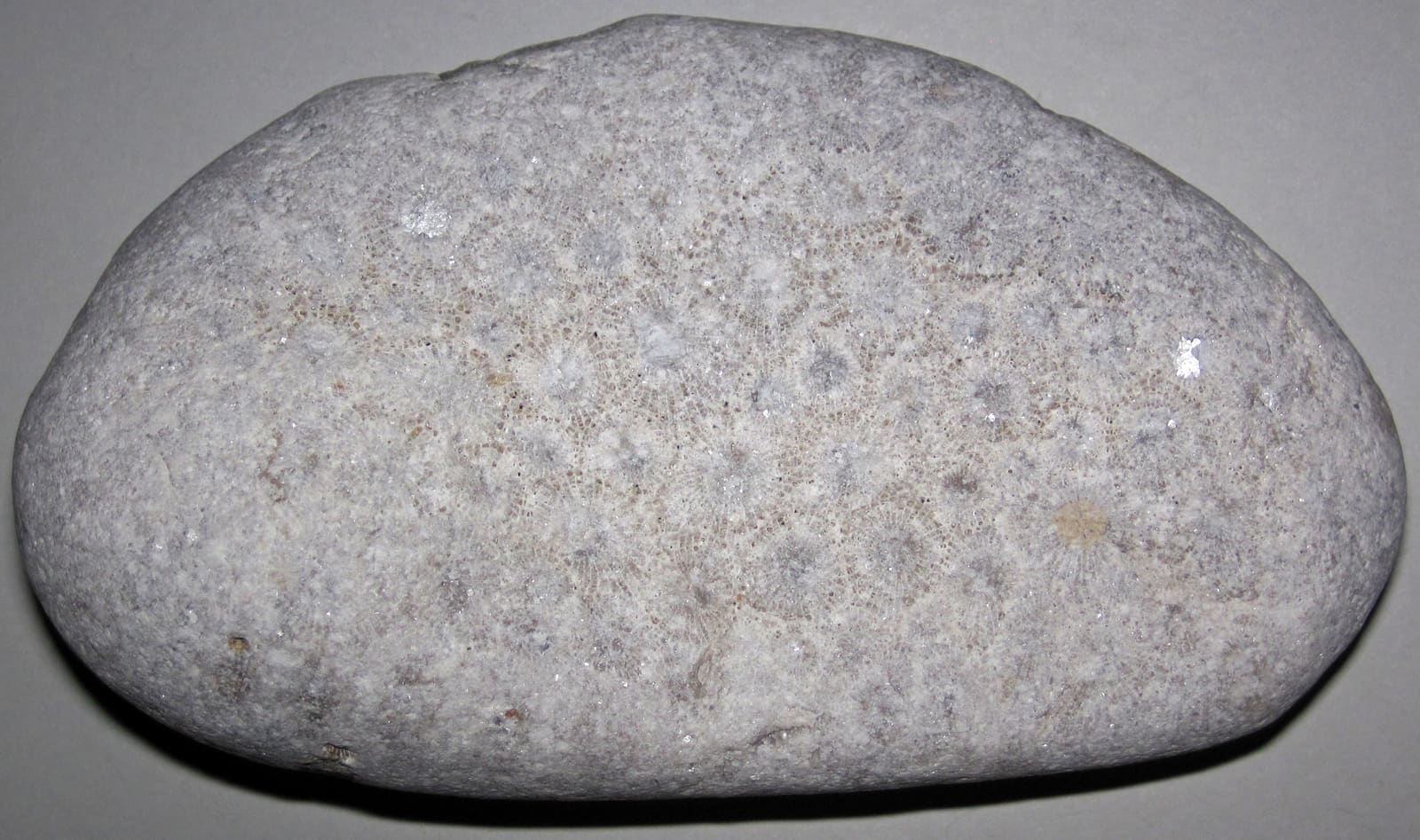
The most reliable indicator that something is a fossil is biological structure: repeating patterns, symmetry, or anatomical organisation that rock cannot produce on its own. An ammonite's suture lines, a trilobite's segmented thorax, the pores of bone visible under a lens, these are features that only exist in material that was once alive. A rock can resemble a fossil in shape, colour, and weight. It cannot replicate the fine biological detail that defines one.
Most experienced collectors have developed intuitions about this through handling a large volume of material. For beginners, a short checklist covers the majority of cases.
The hand lens check
A 10× hand lens reveals whether biological structure is present. Hold the specimen in clear light and examine the surface closely. You are looking for:
On ammonites: a pattern of ribs or keels on the outer coil, and, on well-preserved specimens, suture lines where the chamber walls meet the outer shell. Suture lines are sinuous, complex curves. They do not occur on non-biological objects.
On trilobites: segmented structure with a consistent repeat pattern across the thorax. Individual segments should be symmetrical left-to-right and show similar morphology from segment to segment.
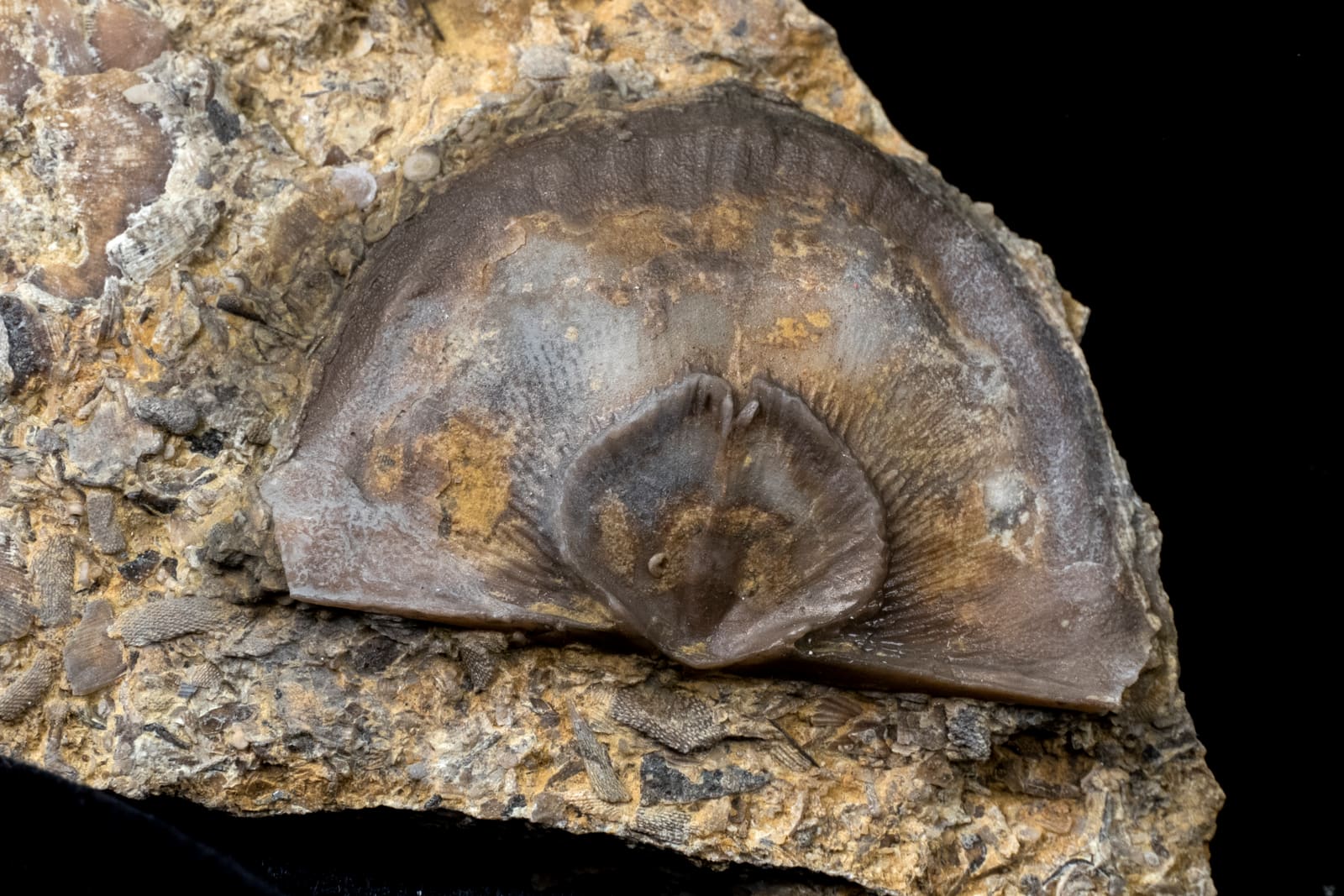
On brachiopods and bivalves: radial or concentric growth lines on the surface. Modern shells have these too, comparing with a modern bivalve is a useful exercise.
On belemnites: a crystalline or fibrous internal structure visible at the broken end. The surface is smooth but the internal fibres run longitudinally.
On bone material: a porous texture on the surface. Bone is structurally different from rock in that the internal cancellous structure leaves pores visible at the surface on weathered specimens.
If the surface at 10× magnification shows no biological structure, if it's plain stone, crystalline growth, or uniform texture, it is probably not a fossil.
The tongue test for bone
Palaeontologists in the field use a quick test for potential bone material: touch the surface to your tongue. Real bone, because of its porous cancellous structure, will stick slightly as the pores create adhesion against wet skin. Rock does not do this. The test is not definitive, some minerals (limonite, for example) are also porous, but it is fast and practical for identifying candidate bone specimens in the field.
This test is used by working palaeontologists and is described in field guides as a standard triage tool. Wash your hands before applying it to anything you wouldn't normally put in your mouth. Field geology produces dusty and sometimes abrasive material.
The structure and symmetry test
Fossils almost always show some form of bilateral symmetry (left-right symmetry) or radial symmetry, because most organisms have it. An ammonite's coil is geometrically regular. A trilobite's left and right sides are mirror images. A crinoid stem's ossicles have consistent five-fold radial symmetry. Natural rocks, concretions, flint nodules, eroded limestone, can be rounded or pointed but don't typically show the organized internal repetition that biological structures require.
Turn the specimen and look at it from multiple angles. If there's a feature that looks fossil-like from one angle, it should be consistent when viewed from another.
Common non-fossils that fool beginners
Several natural objects are reliably mistaken for fossils, and knowing them by description prevents false identification:
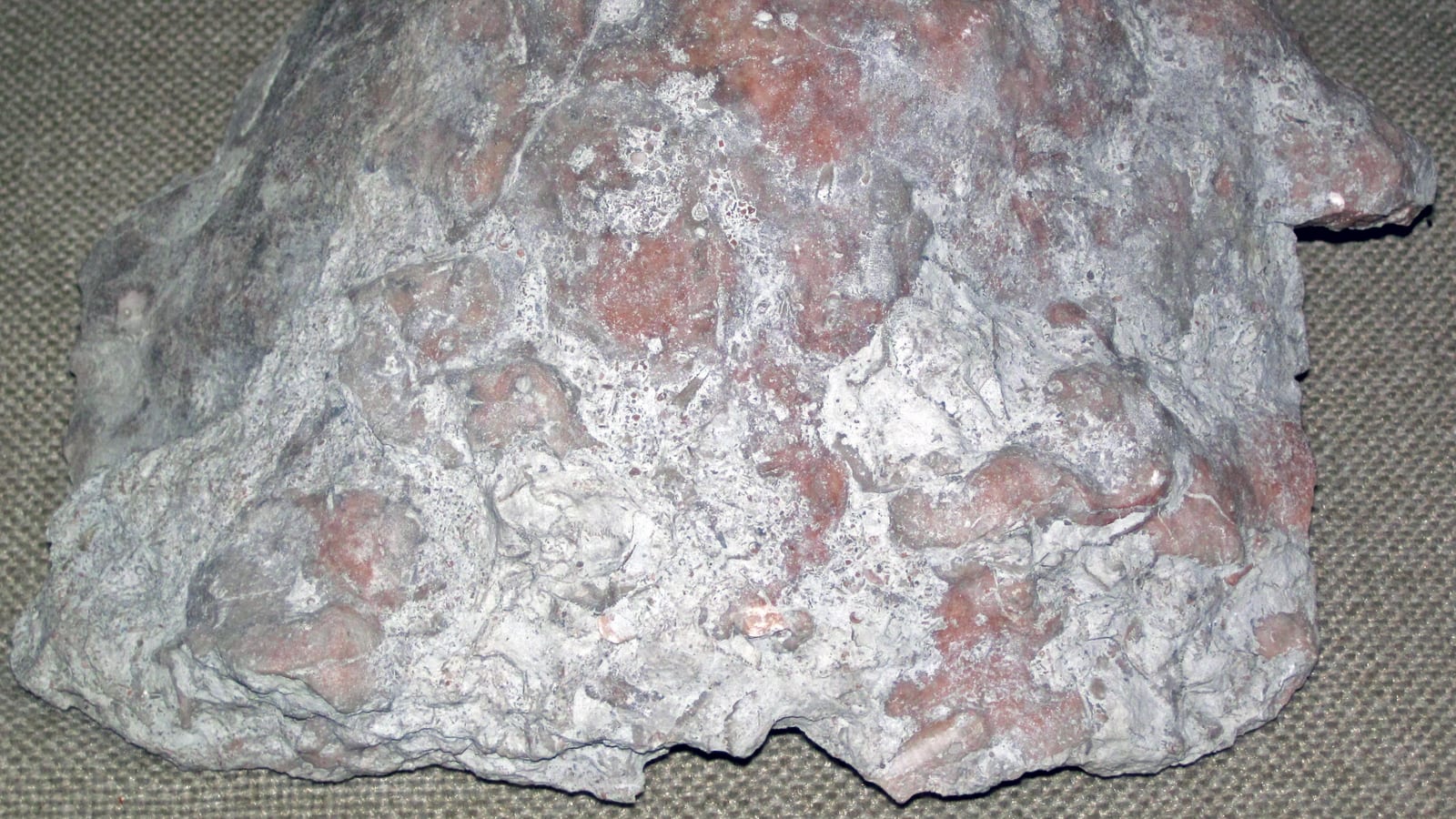
Concretions: Dense, rounded or oval nodules of calcite, ironstone, or pyrite that form around a nucleus in sediment as the sediment compacts. Grey, brown, or orange-brown. Often very heavy for their size. Do not show biological structure when the surface is examined closely. Concretions sometimes contain fossils inside them, breaking one open occasionally reveals an ammonite or fish, but the nodule itself is not a fossil.
Flint and chert nodules: Common in chalk and limestone. Black to grey, waxy surface, may have a white weathered cortex. The interior is fine-grained silica with a conchoidal (shell-like) fracture surface. No biological structure.
Septarian nodules: Large oval concretions with an angular pattern of calcite veins on the surface that can resemble ammonite sutures. The angular vein pattern is regular and geometric. True ammonite sutures are sinuous and irregular. Examining under a lens separates them.
Crinoid ossicles without context: Individual crinoid stem segments (pentagonal or circular discs) are common in Carboniferous and Ordovician limestone. When isolated, they look like small geometric discs with a central hole, not obviously organic. Knowing you're on the right geology (limestone of Carboniferous or Ordovician age) makes these recognizable. Out of context, they can be confusing.
Iron nodules: Rounded, sometimes irregular masses of iron oxide or pyrite. Heavy, metallic surface on fresh breaks. No biological structure.
When you're still not sure
Post a photograph to The Fossil Forum (thefossilforum.com) with the site location and what the specimen was found in (rock type, colour, any associated material). The community identifies photographs quickly and accurately for the majority of common types. For material from UK sites, natural history museums at Whitby, Dorchester, and on the Isle of Wight will examine specimens brought in by visitors.
The GFH regional guides list the fossil types documented at specific sites, which gives you the list of candidates before you start, making identification faster and more accurate because you're comparing against what actually occurs in that formation.
Where to go next
For the fossil types you're most likely to encounter at accessible UK sites, the Yorkshire Coast guide and Dorset guide describe the specific species and their identifying features. The beginners guide on GFH covers how to identify common finds from your first trips.
Frequently asked questions
- How do I know if I've found a real fossil?
- Use a 10× hand lens and look for biological structure — features that cannot be produced by mineral processes alone: suture lines on ammonites (sinuous curved lines where internal chamber walls met the outer shell), segmented repeating patterns on trilobites, radial or concentric growth lines on brachiopods, or pore texture on bone. If no biological structure is visible under magnification, the object is almost certainly not a fossil.
- What is the tongue test for fossils?
- The tongue test is a quick field check for potential bone material used by working palaeontologists: touch the specimen's surface to your tongue. Bone, because of its porous cancellous structure, will stick slightly as the pores create adhesion against wet skin. Rock does not. The test is not definitive — some minerals such as limonite are also porous — but it is fast and practical as an initial screen and is described in field guides as a standard triage tool.
- What are the most common things mistaken for fossils?
- Concretions (dense oval nodules of calcite or ironstone, often very heavy with no biological surface structure), flint and chert nodules (waxy, dark, no biological patterning), and septarian nodules (large concretions with a geometric angular vein pattern that can superficially resemble ammonite sutures) are the most common. Crinoid ossicles — small pentagonal or circular discs with a central hole — look puzzling out of geological context. When uncertain, post a photograph to The Fossil Forum (thefossilforum.com) with the site location for a fast, reliable identification.