beginners
How to Start Fossil Hunting as a Hobby
By Edward Chen · Published 14 May 2026
The fastest route into fossil hunting as a hobby is to pick one documented site near you, check the access rules and tide times if it's coastal, and go. Preparation beyond that is secondary. Most collectors remember their first trip as the moment the hobby clicked, when they picked up something 200 million years old from a beach that anyone could walk on, for free.
The barrier to starting is lower than almost any other collecting hobby. No specialist knowledge is required for a first trip. No permit is needed at most public sites. The basic kit costs under $30.
Choose your first site carefully
The first site matters more than anything else. A site that produces finds on a typical visit creates a positive feedback loop. A site that requires experience or specific conditions to yield anything can put a beginner off before the hobby has taken hold.
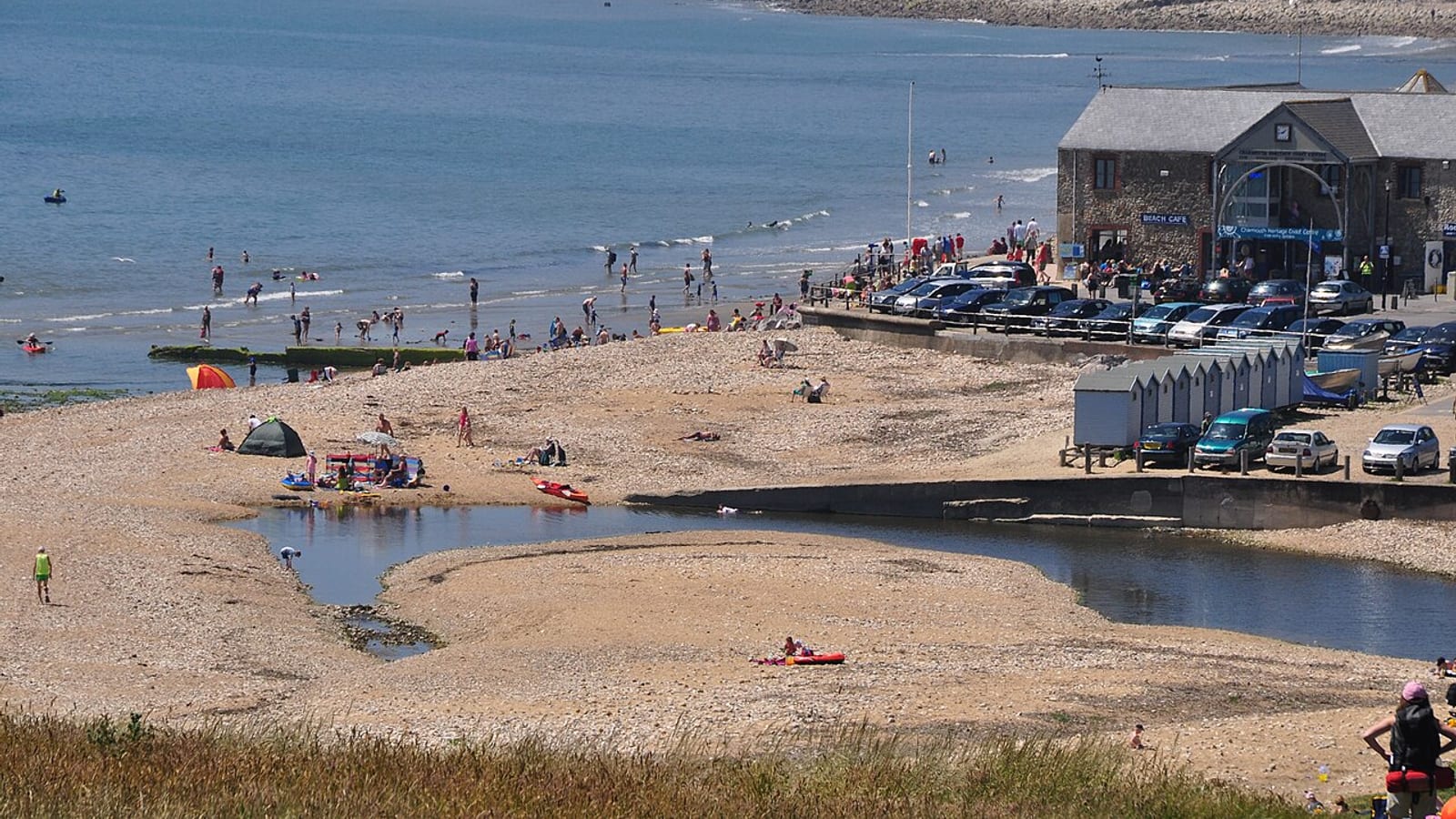
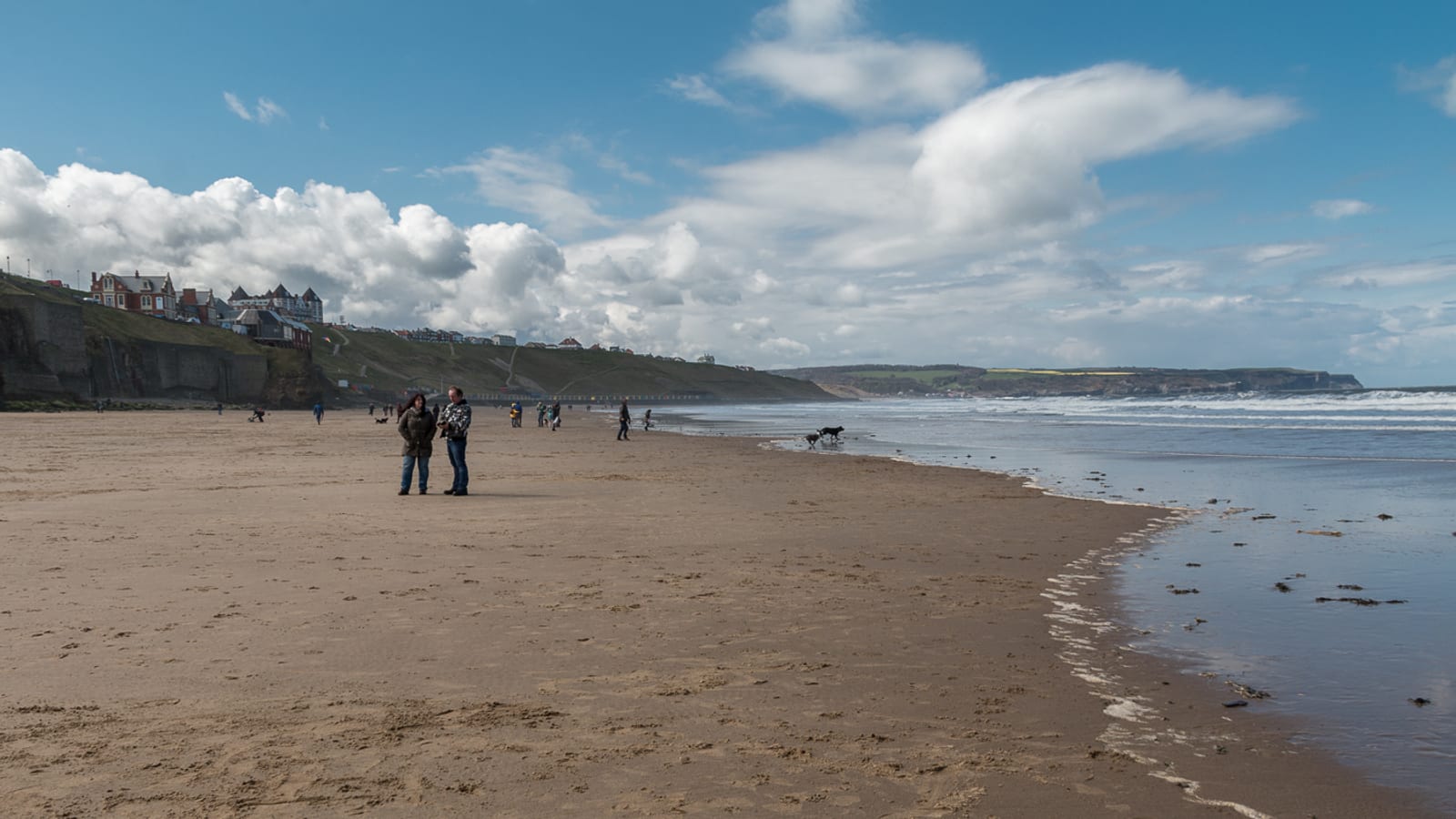
For UK beginners, Charmouth in Dorset is the standard recommendation and earns it. The Jurassic Coast foreshore there produces ammonites and belemnites reliably on most low-tide visits. The Charmouth Heritage Coast Centre is open and provides context and identification help. The site is flat, accessible, and close to the car park. Whitby in Yorkshire is a close second: the town's fossil heritage gives context, the museum displays what you might find, and the foreshore at Robin Hood's Bay produces regular finds in the right conditions.
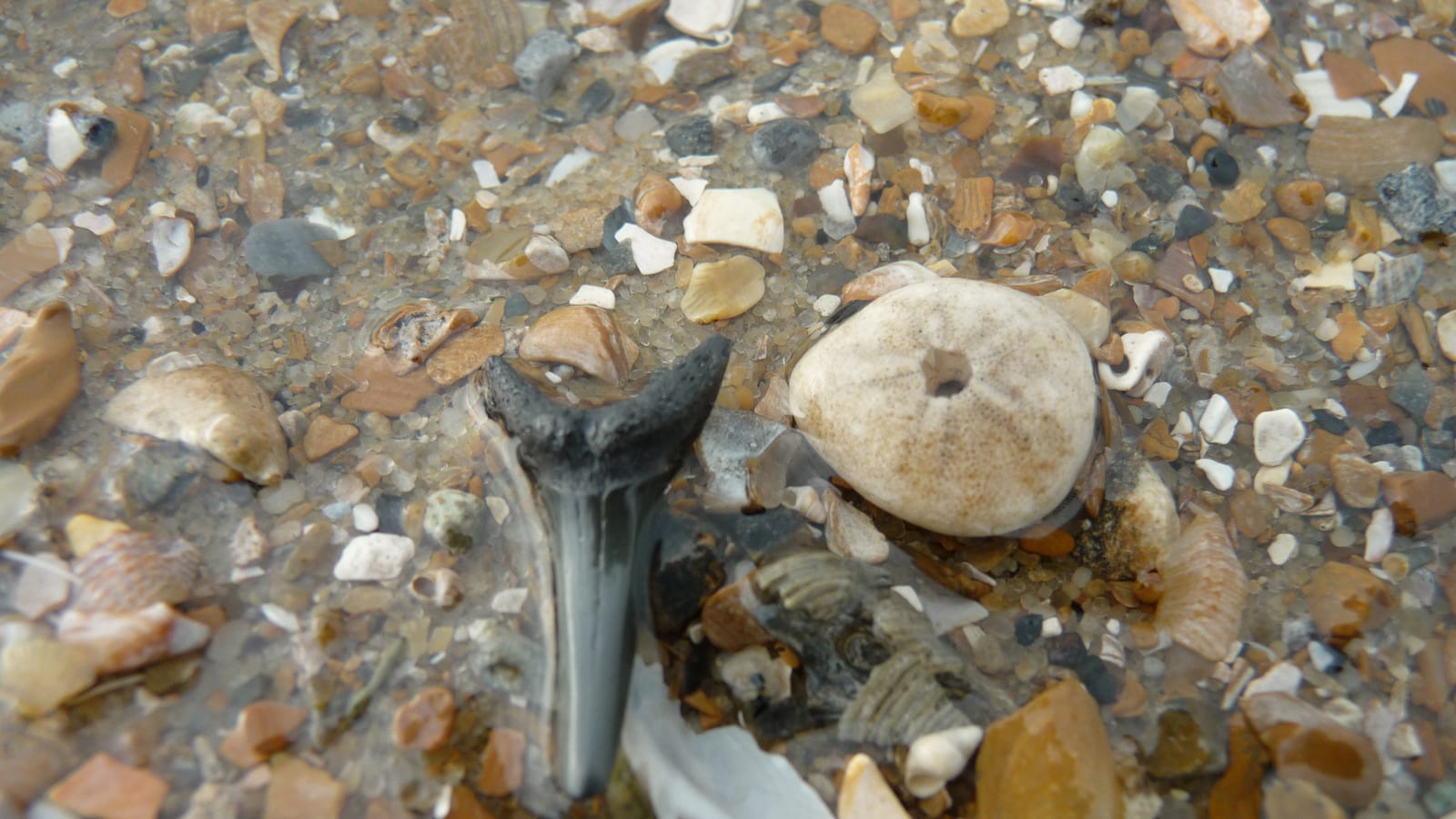
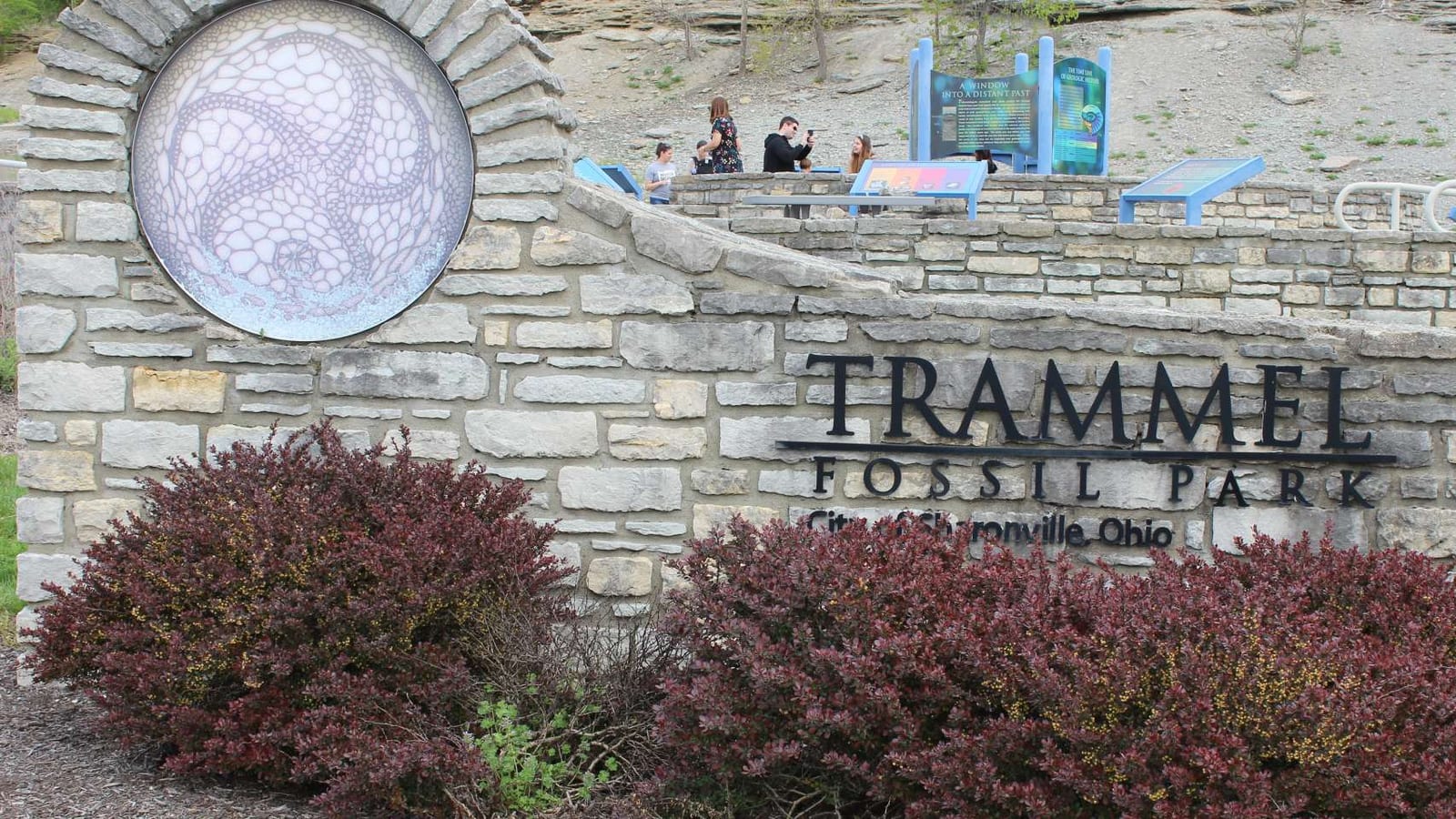
For US beginners, the Ordovician limestone parks in Ohio, Caesar Creek State Park and Trammel Fossil Park in Sylvania, are the equivalent: free, reliably productive, and accessible without specialist knowledge. Venice Beach in Florida is the best US beach site for a first trip: shark teeth wash up continuously, the beach is easy to access, and the finds are immediately recognizable without a field guide.
What to bring on a first trip
The minimal kit for a first foreshore visit:
- A hand lens (10×), $15–$25
- A small bag for finds, any mesh or cloth bag works
- Tissue paper for wrapping specimens
- Wellies or waterproof boots with grip for UK coastal sites. Trainers are fine for dry US sites
- Tide times for the specific site and date (check BBC Weather or NOAA tide predictions, not just "low tide is at 2pm" but the specific height and window)
- Water and snacks for a 2–3 hour visit
Nothing else is needed. Don't bring a geological hammer to a foreshore site where the productive material is loose on the beach, it's unnecessary and, at SSSI-designated UK sites, collecting from rock faces is restricted.
What a typical first trip looks like
At Charmouth, a first trip in good conditions runs like this: park at the beach car park (pay and display), walk 5 minutes to the foreshore, orientate yourself toward the low-tide mark at Black Ven. The productive zone is the foreshore below the cliff base, loose grey and brown rock fragments, some the size of a fist, scattered across wet sand and rock. You're looking for anything with organized structure: coiled forms, cylindrical belemnites, the flat circular cross-sections of ammonites in fractured nodules.
Work slowly and look at surfaces rather than picking things up immediately. Turn over flat slabs. Pay attention to the grey mudstone rather than the paler limestone. After 30 minutes, most first-time visitors have found at least a belemnite guard, the most common find at the site, bullet-shaped, grey-brown, 3–8cm long. After an hour or two, many find an ammonite fragment and some find an identifiable, complete ammonite.
The trip ends when the tide starts to rise, check your tide table and allow time to get back. Don't rush the exit. 30 minutes before the tide returns to the collecting area is the safe margin.
At a US limestone quarry park
Caesar Creek State Park operates differently from a beach site. The designated fossil collecting area is around the spillway below the dam on Caesar Creek Lake, where Ordovician limestone and shale are continuously exposed by water flow. You're looking at flat limestone surfaces and broken shale for trilobites, brachiopods, crinoids, and bryozoans. The material is on and just below the surface. No digging is needed or permitted.
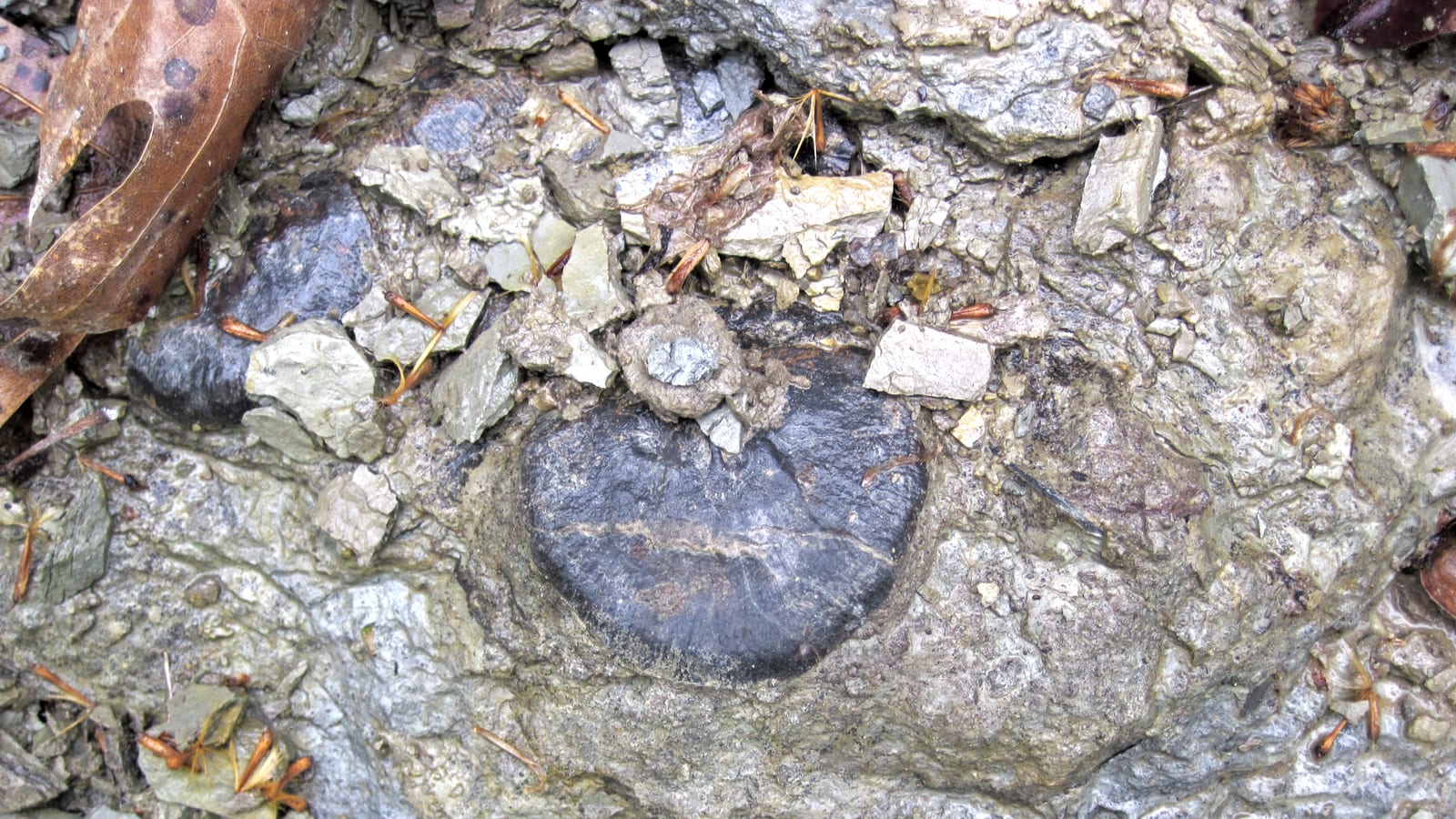
Trilobites here are Flexicalymene meeki, an Ordovician species that appears in the shale and occasionally in limestone. They often appear as enrolled (curled-up) specimens. Brachiopods are far more common and appear as pairs of curved shells in limestone surfaces. First-timers routinely find multiple brachiopods on any visit. Trilobites are less frequent but realistic on a few hours of patient searching.
Building on your first trip
After a first trip, the natural progression is identifying what you found, reading about the geology of the site, and looking for the next site. The GFH site guides describe what's found at each location and why, the geology behind the finds, which turns each trip into something more than collecting and builds the knowledge base that makes subsequent trips more productive.
Joining a local fossil club accelerates this significantly: club field trips access sites not on any public guide, and other members' knowledge of local geology is a resource that no book or website can replace.
Where to go next
For the full site guides covering the UK and US sites most suited to first trips, the Dorset guide covers Charmouth and adjacent sites, and the Ohio guide covers Caesar Creek and Trammel Fossil Park. The beginners guide on GFH covers what to bring, what you're likely to find, and the rules that apply at the most common site types. For the practical field habits that make a real difference on the day, see 10 fossil hunting tips for beginners.
Frequently asked questions
- How do I start fossil hunting as a hobby?
- Choose a well-documented public site where surface finds are common. For UK beginners, Charmouth in Dorset is the standard starting point — free foreshore access, ammonites and belemnites on most low-tide visits, and the Charmouth Heritage Coast Centre on site for identification help. For US beginners, Caesar Creek State Park in Ohio (free entry, Ordovician trilobites and brachiopods) or Venice Beach in Florida (shark teeth, no permit) are the equivalent. Bring a 10× hand lens, a bag, and tissue paper — the basic kit costs under $30. Check tide times before any coastal visit.
- What should I look for on my first fossil hunting trip?
- At a first coastal site visit, look for biological structure in loose surface material: the cylindrical form of belemnite guards (bullet-shaped, grey-brown, 3–8cm), coiled shapes indicating ammonites, and flat paired shells from bivalves. Work slowly and look at surfaces rather than picking material up immediately; turn over flat slabs, as the underside is often where fossils are best preserved. At Ohio limestone parks, look for the round cross-sections of crinoid stem segments and the paired curved valves of brachiopods in broken rock surfaces.
- How long does it take to find your first fossil?
- At a reliably productive site, most first-time visitors find at least one identifiable fossil within 30–60 minutes. At Charmouth, belemnite guards are the most common find and appear on most visits within the first 30 minutes of systematic searching. At Caesar Creek State Park in Ohio, brachiopods are routinely found by first-time visitors within the first hour. The key variables are choosing a productive site and arriving at the right tide stage for coastal sites.