family
Is Fossil Hunting a Good Family Activity?
By Edward Chen · Published 14 May 2026
Fossil hunting is one of the few outdoor activities where children and adults are genuinely engaged in the same task rather than the adult managing a child's version of something else. The finding is real for everyone. A five-year-old who spots an ammonite on the foreshore at Charmouth and picks it up has done exactly what the adult next to them is doing. That equality of participation is unusual and genuinely valuable.
The activity works well for families when the site is right. It fails when the site is inappropriate, unstable cliffs, long walks over difficult terrain, sites where an hour of patient searching yields nothing. Choosing the right site for the ages involved is the decision that determines whether a family trip to fossil hunt is memorable or frustrating.
What makes a site good for families
The best family fossil sites share several characteristics: easy parking close to the collecting area, toilets or facilities nearby, a relatively short walk to productive ground, and a realistic chance of finding something on a normal visit. Pay-to-dig sites are specifically designed to tick these boxes, with the addition of staff on hand to help identify and encourage young collectors.
Terrain matters more with children than adults. A rocky foreshore with uneven surfaces and tidal pools is exciting but requires supervision. A smooth sandy beach with foreshore boulders is easier for young children and still productive. Sites with long coastal walks to reach the fossil-bearing area are impractical with children under 7–8 unless they are comfortable hikers.
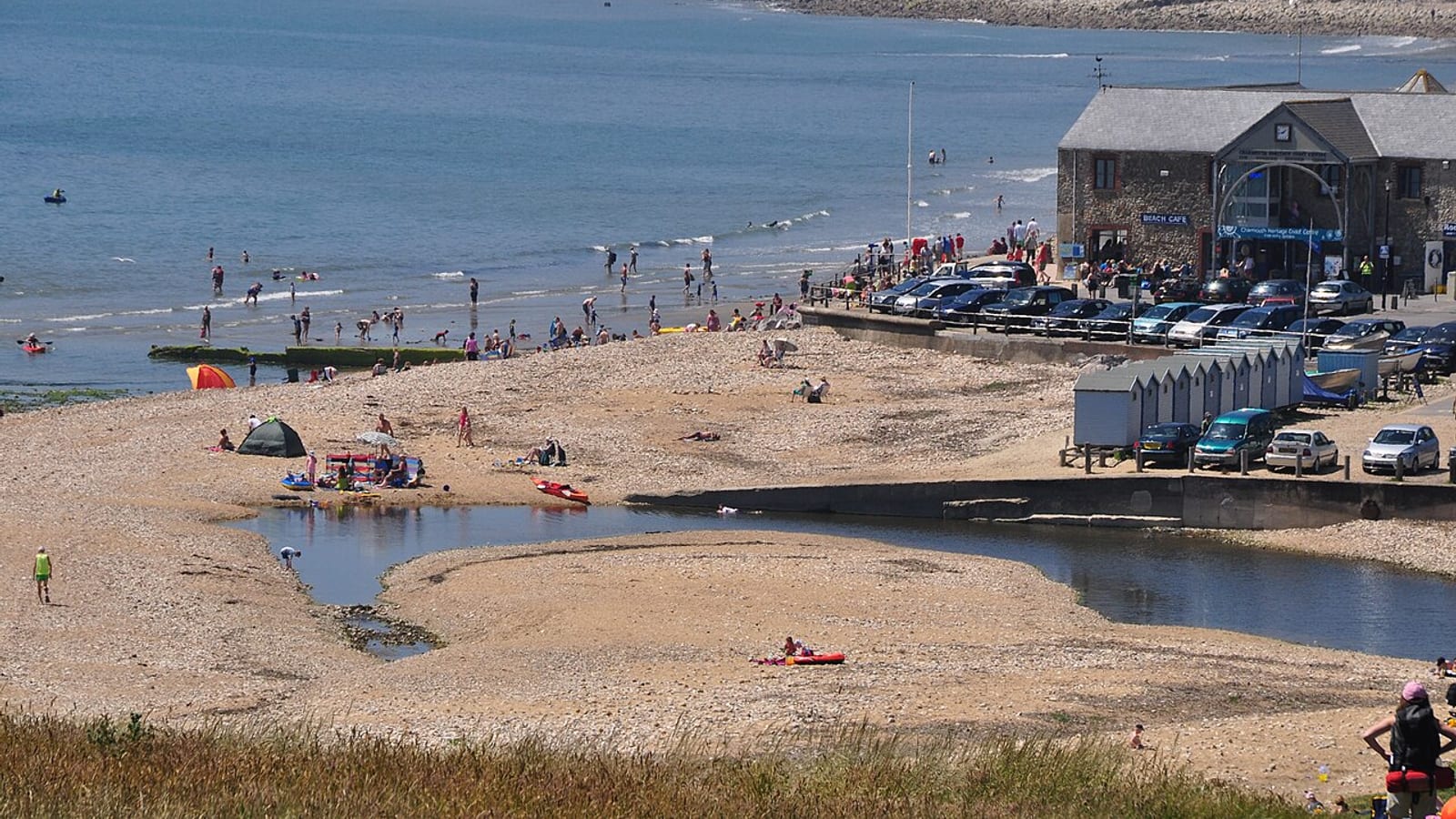
Charmouth in Dorset is the benchmark family beach site in the UK. The Heritage Coast Centre runs regular guided fossil walks specifically designed for families, the car park is within a short walk of the productive foreshore, toilets are available, and the Jurassic sediments at Charmouth reliably produce ammonites and belemnites for visitors who look methodically. The site has been introducing children to fossil hunting for decades.
Age considerations
Under 5: children this age can walk on the beach and enjoy the environment, but the detail work of systematic foreshore searching is beyond most of them. Pay-to-dig sites, where material is concentrated and finding is more immediate, work best. The act of picking up and examining a trilobite or ammonite is meaningful. The searching process leading up to it often isn't. A short visit, two hours maximum, prevents exhaustion.
Ages 6–10: this is the sweet spot for fossil hunting as a family activity. Children can understand the basic geology (these rocks are very old, these creatures lived in a sea), use a hand lens, and participate in systematic searching. They are excited by finds, patient enough for the search to be part of the fun, and physically capable of most foreshore terrain. Keeping realistic expectations about what you'll find, common material, not T. rex, is important to set before the trip.
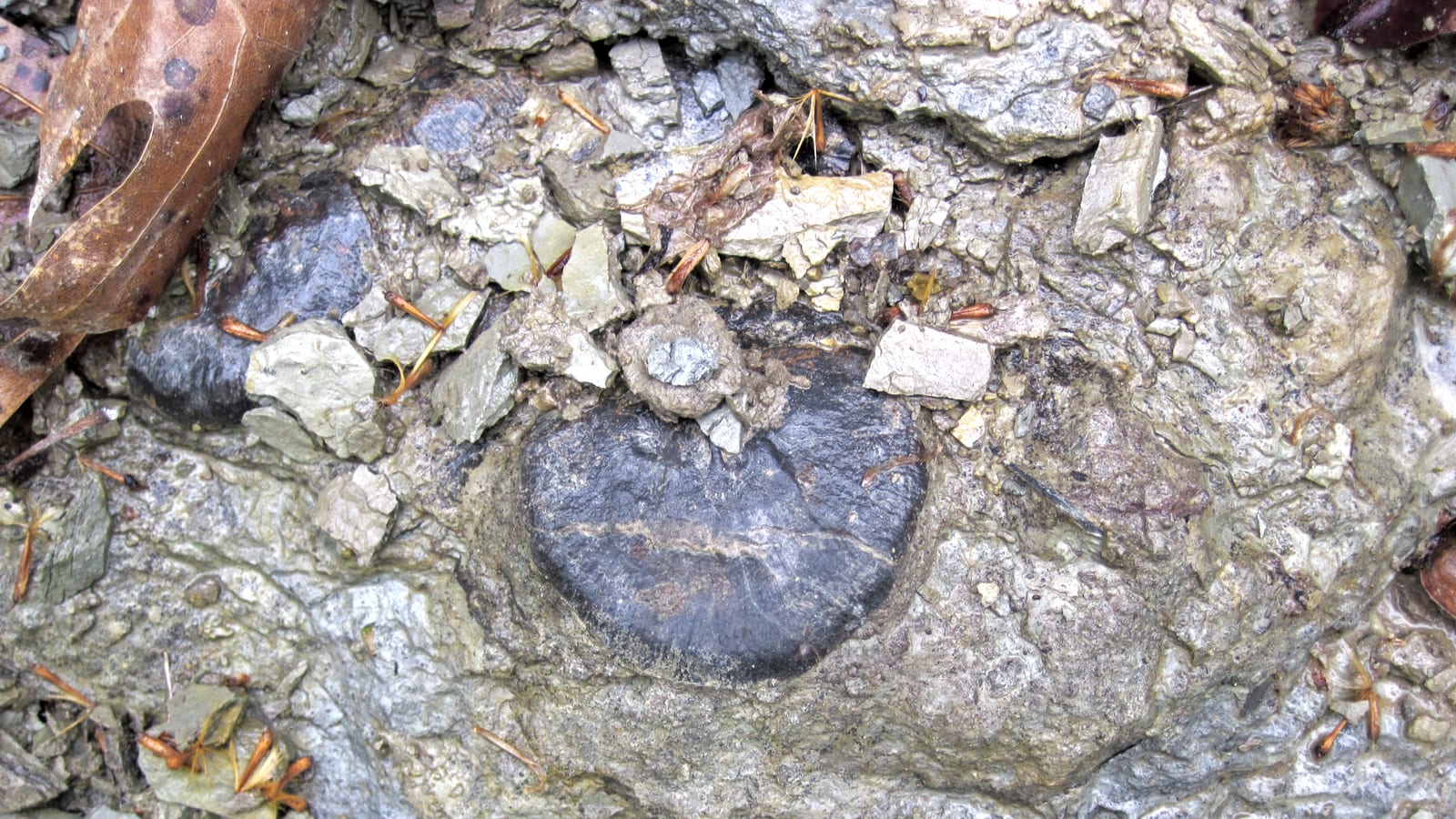
Ages 10 and up: older children can handle more demanding sites, use tools appropriately with instruction, and engage with the geological context of what they find. The Ordovician limestone at Caesar Creek, Ohio, where trilobites and brachiopods are genuinely common, is a good site for this age group, systematic, productive, and intellectually interesting.
Managing the logistics
Tidal sites require planning. The productive window at most UK foreshore sites is 2–3 hours around low tide. Arrive early enough to reach the site before the tide is at its lowest, collect through low water, and start back before the tide returns. With young children, this means planning the trip around a morning low tide in summer, not an afternoon one, when energy levels are lower and heat is greater.
Bring more snacks and water than you think you need. Fossil hunting on a beach involves more physical activity than it appears, crouching, lifting rocks, walking on uneven surfaces. Children who are hungry or thirsty lose patience faster than adults.
Protective footwear is important for any foreshore site. Wet rock is slippery. Wellington boots or waterproof walking shoes with good grip are safer than trainers or sandals. Knee pads make the crouching work more comfortable for adults. Children rarely need them.
What to expect to find
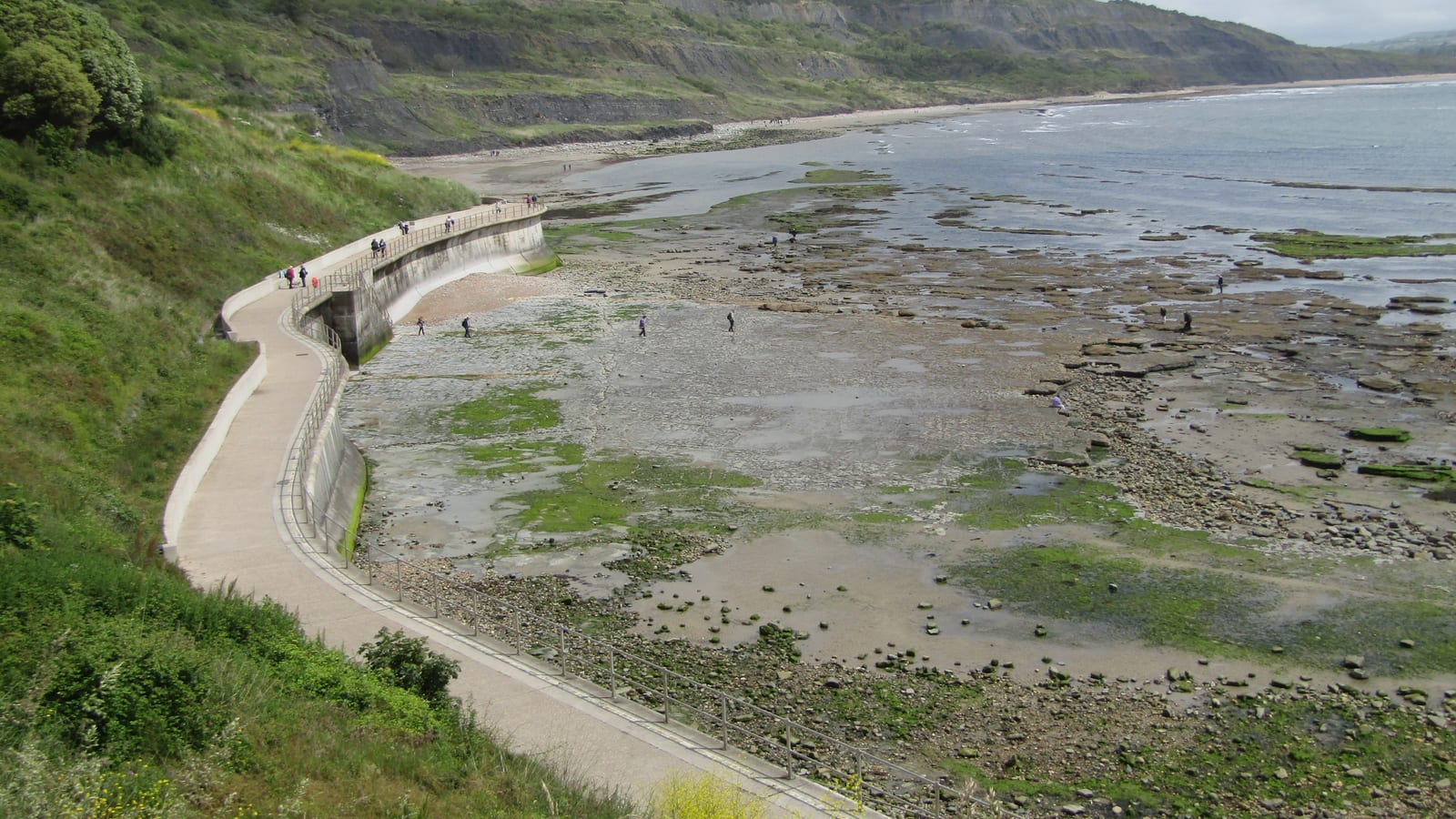
At UK Jurassic Coast sites (Charmouth, Lyme Regis, Kimmeridge), a family spending 2–3 hours searching the foreshore can realistically expect to find: belemnite guards (cylindrical bullet-shaped fossils, very common), ammonite fragments and pieces, bivalve shells, and occasional coral fragments. Complete intact ammonites come on better days or after winter storms. They are not guaranteed.
At Ohio's Caesar Creek, a 2-hour visit produces trilobites (often fragmented but sometimes complete), brachiopods, crinoid ossicles, and bryozoan fragments consistently. It is one of the most reliably productive free public sites in the US for family collectors.
Where to go next
GFH has a dedicated guide covering the eight best fossil sites specifically chosen for family visits, with notes on accessibility, terrain, and what to expect at each. See the fossil hunting with kids guide. For the UK's most family-friendly sites in detail, the Dorset guide covers Charmouth and Kimmeridge, and the Yorkshire Coast guide covers Whitby and Robin Hood's Bay.
Frequently asked questions
- Is fossil hunting a good activity for children?
- Yes — it is one of the few outdoor activities where children and adults are genuinely doing the same thing rather than an adult managing a child's version of the task. The finding is real for everyone. Children aged 6–10 are the sweet spot: they can understand the geology, use a hand lens, and participate in systematic searching while being physically capable of most foreshore terrain. Under-5s do better at pay-to-dig sites where material is concentrated and finding is more immediate.
- What is the best fossil hunting site for families in the UK?
- Charmouth in Dorset is the benchmark family fossil site. The Charmouth Heritage Coast Centre runs guided family fossil walks, the car park is a short walk from productive foreshore, toilets are available on site, and the Jurassic sediments reliably produce ammonites and belemnites for visitors who search methodically. The foreshore is relatively flat and accessible. Whitby in Yorkshire is a strong second choice, with the local museum providing identification help and a town fossil heritage that gives young visitors context.
- What fossils can families expect to find?
- At UK Jurassic Coast sites such as Charmouth, a 2–3 hour family visit can realistically produce belemnite guards (very common — cylindrical, grey-brown, 3–8cm long), ammonite fragments, and bivalve shells, with complete ammonites on better days or after winter storms. At Ohio's Caesar Creek State Park — one of the most reliably productive free public sites in the US for families — a 2-hour visit consistently produces trilobites, brachiopods, crinoid stem sections, and bryozoan fragments.