legal
Where Can I Dig for Fossils Without Permission?
By Edward Chen · Updated 31 July 2026
On Bureau of Land Management (BLM) land in the US and on public foreshore in the UK, you can collect common fossils without seeking individual permission. These are the two largest categories of genuinely open fossil collecting land available to the public. The rules differ significantly, and both have hard limits, primarily around excavation and vertebrate fossils in the US, and SSSI designations in the UK.
The key distinction in almost every jurisdiction is between surface collecting (picking up what erosion has already exposed) and excavation (digging to reach buried material). Surface collecting is generally permitted in both systems. Excavation is almost never allowed without a formal permit.
BLM land in the US
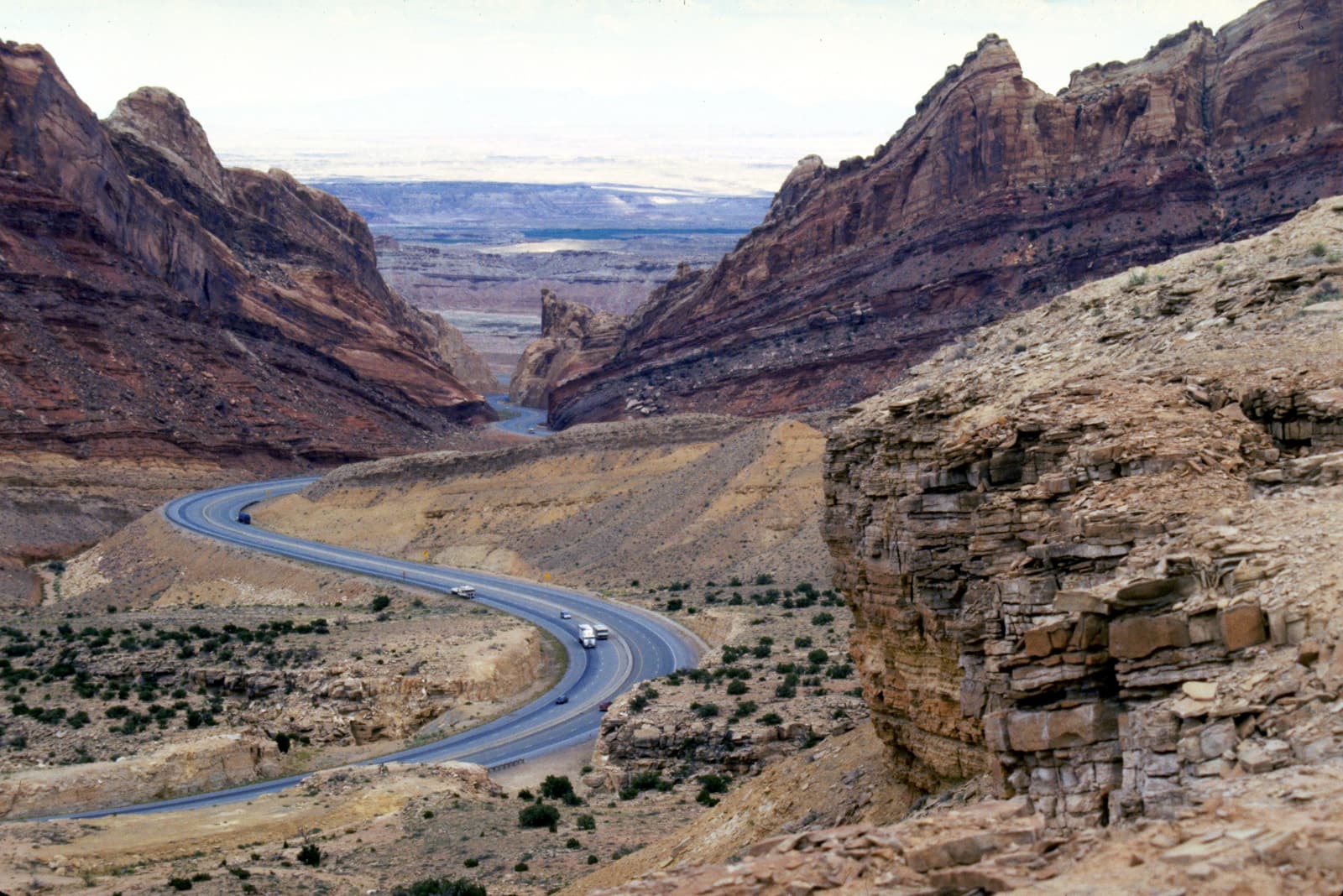
The Bureau of Land Management administers roughly 245 million acres of public land, primarily in western states. Under the casual collection provisions of the BLM's fossil policy, you can collect reasonable quantities of common invertebrate fossils and plant fossils for personal use without a permit. "Reasonable quantities" is not precisely defined but is generally interpreted as what one person could carry without a vehicle and use for non-commercial purposes.
What is explicitly excluded: vertebrate fossils (bones, teeth, claws) require a permit regardless of quantity. Digging or using tools to excavate beyond surface exposure is not permitted under casual collection. Wilderness areas have stricter rules. And collecting for commercial purposes, to sell, is not covered by the casual collection provision even for invertebrates.
BLM resource management plans vary by field office, and some areas have additional restrictions. The BLM's website (blm.gov) has a state-by-state fossil collecting summary, and individual field offices can confirm current rules for specific localities.
UK public foreshore
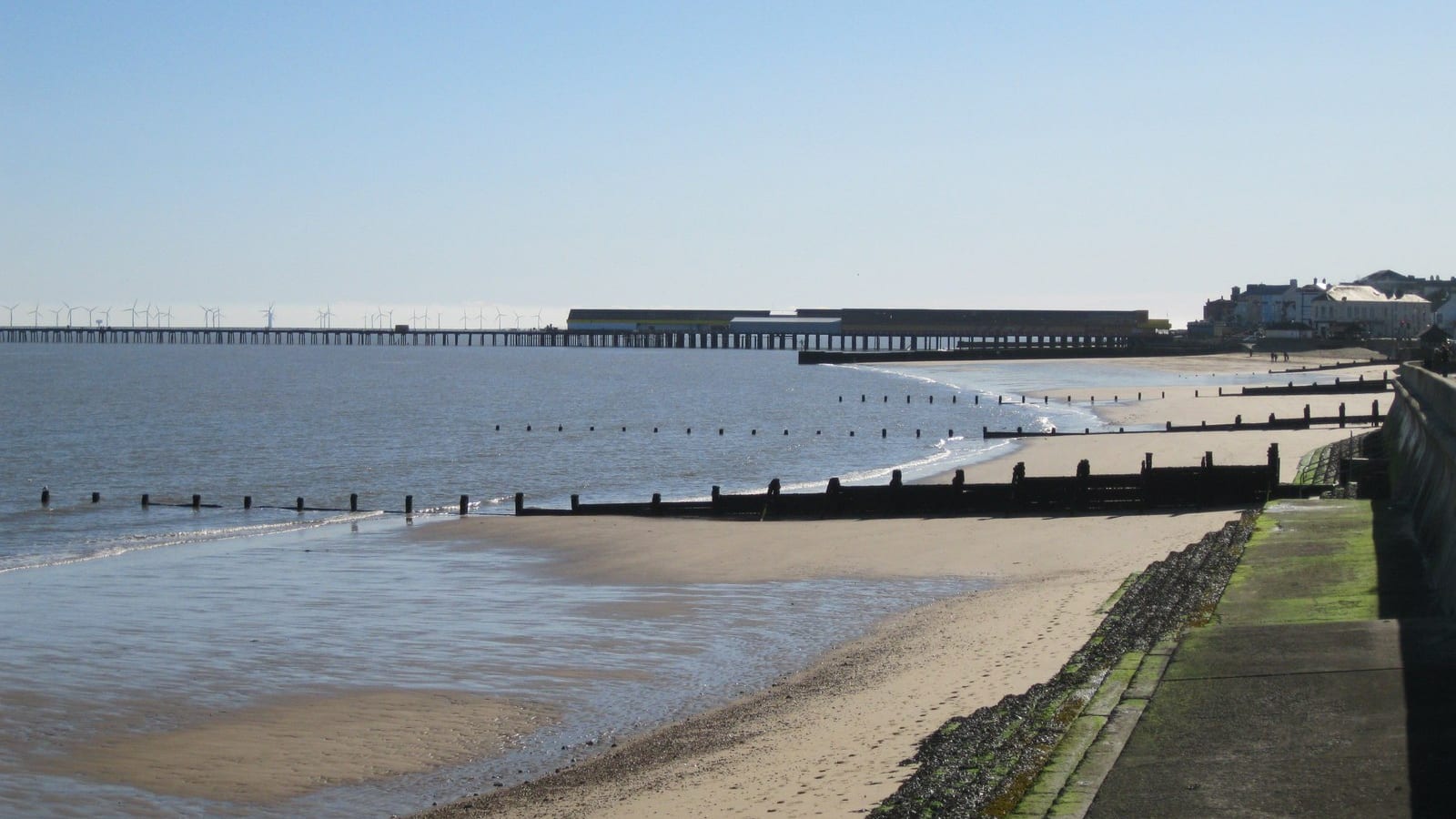
Below the mean high-water mark on most British coastline, the foreshore is Crown Estate land that is effectively open to public access. Surface collecting of loose fossil material is generally permitted, this is the legal basis for fossil collecting at Charmouth, Whitby, Robin Hood's Bay, and dozens of other UK beach sites. You do not need individual permission from the Crown Estate for recreational collecting from loose foreshore material.
The limits: collecting from cliff faces or actively excavating rock is not permitted without landowner consent, and hammering or excavating within SSSIs (Sites of Special Scientific Interest) is restricted under the Wildlife and Countryside Act 1981. Pembrokeshire sites, many Yorkshire coast sites, and most of the Jurassic Coast fall within either an SSSI, a National Park, or a Heritage Coast designation. The signage at each site indicates the specific rules. Within SSSIs, surface collecting from loose material is typically still allowed. Hammering the cliff face is not.
National Forests in the US
The US Forest Service manages over 193 million acres and broadly follows similar casual collection rules to BLM for common invertebrates, though individual national forest management plans may vary. The same prohibition on vertebrates and commercial collection applies.
What "without permission" genuinely means
At BLM sites and on UK foreshore, you don't need to apply for a permit or contact an authority before visiting. You collect what erosion has exposed, take reasonable quantities for personal use, and leave. You do not dig, hammer cliff faces, or collect vertebrate material (in the US).
The sites where a permit is always required regardless of land type: US National Parks, UK National Nature Reserves with collecting restrictions, and private land without landowner consent. Collecting at those sites without a permit is not "grey area", it is theft or a statutory offence.
Pay-to-dig: the simplest route to kept finds
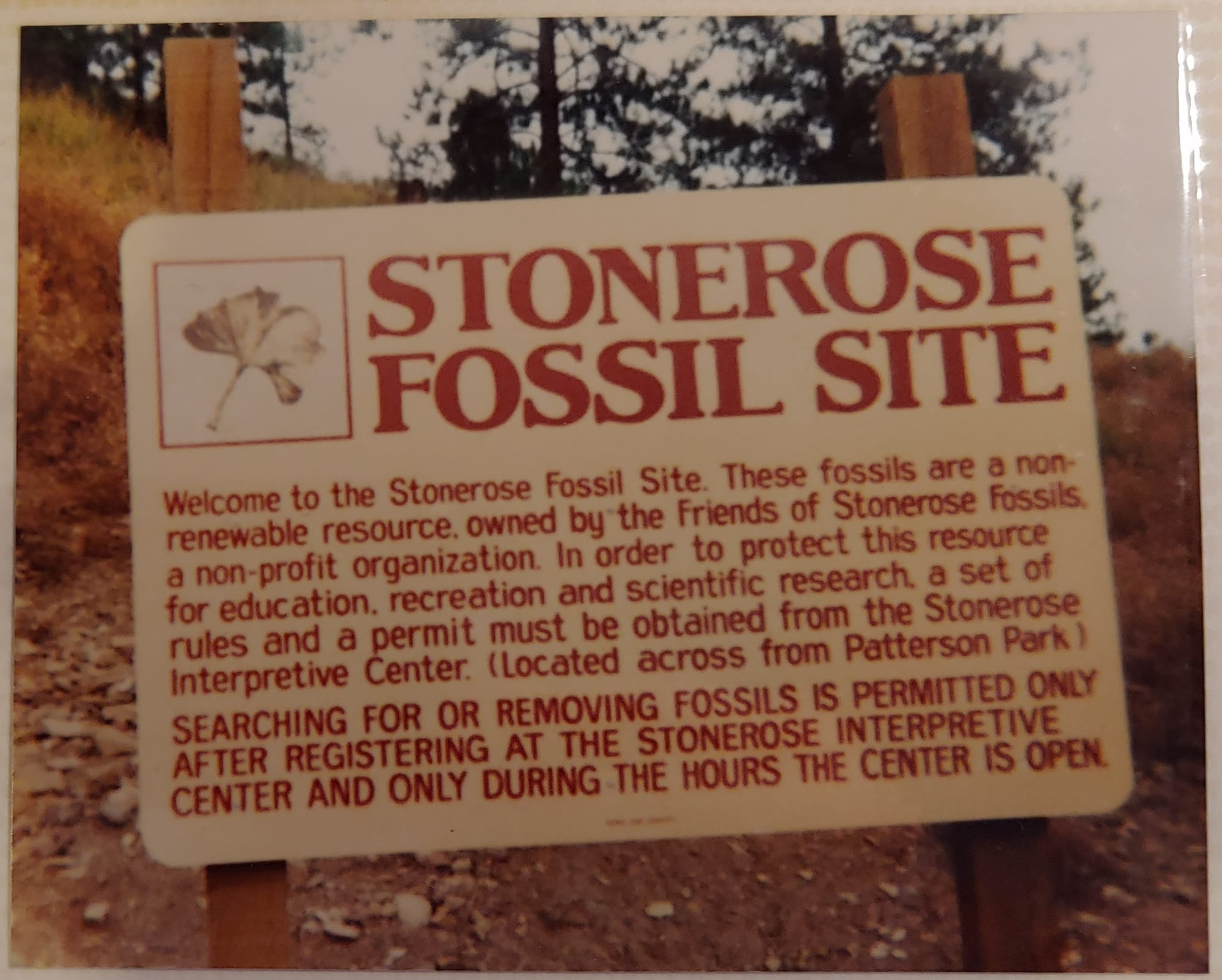
Pay-to-dig sites resolve the permission question entirely. You pay the operator, the operator holds all relevant permits and landowner agreements, and you keep everything you find. This model is well-established in Germany's Altmühltal region, at several Ohio county fossil parks, and at commercial quarry operations in Utah and South Dakota. No individual permit, no uncertainty about land status.
Where to go next
For specific BLM-accessible collecting sites in California, the California fossil hunting guide covers Shark Tooth Hill (supervised dig with the Buena Vista Museum of Natural History) and notes where BLM rules apply. For UK foreshore sites where collecting is open to the public, the Yorkshire Coast guide and Dorset guide cover the most productive beaches in detail.
Frequently asked questions
- Where can I collect fossils without a permit in the US?
- On most Bureau of Land Management (BLM) land in western states, surface collection of common invertebrate and plant fossils is permitted without a permit under the casual collection provision — for personal, non-commercial use. This covers many exposed formations across Utah, Colorado, Wyoming, and adjacent states. Vertebrate fossils (bones, teeth, claws), any excavation, and commercial collecting are excluded from casual collection regardless of land type. The BLM's website (blm.gov) has a state-by-state fossil collecting summary.
- Can you pick up fossils on any beach in the UK without permission?
- On most public foreshore — the beach below mean high-water mark on Crown Estate coastline — surface collecting of loose fossil material is generally permitted without seeking individual permission. This is the legal basis for collecting at sites including Charmouth, Whitby, Robin Hood's Bay, and most Pembrokeshire beaches. Collecting from cliff faces or actively excavating within SSSI-designated sites (which includes most accessible UK fossil beaches) requires prior consent from Natural England or equivalent bodies — but surface collecting from already-loose material is typically allowed.
- Are pay-to-dig fossil sites worth it?
- Yes, for collectors who want certainty and a near-guaranteed find. Pay-to-dig operations resolve the permission question entirely: you pay the operator, they hold all relevant permits and landowner agreements, and you keep everything you find. This model is well-established in Germany's Altmühltal region (Jurassic limestone with fish, ammonites, and arthropods), at Ohio county fossil parks, and at commercial quarry operations in Utah and South Dakota. The trade-off is the access fee, typically $10–$75 per day depending on the site.