Country
Fossil hunting in Bolivia
A cement quarry outside Sucre exposed a near-vertical limestone wall covered in dinosaur tracks. Cal Orck'o carries 12,092 mapped prints across 465 trackways, and the researchers who counted them estimate about 14,000 in all. That makes it one of the largest track surfaces recorded anywhere.
The wall was a horizontal lake margin in the Late Cretaceous and tectonics tilted it. Visitors see the trackways from a viewing platform, and guided walks to the base run at 12:00 and 13:00. The park closes on Mondays. The Parque Cretacico beside the quarry holds the interpretation and the models.
Torotoro National Park is the other Bolivian option, reached from Cochabamba rather than Potosi, about 140 kilometres away. Tracks occur on exposed rock surfaces along the river and canyon routes. Every circuit needs a park ticket and a certified guide. Its Carreras Pampa surface, described in December 2025, holds roughly 16,600 tracks and is now the largest known anywhere.
2 fossil sites
Updated 12 September 2026
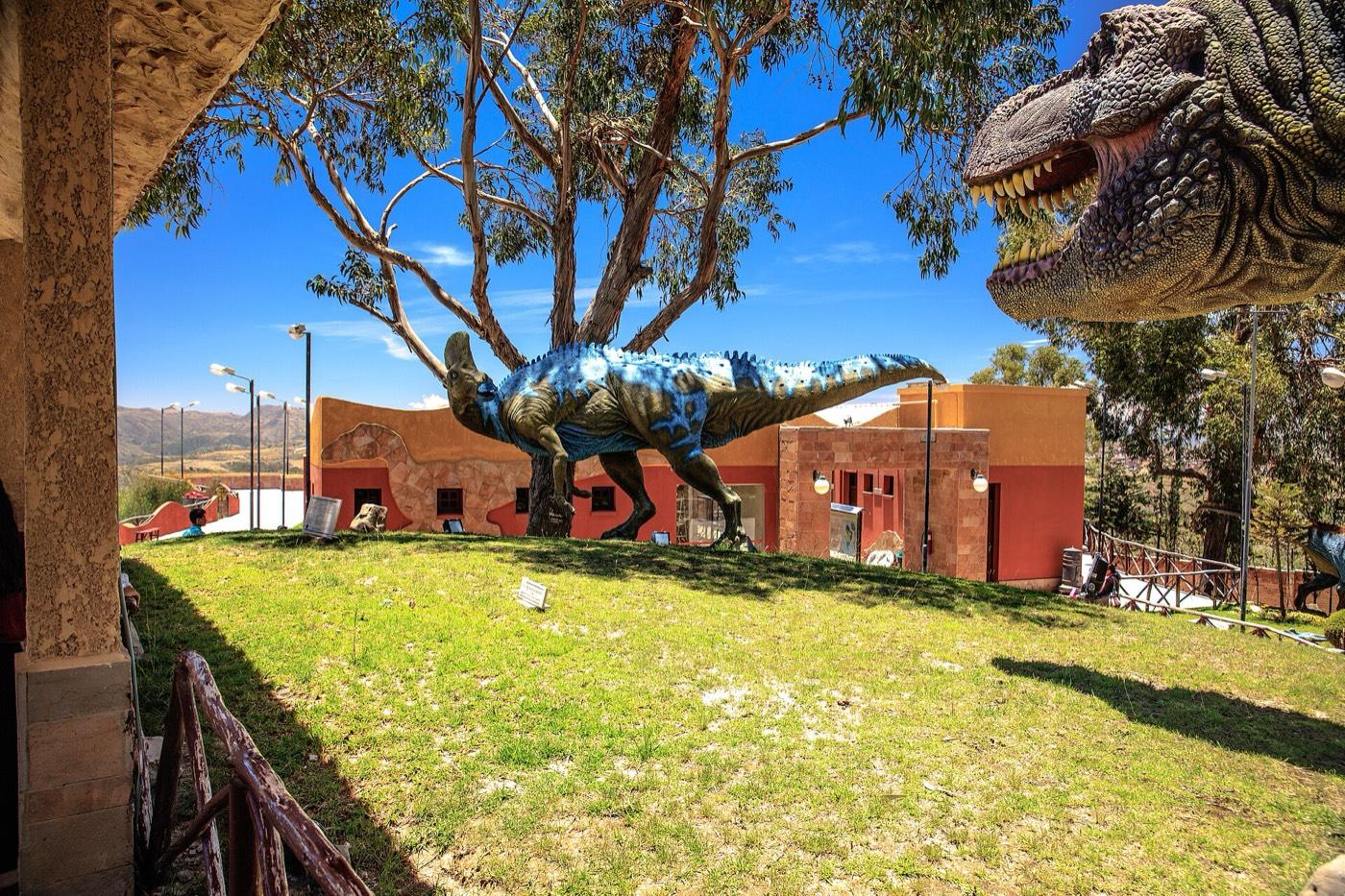
Cal Orck'o and Parque Cretácico Fossil Hunting Guide
Chuquisaca, Bolivia
Trace fossils, Dinosaur tracks, Stromatolites
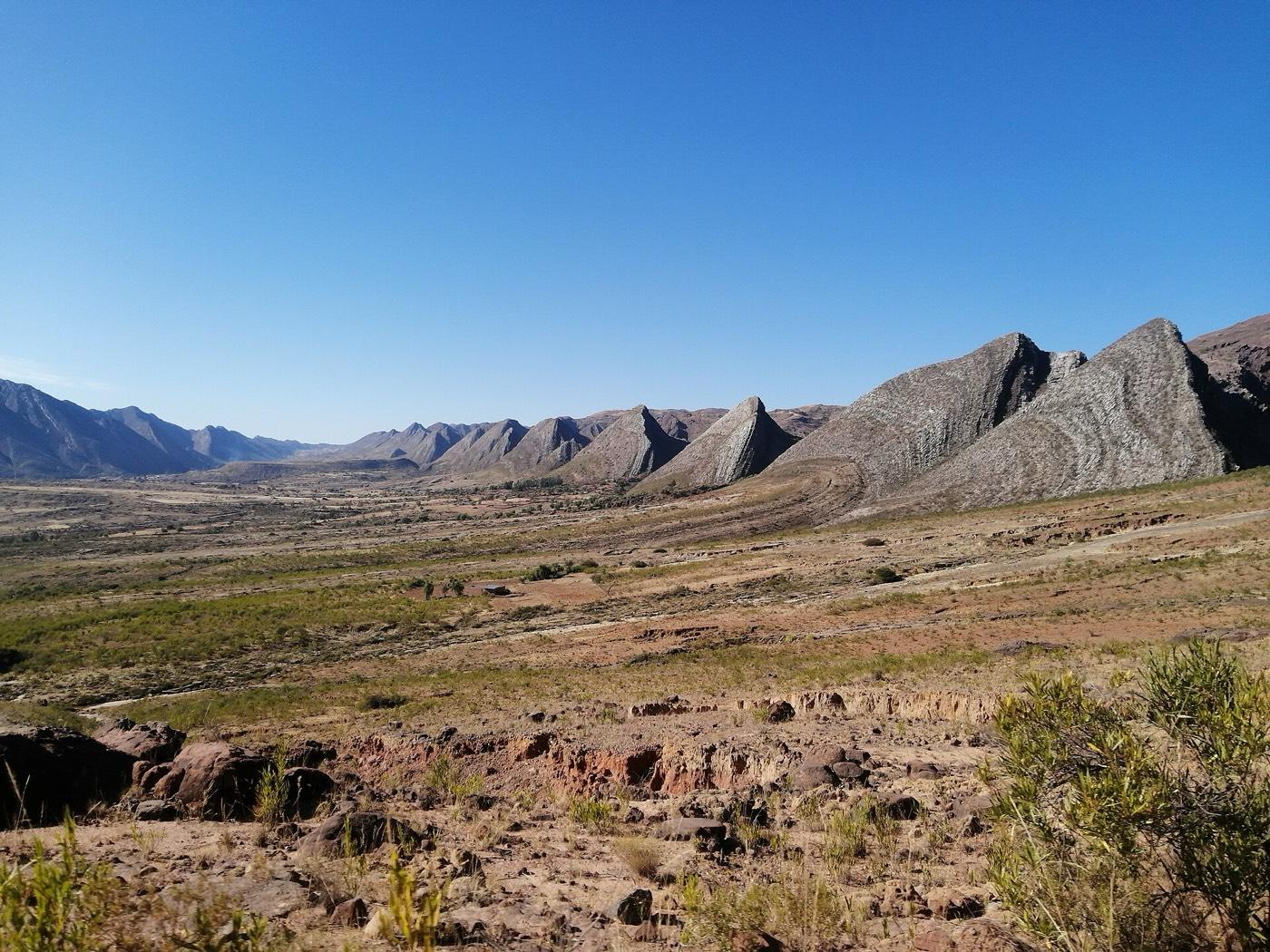
Torotoro National Park Fossil Hunting Guide
Potosí, Bolivia
Trace fossils, Dinosaur tracks, Swim traces
Frequently asked questions
- How many dinosaur tracks are at Cal Orck'o?
- 12,092 mapped prints across 465 trackways on one near-vertical limestone face outside Sucre, with about 14,000 estimated. The surface was a flat lake margin in the Late Cretaceous before tectonics tilted it.
- Can you visit the Cal Orck'o wall up close?
- Yes, on a guided walk to the base, which runs at 12:00 and 13:00. The Parque Cretacico next to the quarry has the viewing platform, the interpretation and the models, and it closes on Mondays.