Country
Fossil hunting in Estonia
Saaremaa is one slab of Silurian limestone with the sea cutting into its edges. The cliffs on the Sorve peninsula hold crinoid genera found nowhere else on Earth, and the shingle at their feet is thick with weathered-out material.
Ohesaare cliff runs 400 to 700 meters long and up to about 3.5 meters high on the west coast of the peninsula. With Kaugatuma it exposes Pridoli rocks, the youngest stage of the Silurian. The crinoid genera Methabocrinus, Saaremaacrinus and Velocrinus occur only in the Pridoli of Saaremaa.
These two cliffs also yield the only Pridoli symbiotic associations known anywhere, which is a claim about the world and not about Estonia. Brachiopods, corals, trilobites and crinoids come out of the same beds.
Both cliffs sit inside landscape protection areas. Estonian conservation rules prohibit the use of natural resources in a conservation zone, so treat both as viewing-only. Photograph the shingle rather than pocket it, and leave the face alone.
2 fossil sites
Updated 17 September 2026
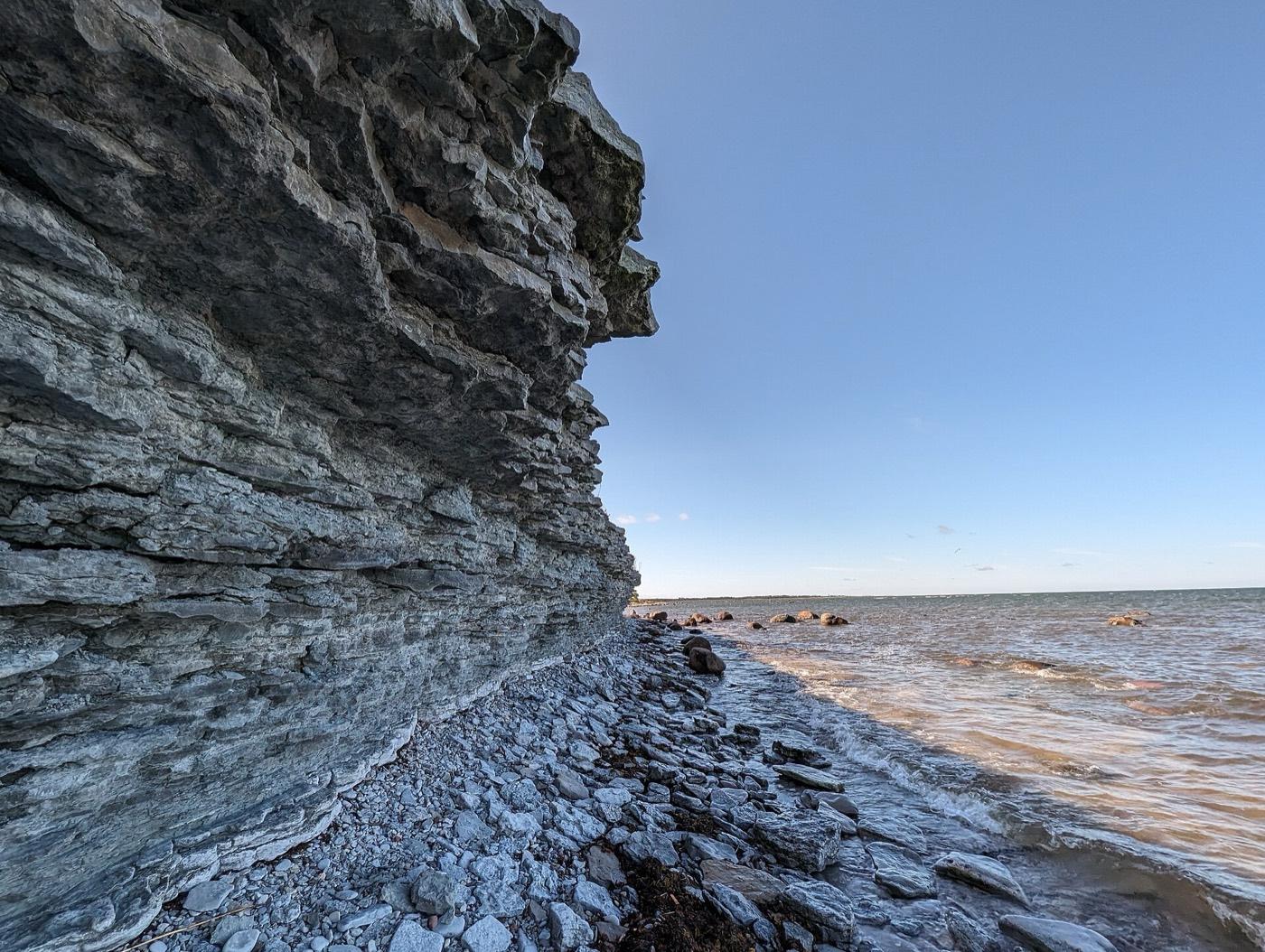
Ohesaare and Kaugatuma Cliffs Fossil Hunting Guide
Saaremaa, Estonia
Crinoids, Brachiopods, Corals, Trilobites
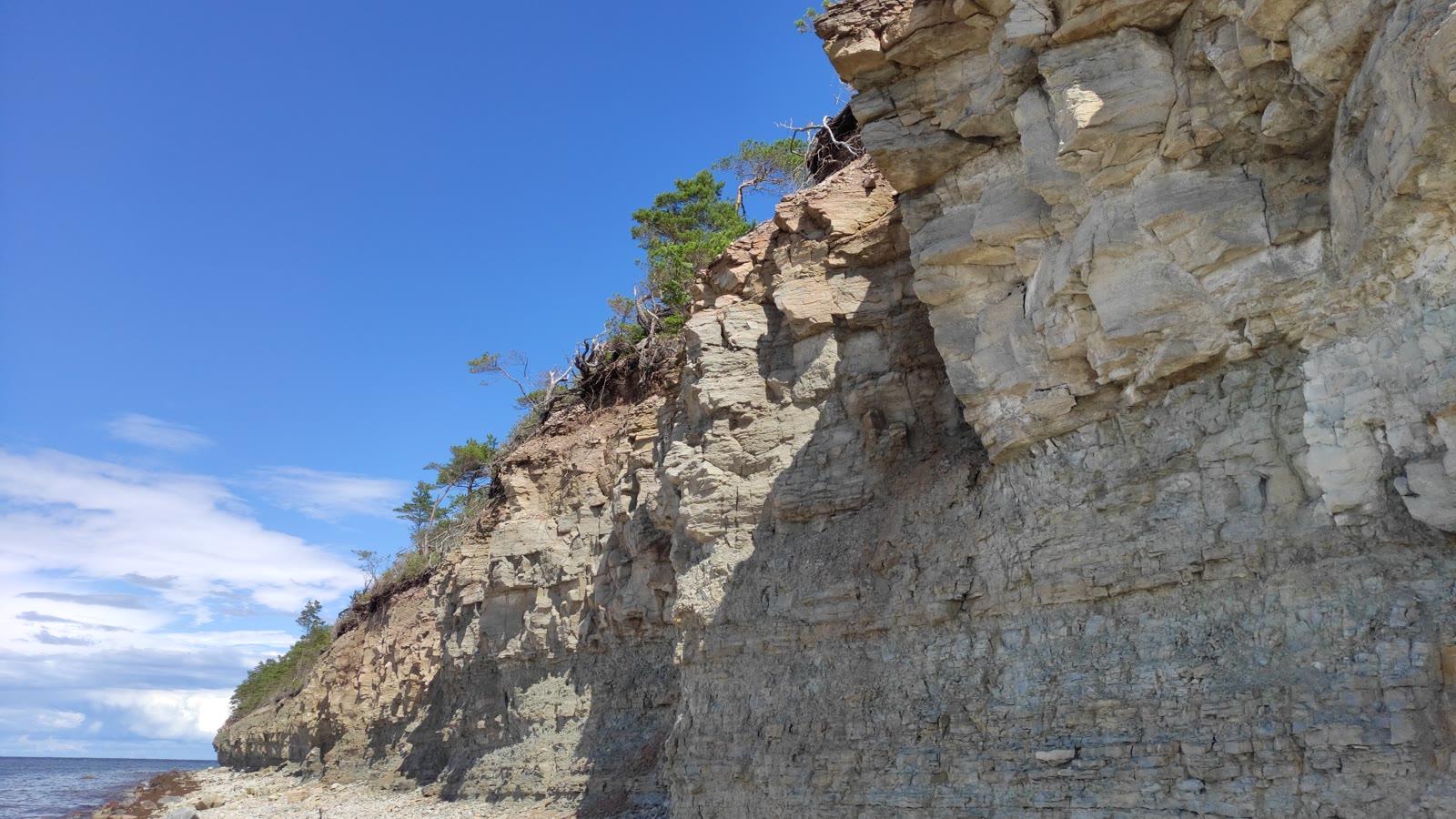
Panga Cliff, Saaremaa Fossil Hunting Guide
Saaremaa, Estonia
Brachiopods, Corals, Stromatoporoids, Bryozoans
Frequently asked questions
- Can you collect fossils on Saaremaa?
- Not at Ohesaare or Kaugatuma. Both cliffs sit inside landscape protection areas whose rules prohibit the use of natural resources, so go to look and photograph. Ask Keskkonnaamet before you collect anywhere on the island.
- What makes the Saaremaa cliffs important?
- They expose Pridoli rocks from the end of the Silurian. Three crinoid genera occur nowhere else, and the cliffs hold the only Pridoli symbiotic associations known anywhere.