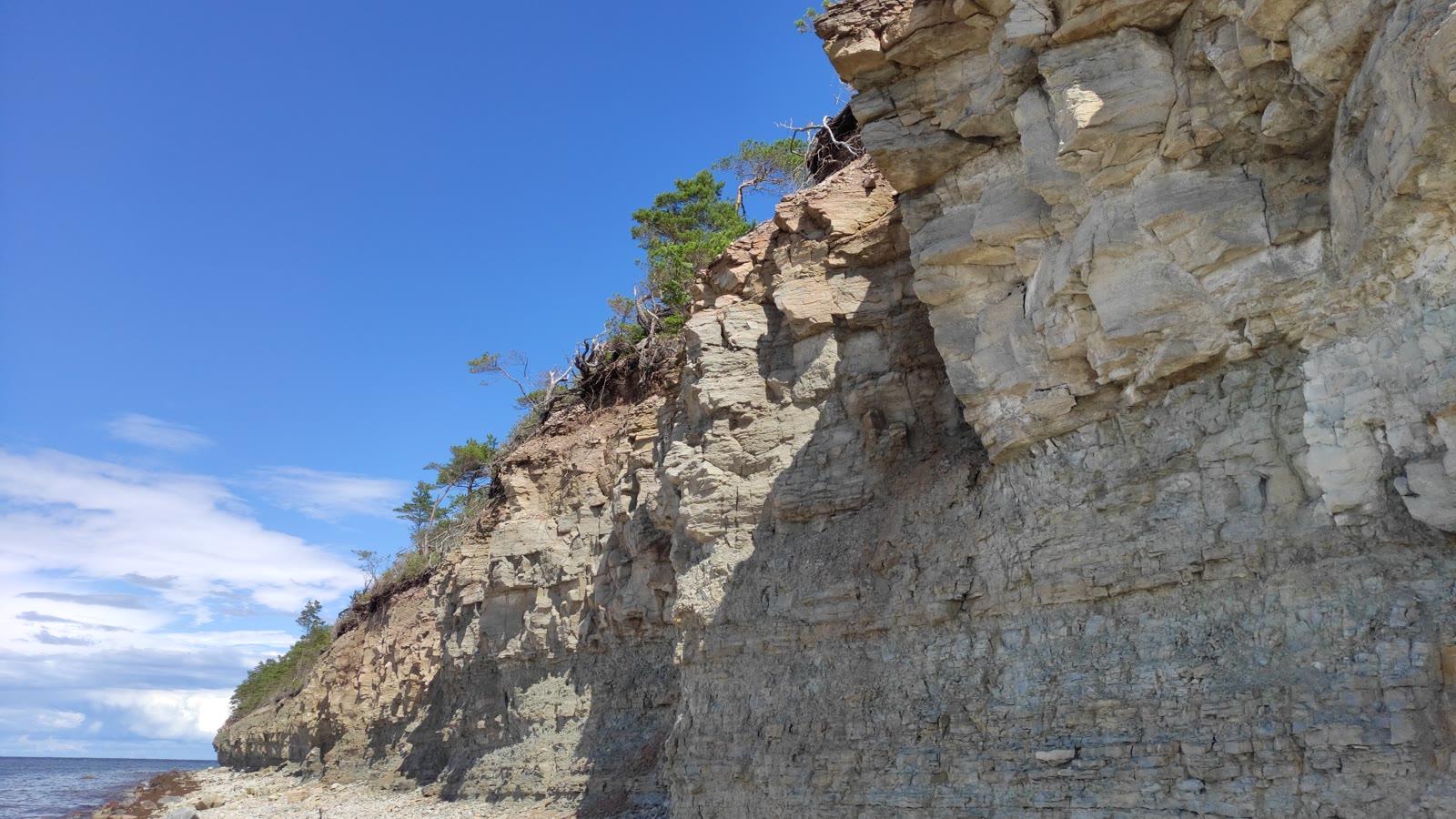
Panga Cliff, Saaremaa Fossil Hunting Guide
Image: Fry72, Karel Frydrýšek (CC BY-SA 4.0)
The highest bedrock outcrop in western Estonia, a 21-metre Silurian cliff running 2.5 km along the north coast of Saaremaa. Fossils of a tropical Silurian sea sit in the exposed dolostone, with a viewing platform and a trail.
By Edward Chen · Published 17 September 2026
Introduction
Estonia is a flat country. The highest point in the whole of it reaches 318 metres, and most of the land lies far below that.
So a cliff of 21 metres counts as a landmark, and Panga is the tallest bedrock face in western Estonia and on its islands.
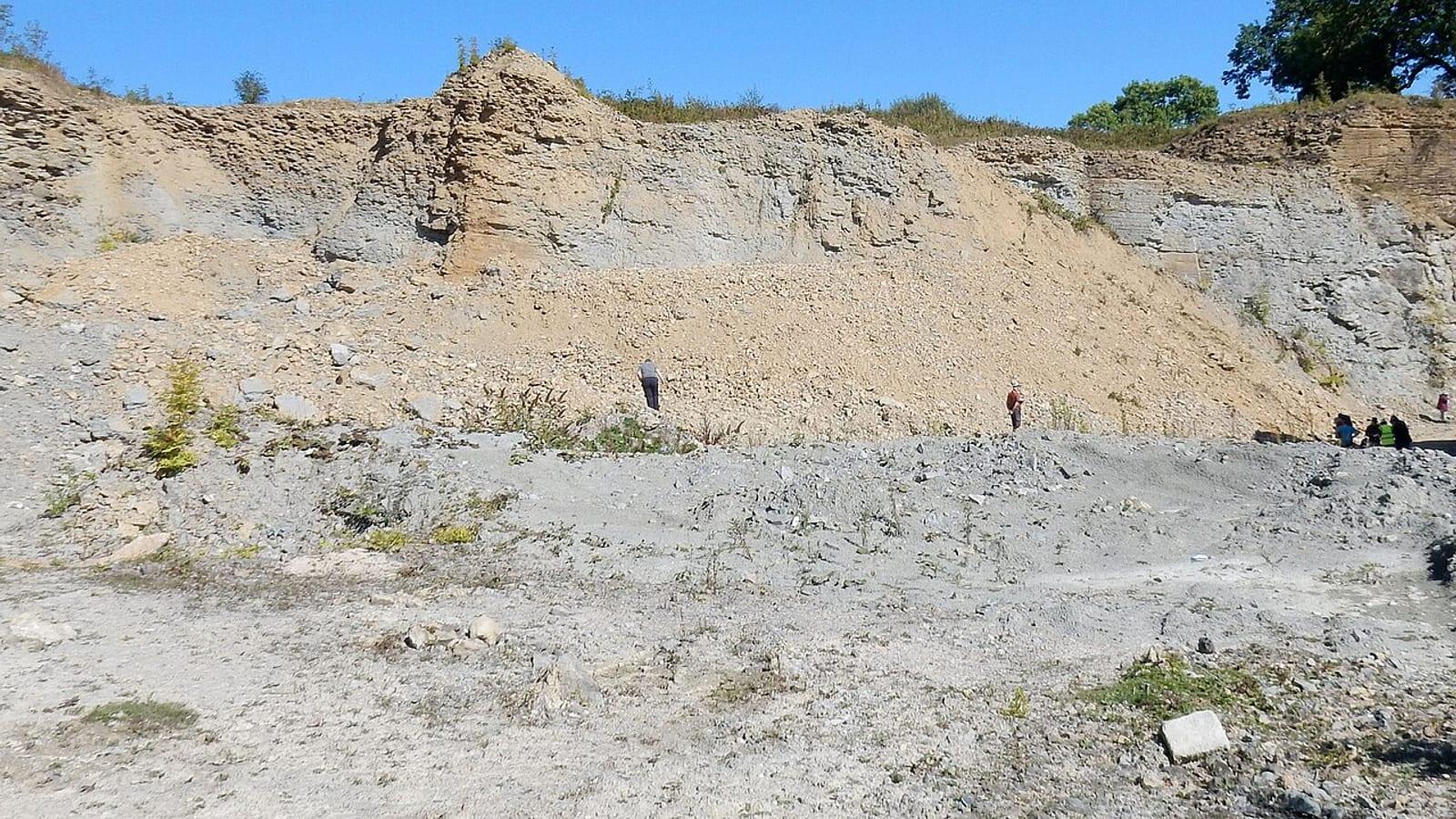
The cliff runs for about 2.5 km along the north coast of Saaremaa. Its face is a clean section through Silurian dolostone.
That rock formed in a warm, shallow sea roughly 430 million years ago, when this part of the crust lay near the equator.
The fossils are in the rock rather than on a beach. Brachiopods, corals and stromatoporoids show as sections cut through the face and the fallen blocks.
A viewing platform and steps put you close to the layers. The cliff is also an old sacrificial site, and local tradition attached considerable weight to it long before any geologist arrived.
Location and Directions
Panga is on the north coast of Saaremaa, in Mustjala, at the end of the road that runs from Kuressaare through Võhma.
Kuressaare is the island's main town and the drive north takes about 40 minutes. Saaremaa connects to the mainland by ferry from Virtsu to Muhu, then by causeway.
The cliff has a car park, a recreation area and a marked trail of just under 3 km along the top.
A metal viewing platform and stairway let you look at the exposed layers from close range. You do not need to scramble on the face.
The site is open at all times and there is no entry charge.
 Photo: Laima Gūtmane, CC BY-SA 3.0, via Wikimedia Commons

What Fossils You'll Find
Brachiopods are the most common thing in the rock. They occur as shells cut in section across the face and in loose blocks at the base.
Corals appear as both solitary and colonial forms. Tabulate colonies show a honeycomb pattern when a break cuts across them.
Stromatoporoids are the other major group. These were sponge-like reef builders and they form rounded, layered masses in the dolostone.
Bryozoans occur as fine mesh-like fragments. They need a lens more often than not.
The dolomitisation of the rock has blurred a lot of fine detail. Estonian Silurian fossils from other localities often preserve better than those in the Panga face.
Panga is the place to see the sequence rather than to fill a bag. Saaremaa's other fossil coasts, at Kaugatuma, Ohesaare and Vilsandi, sit inside protected areas of their own. Do not assume a shingle beach elsewhere on the island is open ground.
Geologic History
The face exposes part of the Estonian Silurian sequence, spanning the Jaani and Jaagarahu formations of the Wenlock.
Baltica, the ancient continent that became north-east Europe, sat in tropical latitudes during the Silurian. The sea over it was shallow, warm and well lit.
Carbonate mud accumulated across broad banks, and reef builders colonised the shallower parts of them.
Later the limestone altered to dolostone. Magnesium-rich fluids replaced part of the original calcium carbonate, which hardened the rock and made it resistant.
That resistance is why Panga stands as a cliff while softer rock around it wore away.
The Baltic Klint, a longer escarpment of Ordovician rock, runs along Estonia's north coast. Panga belongs to a separate Silurian escarpment on the islands.
Collecting Rules and Regulations
Panga Cliff sits within a protected area, and Estonian nature conservation law governs what happens inside it.
Collecting here is prohibited by regulation rather than merely discouraged. Do not hammer the face, and do not dig at the base of the cliff.
Estonian law also allows the responsible minister to place rare or endangered fossils under specific protection. Anything unusual belongs with the Estonian Museum of Natural History rather than in a pocket.
If you want to collect on Saaremaa, ask locally about the shingle beaches on the south-east coast. Loose material there carries no cliff-face protection question.
Photography is free and unrestricted. The layered face repays a long lens as well as a wide one.
Safety
The cliff edge is unfenced for much of its length and the drop is 21 metres at its highest.
Stay back from the lip, particularly in wind. The edge is undercut in places and the dolostone breaks along vertical joints.
Do not stand directly beneath the face. Blocks fall, and the boulder field at the base is the evidence.
The shore below is loose rubble and slippery when wet. Boots with ankle support are sensible.
Baltic weather turns quickly and the coast is exposed. Bring a windproof layer even in summer.
Sources
Nearby sites
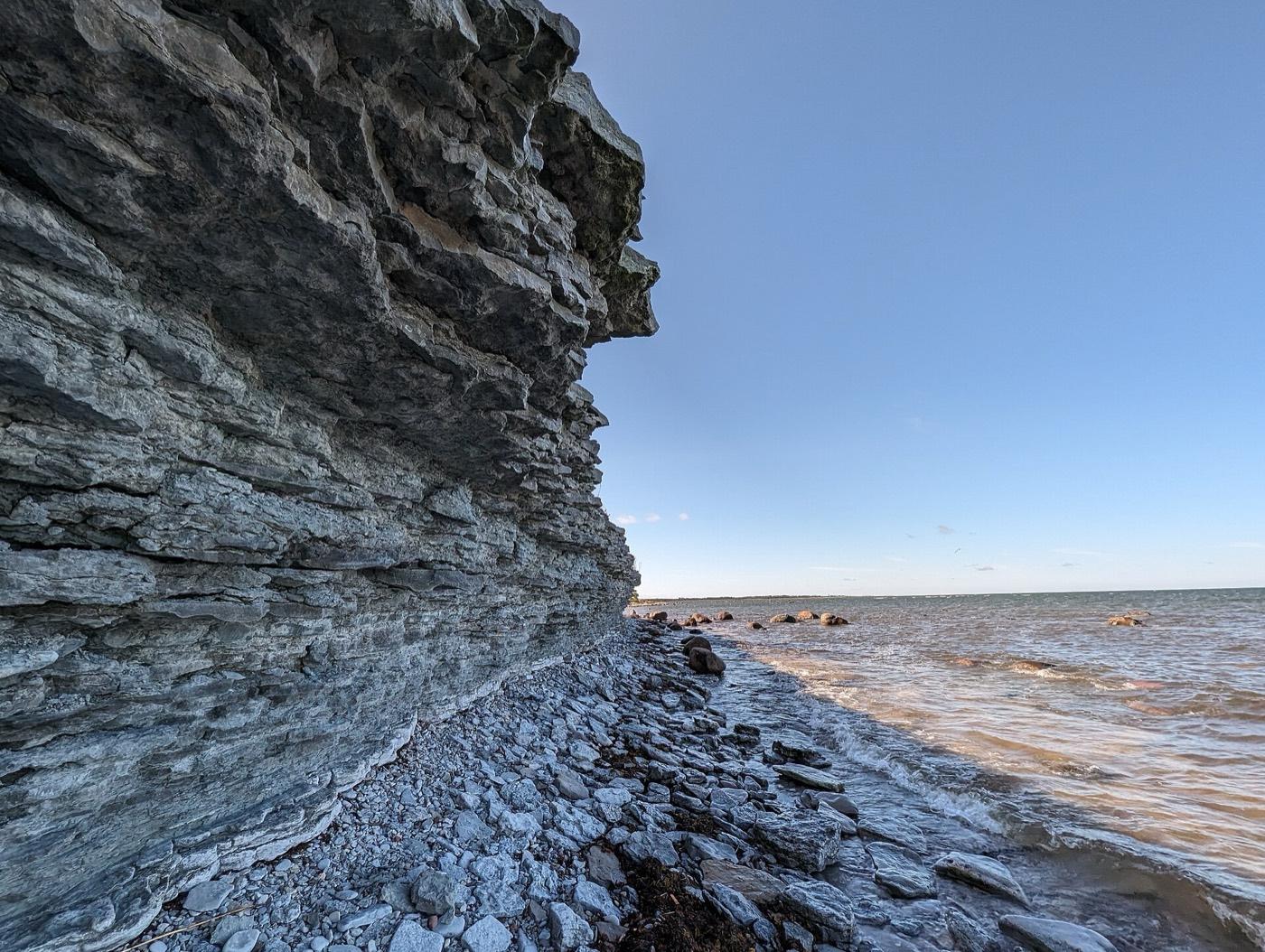 Ohesaare and Kaugatuma Cliffs Fossil Hunting GuideCrinoids, Brachiopods
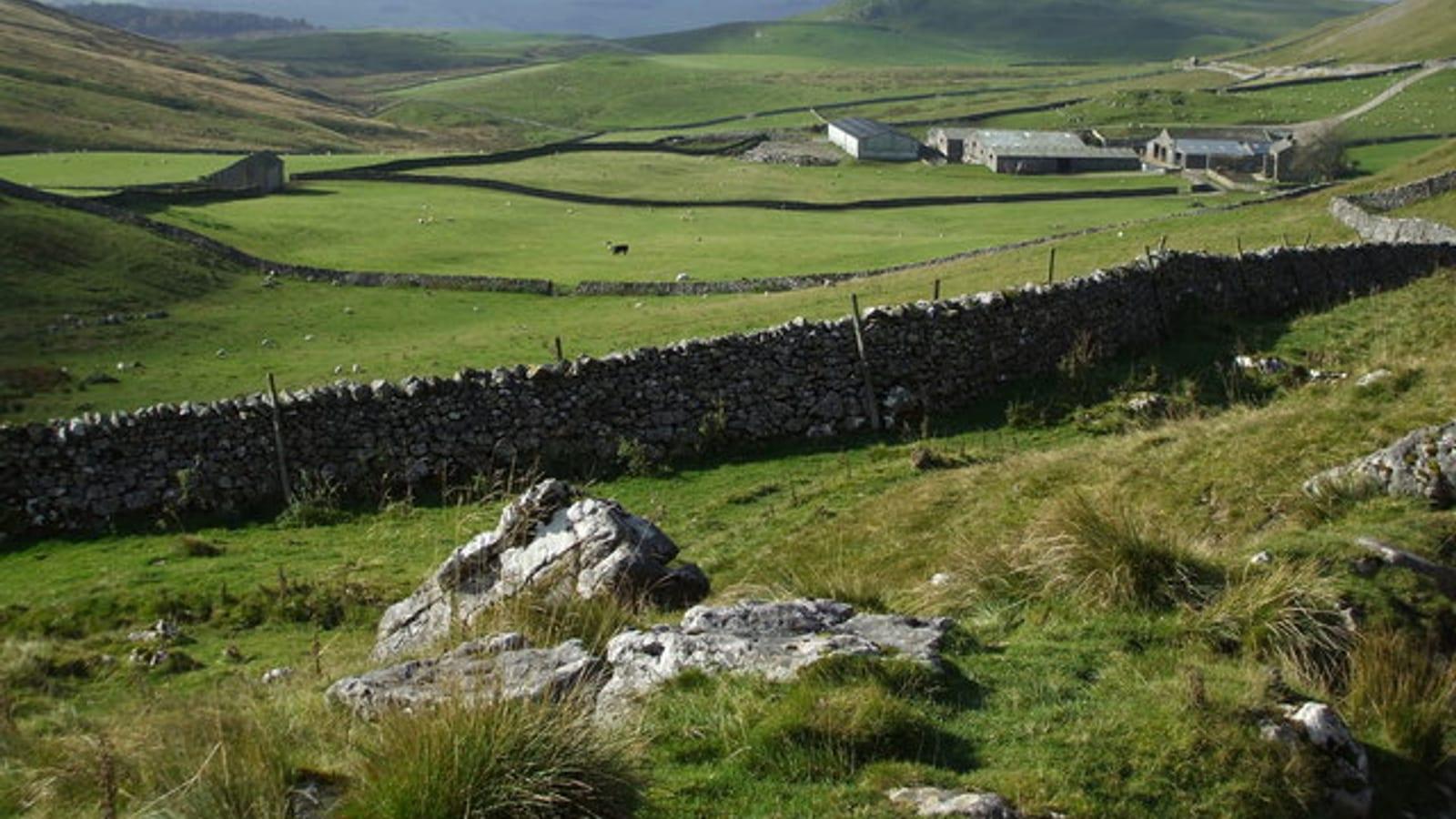 Stockdale Silurian Yorkshire Dales Fossil Hunting GuideGraptolites, Brachiopods
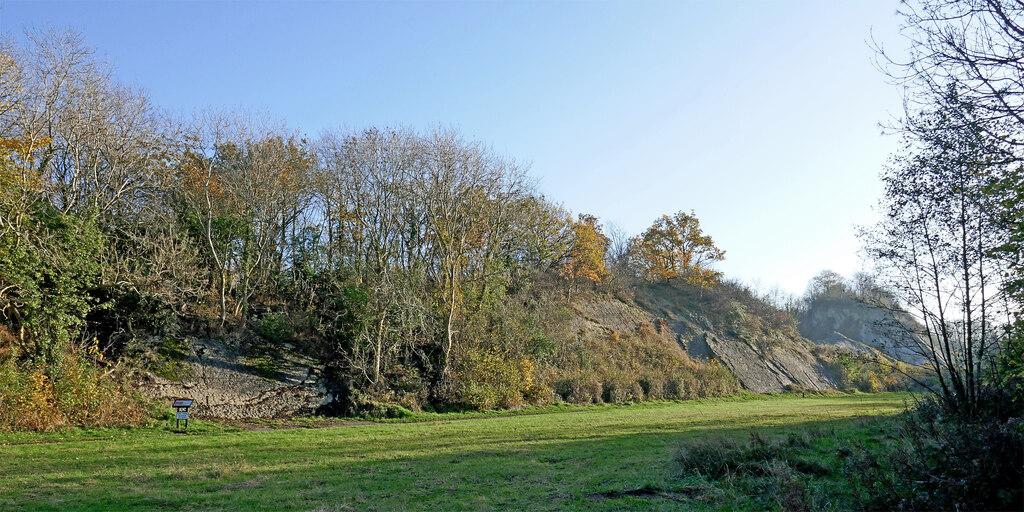 Wren's Nest National Nature Reserve Fossil GuideTrilobites, Calymene (Dudley Bug)
 Wenlock Quarry Much Wenlock Shropshire Fossil Hunting GuideCorals, Brachiopods