Country
Fossil hunting in Indonesia
Indonesia holds the site that rewrote human origins and one of the last exposed Permian floras on Earth. Sangiran in Java produced the Homo erectus record. In Sumatra, the fossil plants of the Batang Merangin are seen from a raft.
Sangiran Early Man Site is a UNESCO World Heritage Site with five cluster museums at Krikilan, Dayu, Ngebung, Bukuran and Manyarejo. Opening runs Tuesday to Sunday, 08:00 to 16:00, and the site closes on Mondays. It holds Sangiran 17, which the museum describes as the only Homo erectus cranium in Asia that still keeps its facial structure as found.
Merangin Jambi UNESCO Global Geopark in Sumatra protects Early Permian plant fossils about 300 to 290 million years old, including Araucarioxylon and Agathoxylon. The Jambi flora is described as the last exposed assemblage of its kind in the world.
Access to the Merangin outcrops is unusual. The fossils run along the bed and banks of the Batang Merangin. Visitors see them from a rafting route of about 13.8 kilometers, which takes roughly three hours. The drier months, roughly June to September, are the practical window.
2 fossil sites
Updated 12 September 2026
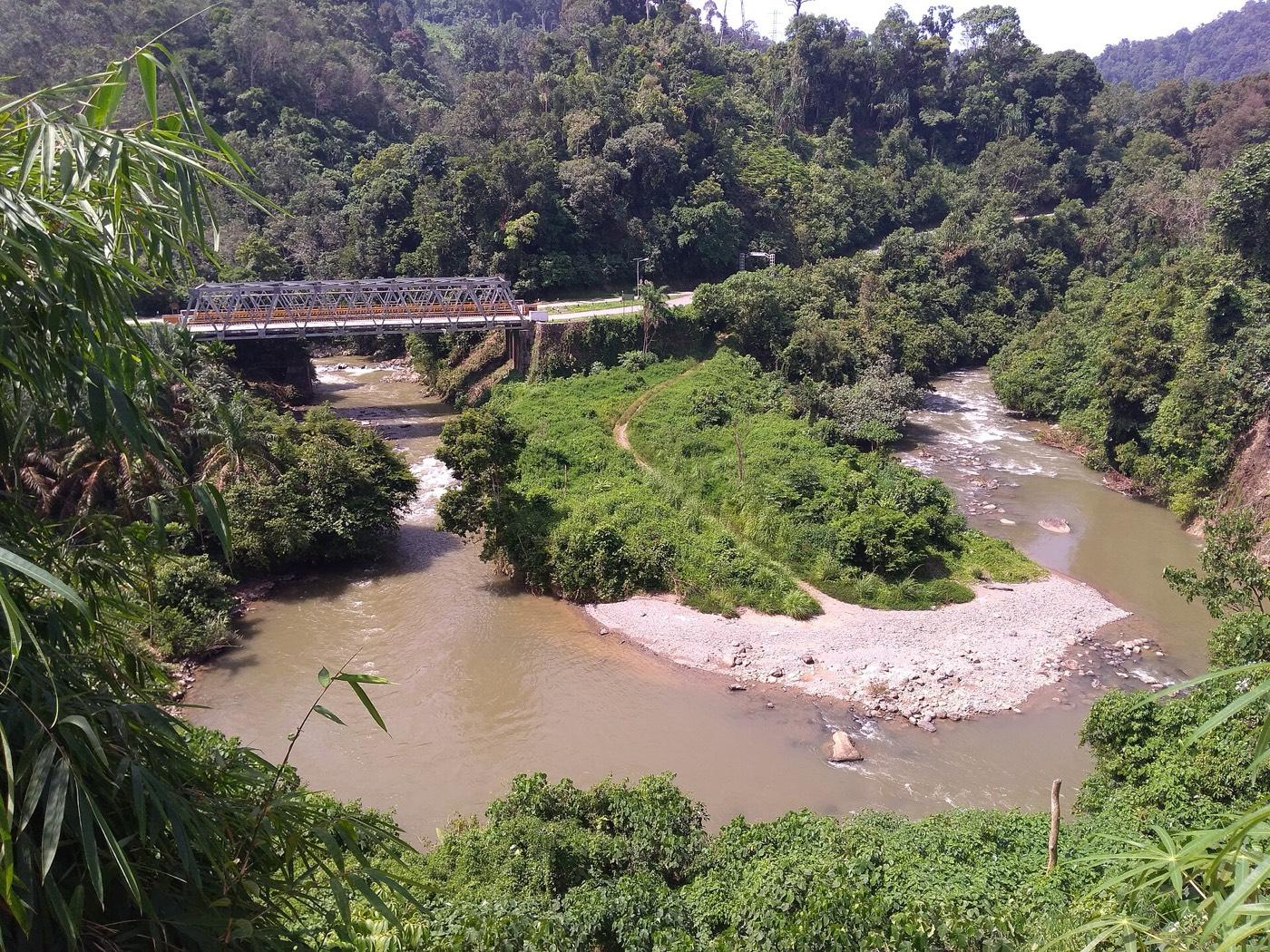
Batang Merangin River Fossil Route Fossil Hunting Guide
Jambi, Sumatra, Indonesia
Plants, Petrified wood, Brachiopods, Crinoids
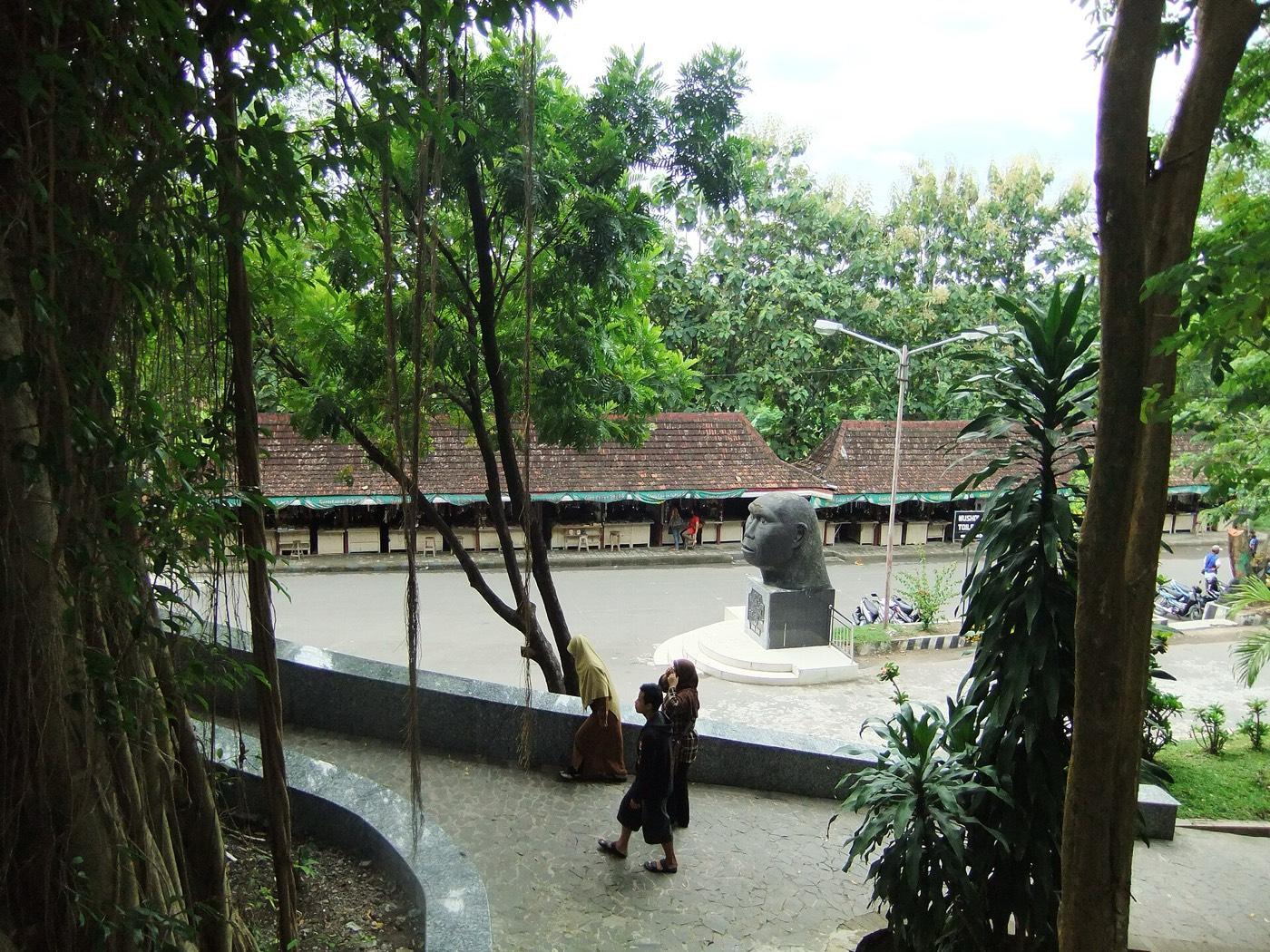
Sangiran Early Man Site Fossil Hunting Guide
Central Java, Indonesia
Hominins, Mammals, Molluscs, Stone tools
Frequently asked questions
- How do you see the Merangin fossils?
- From the river. A rafting route of about 13.8 kilometers along the Batang Merangin passes the Early Permian plant fossils and takes roughly three hours. April to October is the dry season and the practical window.
- What is Sangiran known for?
- The Homo erectus record of Java. It is a UNESCO World Heritage Site with five cluster museums. It holds Sangiran 17, which the museum calls the only Homo erectus cranium in Asia that still keeps its facial structure as found.