Country
Fossil hunting in Netherlands
The Netherlands gave its name to a slice of geological time. The Maastrichtian stage covers the final 6 million years of the Cretaceous and takes its name from the chalk at Maastricht. Its type locality is a former cement quarry you can walk through for free.
Marl extraction at the ENCI quarry stopped on 1 July 2018. Natuurmonumenten now manages the pit as part of the Sint-Pietersberg nature reserve, and walking through it costs nothing. Natuurmonumenten says the walking area is open between sunrise and sunset.
Collecting is a separate question from access. The quarry floor is not open-access ground for a hammer. Natuurmonumenten schedules paid guided fossil events where visitors work marl blocks and gravel, and that is the practical way to take a fossil home. Older guidance points at Saturday excursions run by the Limburg section of the Dutch Geological Society, which were for members and are documented only to 2018.
The chalk formed in a shallow tropical sea at the end of the Cretaceous. Shark teeth, echinoids, corals, belemnites and bivalves come out of it regularly. The same unit produced the original mosasaur skull in the 1770s.
2 fossil sites
Updated 17 September 2026
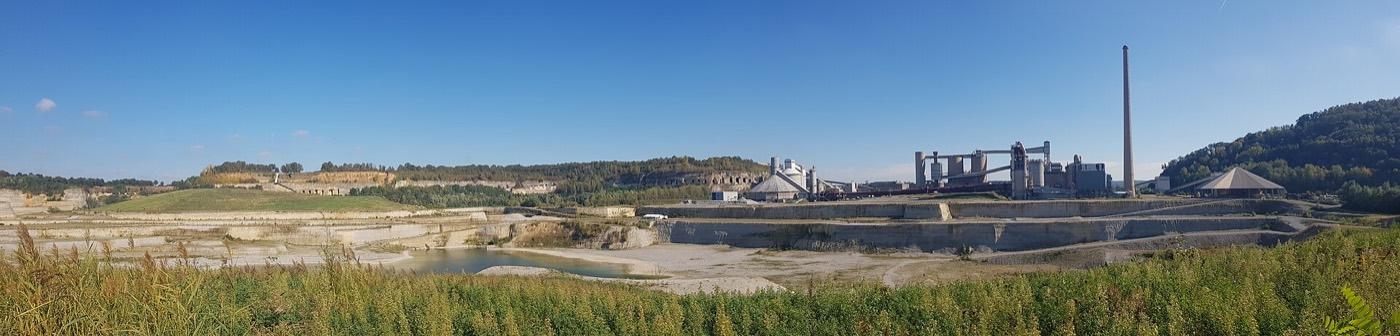
ENCI Quarry and Sint-Pietersberg Fossil Hunting Guide
Limburg, Netherlands
Shark teeth, Echinoids, Corals, Belemnites
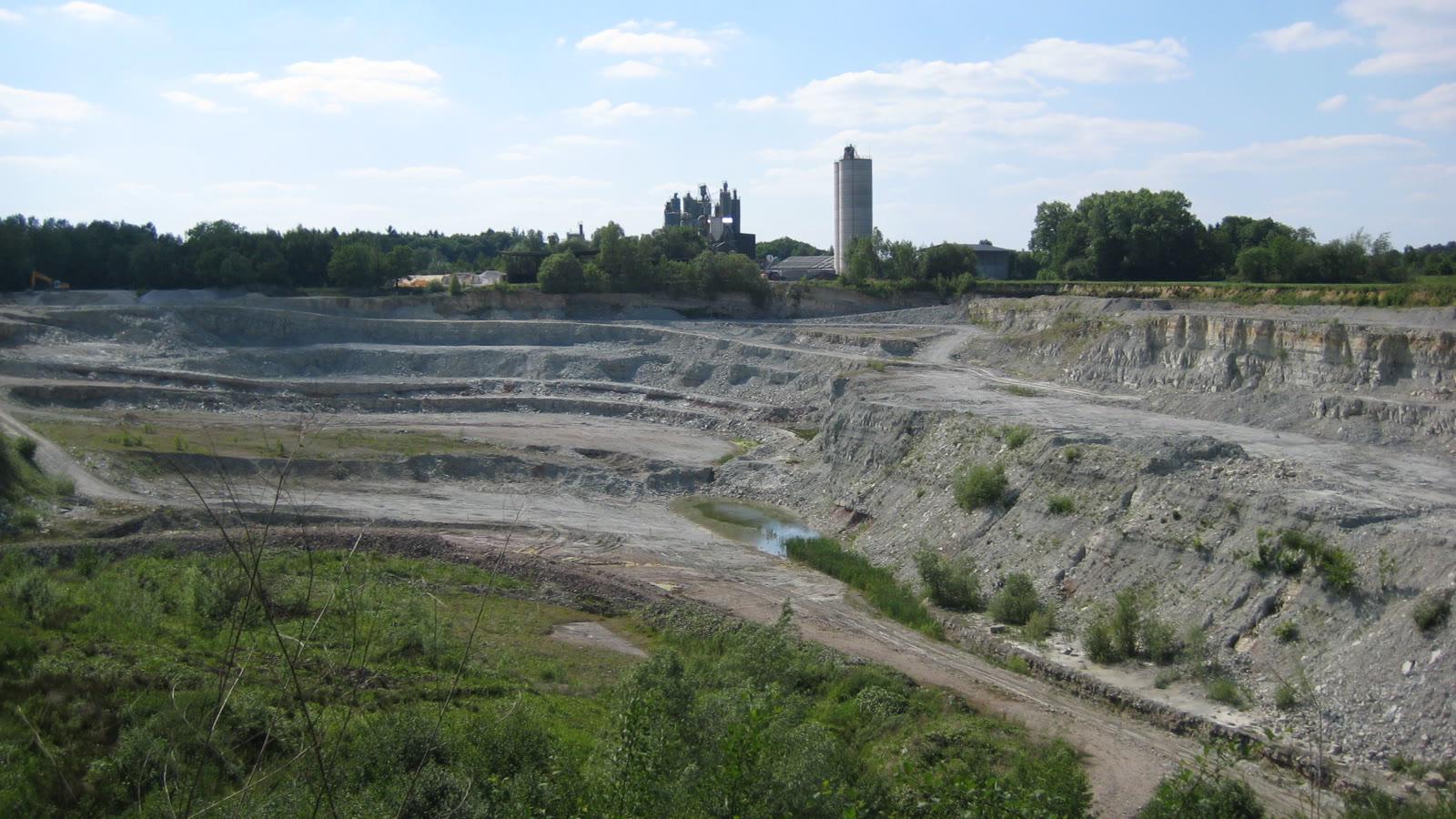
Winterswijk Quarry, Gelderland Fossil Hunting Guide
Gelderland, Netherlands
Marine reptile bones, Reptile footprints, Bivalves, Fish remains
Frequently asked questions
- Can you search for fossils at the ENCI quarry?
- Yes, but through an organized excursion rather than on your own. Walking the quarry is free between sunrise and sunset. To collect, book a Natuurmonumenten guided fossil event.
- What fossils are found at Maastricht?
- Shark teeth, echinoids, corals, belemnites and bivalves from the Maastricht Formation. The same chalk produced the mosasaur skull found in the 1770s that gave the group its name.