Country
Fossil hunting in Poland
Poland holds one of Europe's richest Late Triassic vertebrate bonebeds, and you look down into it through a glass floor. The Krasiejow deposit near Opole produced Metoposaurus and Silesaurus, and a pavilion built over the excavation opened to the public on 26 August 2006.
Krasiejow is a working scientific site with a visitor route laid over it. The Institute of Paleobiology of the Polish Academy of Sciences excavated the clay pit from the 1990s, and the finds date to roughly 230 million years ago. Silesaurus opolensis, described from here, sits close to the origin of dinosaurs.
The in-situ pavilion is the part that matters for a visitor who wants real fossils rather than models. Bone stays in the sediment and a glass floor carries you over it. The wider JuraPark complex around it is a reconstruction park, so plan the visit around the excavation building.
2 fossil sites
Updated 17 September 2026
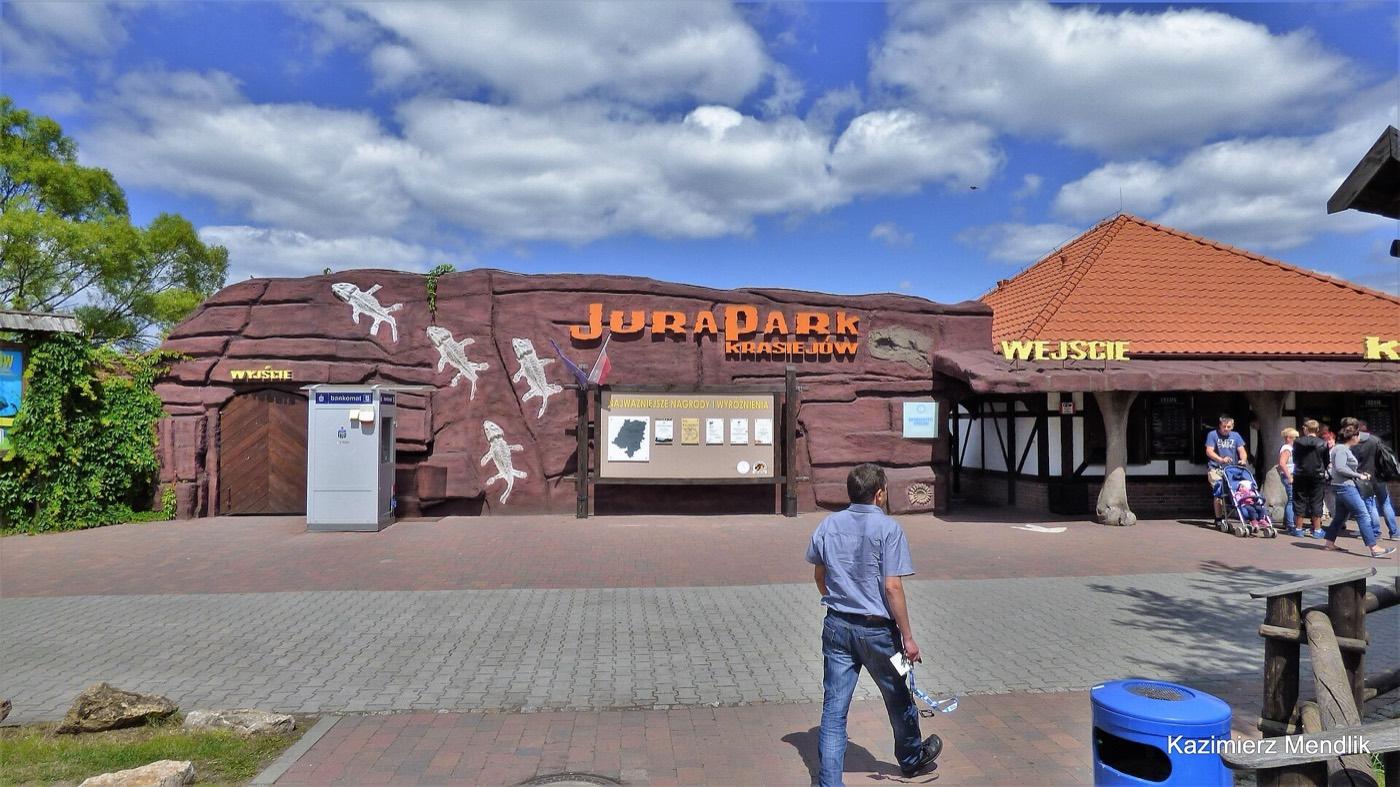
JuraPark Krasiejów Fossil Hunting Guide
Opole Voivodeship, Poland
Amphibians, Reptiles, Dinosauriformes, Bivalves
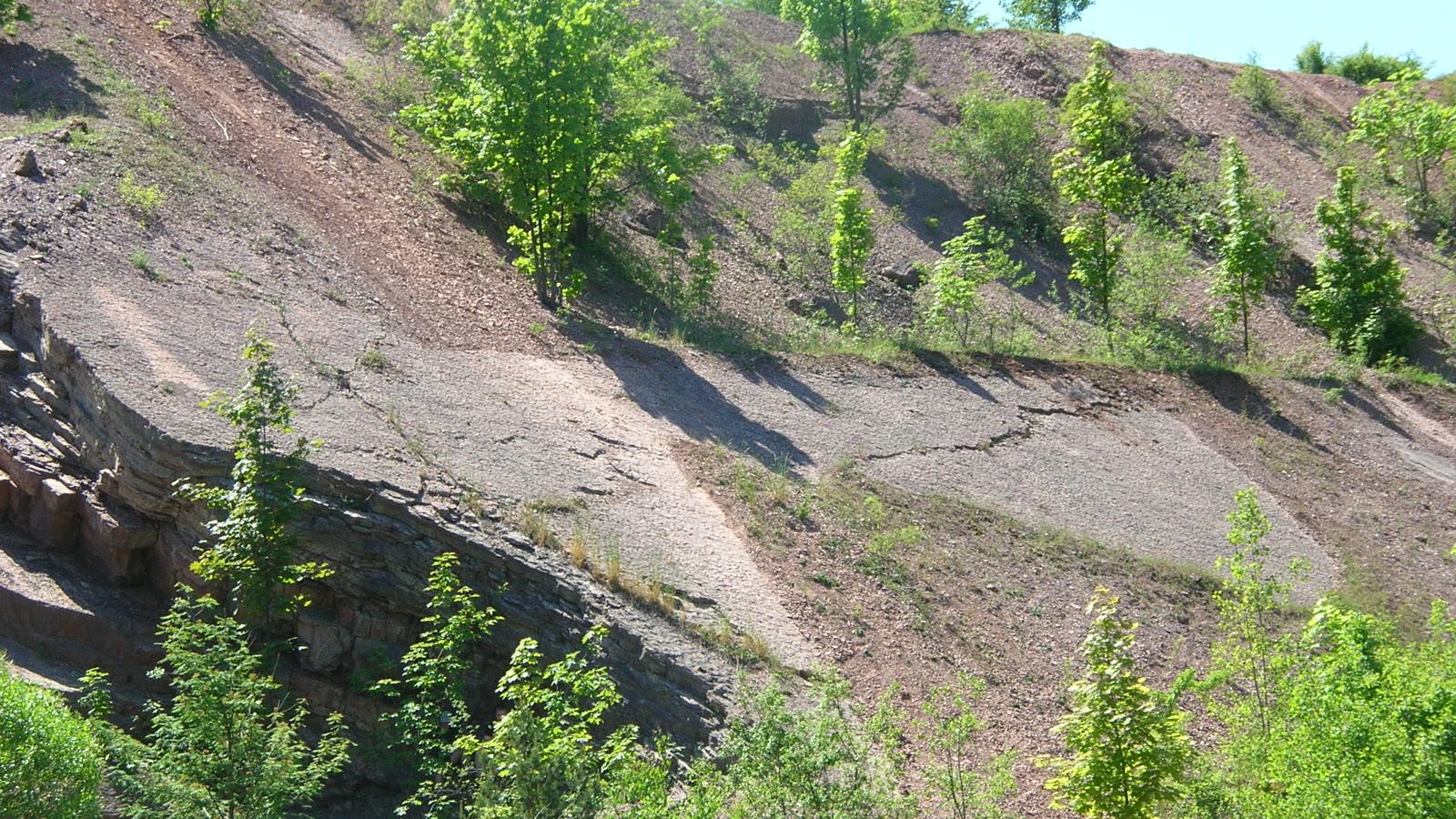
Zachełmie Quarry, Zagnańsk Fossil Hunting Guide
Świętokrzyskie, Poland
Tetrapod trackways, Stromatolites, Trace fossils
Frequently asked questions
- Can you collect fossils in Poland?
- Not at Krasiejow. The bonebed is a protected scientific excavation and material stays in place for study. The site is for viewing only.
- What dinosaurs were found at Krasiejow?
- Silesaurus opolensis, a close relative of the earliest dinosaurs, and the large temnospondyl amphibian Metoposaurus. The beds are Late Triassic, about 230 million years old.