Country
Fossil hunting in Portugal
Portugal's Atlantic coast preserves one of Europe's richest Late Jurassic dinosaur records in the Lourinhã Formation, the cliffs and beaches between Peniche and Lourinhã producing sauropods, theropods, stegosaurs, and the world's oldest known sauropod and theropod nests.
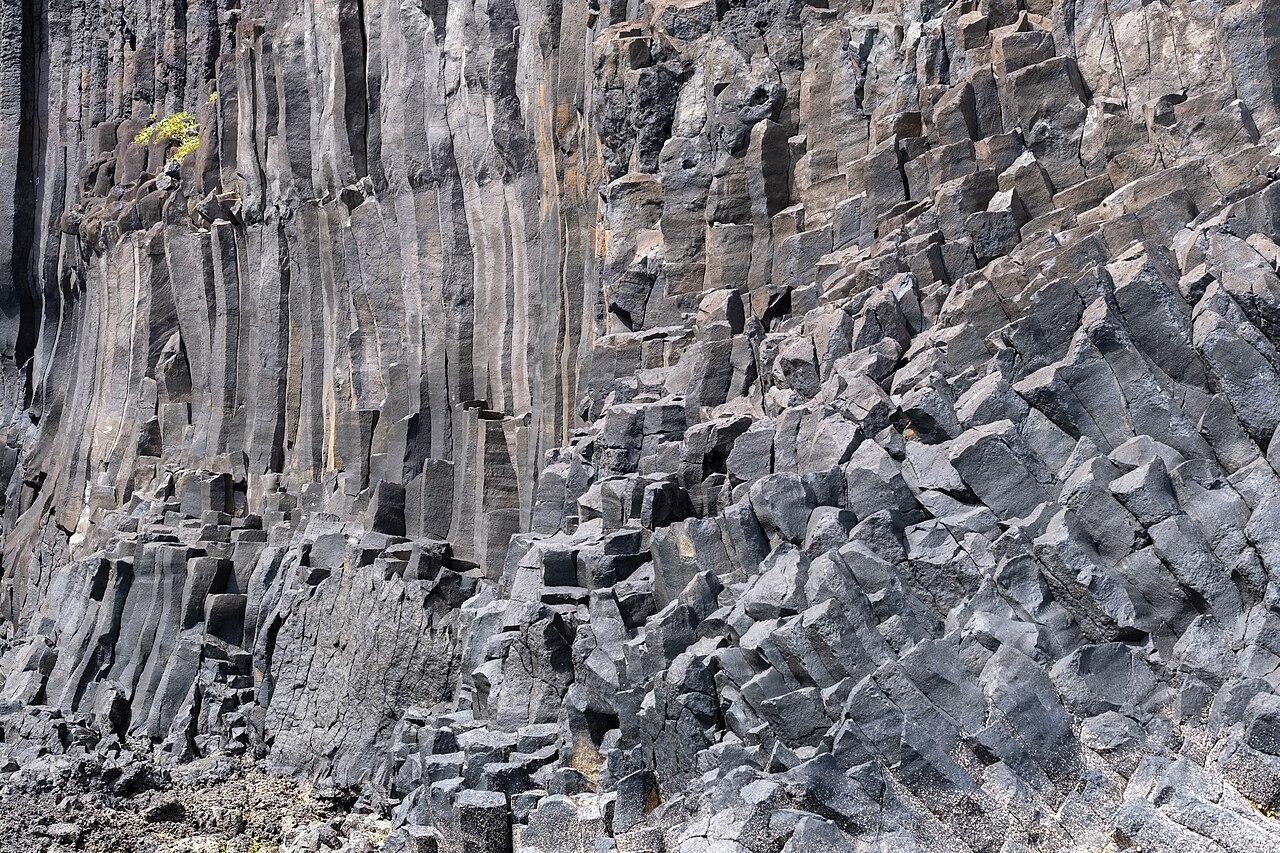
Vertebrate fossils in Portugal are state property. Collection of dinosaur bone or tracks needs authorization from the regional cultural-heritage authority, and the authority normally restricts it to researchers. Surface beach pebbles with common invertebrate fossils are generally permitted, but check the signage at each site before you pick anything up.
The coast between Peniche and Lourinhã is the productive stretch. The Lourinhã Formation was laid down between roughly 152 and 145 million years ago, in the latest Kimmeridgian and Tithonian. Cliff and foreshore exposures have produced sauropods, theropods, and stegosaurs. They have also produced the oldest known sauropod and theropod nests, which is what gives the area its international standing.
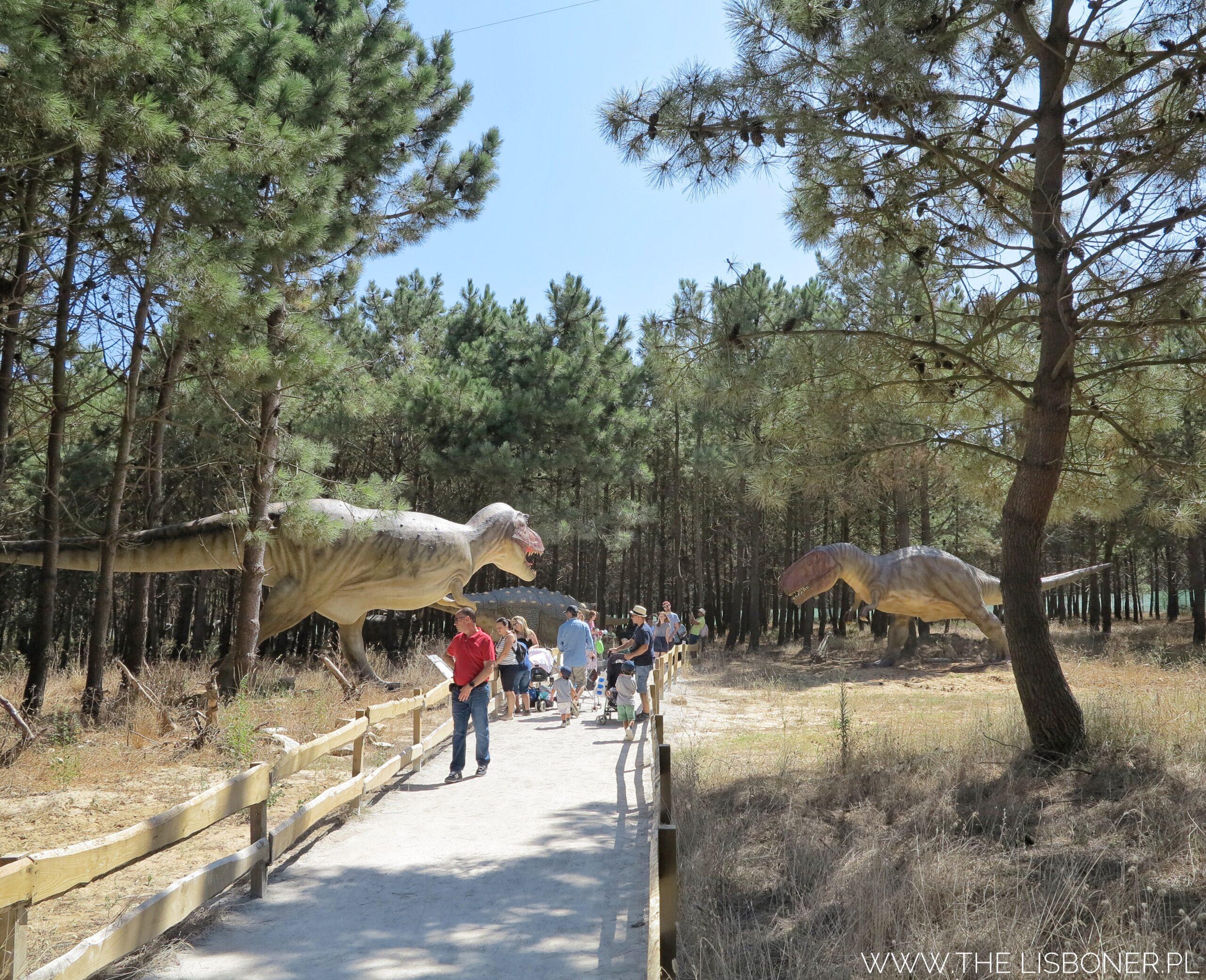
Visitor access is institutional rather than informal, and that suits the rules. The Museu da Lourinhã in the town center has held the type and reference specimens since 1984, and it runs guided field tours. The Dino Parque Lourinhã sits nearby as a separate private attraction. Summer excavation campaigns run in partnership with the Universidade Nova de Lisboa, and they take volunteers.
1 fossil site
Updated 15 June 2026
Where to see the Lourinhã dinosaurs
- Lourinhã Jurassic Dinosaur Coast — Lourinhã is the type area of the Lourinhã Formation, a Late Jurassic succession about 65 kilometers north of Lisbon. Access is viewing-only: the cliffs and foreshore can be walked, but vertebrate material is state property and stays where it lies. (Museu da Lourinhã)
Frequently asked questions
- Can you collect fossils in Portugal?
- Not vertebrate fossils. Dinosaur bone and tracks are state property, and collecting them needs authorization that is normally given only to researchers. Common invertebrate fossils in loose beach material are generally permitted, but check the signage at each site.
- What dinosaurs are found at Lourinhã?
- The Lourinhã Formation has produced sauropods, theropods, and stegosaurs from rocks roughly 152 to 145 million years old. It has also produced the oldest known sauropod and theropod nests, which is the find the area is best known for.
- How do you visit the Lourinhã fossil sites?
- Start at the Museu da Lourinhã in the town center, which holds the type specimens and runs guided field tours. The Dino Parque Lourinhã is a separate private attraction nearby. Summer excavation campaigns take volunteers through the museum.