Lourinhã Jurassic Dinosaur Coast Fossil Hunting Guide
Image: Alexkom000 (CC BY 4.0)
Lourinhã, on Portugal's central Atlantic coast, is the country's "dinosaur capital." The Late Jurassic Lourinhã Formation in the cliffs and beaches between Areia Branca and Porto Dinheiro has produced the world's oldest known sauropod and theropod nests, the type specimens of Lourinhanosaurus antunesi and Miragaia longicollum, and one of Europe's richest Upper Jurassic dinosaur faunas. Visitor access is via the Museu da Lourinhã, Dino Parque, and coastal trails; collection of vertebrate fossils is prohibited.
By Edward Chen · Published 15 June 2026
Introduction
Lourinhã is a small Atlantic-coast town in the Oeste subregion of central Portugal, about 65 kilometres north of Lisbon. The town is geologically famous as the type area of the Lourinhã Formation, a Late Jurassic (latest Kimmeridgian to Tithonian, roughly 152 to 145 million years ago) succession of fluvial, deltaic, and coastal sandstones and mudstones that crops out along the cliffs and beaches of the surrounding coast. The formation has produced one of the richest Late Jurassic dinosaur faunas in Europe: the long-necked sauropod Lusotitan atalaiensis and Dinheirosaurus lourinhanensis, the predatory theropods Lourinhanosaurus antunesi and Allosaurus europaeus (the European Allosaurus type), the strikingly long-necked stegosaur Miragaia longicollum, the ornithopod Draconyx loureiroi, and many others. Lourinhã has also produced the world's oldest known sauropod and theropod nesting horizons, complete with eggs, embryos in ovo, and isolated embryonic bone.
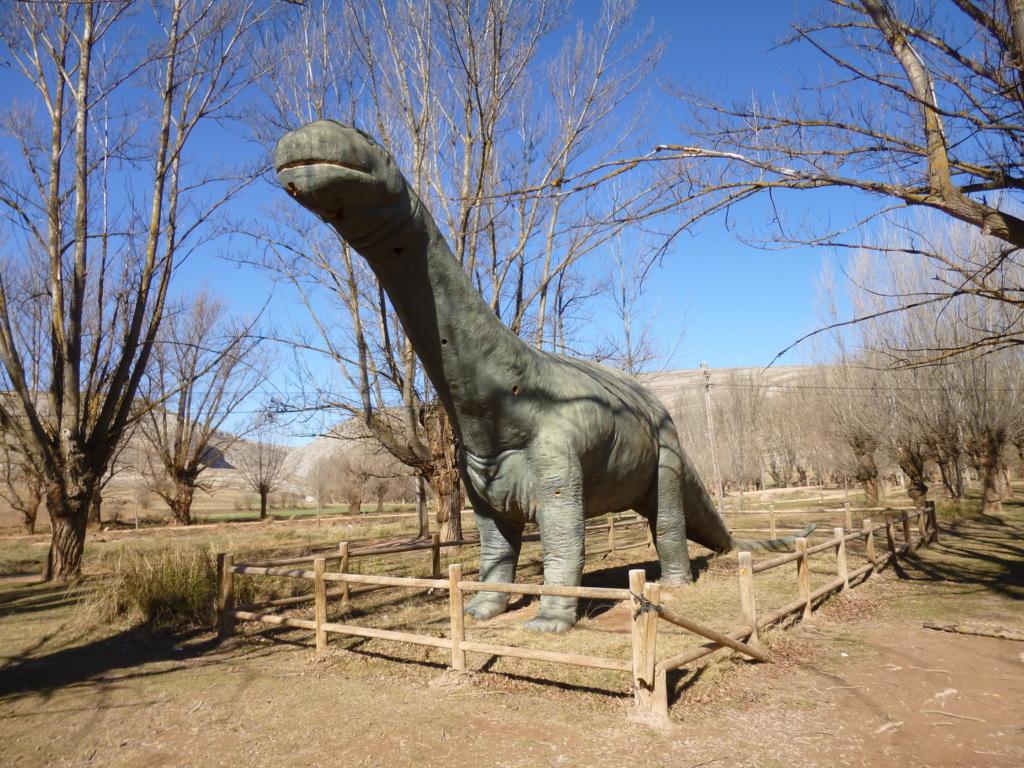
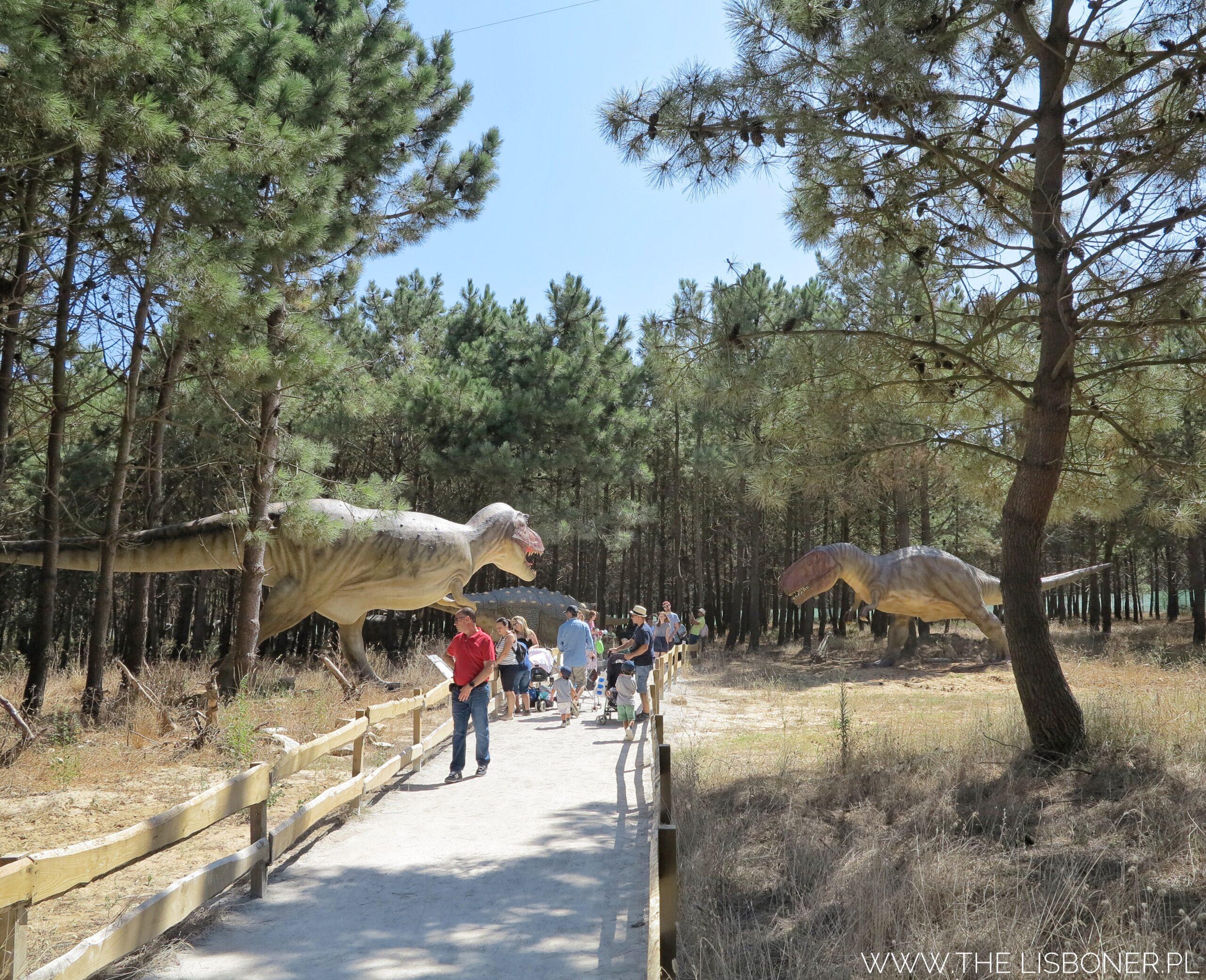
Visitor access to the fossils is institutional and well-developed. The Museu da Lourinhã in the town centre, run by the Grupo de Etnologia e Arqueologia da Lourinhã (GEAL) since 1984, displays the bulk of the type and reference specimens and offers tours. The Dino Parque Lourinhã, a private theme park on the edge of town, presents life-size dinosaur reconstructions alongside its working palaeontology laboratory. Coastal-cliff trails allow visitors to walk the outcrops, but vertebrate fossils are protected under Portuguese cultural heritage law and may not be collected. This guide covers the visitor experience, the dinosaur fauna, the geology, and the rules.
 Photo: Nekarius, CC BY-SA 3.0, via Wikimedia Commons
Location and Directions
Lourinhã sits on the central Atlantic coast about an hour north of Lisbon by car via the A8 motorway (exit at Lourinhã). The Museu da Lourinhã is in the historic town centre at Rua João Luís de Moura 95, 2530-158 Lourinhã. Dino Parque is on the southern edge of town at Praia da Areia Branca. The dinosaur-bearing cliffs and beaches stretch north and south of town between Areia Branca, Praia da Areia Branca, Porto Dinheiro, Porto das Barcas, and Peralta. Public bus connections from Lisbon are slow. Most visitors come by car or on a day-trip tour.
Visit options
There are three main visitor experiences. The Museu da Lourinhã is the institutional core, displaying type specimens of Lourinhanosaurus, Dinheirosaurus, Miragaia, Draconyx, the Allosaurus europaeus skull, dinosaur eggs (including embryos in ovo from Paimogo, north of Lourinhã), and a sauropod-egg nest from Casal da Cholda. Admission is modest and includes optional guided tours. The Dino Parque is a private outdoor attraction with full-scale reconstructed dinosaurs along walking trails plus a working palaeontology Live Lab where visitors can see real fossils being prepared. The coastal-cliff trails between Porto Dinheiro and Areia Branca run along the cliff tops and beaches where the formation is exposed. Visitors can see dinosaur trackways (especially at Praia da Areia Branca and Porto das Barcas) and the cliff stratigraphy in-situ.
What Fossils You'll Find
The Lourinhã Formation is Late Jurassic, deposited about 152 to 145 million years ago in fluvial, deltaic, and coastal-plain environments at the western margin of the Iberian Massif as the proto-Atlantic began to open. The depositional system produced channel sandstones, floodplain mudstones, palaeosols, and coastal lagoons, all of which are now stacked in the cliff exposures along the coast.
The reproductive record is exceptional. The Paimogo locality, north of Lourinhã, produced hundreds of dinosaur eggs in a single nesting horizon attributed to Lourinhanosaurus, with embryos preserved in ovo (the oldest known theropod embryos when described). The Casal da Cholda site produced a sauropod nest with multiple eggs. The Porto das Barcas and Praia da Areia Branca beaches preserve dinosaur trackways visible at low tide.
The Lourinhã Formation is "one of the most productive areas for Late Jurassic dinosaurs and other vertebrates in Europe... coeval with the Morrison Formation of the midwest USA." Mateus et al., on the Lourinhã Formation
Geologic History
In the Late Jurassic, the modern Iberian Peninsula was attached to the southwestern margin of Europe, and the central-Atlantic ocean was just beginning to open between Iberia and the conjugate margin of eastern North America. The Lusitanian Basin, in which the Lourinhã Formation accumulated, was a half-graben on the western Iberian margin that subsided rapidly during the rifting phase and trapped a thick succession of continental and shallow-marine sediments. The Lourinhã Formation occupies the upper part of the basin fill and was deposited largely by braided and meandering rivers crossing a coastal-plain landscape with persistent lagoons and tidal flats at the margins. Volcanic ash horizons interbedded in the formation provide precise radiometric dating.
The faunal similarity to the contemporaneous Morrison Formation reflects the still-narrow proto-Atlantic between the two basins in the Late Jurassic: many genera (and at least one species, Allosaurus spp.) crossed the developing ocean while it was still shallow and intermittent. By the end of the Jurassic the Atlantic opened wide enough to separate the faunas, and by the Cretaceous Iberia had its own distinctive dinosaur fauna.
Modern erosion of the cliffs by Atlantic storms continually exposes new fossils. The Lourinhã collecting tradition began in earnest in the late 1970s and early 1980s when local schoolteachers and the GEAL volunteer association noticed bones eroding from the cliffs and began systematic recovery. The Museu da Lourinhã opened in 1984 to house the growing collection.
How Lourinhã became Portugal's dinosaur capital
The GEAL (Grupo de Etnologia e Arqueologia da Lourinhã) was founded in 1981 by local researchers and teachers concerned about fossils being lost to coastal erosion. The group's volunteer collection and the partnership with the Universidade Nova de Lisboa (Faculdade de Ciências e Tecnologia), particularly with paleontologist Octávio Mateus, who described many of the new species, built the museum's reputation. Summer field schools and volunteer excavation campaigns continue to operate today, gathering volunteers and graduate students for several weeks each year. The Dino Parque opened in 2018 as a private complement to the museum.
Collecting Rules & Regulations
Is Fossil Collecting Allowed?
No. Vertebrate fossils in Portugal are protected cultural heritage. Collection of dinosaur bone, eggs, or trackway material is prohibited and requires research authorisation from the relevant heritage authority.
Key Points:
- Vertebrate fossil collection is prohibited. Photograph and report unusual finds to the Museu da Lourinhã.
- Coastal cliffs are unstable and actively eroding. Stay back from the cliff edge above and from collapse zones at the base.
- Museum and Dino Parque admission is modest. Both are well worth a half-day visit.
- The GEAL volunteer programme accepts experienced volunteers for summer field campaigns by application.
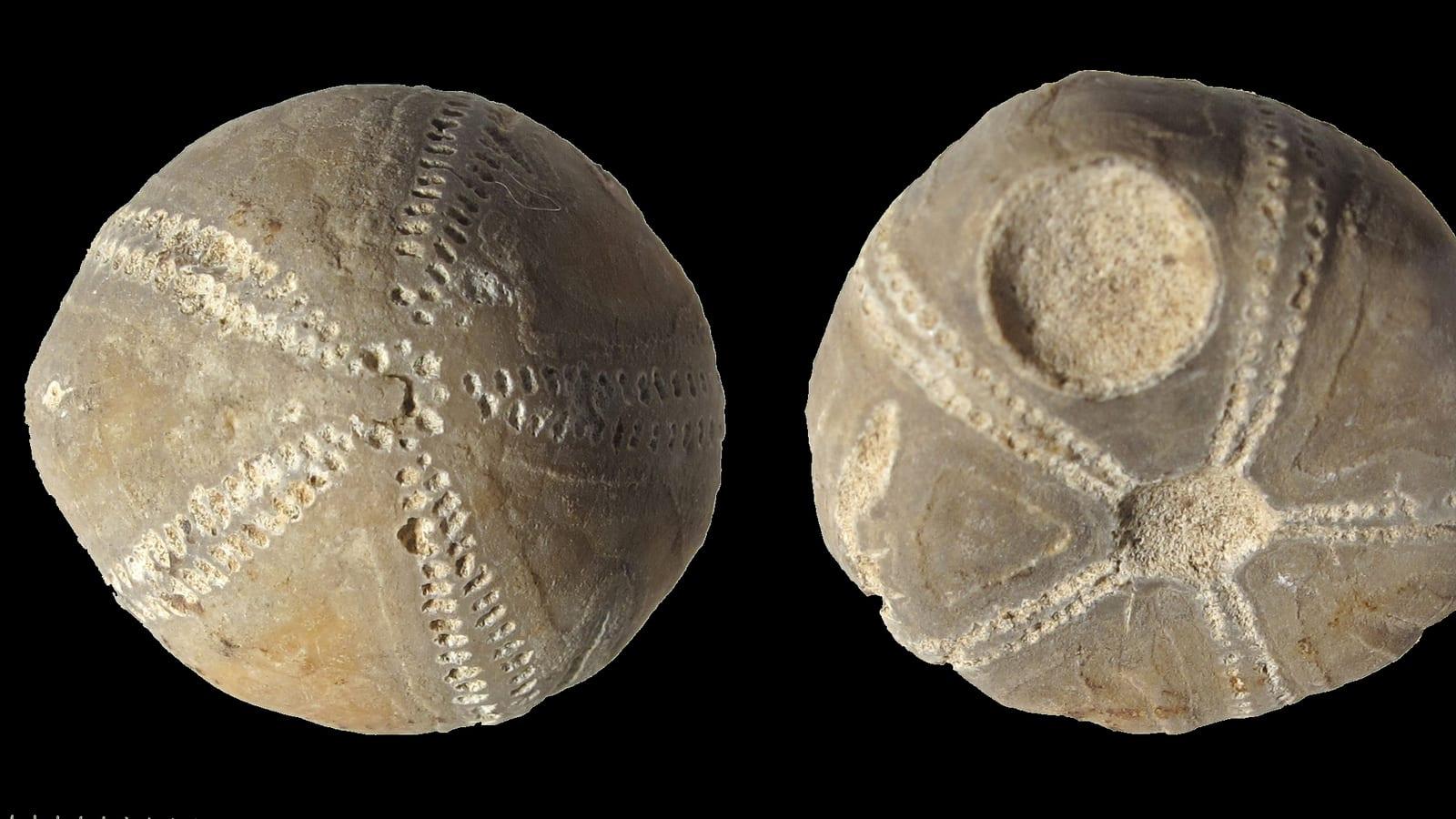
- Common invertebrate fossils on the beach are not normally restricted, but ask at the museum.
Safety
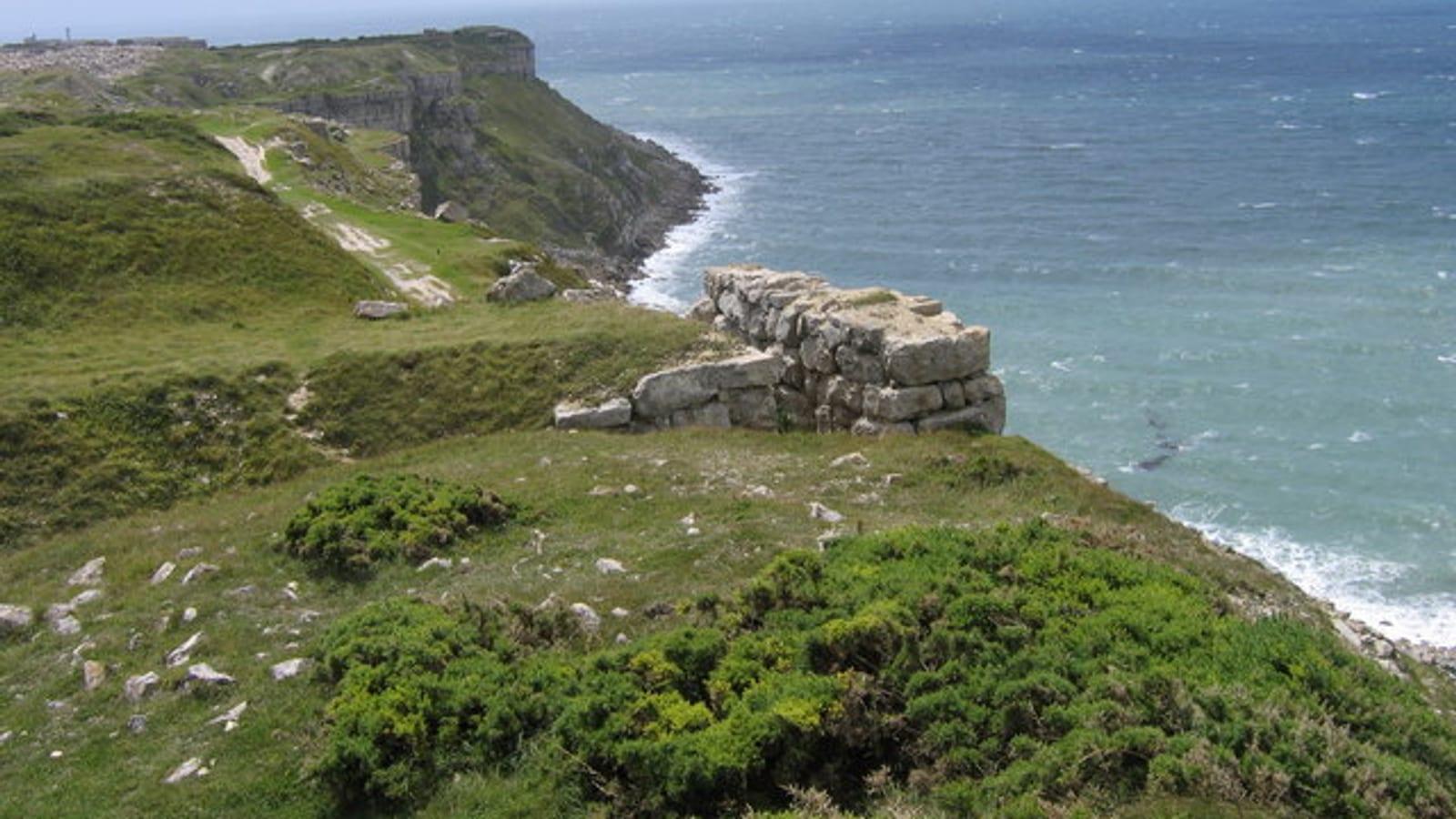
The Lourinhã coast is a line of soft Atlantic sea cliffs, and both the rock and the ocean deserve caution.
The cliffs are unstable and actively eroding. The Lourinhã Formation is poorly consolidated sandstone and mudstone, undercut by the sea, and it comes down in falls and slumps. That erosion is what exposes the fossils, and it is also why you should not walk close beneath the faces, shelter under overhangs, or climb. Keep well out from the base, and give it more room after rain.
Time the tide. The beaches below the cliffs narrow considerably at high water, and some stretches can be cut off entirely, which on this coast means being trapped between Atlantic surf and a failing cliff. Check the tide before descending, work the ebb, and know your way back up.
The Atlantic here is powerful. This is an exposed west-facing coast with heavy swell and strong currents, and the beaches are not uniformly patrolled. Do not turn your back on the sea when working rock platforms, and stay off them entirely in big surf.
Access to several beaches is by steep paths or steps cut into the cliff, which are slippery when wet and exposed in wind. Wear boots with grip.
Remember that dinosaur fossils here are protected and that tracksites in particular are fragile surfaces. Look and photograph rather than collecting, and report anything significant to the Museu da Lourinhã.
Sources
- Portugal.com: Lourinhã, Portugal's Dinosaur Town
- Dino Parque Lourinhã: official site
- Octávio Mateus / UNL: Paleontological collections of the Museum of Lourinhã
- Octávio Mateus et al.: Dinosaur taphonomy in the Lourinhã Formation (Late Jurassic, Portugal)
- Portuguese-American Journal: New species of 150 million-year-old dinosaur discovered in Lourinhã