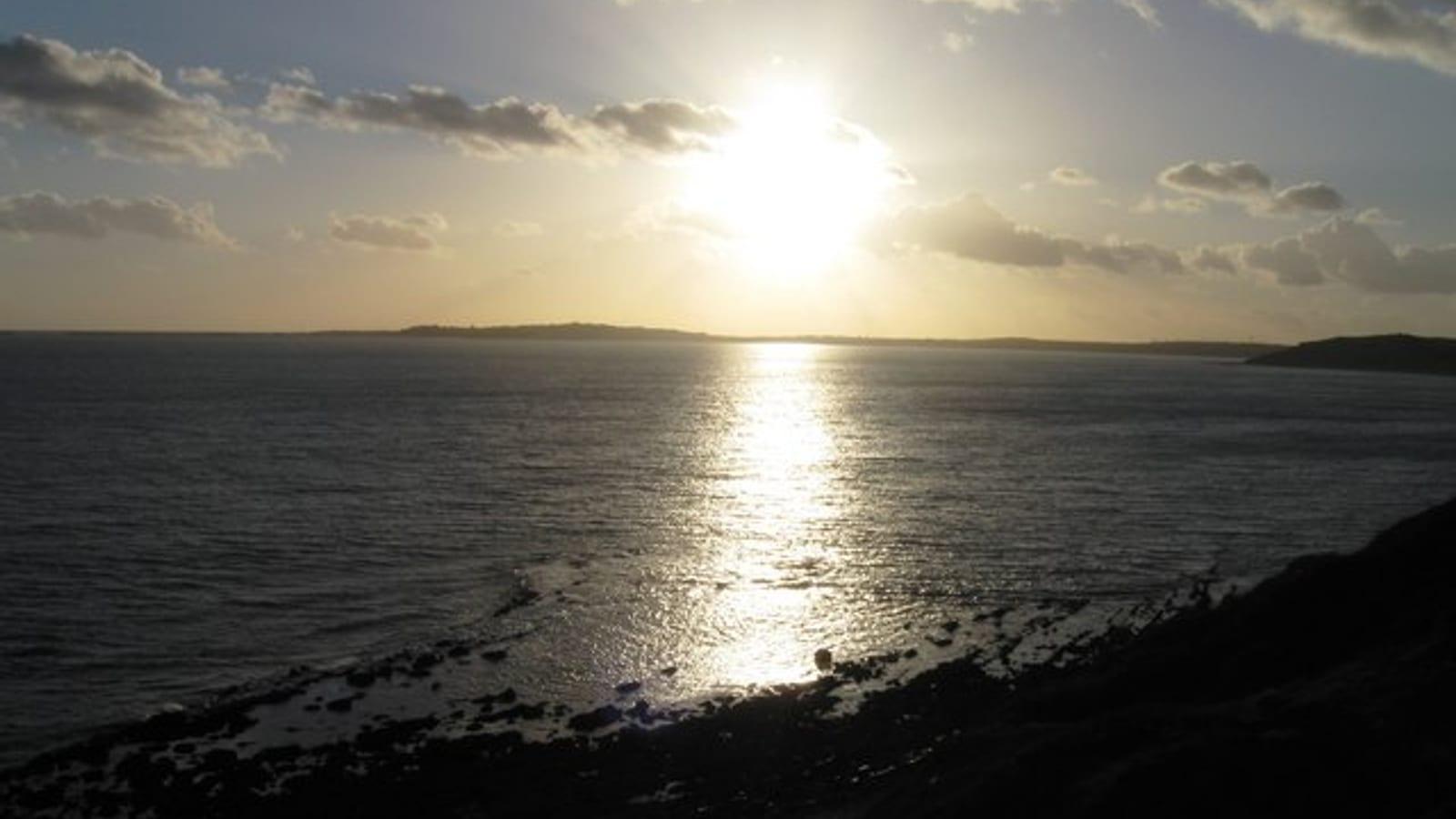
Black Head Osmington Fossil Hunting Guide
Image: Alex McGregor via Wikimedia Commons (CC BY-SA 2.0)
Black Head at Osmington Mills exposes Jurassic Corallian and Kimmeridge Clay formations, yielding ammonites, belemnites, and marine reptile fragments on the Dorset coast.
By Edward Chen · Updated 1 August 2026
 Photo: Simon Richardson, CC BY-SA 2.0 via Wikimedia Commons

Introduction
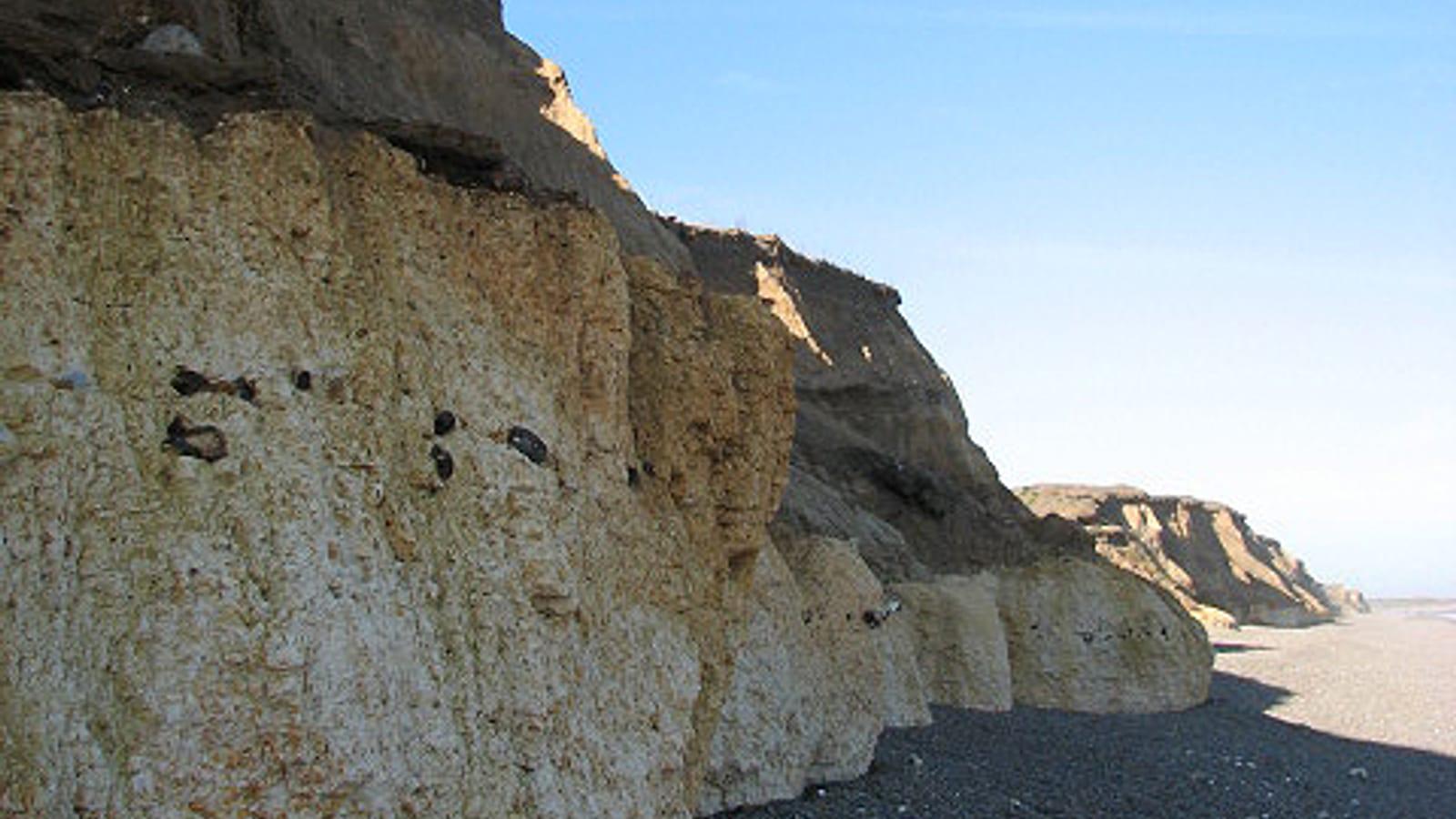
Black Head, the rocky headland at Osmington Mills on the Dorset coast, exposes one of the most geologically significant sections on the entire Jurassic Coast World Heritage Site. Here, the Corallian Group limestones and sandstones give way upward to the basal Kimmeridge Clay, capturing the precise moment when a warm, reef-fringed sea deepened into a murky offshore shelf around 157 million years ago. The transition is visible in the rock itself: pale oolitic limestone below, dark grey mudstone above.
Collectors working the foreshore find ammonites, belemnites, bivalves, and occasional marine reptile fragments eroding from both formations. Because the strata are folded by the Weymouth Anticline, walking west from Osmington Mills takes you progressively into older beds, offering different fossil assemblages at each step. This guide covers the access route, what to look for in each formation, the geological story behind the site, and the rules that apply to collecting on this SSSI-protected coast.
 Photo: Alex McGregor, CC BY-SA 2.0, via Wikimedia Commons

Location and Directions
Address
Black Head, Osmington Mills, near Weymouth, Dorset DT3 6EG, England. The headland sits approximately 5 km east of Weymouth on the South West Coast Path between Osmington Mills and Ringstead Bay.
Directions and Parking
From Weymouth, take the A353 east toward Warmwell, then follow signs to Osmington Mills. The road descends steeply to the Smugglers Inn pub at Osmington Mills. Park in the pay-and-display car park beside the pub (capacity roughly 40 vehicles. Charges apply in season). From the car park, follow the South West Coast Path westward behind the pub. After about 100 metres, metal steps descend to the foreshore below the PGL Osmington Bay activity centre. Once on the beach, walk west along the foreshore, picking your way over Corallian boulders. Allow 20 to 30 minutes to reach the Black Head exposures.
An alternative approach starts from Ringstead Bay, approximately 2 km to the west. Park at the Ringstead National Trust car park (charge applies) and walk east along the foreshore at low tide. Both routes require a falling or low tide. The foreshore is impassable at high water. The terrain is uneven boulder field throughout, so sturdy boots with ankle support are essential. No facilities exist between Osmington Mills and Ringstead.
What Fossils You'll Find
Ammonites are the most commonly encountered fossils at Black Head. Those from the Corallian Group tend to be preserved in limestone or as internal moulds in sandy matrix. Look for rounded, ribbed forms in the pale boulders low on the foreshore. The Kimmeridge Clay at the upper part of the section yields flattened, pyritised ammonites typical of deeper-water conditions. Cardioceratid and perisphinctid ammonites are most frequent.
Belemnites occur throughout both formations as solid calcite guards, often 3 to 8 cm long, pale grey against the darker mudstone. They are abundant enough that even beginners find them quickly. Look for them weathering out of the clay or lying loose on the beach after storms.
Bivalves including oysters and trigoniid clams appear in the Corallian limestones, sometimes as whole shells preserved in life position within reef-associated limestone beds. These cluster in distinct horizons that are worth following laterally along the cliff base.
Marine reptile fragments have been found at this site. The basal Kimmeridge Clay here is the same unit that produced the Weymouth Bay pliosaur (Pliosaurus kevani), whose skull was recovered nearby. Vertebrae, rib fragments, and isolated teeth occasionally erode from the clay, though complete specimens are very rare. Any bone material of scientific significance should be reported to the Charmouth Heritage Coast Centre.
Plant debris and driftwood casts appear occasionally in the finer-grained Corallian sandstones, preserved as dark carbonaceous impressions or limonite-replaced fragments.
Geologic History
The Ancient Environment
The rocks at Black Head record approximately 5 million years of Late Jurassic history, spanning the Oxfordian and Kimmeridgian stages from roughly 157 to 152 million years ago. During Oxfordian time, southern Britain lay at about 37 degrees north paleolatitude in a warm subtropical sea comparable to the modern western Mediterranean. The Corallian Group sediments, including the Nothe Grit, Upton Member, and Osmington Oolite Formation, accumulated in a shallow, high-energy shelf sea where coral patch reefs, oolite shoals, and calcareous sands built up over millions of years. Water depths varied from near-shore tidal to perhaps 30 metres in the deeper inter-reef areas.
By Kimmeridgian time the sea deepened and the character of the environment changed substantially. The Kimmeridge Clay Formation records a muddy offshore shelf where bottom waters became periodically anoxic, limiting burrowing activity and allowing organic matter to accumulate. This is why the Kimmeridge Clay is one of the principal source rocks for North Sea oil. The fossil assemblage shifts accordingly: the reef-dwelling bivalves and corals of the Corallian give way to free-swimming ammonites and belemnites better adapted to open water.
How Black Head Became a Fossil Collecting Site
The Weymouth Anticline, a large fold structure produced during the Alpine orogeny, brought these Jurassic beds to the surface and tilted them so that erosion by the sea could attack the edges of the strata. Wave action along this exposed stretch of coastline continuously removes softer material, particularly the Kimmeridge Clay mudstones, undercutting the harder Corallian limestones above and sending blocks onto the foreshore. Each significant storm dislodges new material and exposes fresh fossil-bearing surfaces. Because the beds dip into the cliff rather than toward the sea, the section renews itself relatively predictably, making Black Head a consistently productive site.
Collecting Rules and Regulations
Is Fossil Collecting Allowed?
Black Head is protected as a Site of Special Scientific Interest (SSSI) and forms part of the Jurassic Coast UNESCO World Heritage Site. Under SSSI legislation, it is legal to collect loose, already-detached fossils from the foreshore without a licence, provided you use hand tools only and do not dig into or damage the cliff face or in-situ rock. Hammering directly into SSSI exposures to extract specimens is illegal without a Natural England research licence. The Charmouth Heritage Coast Centre and the Jurassic Coast Trust actively encourage responsible surface collection of loose material. Collecting in this manner does not damage the scientific resource and is explicitly supported.
Commercial collection, the removal of scientifically significant specimens (articulated skeletons, type specimens), and any use of power tools are prohibited. If you find a significant vertebrate specimen, photograph it in place, note the grid reference, and contact the Charmouth Heritage Coast Centre or the Natural History Museum.
Recommended Tools
A geological hammer, cold chisel, and hand lens cover most needs at Black Head. Bring a sturdy rucksack with foam padding to protect specimens on the rocky walk back. A tide table is essential: plan your visit to arrive at the site as the tide is ebbing and leave well before it turns. A walking pole helps on the boulder field, particularly when carrying a loaded pack. Waterproof boots are strongly recommended. The lower foreshore is permanently wet and often covered in slippery algae.
Safety
The cliffs at Black Head are actively eroding and rockfall is a genuine hazard, particularly after wet weather or frost. Stay well away from the cliff base and do not stand beneath overhangs. The boulder field is extremely uneven and ankle injuries are common. Take your time on the approach. The tidal window is limited, particularly around spring tides when the foreshore narrows significantly. Check a reliable tide table before setting out and err on the side of caution. Mobile phone signal is intermittent along this stretch of coast. Tell someone where you are going and when you expect to return.
Sources
- https://jurassiccoast.org/
- https://jurassiccoast.org/fossils/
- https://ukfossils.co.uk/2007/10/08/osmington-mills/
- https://jurassiccoast.org/visit/fossil-collecting/
- https://www.jurassiccoast.org/learning/the-rocks/
- https://en.wikipedia.org/wiki/Kimmeridge\_Clay\_Formation
- https://en.wikipedia.org/wiki/Corallian\_Group
- https://www.charmouth.org/chcc/fossils/collecting/
Nearby sites
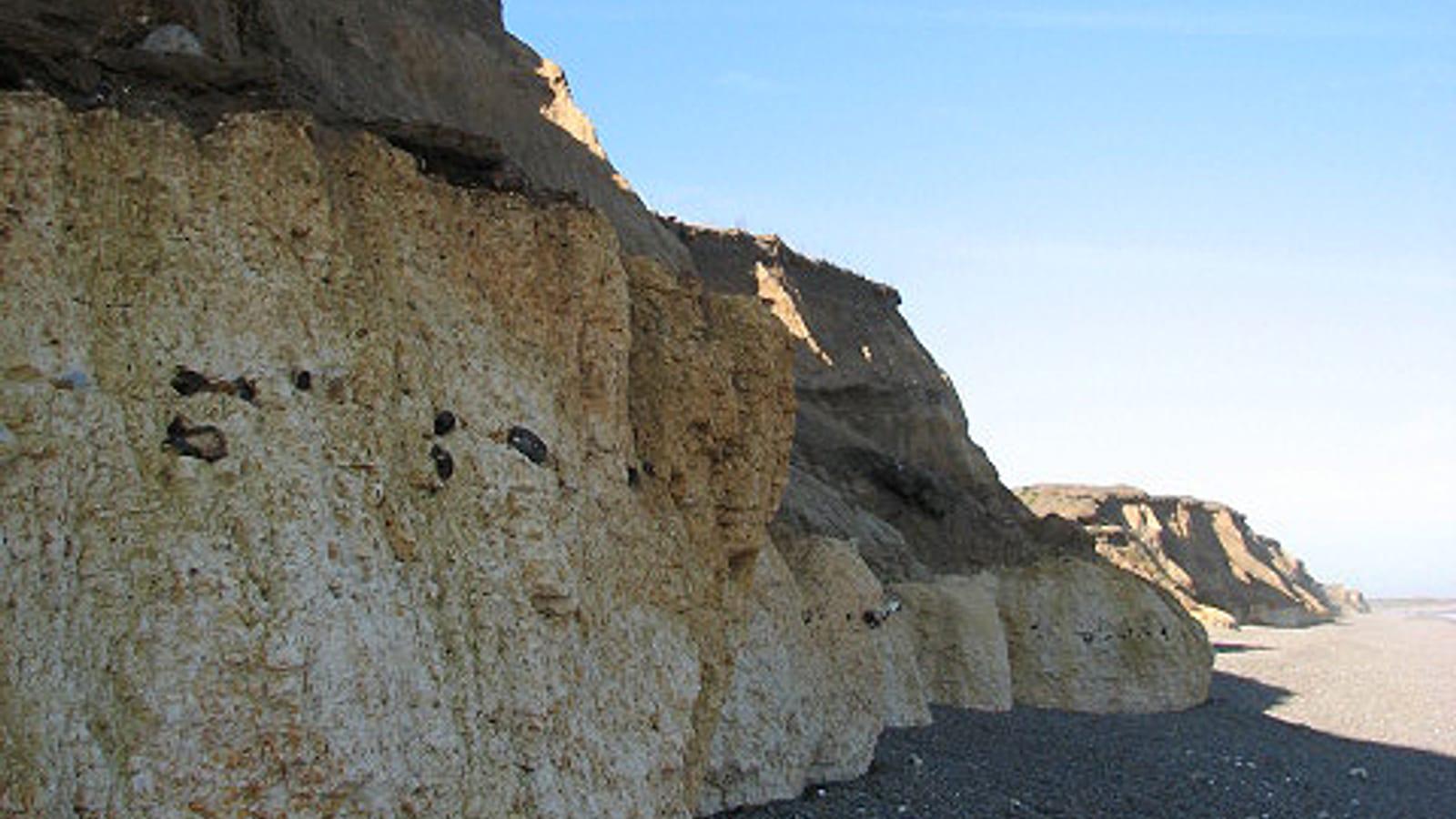 Find Fossils at Tidmoor Point Fossil Hunting GuidePyritised and limonitised ammonites, Belemnites
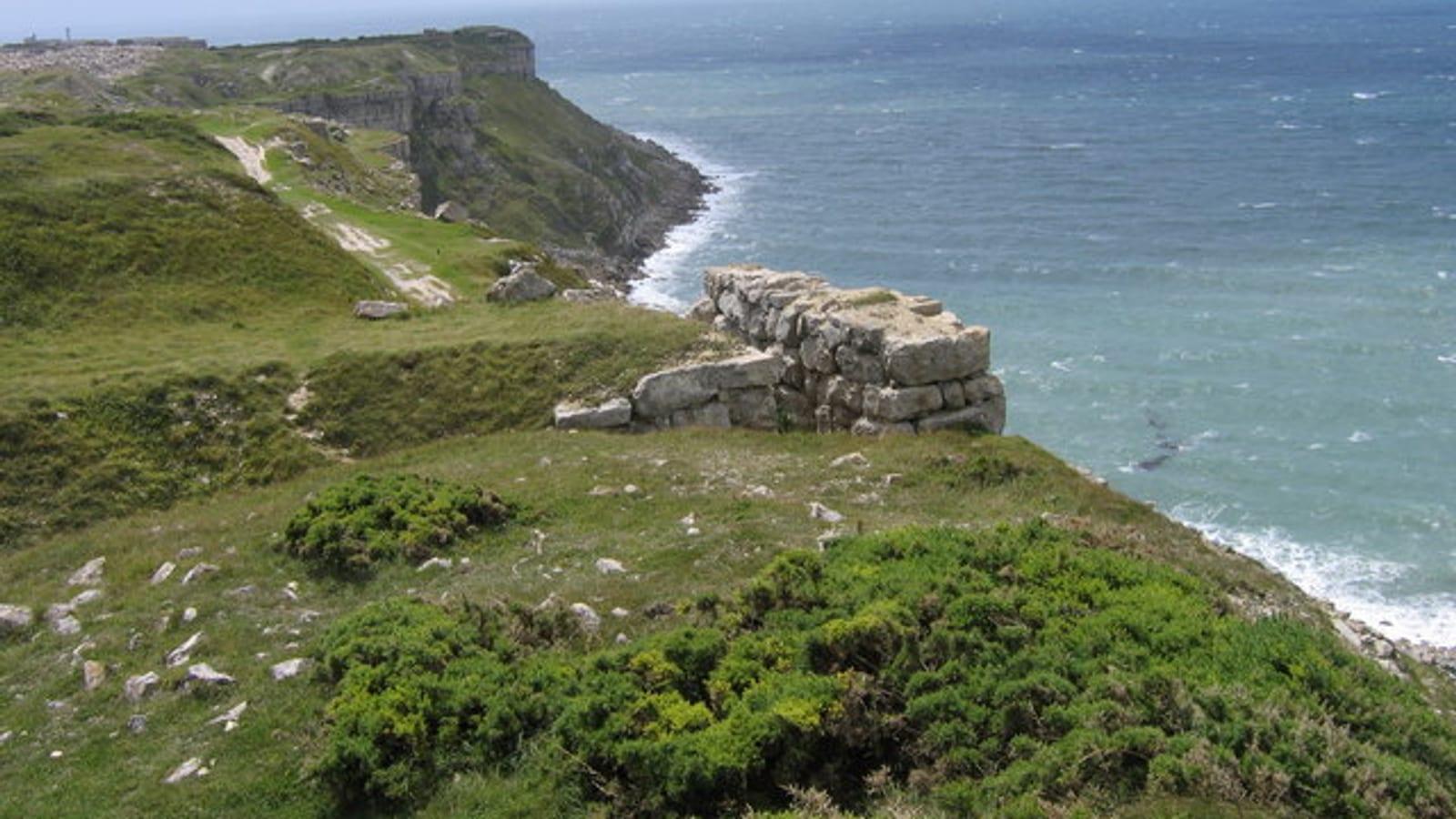 Isle of Portland: Dinosaur TrackwaysAmmonites, Bivalves
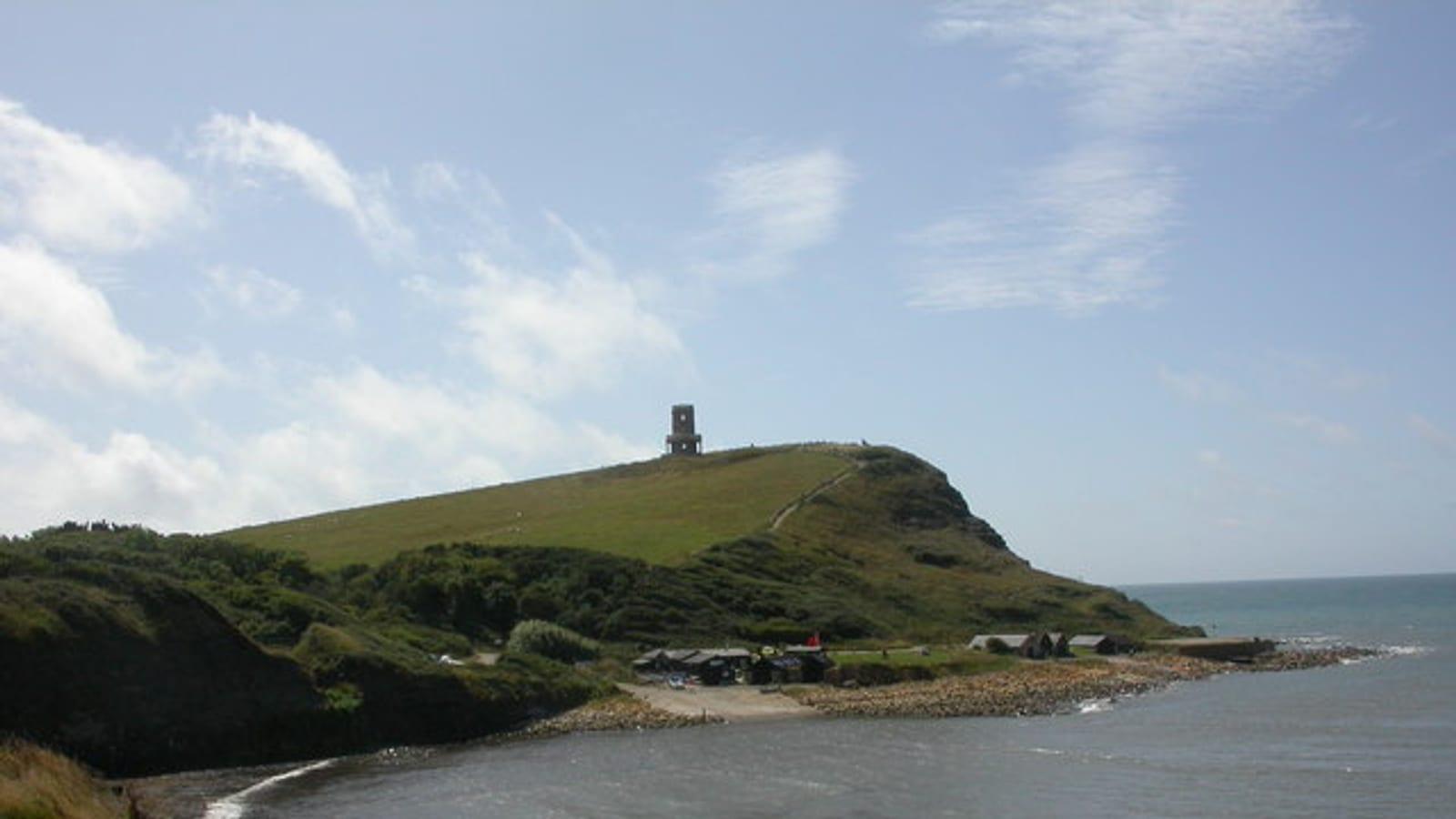 Kimmeridge Bay Fossil Hunting GuideAmmonites, Belemnites
 Dinosaur Footprints at Worth Matravers, Dorset: Dinosaur Trackwaysnot permitted, Sauropod footprints