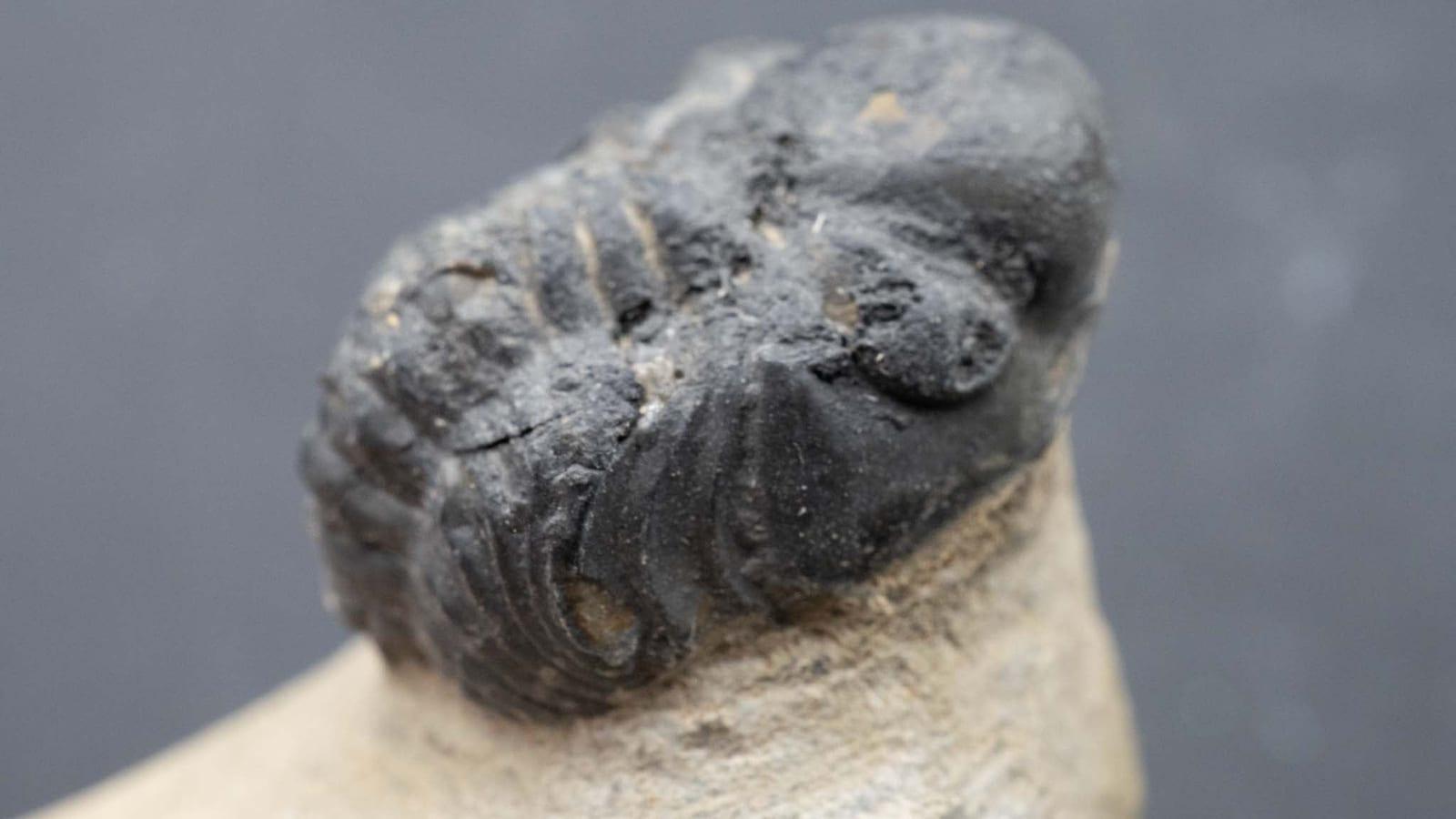
Atchana Trilobite Mine Rissani Fossil Hunting Guide
Collect Devonian trilobites, brachiopods, and goniatites at Atchana Trilobite Mine southwest of Rissani, Morocco. Guided 4WD excursion; 300–600 MAD per half-day.
By Edward Chen · Published 27 April 2026
Introduction
Southwest of Rissani, the desert landscape opens into a broad hammada of exposed Devonian limestone where the Atchana Trilobite Mine has operated for decades, drawing on beds that yield a mixed trilobite fauna of brachiopods and goniatites alongside the trilobites themselves. Rissani sits at the southern edge of the fossil-rich Tafilalt Basin, and Atchana represents the southern extension of that productive zone. Collectors who base themselves in Rissani rather than Alnif can reach Atchana in under an hour, making it a natural day excursion for visitors exploring the Merzouga and Rissani area.
This guide covers the route from Rissani, the Devonian geology at Atchana, which fossils occur in the beds here, and how a guided visit is arranged and priced.
 Photo: Sabora99, CC BY-SA 4.0, via Wikimedia Commons

Location and Getting There
Location
The Atchana Trilobite Mine is located approximately 12 km southwest of Rissani, Drâa-Tafilalet region, southeastern Morocco. The site sits in open desert on the southern margin of the Tafilalt Basin, where Devonian limestones and shales are exposed across a broad area of hammada (rocky desert plateau). There is no street address. Access is entirely by desert track from Rissani.
Getting There
From Rissani, arrange a 4WD vehicle and a local guide. The drive to the mine takes approximately 30 to 45 minutes via unpaved desert tracks heading southwest. Track conditions are variable. Sandy sections and rocky stretches require 4WD capability, particularly after rain. Guides in Rissani, available through guesthouses and the central market area, know the specific routes to current working areas. The site is sometimes combined with visits to other Devonian localities southeast of Alnif for collectors spending multiple days in the region.
What Fossils You'll Find
Devonian trilobites are the primary target. Based on the stratigraphic position and proximity to other Tafilalt Basin sites, the fauna likely includes Phacops or closely related phacopid genera, along with dalmanitid and proetid trilobites. Complete articulated specimens occur in nodule-bearing marl layers. Cephala and pygidia appear separately in reworked material in the waste piles. Look for the characteristic inflated glabella of phacopids in broken limestone fragments.
 Photo: Antonov, CC BY-SA 3.0, via Wikimedia Commons
_Erfoud_Morocco.jpg)
Brachiopods are consistent associates in these beds, appearing as paired valves in the limestone. Spiriferids with their distinctive winged outline are among the more visually identifiable forms. Terebratulid brachiopods are rounder and smoother and easily overlooked unless you are specifically searching for them.
Goniatites turn up in the same limestone horizons as the trilobites, recognisable by their tightly coiled disc form and the angular zigzag suture lines around the periphery. They are less abundant than the trilobites but present in most productive sections.
The waste piles around current mining trenches are the most accessible collecting ground. Fresh material in the rubble still has unweathered surfaces that show fossils clearly. Older weathered surfaces develop a grey patina that obscures detail.
Geologic History
The Ancient Environment
The fossil-bearing rocks at Atchana belong to Devonian formations deposited approximately 395 to 380 million years ago (Emsian to Givetian stages), correlating with the broader Devonian shelf sequence of the Tafilalt Basin. This region was submerged beneath the warm, shallow Rheic Ocean on the northern margin of Gondwana during the Devonian. The alternating limestones and marls that characterise the Atchana section reflect cycles of quiet carbonate deposition interrupted by storm events that periodically reworked the seafloor and concentrated fossil material. The preservation of articulated trilobites in nodule-bearing horizons indicates rapid burial under conditions that prevented scavenging, followed by early diagenetic cementation that protected the shells from compaction.
The trilobite-brachiopod-goniatite community at Atchana represents the typical Devonian shelf fauna of the Gondwana margin, where warm tropical seas supported high biodiversity in relatively shallow water.
How Atchana Became a Fossil Site
Commercial fossil mining in the Rissani-Tafilalt region expanded during the 1980s as international demand for Moroccan Devonian specimens grew. The Atchana mine developed as part of this regional expansion, operated by local Berber families from Rissani who identified productive trilobite horizons in the desert limestone southwest of town. The site has supplied both the local tourist trade in Rissani and the broader international collector market through Erfoud dealers for several decades. Active mining continues, with new trenches following productive beds across the desert floor.
Visiting and Collecting Information
Access and What to Expect
All visits to Atchana require a guide arranged in Rissani. Guide fees for a half-day excursion, including 4WD transport, run approximately 300 to 600 MAD (30 to 60 USD). At the site, you can search waste piles for loose trilobite material and purchase prepared specimens from miners. Personal collection is limited to reasonable quantities (up to 5 kg) for non-commercial purposes. Prepared specimens range from a few hundred MAD for common phacopid cephala to higher prices for complete articulated trilobites.
What to Bring
Carry a minimum of 2 litres of water per person. Sun protection is mandatory: hat, long sleeves, and sunscreen. Closed-toe boots protect your feet on the rocky desert floor. A geology hammer and chisel improve your ability to work promising waste-pile material. Bring newspaper or bubble wrap for specimens. All transactions are cash only in Moroccan dirhams.
Safety and Practical Tips
Visit between October and April. Rissani's summer temperatures regularly exceed 42°C, and the exposed desert terrain at Atchana amplifies this. In cooler months, morning visits are still recommended to make the most of the best light for spotting fossils in the rock. Follow your guide's directions about which mining areas are safe to enter.There is no fixed tourist allowance for taking fossils out of Morocco. Article 116 of the 2015 Mining Code (Law 33-13) requires a permit for collecting and trading fossils, minerals, and meteorites, with the procedures set out in a 2019 implementing decree and the framework revised again in 2025. Enforcement is uneven, and small purchases from licensed dealers are commonly carried out without incident, but that is practice rather than an entitlement. Keep a receipt and a written description of each specimen and its origin, and check the current rules with the Moroccan ministry responsible for mines before you travel.
Sources
Nearby sites
 Guelb el Mharch Mud Volcano Fossil Site Rissani Fossil Hunting GuideGuelb el Mharch, Tabulate corals
 Jbel el Mrakib Devonian Reef Site Rissani Fossil Hunting GuideJbel El Mrakib Devonian Reef Site, Coral reef fossils
 Erfoud Main Orthoceras Factory Quarry Fossil Hunting GuideOrthocerids, Goniatites
 Hamar Laghdad Orthoceras Quarry Erfoud Fossil Hunting GuideOrthoceras, Goniatites