Fossil type
Where to find trilobites
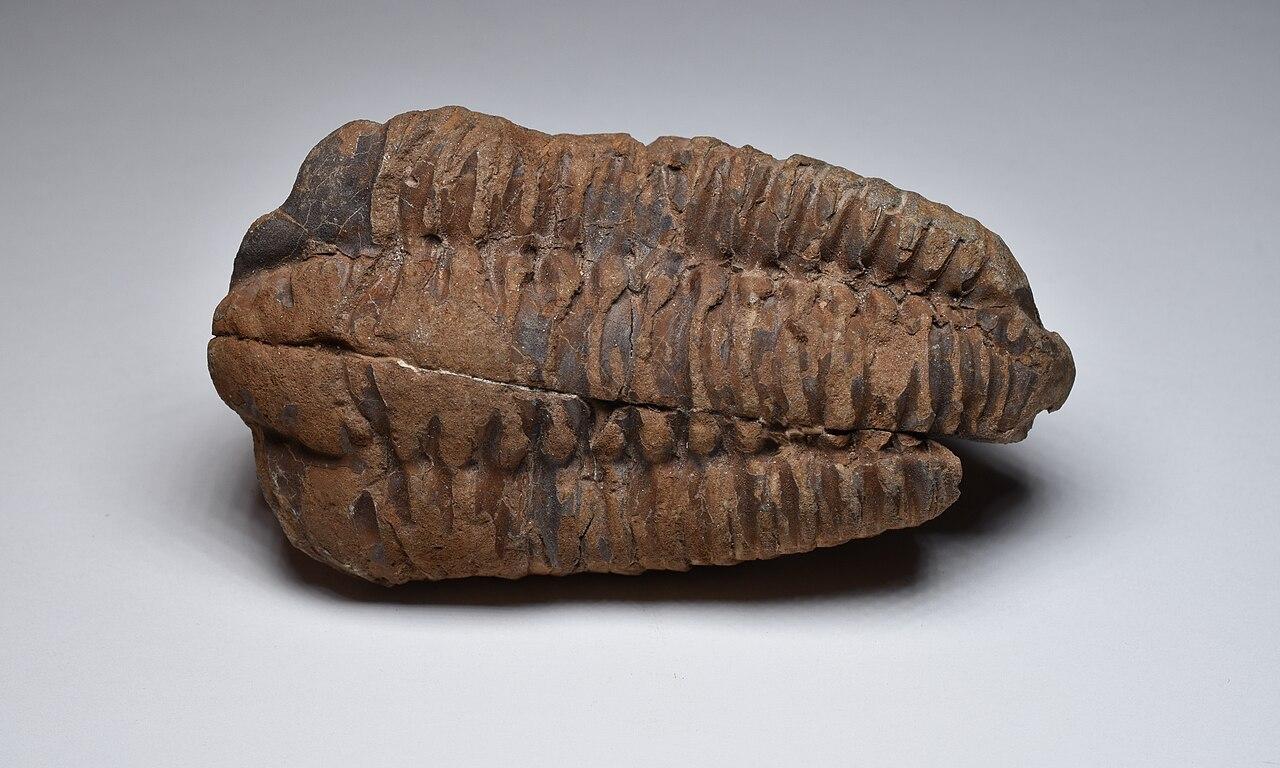
Trilobites are extinct marine arthropods with three-part bodies, distantly related to modern horseshoe crabs. They lived from the Cambrian until the end-Permian mass extinction. Morocco's Anti-Atlas region is the world's most productive collecting area. The Cambrian outcrops of Utah are second.
51 fossil sites
Updated 4 August 2026
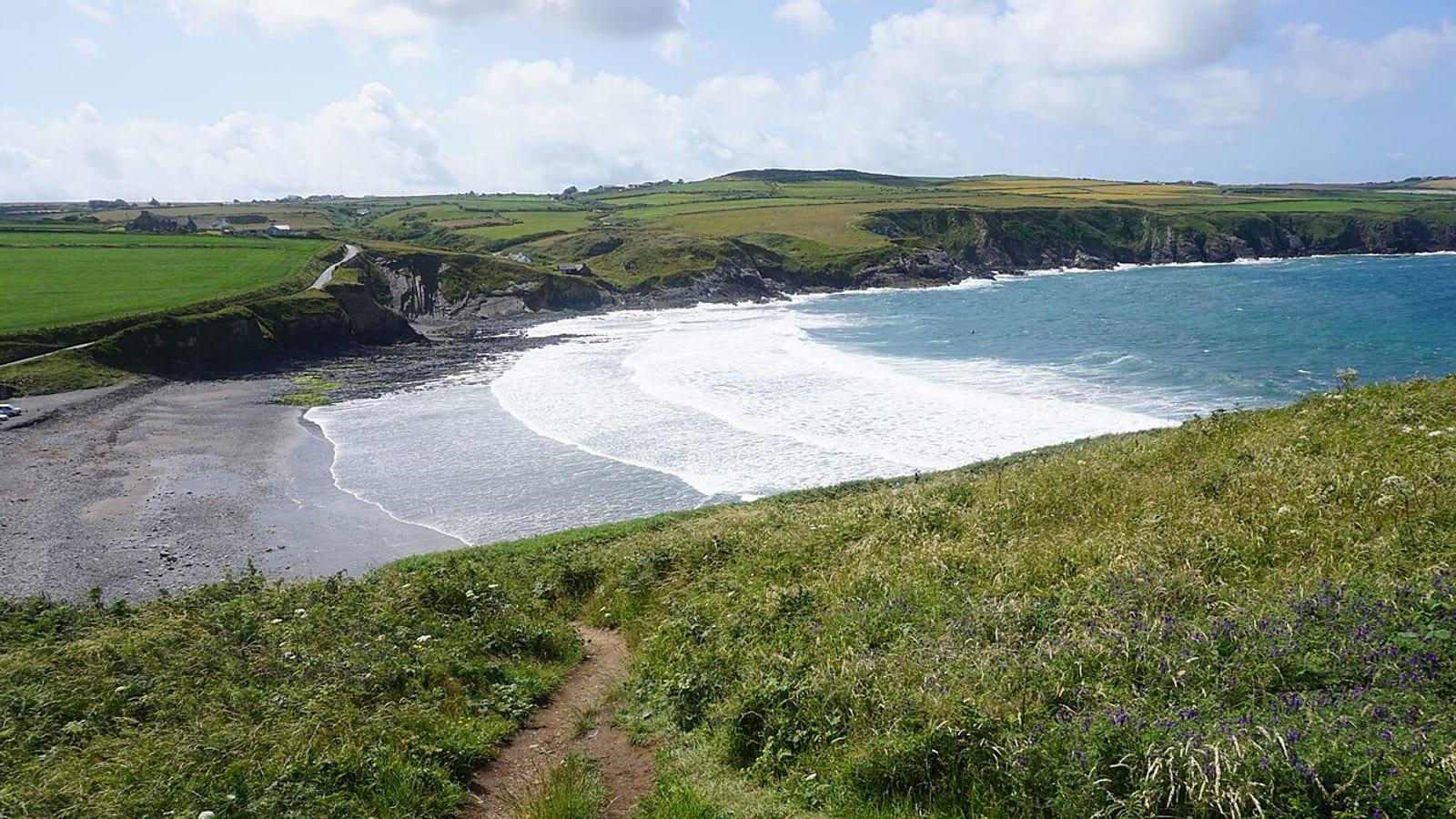
Abereiddy Bay Fossil Hunting Guide
principally Didymograptus murchisoni (tuning-fork graptolite)
Graptolites, Trilobite
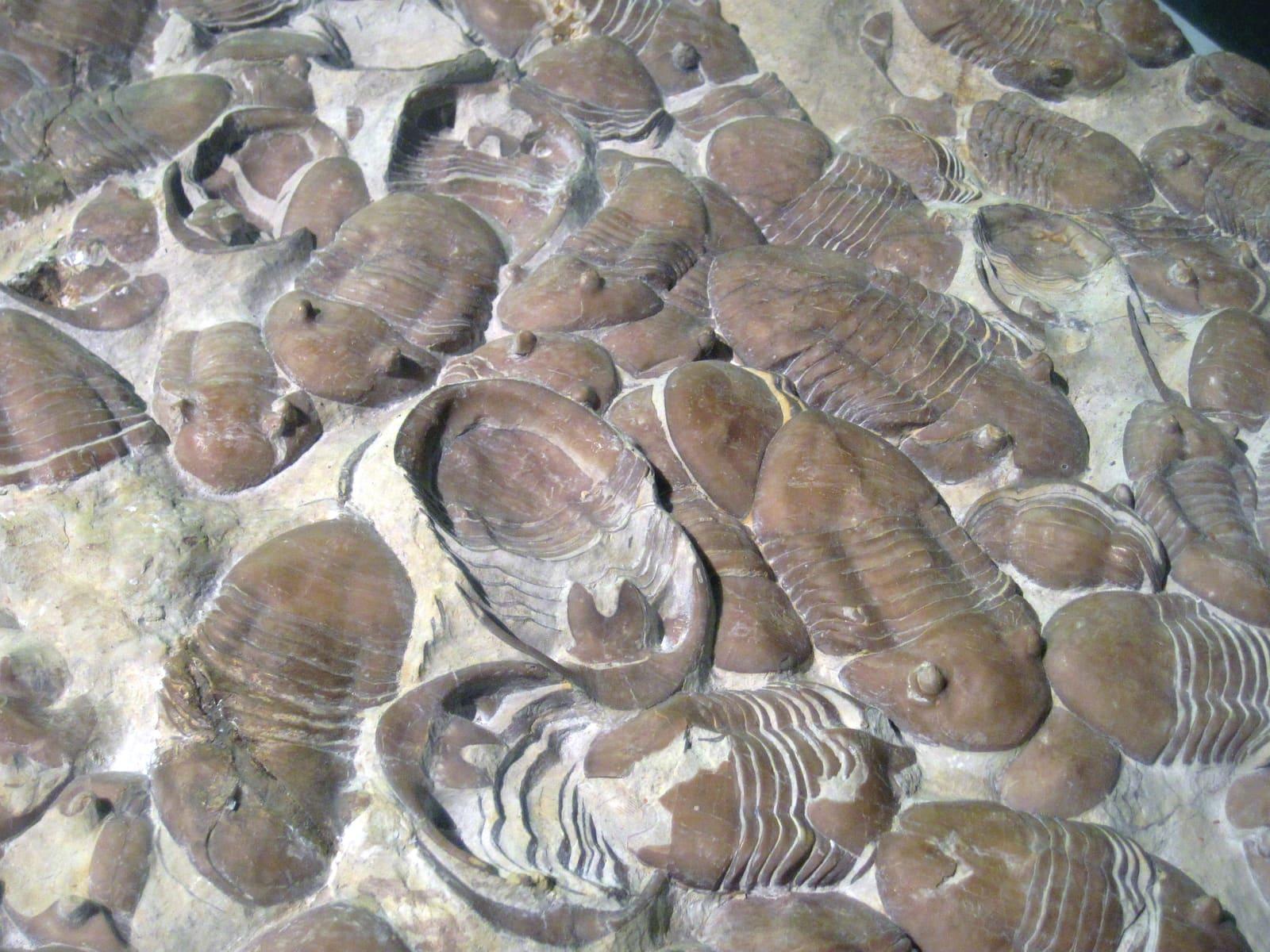
Arbuckle Mountains Bromide Formation Fossil Guide
Oklahoma, United States
Trilobites, Crinoids, Brachiopods, Bryozoans
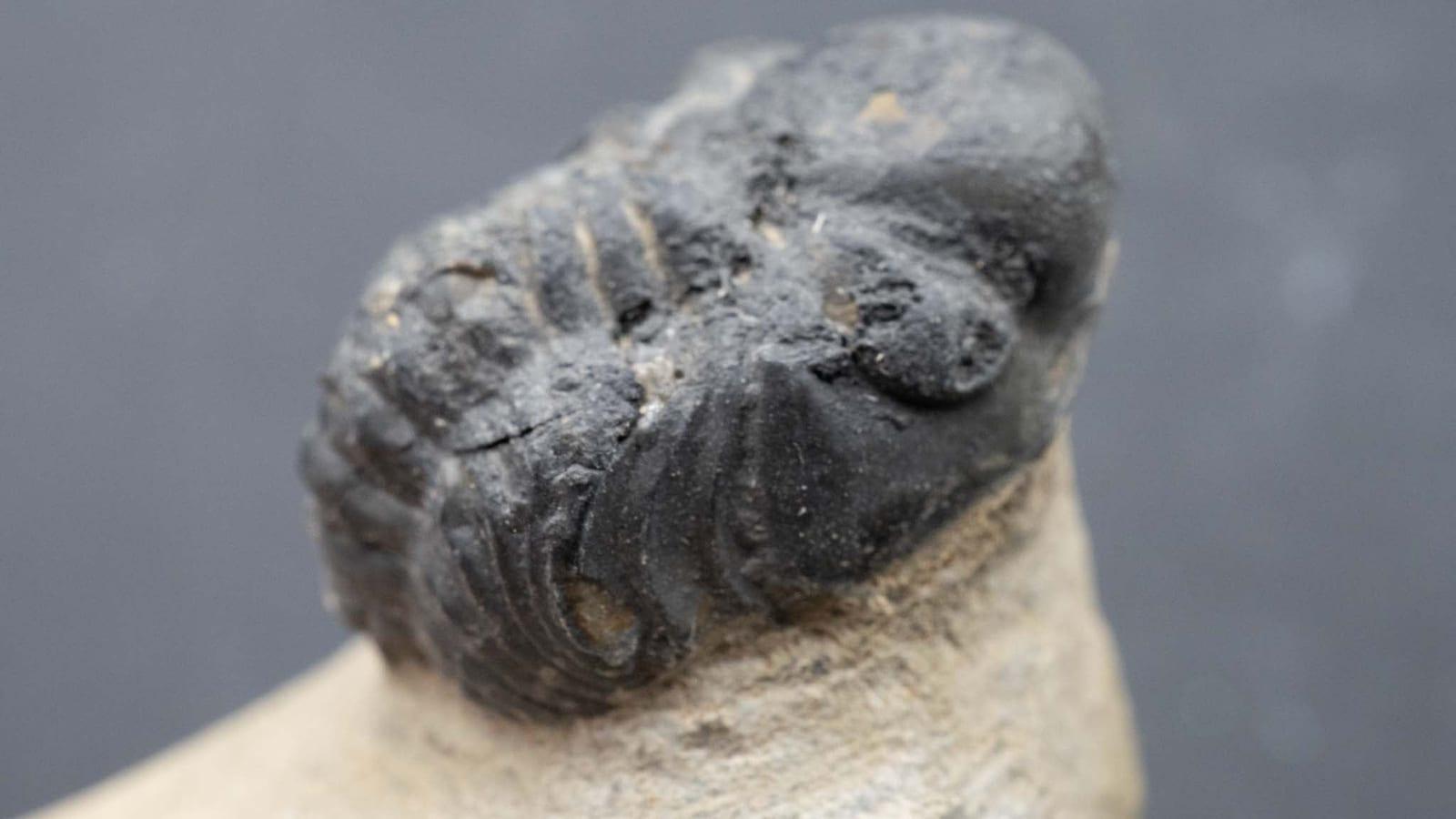
Atchana Trilobite Mine Rissani Fossil Hunting Guide
Morocco
Devonian trilobites, Brachiopods, Goniatites, Trilobites
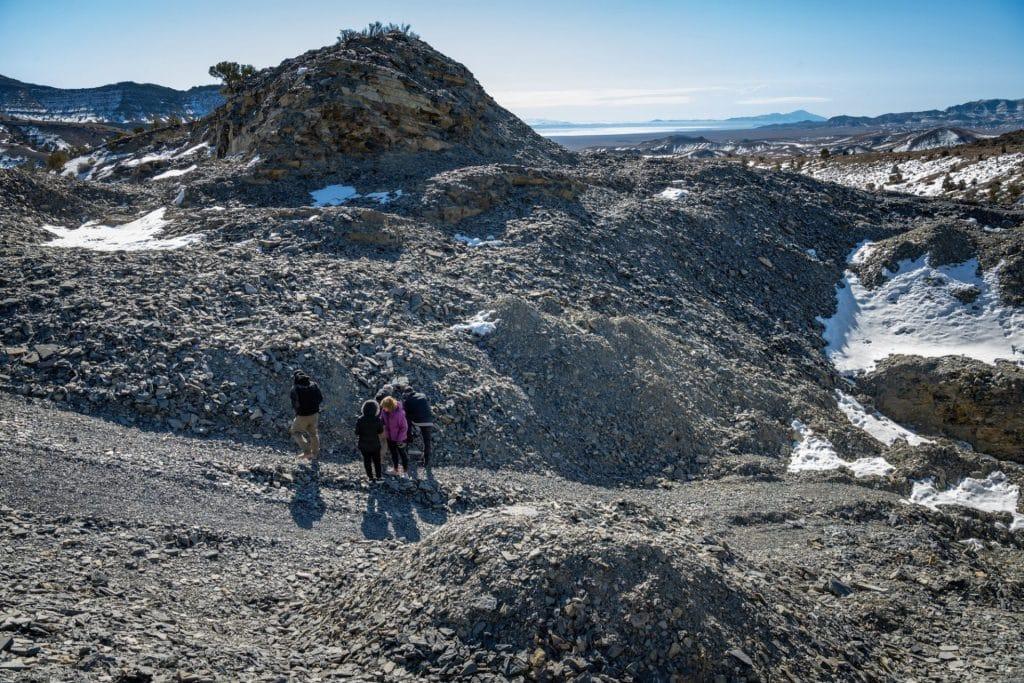
BLM Trilobite Quarry (Antelope Springs) Fossil Guide
Utah, United States
Trilobites, Elrathia kingii, Asaphiscus, Brachiopods
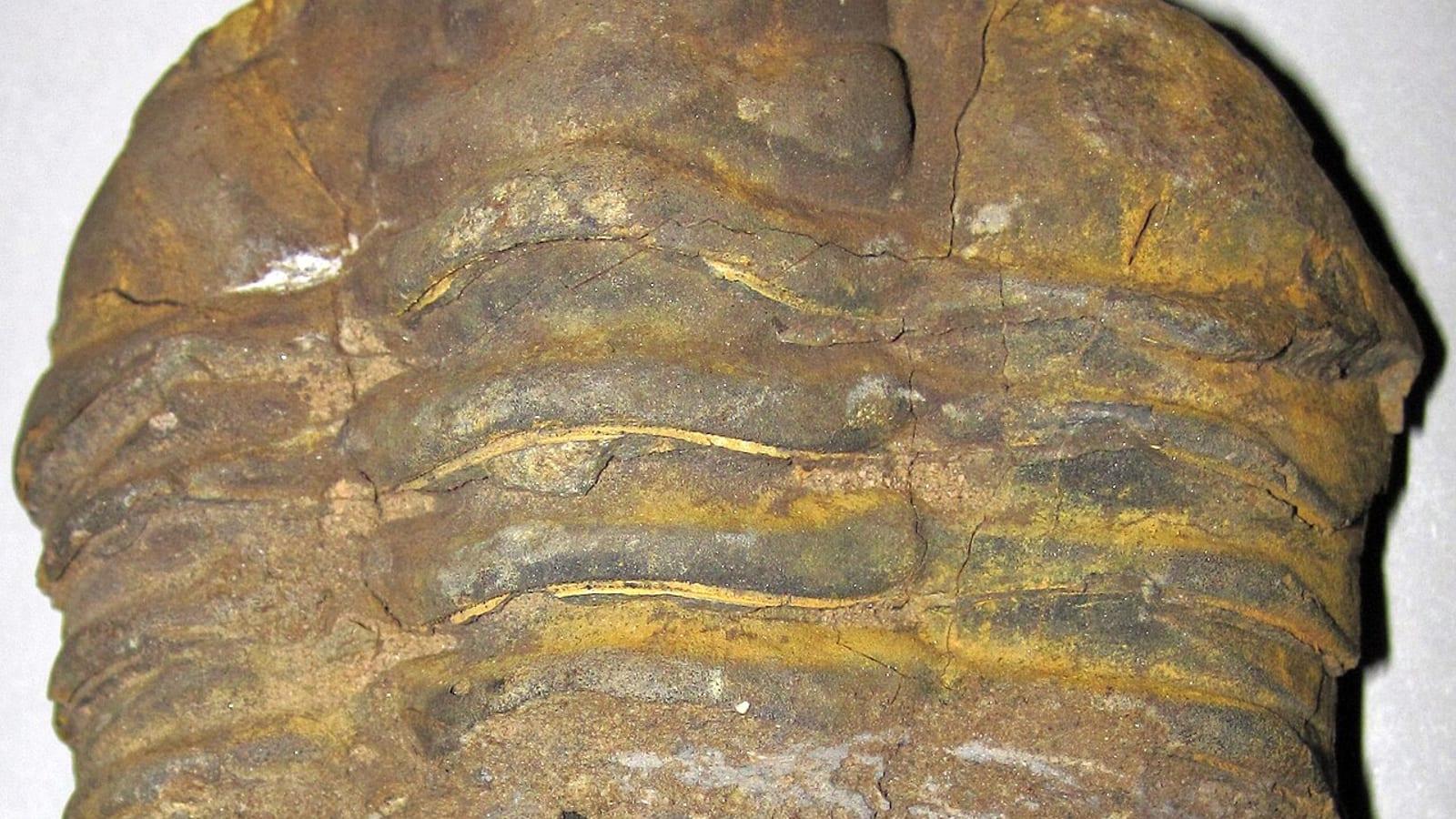
Bou Dib Fossil Site North Jbel Isoumour Alnif Fossil Hunting Guide
Morocco
Bou Dib, Phacops, Brachiopods, Crinoid columnals
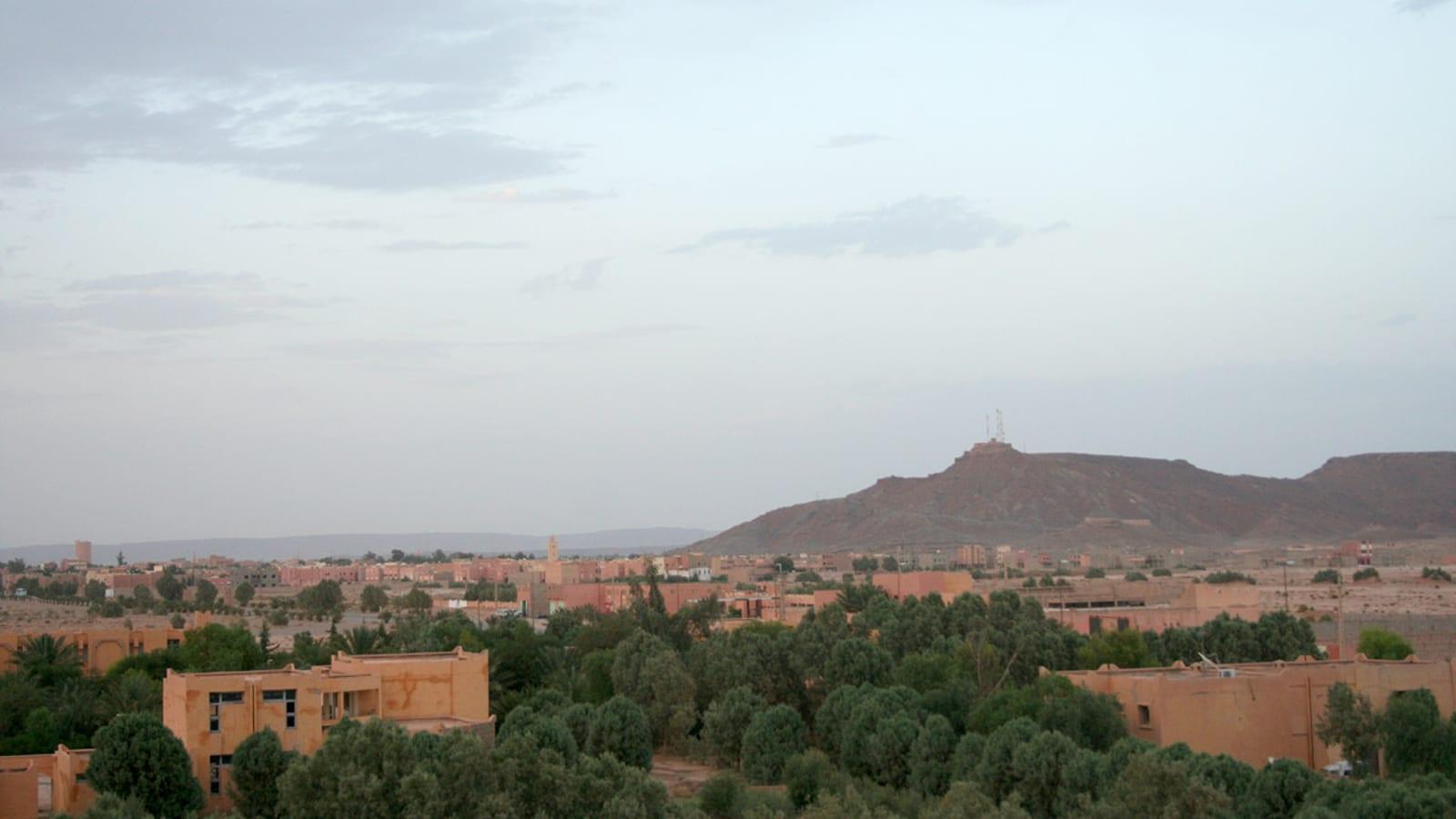
Boutchafine Mount Trilobite Quarry Erfoud Fossil Hunting Guide
Morocco
Phacops, Hollardops, Phacops rana, Hollardops merocristata
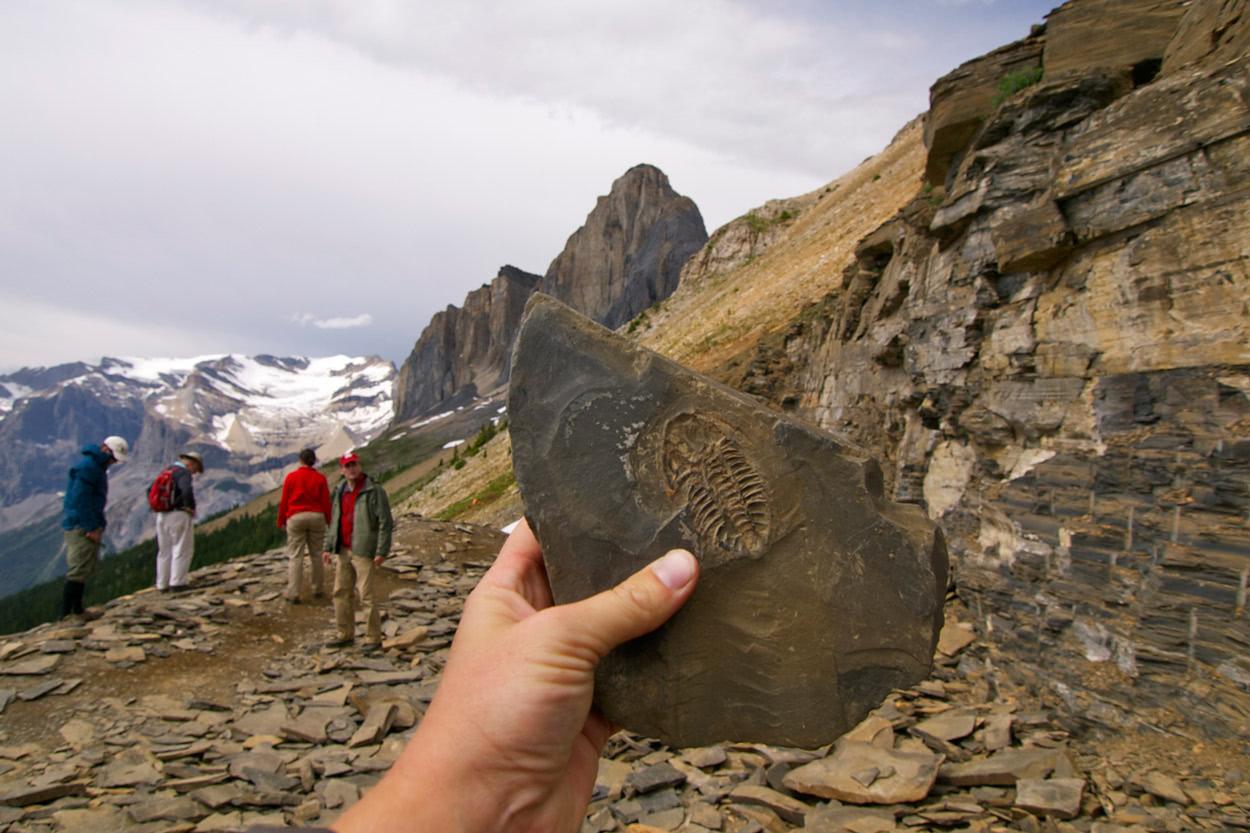
Burgess Shale Fossil Hike Guide
British Columbia, Canada
Trilobites, Anomalocaris, Marrella, Opabinia
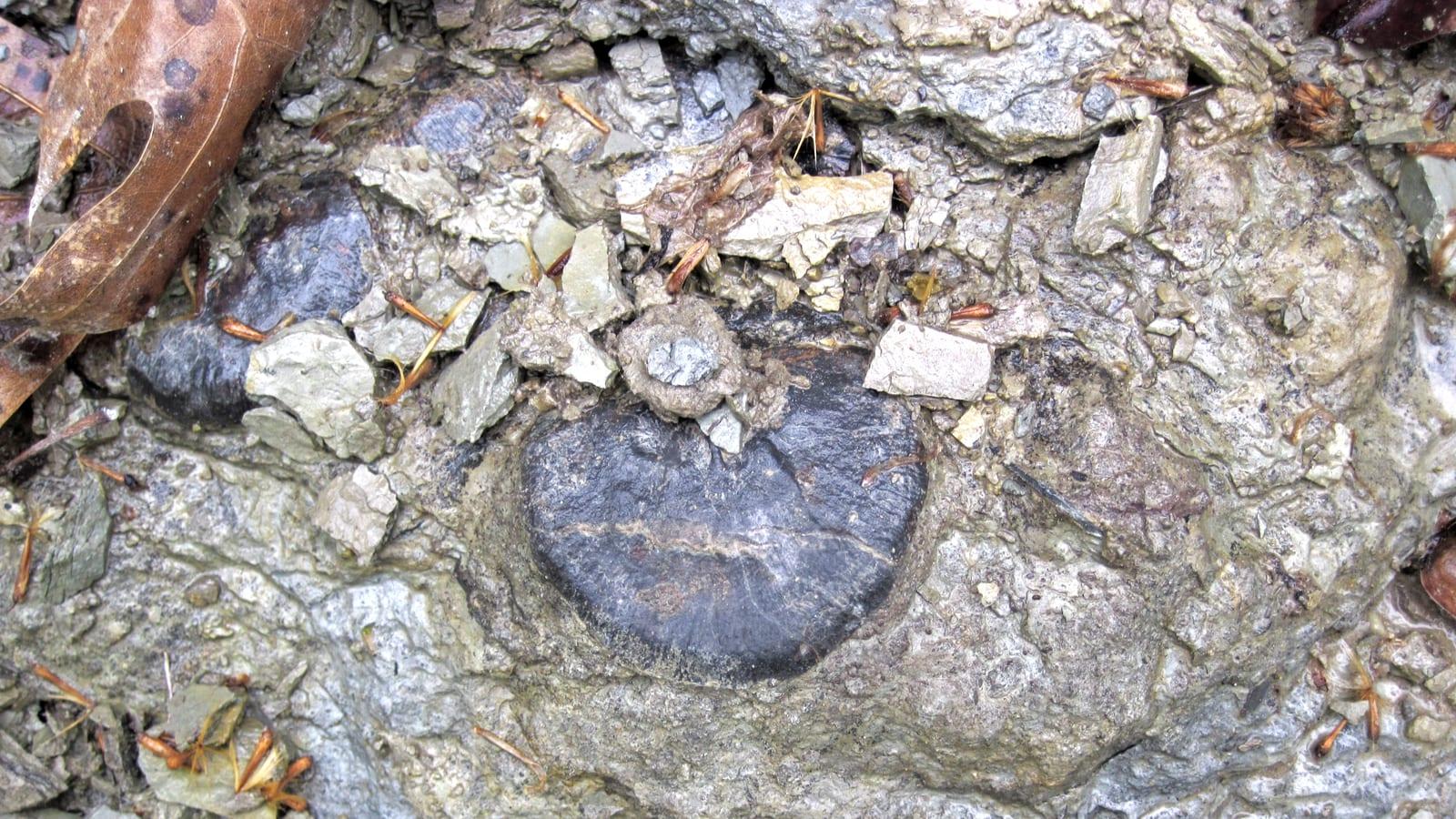
Caesar Creek State Park Fossil Hunting Guide
Ohio, United States
Trilobites, Brachiopods, Crinoids, Corals
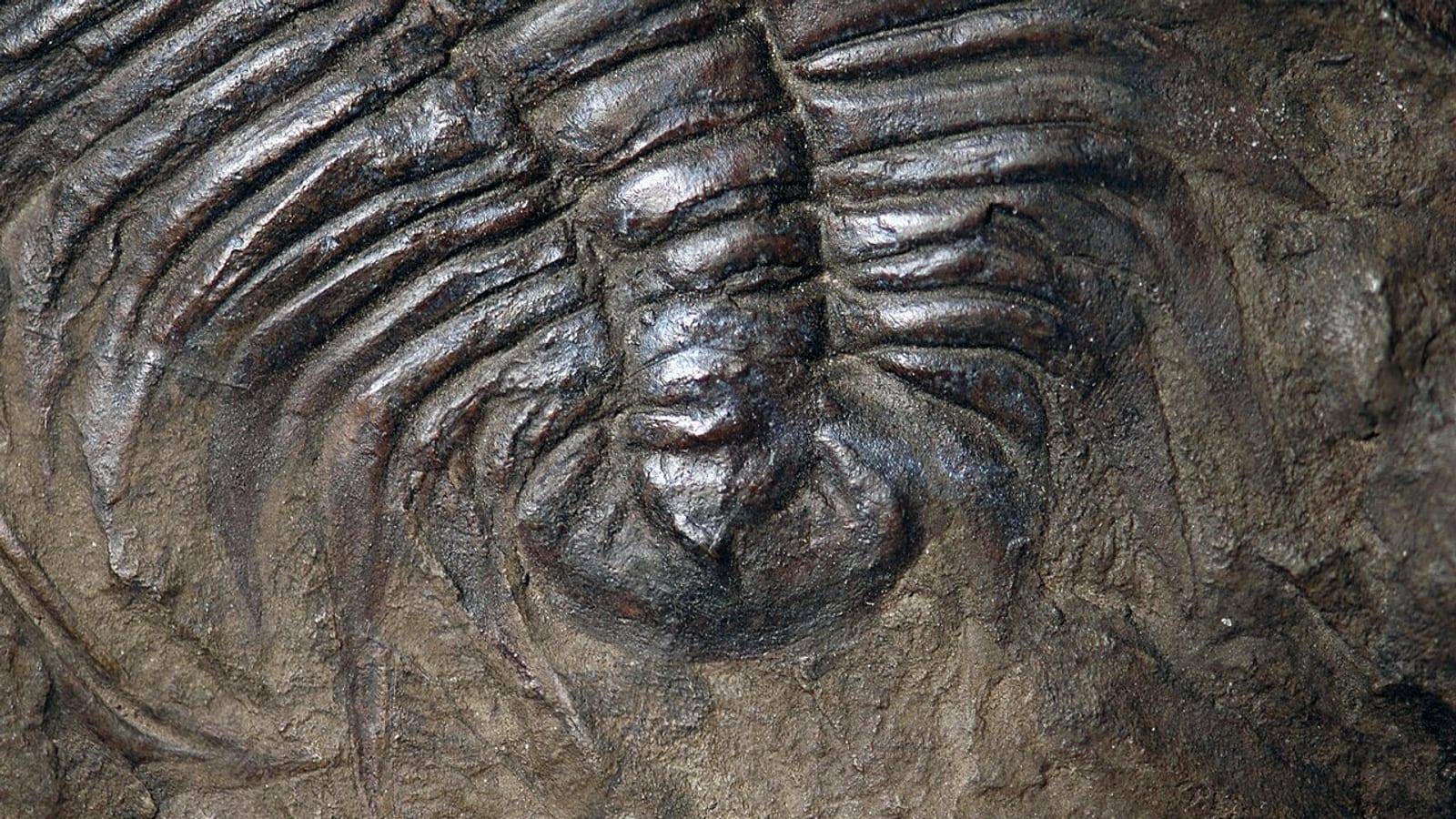
Cambrian Paradoxides Site North of Alnif Fossil Hunting Guide
Morocco
Paradoxides, Cambropallas telesto, Brachiopods, Trilobites
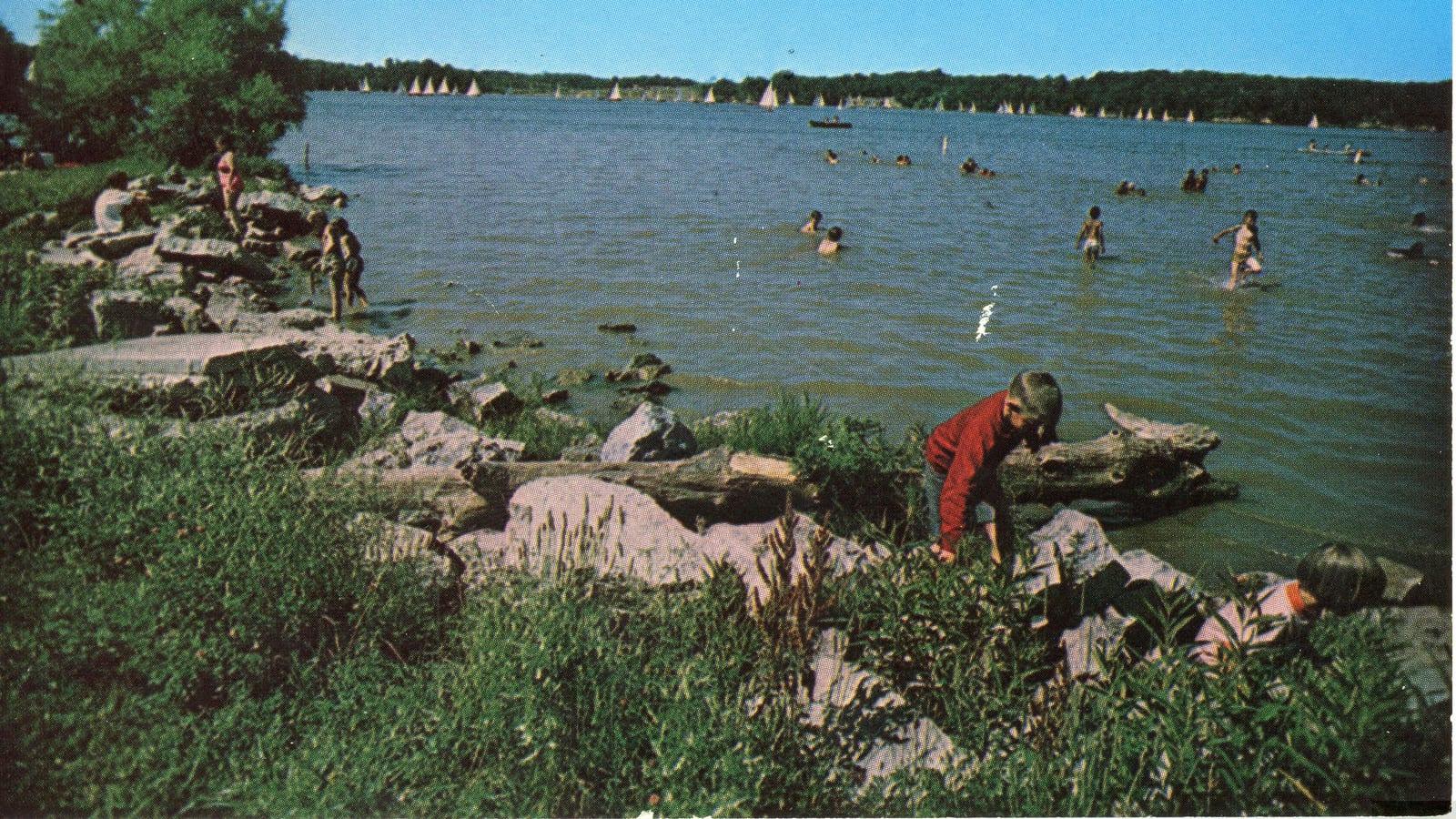
Cowan Lake State Park Fossil Hunting Guide
Ohio, United States
Brachiopods, Bryozoans, Corals, Crinoids
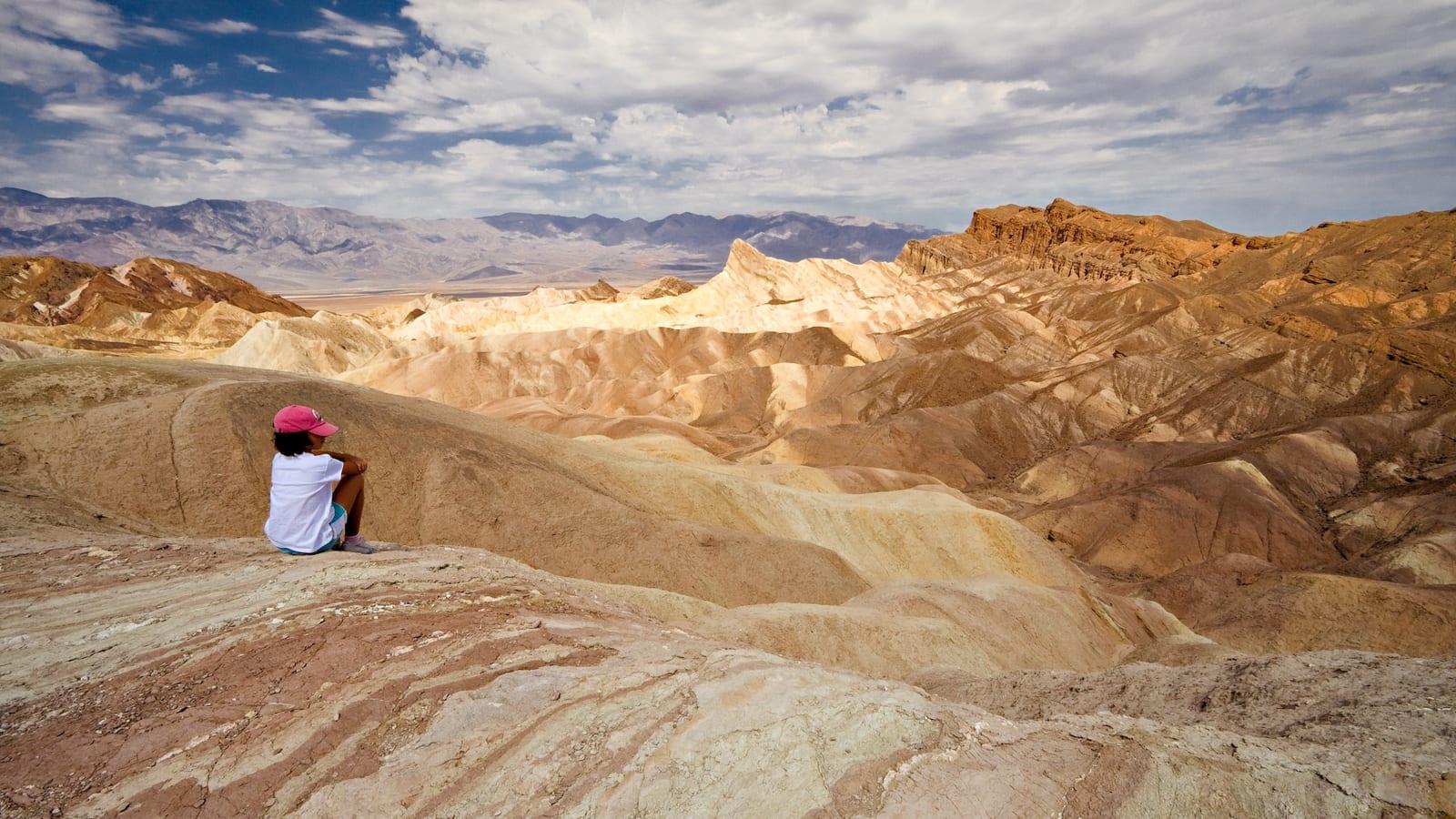
Death Valley National Park Fossil Hunting Guide
California, United States
Trackways, Trilobites, Stromatolites
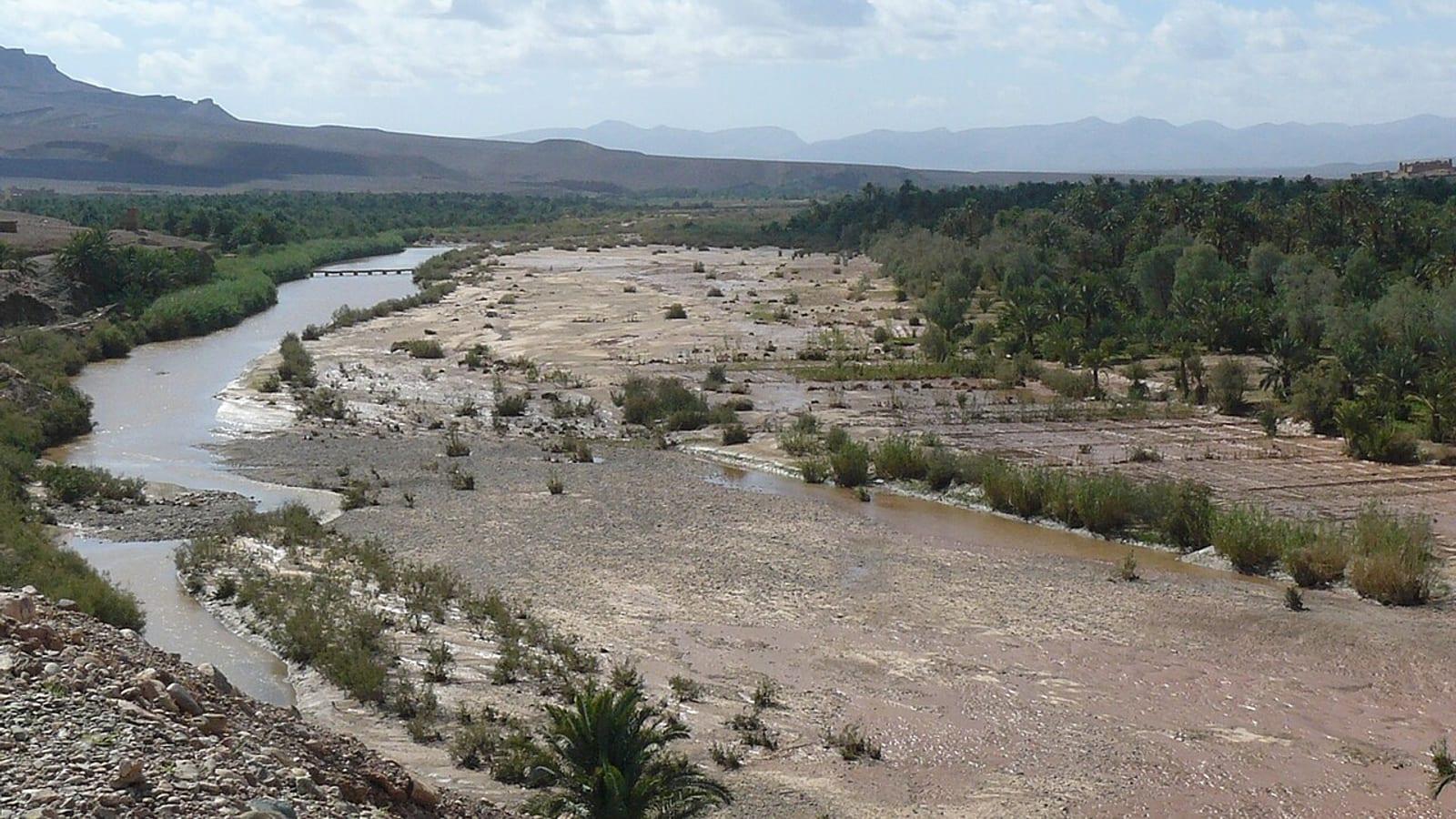
Draa Valley Ordovician Trilobite Site Agdz Fossil Hunting Guide
Morocco
Giant trilobites, Brachiopods, Graptolite fragments, cystoid echinoderm plates
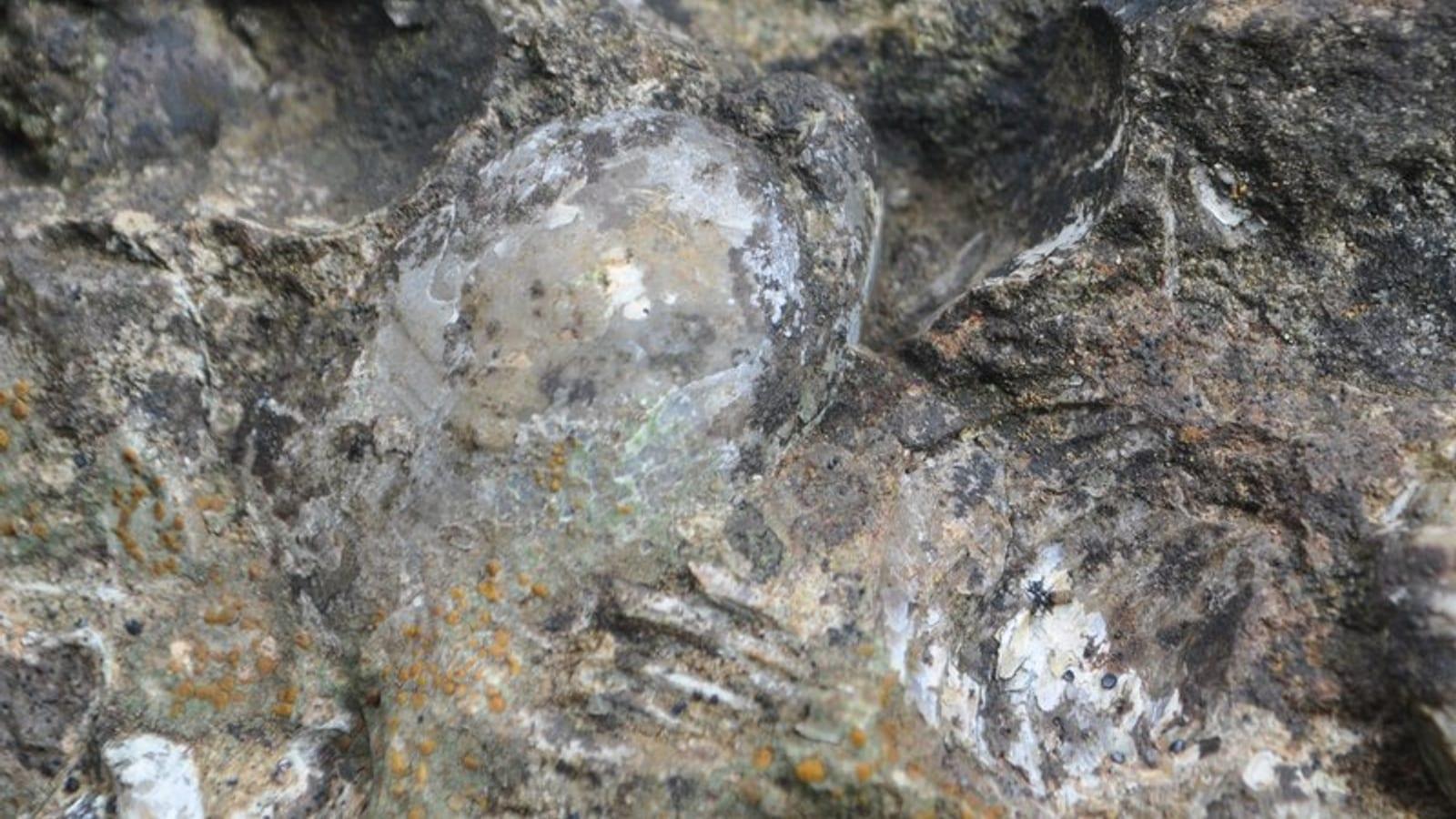
East Fork State Park Fossil Hunting Guide
Ohio, United States
Trilobites, Brachiopods, Crinoids, Corals
Erfoud Main Orthoceras Factory Quarry Fossil Hunting Guide
Morocco
Orthocerids, Goniatites, Brachiopods, trilobite fragments
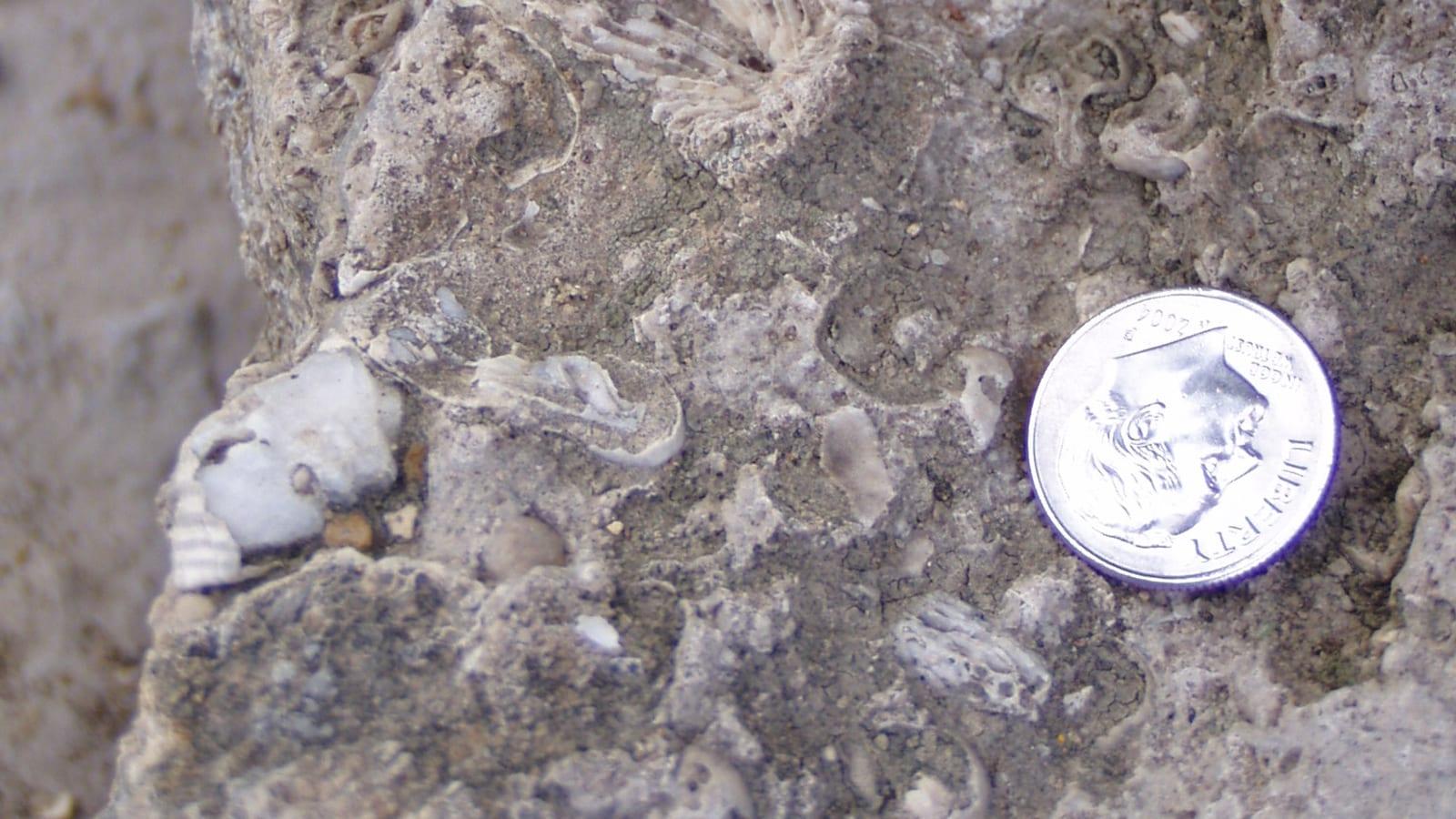
Falls of the Ohio State Park Fossil Hunting Guide
Indiana, United States
Corals, Brachiopods, Crinoids, Bryozoans
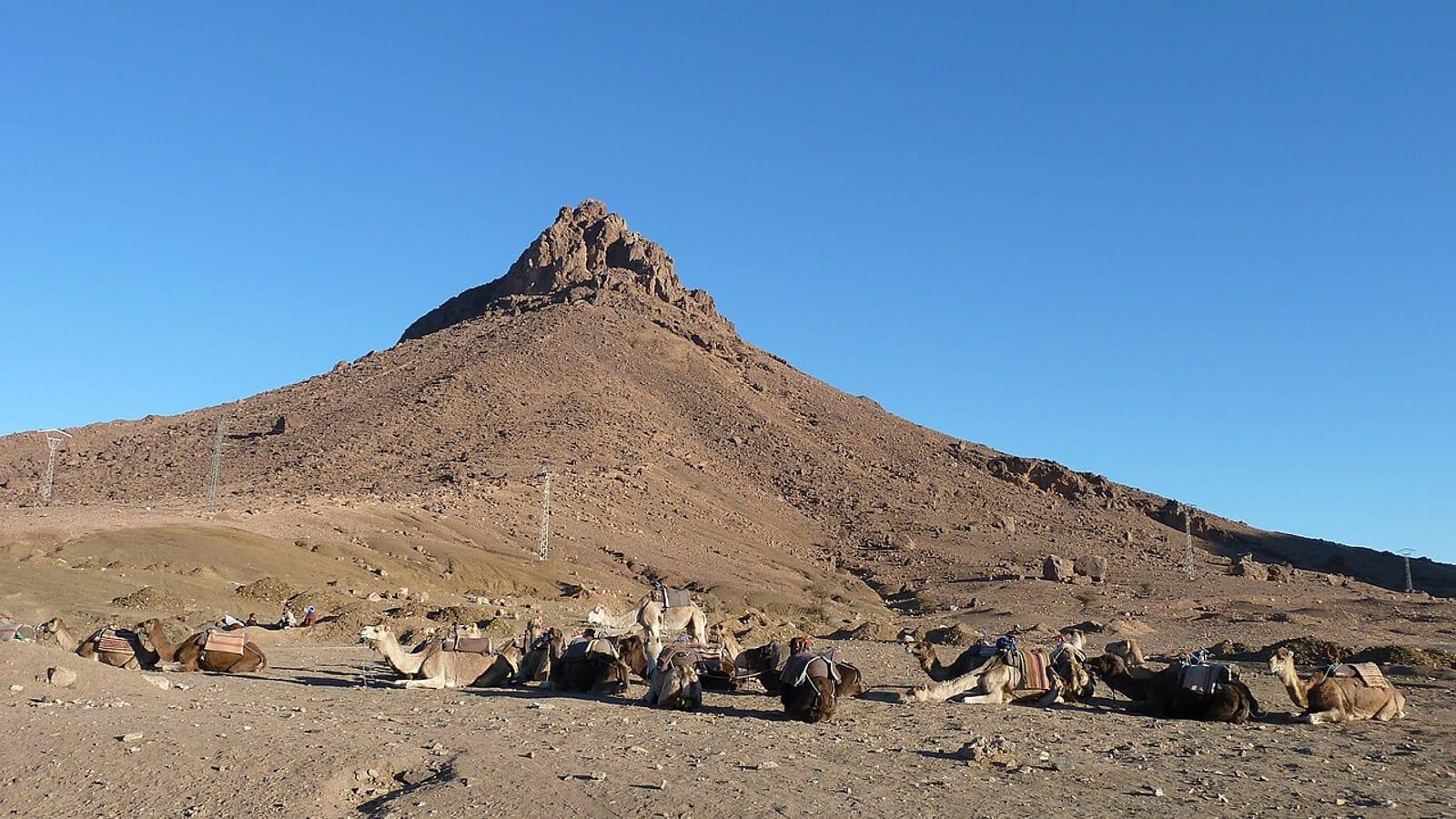
Fezouata Biota Locality Zagora Fossil Hunting Guide
Morocco
anomalocaridids, Trilobites, Echinoderms, Brachiopods
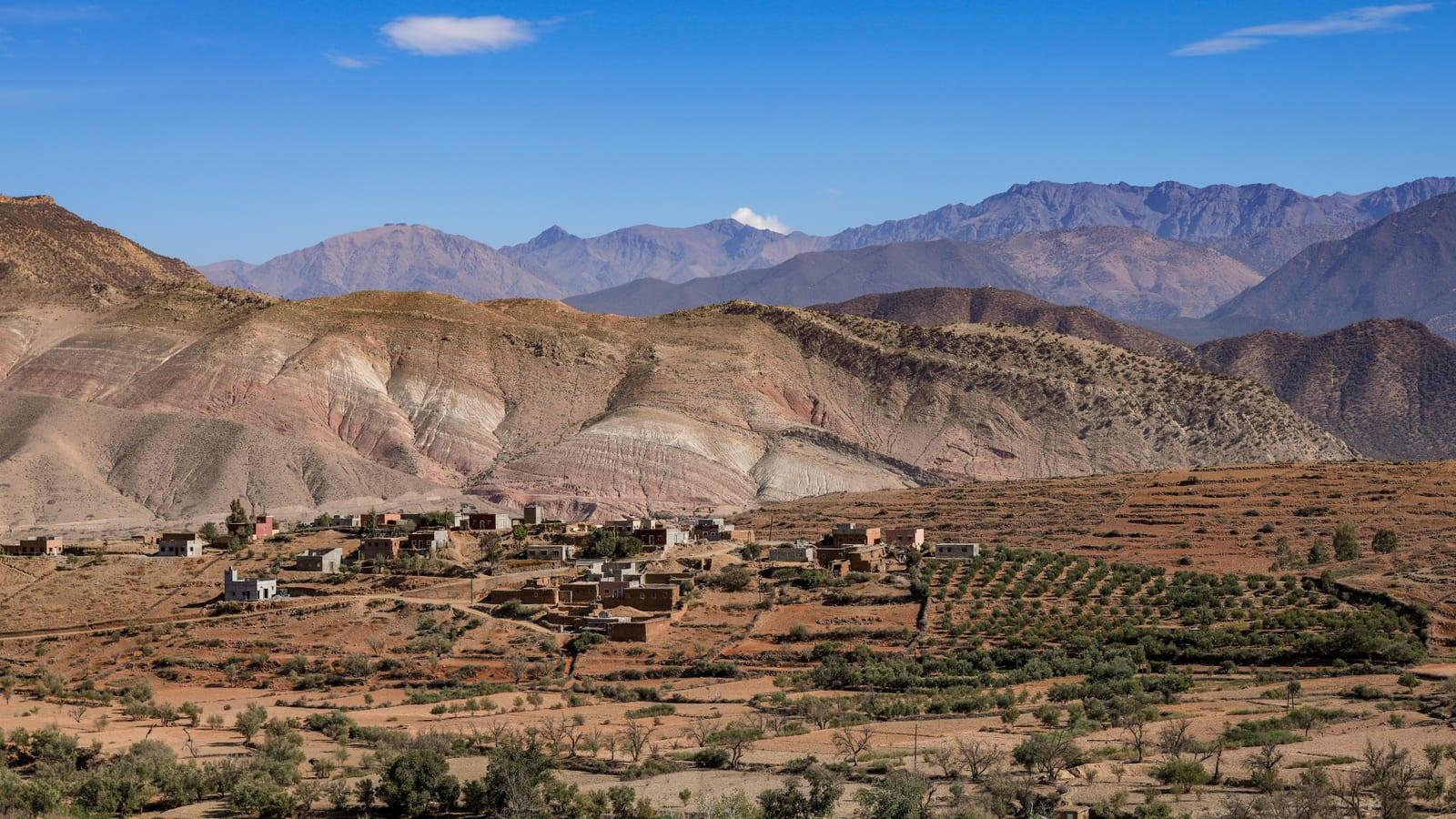
Filon 12 Vanadinite Fossil Mine Mibladen Fossil Hunting Guide
Morocco
vanadinite, trilobites, brachiopods, mimetite
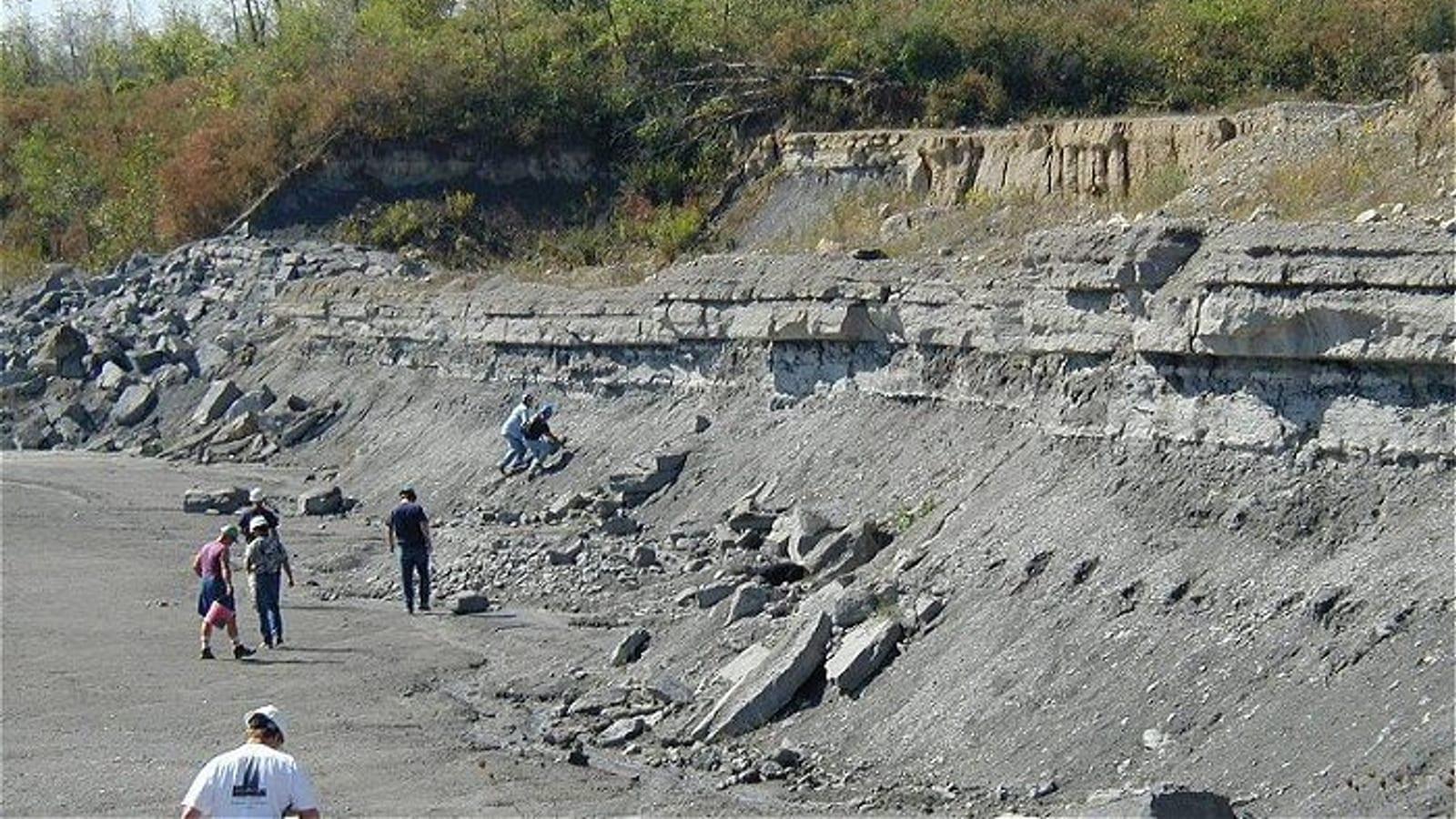
Fossil Park Sylvania Fossil Hunting Guide
Ohio, United States
Trilobites, Brachiopods, Crinoids, Corals
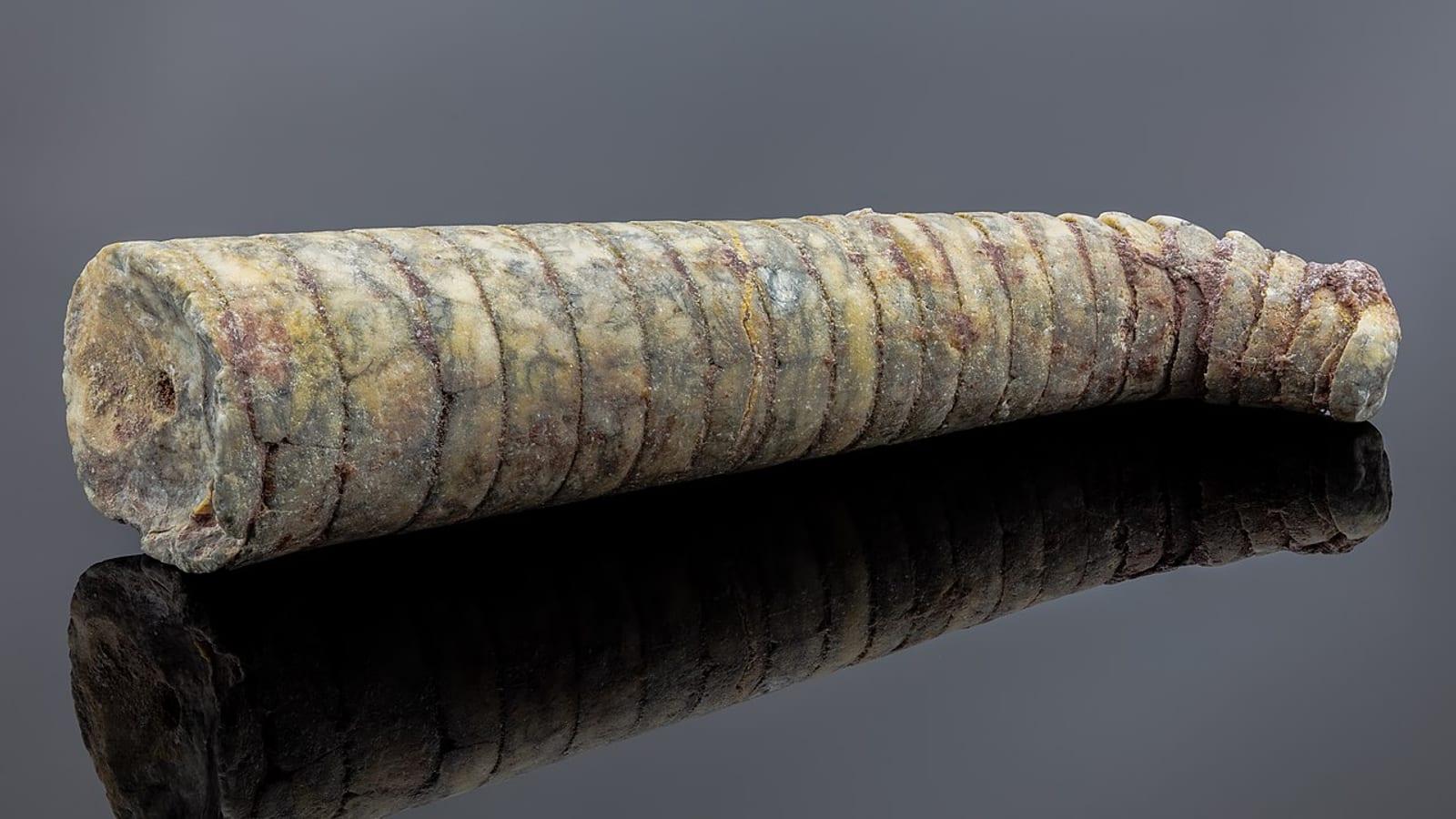
Hamar Laghdad Orthoceras Quarry Erfoud Fossil Hunting Guide
Morocco
Orthoceras, Goniatites, Brachiopods, trilobite fragments
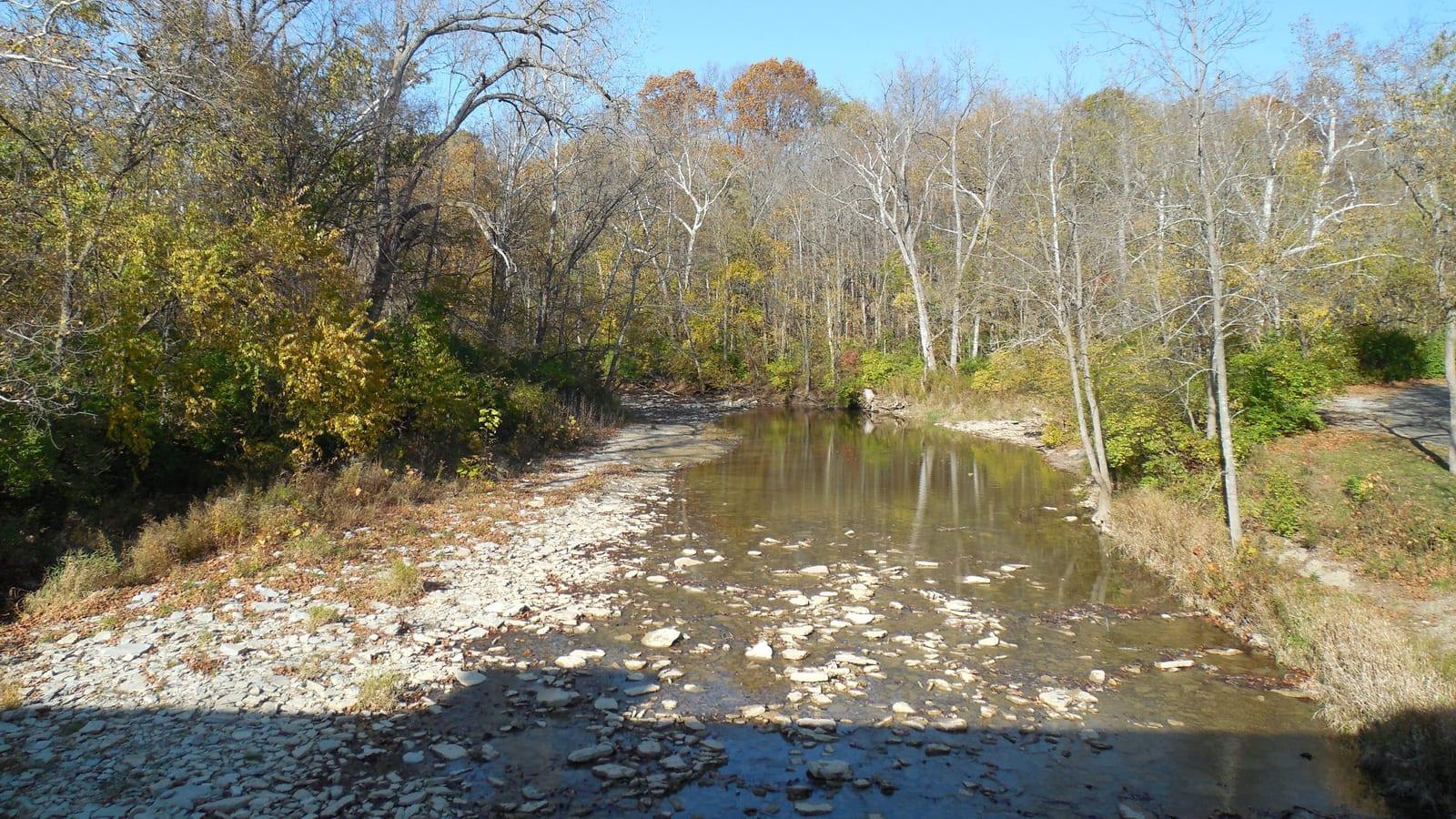
Hueston Woods State Park Fossil Hunting Guide
Ohio, United States
Brachiopods, Bivalves, Bryozoans, Corals
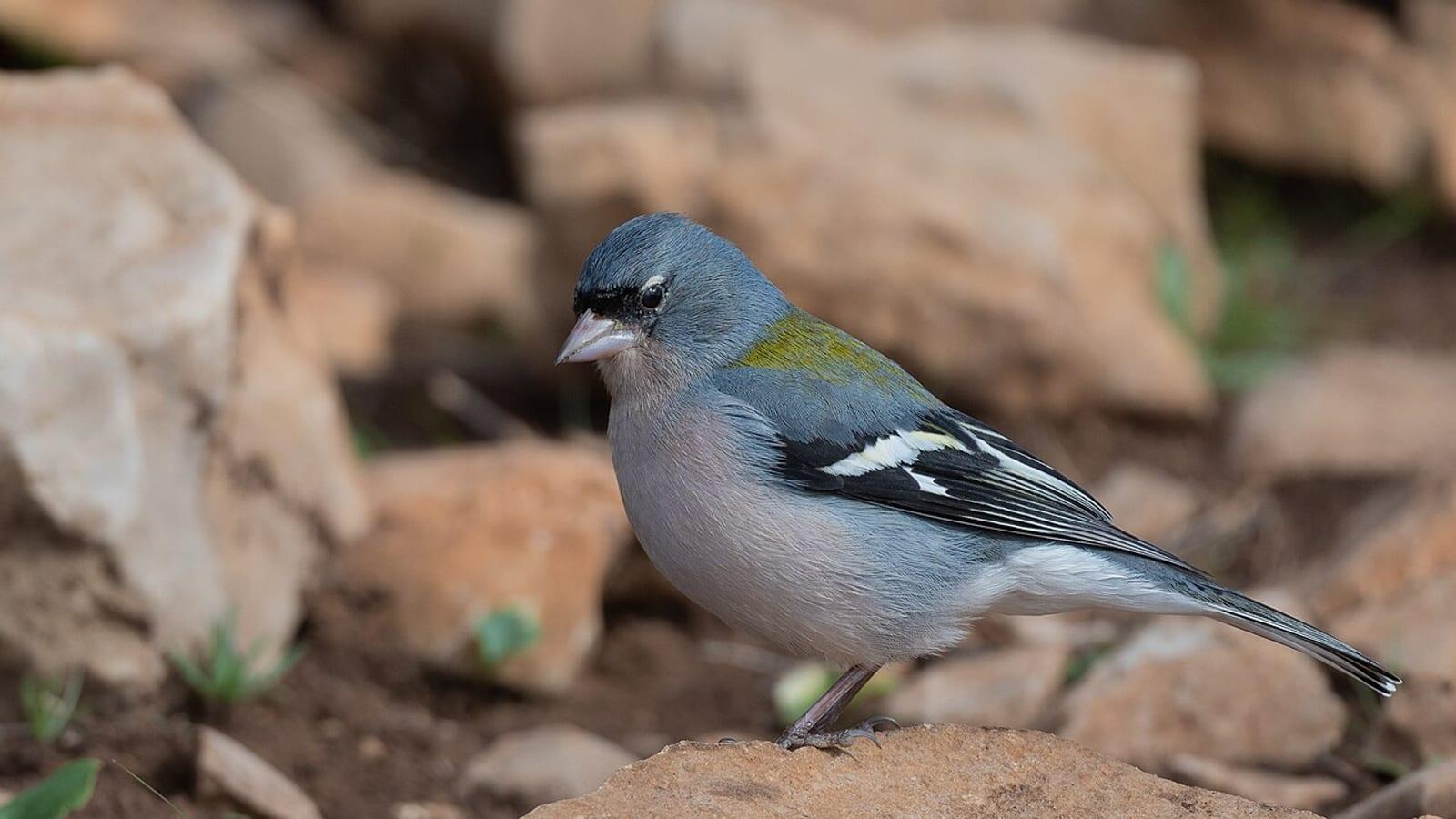
Jbel el Mrakib Devonian Reef Site Rissani Fossil Hunting Guide
Morocco
Jbel El Mrakib Devonian Reef Site, Coral reef fossils, Stromatoporoids, Brachiopods
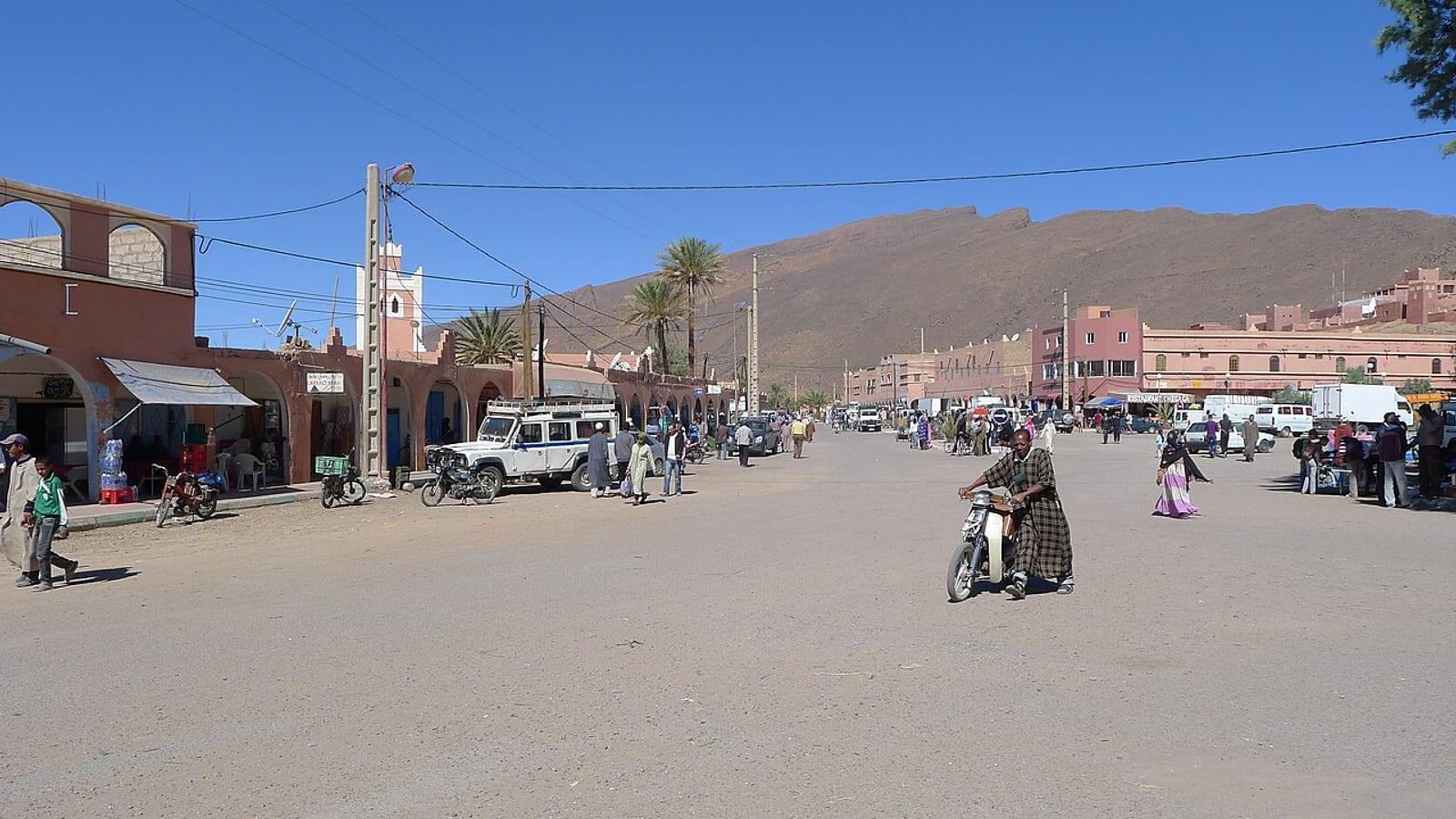
Jbel Gara el Zguilma Trilobite Site Foum Zguid Fossil Hunting Guide
Morocco
Walliserops trifurcatus, Psychopyge elegans, Cyphaspis, Comura
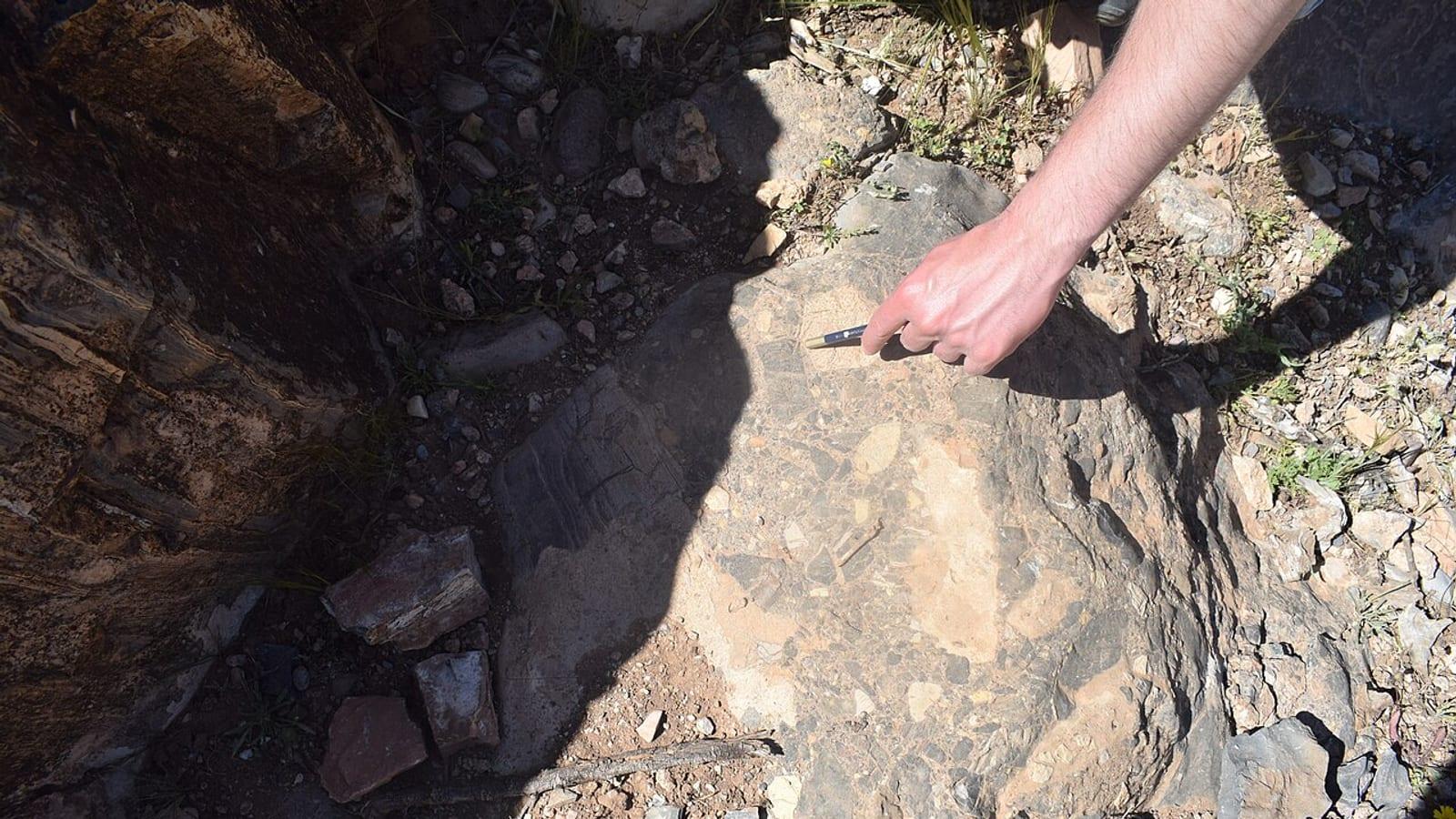
Jbel Isoumour Trilobite Mine Alnif Fossil Hunting Guide
Morocco
Jbel Isoumour, Psychopyge, Drotops armatus, Hollardops mesocristata
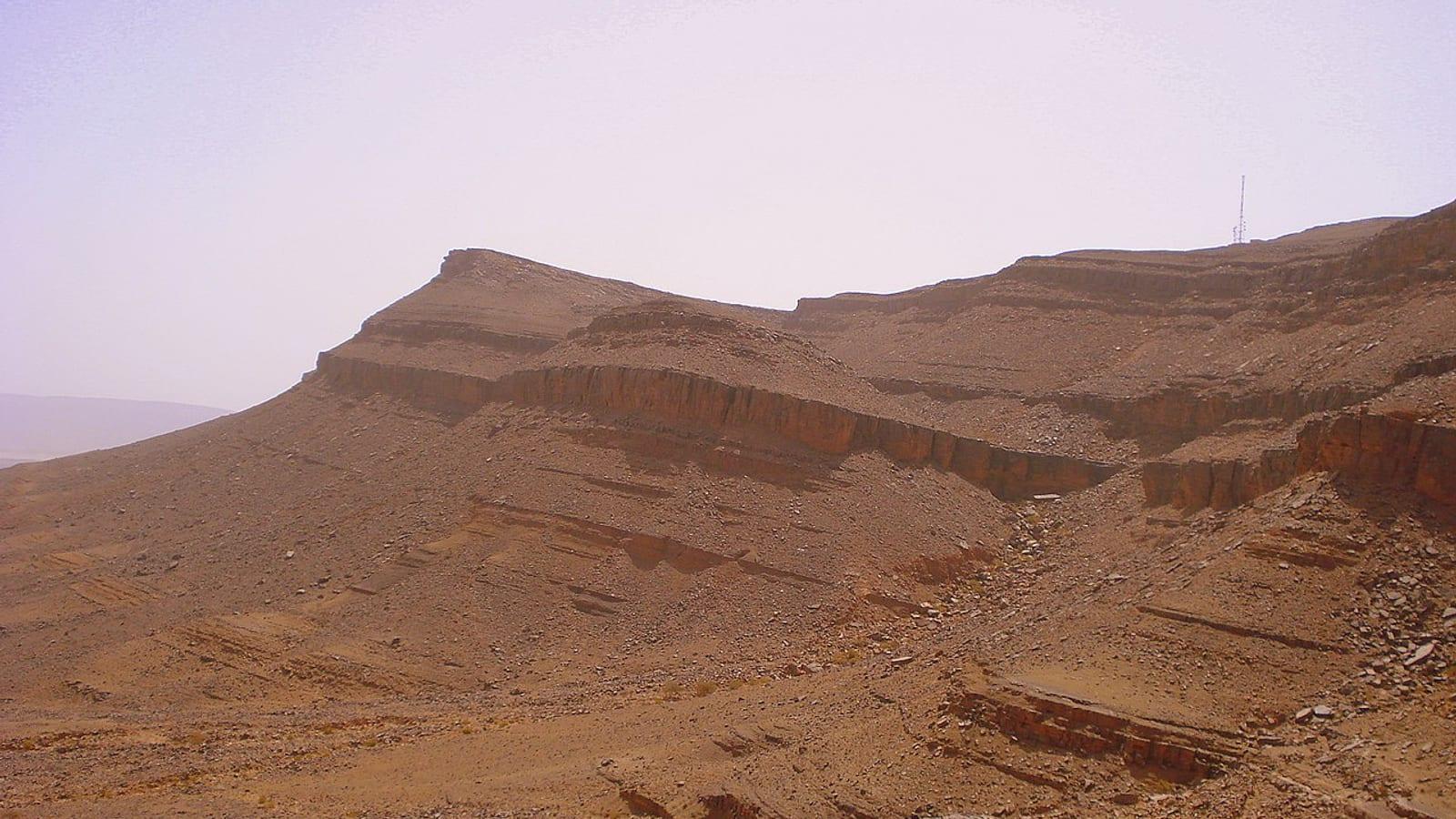
Jbel Tiskaouine Ordovician Trilobite Site Alnif Fossil Hunting Guide
Morocco
Jbel Tiskaouine, Flexicalymene, Colpocoryphe, Neseuretus
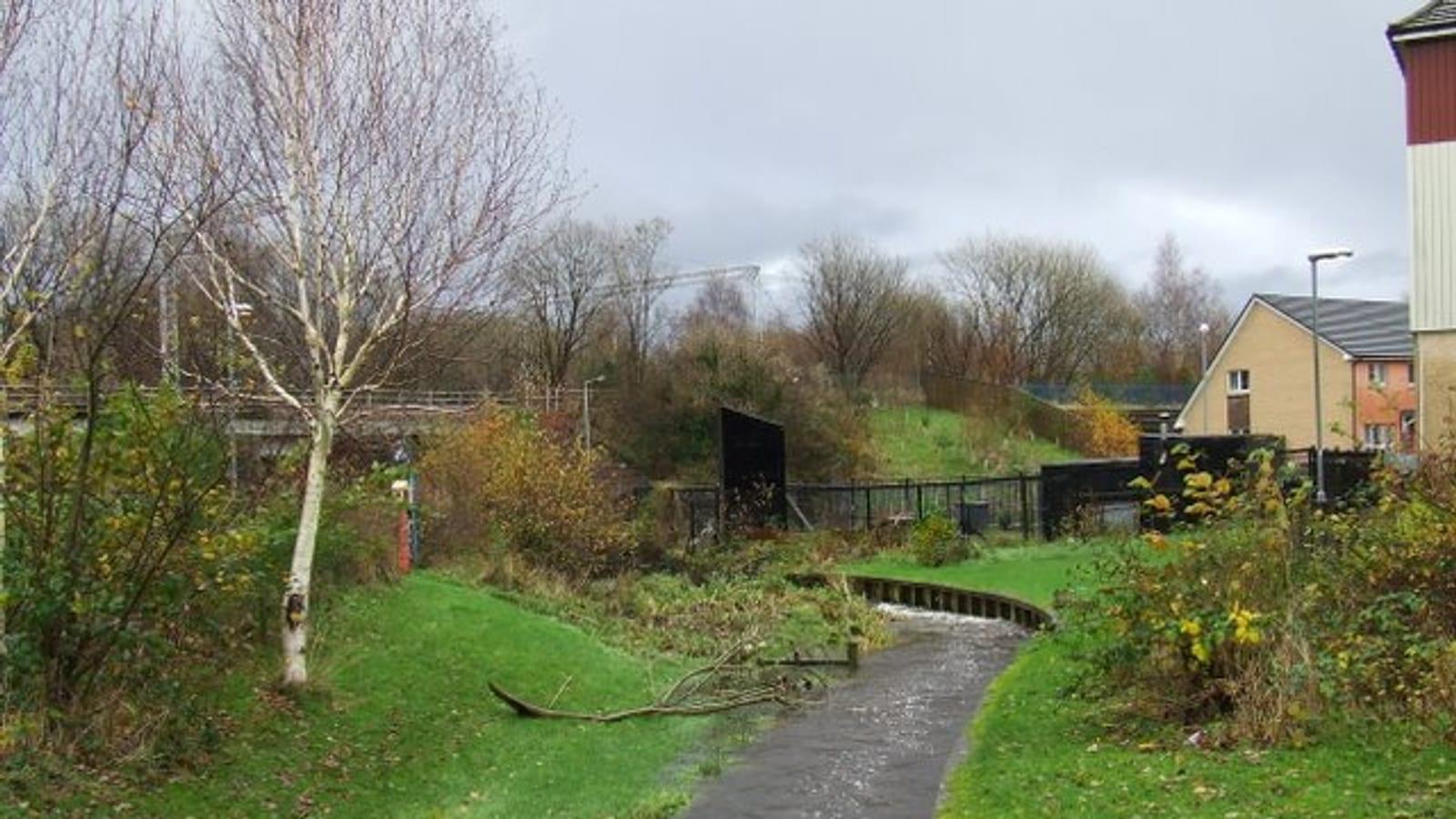
Lady Burn Fossil Hunting Guide
near Drummuck
Starfish, Trilobites, Brachiopods and bivalves, Orthocones and cephalopods
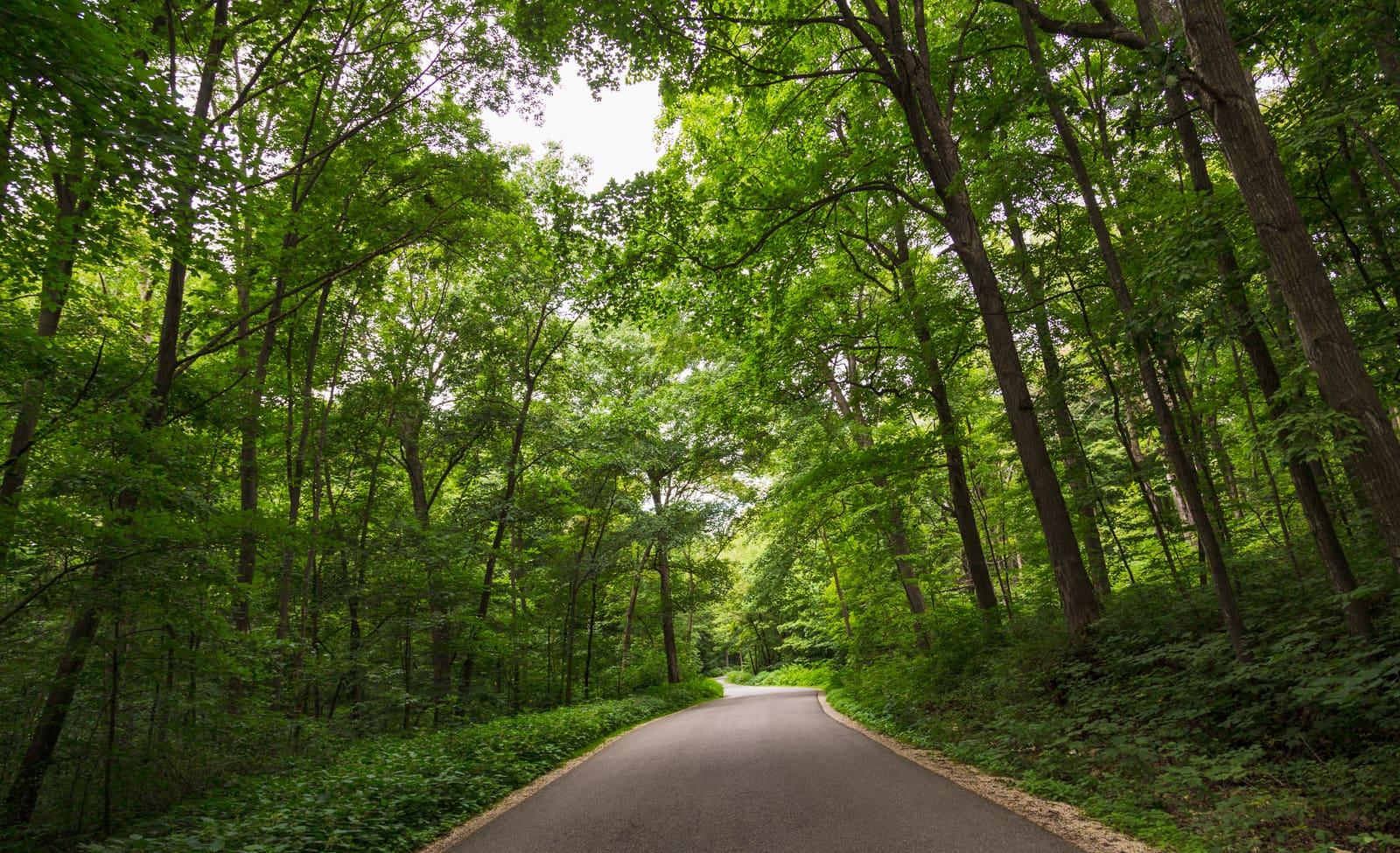
Lanesboro Karst Country (Forestville/Mystery Cave) Fossil Guide
Minnesota, United States
Brachiopods, Cephalopods, Gastropods, Trilobites
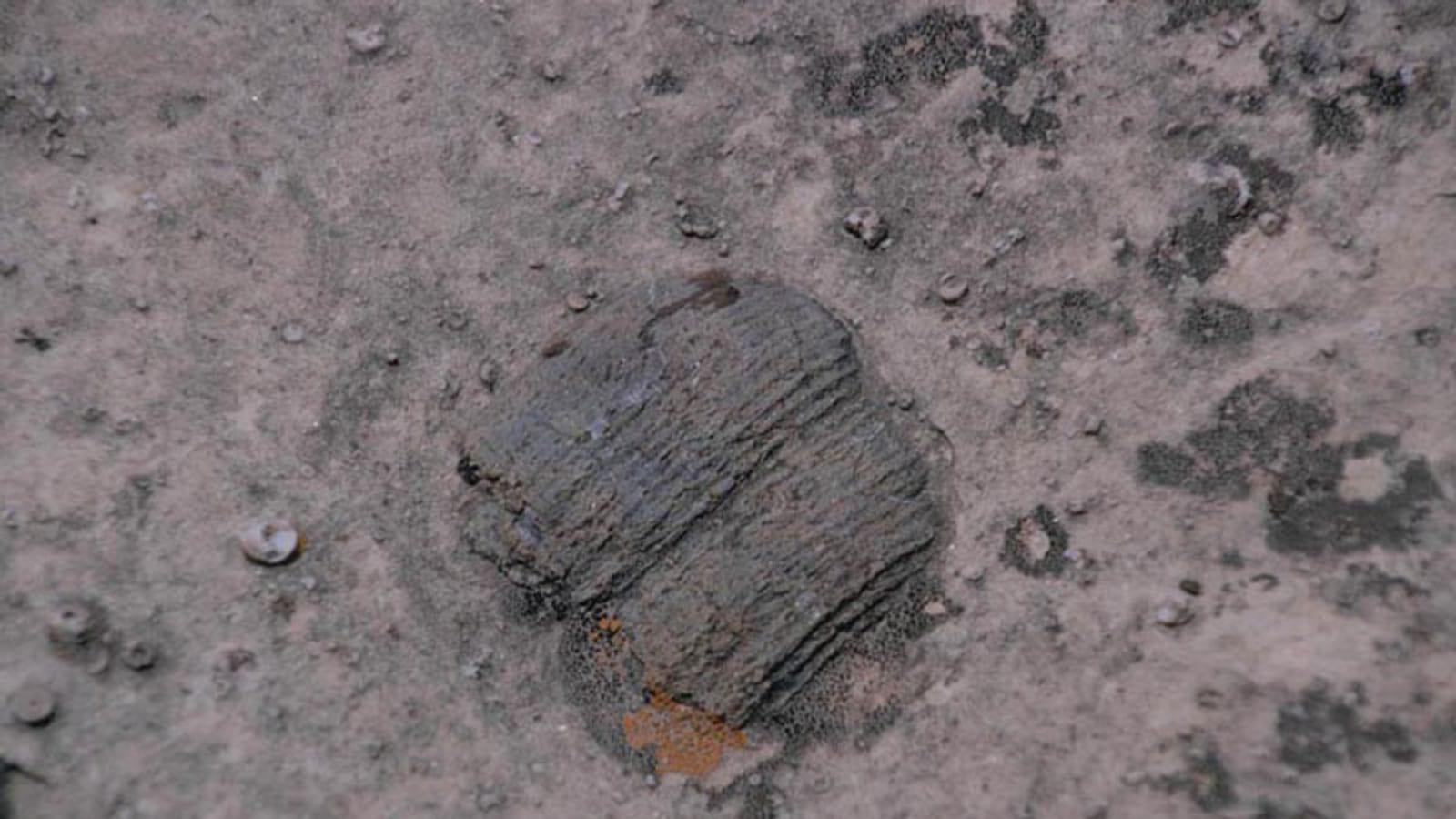
Lost River Fossil Hunting Guide
West Virginia, United States
Trilobites, Brachiopods, Corals, Crinoids
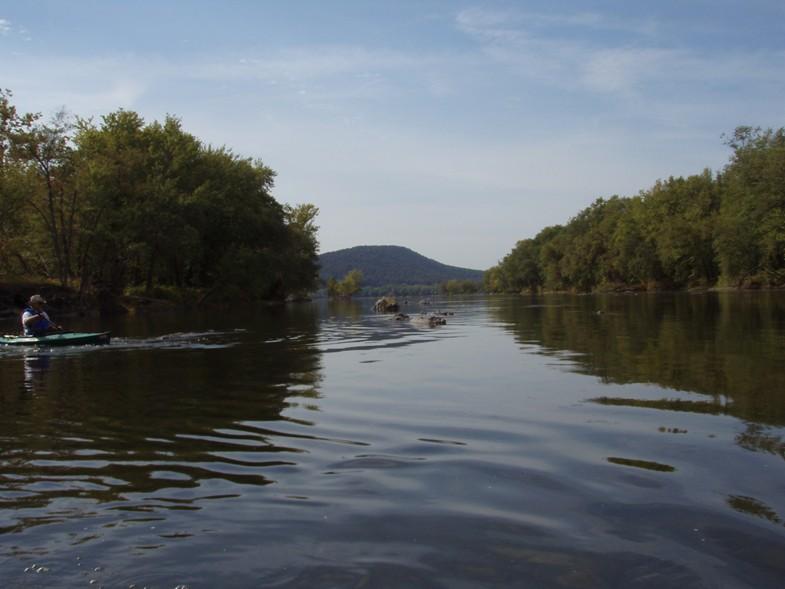
Mahantango Creek (Snyder County) Fossil Hunting Guide
Pennsylvania, United States
Brachiopods, Trilobites, Corals, Cephalopods
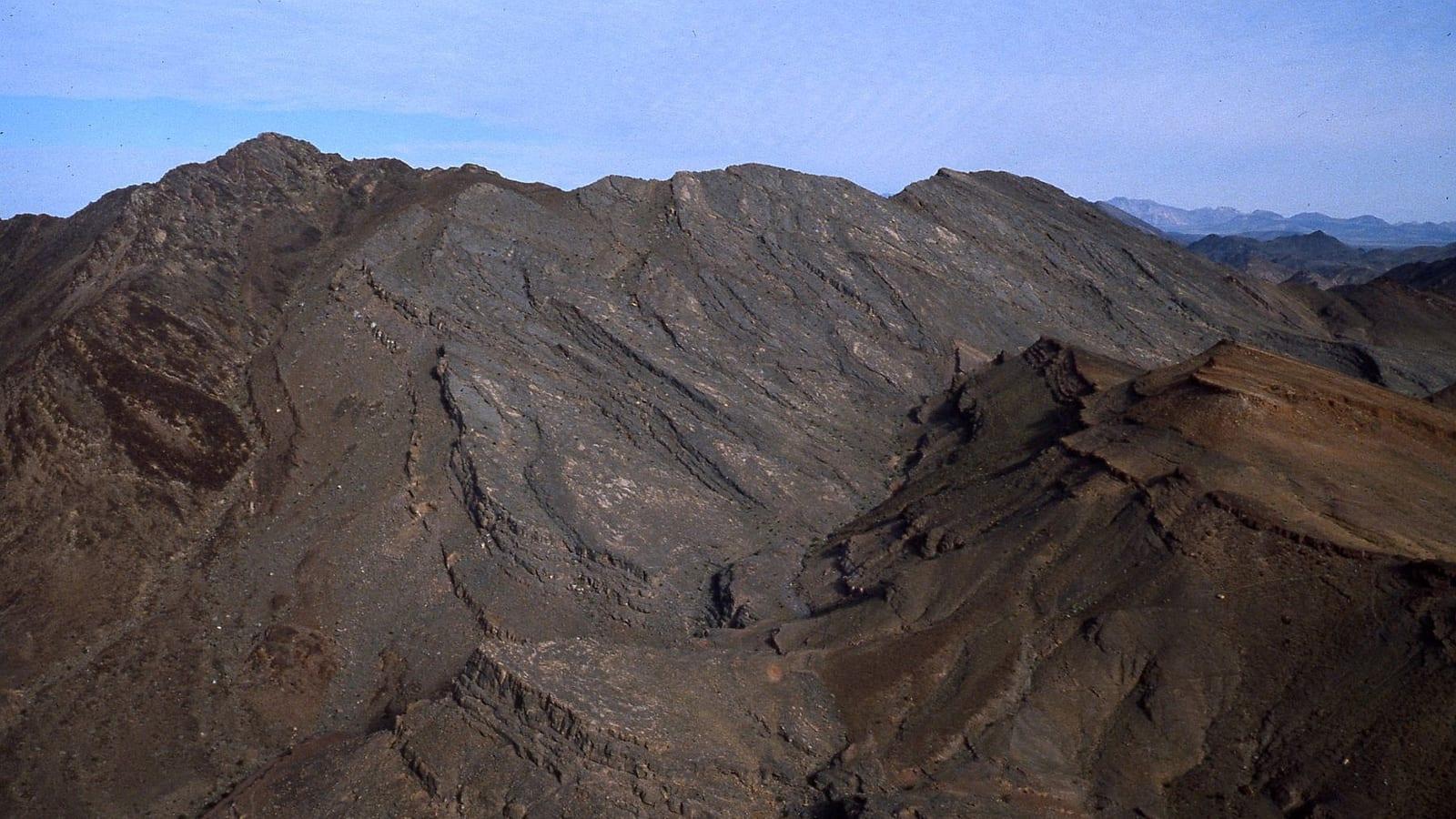
Marble Mountain Fossil Beds: Mojave Cambrian Trilobite Guide
California, United States
Trilobites, Brachiopods, Trace Fossils, Hyolithids
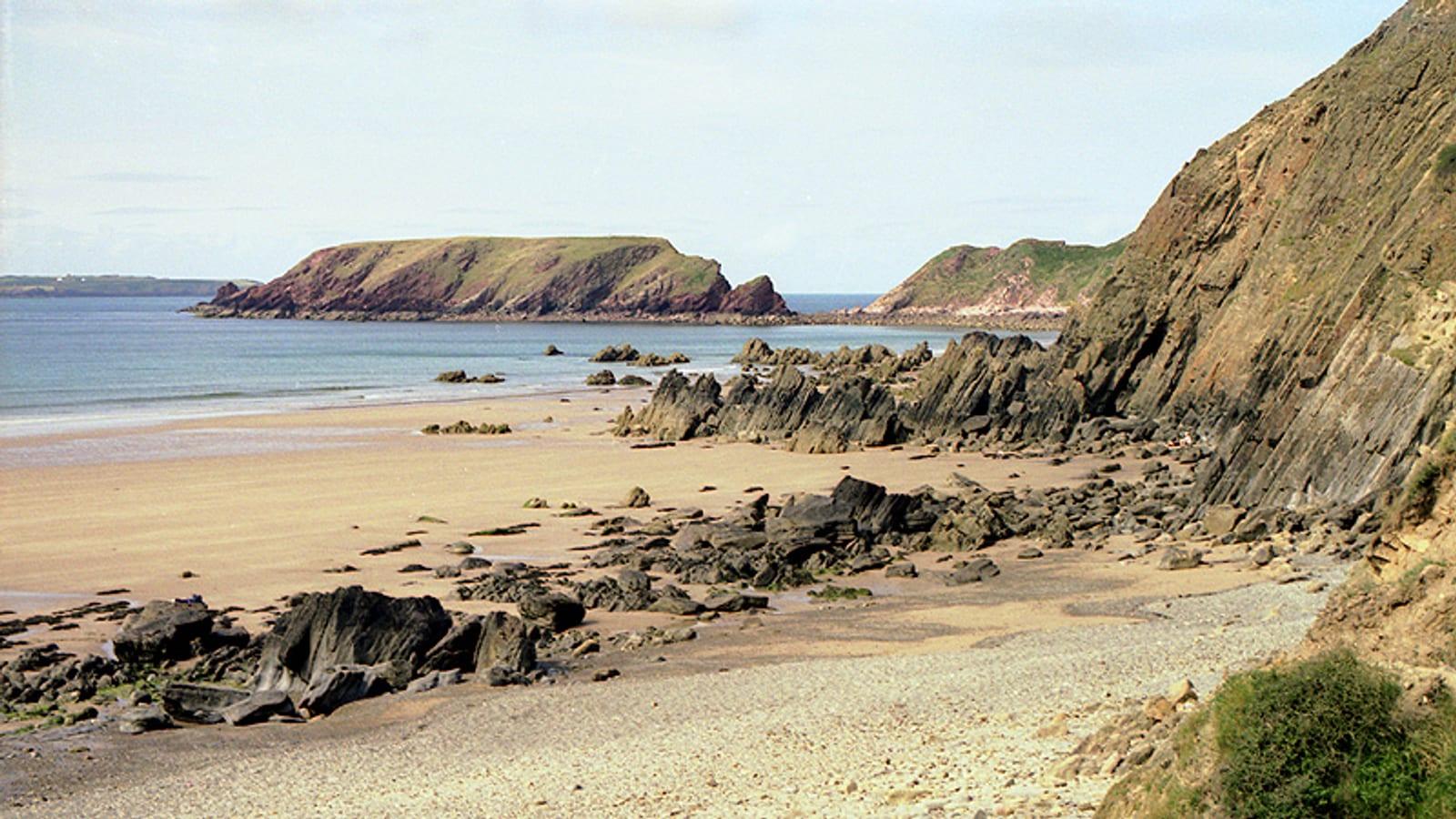
Marloes Sands Fossil Hunting Guide
Pembrokeshire
Corals, Brachiopods, Trilobites, Bryozoans
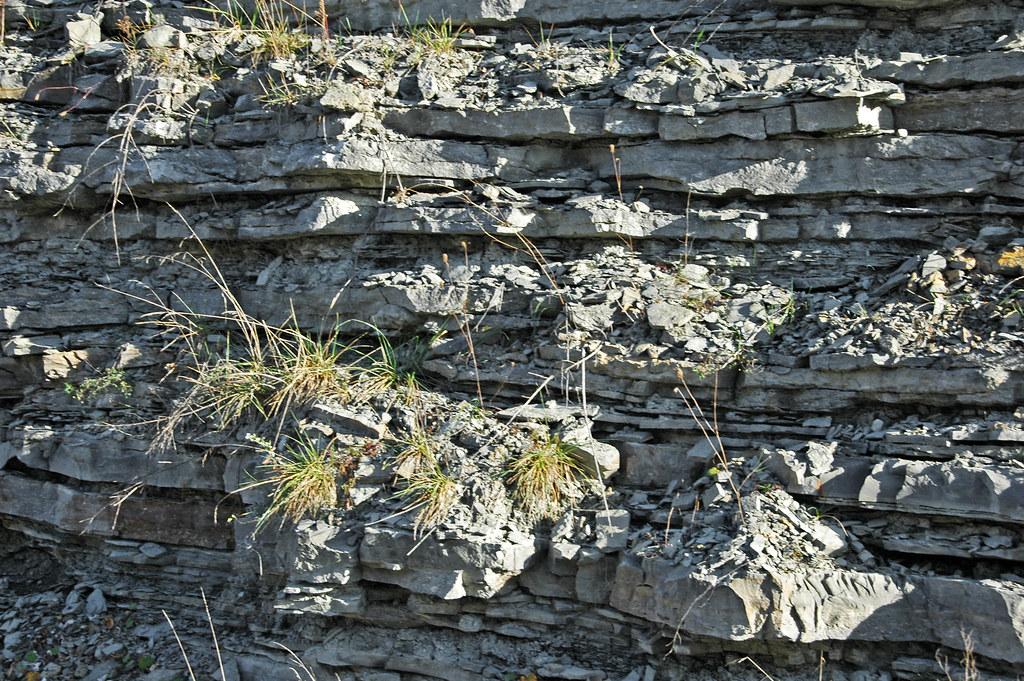
Maysville Ordovician Roadcut Fossil Hunting Guide
Kentucky, United States
Brachiopods, Trilobites, Bryozoans, Cephalopods
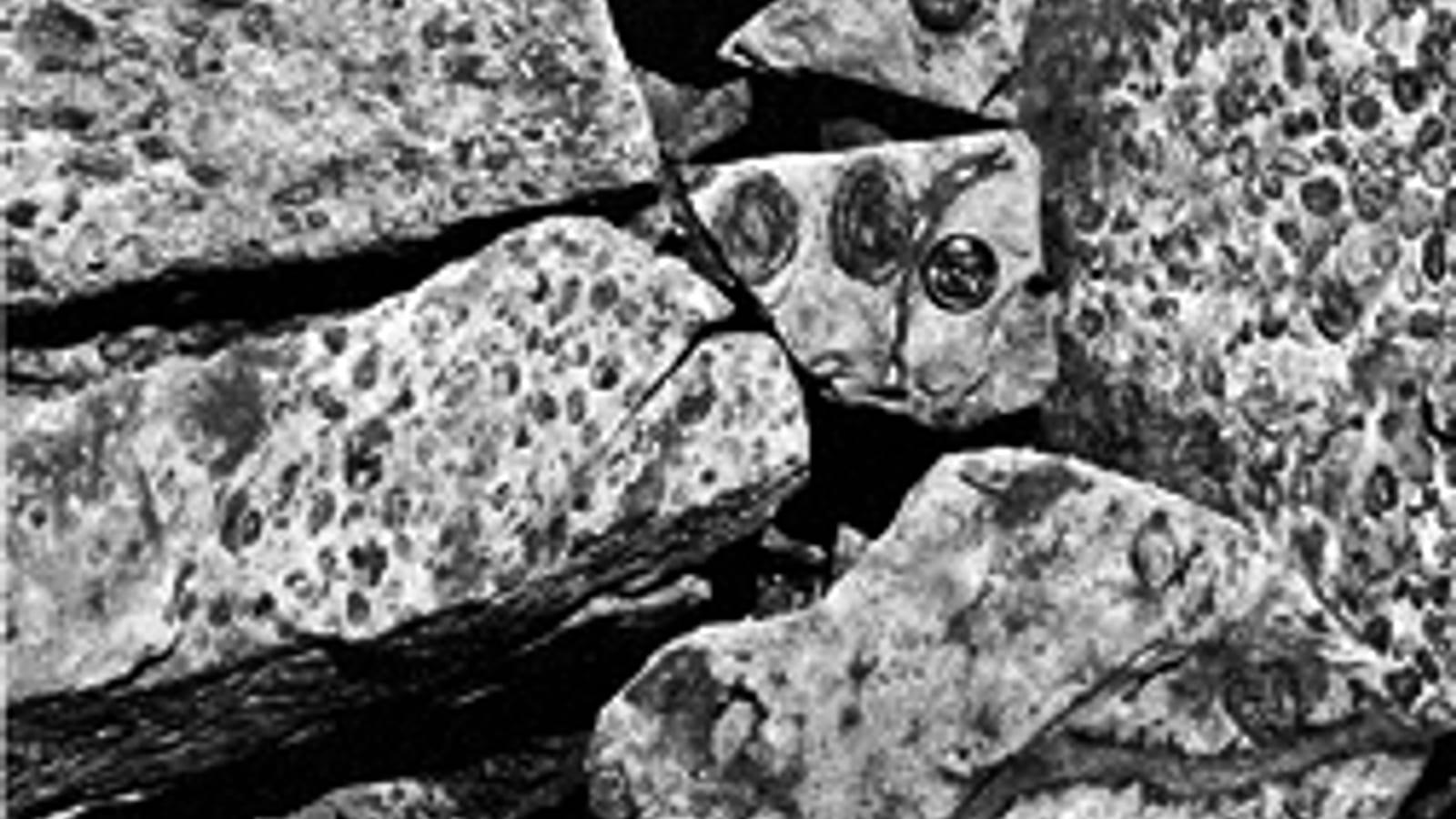
Mazourka Canyon Fossil Hunting Guide
Inyo County, California, United States
Trilobites, Brachiopods, Corals, Gastropods
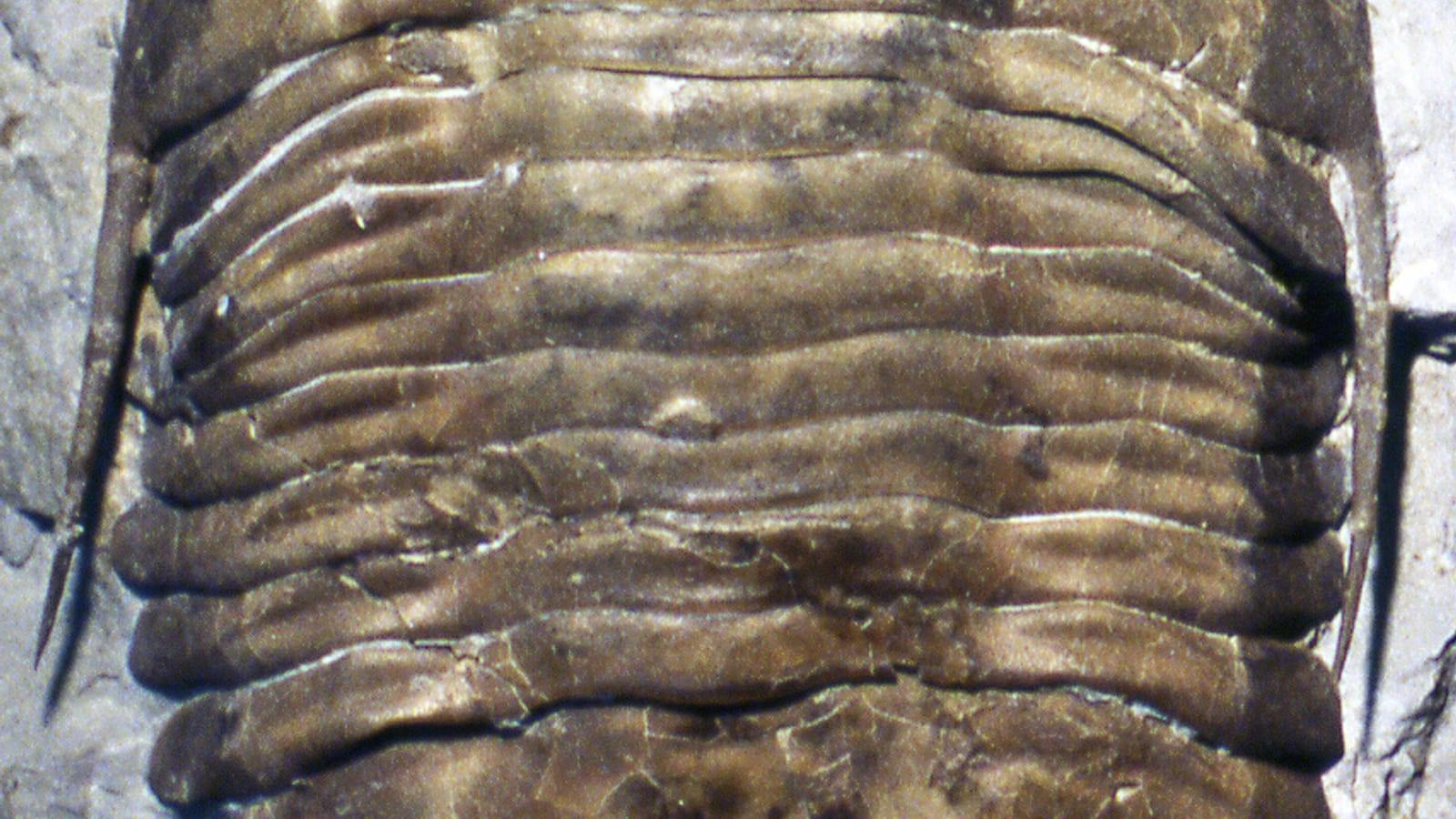
Merzouga Desert Phacops Collecting Area Fossil Hunting Guide
Morocco
Phacops trilobites, Merzouga Desert Phacops Collecting Area, Phacops, Enrolled trilobites
Mineral Wells Fossil Park Fossil Hunting Guide
Texas, United States
Crinoids, Echinoids, Brachiopods, Bivalves
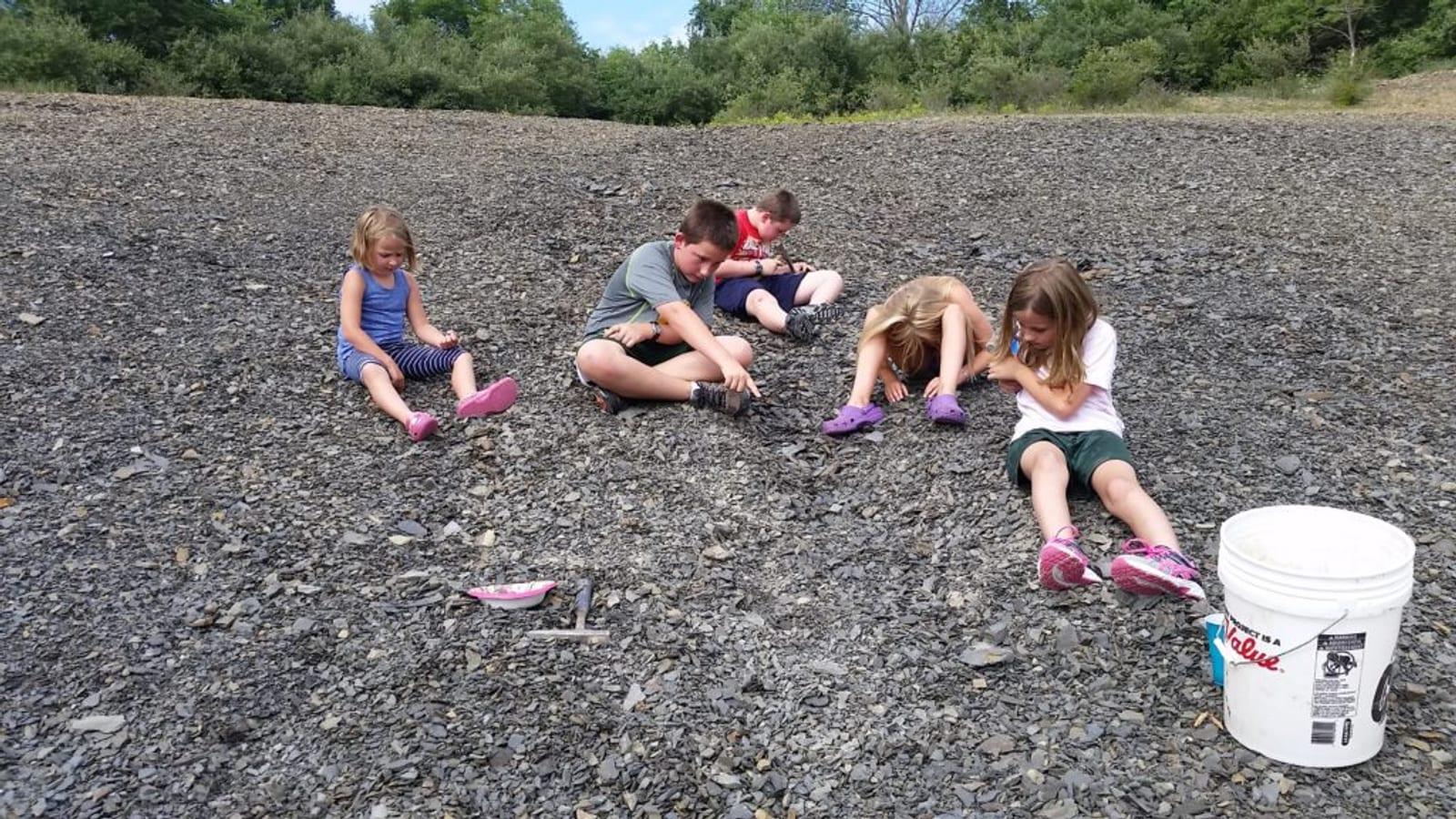
Montour Preserve Fossil Pit Fossil Hunting Guide
Pennsylvania, United States
Bivalves, Brachiopods, Trilobites, Corals
Ouzina Ordovician Graptolite Locality Fossil Hunting Guide
Morocco
graptolite fossils, Graptolites, Trilobites, Brachiopods
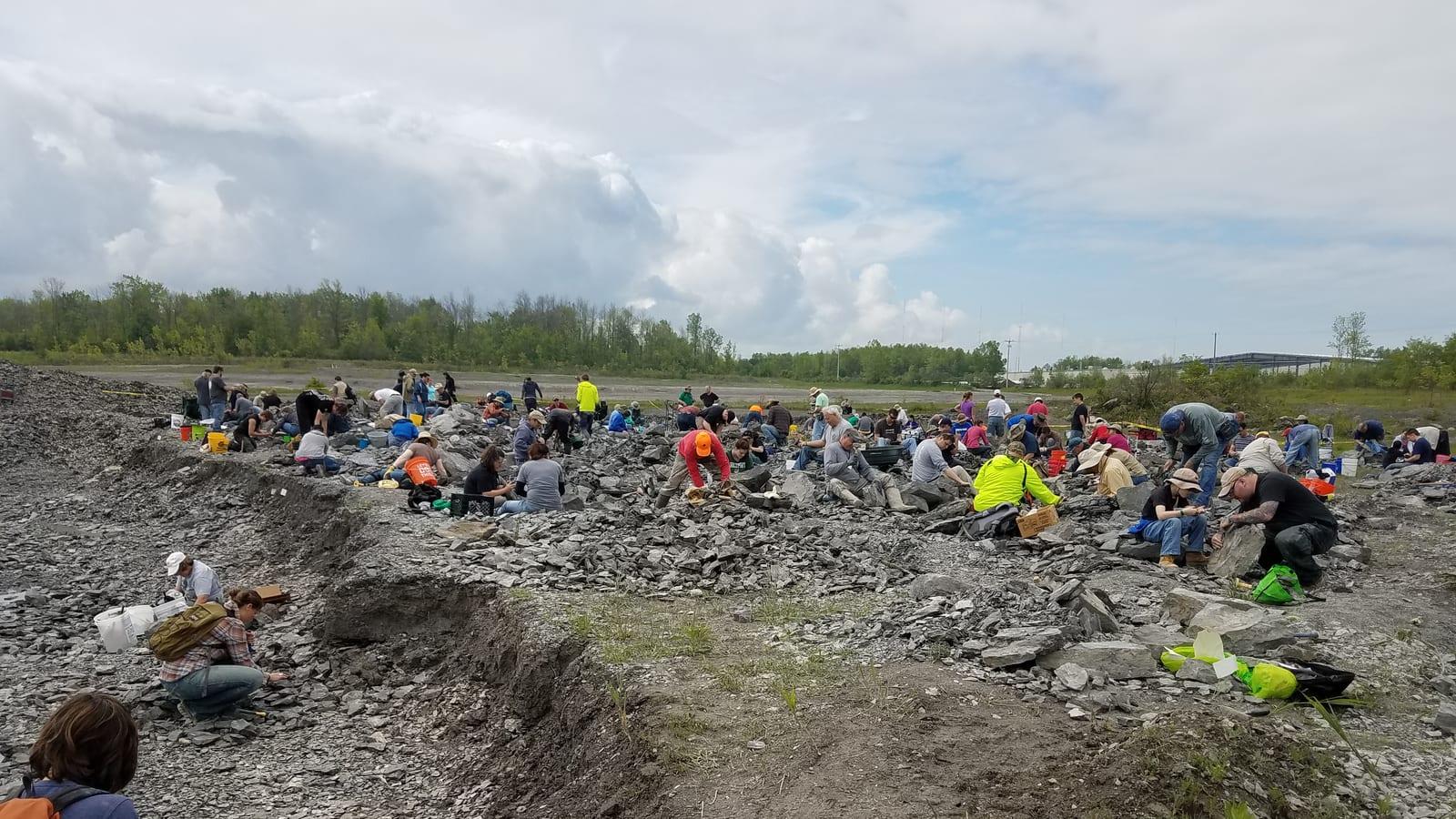
Penn Dixie Fossil Park & Nature Reserve Fossil Hunting Guide
New York, United States
Trilobites, Brachiopods, Crinoids, Bryozoans
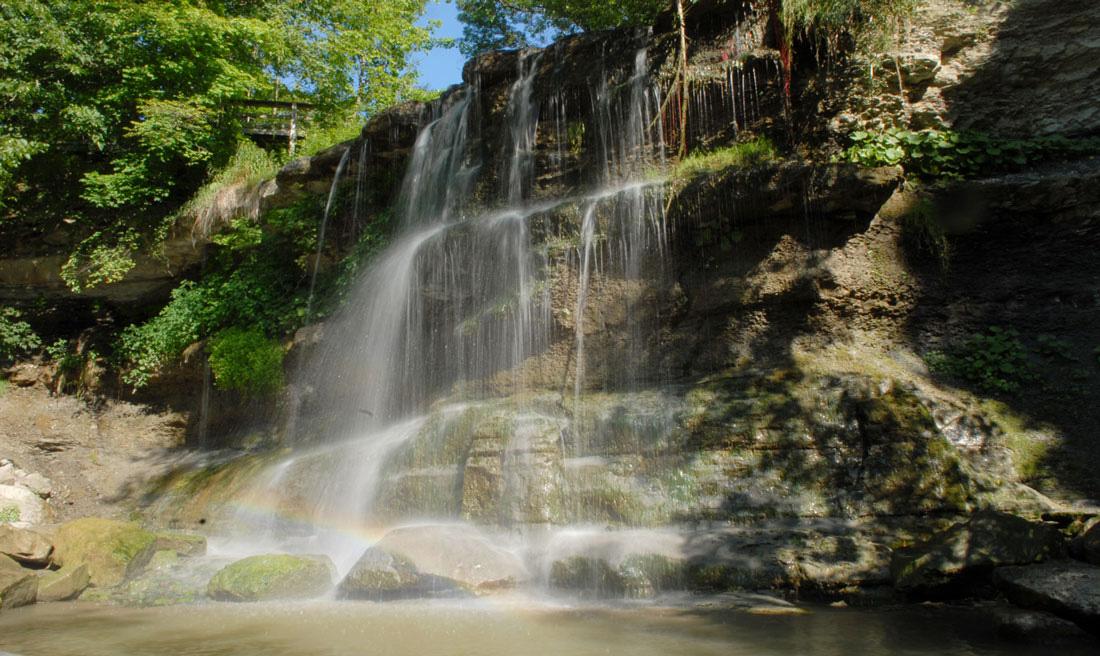
Rock Glen Conservation Area Fossil Guide
Ontario, Canada
Brachiopods, Horn corals, Crinoids, Phacops trilobites
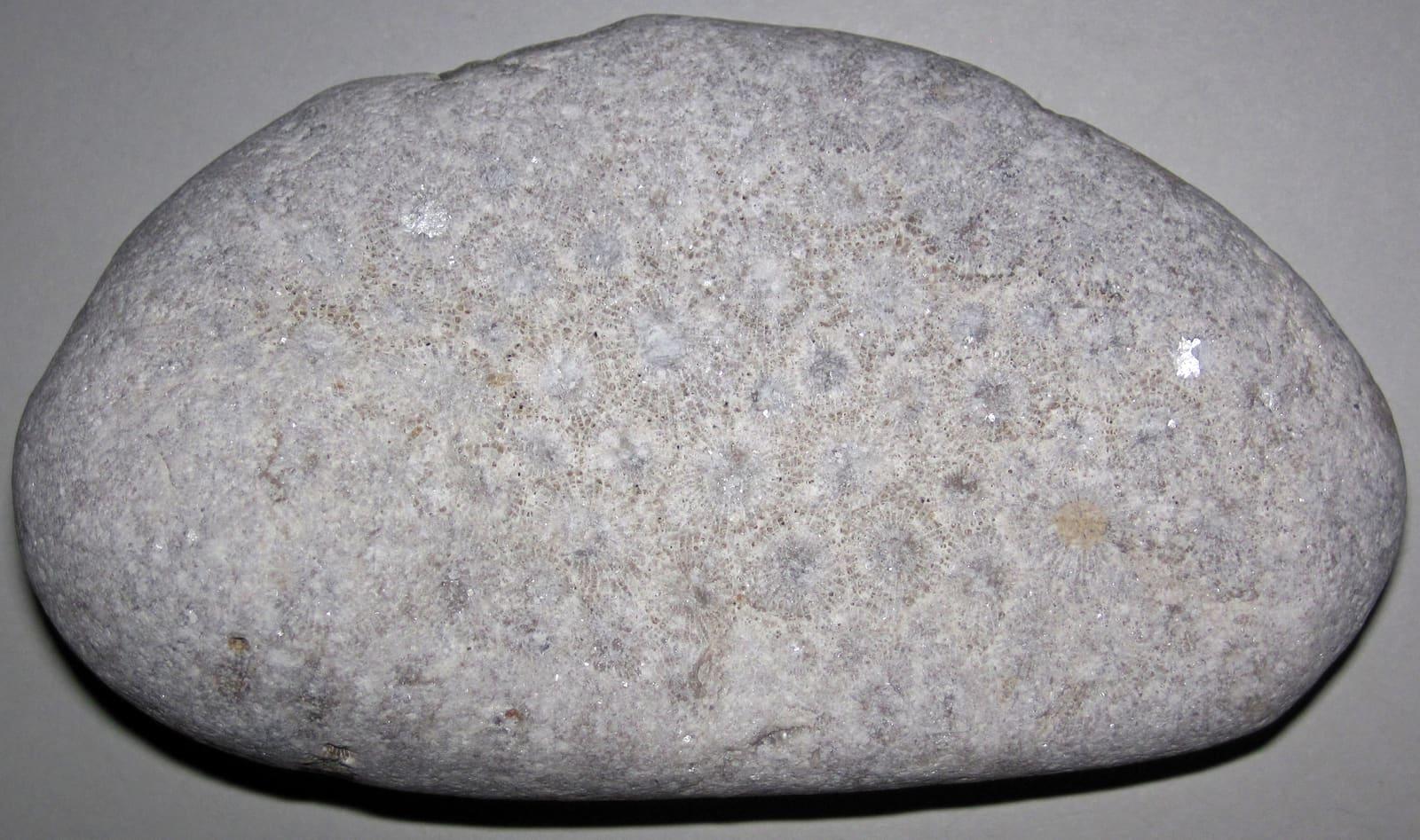
Rockport State Recreation Area Fossil Guide
Michigan, United States
Corals, Brachiopods, Crinoids, Bryozoans
St. Leon Roadcut Fossil Hunting Guide
Indiana, United States
Brachiopods, Bryozoans, Crinoids, Horn corals
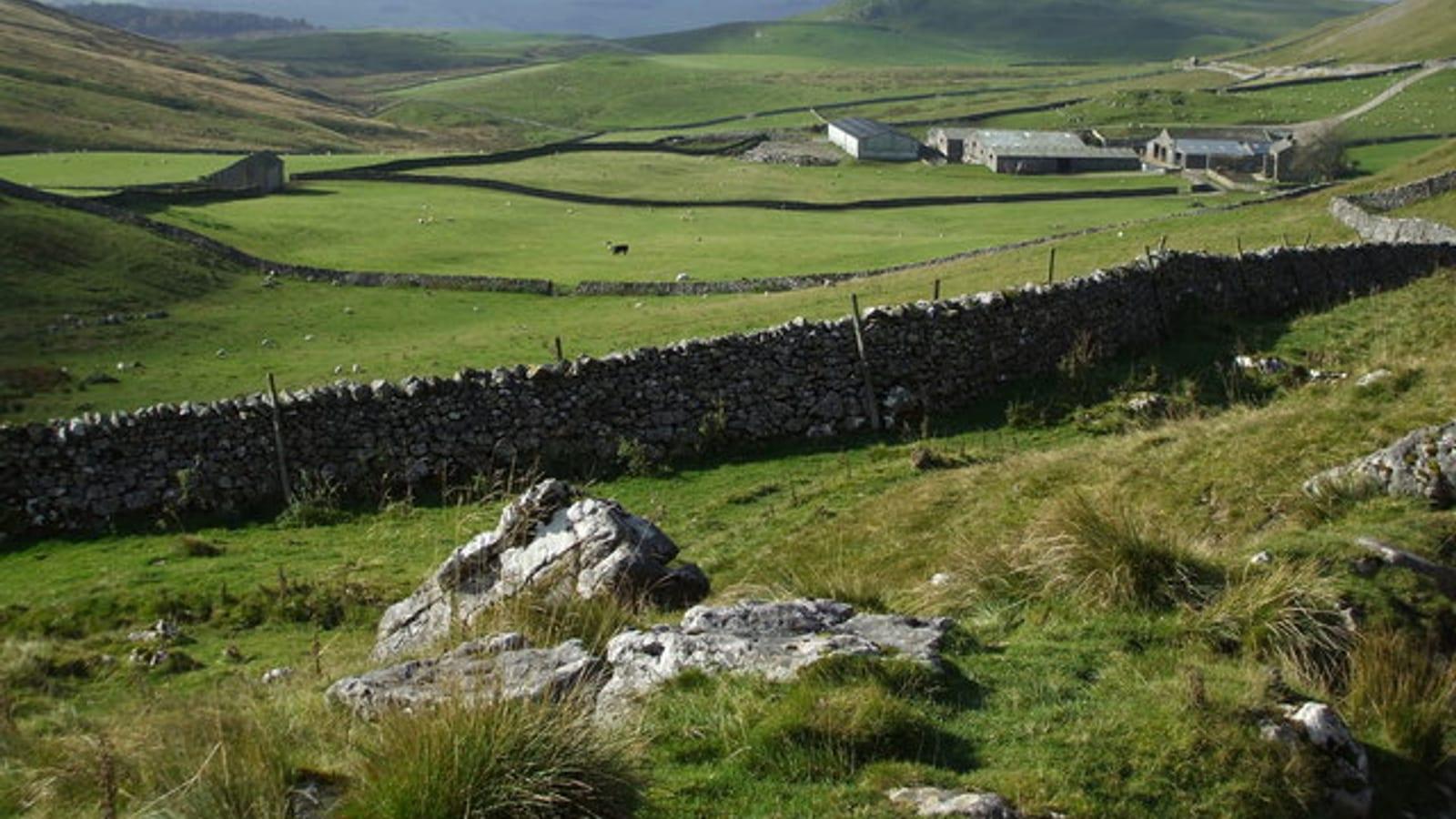
Stockdale Silurian Yorkshire Dales Fossil Hunting Guide
United Kingdom
Graptolites, Brachiopods, Trilobites, Crinoid columnals
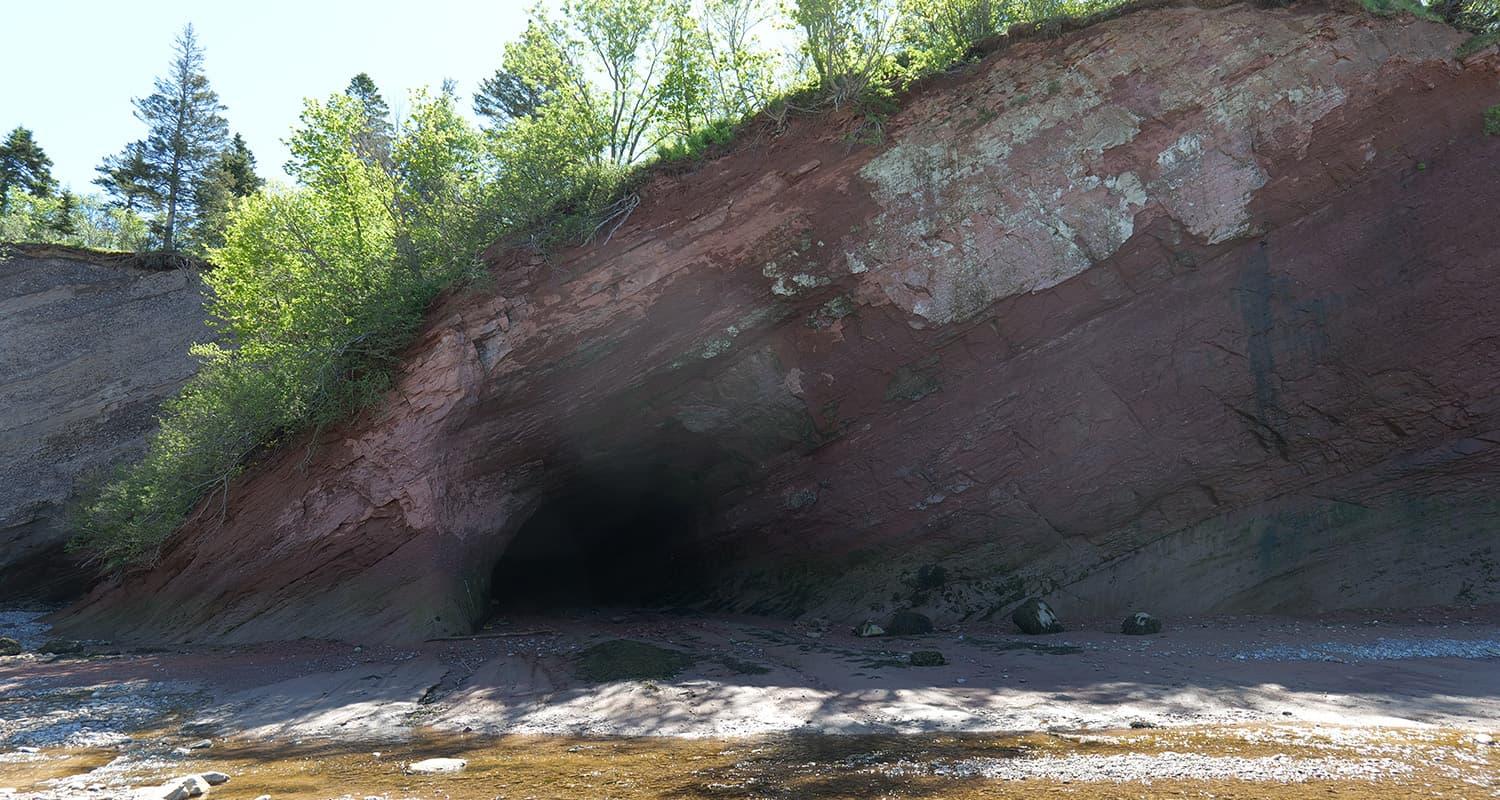
Stonehammer UNESCO Global Geopark Fossil Hunting Guide
New Brunswick, Canada
Paradoxides regina (trilobite), Carboniferous tetrapod trackways, Precambrian stromatolites, Silurian eurypterids
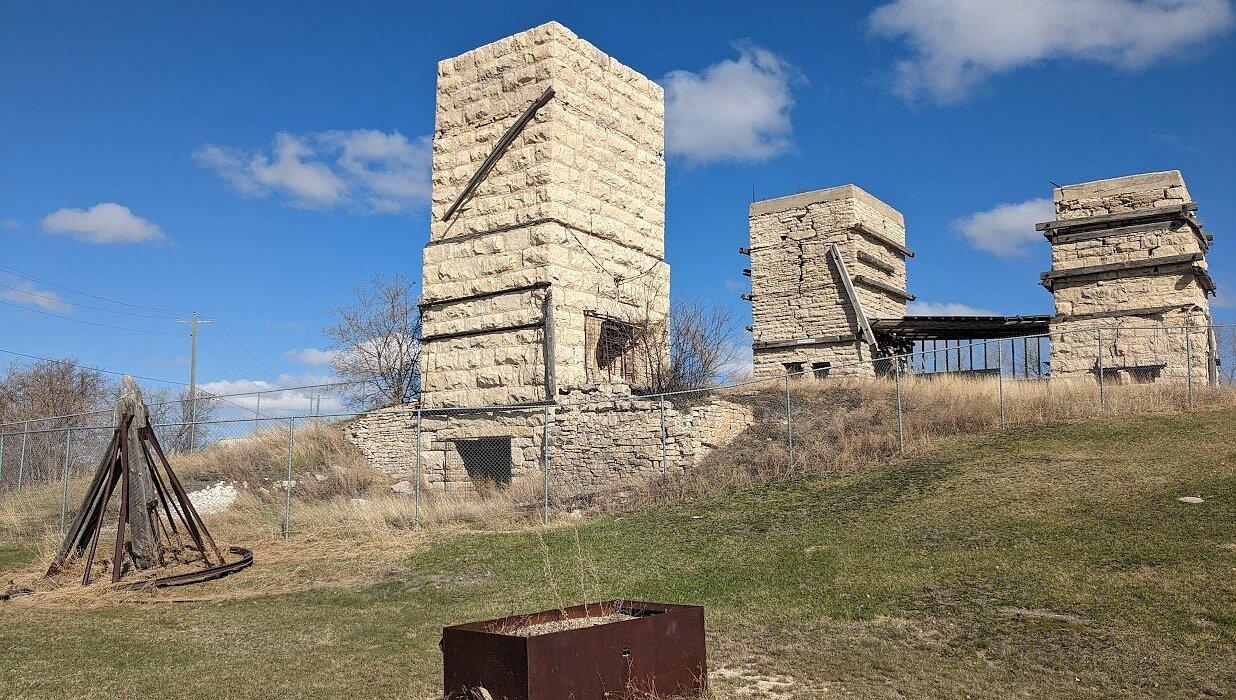
Stonewall Quarry Park Manitoba Fossil Hunting Guide
Manitoba, Canada
Cephalopods, Brachiopods, Trilobites, Crinoids
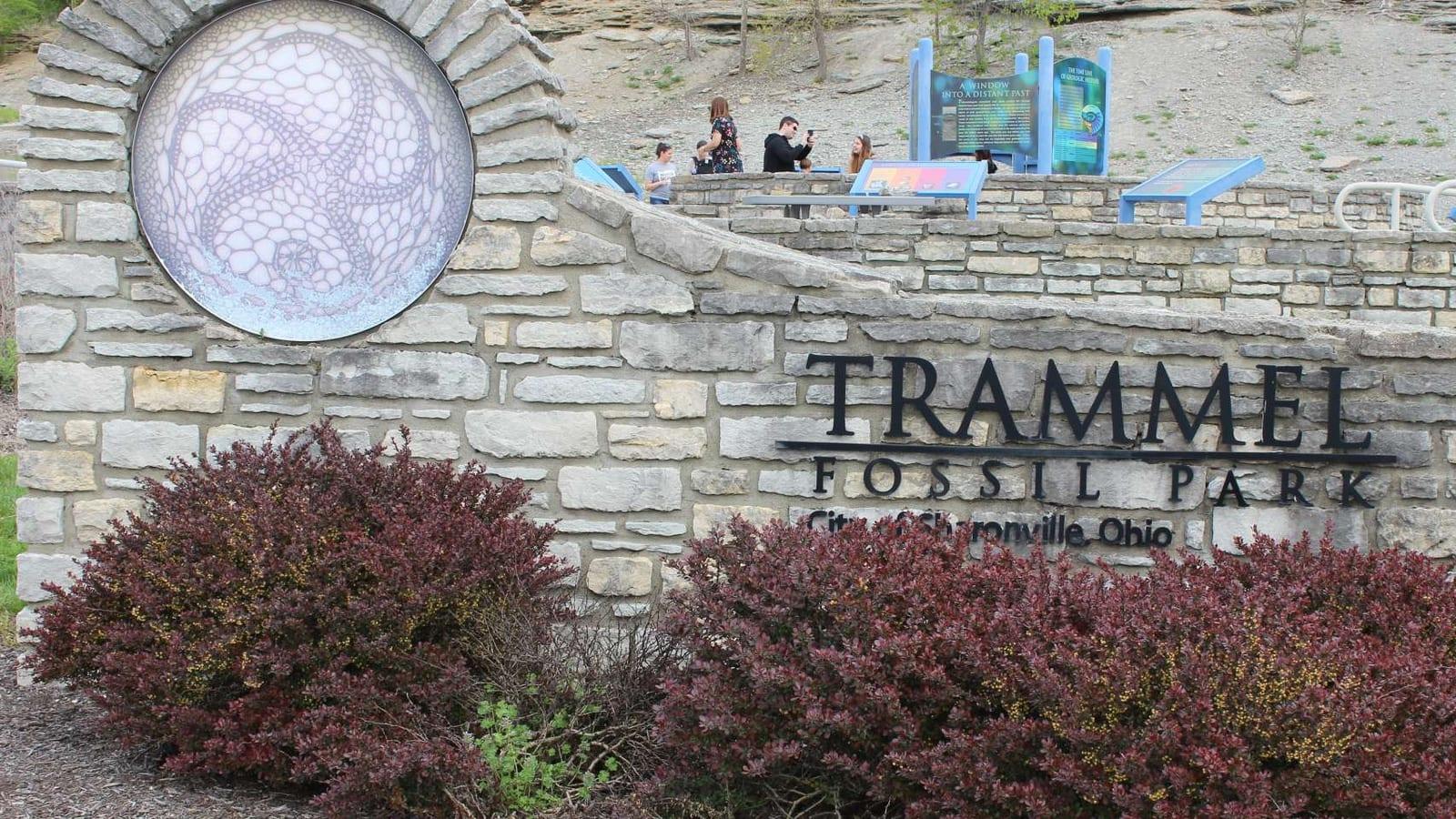
Trammel Fossil Park Fossil Hunting Guide
Ohio, United States
Trilobites, Brachiopods, Crinoids, Corals
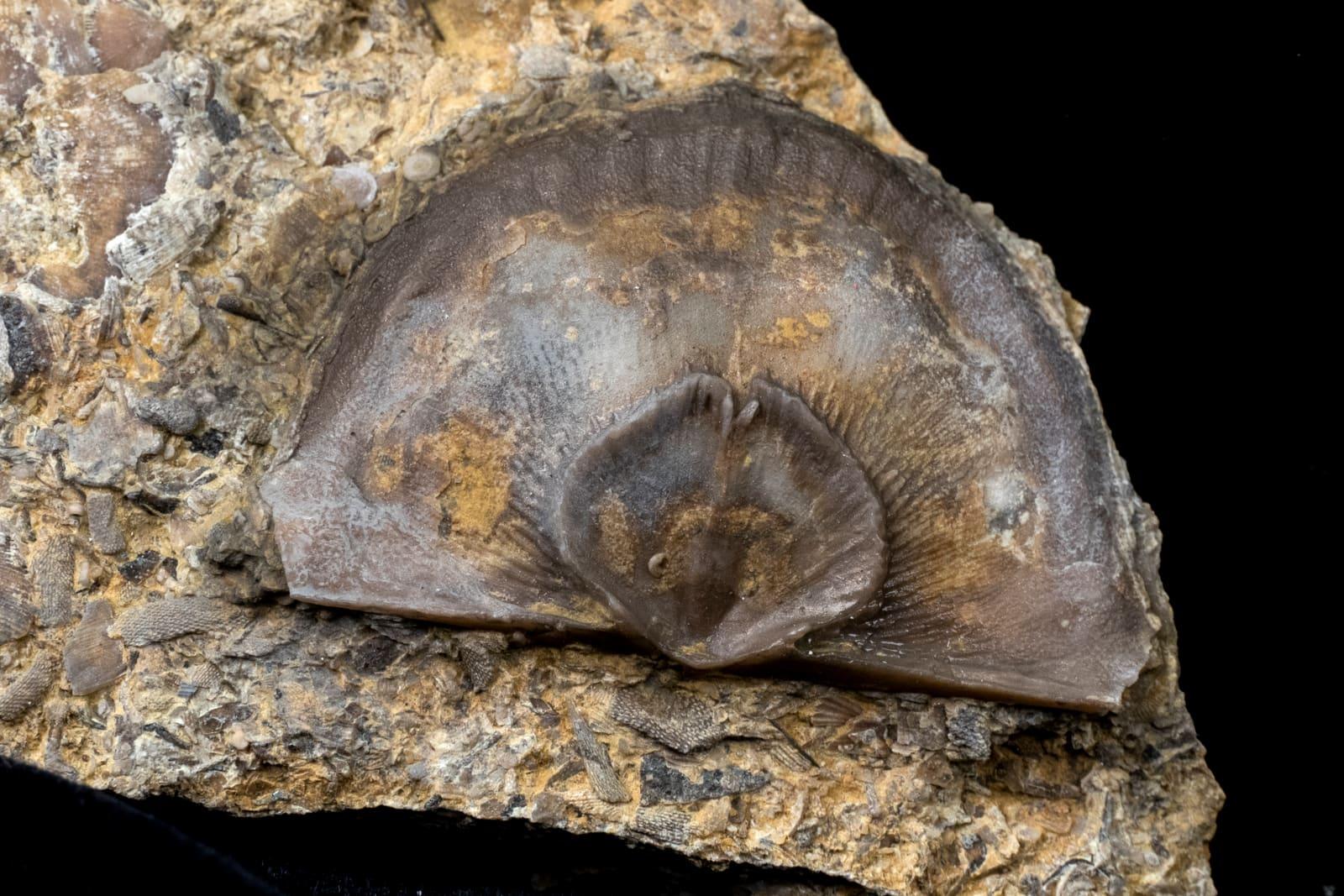
Twin Cities Decorah Shale Trilobite Sites Fossil Guide
Minnesota, United States
Trilobites, Brachiopods, Bryozoans, Crinoids
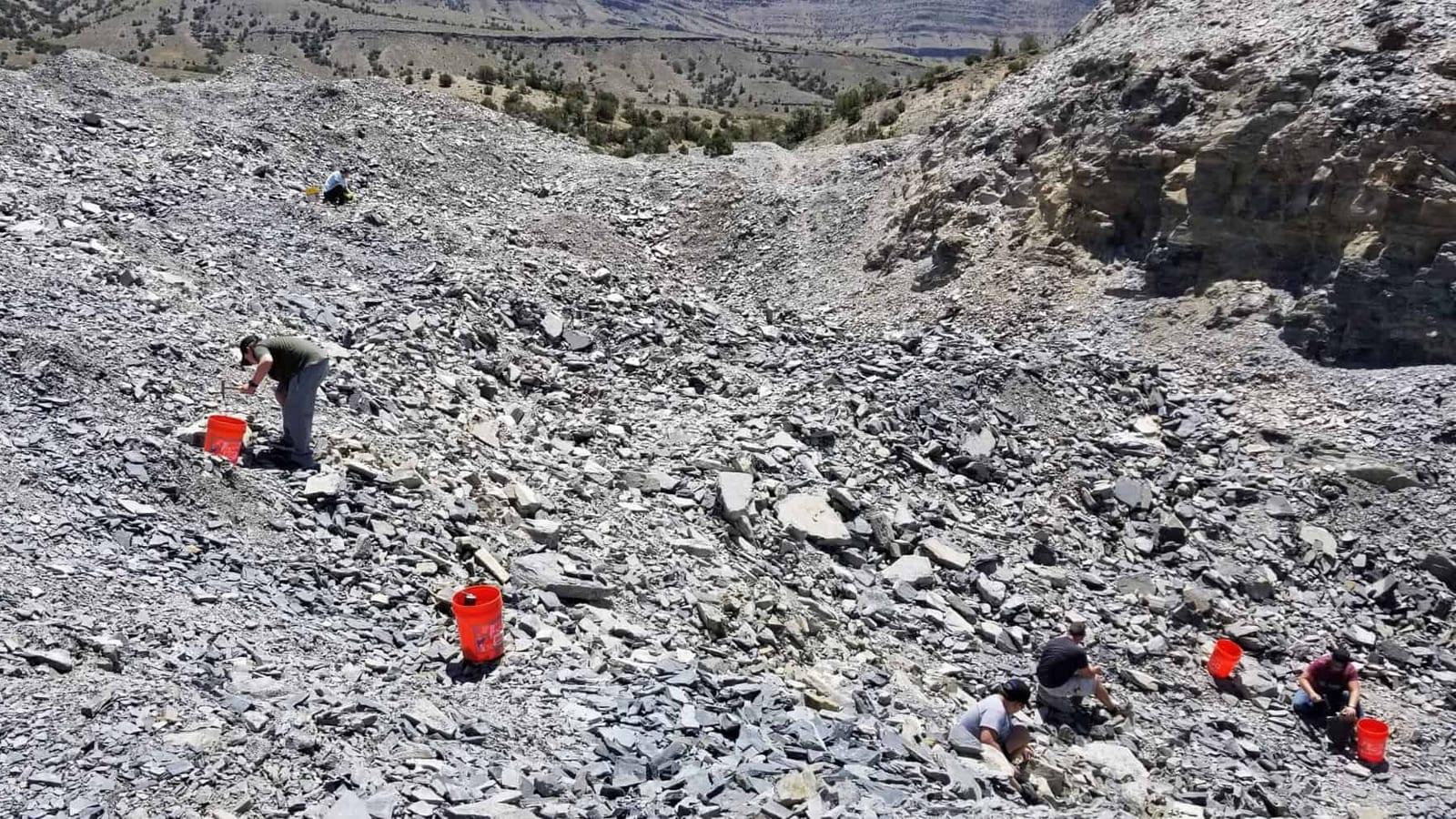
U-Dig Fossils Fossil Hunting Guide
Utah, United States
Trilobites, Brachiopods
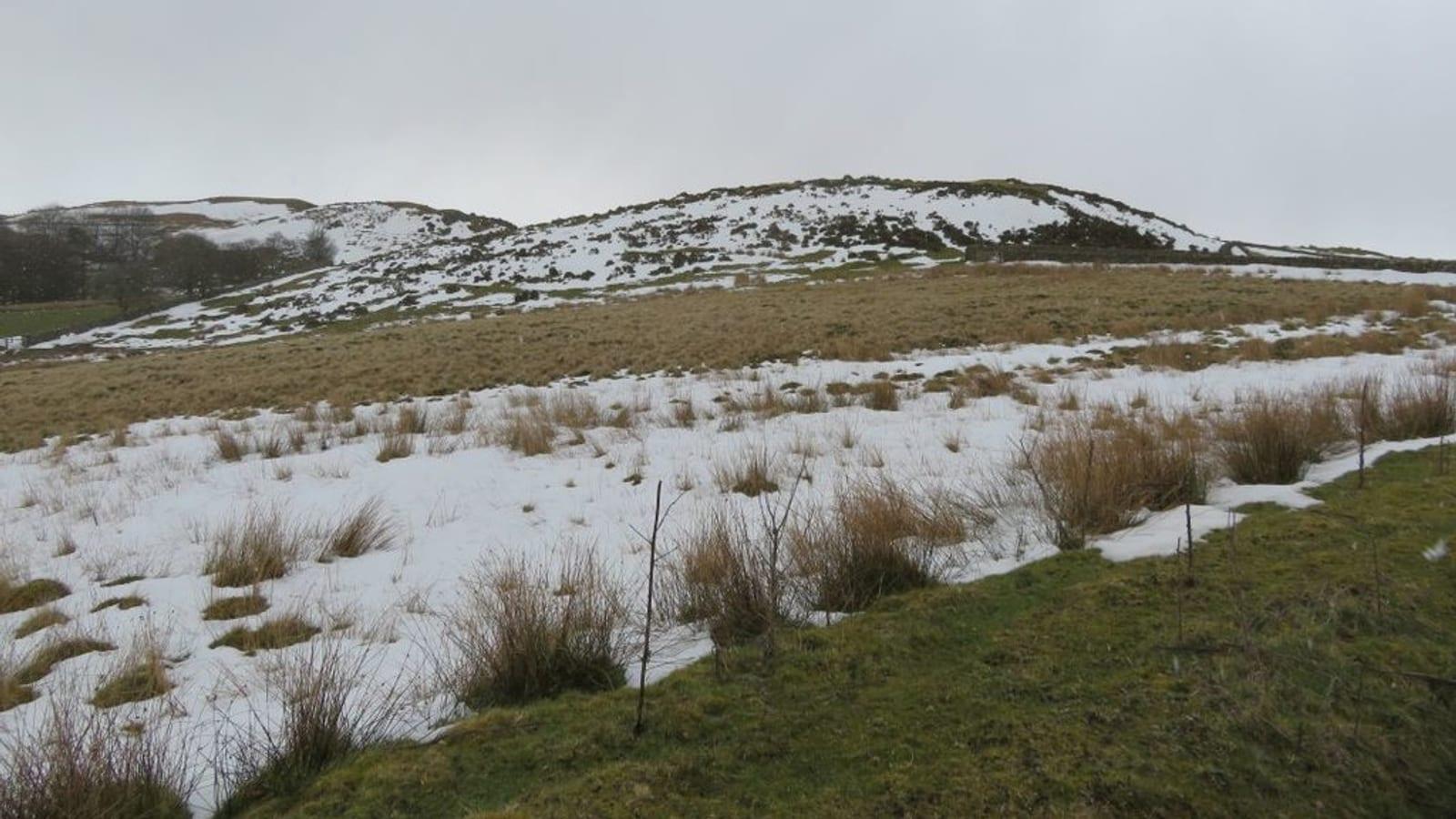
Upper Gilwern Hill Wales Fossil Hunting Guide
United Kingdom
Brachiopods, Solitary corals, Crinoid columnals, Bryozoans
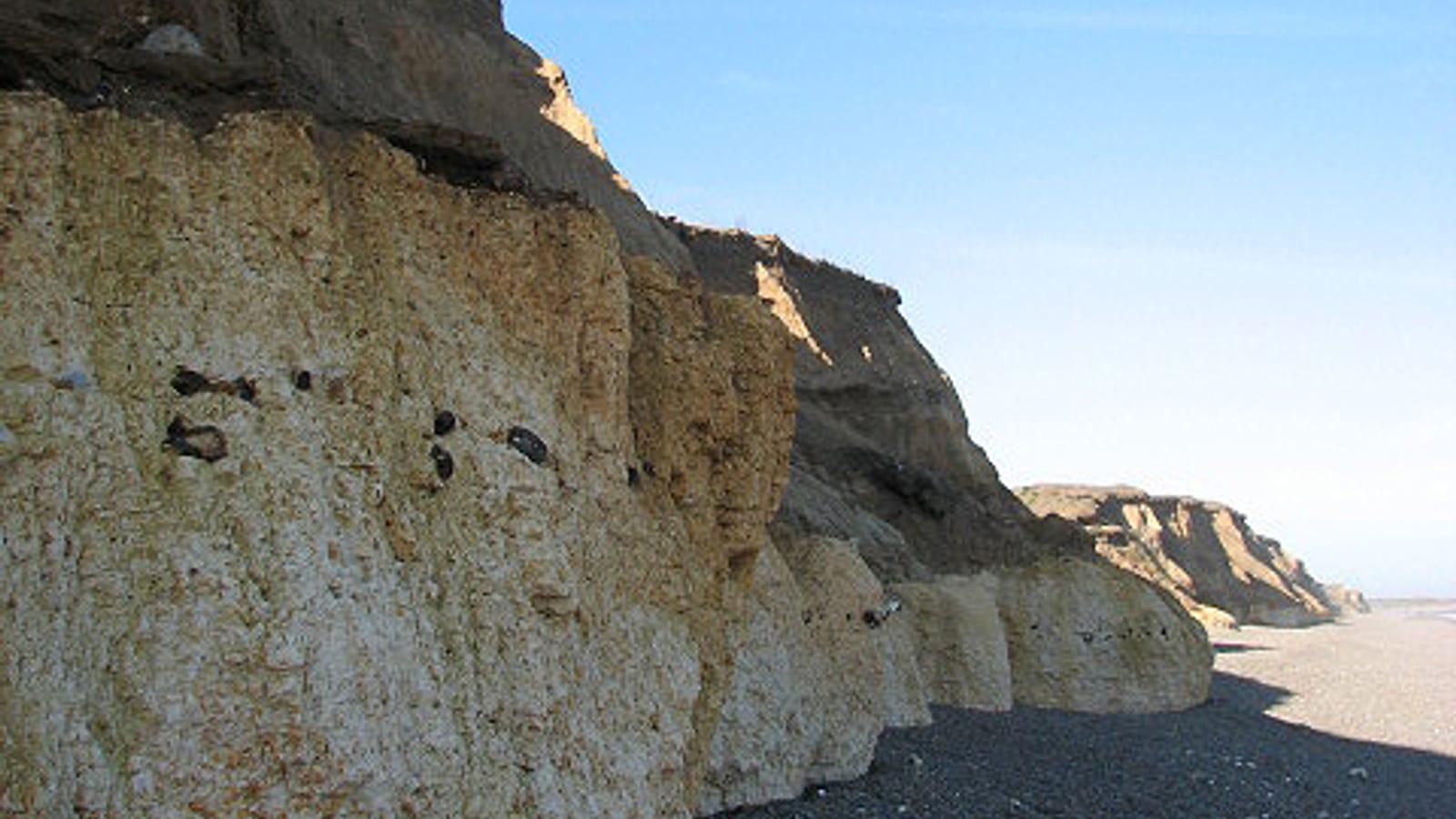
Vinnels Fossil Hunting Guide
England, United Kingdom
Brachiopods, Trilobites, Crinoids, Corals
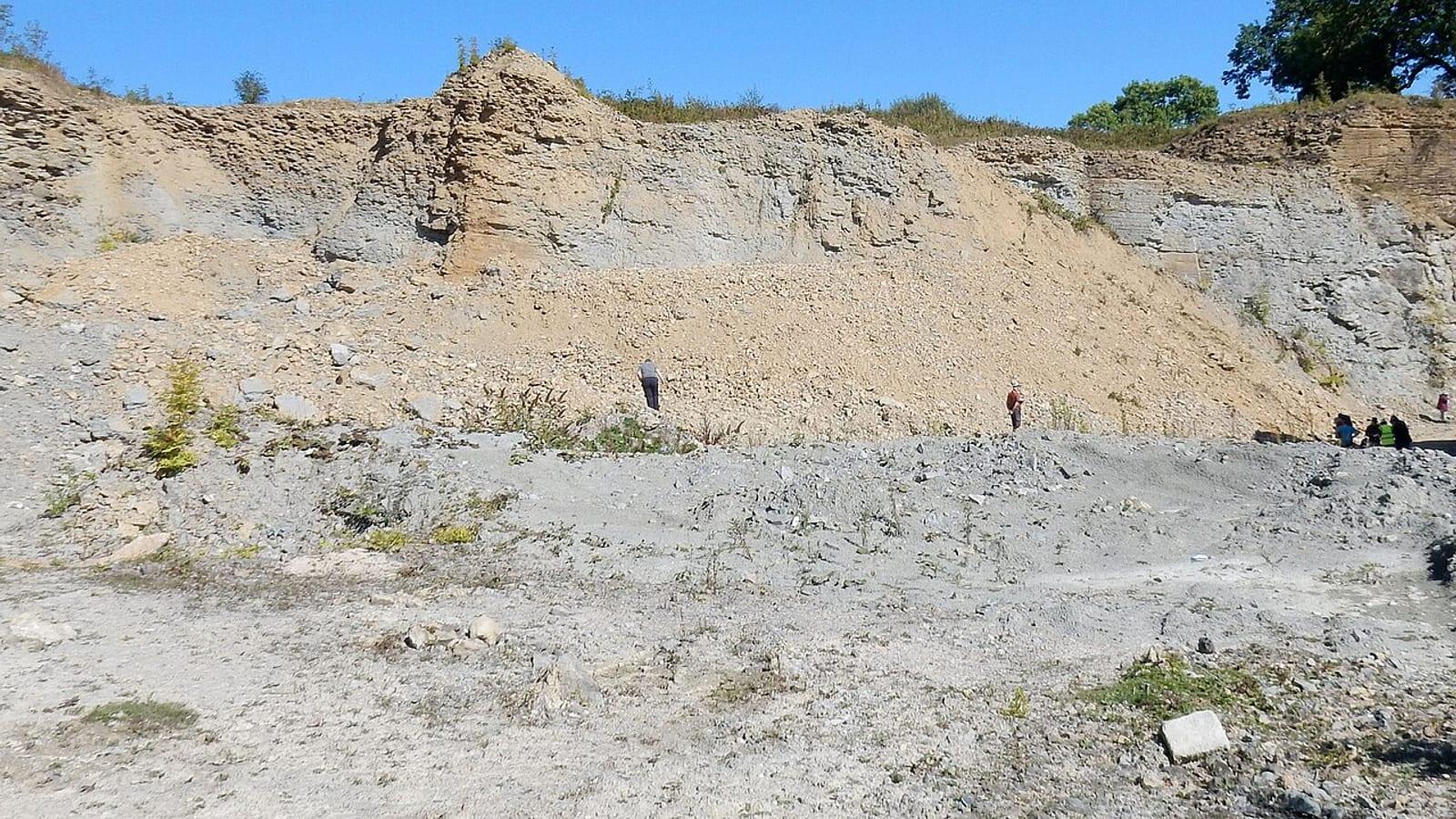
Wenlock Quarry Much Wenlock Shropshire Fossil Hunting Guide
United Kingdom
Corals, Brachiopods, Crinoids, Trilobites
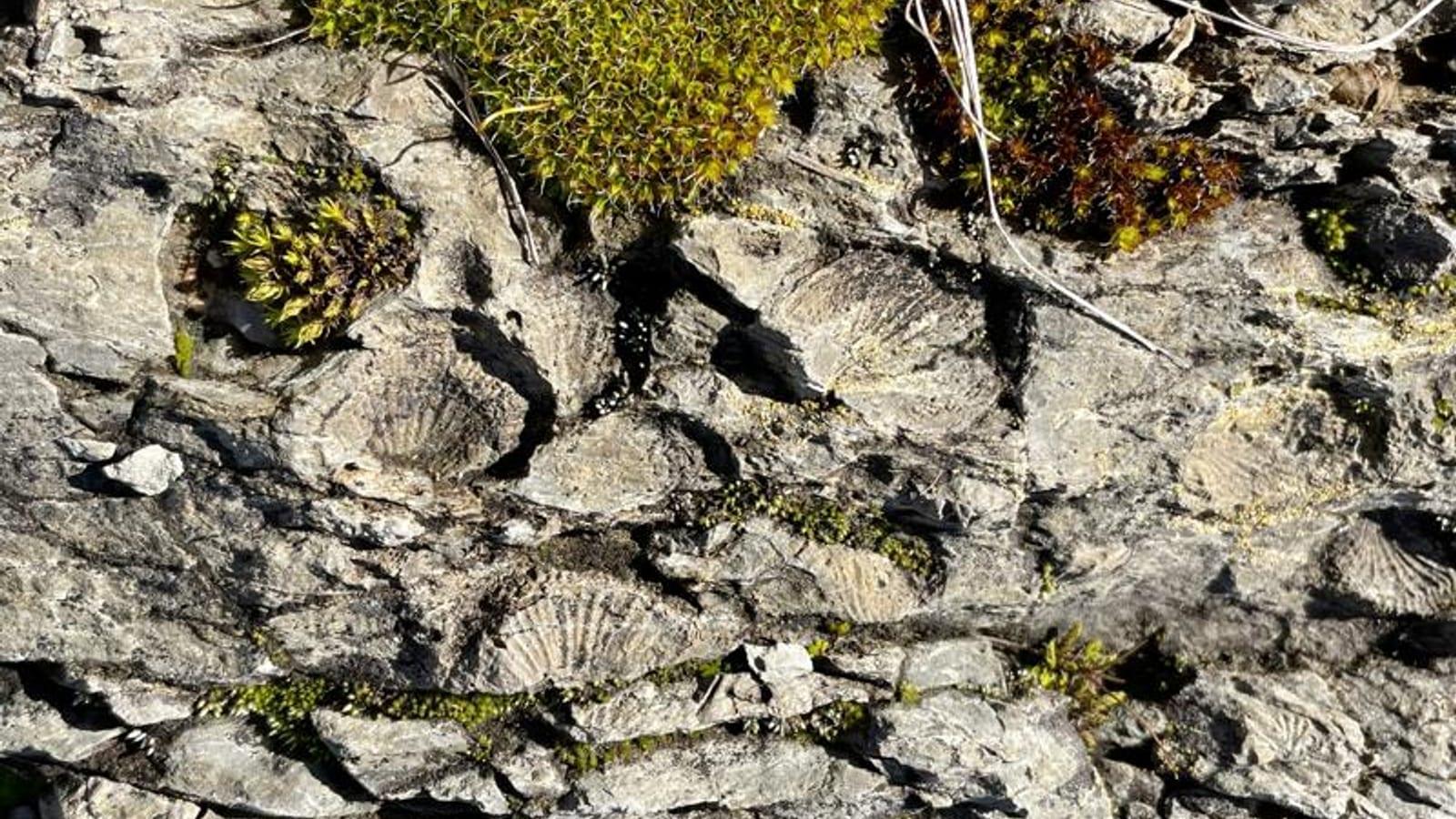
Woolshed Creek Fossil Hunting Guide
Australian Capital Territory, Australia
Brachiopods, Trilobites, Corals, Bryozoans
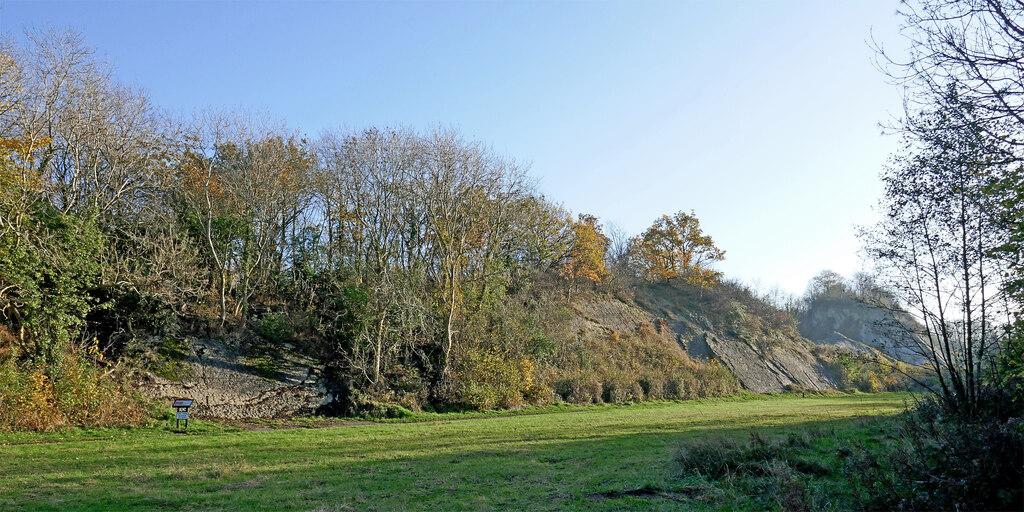
Wren's Nest National Nature Reserve Fossil Guide
England, United Kingdom
Trilobites, Calymene (Dudley Bug), Brachiopods, Crinoids
Frequently asked questions
- Where can I find trilobites?
- The best accessible trilobite sites vary by continent. In the US, U-Dig Fossils in Millard County, Utah works the Middle Cambrian Wheeler Shale (approximately 507 Ma), where Elrathia kingi is the most common species and complete specimens are yours to keep. Penn Dixie Fossil Park in Hamburg, New York exposes Devonian Hamilton Group shales with Phacops rana and Eldredgeops, alongside brachiopods. Caesar Creek State Park in Ohio produces Ordovician trilobites from the Army Corps spillway section at no cost. In the UK, Wren's Nest Hill in Dudley (Silurian, SSSI) produces Calymene blumenbachii, the Dudley Bug made famous by the local fossil trade. Morocco's Devonian quarries near Erfoud and Rissani produce spectacular, if often restored, Phacops, Drotops, and Hollardops specimens from commercial quarry access.
- How do I identify a trilobite?
- Trilobites have a three-lobed body plan that gives them their name: a raised central axial lobe runs from head to tail, flanked by pleural lobes on either side. Front to back, the body divides into three sections: the cephalon (head shield), the thorax (flexible segmented middle section), and the pygidium (tail plate). Eyes, when preserved, appear as kidney-shaped or crescent-shaped structures of closely packed facets near the front of the cephalon. Most field finds are isolated parts rather than complete animals, as the exoskeleton disarticulates quickly after death. Enrolled specimens, where the animal curled into a ball like a woodlouse, are a distinctive find. The exoskeleton surface is smooth and faceted with clear bilateral symmetry, unlike the irregular texture of most pebbles.
- What geological period are trilobites from?
- Trilobites existed from the Cambrian through the Permian, roughly 521 to 252 million years ago, a span of approximately 270 million years. They first appeared in the Early Cambrian as part of the Cambrian Explosion and reached peak diversity during the Ordovician and Devonian. Over 22,000 described species are known, making trilobites one of the most successful animal groups in the fossil record. The entire group went extinct in the end-Permian mass extinction, the largest extinction event in Earth's history, which eliminated an estimated 90 to 96 percent of all marine species. Because different trilobite species have short, well-documented stratigraphic ranges, they are widely used as index fossils for dating Paleozoic rocks, a method called biostratigraphy.