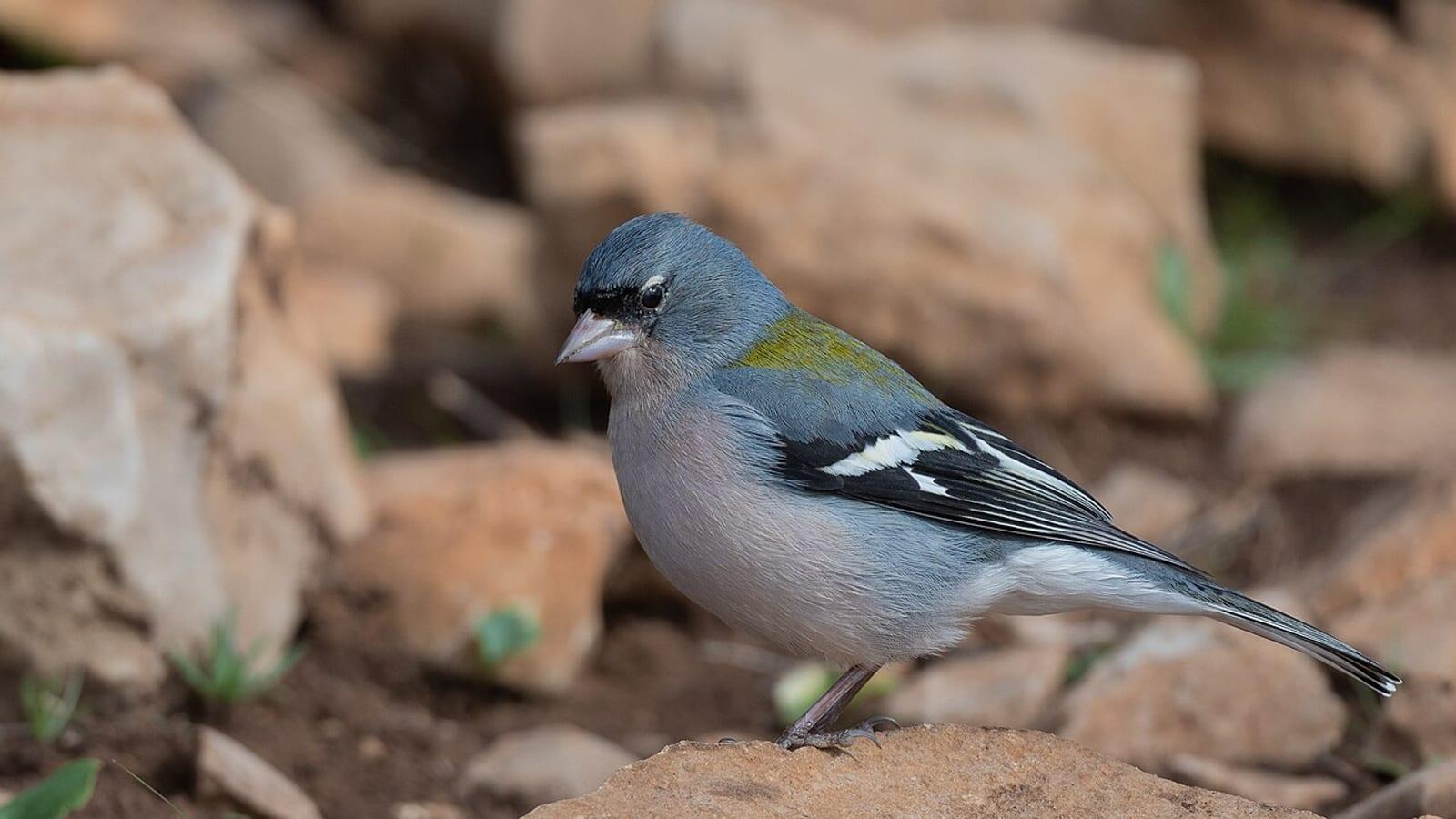
Jbel el Mrakib Devonian Reef Site Rissani Fossil Hunting Guide
Image: gailhampshire (CC BY 2.0)
Examine Devonian reef corals, stromatoporoids, and brachiopods at Jbel El Mrakib near Rissani, Morocco, a 375-million-year-old reef exposed in the desert.
By Edward Chen · Updated 30 July 2026
Introduction
Jbel El Mrakib rises above the gravel plains south of Rissani as a ridge of dark grey limestone that could easily be mistaken for ordinary desert rock. Look more closely and the limestone reveals itself as a Devonian reef, a biologically constructed structure built by corals, stromatoporoids, and other reef-building organisms approximately 385 to 375 million years ago. The Jbel El Mrakib Devonian Reef Site is one of several Devonian limestone outcrops in the Rissani area that expose exceptional reef-associated fossil assemblages, including colonial and solitary corals, stromatoporoid sponges, and brachiopods. Visiting here gives you direct contact with one of the oldest large-scale reef ecosystems preserved anywhere in Morocco.
This guide covers the geology and fossil assemblage of the site, how to travel to Rissani and then on to the outcrop, what collecting involves, and the practical information you need for a successful visit.
Location and Getting There
Location
Jbel El Mrakib is located in the Draa-Tafilalet region of southeastern Morocco, southeast of Rissani. Rissani is the main access town, situated approximately 22 kilometres southeast of Erfoud and roughly 100 kilometres south of Errachidia on the N13 national road. The limestone outcrops at Jbel El Mrakib occur in the desert terrain beyond the edge of the Tafilalet palm oasis, where Paleozoic rocks push through the Mesozoic cover. The approximate GPS coordinates for the Jbel El Mrakib area are 31.25°N, 4.15°W. Exact productive zones require local knowledge to locate efficiently.
Getting There
From Rissani, local fossil guides are the most effective way to reach Jbel El Mrakib. The outcrops are approximately 15 to 25 kilometres from Rissani, accessible by unpaved piste. A 4WD vehicle is recommended, though the route is generally passable in a high-clearance 2WD vehicle during dry conditions. Driving time from Rissani is approximately 30 to 50 minutes. Guides based in Rissani know the current productive areas and which beds are actively yielding material. Contact guides through the Rissani fossil souk, through guesthouses, or through Erfoud-based tour operators who specialise in fossil excursions.
What Fossils You'll Find
Coral reef fossils dominate the assemblage at Jbel El Mrakib. Colonial tabulate corals such as Favosites (honeycomb coral) appear as geometric masses of small hexagonal cells visible in cross-section on weathered limestone surfaces. Rugose corals, both solitary horn corals and colonial forms, are common in the same beds. Well-preserved rugose coral specimens show the characteristic radial septa inside the corallite. These corals are original reef-builders, not transported specimens. At this site you are often looking directly at reef framework that has been exposed by erosion.
Stromatoporoids are another major component of the Devonian reef. These sponge-like organisms built large, layered carbonate masses that provided the structural foundation for Devonian reefs. In weathered outcrop they appear as laminated or bulbous limestone masses, distinct from coral by their lack of individual corallites. Their internal structure, visible in broken pieces, shows fine concentric laminae, called latilaminae, and vertical pillars.
Brachiopods are abundant in the reef-associated lime mud and debris zones flanking the main reef framework. Spiriferid brachiopods are particularly well represented. Their distinctive wing-like outline makes them one of the easier fossils to recognise in the field. Atrypid brachiopods also occur here. Many specimens are found as moulds in the matrix rather than as preserved shell material.
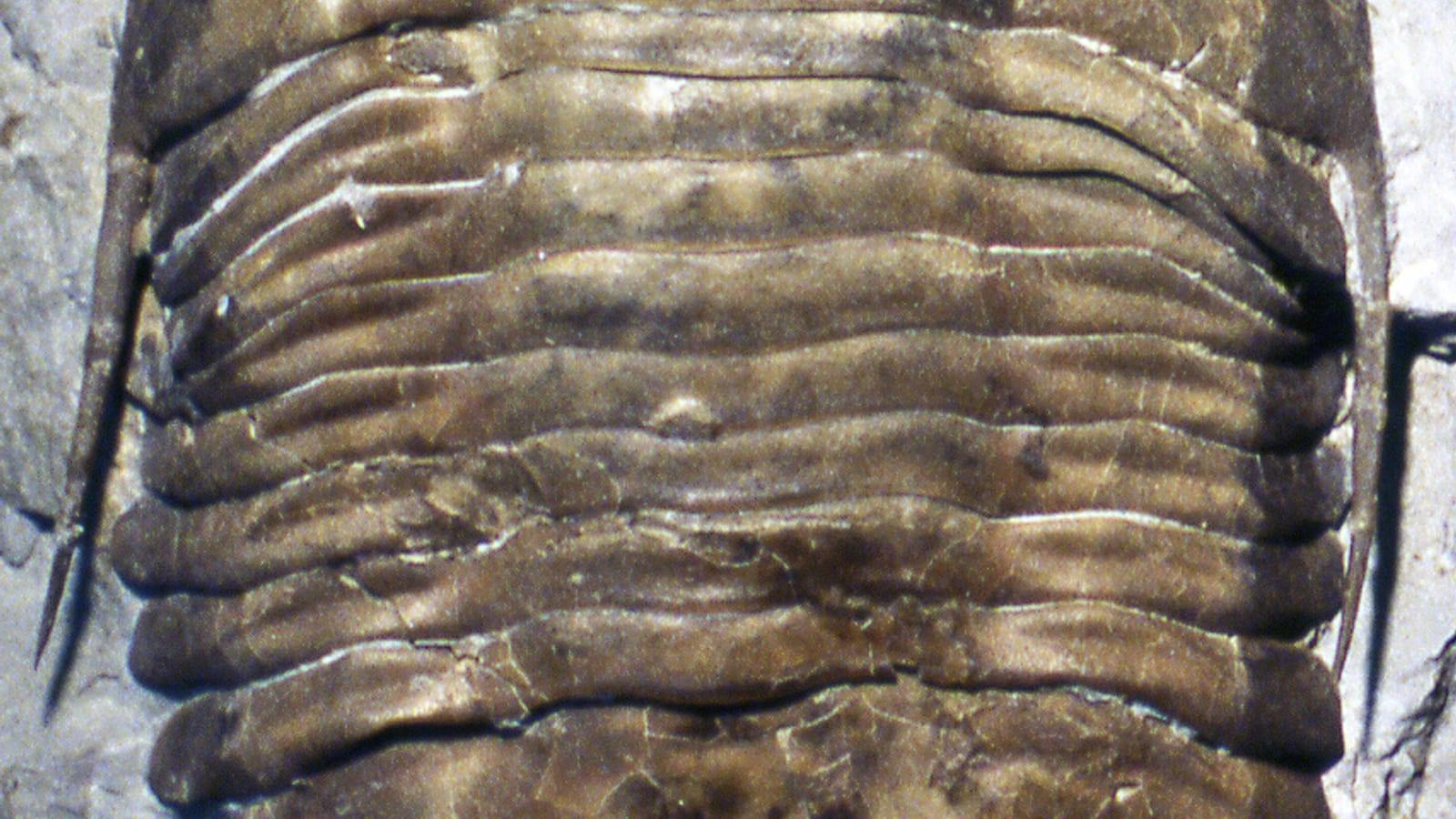
Occasional crinoid stem fragments and trilobite pygidium fragments occur in the inter-reef sediments, though complete trilobites are rare at this locality compared to other Devonian sites in the region.
Geologic History
The Ancient Environment
The fossil assemblage at Jbel El Mrakib belongs to the Devonian period, most likely the Givetian and Frasnian stages, spanning the end of the Middle Devonian and the start of the Late Devonian, approximately 385 to 375 million years ago. During this time, what is now Morocco lay near the southern margin of the ancient supercontinent Gondwana, in tropical to subtropical latitudes close to the palaeoequator. The region was covered by a warm, shallow epicontinental sea, part of the broad Rheic Ocean that separated Gondwana from the northern continents of Laurussia.
Devonian reefs were among the most biologically diverse marine ecosystems of the Paleozoic era. The reef at Jbel El Mrakib was built primarily by stromatoporoids and tabulate corals working in conjunction, the same partnership that characterised major Devonian reef systems worldwide. The surrounding seafloor hosted dense brachiopod communities and crinoid gardens. Water clarity and chemistry were suitable for carbonate production, and the buildup of reef material created complex three-dimensional habitat structures that supported high biodiversity.
The Devonian reef-building episode ended abruptly near the end of the Frasnian stage in one of the most severe extinction events of the Paleozoic, the Frasnian-Famennian extinction. Stromatoporoids and tabulate corals never fully recovered. Devonian-style reefs were replaced by very different carbonate systems in subsequent periods. The Jbel El Mrakib locality thus preserves a reef type that no longer exists on Earth.
How Jbel El Mrakib Became a Fossil Site
The Devonian limestone at Jbel El Mrakib was buried under later Carboniferous, Mesozoic, and Cenozoic sediments, then progressively exposed by uplift and erosion. The Anti-Atlas inversion, a tectonic event that brought Paleozoic basement rocks to the surface across southern Morocco, positioned these ancient reef limestones at or near the surface over a broad area. Subsequent arid erosion, particularly over the last five million years as the Sahara dried out, stripped the overlying cover and exposed the reef structure in three dimensions. The result is that reef framework, slope facies, and inter-reef sediments are all accessible in close proximity at Jbel El Mrakib.
Visiting and Collecting Information
Access and What to Expect
Jbel El Mrakib is in practice a guided site: the productive outcrops are hard to find without local knowledge. Organise a guided excursion through fossil dealers or tour guides in Rissani or Erfoud. Half-day excursion fees are typically 300 to 600 MAD (approximately 30 to 60 USD) per person including transport to the site. At the outcrop, you can examine the reef structure in situ and collect loose specimens from surface deposits. Specimens of corals, stromatoporoids, and brachiopods can also be purchased from local collectors who work the area.There is no fixed tourist allowance for taking fossils out of Morocco. Article 116 of the 2015 Mining Code (Law 33-13) requires a permit for collecting and trading fossils, minerals, and meteorites, with the procedures set out in a 2019 implementing decree and the framework revised again in 2025. Enforcement is uneven, and small purchases from licensed dealers are commonly carried out without incident, but that is practice rather than an entitlement. Keep a receipt and a written description of each specimen and its origin, and check the current rules with the Moroccan ministry responsible for mines before you travel.
What to Bring
Wear sturdy boots. The limestone outcrop surface is sharp and uneven. Bring at least two litres of water per person for a half-day visit. A geology hammer and cold chisel help free specimens embedded in weathered matrix. Safety glasses are essential when hammering limestone. A hand lens is useful for examining coral microstructure in place. Sun protection including hat, sunscreen, and light clothing is necessary. Bring cash in Moroccan dirhams for guide fees and specimen purchases.
Safety and Practical Tips
The Rissani area is hot from May through September, with peak temperatures exceeding 40°C (104°F) in July and August. October through April is the recommended visiting window. The limestone outcrops at Jbel El Mrakib are stable underfoot in dry conditions but can be slippery with moisture from the rare desert rains. There are no facilities at the outcrop. Carry a fully charged phone and inform your guide or accommodation of your route before setting out for remote outcrops.
Sources
Nearby sites
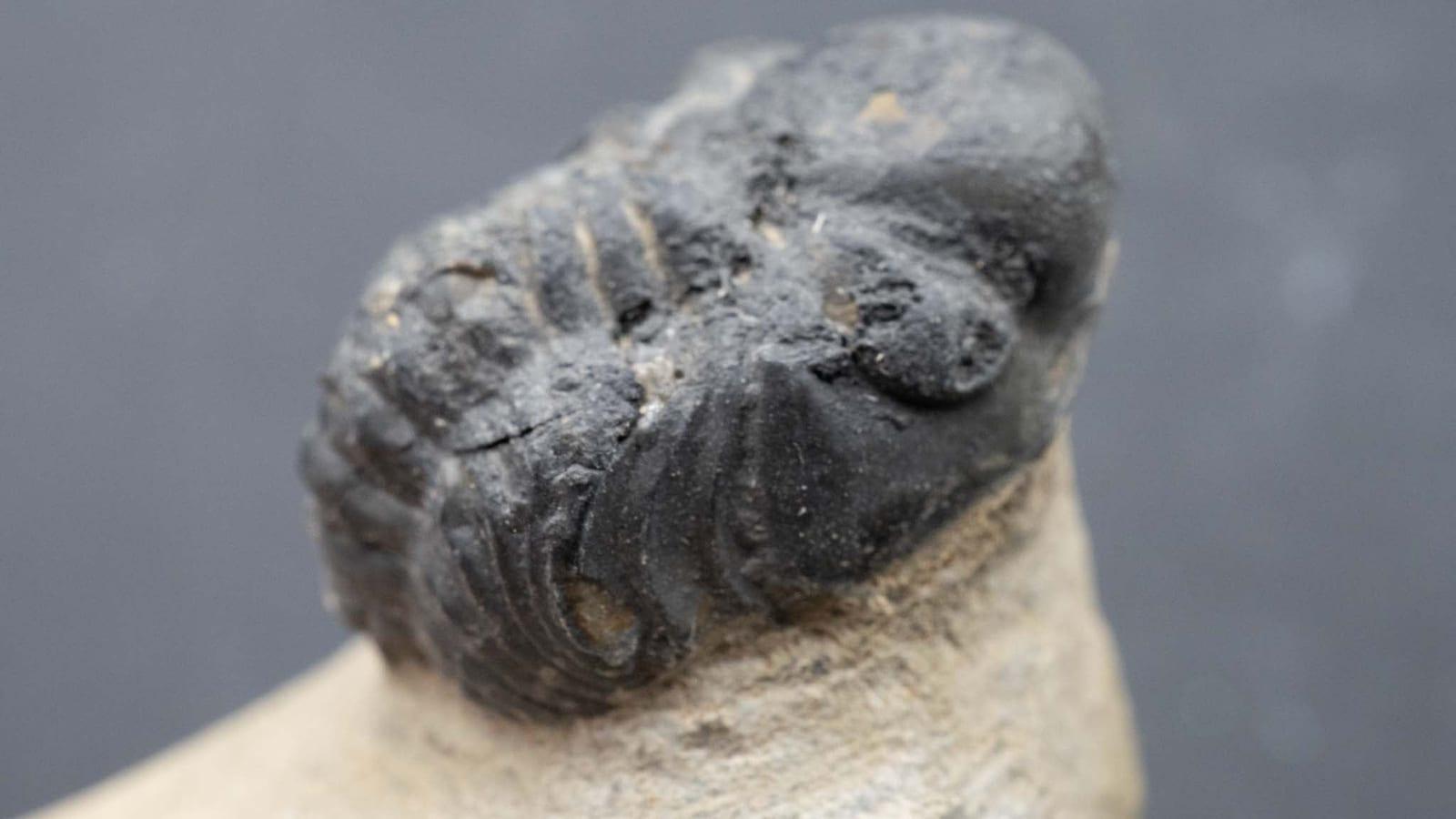 Atchana Trilobite Mine Rissani Fossil Hunting GuideDevonian trilobites, Brachiopods
 Guelb el Mharch Mud Volcano Fossil Site Rissani Fossil Hunting GuideGuelb el Mharch, Tabulate corals
 Rissani Goniatite Quarry East of Town Fossil Hunting Guidegoniatites, Manticoceras
 Merzouga Desert Phacops Collecting Area Fossil Hunting GuidePhacops trilobites, Merzouga Desert Phacops Collecting Area