Devonian · 419.2 – 358.9 Ma
Devonian fossil sites
The Devonian is called the 'Age of Fishes' for the explosive radiation of placoderm and lobe-finned fishes, including the lobe-fins that gave rise to the first tetrapods. Devonian sites span Morocco's Anti-Atlas, the Gogo Formation in Western Australia, and the Old Red Sandstone of Britain.
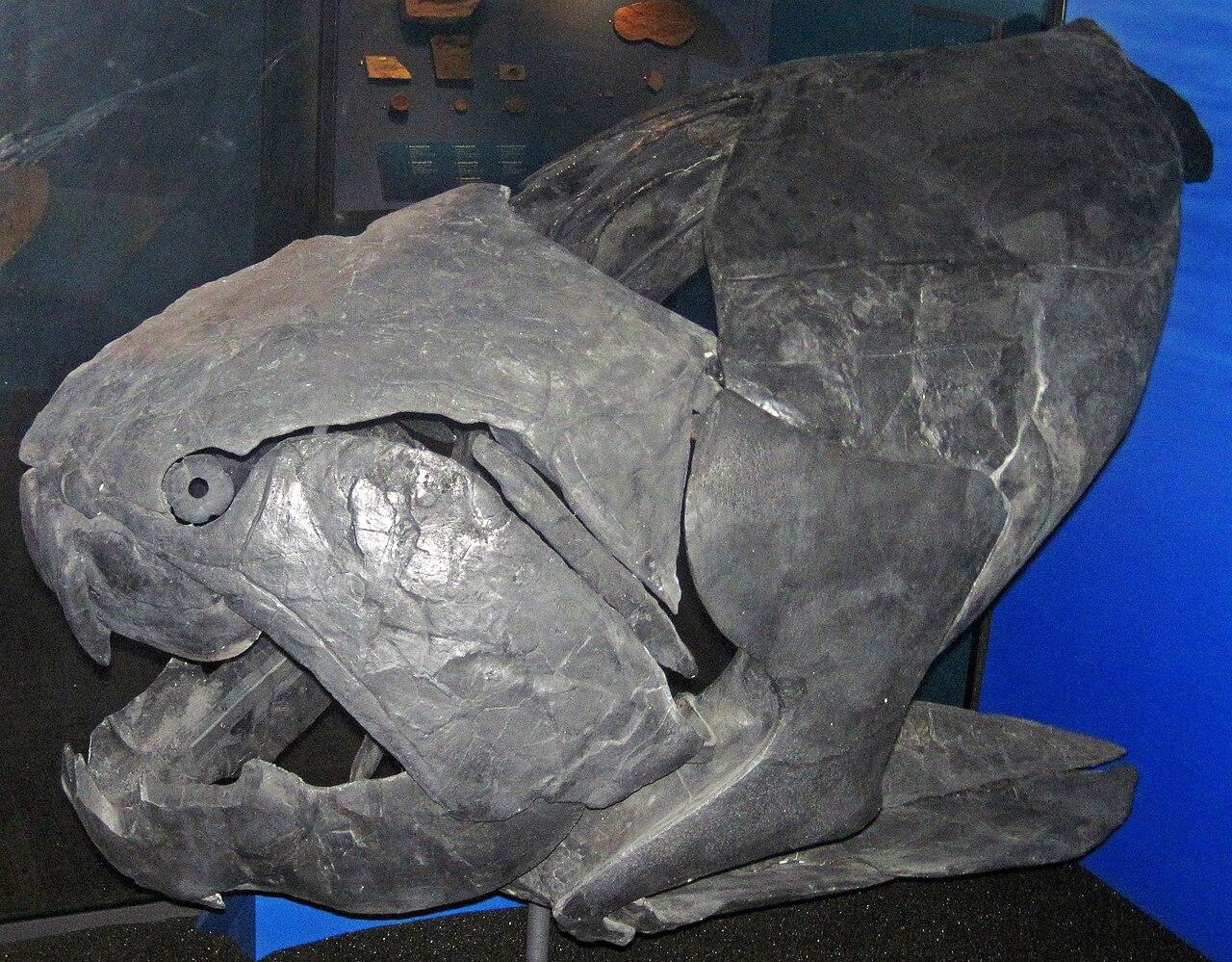
The Devonian carries the name Age of Fishes for good reason. Armored placoderms, early sharks, and lobe-finned fish filled the seas. One lineage of those lobe-fins walked onto land before the period ended. Forests appeared at the same time, and the first trees changed weathering and soil chemistry across whole continents.
Marine Devonian rock is the practical target for collectors. Brachiopods are abundant and varied. Trilobites reach their most ornate forms here, with long spines and large compound eyes. Phacops and Eldredgeops carry globular eyes with individual lenses still preserved, which is why collectors prize them. Corals and crinoids fill out the rest of the fauna.
Thirty entries in this guide sit in Devonian rock. Thirteen sit in Morocco, where the Anti-Atlas exposes marine rock across open desert and supplies most of the world's commercial trilobites. Nine of the thirty allow free collecting. Nine others are viewing sites, so check the access note on each page before you plan a visit.
30 fossil sites
Updated 4 August 2026
Life of the period
Three to know from the Devonian
You will not find all of these yourself. They are the animals and plants that make the period worth reading about.

Armoured placodermDunkleosteus It had no teeth. Instead the jaw bones formed shearing plates that sharpened themselves each time they slid past one another. Only the armoured head and shoulders fossilise, so the rest of the body is reconstruction.
Ryan Schwark, CC0

Fish with a neckTiktaalik Found in 2004 on Ellesmere Island after a deliberate search for rocks of the right age and setting. It has a neck, which fish do not, and shoulders that could prop it up. The prediction and the find matched.
Bloopityboop, CC BY-SA 4.0
Devonian trilobiteEldredgeops Its compound eyes hold individual calcite lenses, each one a crystal aligned so light passes through cleanly. The lenses survive fossilisation, so you can look through the same optics the animal used.
Smithsonian National Museum of Natural History, CC0
All Devonian sites
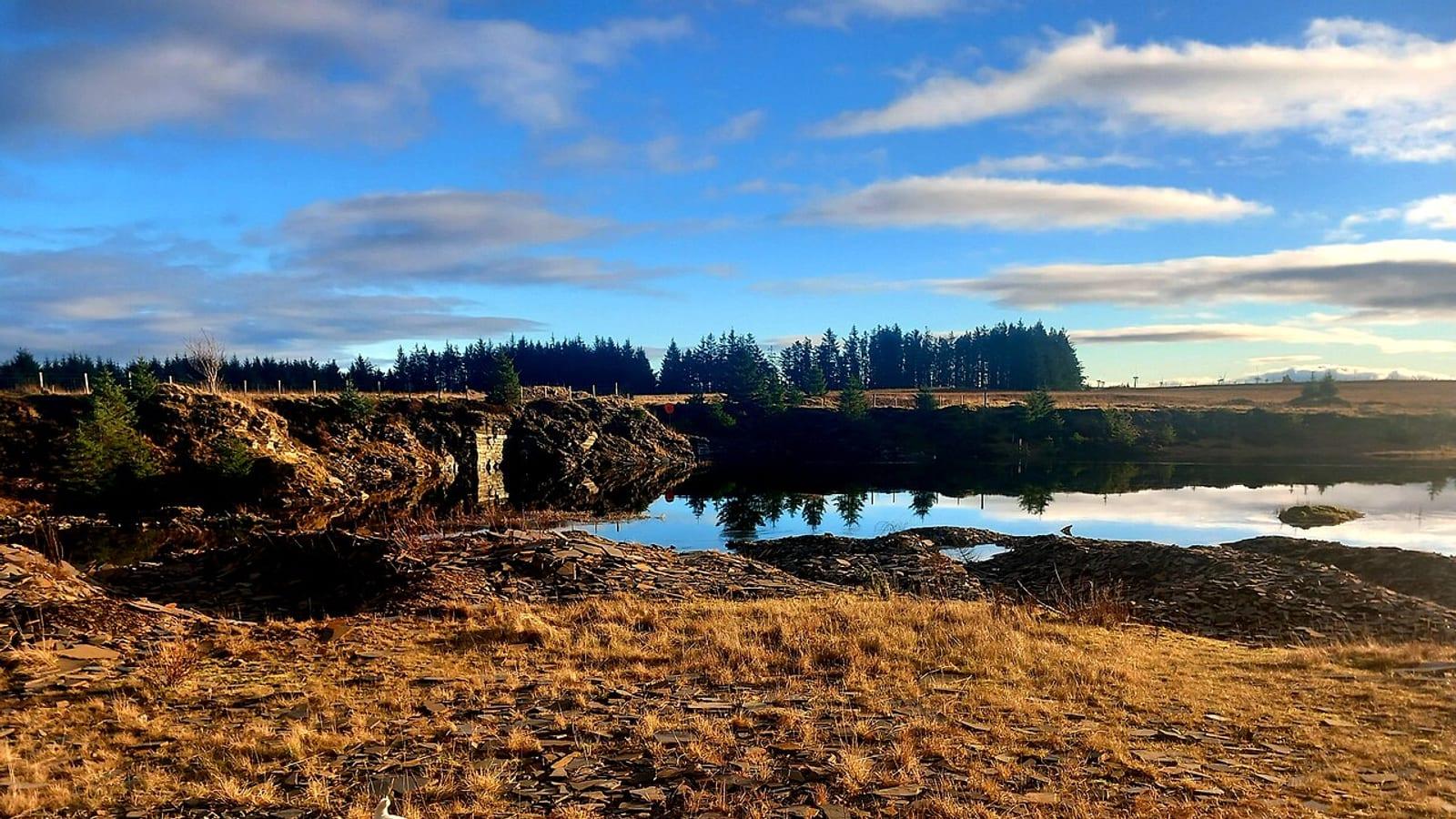
Achanarras Quarry Caithness Scotland Fossil Hunting Guide
United Kingdom
Dipterus, Palaeospondylus gunni, Coccosteus cuspidatus, Dipterus valenciennesi
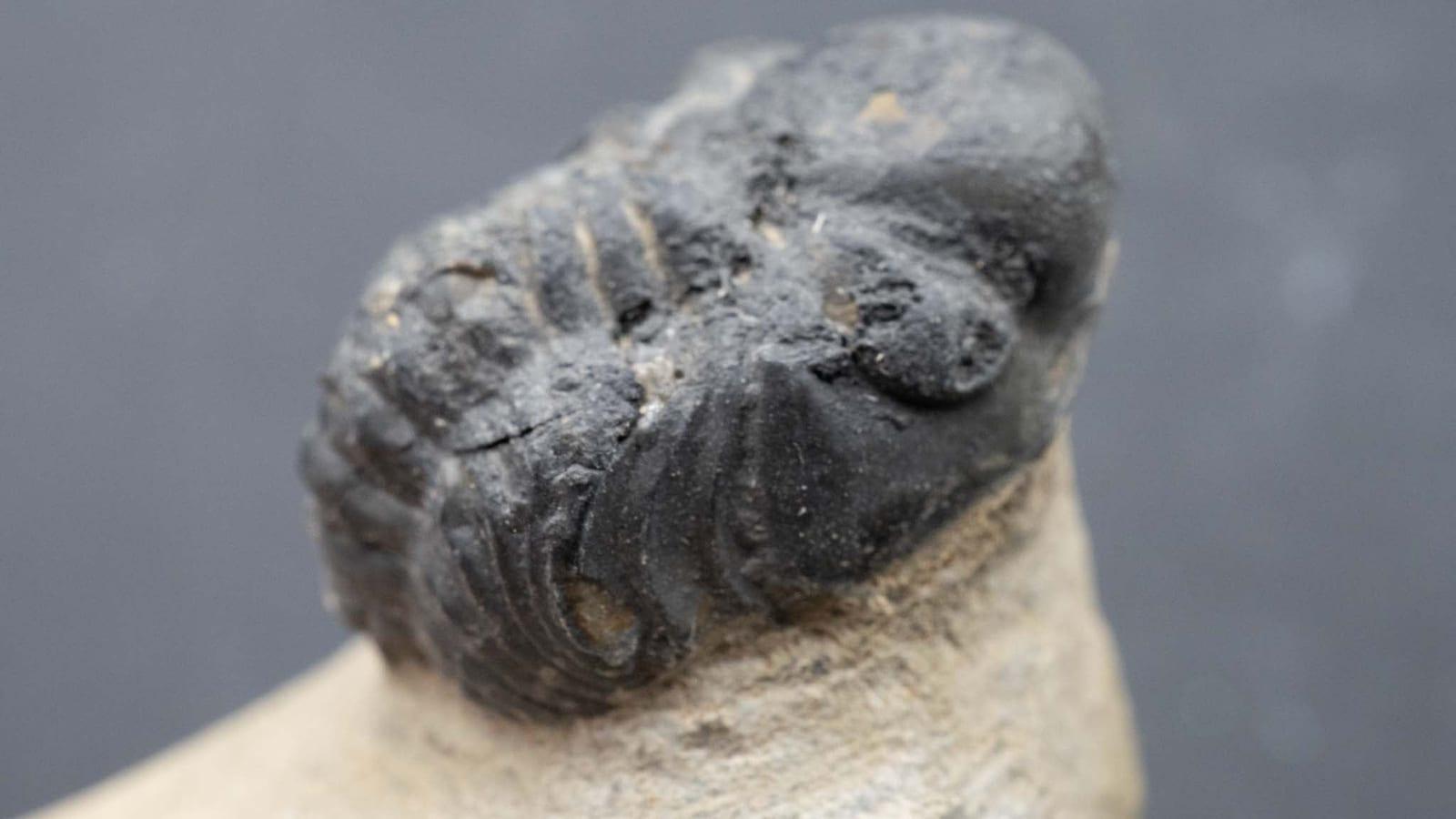
Atchana Trilobite Mine Rissani Fossil Hunting Guide
Morocco
Devonian trilobites, Brachiopods, Goniatites, Trilobites
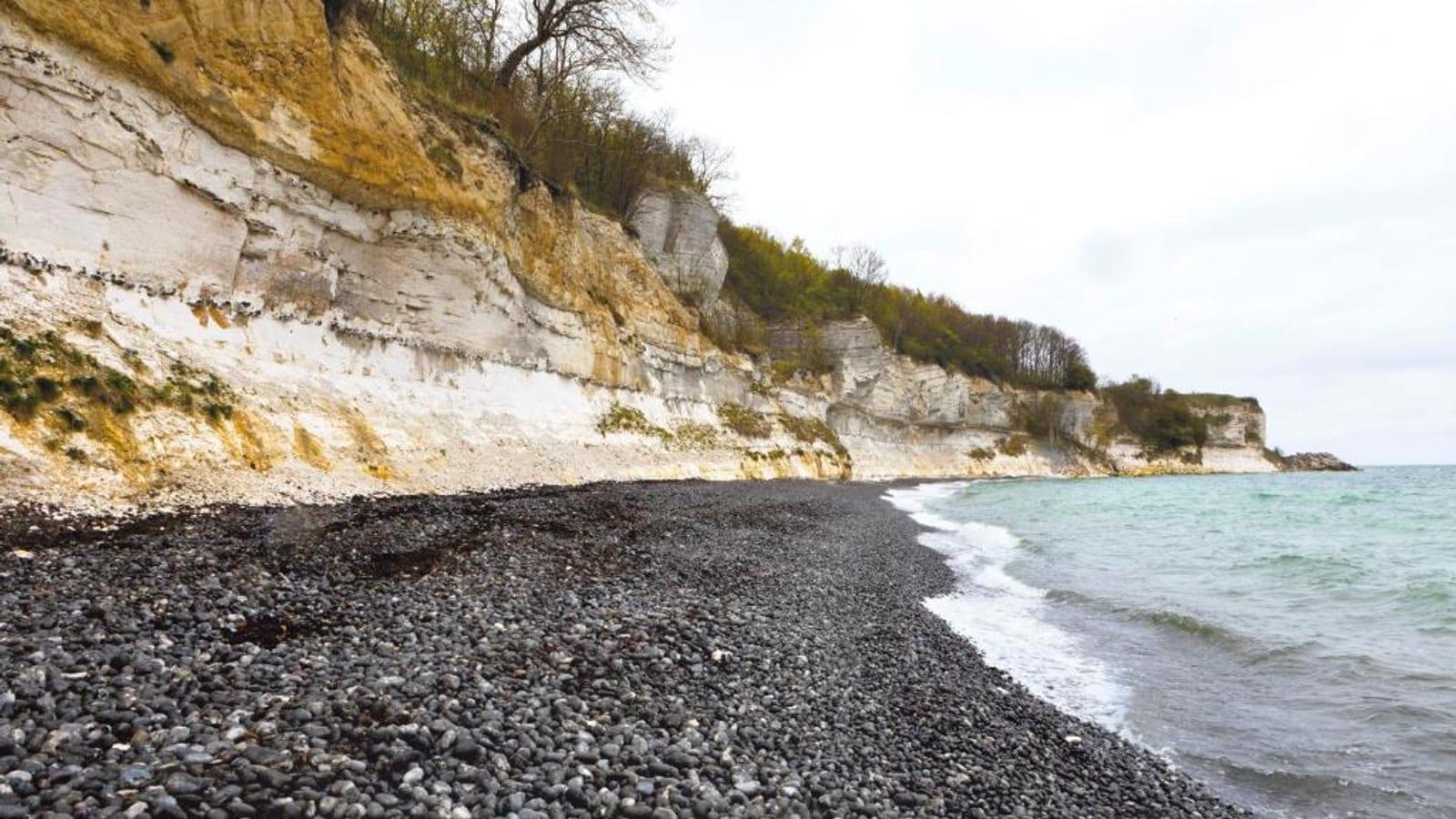
Baggy Point Fossil Hunting Guide
England, United Kingdom
Brachiopods, Bivalves, Gastropods, Crinoids
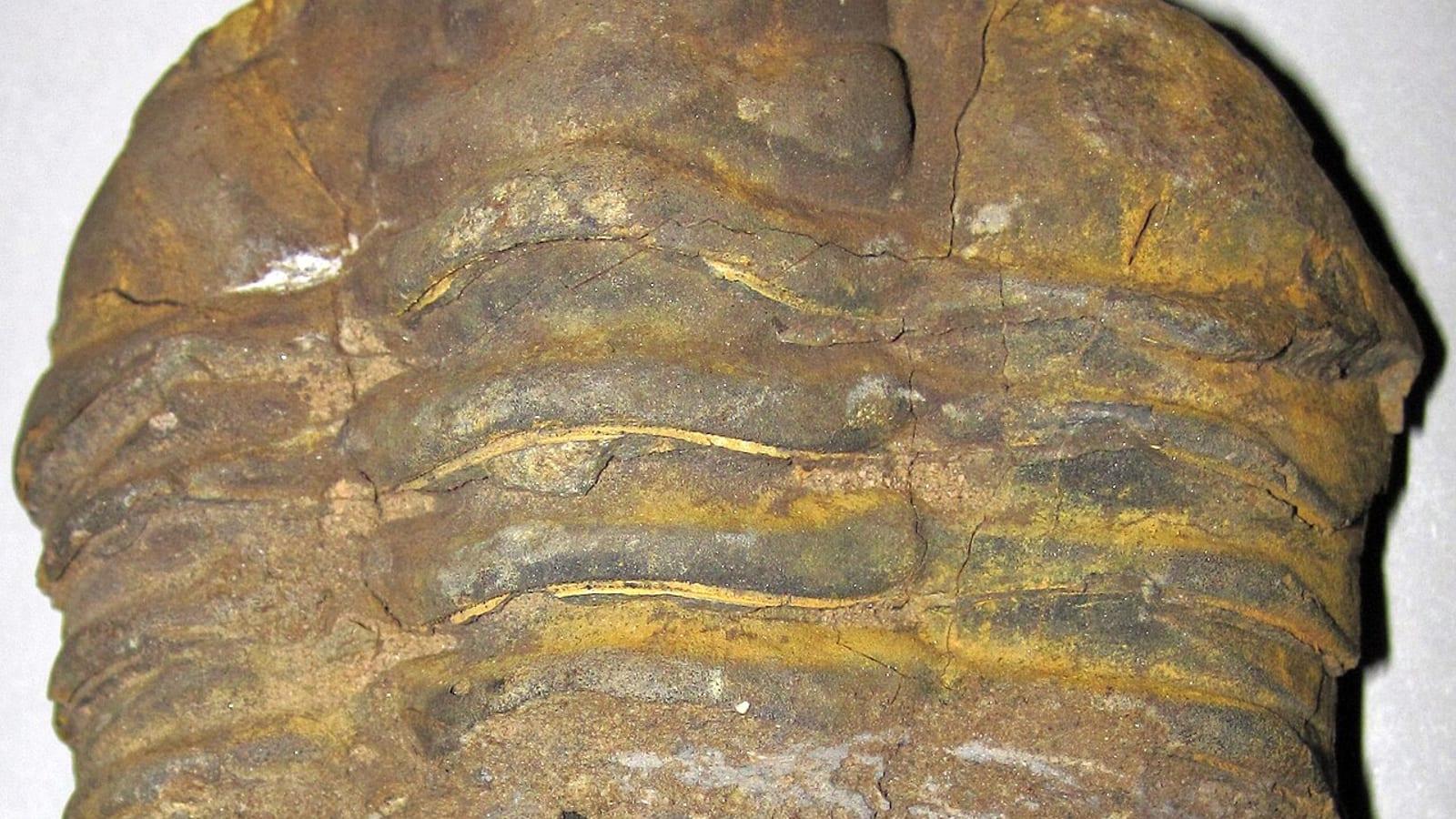
Bou Dib Fossil Site North Jbel Isoumour Alnif Fossil Hunting Guide
Morocco
Bou Dib, Phacops, Brachiopods, Crinoid columnals
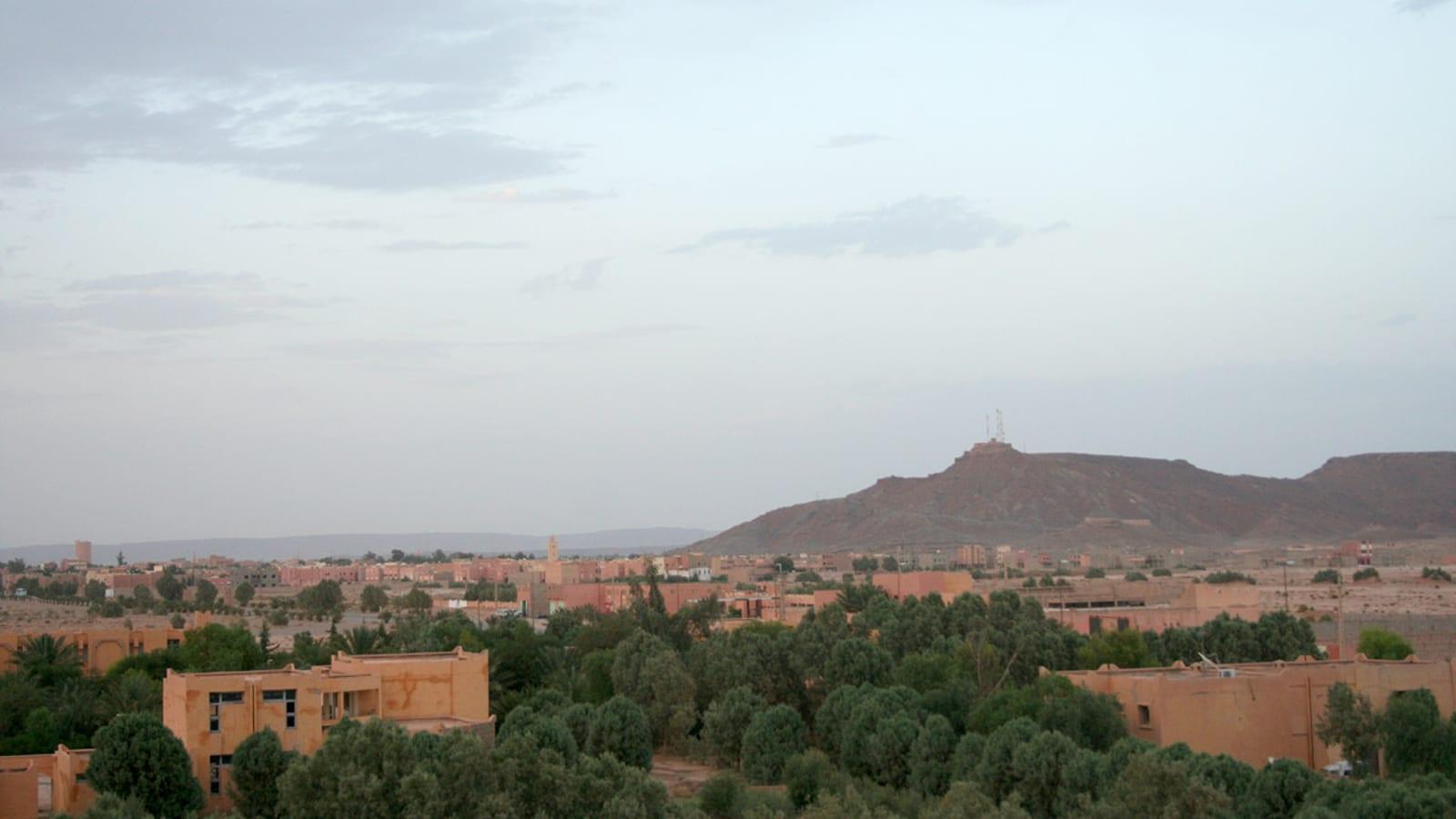
Boutchafine Mount Trilobite Quarry Erfoud Fossil Hunting Guide
Morocco
Phacops, Hollardops, Phacops rana, Hollardops merocristata
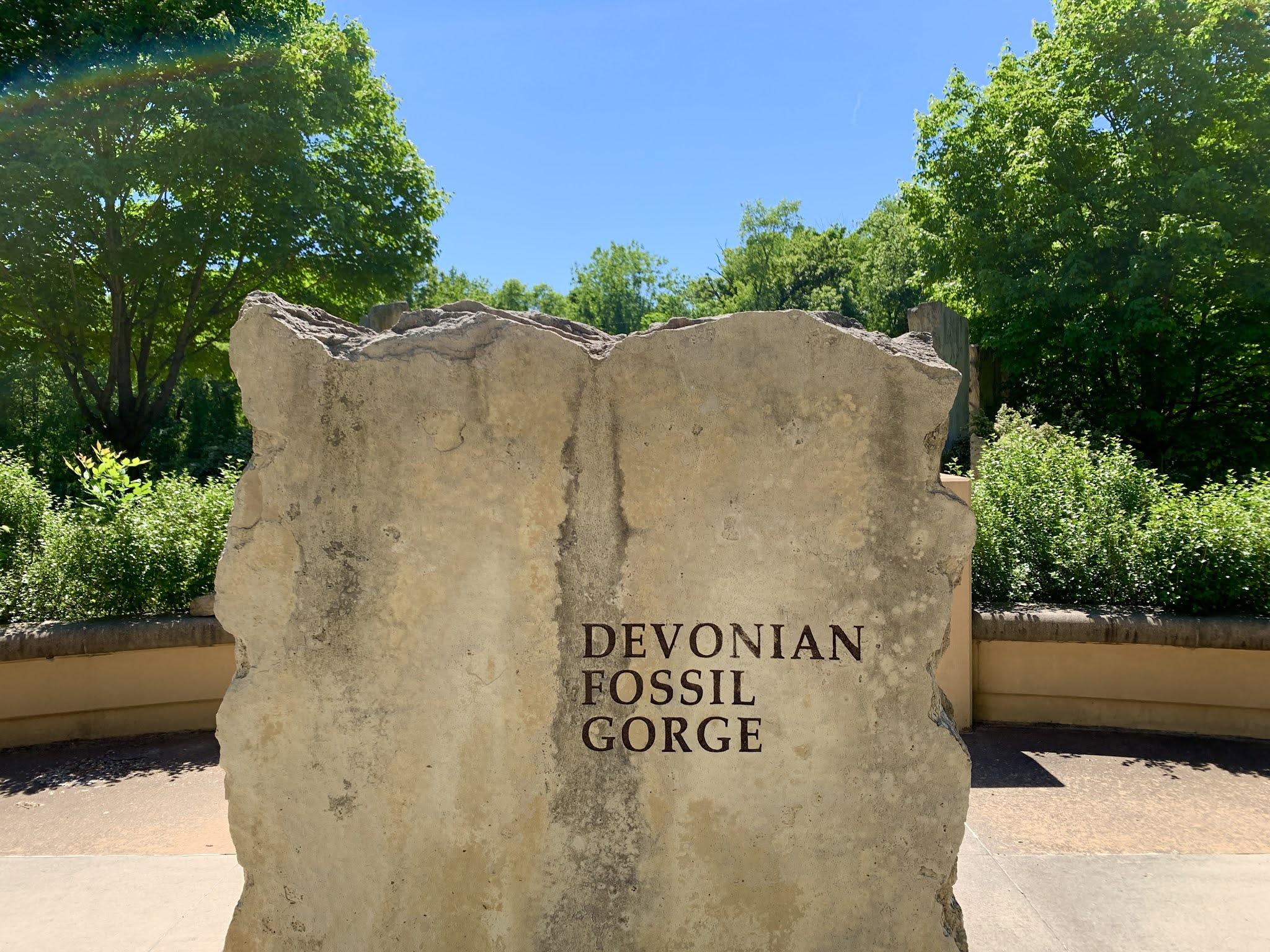
Devonian Fossil Gorge Fossil Hunting Guide
Iowa, United States
Crinoid columnals, Brachiopods, Corals (Hexagonaria), Corals (Favosites)
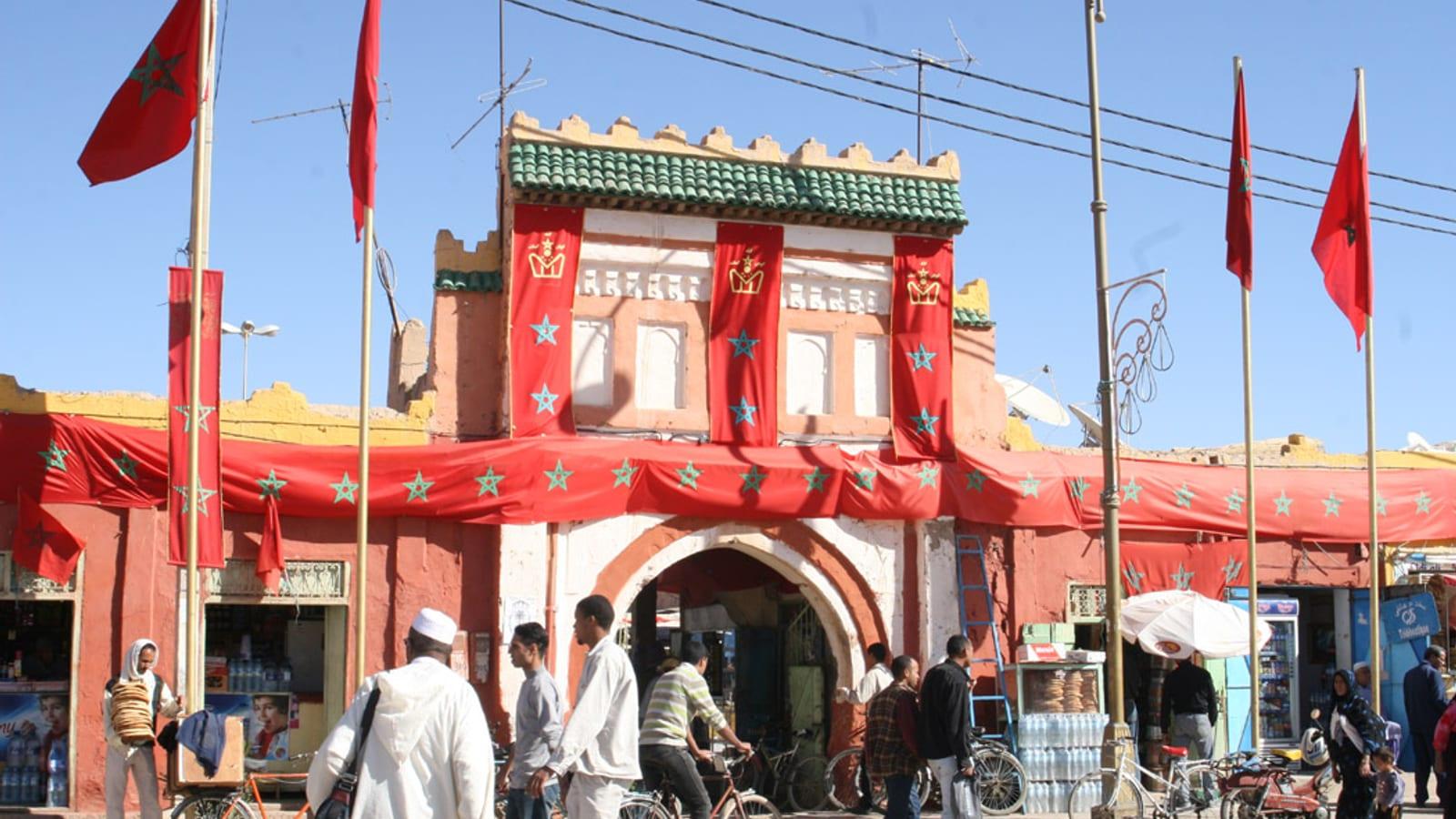
Erfoud Main Orthoceras Factory Quarry Fossil Hunting Guide
Morocco
Orthocerids, Goniatites, Brachiopods, trilobite fragments
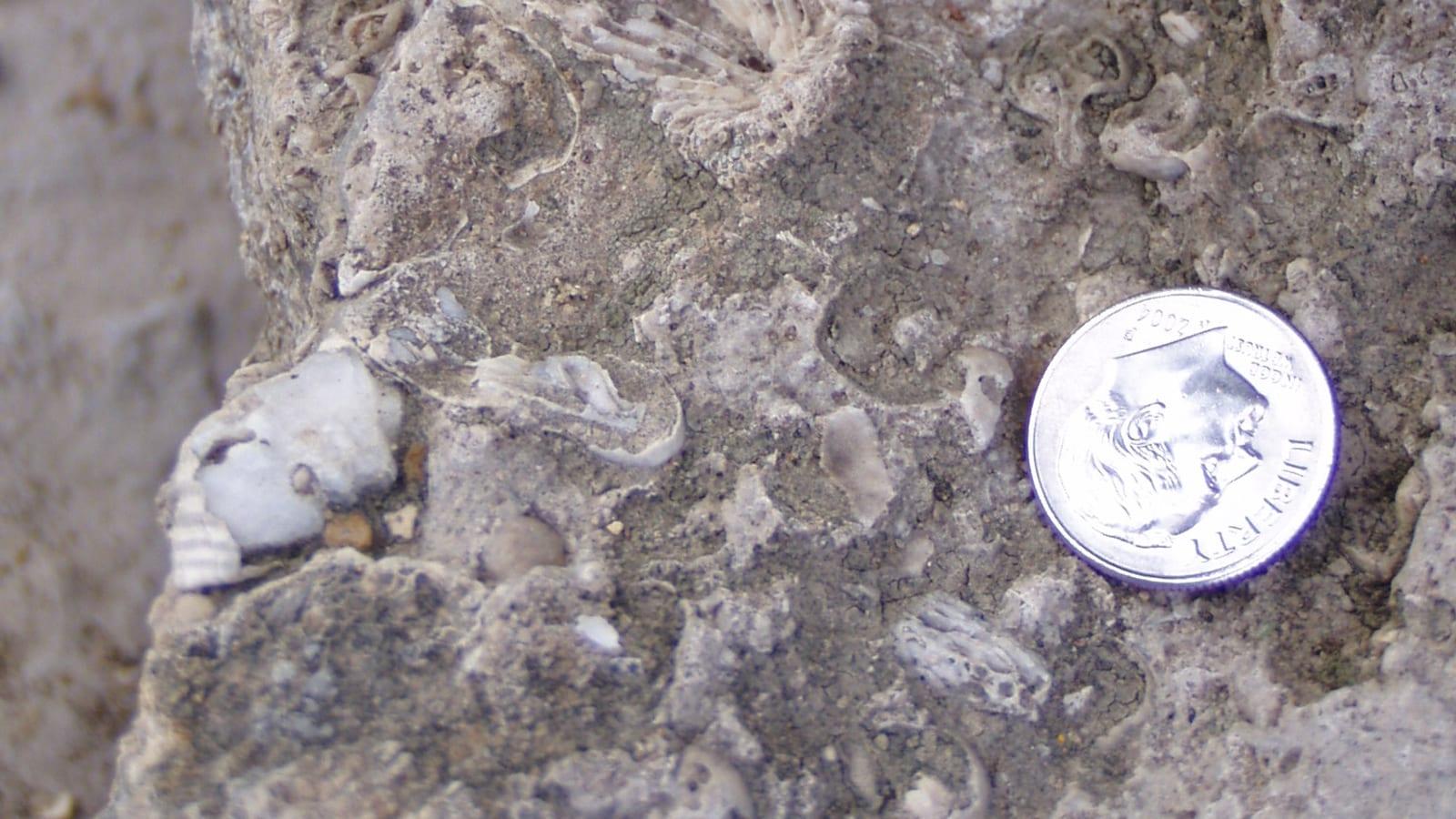
Falls of the Ohio State Park Fossil Hunting Guide
Indiana, United States
Corals, Brachiopods, Crinoids, Bryozoans
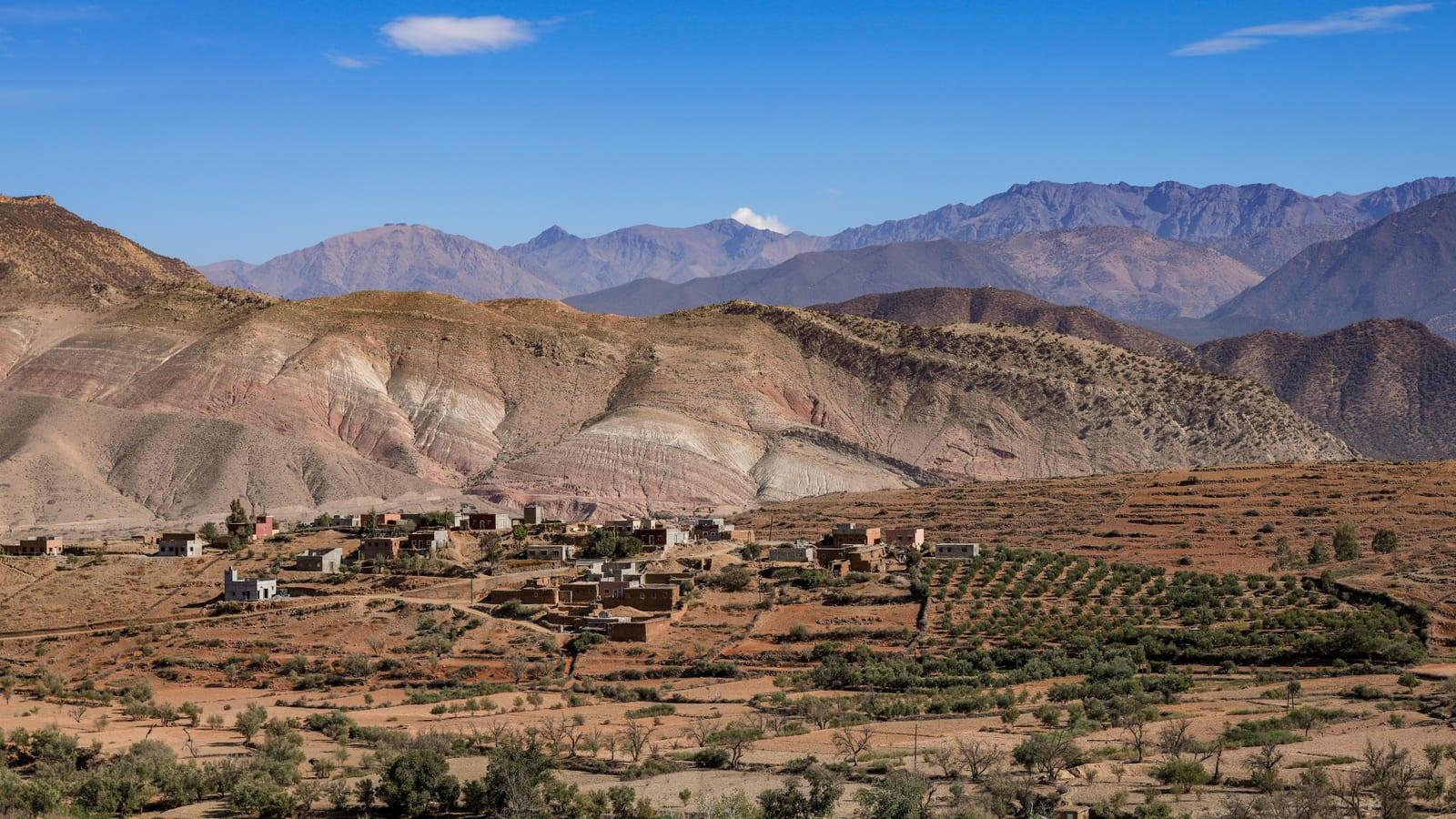
Filon 12 Vanadinite Fossil Mine Mibladen Fossil Hunting Guide
Morocco
vanadinite, trilobites, brachiopods, mimetite
Fossil & Prairie Park Preserve Fossil Hunting Guide
Iowa, United States
Brachiopods, Corals, Crinoids, Gastropods
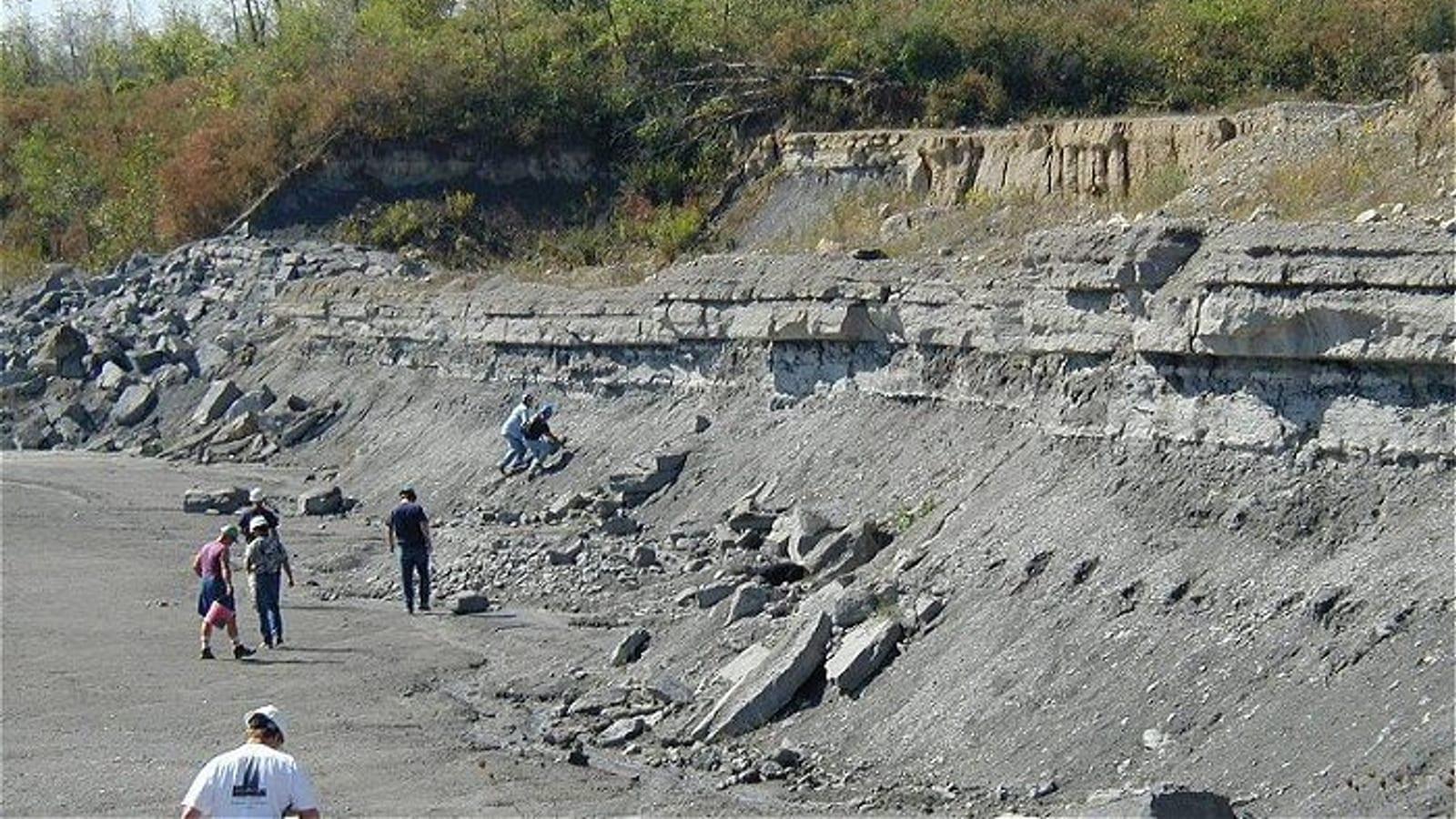
Fossil Park Sylvania Fossil Hunting Guide
Ohio, United States
Trilobites, Brachiopods, Crinoids, Corals
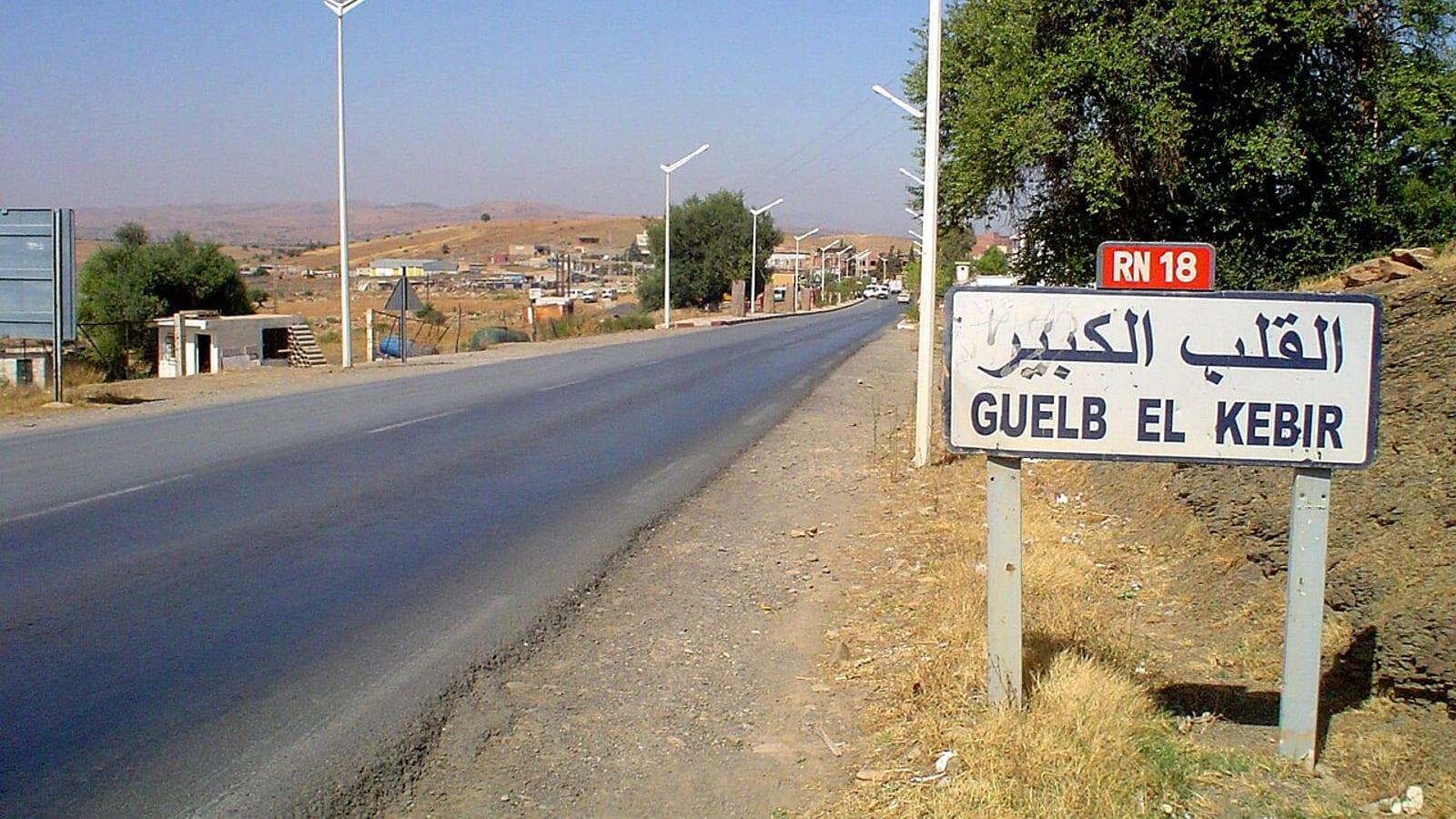
Guelb el Mharch Mud Volcano Fossil Site Rissani Fossil Hunting Guide
Morocco
Guelb el Mharch, Tabulate corals, Rugose corals, Brachiopods
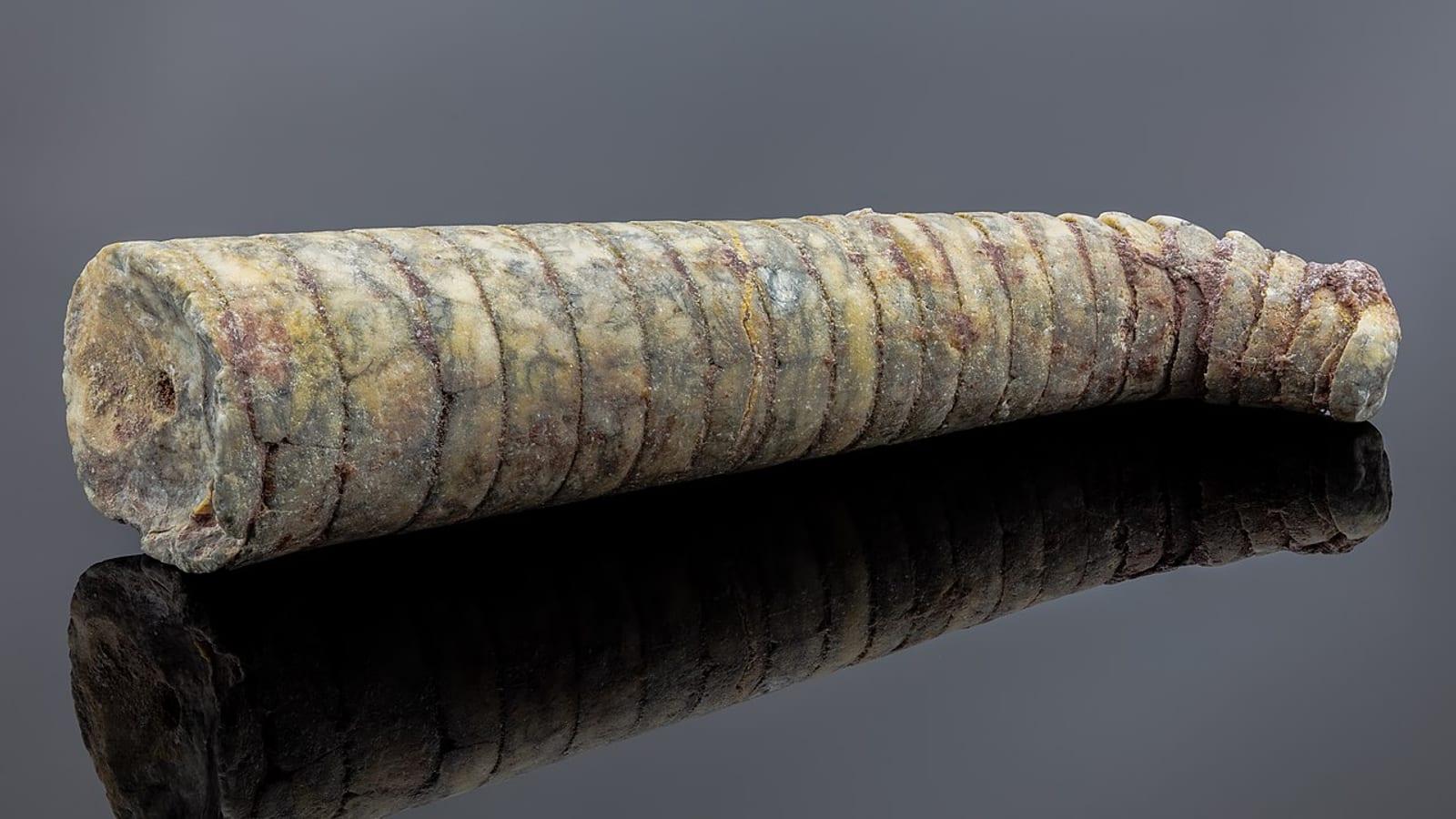
Hamar Laghdad Orthoceras Quarry Erfoud Fossil Hunting Guide
Morocco
Orthoceras, Goniatites, Brachiopods, trilobite fragments
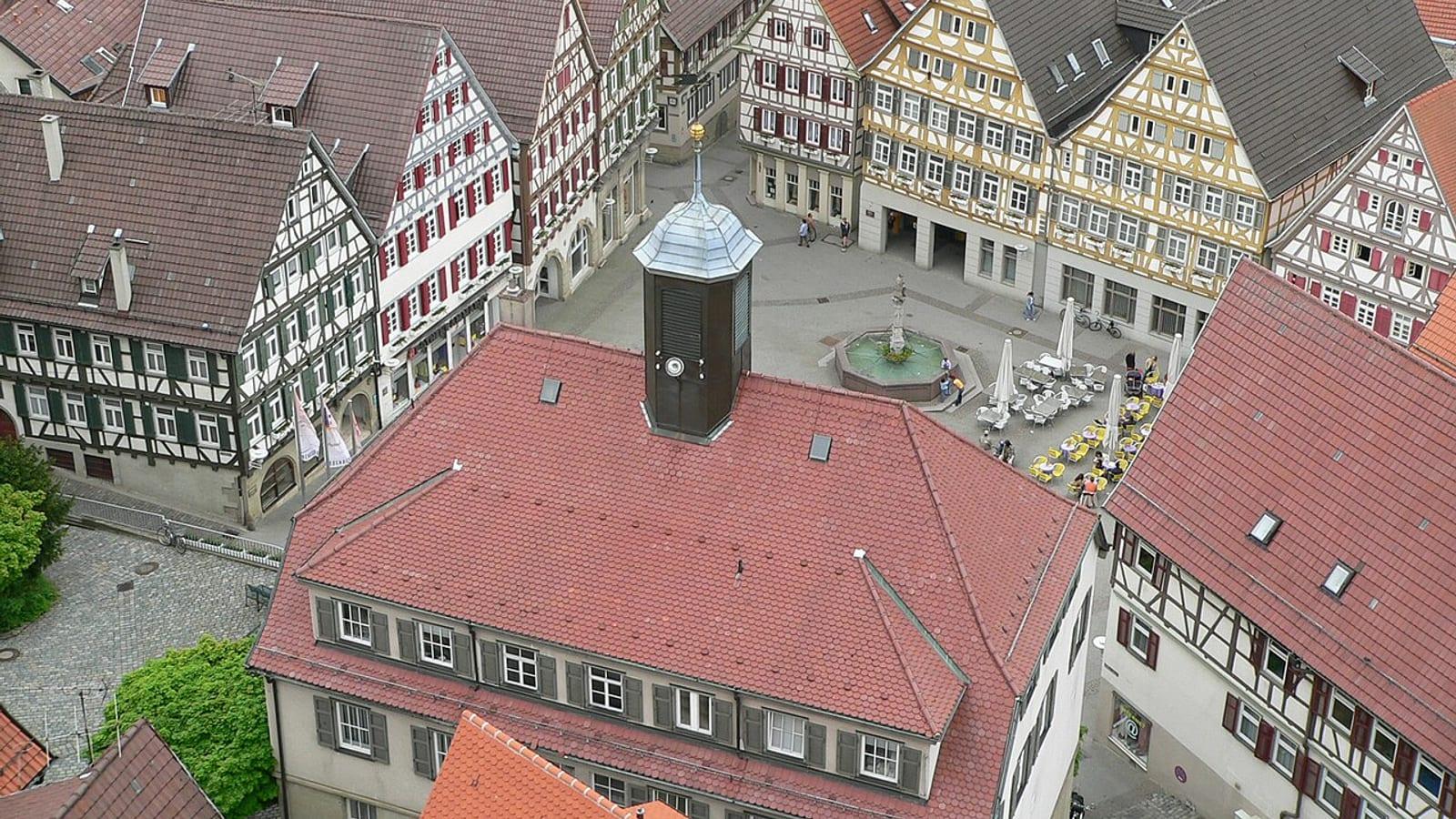
Herrenberg Mine Bundenbach Underground Fossil Hunting Guide
55568 Bundenbach
Devonian marine fossils, Crinoids
Jbel el Mrakib Devonian Reef Site Rissani Fossil Hunting Guide
Morocco
Jbel El Mrakib Devonian Reef Site, Coral reef fossils, Stromatoporoids, Brachiopods
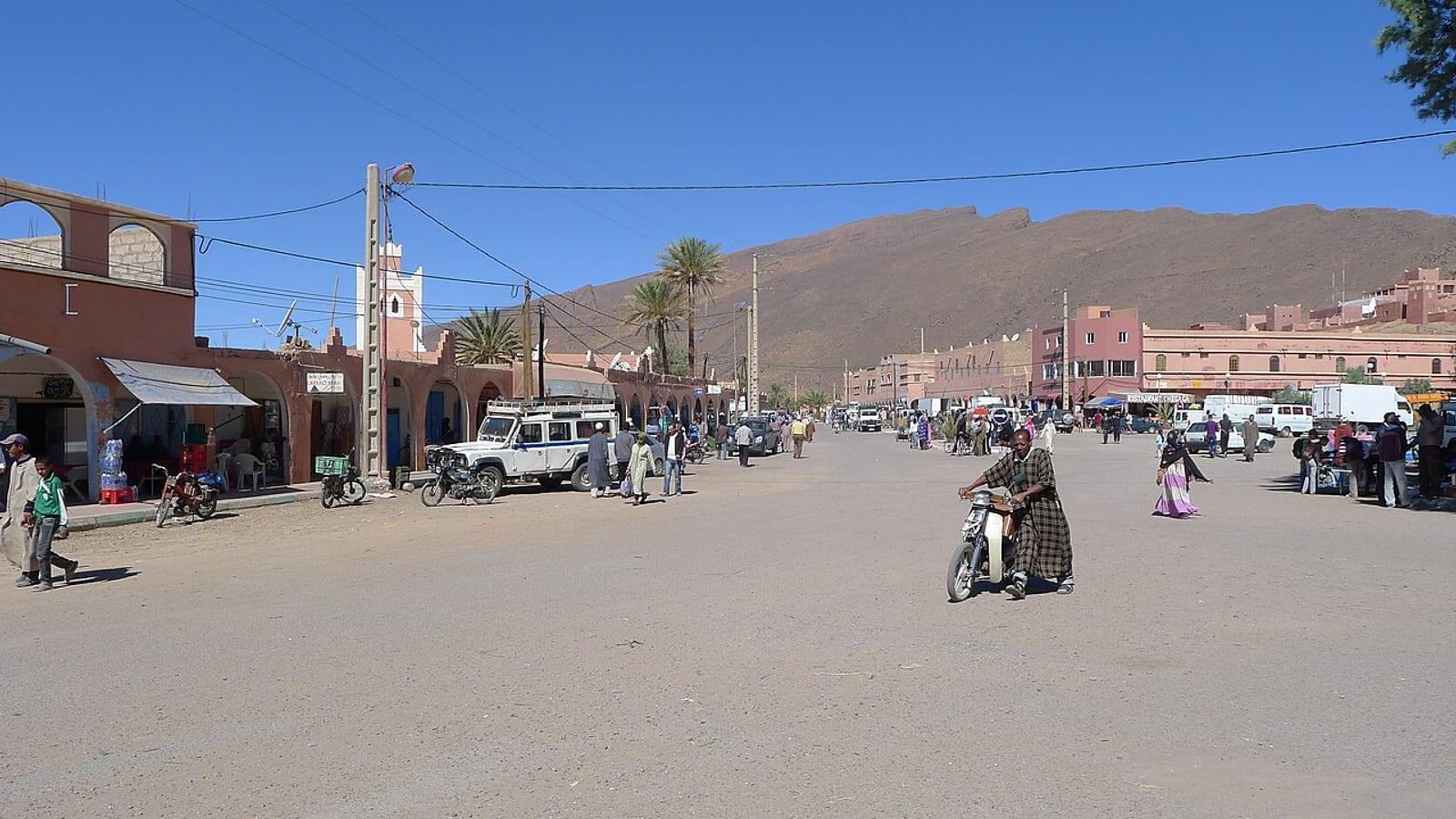
Jbel Gara el Zguilma Trilobite Site Foum Zguid Fossil Hunting Guide
Morocco
Walliserops trifurcatus, Psychopyge elegans, Cyphaspis, Comura
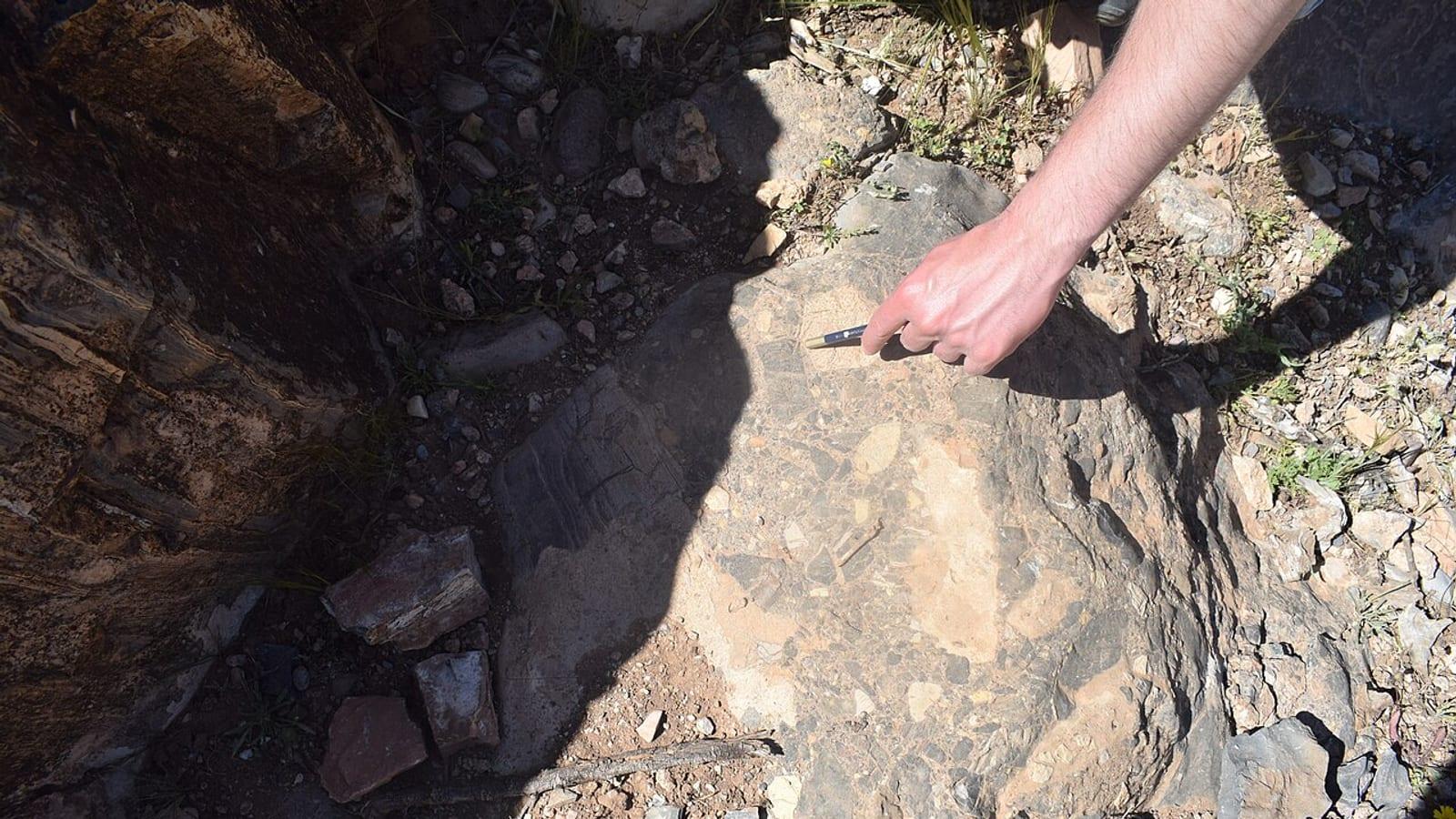
Jbel Isoumour Trilobite Mine Alnif Fossil Hunting Guide
Morocco
Jbel Isoumour, Psychopyge, Drotops armatus, Hollardops mesocristata
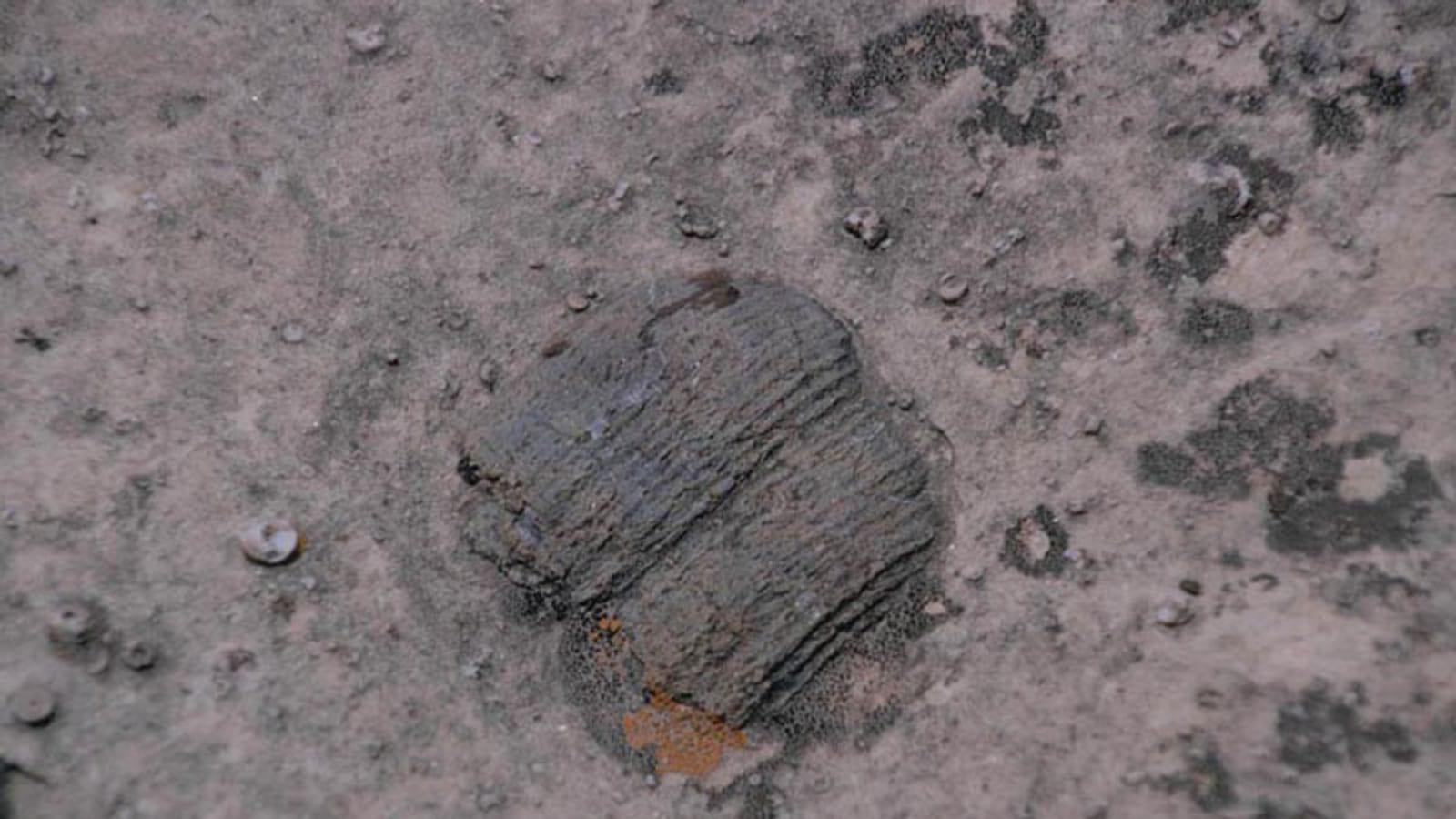
Lost River Fossil Hunting Guide
West Virginia, United States
Trilobites, Brachiopods, Corals, Crinoids
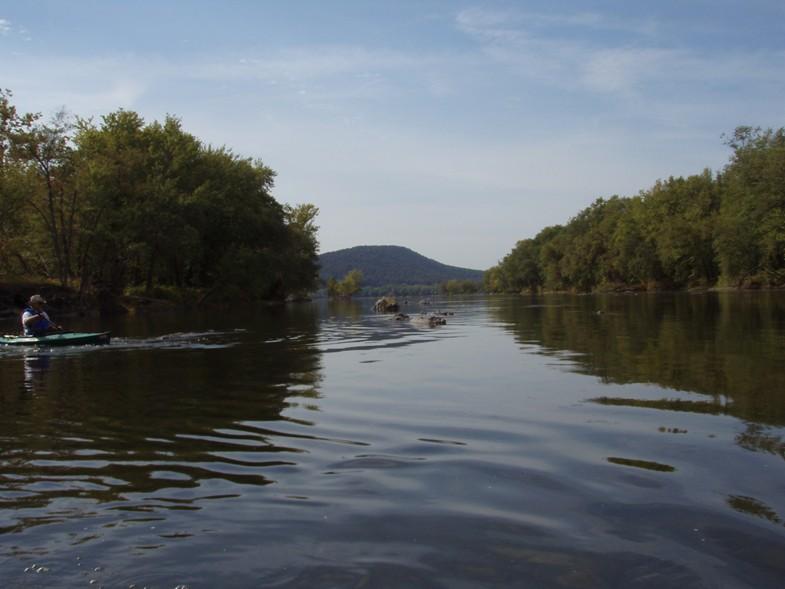
Mahantango Creek (Snyder County) Fossil Hunting Guide
Pennsylvania, United States
Brachiopods, Trilobites, Corals, Cephalopods
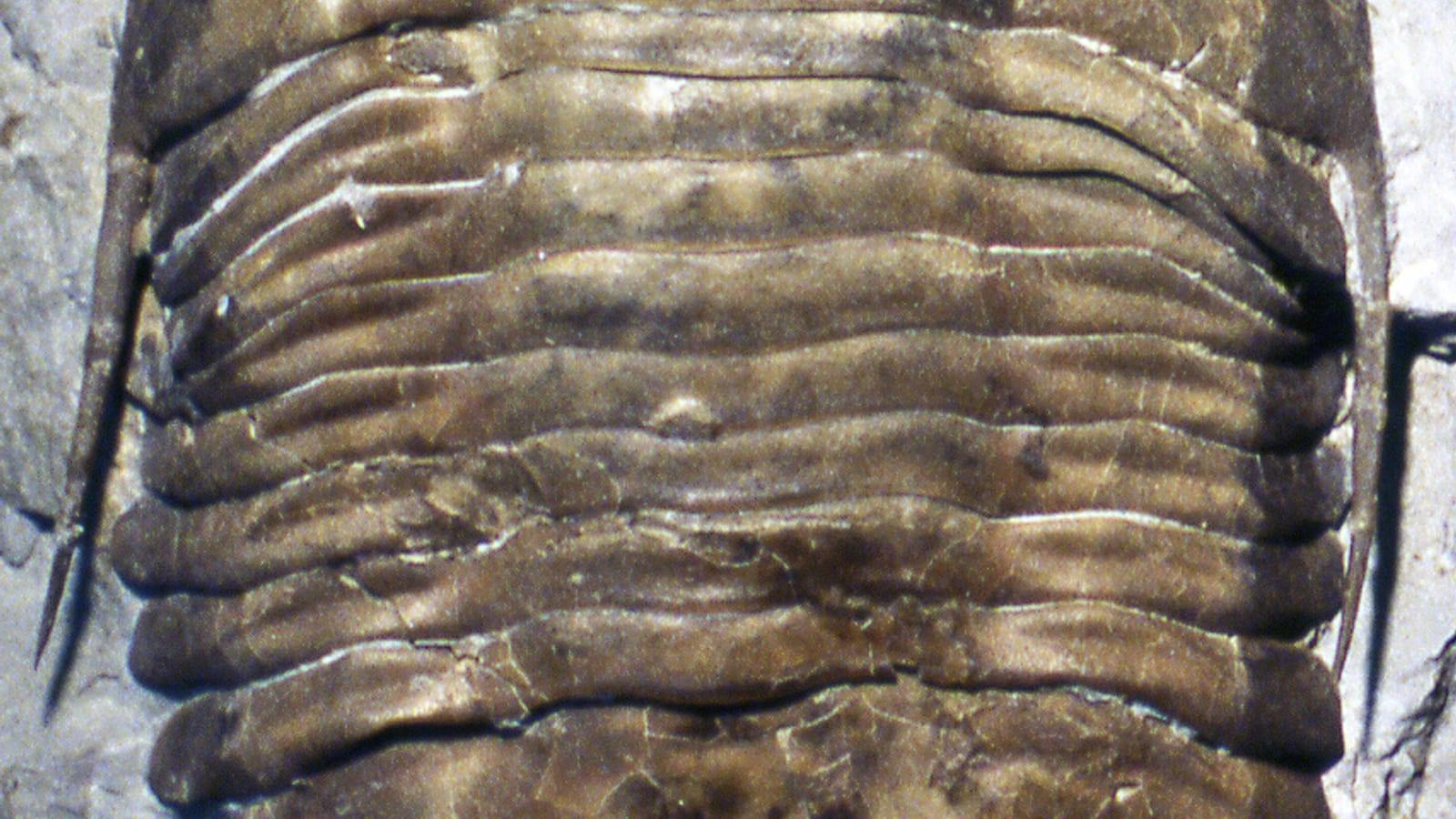
Merzouga Desert Phacops Collecting Area Fossil Hunting Guide
Morocco
Phacops trilobites, Merzouga Desert Phacops Collecting Area, Phacops, Enrolled trilobites
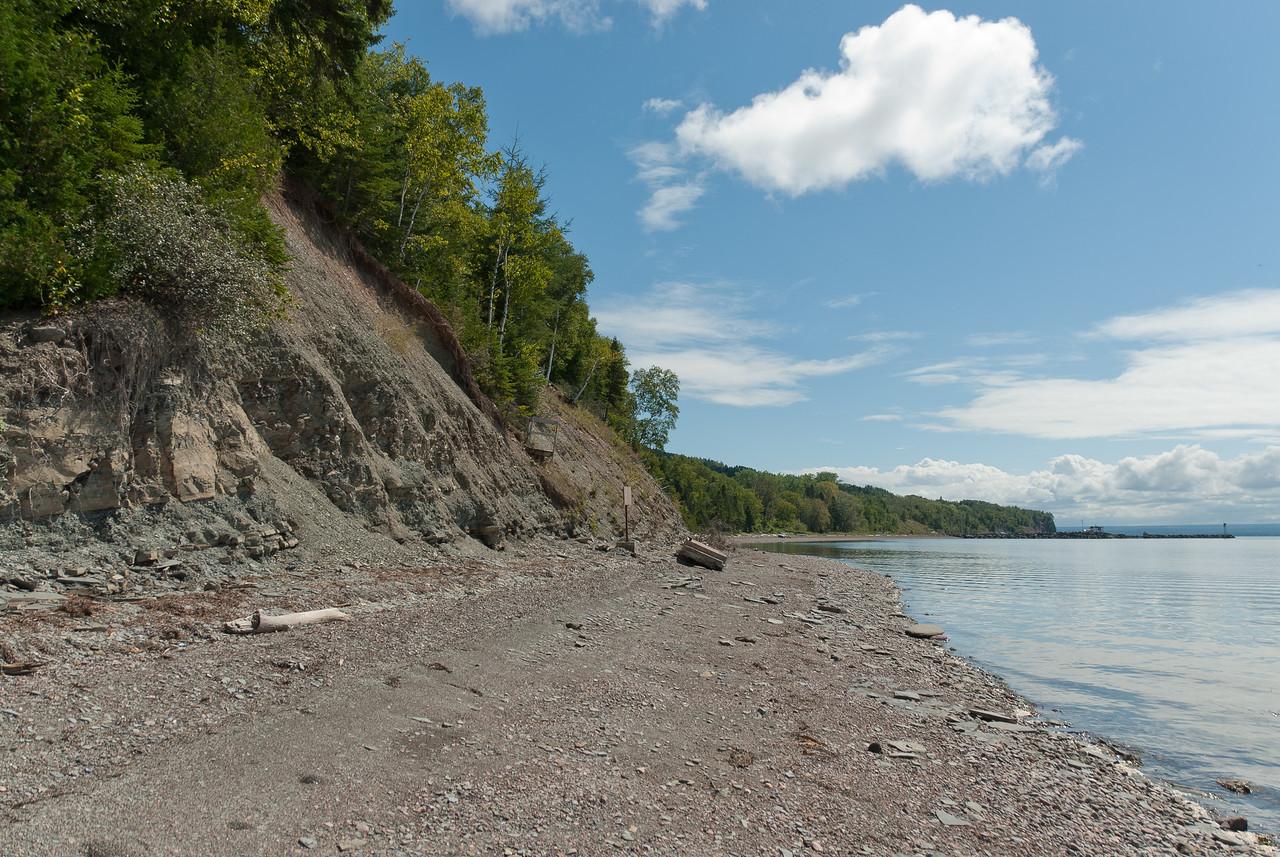
Miguasha National Park Fossil Guide
Quebec, Canada
Sarcopterygian fish, Placoderms, Acanthodians, Early tetrapod ancestors
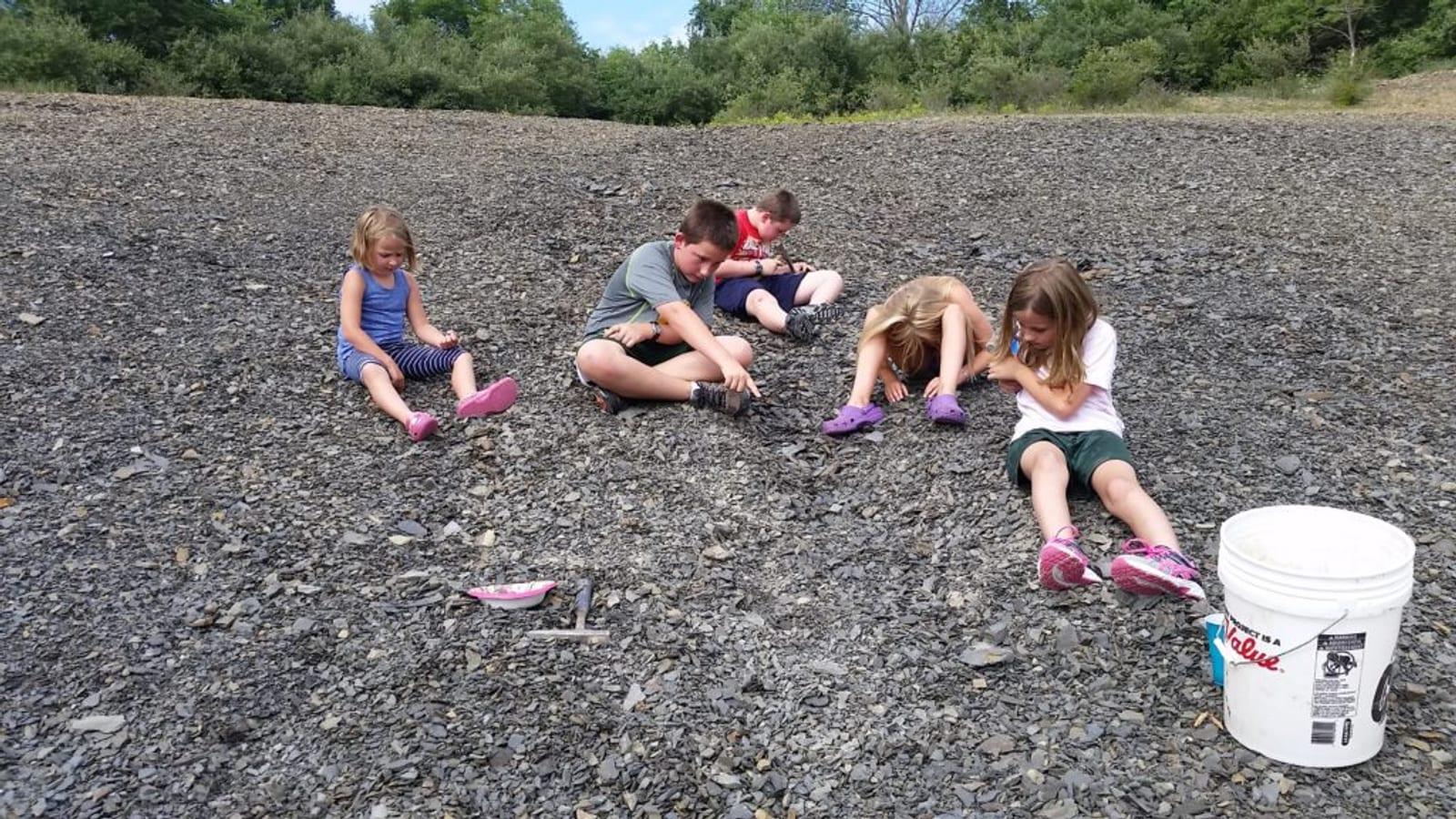
Montour Preserve Fossil Pit Fossil Hunting Guide
Pennsylvania, United States
Bivalves, Brachiopods, Trilobites, Corals
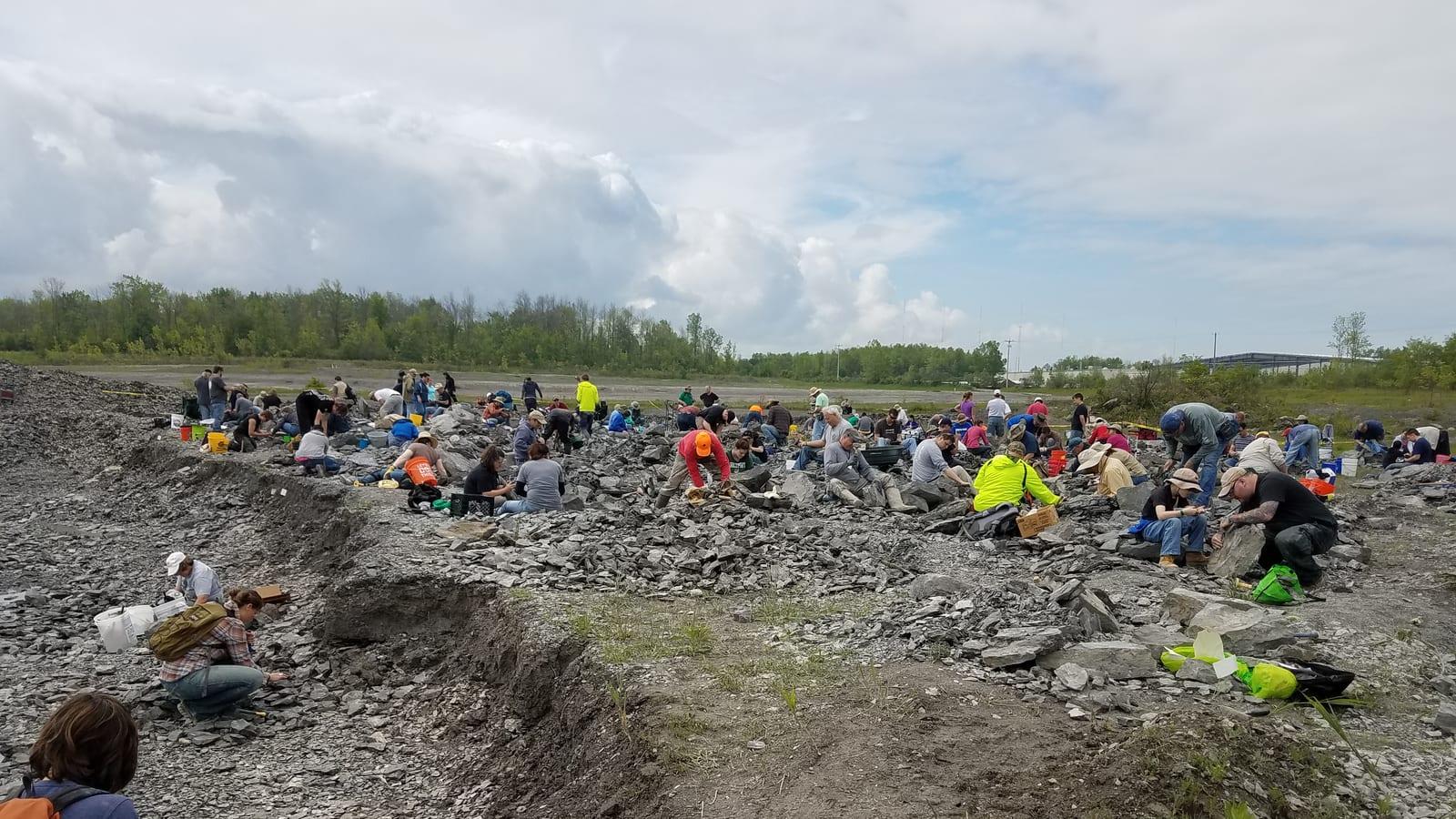
Penn Dixie Fossil Park & Nature Reserve Fossil Hunting Guide
New York, United States
Trilobites, Brachiopods, Crinoids, Bryozoans
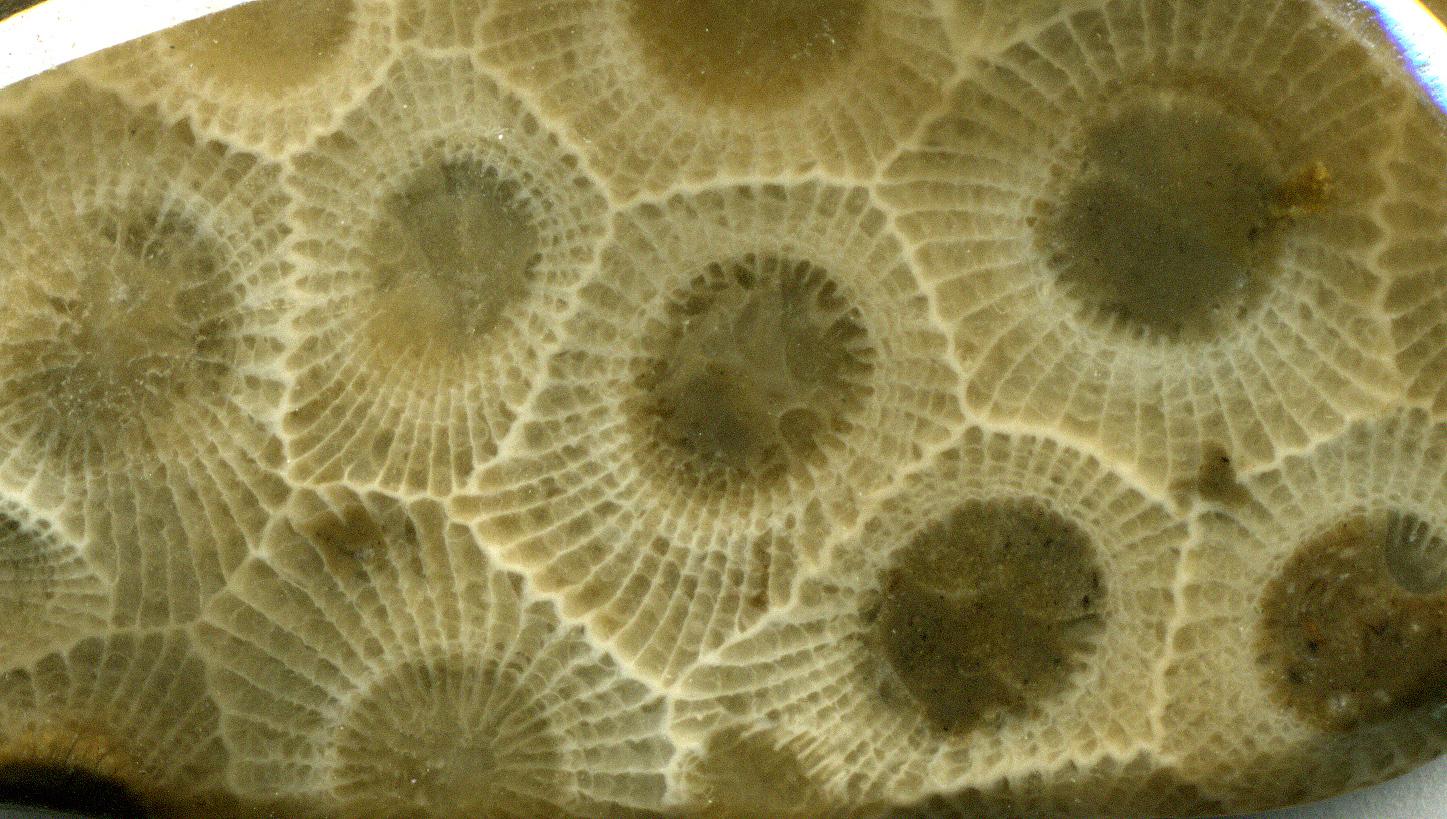
Petoskey State Park Fossil Hunting Guide
Michigan, United States
Corals, Brachiopods, Crinoids
Rissani Goniatite Quarry East of Town Fossil Hunting Guide
Morocco
goniatites, Manticoceras, Orthoceras, Brachiopods
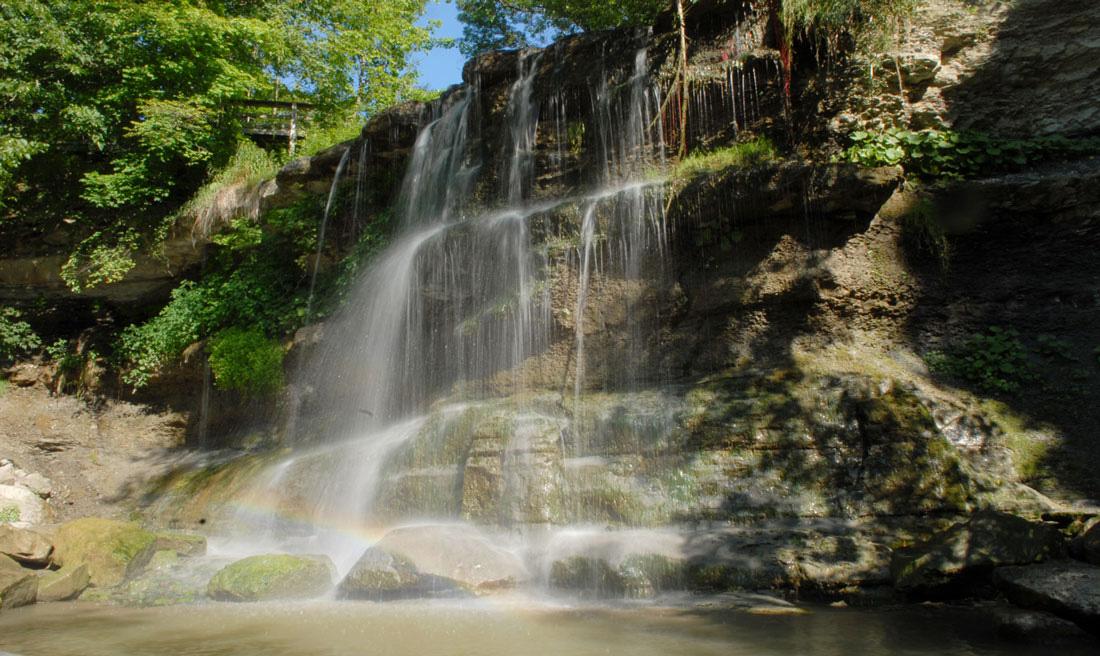
Rock Glen Conservation Area Fossil Guide
Ontario, Canada
Brachiopods, Horn corals, Crinoids, Phacops trilobites
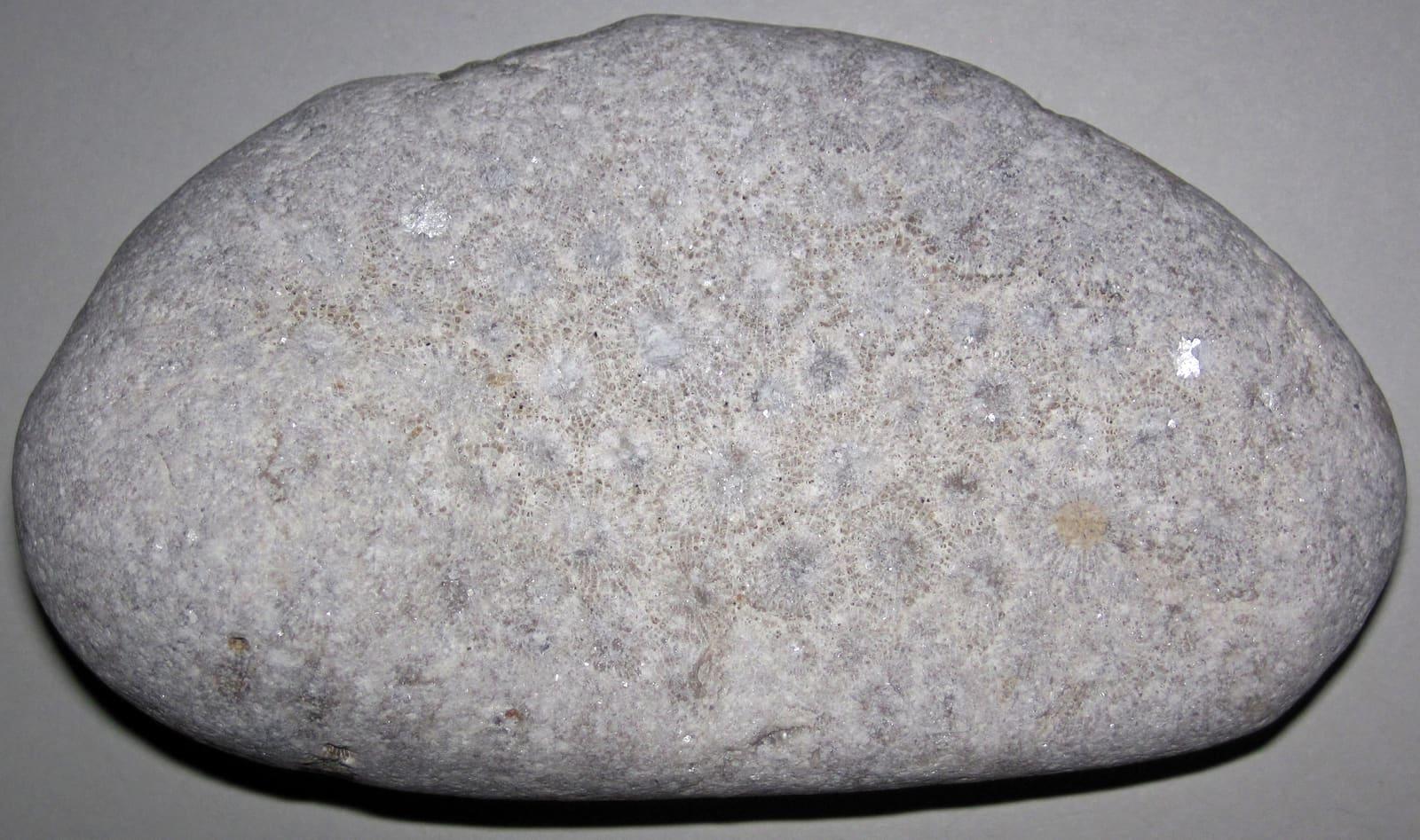
Rockport State Recreation Area Fossil Guide
Michigan, United States
Corals, Brachiopods, Crinoids, Bryozoans
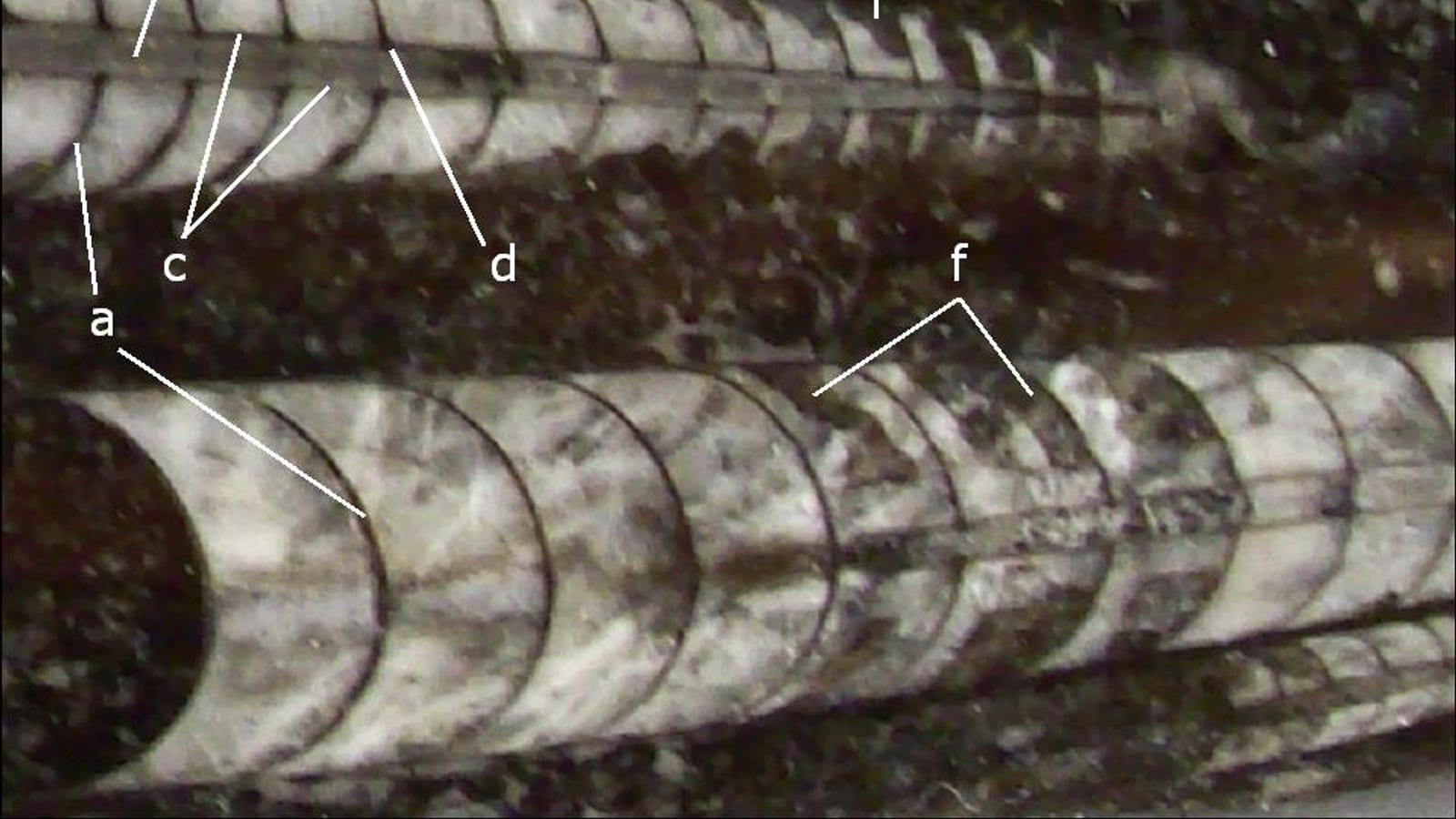
Saredrar Orthoceras Quarry Tazzarine Alnif Fossil Hunting Guide
Morocco
Orthocerids, Goniatites, Brachiopods, coral fragments
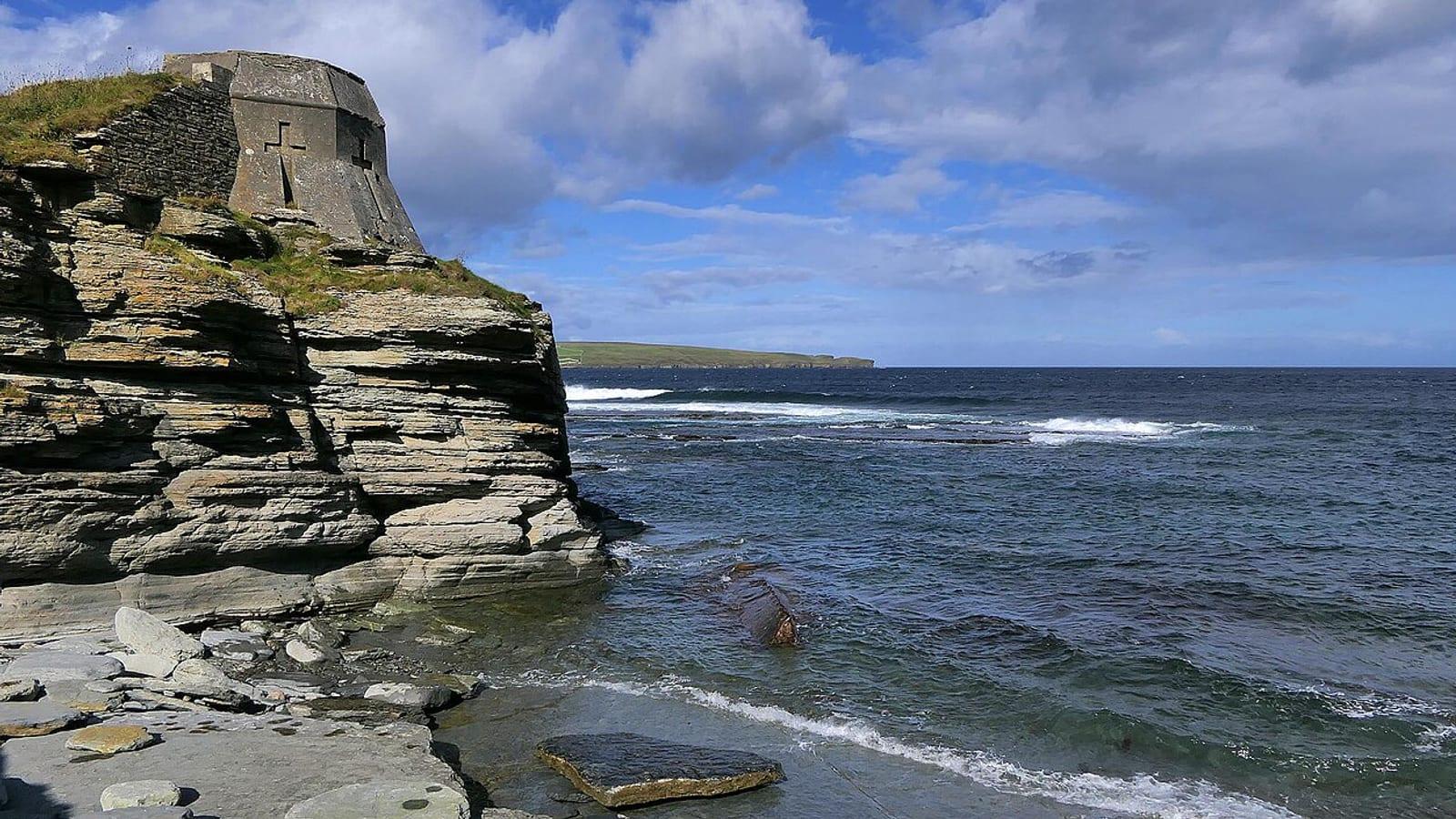
Thurso Fossil Hunting Guide
United Kingdom
Fish scales, Fish teeth, Complete fish, Fish bone fragments
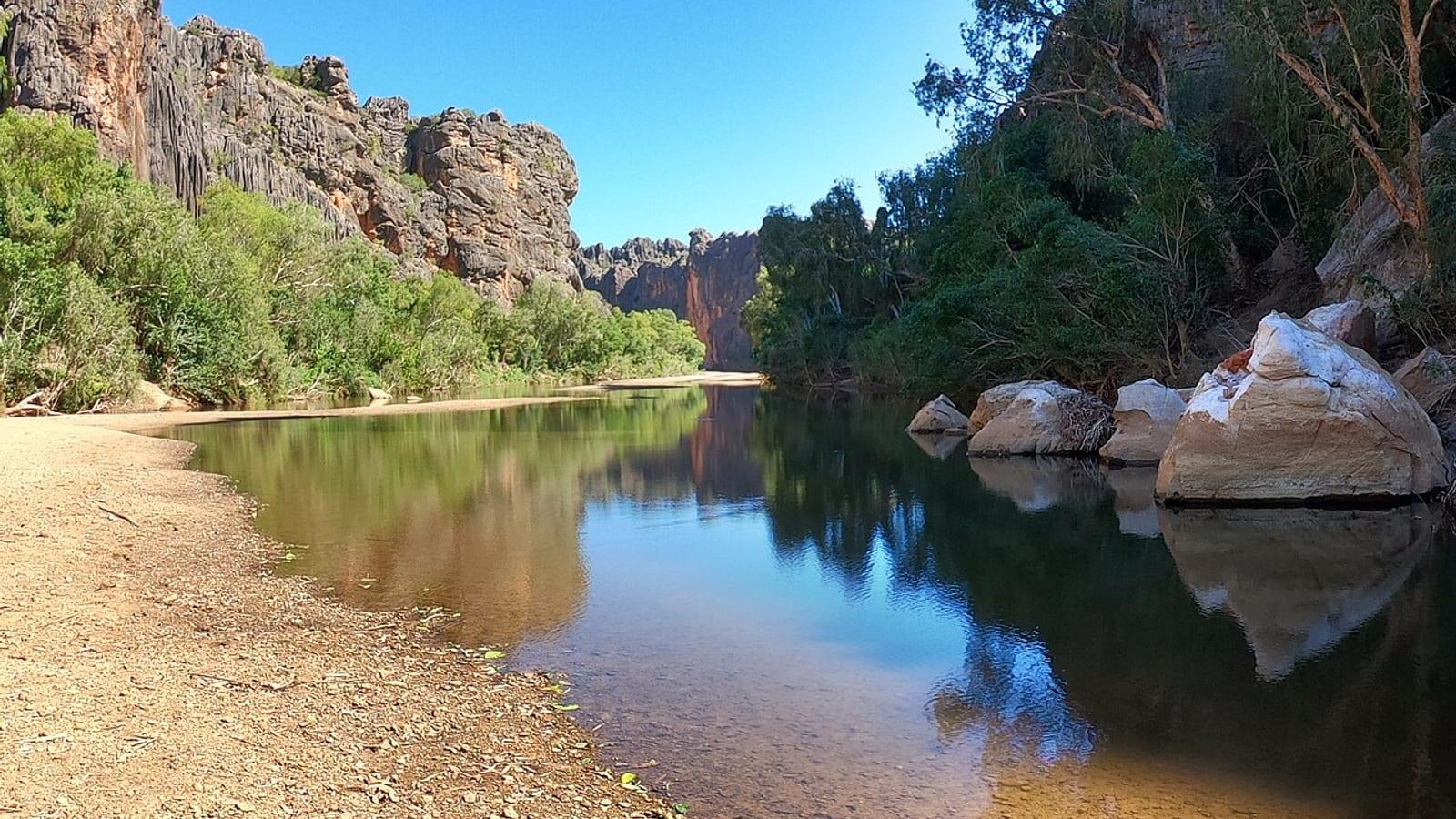
Windjana Gorge Geikie Gorge Kimberley Fossil Hunting Guide
Australia
corals, stromatoporoids, brachiopods, crinoid
Frequently asked questions
- Why are Moroccan trilobites so common in shops?
- The Anti-Atlas exposes Devonian marine rock over a very large area with almost no vegetation. Local cooperatives collect and prepare specimens commercially. Preparation quality varies, and composite or partly carved specimens do reach the market.
- What is the best Devonian fossil for a beginner?
- Brachiopods. They are abundant, robust, and survive weathering well. Spirifer and Mucrospirifer have distinctive wing-shaped outlines that make them easy to recognize in the field.
- Where can I find Devonian trilobites in the United States?
- The Silica Formation near Sylvania in northwest Ohio is the best known locality. The Hamilton Group in New York and the Mahantango Formation in Pennsylvania also produce them. Eldredgeops rana, once called Phacops rana, is the species most collectors want.