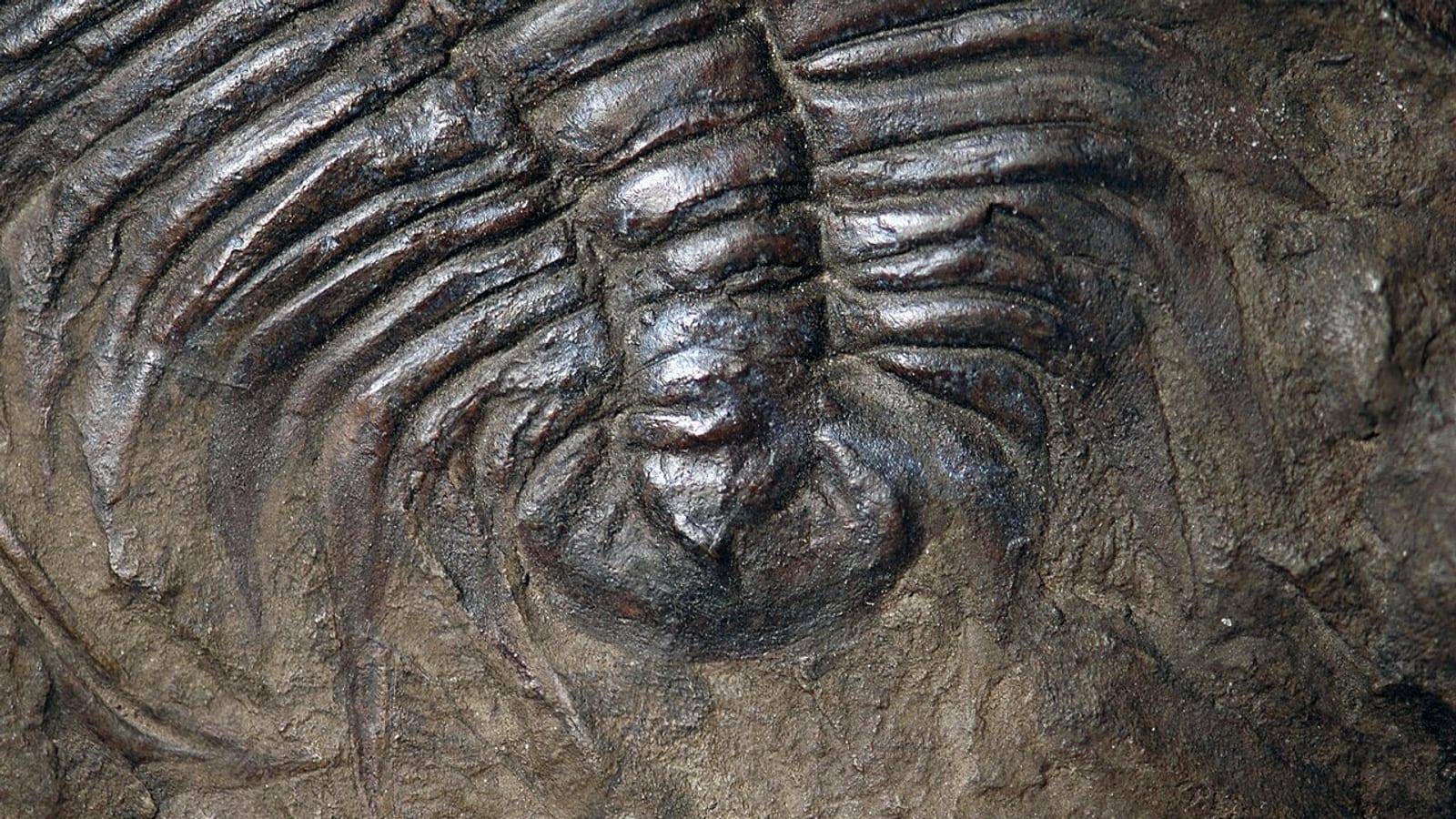
Cambrian Paradoxides Site North of Alnif Fossil Hunting Guide
Image: James St. John (CC BY 2.0)
The Cambrian Paradoxides site north of Alnif, Morocco exposes Middle Cambrian trilobites including large Paradoxides and Cambropallas, accessible with local guides.
By Edward Chen · Updated 30 July 2026
Introduction
The Cambrian exposures north of Alnif are among the most paleontologically significant outcrops in Morocco. While the country's Devonian trilobite sites receive most international attention, this area preserves trilobites from the Middle Cambrian, approximately 510 to 500 million years ago, representing animal life at an entirely different stage of evolution. The large trilobite genus Paradoxides, whose axial lobes can span 30 cm or more in the largest individuals, dominates the fauna here. The site also yields Cambropallas telesto, another large Moroccan Cambrian trilobite that has become well known to collectors, as well as polymerid trilobites, brachiopods, and hyolithids. These organisms lived during the Cambrian Explosion, the interval when most major animal body plans appeared in the fossil record for the first time.
This guide covers the geology of the Cambrian sequence near Alnif, what fossils are present and how to identify them, how to reach and arrange visits to the site, and the practical information you need to visit safely.
Location and Getting There
Location
The Cambrian fossil site is located north of Alnif in the Draa-Tafilalet region of southeastern Morocco. Alnif itself sits approximately 80 km west of Rissani and around 100 km southeast of Tinghir. The town is a small but growing fossil trading center, with several shops and workshops dealing in Cambrian trilobites from the surrounding exposures. Approximate GPS coordinates for the outcrops north of town are 31.15°N, 4.99°W, though specific quarry positions are best confirmed with a local guide.
Getting There
From Tinghir, take the R702 road east approximately 100 km to Alnif. From Erfoud, the route runs west via secondary roads through Taouz and the desert plateau, a journey of around 120 km. From Alnif, the Cambrian outcrops are reached via piste tracks heading north from town. The distance to the main collecting areas is approximately 20 to 30 km, and a 4WD vehicle is essential for the unpaved approach. Local guides in Alnif can arrange transport and access. The town's fossil shops are an excellent starting point for making these arrangements. The drive to the outcrops takes between 30 and 60 minutes depending on track conditions.
What Fossils You'll Find
Paradoxides trilobites are the signature fossils of this locality. These are among the largest trilobites known from the Cambrian, with some specimens reaching 30 to 40 cm in total length. The genus is recognized by its elongated spinose pleurae, large glabella, and short pygidium. Paradoxides occurs in several species at different stratigraphic levels. Well-preserved complete individuals showing the full pleural spinose outline are the most prized specimens. Most commercially available material shows the dorsal shield, often partially enrolled.
Cambropallas telesto is another large Cambrian trilobite characteristic of the Moroccan Middle Cambrian. It is recognized by its broad, flat cephalon, granulated exoskeleton surface, and relatively wide pleural lobes. Complete specimens are less common than Paradoxides but appear regularly in the quarry material.
Smaller polymerid trilobites, including agnostids, occur in the finer-grained shale horizons interbedded with the limestones. Brachiopods of the inarticulate type, including lingulids, are associated with the trilobite-bearing layers. Hyolithids, a group of extinct animals with a conical shell and a pair of lateral supports called helens, appear sporadically in some beds. These are of scientific interest as hyolithids were recently confirmed as members of the lophophorate lineage rather than molluscs.
Surface collecting at scarp edges and erosion gullies can yield weathered specimen fragments. Most complete material is extracted mechanically from the limestone.
Geologic History
The Ancient Environment
The Cambrian rocks north of Alnif belong to sequences of Middle Cambrian age, deposited approximately 515 to 500 million years ago. At this time, Morocco was positioned at temperate to tropical southern latitudes on the margin of Gondwana, facing a broad ocean to the north. The depositional environment was a shallow shelf sea with alternating carbonate and siliciclastic input. Trilobites inhabited the seafloor as mobile predators and scavengers, with different genera occupying different ecological zones from shallow nearshore areas to slightly deeper outer shelf environments.
The Cambrian Explosion, which began slightly earlier in the Terreneuvian and Series 2 stages of the Cambrian, had already produced the full diversity of major invertebrate body plans by the time the Alnif sediments were deposited. Morocco's Cambrian faunas represent a Gondwanan province that differs in composition from better-known Cambrian localities in Canada and China, providing a complementary window into early animal evolution from a different paleogeographic setting.
How the Alnif Cambrian Site Became a Fossil Site
The Cambrian rocks in this region are exposed by the ongoing erosion of the Anti-Atlas mountain front and the desert plateau south of it. Differential erosion of softer shale units relative to harder limestone beds creates the scarps and gullies where fossils weather out and become accessible. Alnif had a small population and little economic infrastructure beyond pastoralism before the fossil trade developed in the 1990s. The discovery that Cambrian trilobites from the area could command significant prices on the international collector market transformed the town. Today Alnif is a recognized center for Cambrian fossil material, and the workshops in town produce some of the most skillfully prepared Moroccan Cambrian specimens available.
Visiting and Collecting Information
Access and What to Expect
Access to the Cambrian outcrops north of Alnif is arranged through local guides and fossil dealers in town. A guided half-day trip to the quarries and outcrops typically costs 300 to 600 MAD (30 to 60 USD) per person including transport. At the site, you can collect from surface screes and erosion gullies, and you can purchase raw matrix blocks or prepared specimens from quarry workers. The preparation workshops in Alnif itself are worth visiting separately, as watching experienced preparators extract Paradoxides from limestone under pneumatic tools and microscopes is genuinely instructive.
There is no fixed tourist allowance for taking fossils out of Morocco. Article 116 of the 2015 Mining Code (Law 33-13) requires a permit for collecting and trading fossils, minerals, and meteorites, with the procedures set out in a 2019 implementing decree and the framework revised again in 2025. Enforcement is uneven, and small purchases from licensed dealers are commonly carried out without incident, but that is practice rather than an entitlement. Keep a receipt and a written description of each specimen and its origin, and check the current rules with the Moroccan ministry responsible for mines before you travel.
What to Bring
Bring a minimum of 2 liters of water per person. The desert north of Alnif is remote and exposed. Sun protection is critical. Wear sturdy boots with ankle support for uneven limestone terrain. A geology hammer, chisel, and safety glasses are useful if you intend to work matrix at the outcrops. Bring cash in dirhams, as no electronic payment is available. A loupe and small flashlight are helpful when inspecting specimens in low light.
Safety and Practical Tips
Alnif has several fossil shops that are excellent starting points for both purchasing specimens and arranging guide services. Shop owners often speak English or French and are accustomed to working with international visitors. The preparation workshops in town can provide context for evaluating specimen quality and authenticity. If you are purchasing Paradoxides specimens, check that the marginal spines are natural rather than reconstructed, as these are the most commonly restored elements. UV lighting reveals most fluorescent fills. The best time to visit is between October and April when daytime temperatures are between 20 and 32°C.
Sources
Nearby sites
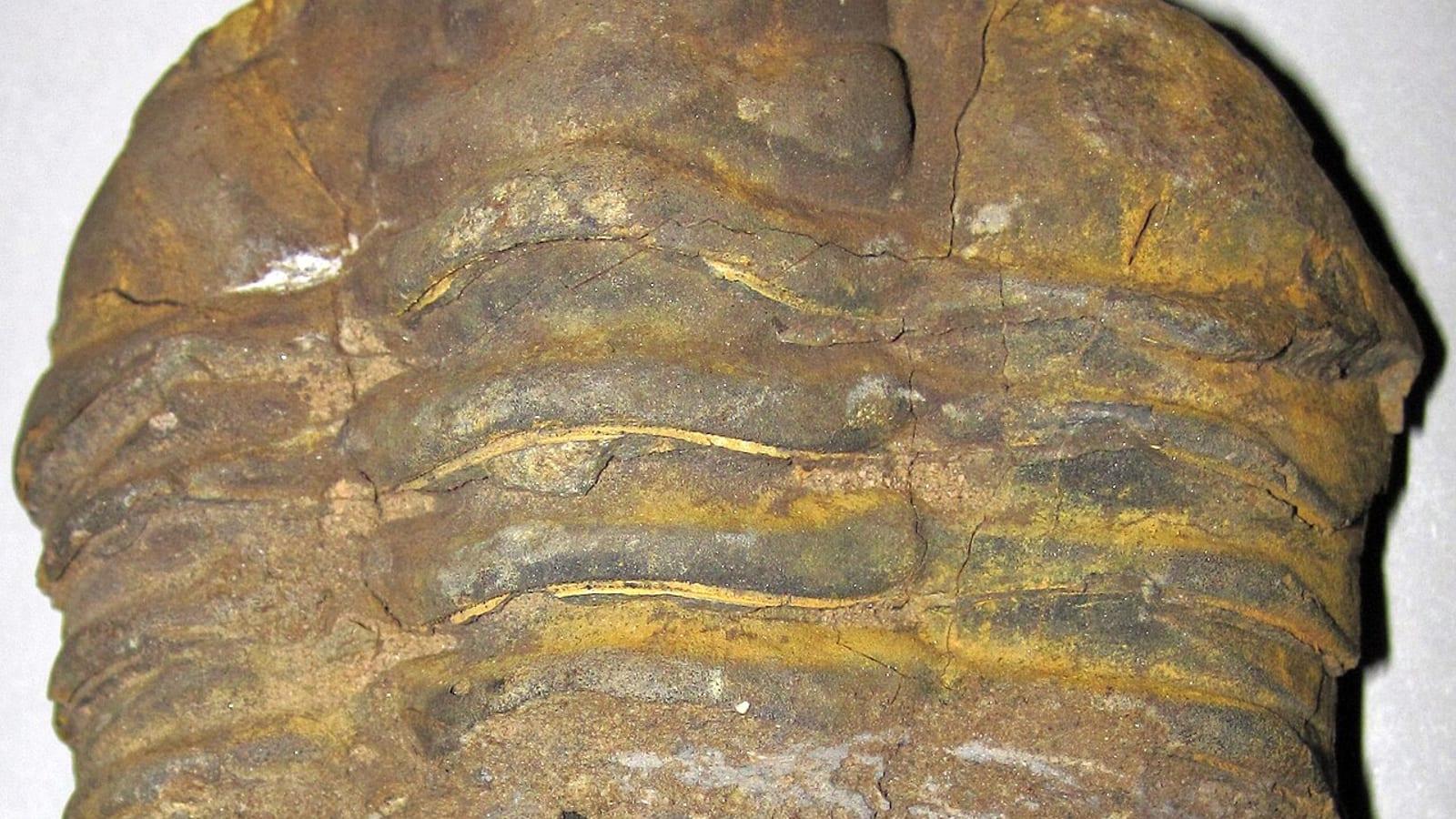 Bou Dib Fossil Site North Jbel Isoumour Alnif Fossil Hunting GuideBou Dib, Phacops
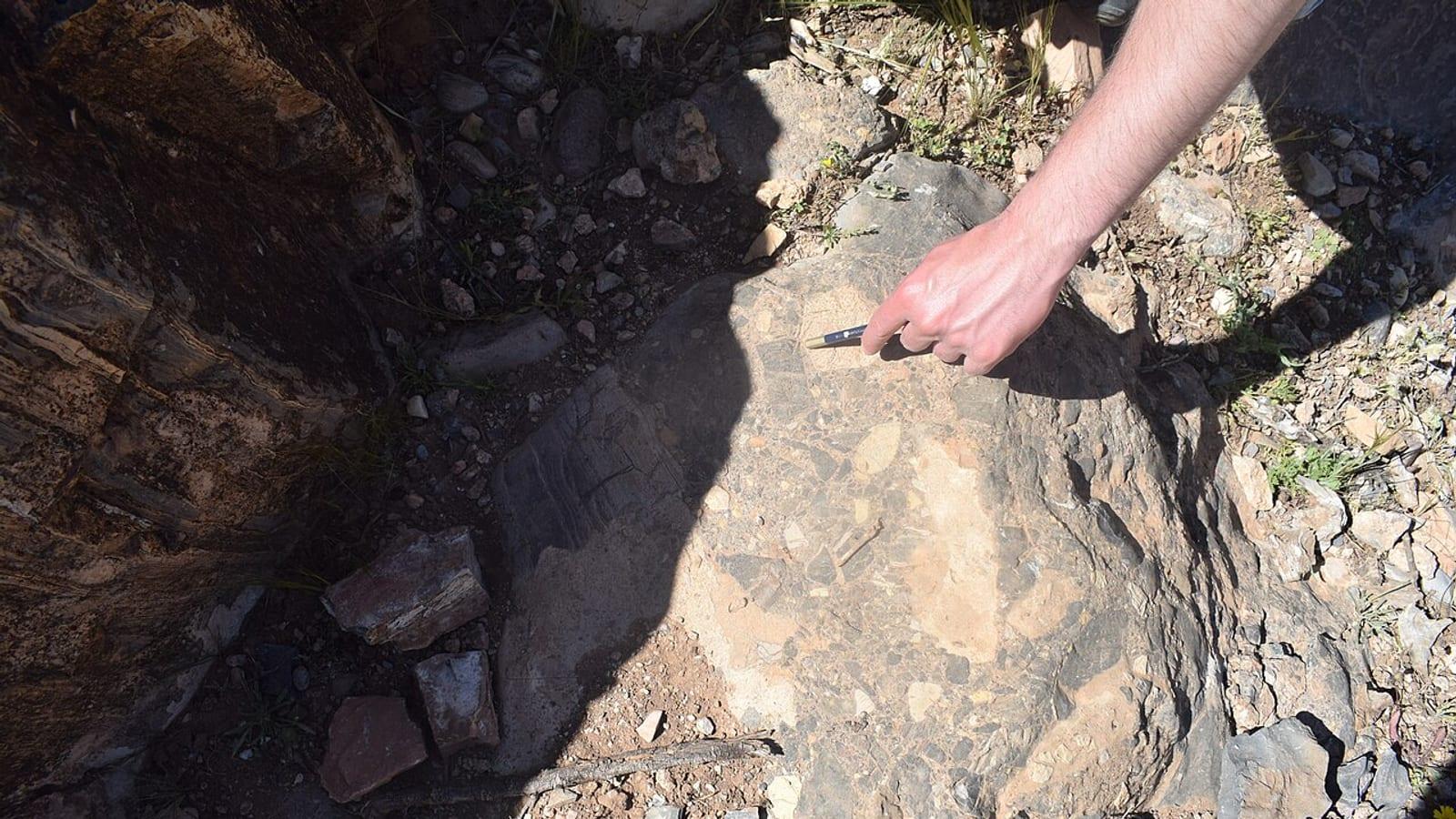 Jbel Isoumour Trilobite Mine Alnif Fossil Hunting GuideJbel Isoumour, Psychopyge
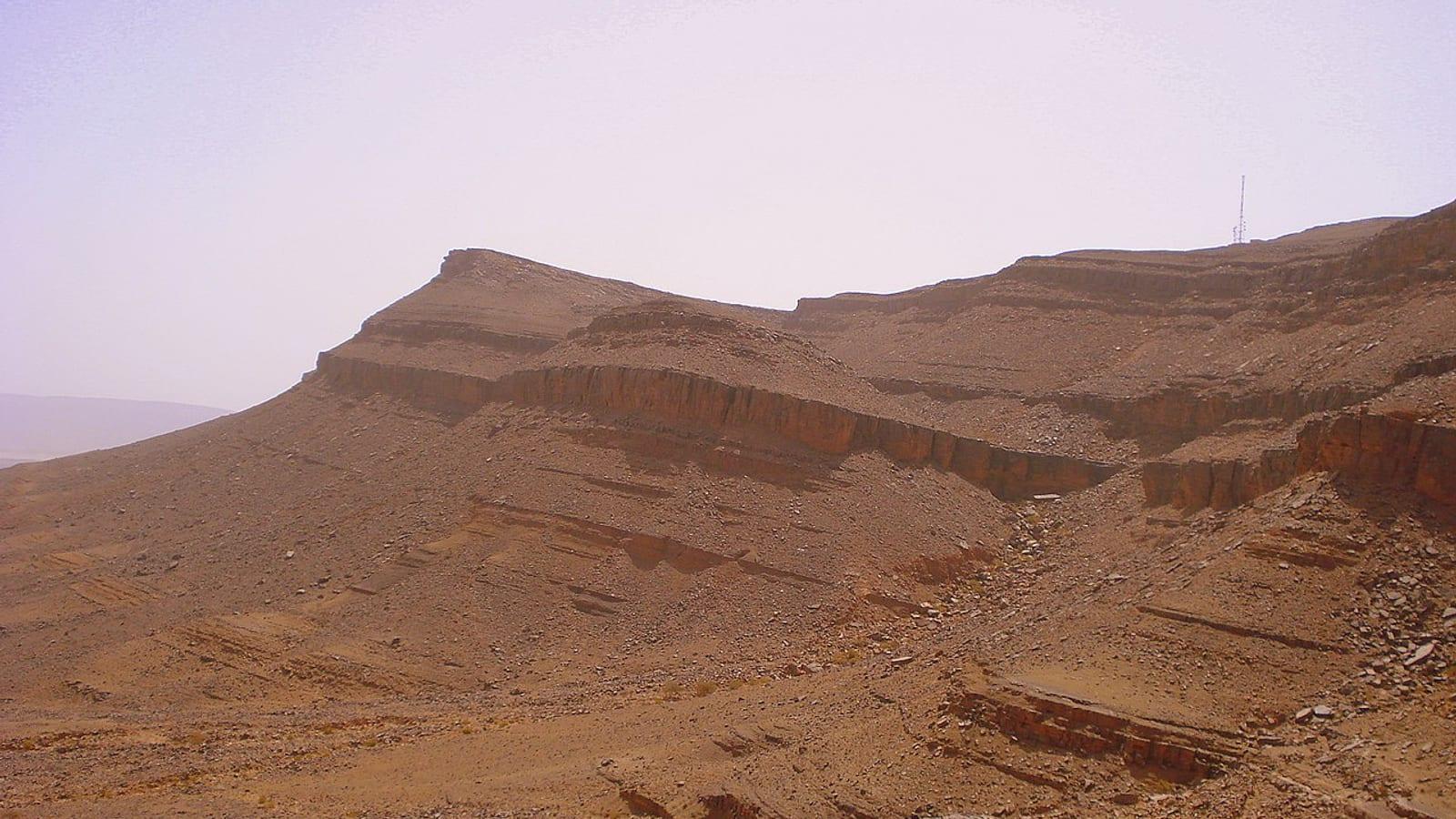 Jbel Tiskaouine Ordovician Trilobite Site Alnif Fossil Hunting GuideJbel Tiskaouine, Flexicalymene
 Saredrar Orthoceras Quarry Tazzarine Alnif Fossil Hunting GuideOrthocerids, Goniatites